
Lotus
Colin Chapman's Lotus turned lightness into a philosophy — 'simplify, then add lightness' — and the results reshaped both racing and the road: seven Formula 1 constructors' titles, the Seven and Elan as templates for the pure sports car, and the Esprit as Britain's wedge-era supercar. The Elise of 1996 saved the company and defined the modern lightweight sports car for two decades. Under Geely ownership Lotus has transformed into a maker of electric performance cars alongside the Emira, its final petrol model — a pivot that has only sharpened collector focus on the analogue back catalogue, from Elan through Esprit to the last Elises and Exiges.
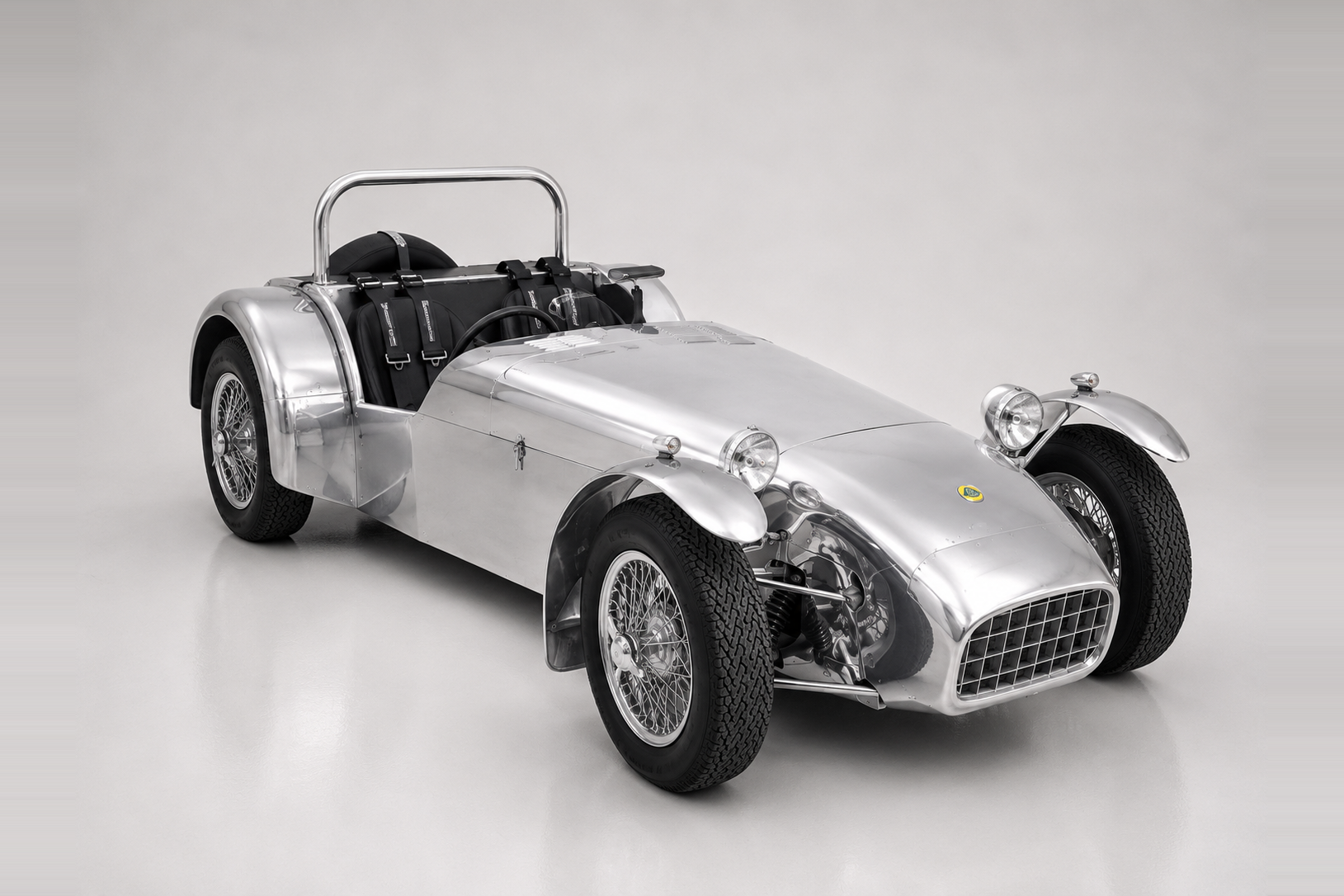
Lotus Seven
Colin Chapman's purest expression of 'simplify and add lightness' — a featherweight spaceframe roadster whose design lives on as the Caterham Seven.
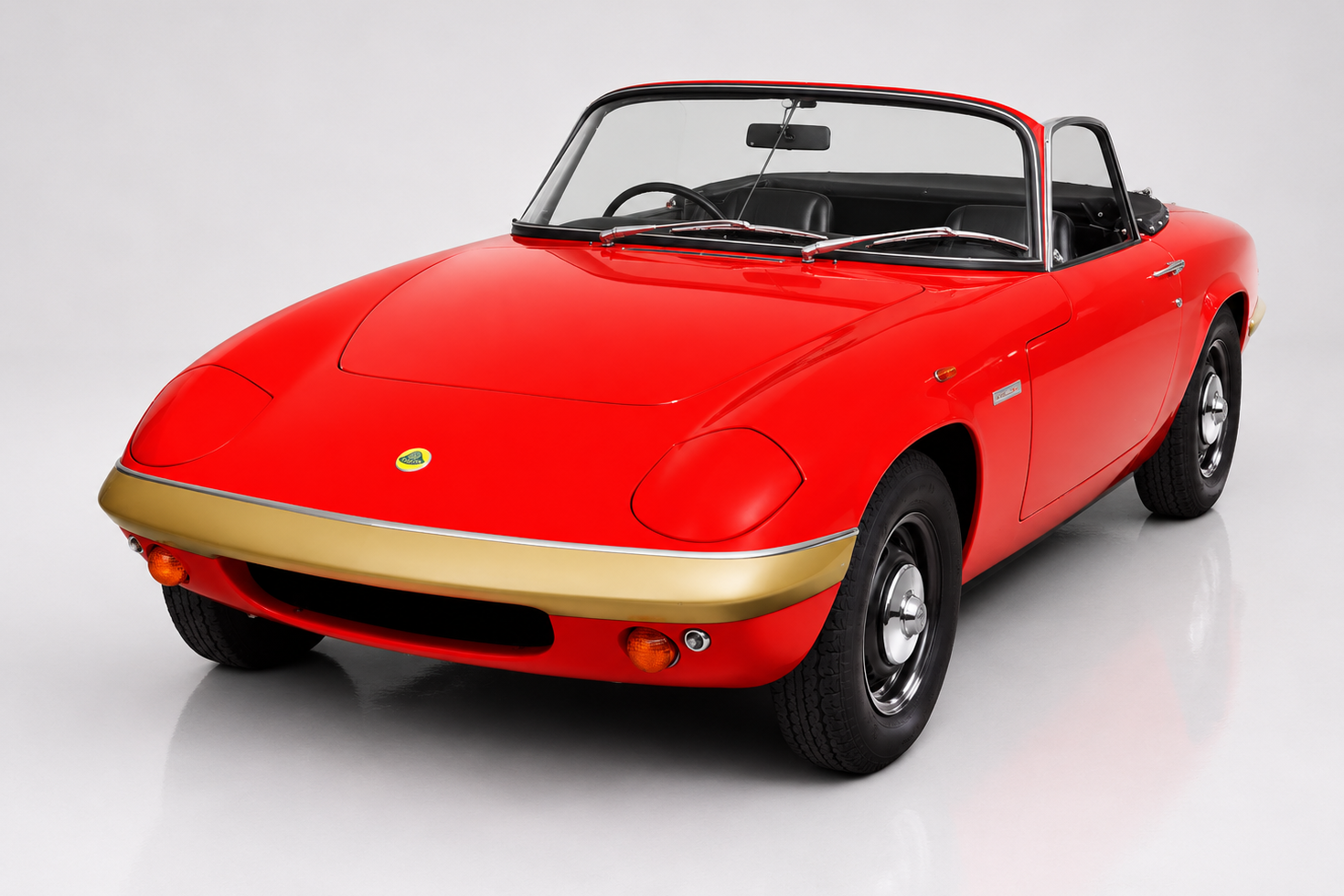
Lotus Elan
Chapman's masterpiece — the car that funded a decade of Grand Prix wins.
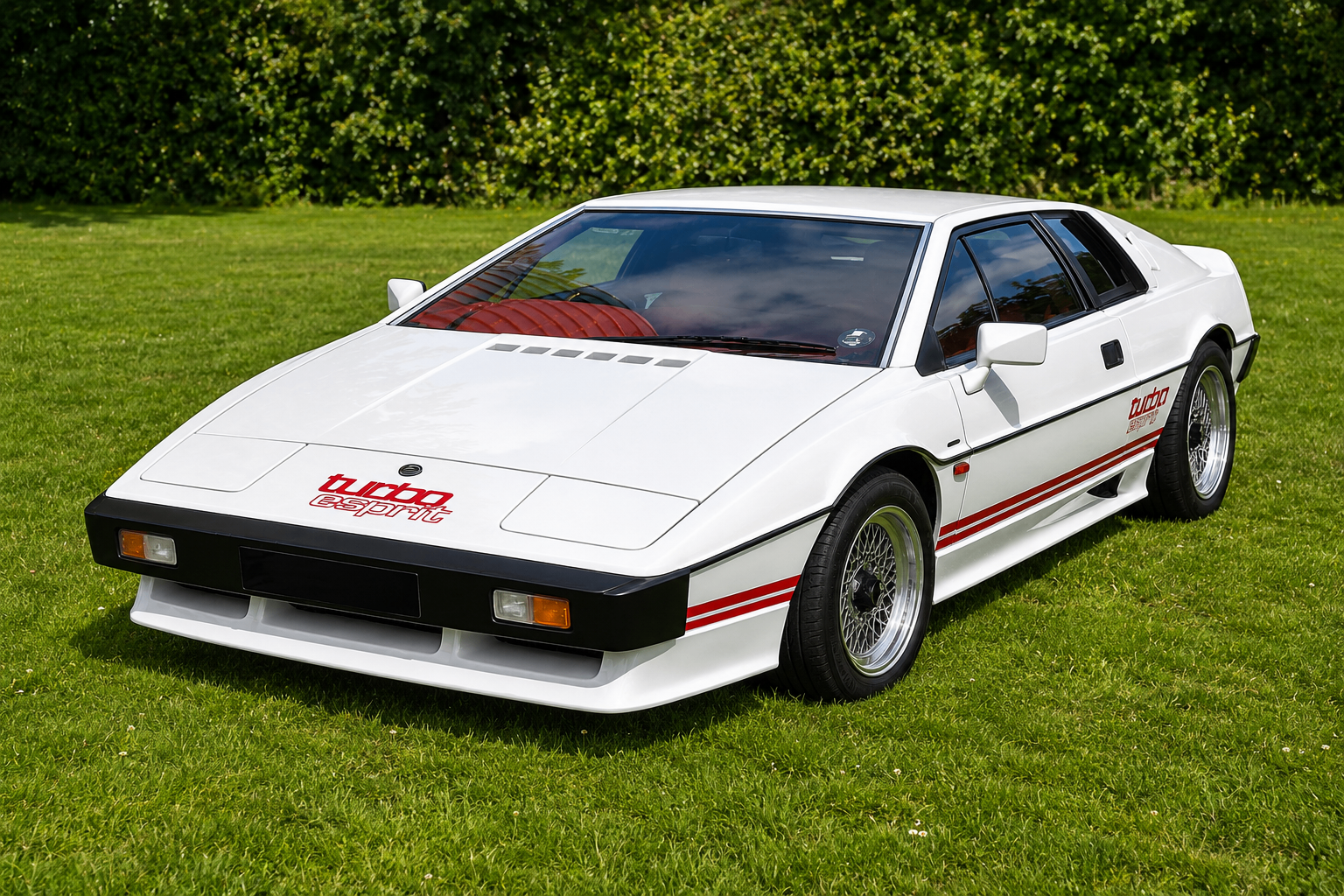
Lotus Esprit
Giugiaro's folded-paper wedge — Britain's home-grown mid-engined supercar across four generations, from the 1976 naturally-aspirated S1 to the 2004 twin-turbo V8.
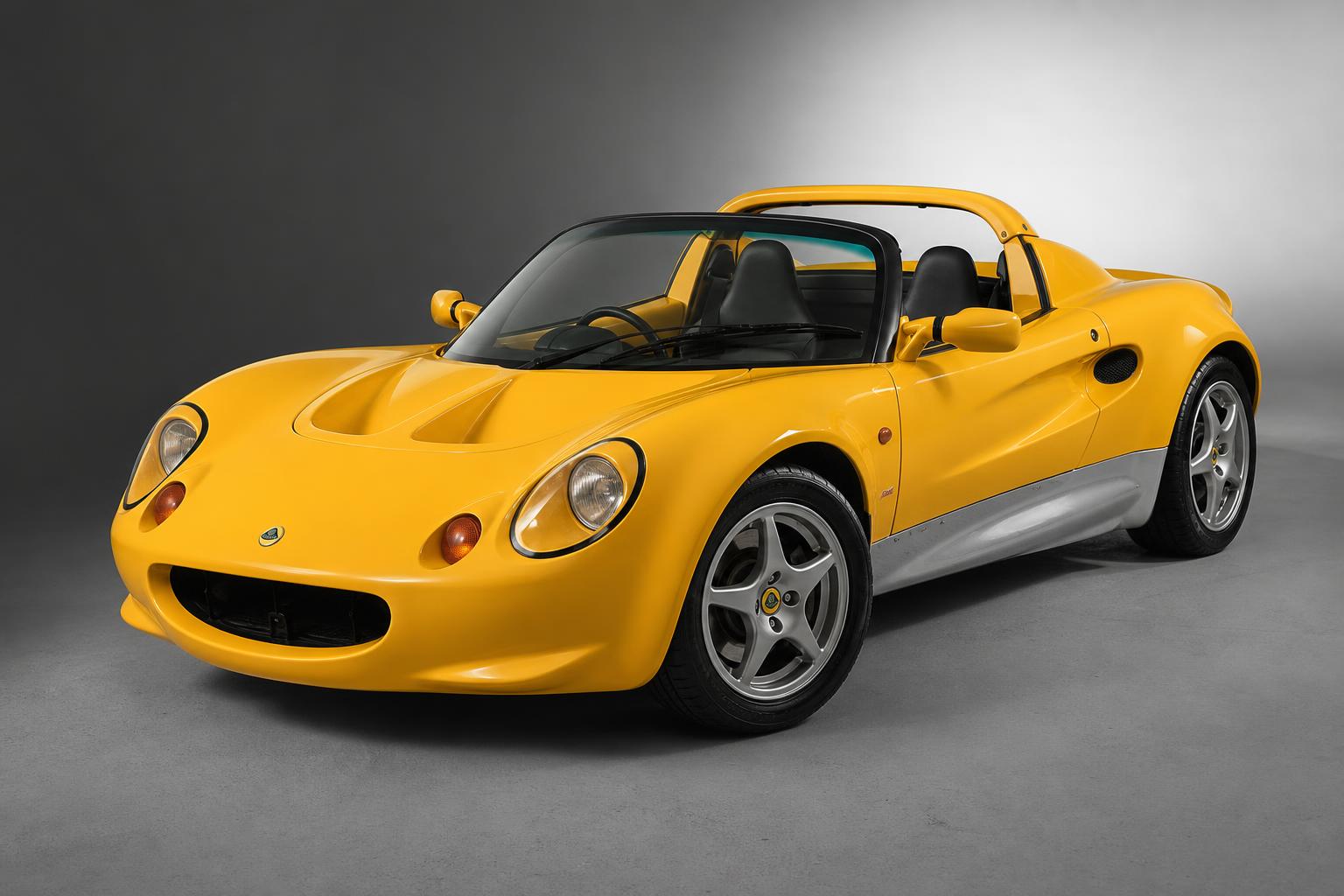
Lotus Elise (S1)
The bonded-aluminium roadster that redefined the modern sports car.
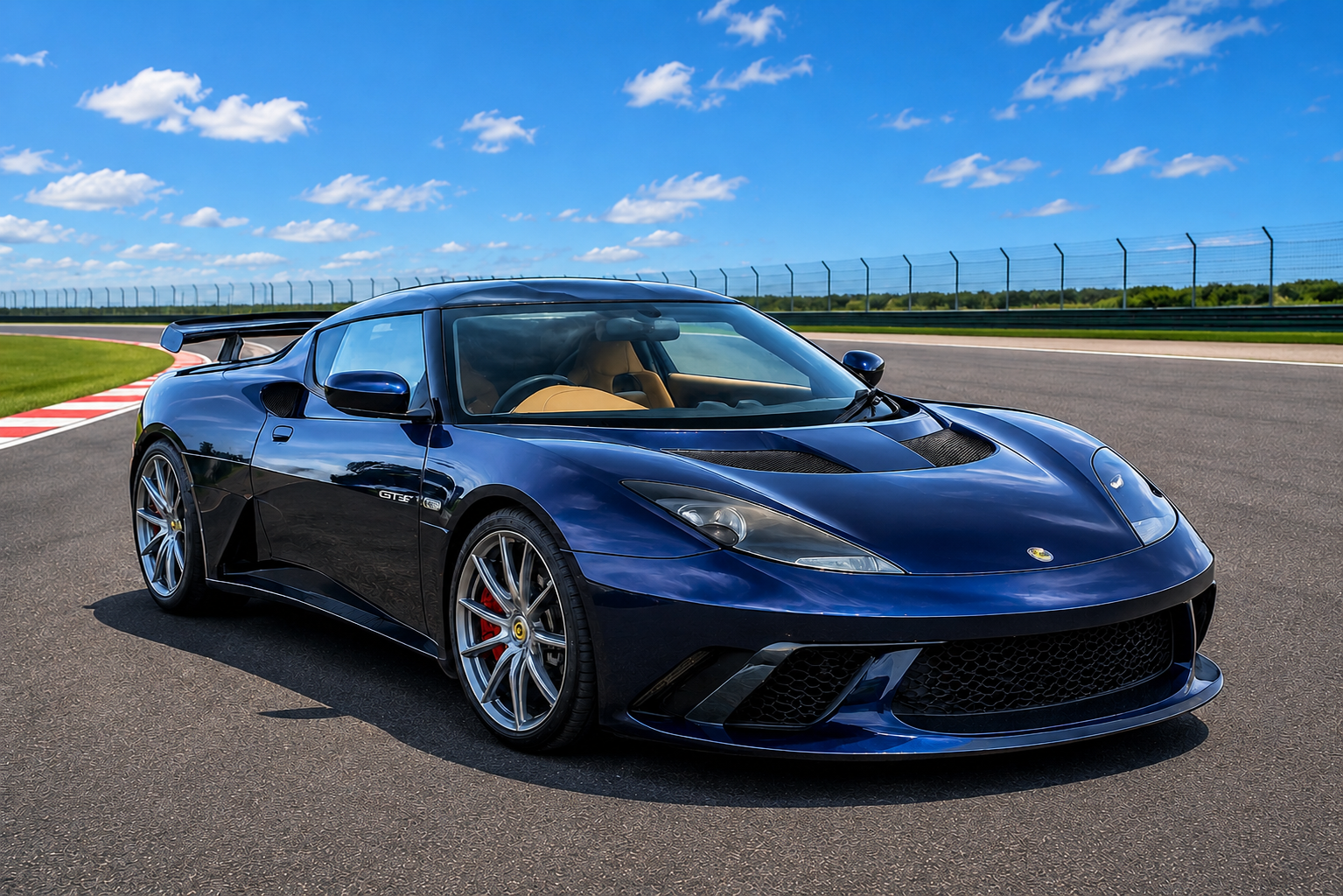
Lotus Evora
The first all-new Lotus since the Elise — a Toyota-V6-powered, mid-engined 2+2 that became the brand's last analogue supercar.