
Aston Martin
Founded in 1913 by Lionel Martin and Robert Bamford, and named for the Aston Hill climbs where Martin campaigned his earliest cars, Aston Martin has spent over a century as Britain's grand tourer of record. The David Brown era gave the marque its defining DB lineage and an outright Le Mans victory in 1959 with the DBR1; the DB5's 1964 screen debut made it a cultural fixture. Today, under Lawrence Stroll's consortium, the racing thread runs stronger than ever — a works Formula 1 team in partnership with Honda, and the Valkyrie carrying the marque back to Le Mans in the top Hypercar class. The road cars span the DB12 and Vanquish grand tourers, the DBX SUV that now underpins the business, and the mid-engined Valhalla — the broadest range in the company's history.
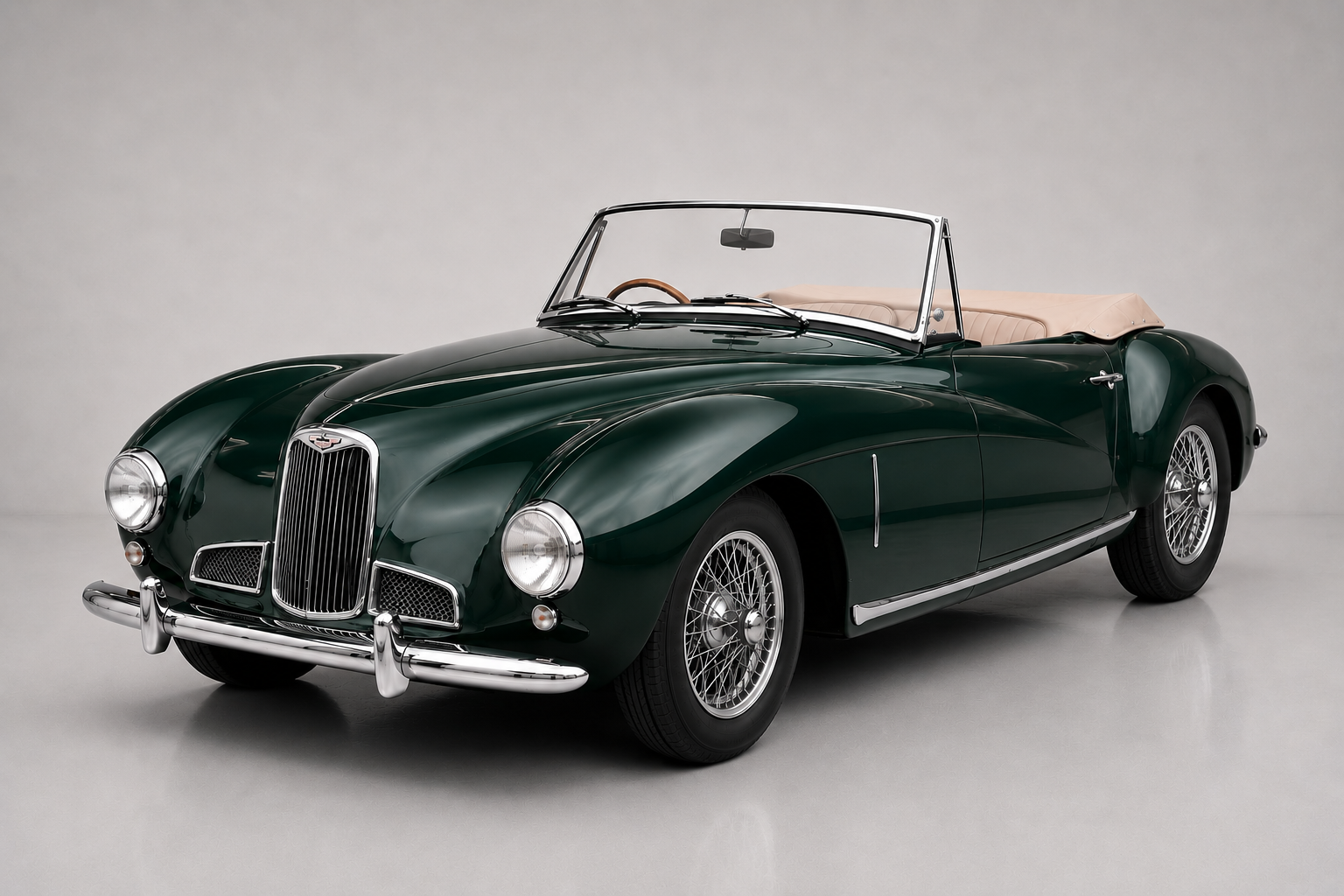
Aston Martin 2-Litre Sports (DB1)
The 15-car David Brown launch model — the car that launched the DB era.
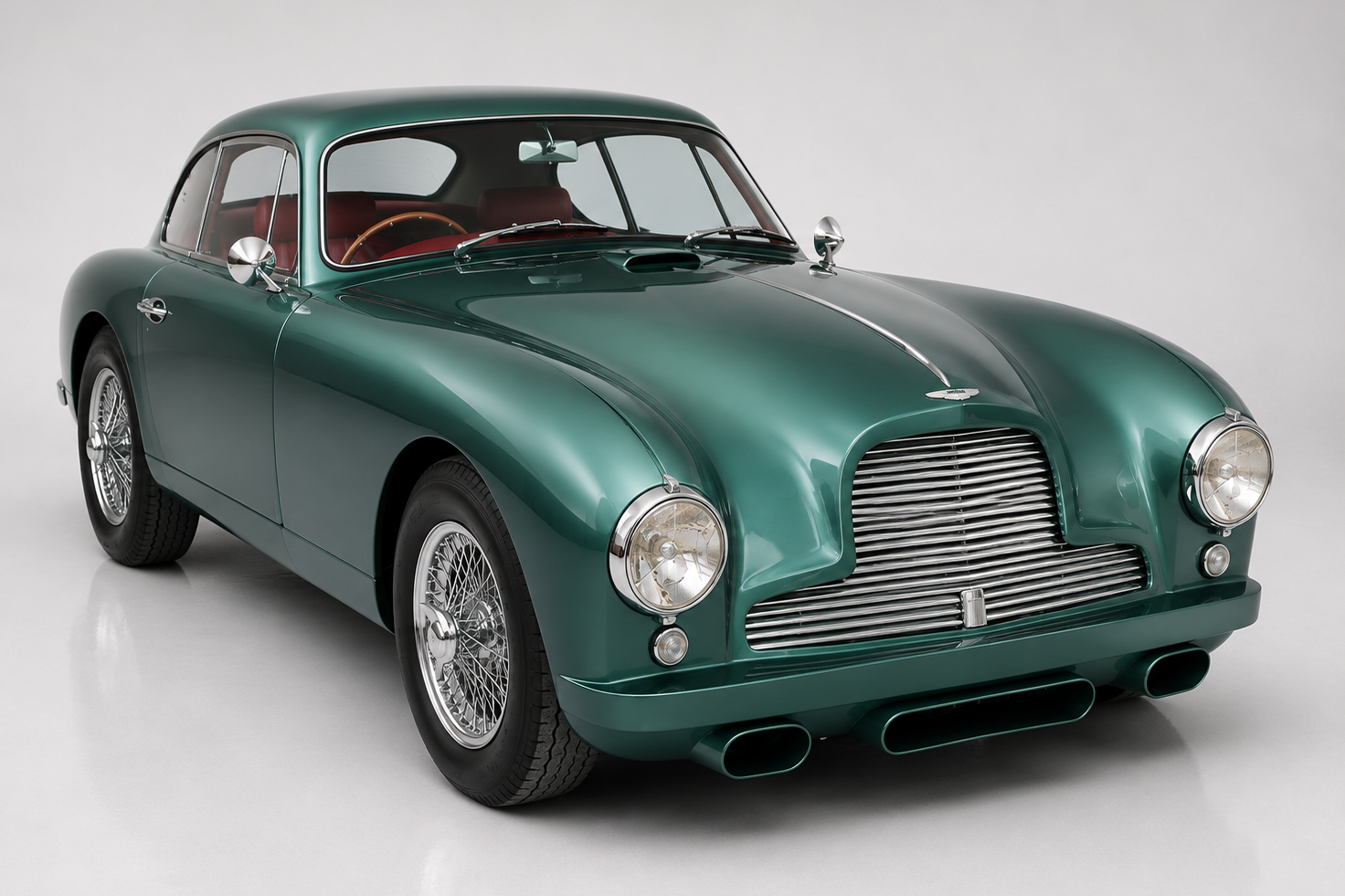
Aston Martin DB2
Aston Martin's first true postwar grand tourer — and the car on which the Vantage nameplate began, as a 125 bhp engine option.
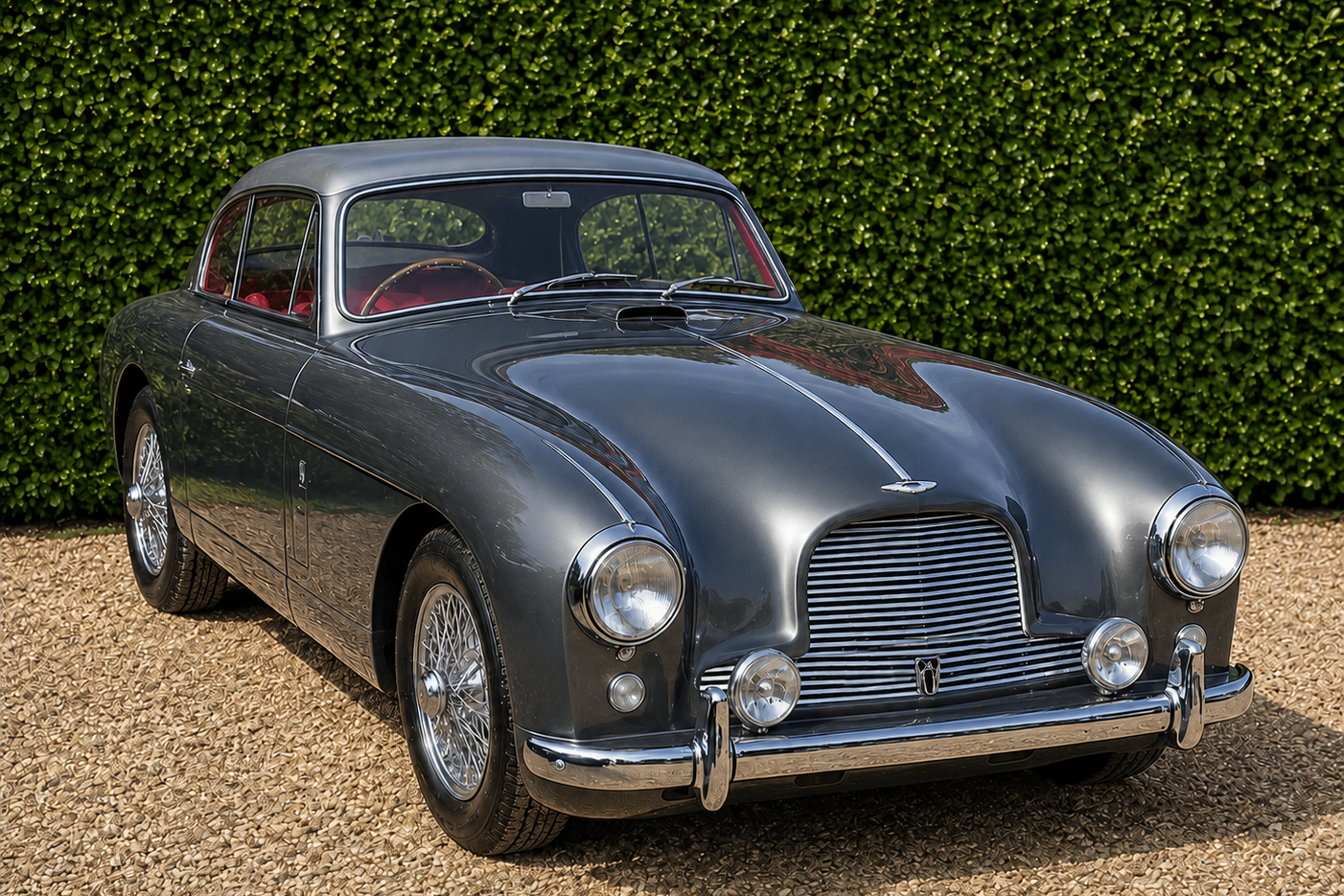
Aston Martin DB2/4
The Feltham-era Aston that added a hatchback tailgate and rear seats to the DB2.
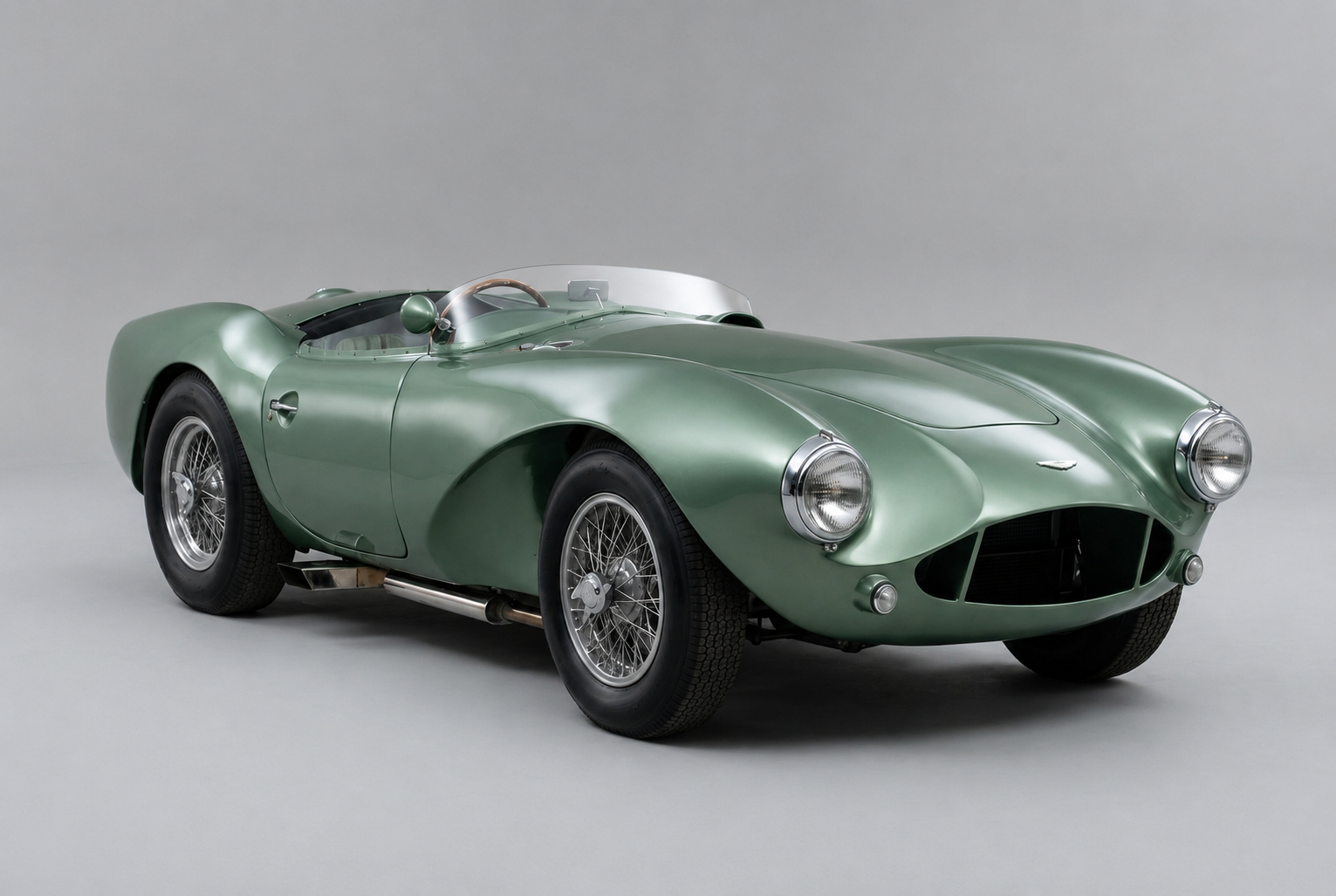
Aston Martin DB3S
Frank Feeley's cutaway-fendered works sports-racer — twice second at Le Mans and the DBR1's direct predecessor.
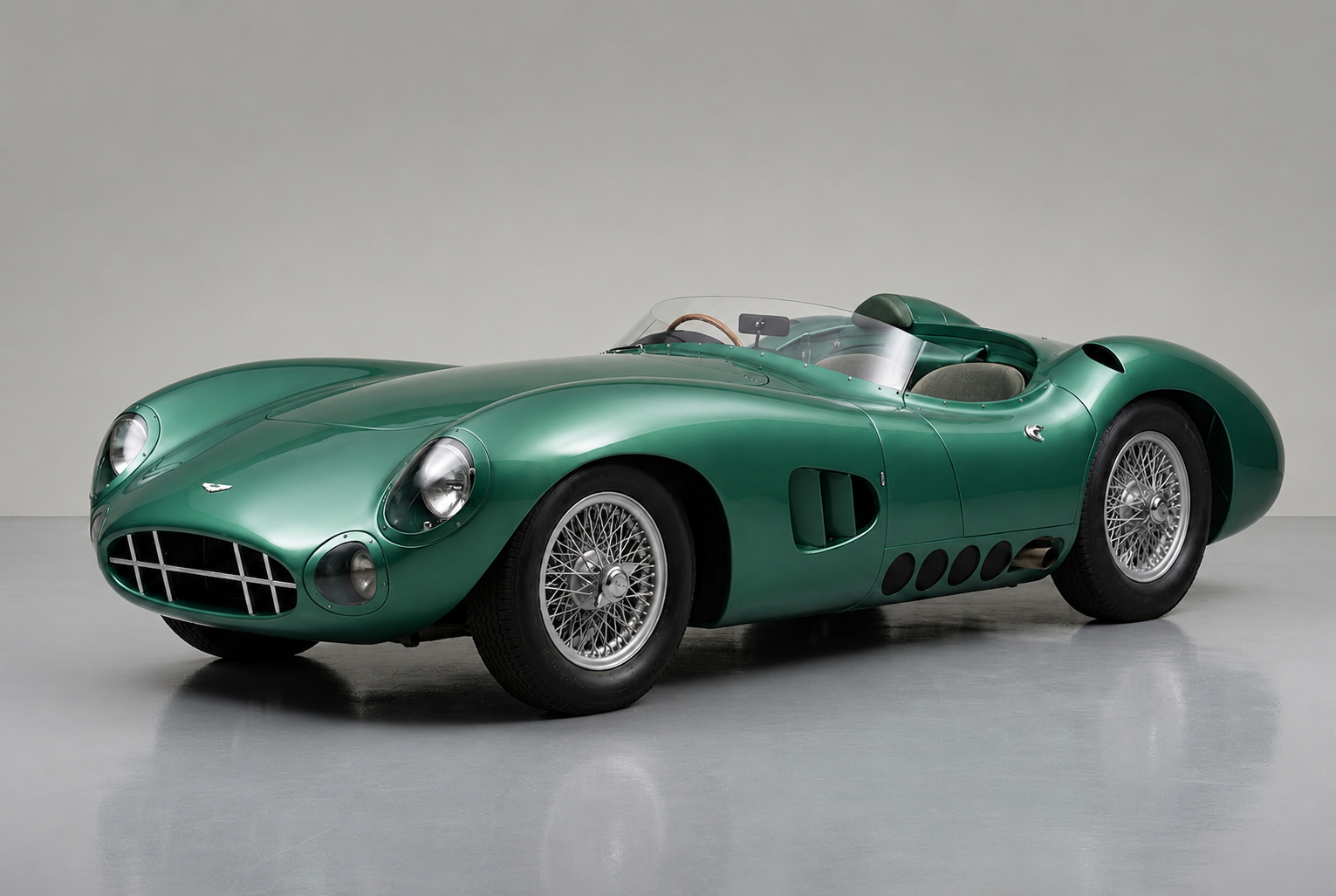
Aston Martin DBR1
The car that won Aston Martin the 1959 World Sportscar Championship and its only outright Le Mans.
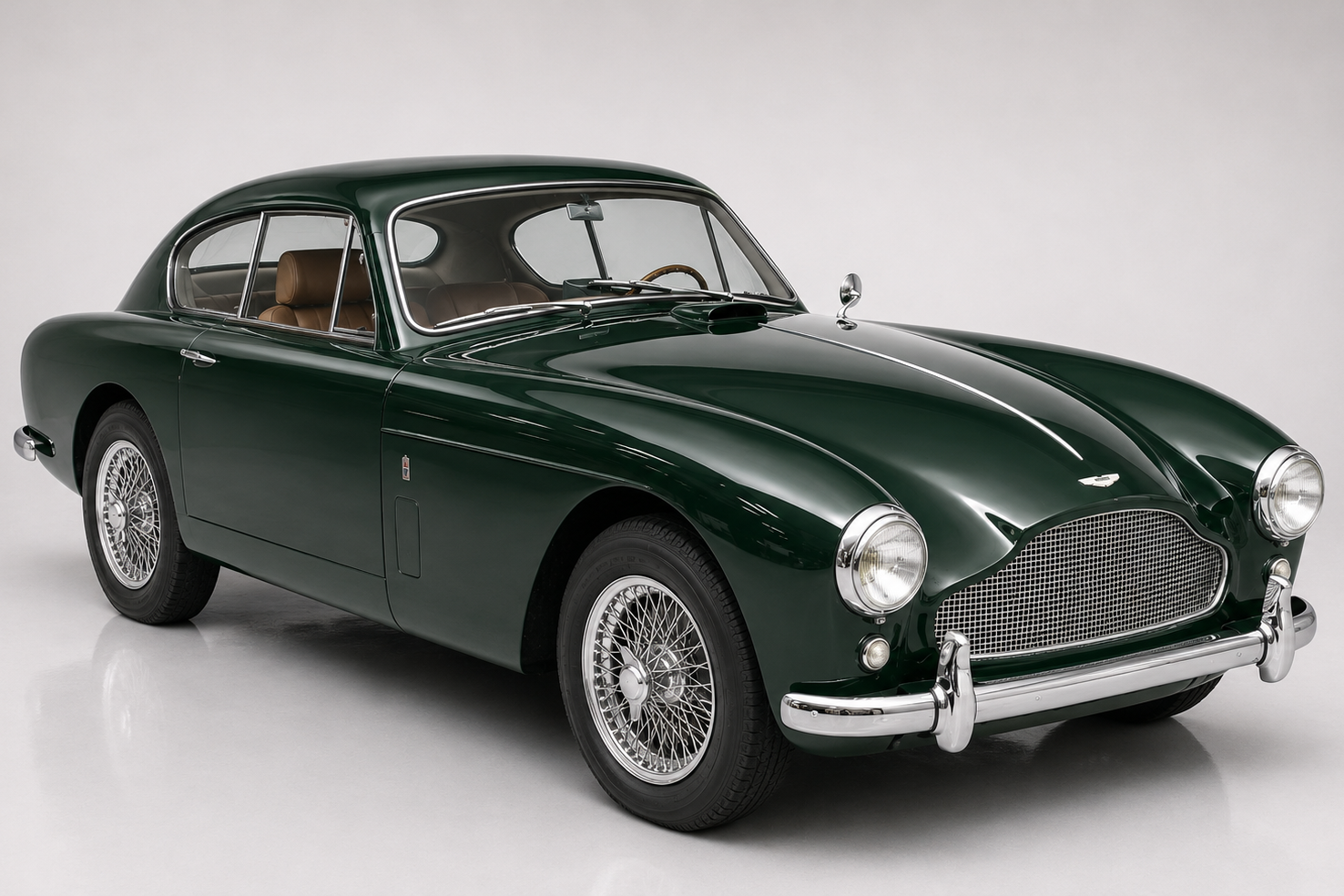
Aston Martin DB Mark III
The last Feltham road car — and the Aston that introduced the DB3S-derived grille shape every subsequent DB has worn.
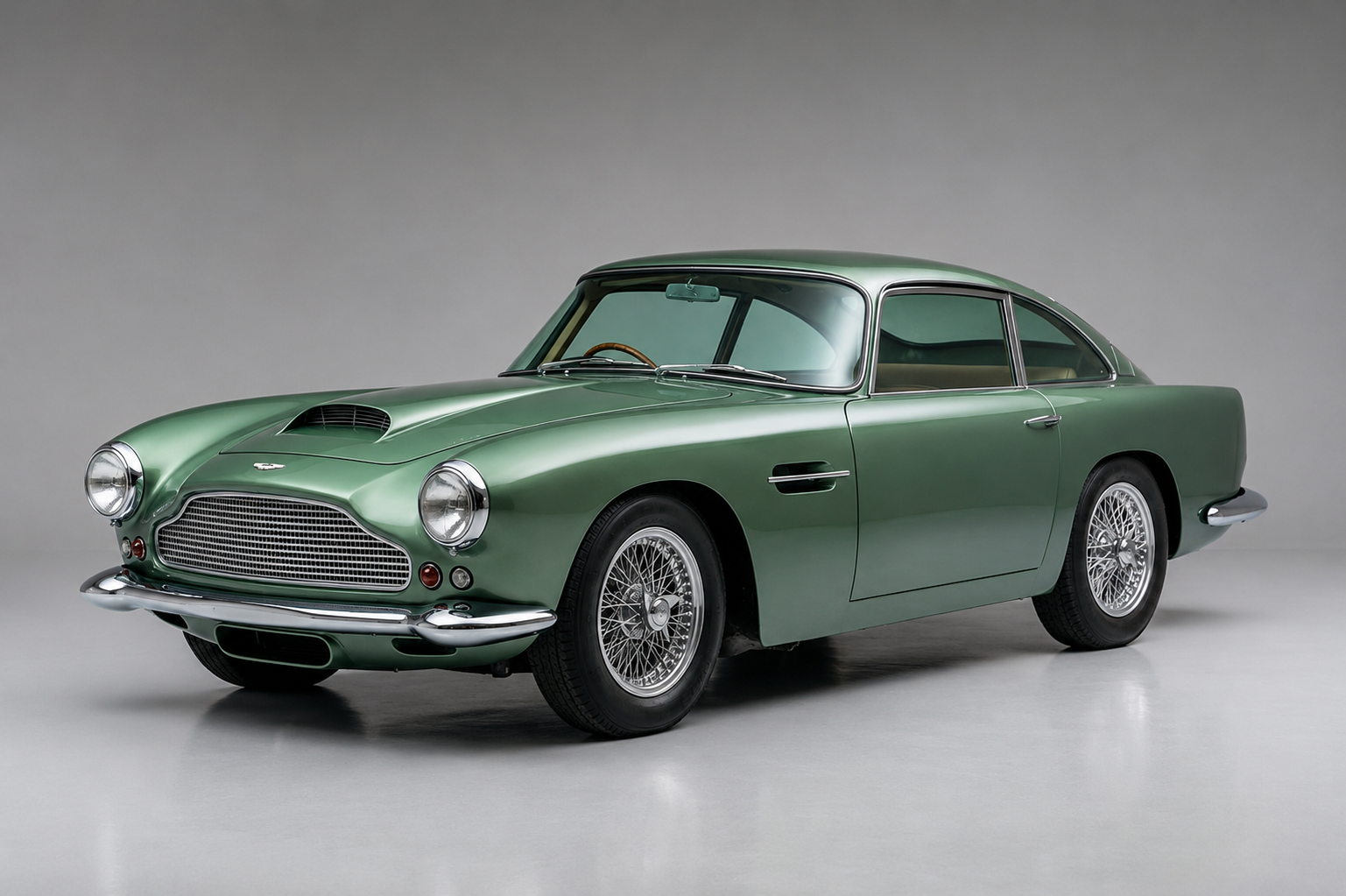
Aston Martin DB4
The Touring-bodied superleggera Aston that established the DB silhouette and underpinned the DB5.
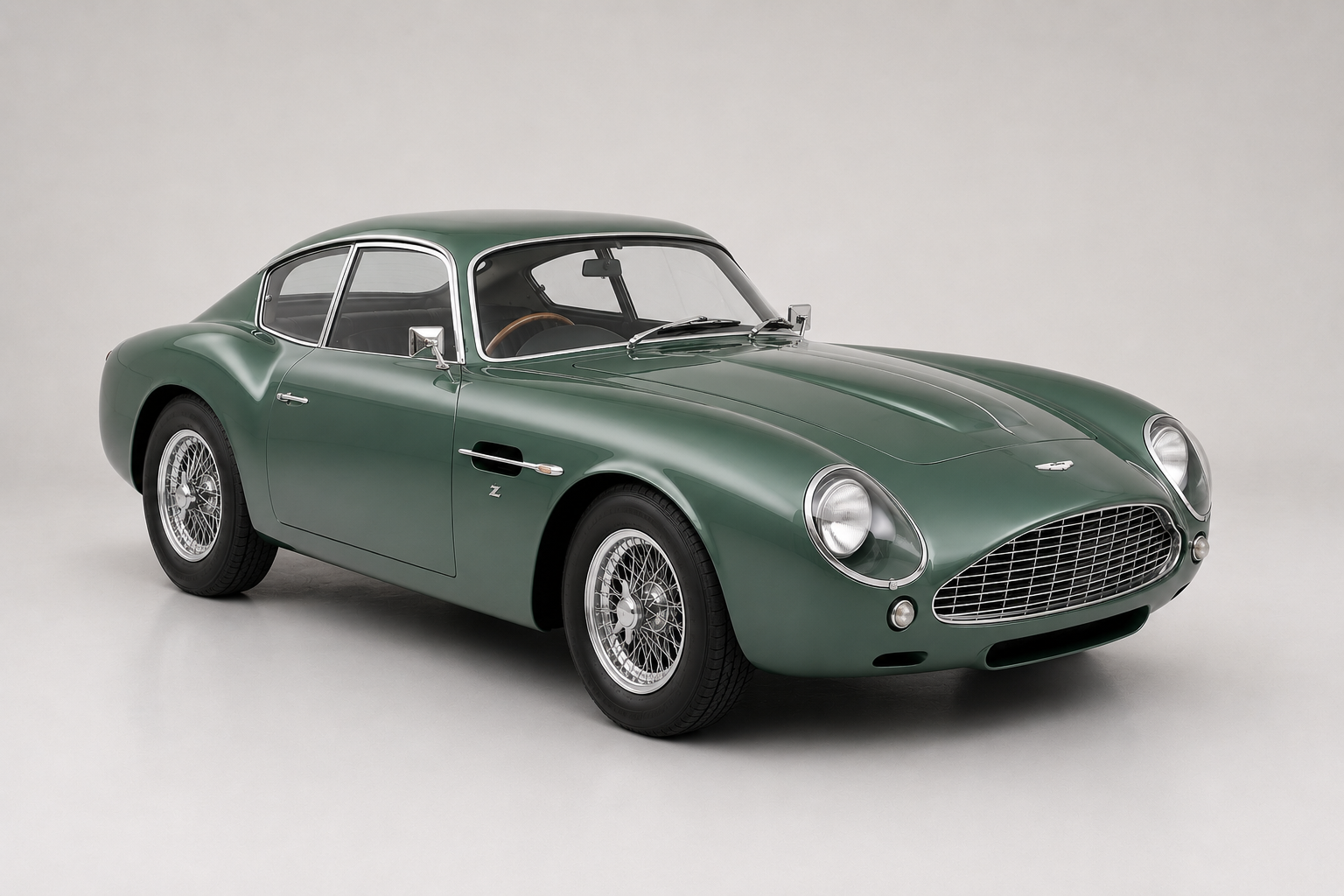
Aston Martin DB4GT & DB4GT Zagato
The lightweight, faired-headlamp short-chassis DB4 — and its 19-car Zagato-bodied elite.
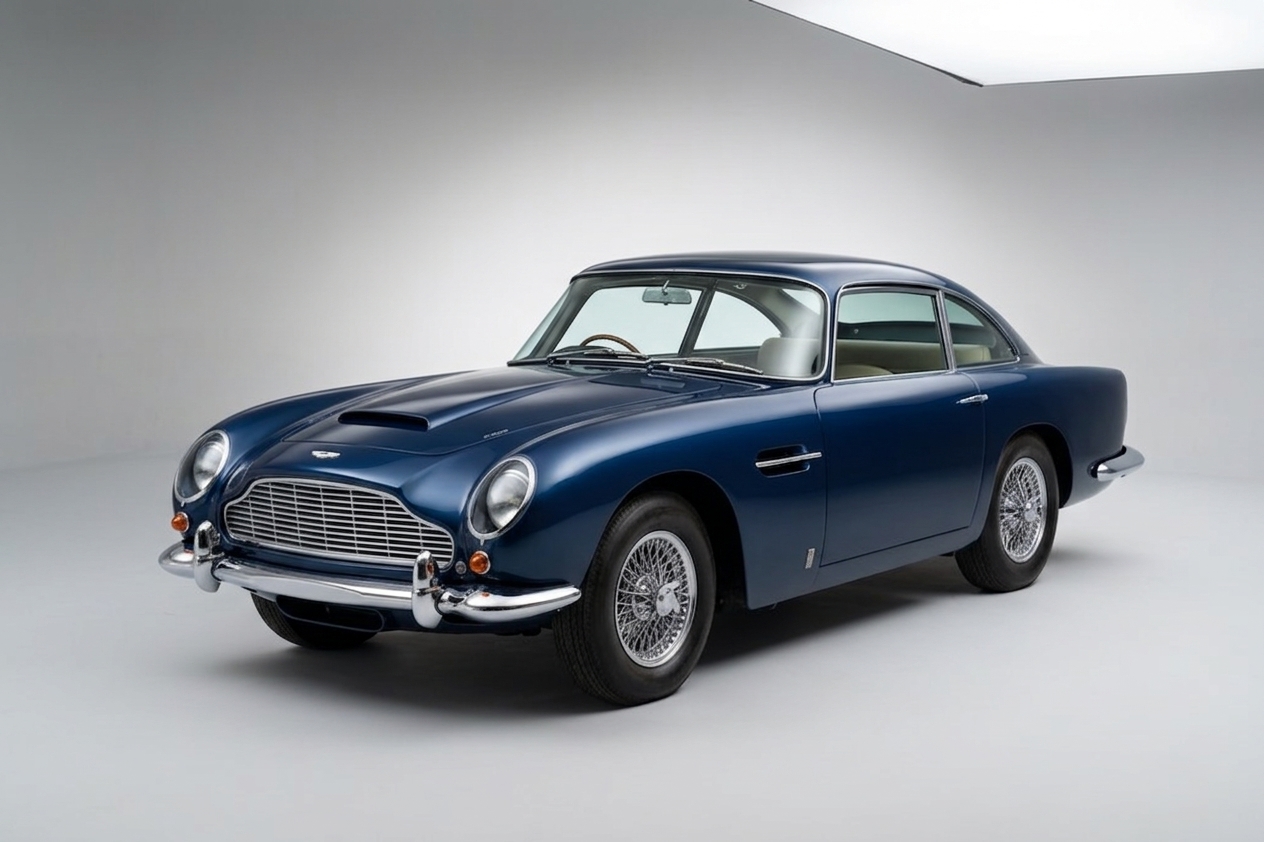
Aston Martin DB5
The world's most famous Aston Martin — the Goldfinger silhouette built on the DB4 platform.
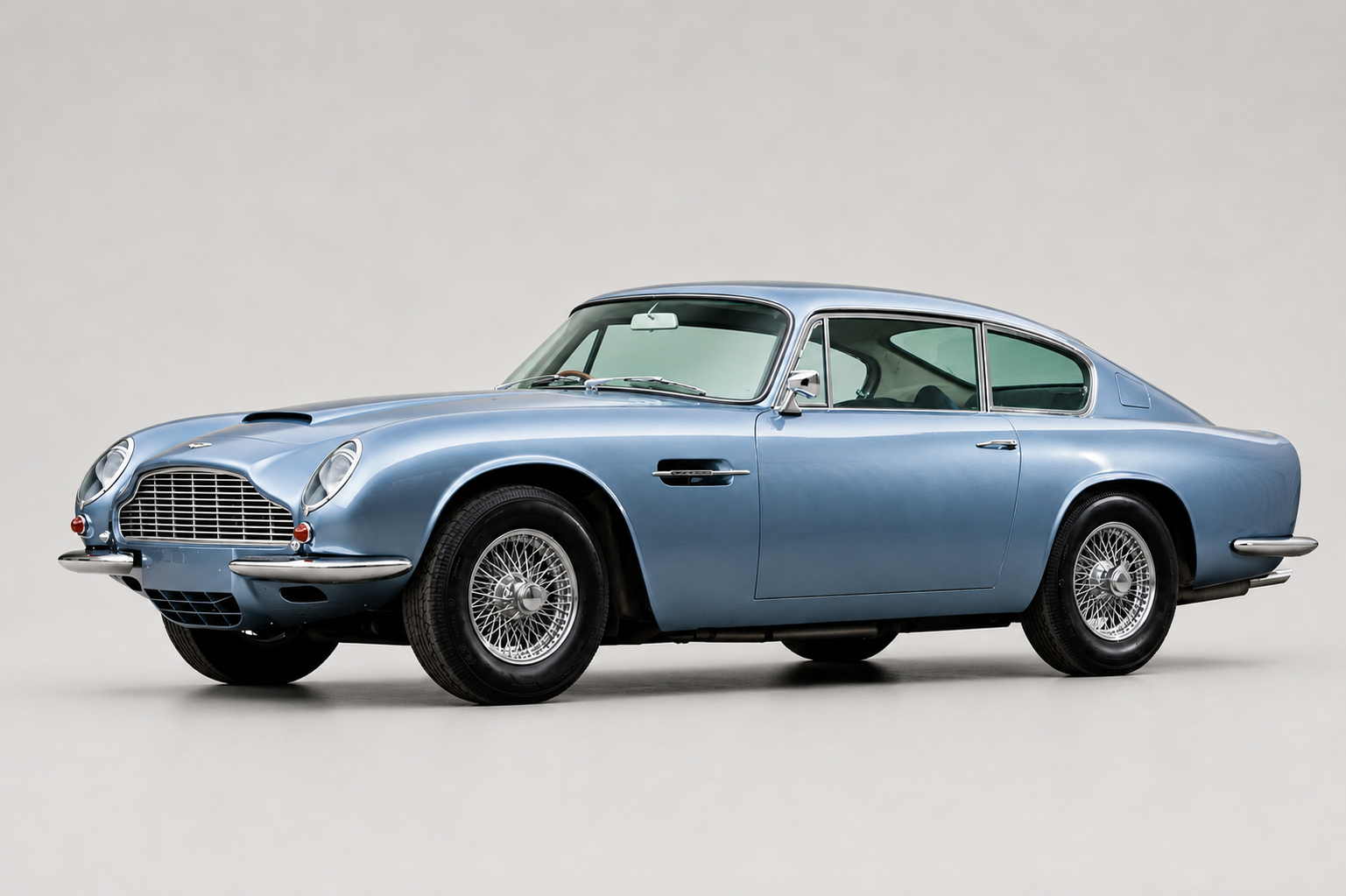
Aston Martin DB6
The final Touring-shaped DB — longer wheelbase, Kammtail, 2+2 practicality and the last of the six-cylinder Newport Pagnell grand tourers.
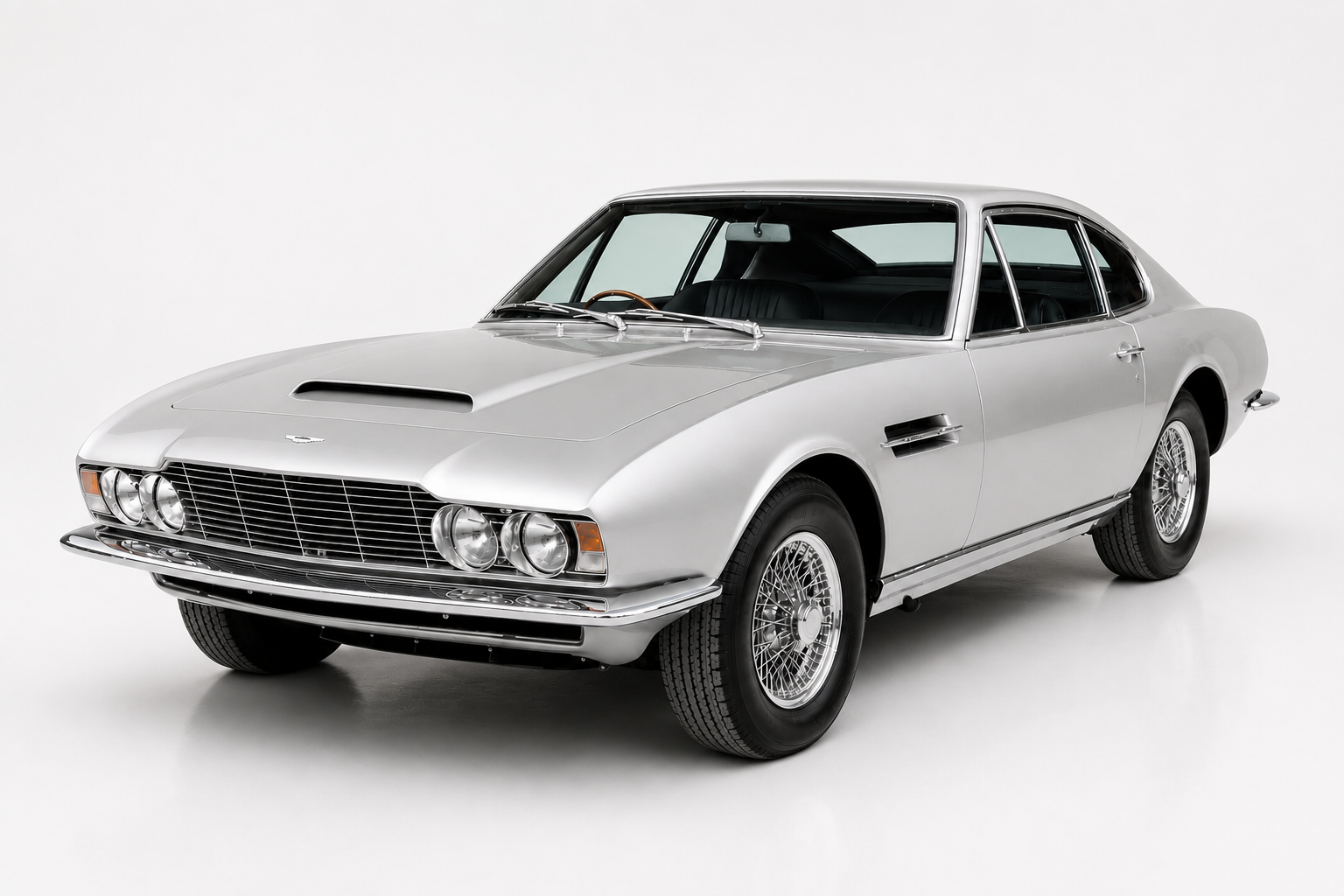
Aston Martin DBS
William Towns's wider, four-seat successor to the DB6 — designed around the forthcoming Tadek Marek V8 that arrived in 1969.
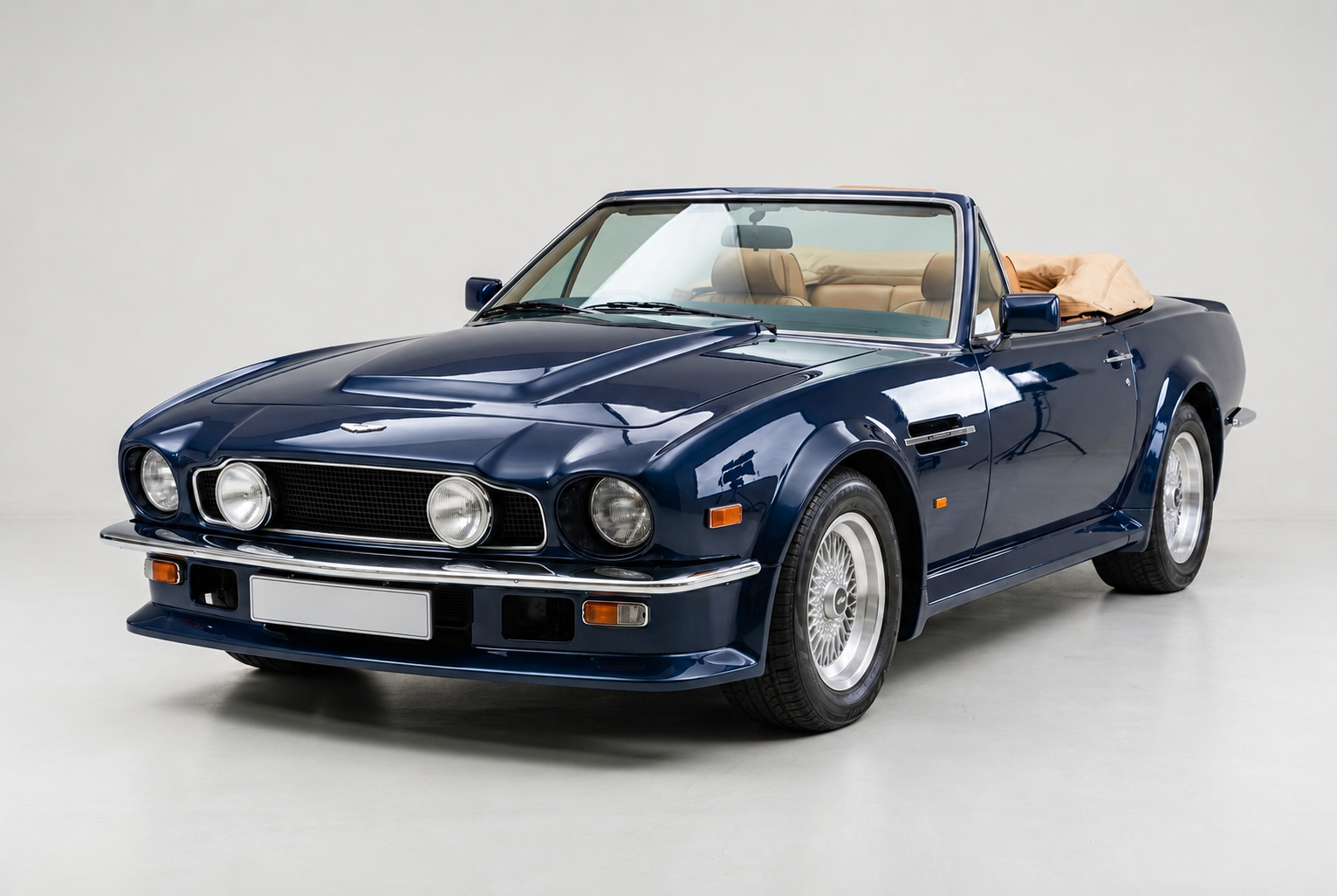
Aston Martin V8 (Saloon, Volante & Vantage)
Aston Martin's Newport Pagnell grand tourer for nearly two decades — standard Saloon, open Volante and fire-breathing Vantage, all sharing Tadek Marek's 5.3-litre quad-cam V8.
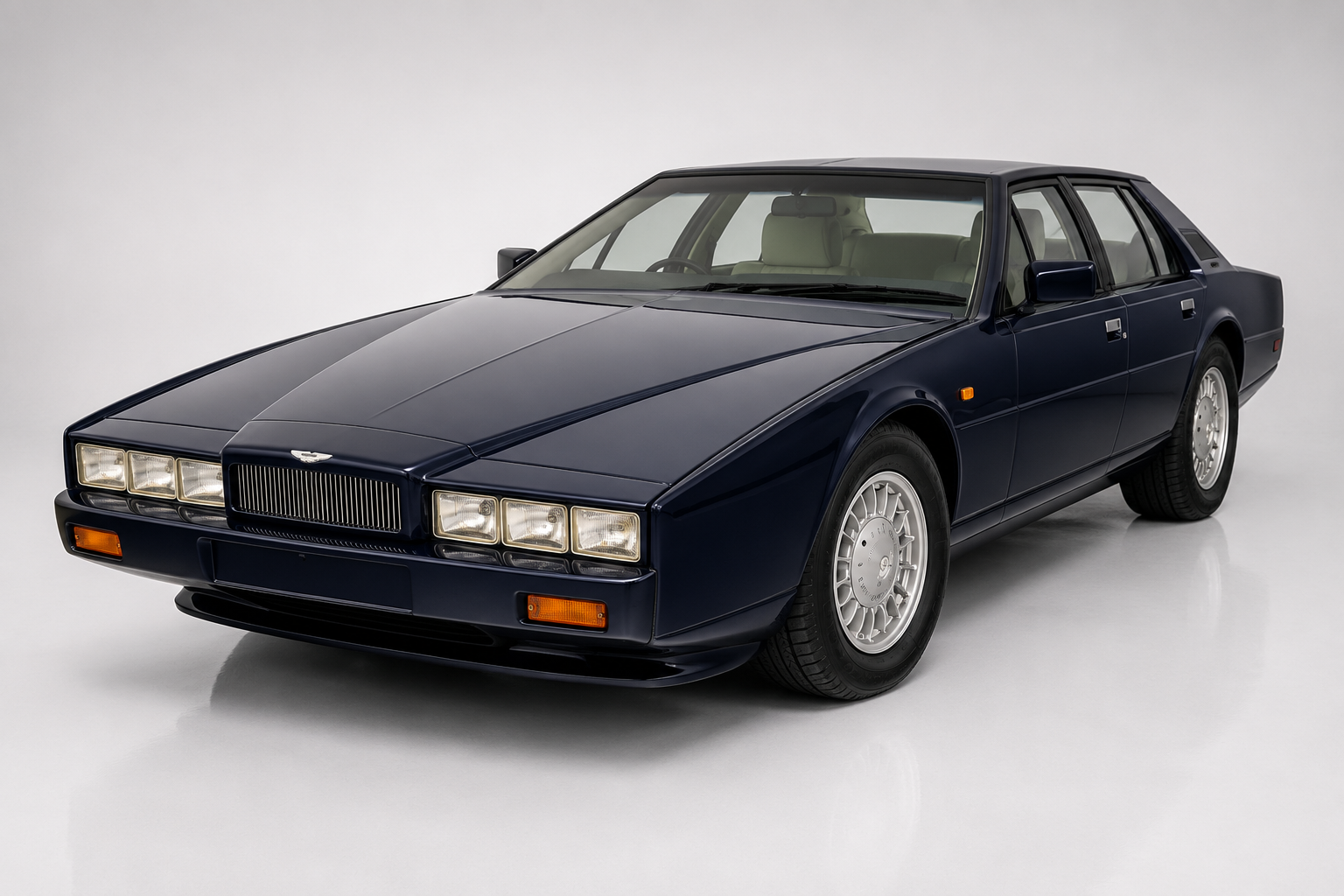
Aston Martin Lagonda
William Towns' folded-paper wedge saloon — the first production car with computer management and a digital instrument panel, and one of the most expensive saloons in the world.
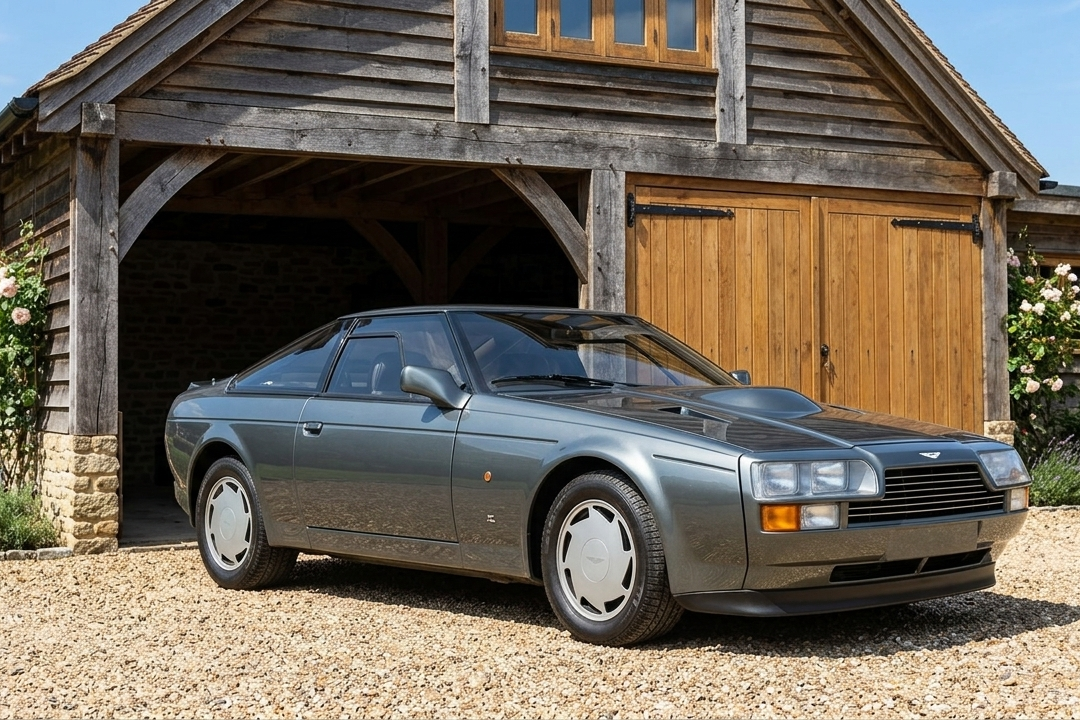
Aston Martin V8 Zagato
Newport Pagnell and Zagato Milano's late-1980s coachbuilt revival of the DB4 GT Zagato partnership — 52 Weber-carburettor Vantage coupés and 37 Volantes, all hand-built to order.
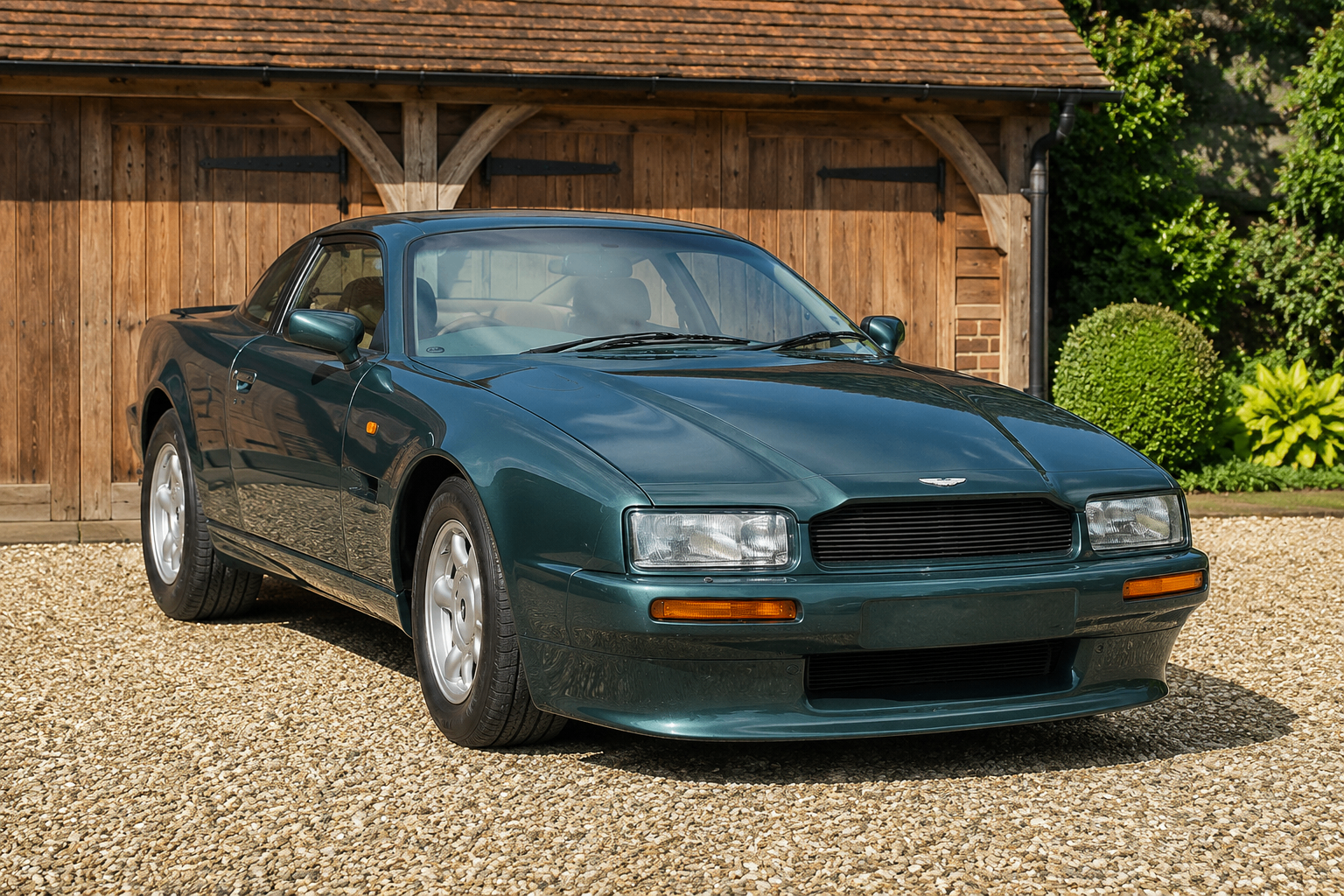
Aston Martin Virage
The last of the Newport Pagnell hand-built Aston Martins — Virage, V8 Coupé and twin-supercharged Vantage across a single family, built for a decade to individual customer order.
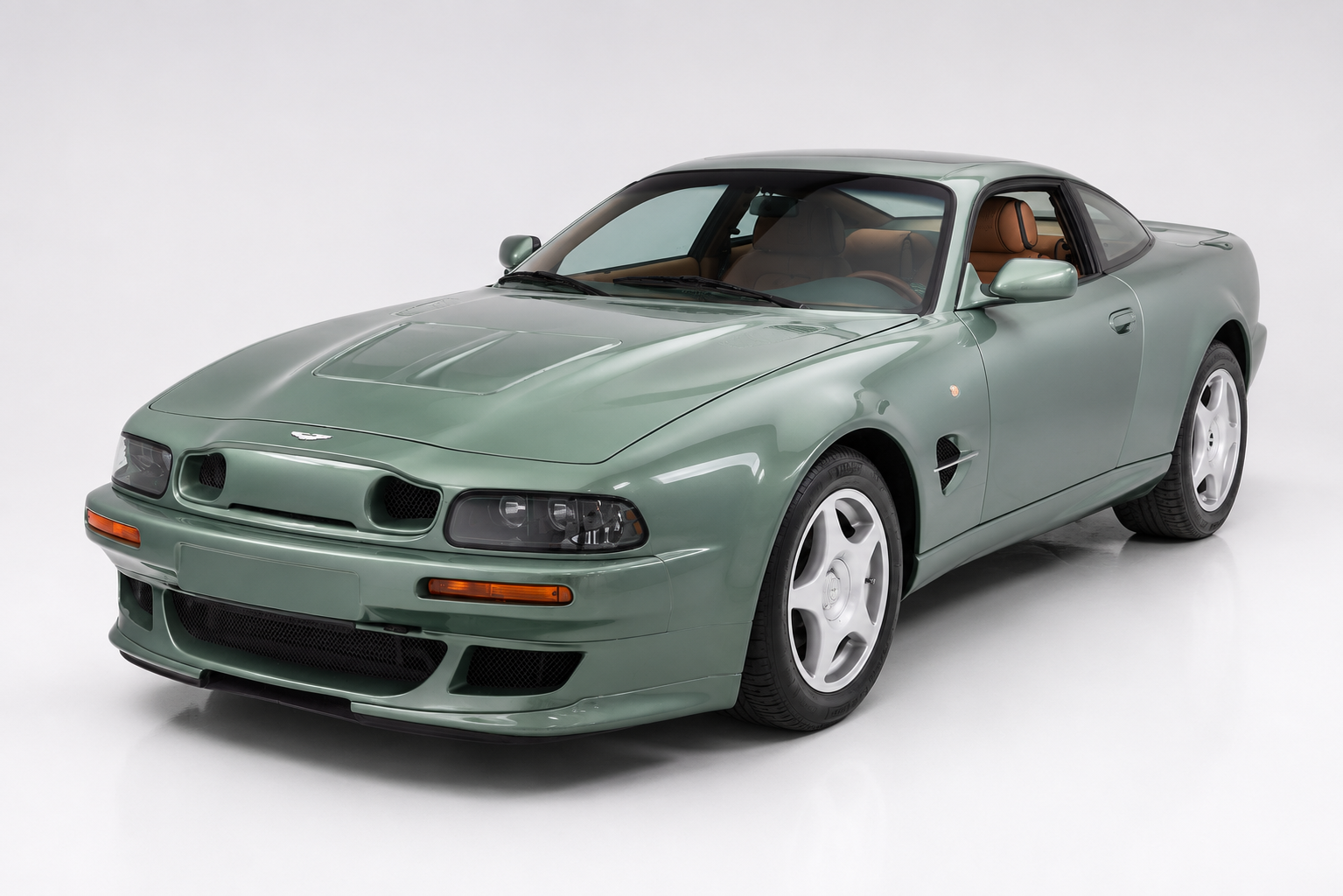
Aston Martin V8 Vantage (V550 / V600)
The last Aston Martin built entirely by hand at Newport Pagnell — twin-supercharged V8, 550 bhp as V550, 600 bhp as the V600 conversion.
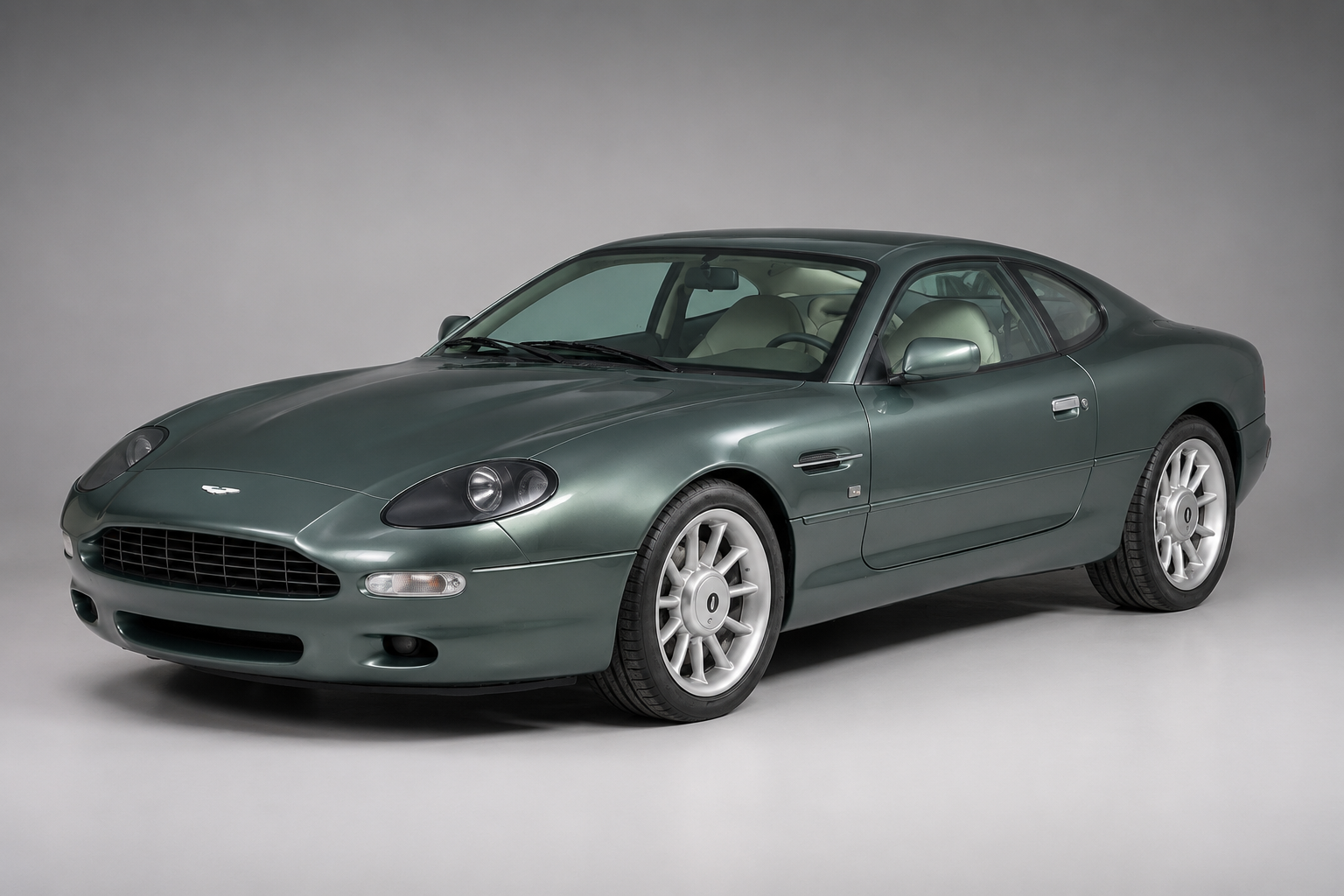
Aston Martin DB7
The Ford-era Ian Callum design that saved Aston Martin — and, at approximately 7,100 built, the most-produced Aston of its era.
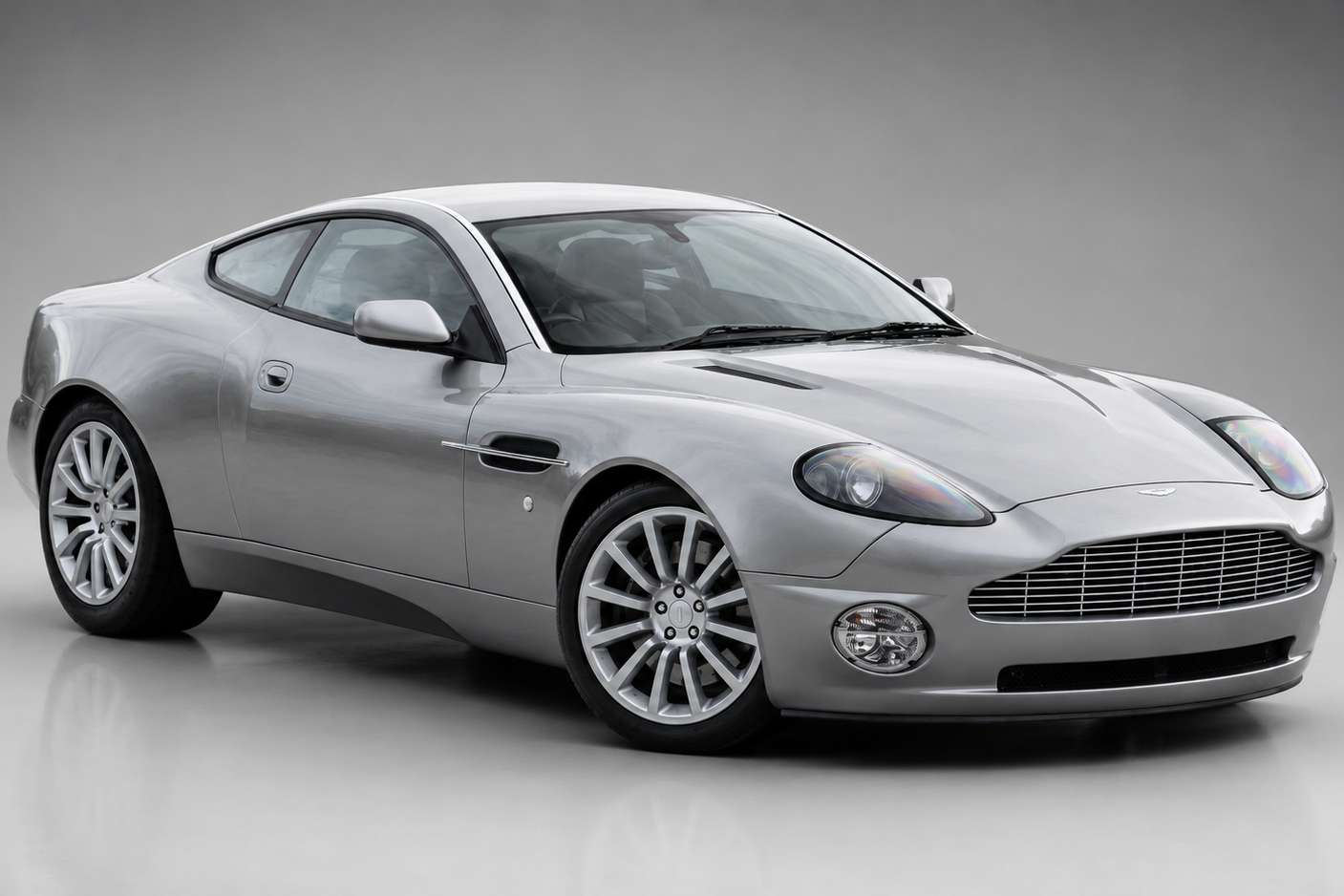
Aston Martin Vanquish (V12)
Ian Callum's bonded-aluminium V12 GT — the last Newport Pagnell Aston Martin and the modern era's Bond car.
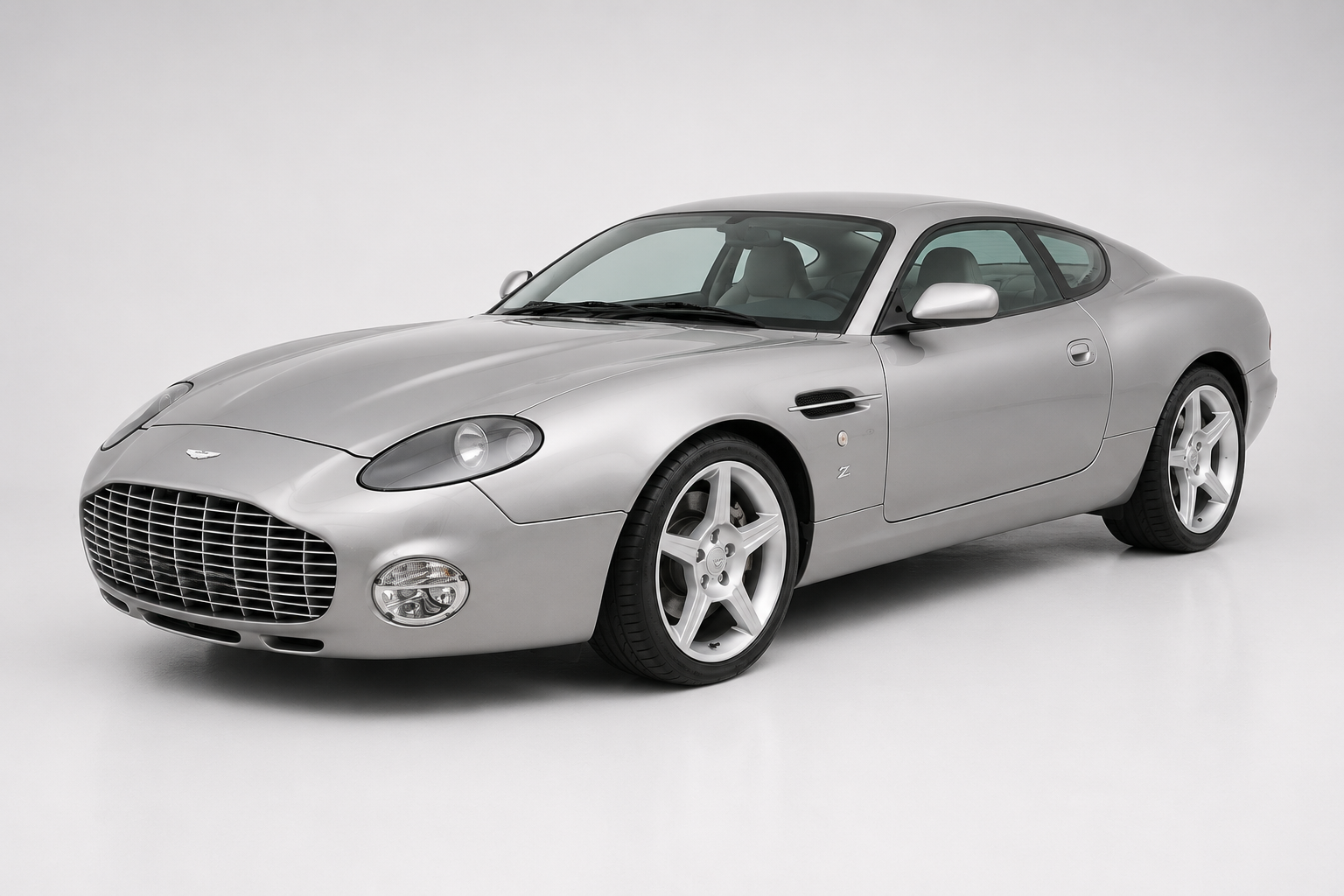
Aston Martin DB7 Zagato
The 99-car revival of the Aston Martin–Zagato partnership, unveiled at the 2002 Paris Motor Show.
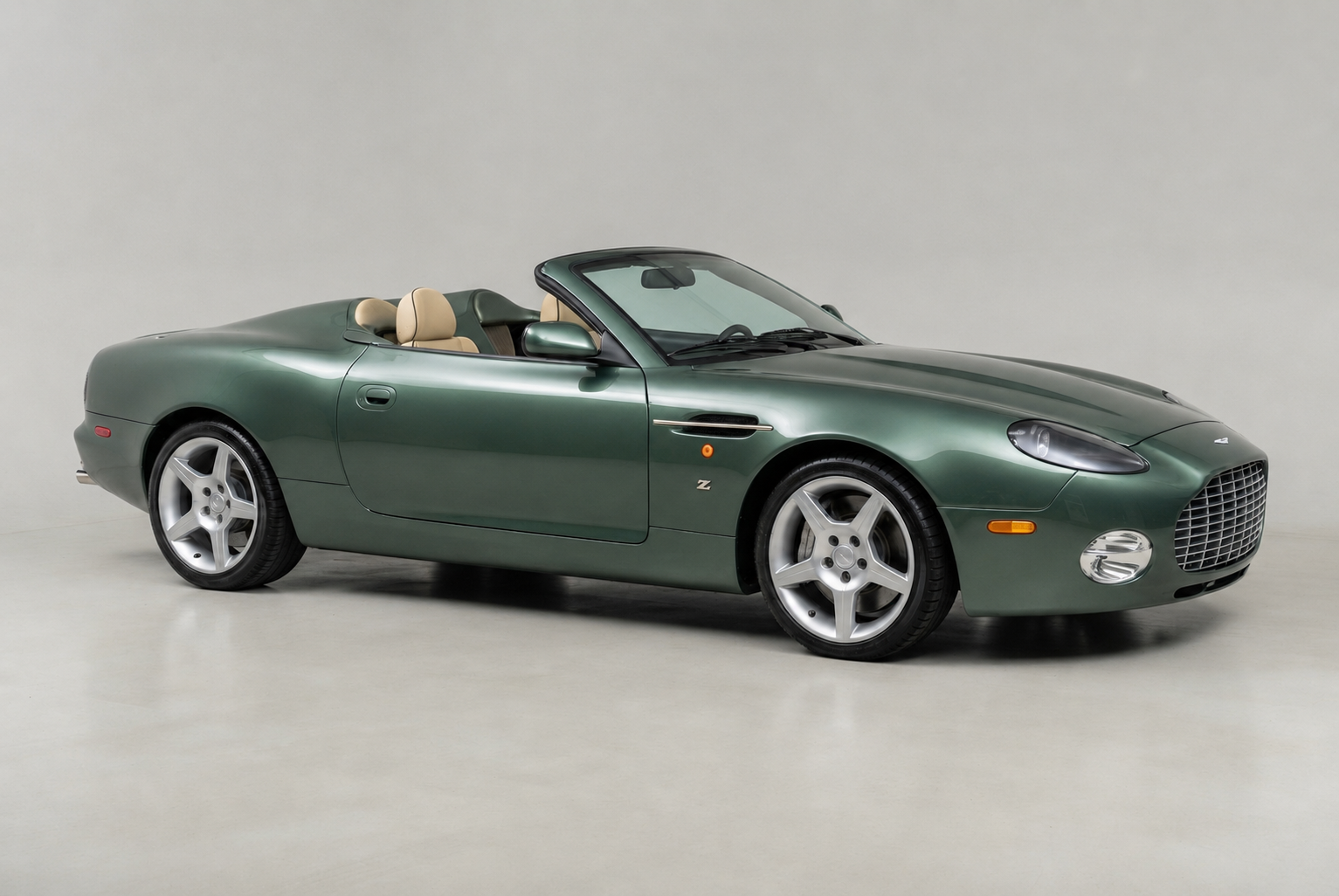
Aston Martin DB AR1
The 99-car open Zagato roadster created for the US market after the DB7 Zagato coupé was frozen out.
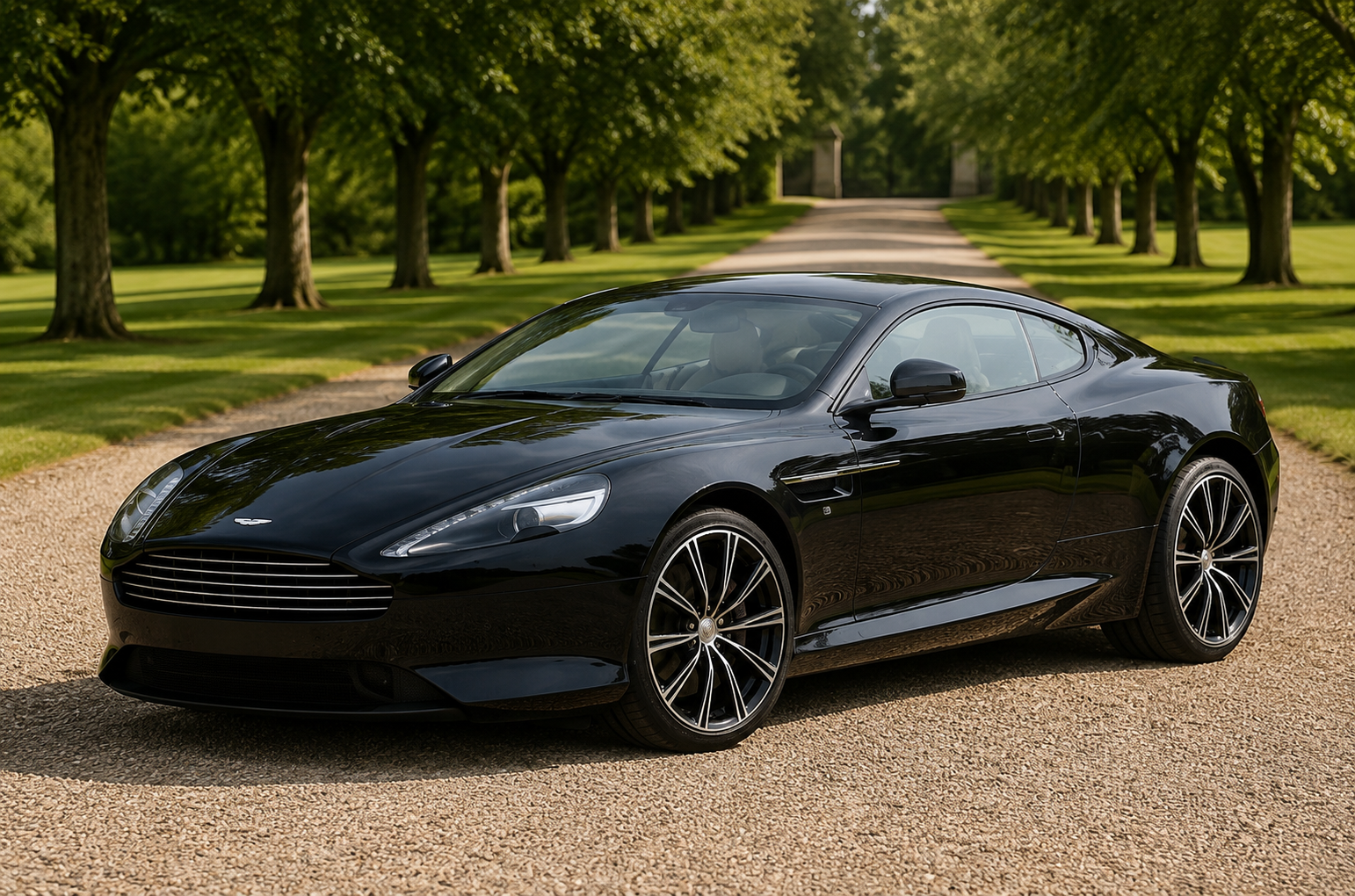
Aston Martin DB9
The car that re-established Aston Martin in the modern era — a 6.0-litre V12 GT built on the new VH platform.
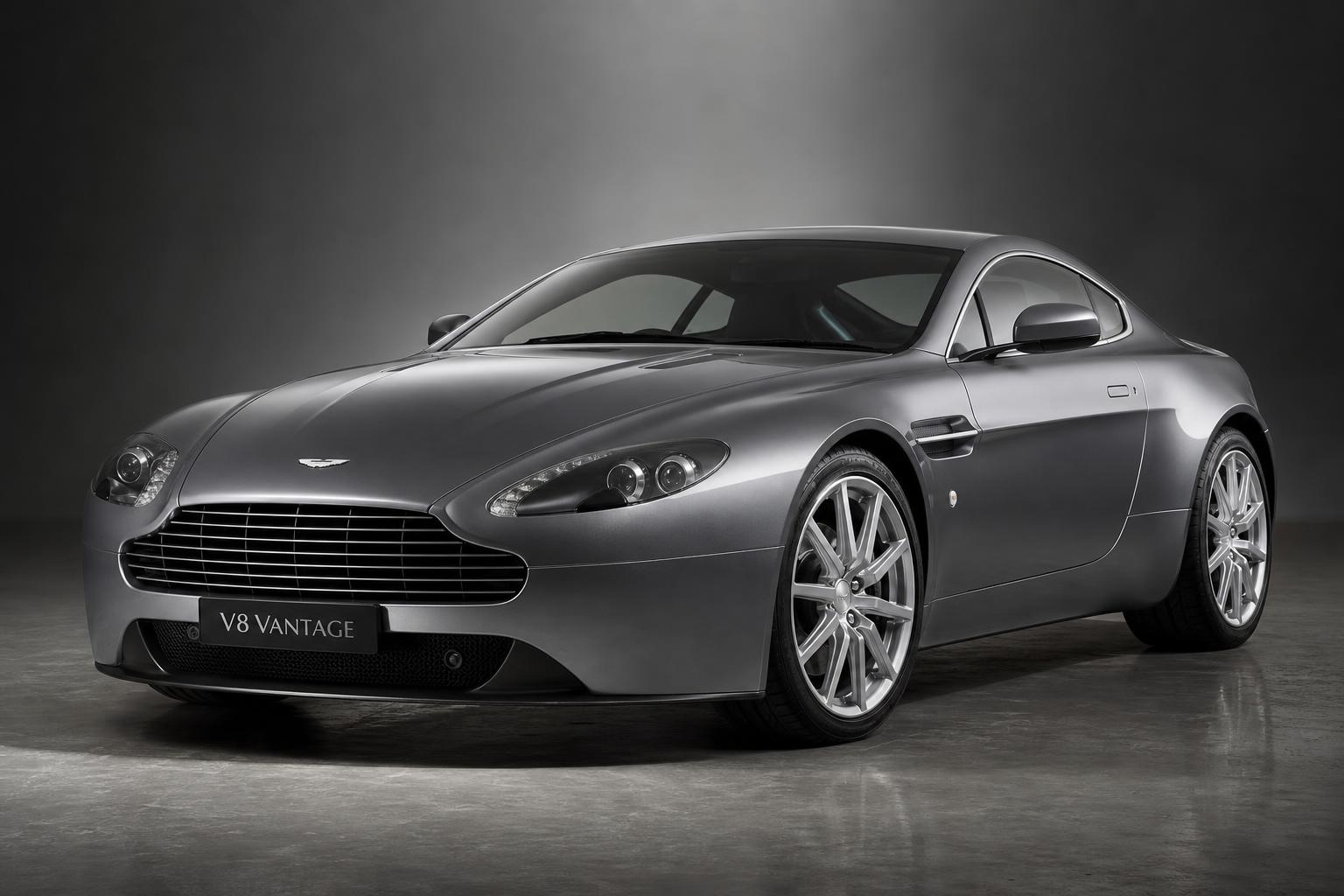
Aston Martin V8 Vantage (VH)
Aston Martin's hand-built, front-mid-engined GT — and the most analogue Vantage of the modern era.
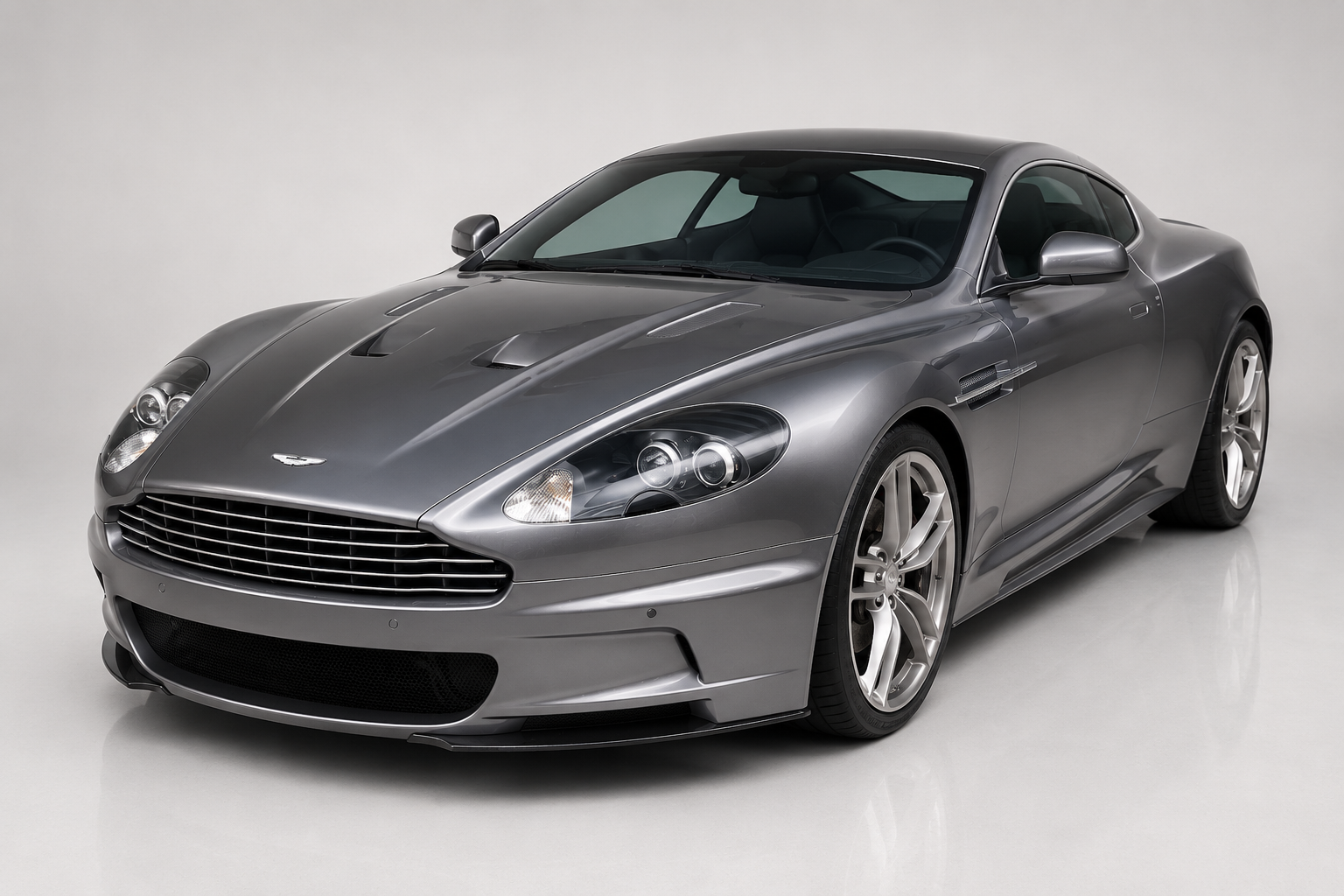
Aston Martin DBS V12
Aston Martin marketed it as the DBS; the Aston Martin Heritage Trust designates it 'DBS V12' to distinguish it from the six-cylinder DBS of 1967–72.
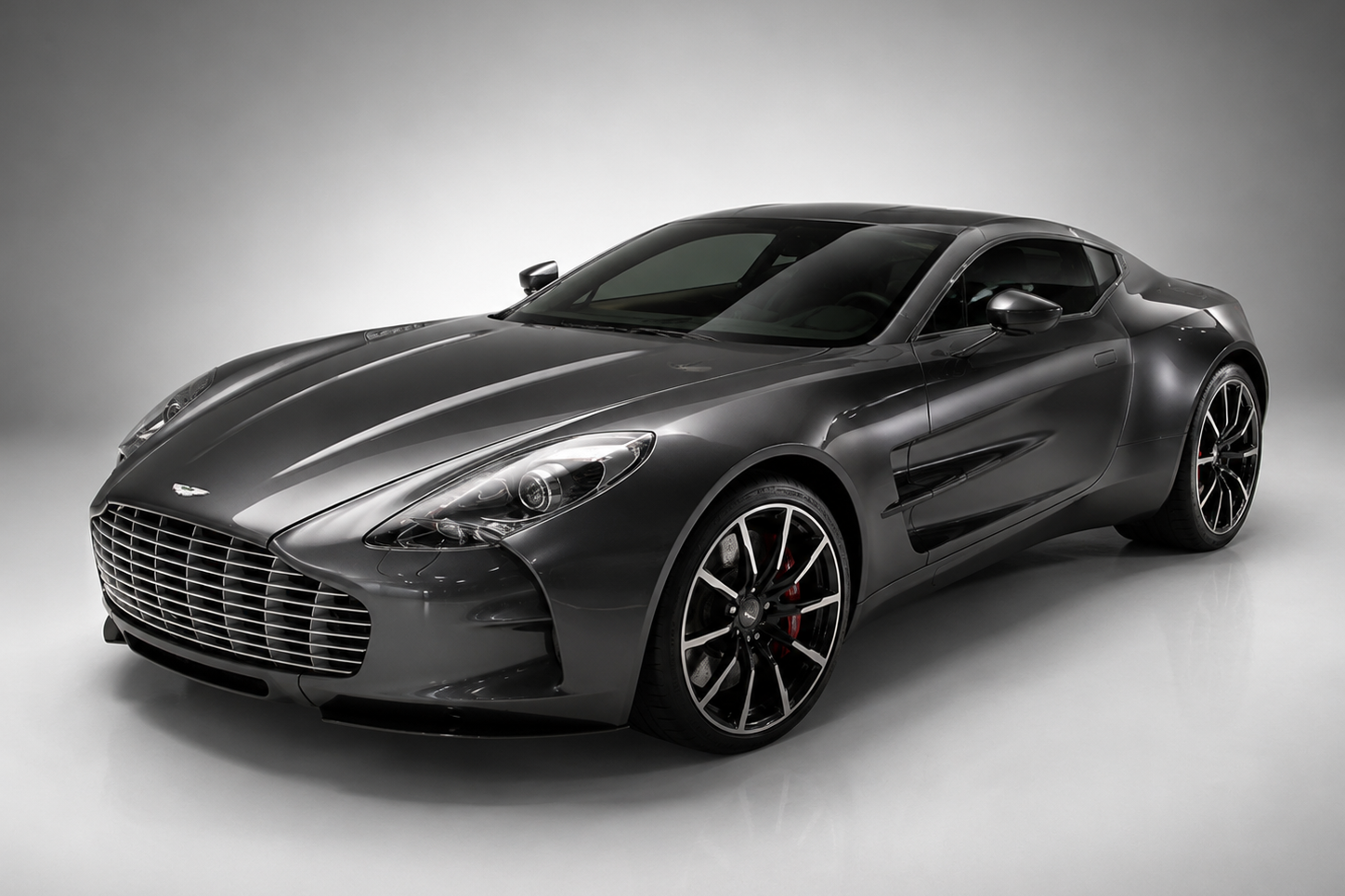
Aston Martin One-77
77 hand-built cars, a 7.3-litre naturally-aspirated V12 and 750 bhp — Aston's first true modern hypercar.
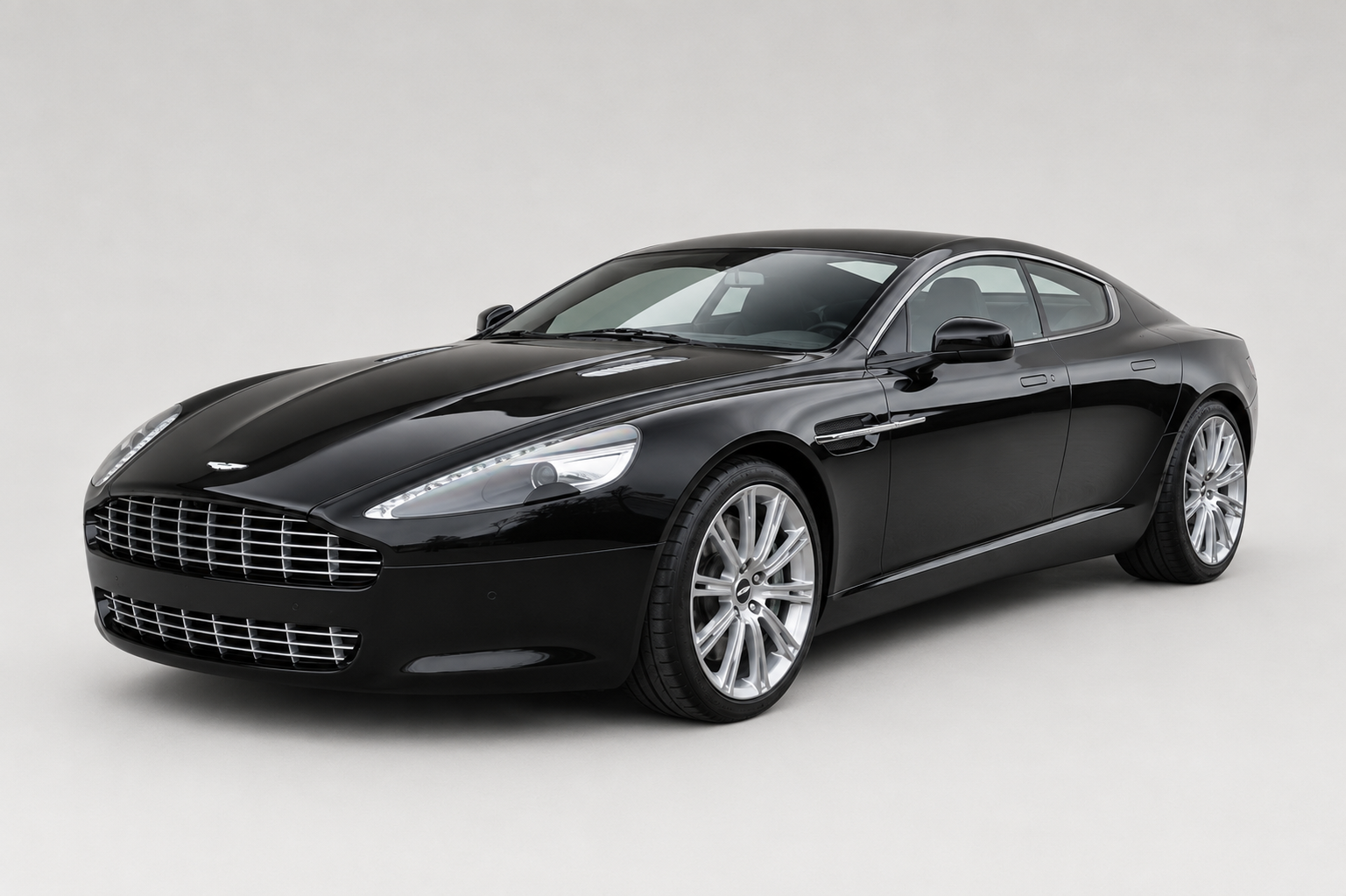
Aston Martin Rapide & Rapide S
Aston Martin's first series-production four-door since the Lagonda — billed as the first production four-door sports car.
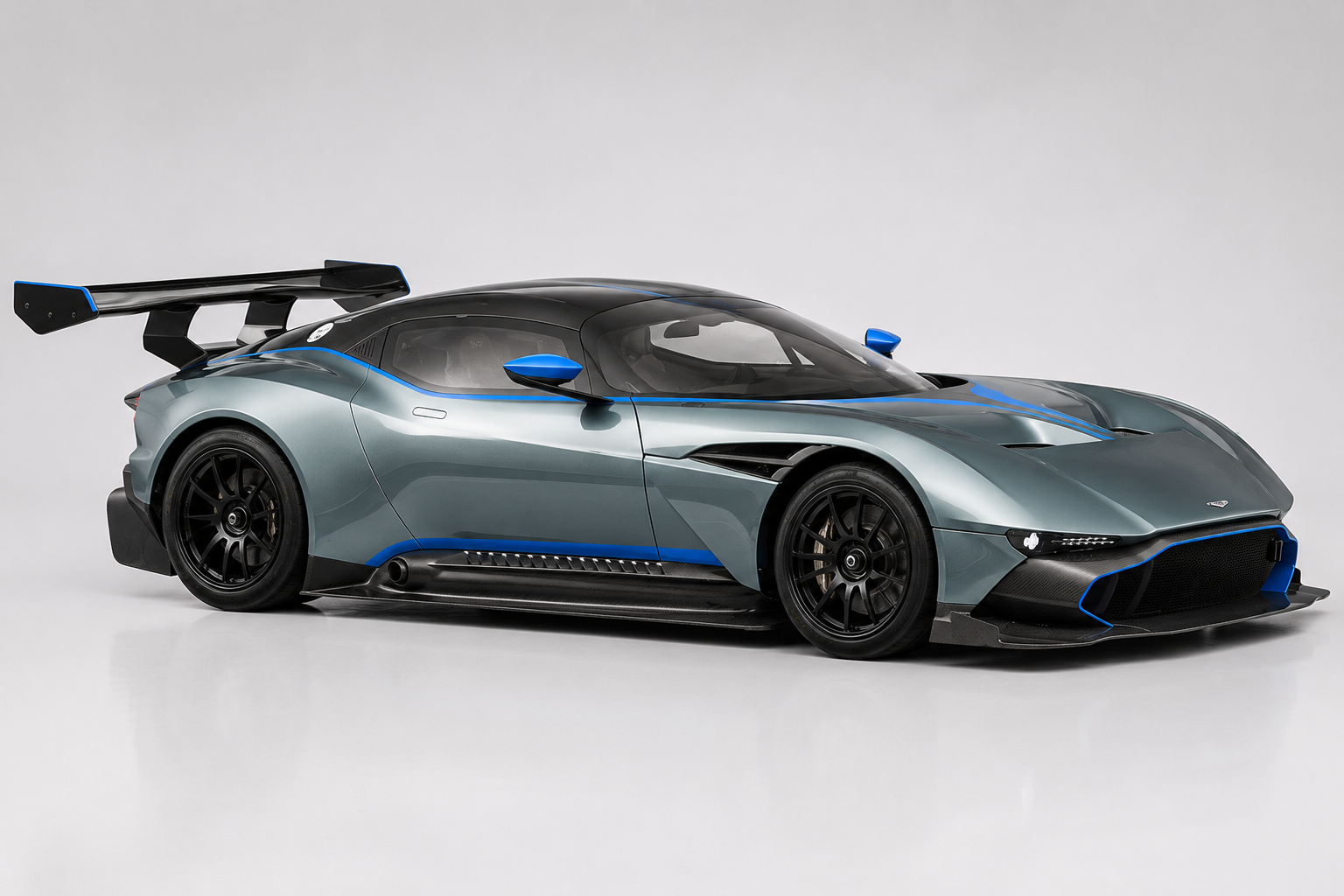
Aston Martin Vulcan
A 24-car track-only V12 hypercar unveiled at the 2015 Geneva Motor Show.
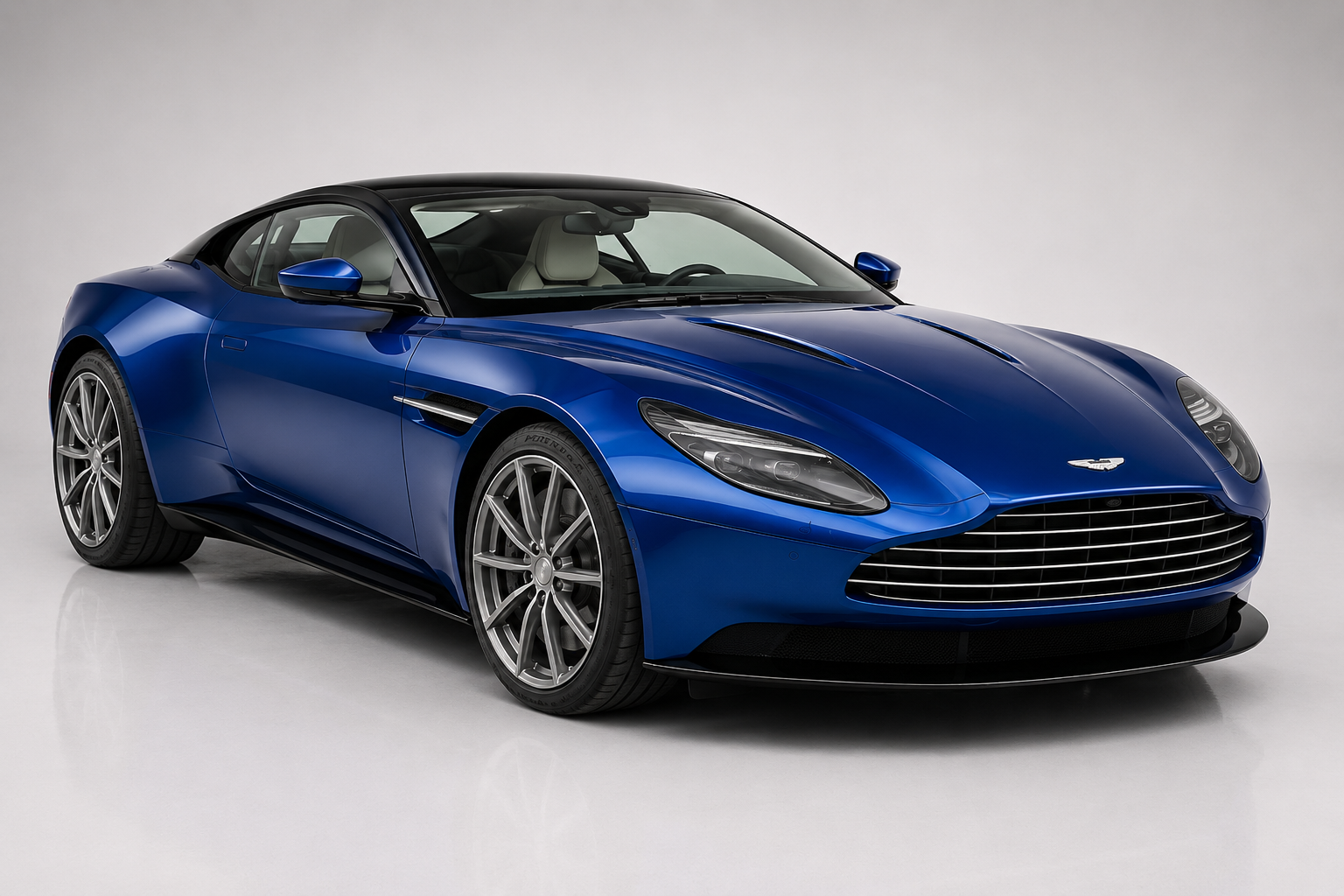
Aston Martin DB11
The car that opened Aston Martin's second-century plan — and the last mainstream Aston to offer a V12.
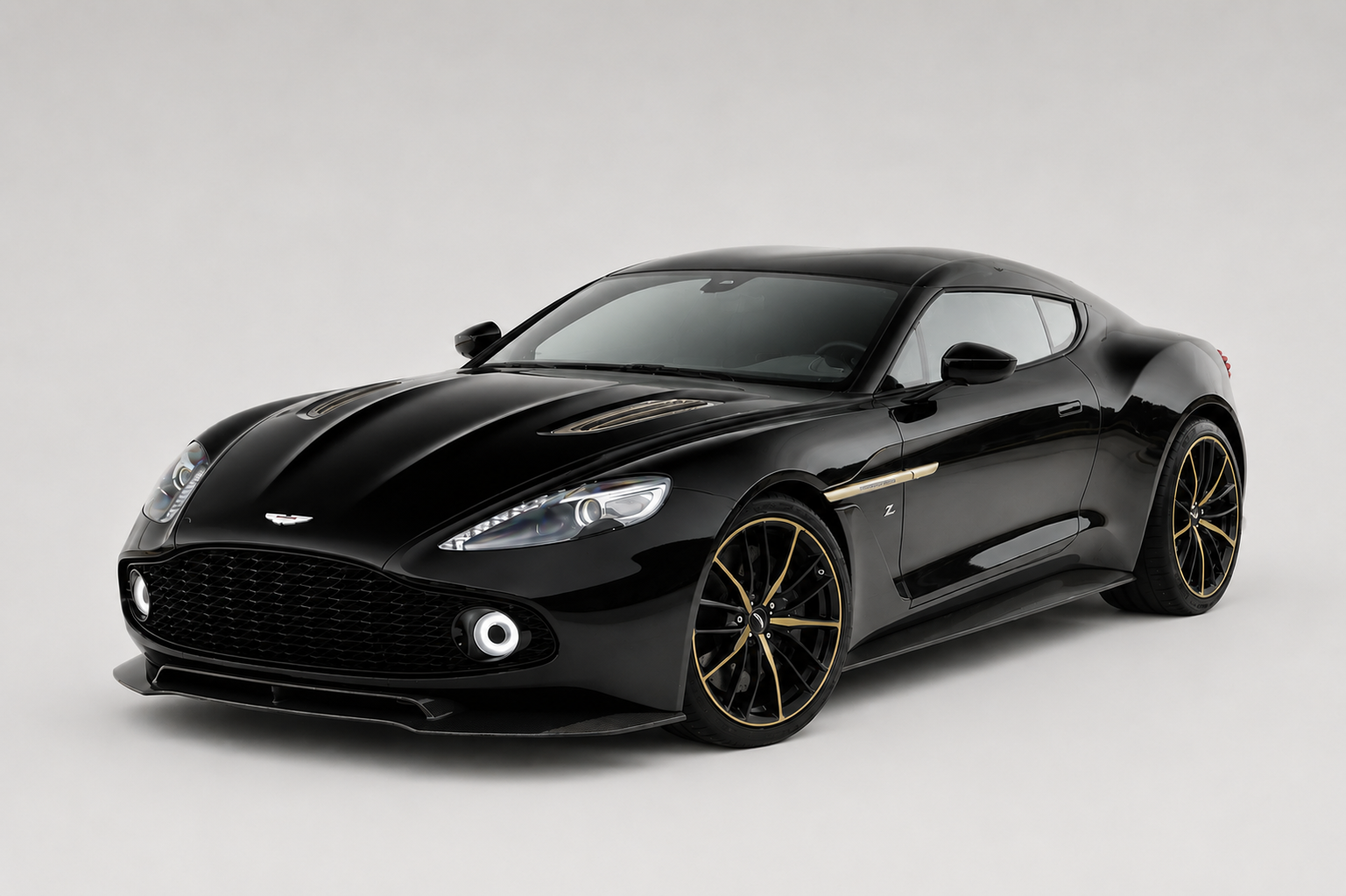
Aston Martin Vanquish Zagato
A four-body Zagato coachbuilt family — Coupé, Volante, Speedster and Shooting Brake — built on the last naturally-aspirated V12 Vanquish.
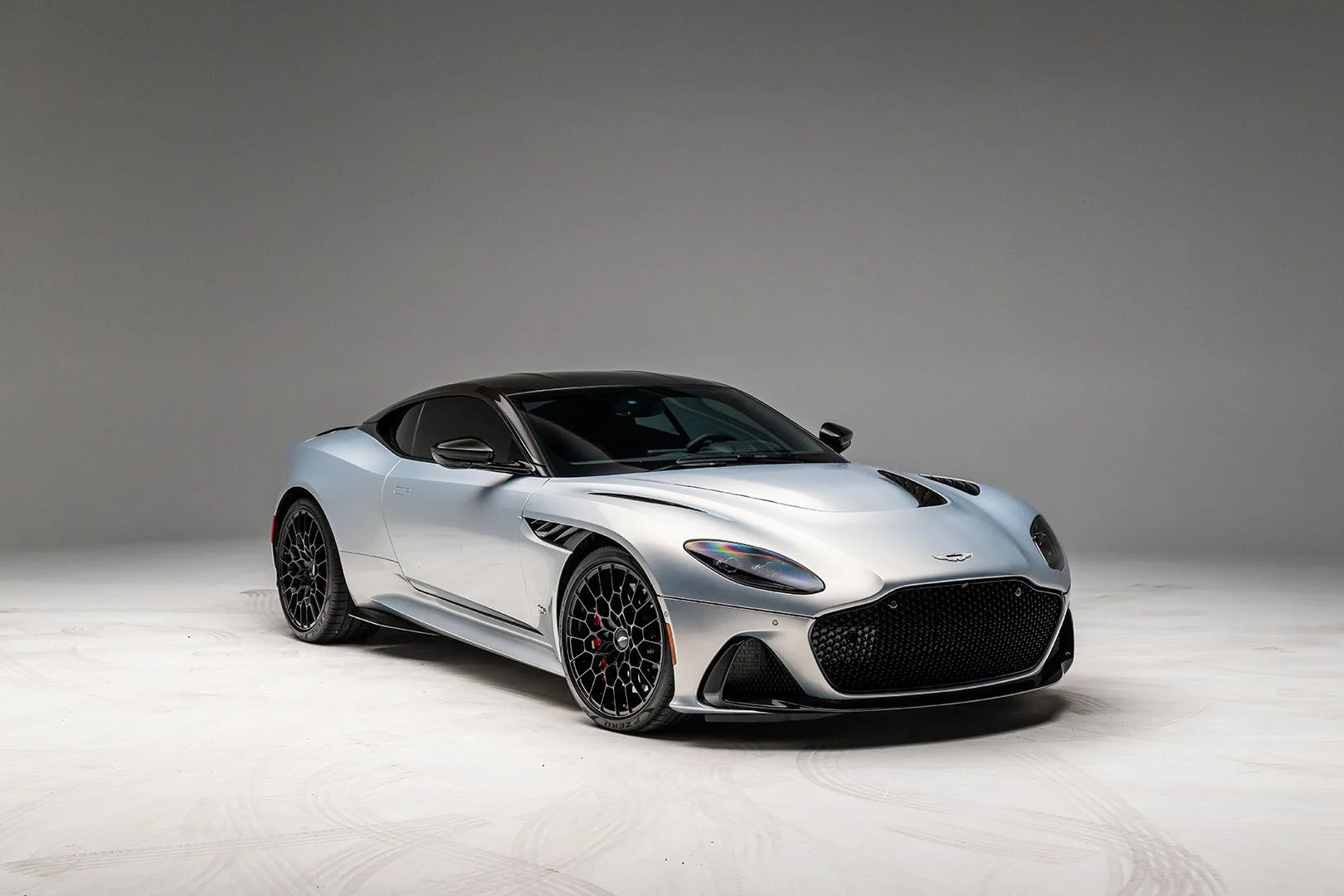
Aston Martin DBS Superleggera & DBS 770 Ultimate
The last V12 DBS — 5.2-litre twin-turbo Superleggera and the 499-car 770 Ultimate send-off.
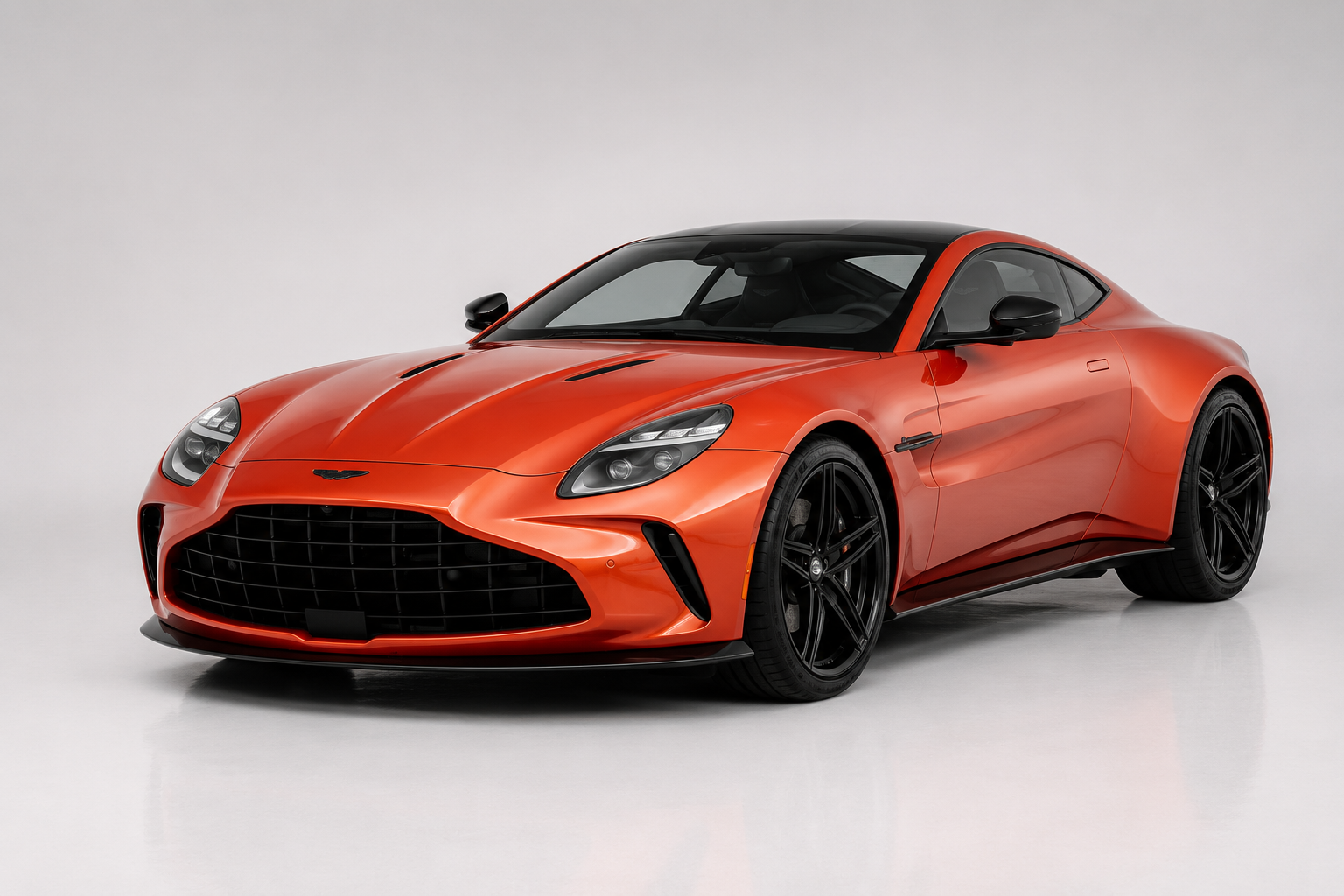
Aston Martin Vantage (2018–present)
The AMG-powered Vantage — one generation across two phases, and a completely different car from the 2005–2017 V8 Vantage it followed.
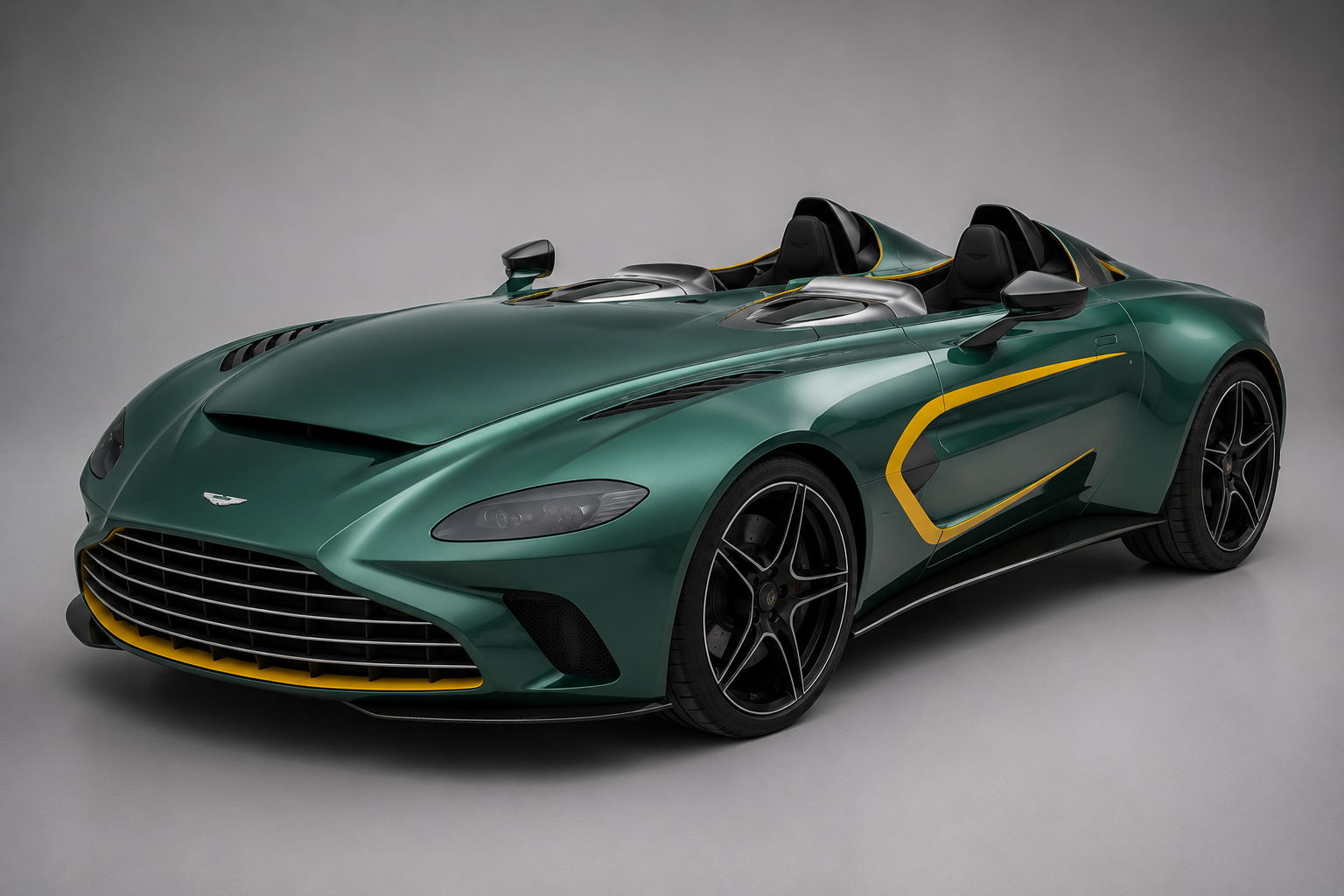
Aston Martin V12 Speedster
Roofless, screenless, helmets-on Aston — 88 cars, 5.2-litre twin-turbo V12, 700 bhp.
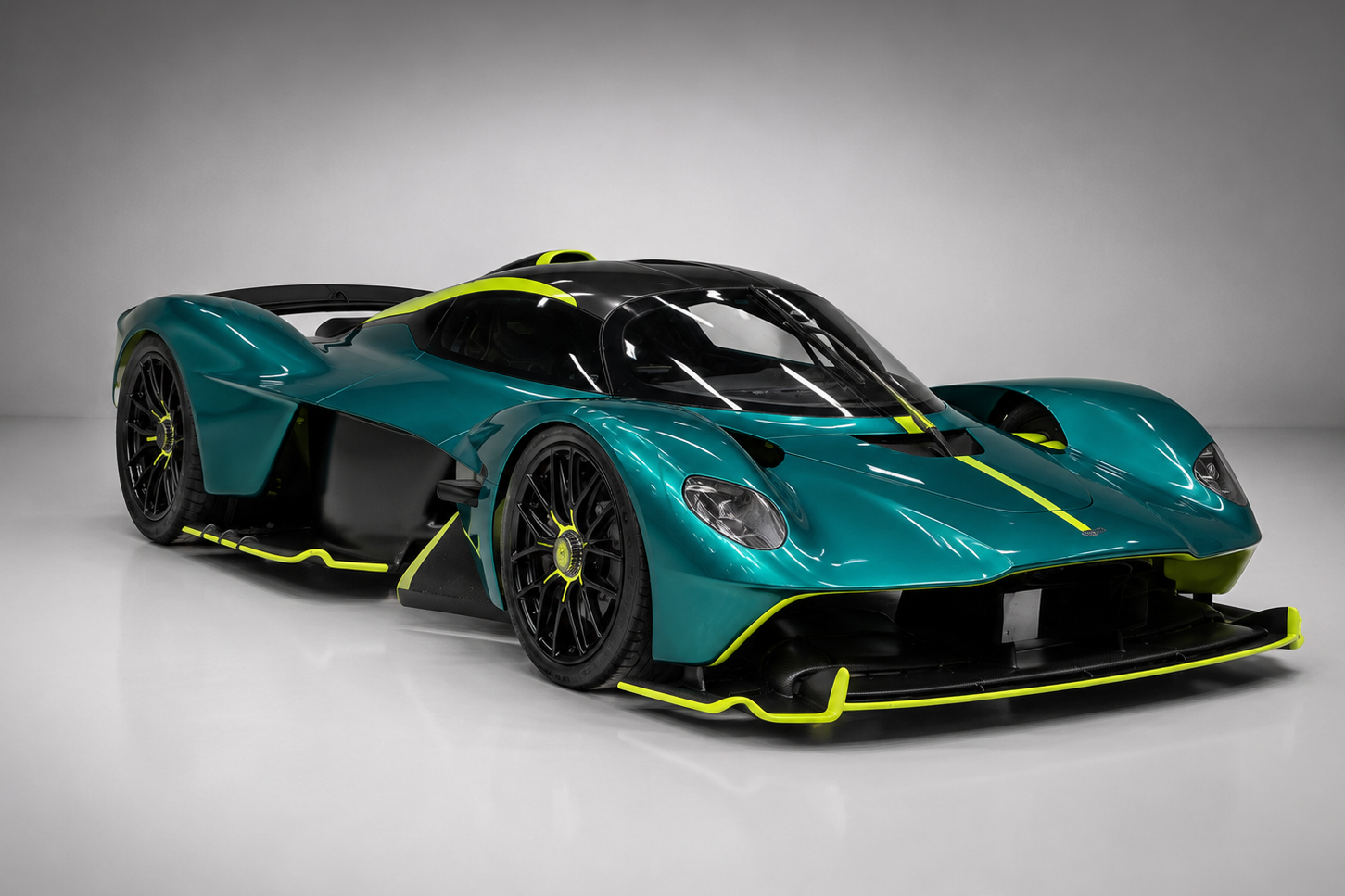
Aston Martin Valkyrie
Aston Martin and Red Bull Advanced Technologies' Cosworth-V12 hypercar — 6.5 V12 plus KERS, near-prototype aerodynamics, 150 Coupes plus Spider.
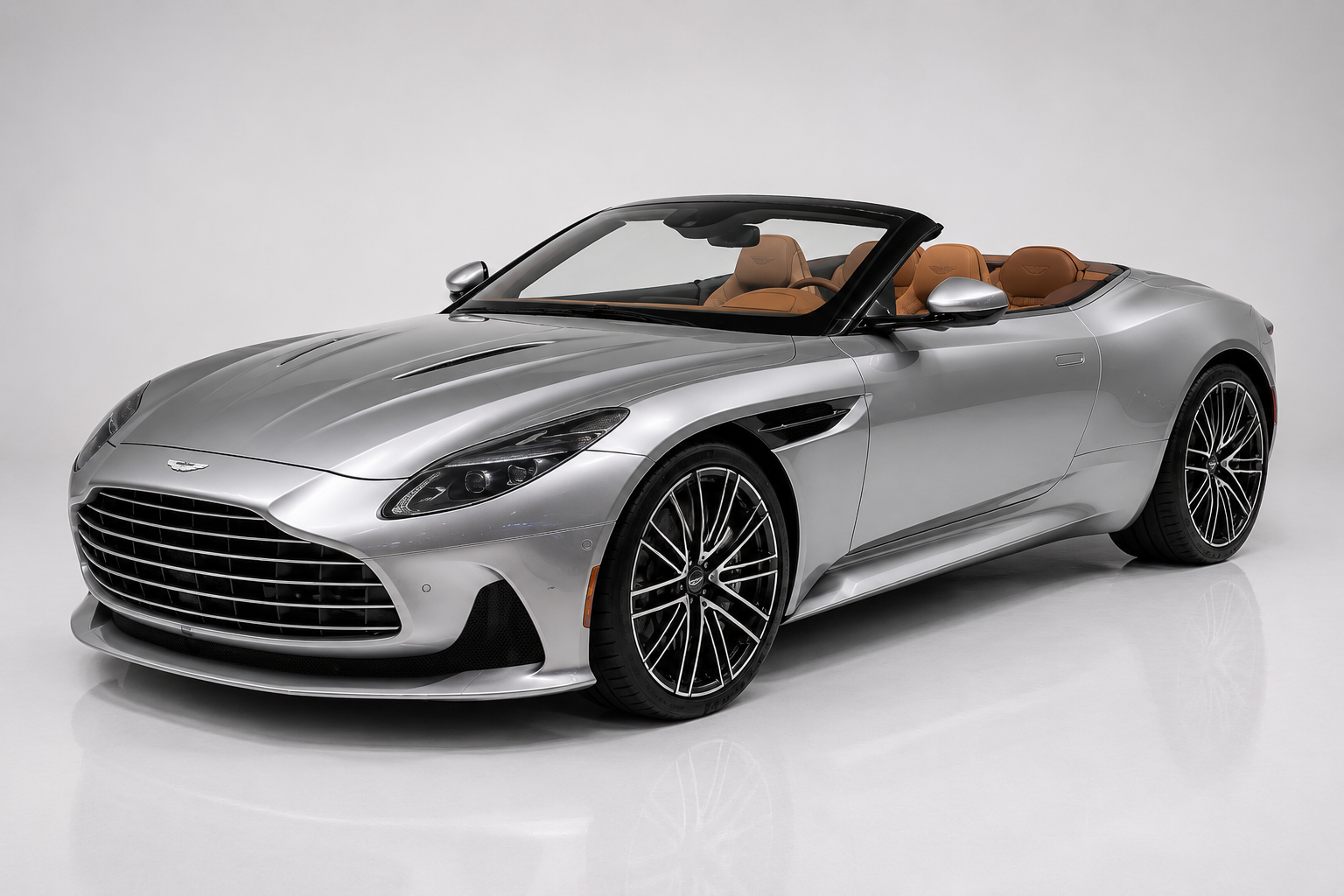
Aston Martin DB12
The DB11 successor — a 671 bhp / 680 PS twin-turbo V8 super-tourer and the first Aston to wear the brand's new winged logo.
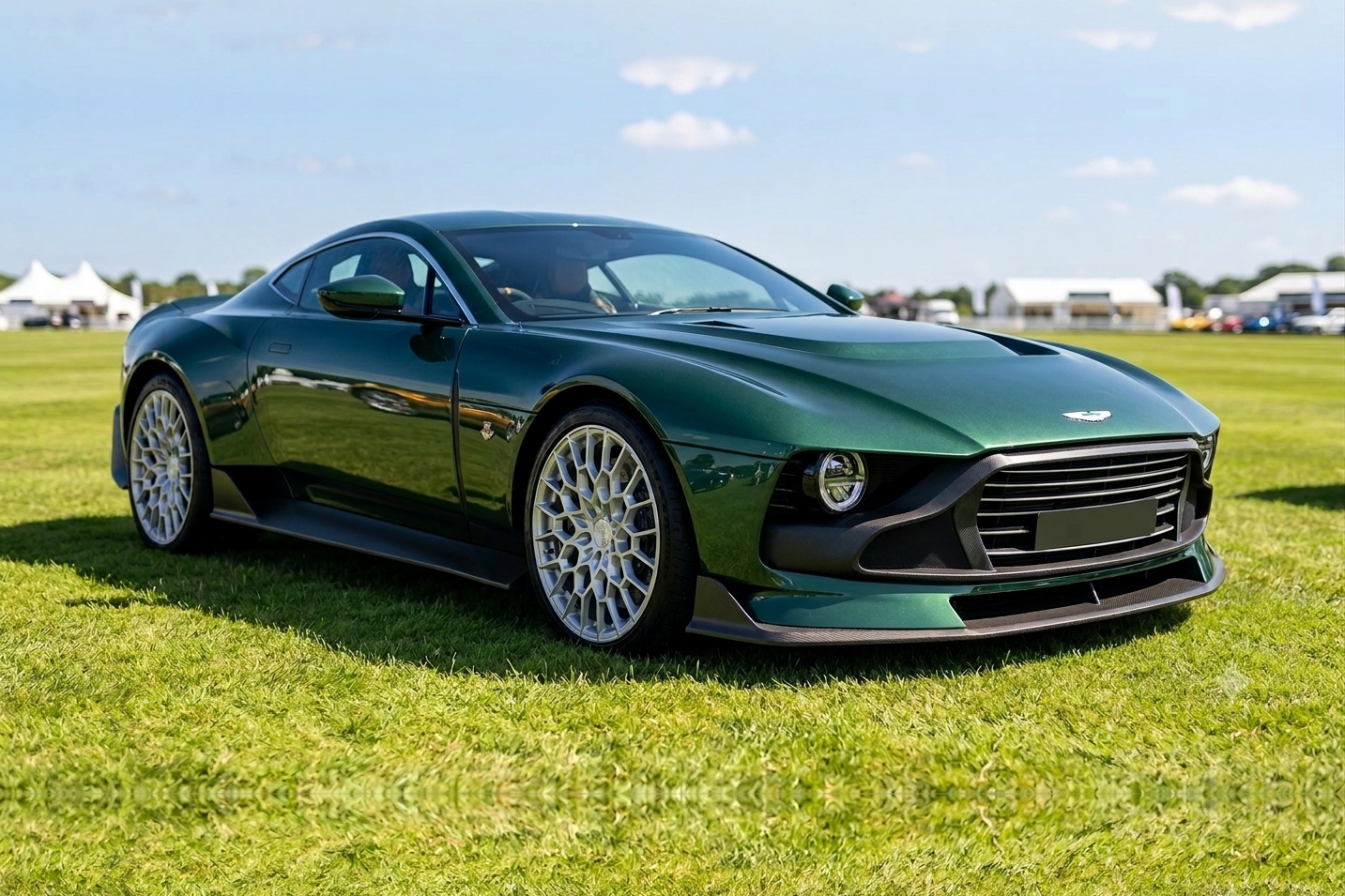
Aston Martin Valour
A 110-unit, coach-built, manual-only V12 coupé — Aston Martin's public thank-you letter to the analogue driver.
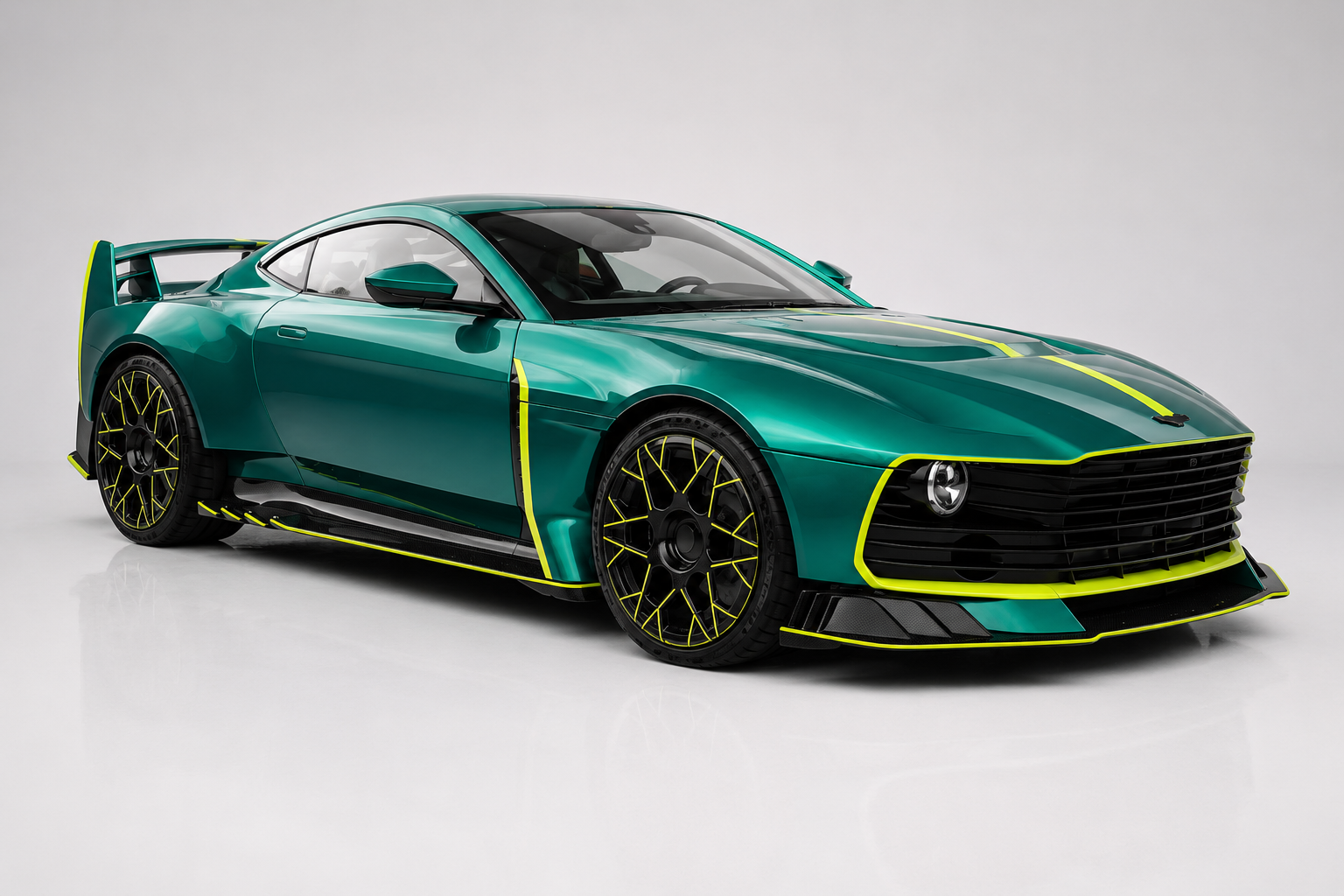
Aston Martin Valiant
A 38-car road-legal, track-focused manual V12 special revealed at the 2024 Goodwood Festival of Speed.
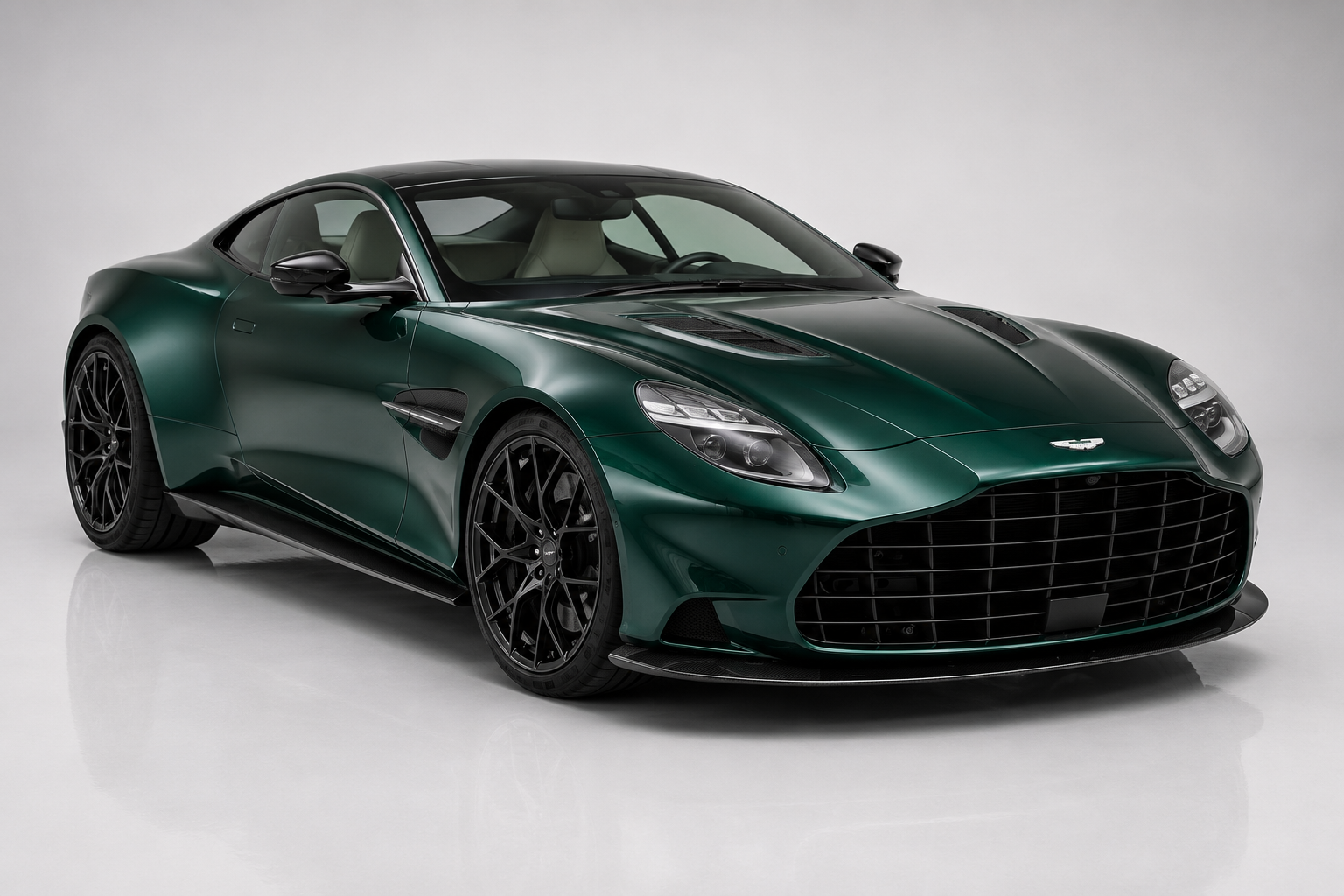
Aston Martin Vanquish
The third-generation Vanquish: current front-engined flagship of Aston Martin's V12 line, unveiled in Venice in September 2024.
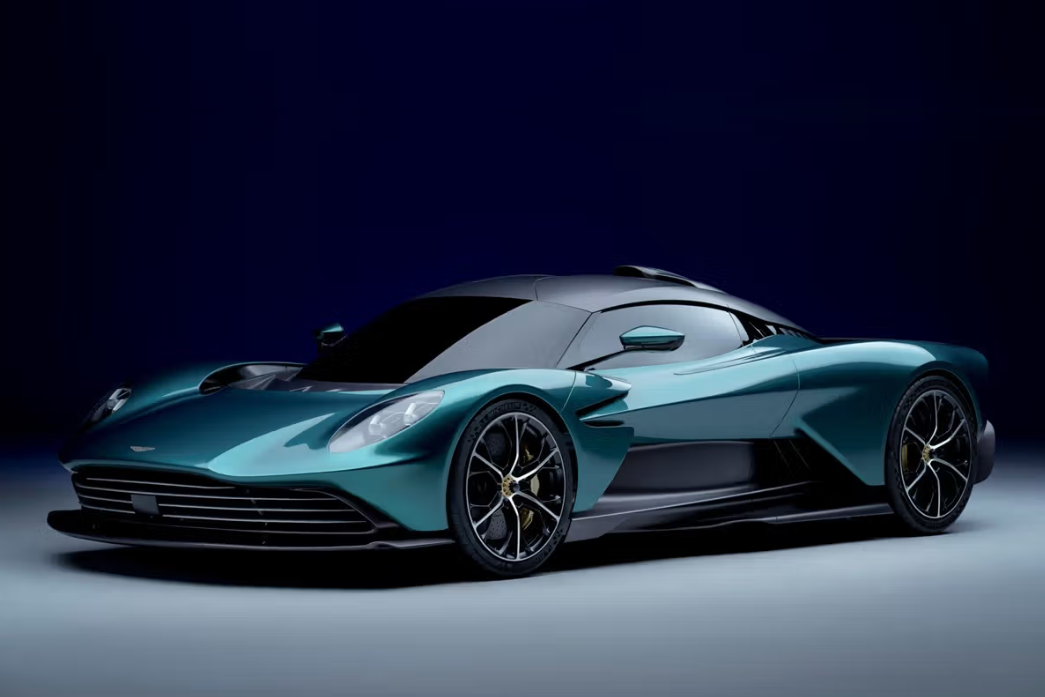
Aston Martin Valhalla
Mid-engined PHEV hypercar — twin-turbo flat-plane V8 plus three e-motors, capped at 999 units.