
Koenigsegg
Christian von Koenigsegg founded his company in 1994 with the stated aim of building the world's fastest car, and has spent three decades repeatedly succeeding: the CCR took the production speed record in 2005, the Agera RS reached 277 mph on a public road in 2017, and the marque's innovations — from the camless Freevalve programme to the Jesko's nine-clutch transmission — have out-engineered companies a hundred times its size. Today the range spans the Jesko, the four-seat hybrid Gemera and the CC850 with its shape-shifting manual gearbox. Production is tiny, demand is permanent, and every Koenigsegg is a collectable from the moment of its build slot.
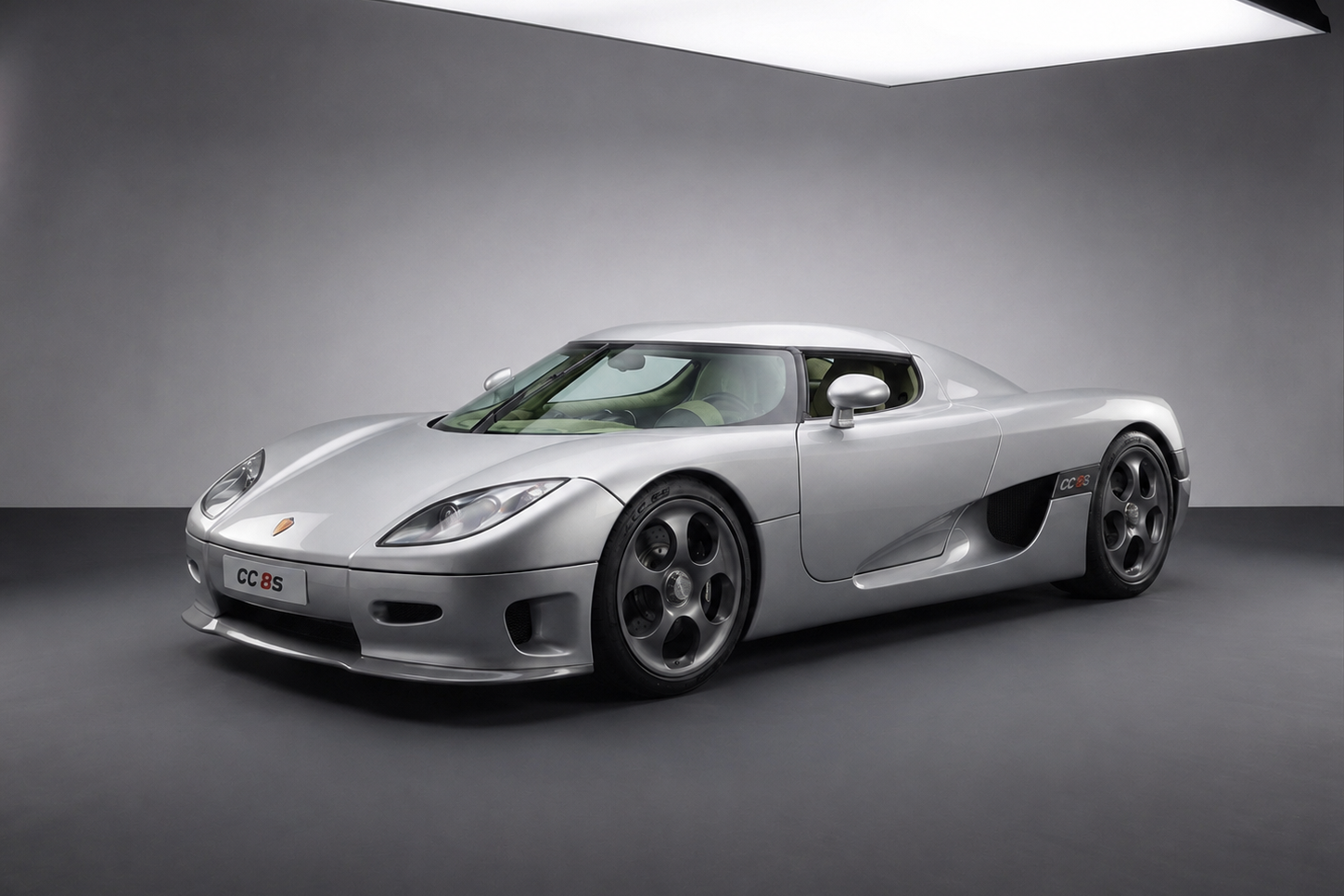
Koenigsegg CC8S
The founding production Koenigsegg — six cars from Ängelholm, a supercharged V8 in a carbon tub, and the engineering template every later Koenigsegg descends from.
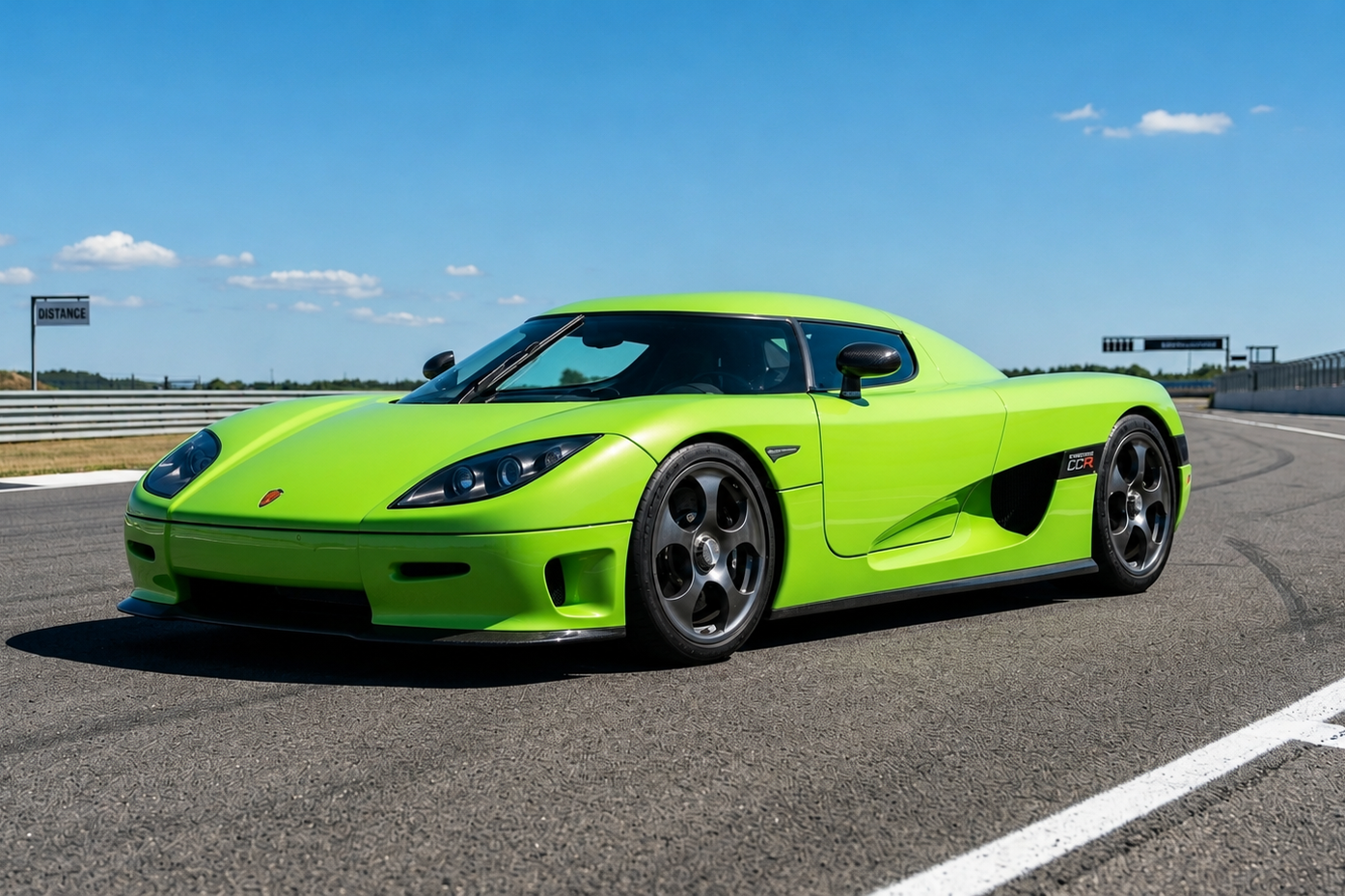
Koenigsegg CCR
The 14-car second-generation CC — twin-supercharged, 806 bhp, and the car that took the production top-speed world record from the McLaren F1 at Nardò in February 2005.
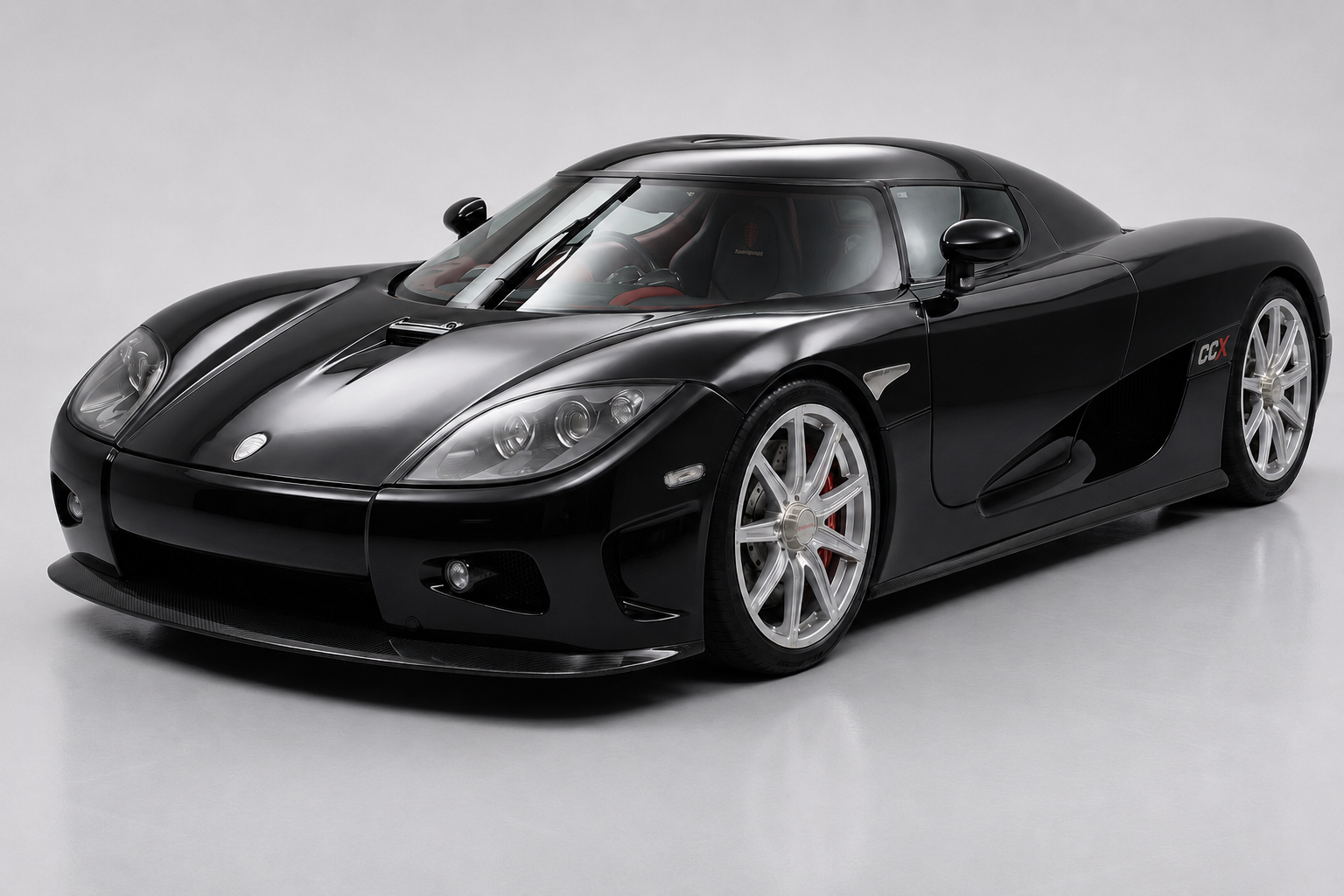
Koenigsegg CCX
The first in-house-V8 Koenigsegg and the first US-legal Koenigsegg — a small CC-generation family that includes the two-car Trevita, one of the rarest factory Koenigseggs ever built.
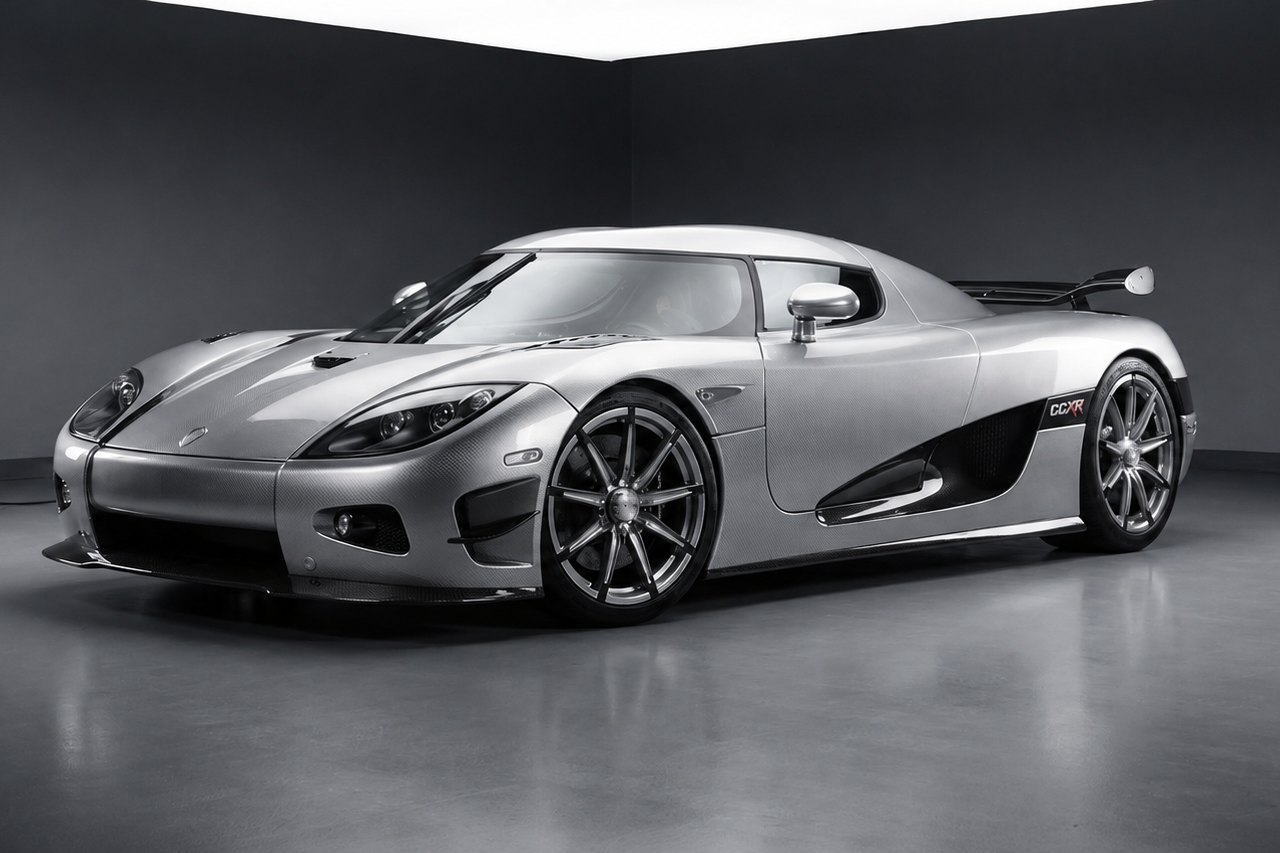
Koenigsegg CCXR
Biofuel-capable CCX — 1,004 bhp / 1,018 PS twin-supercharged V8, the highest-power production Koenigsegg of the CCX era.
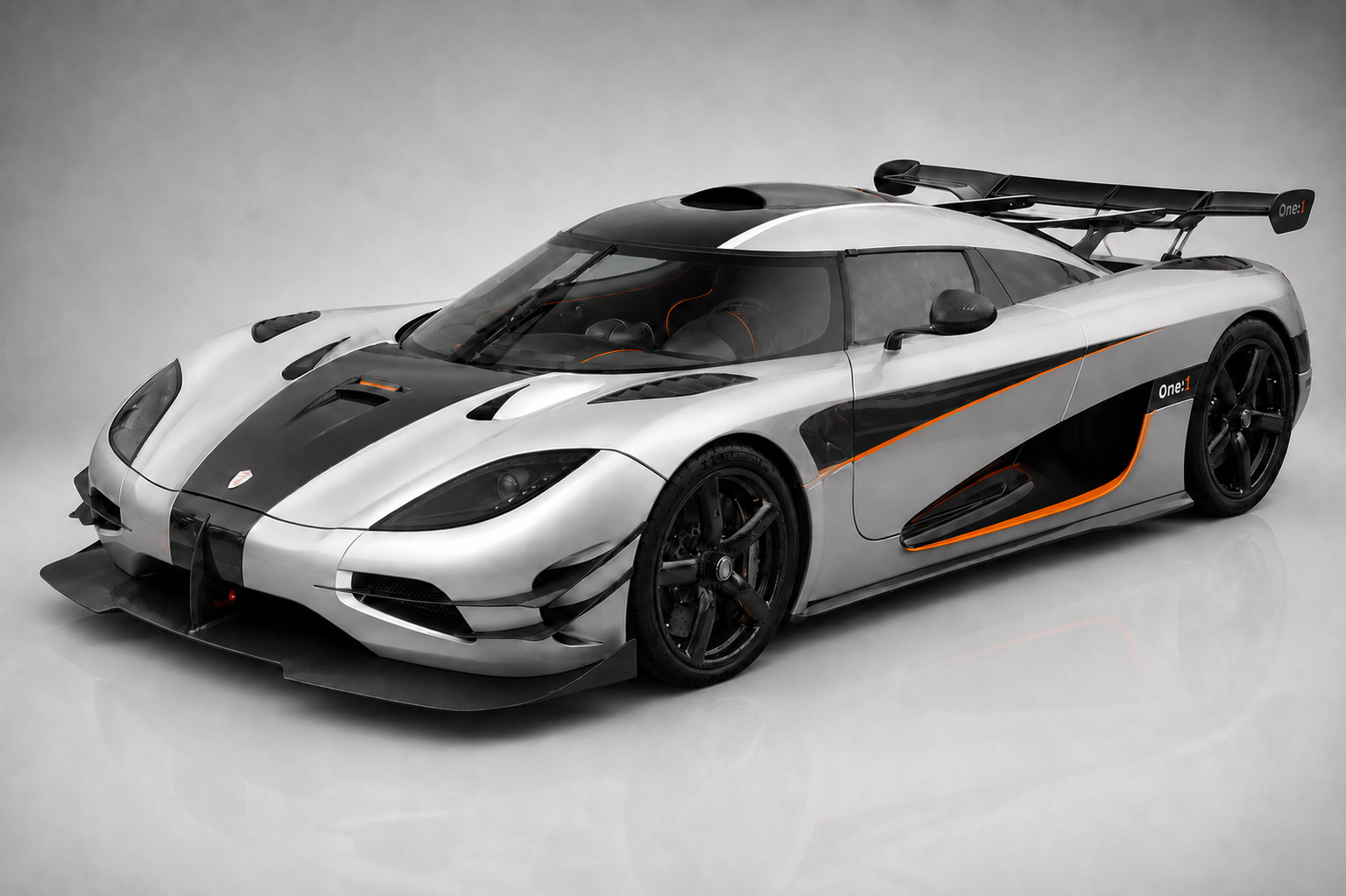
Koenigsegg One:1
Koenigsegg's one-megawatt hypercar — 1,341 hp / 1,360 PS, 1,360 kg, six road-spec chassis plus the prototype.
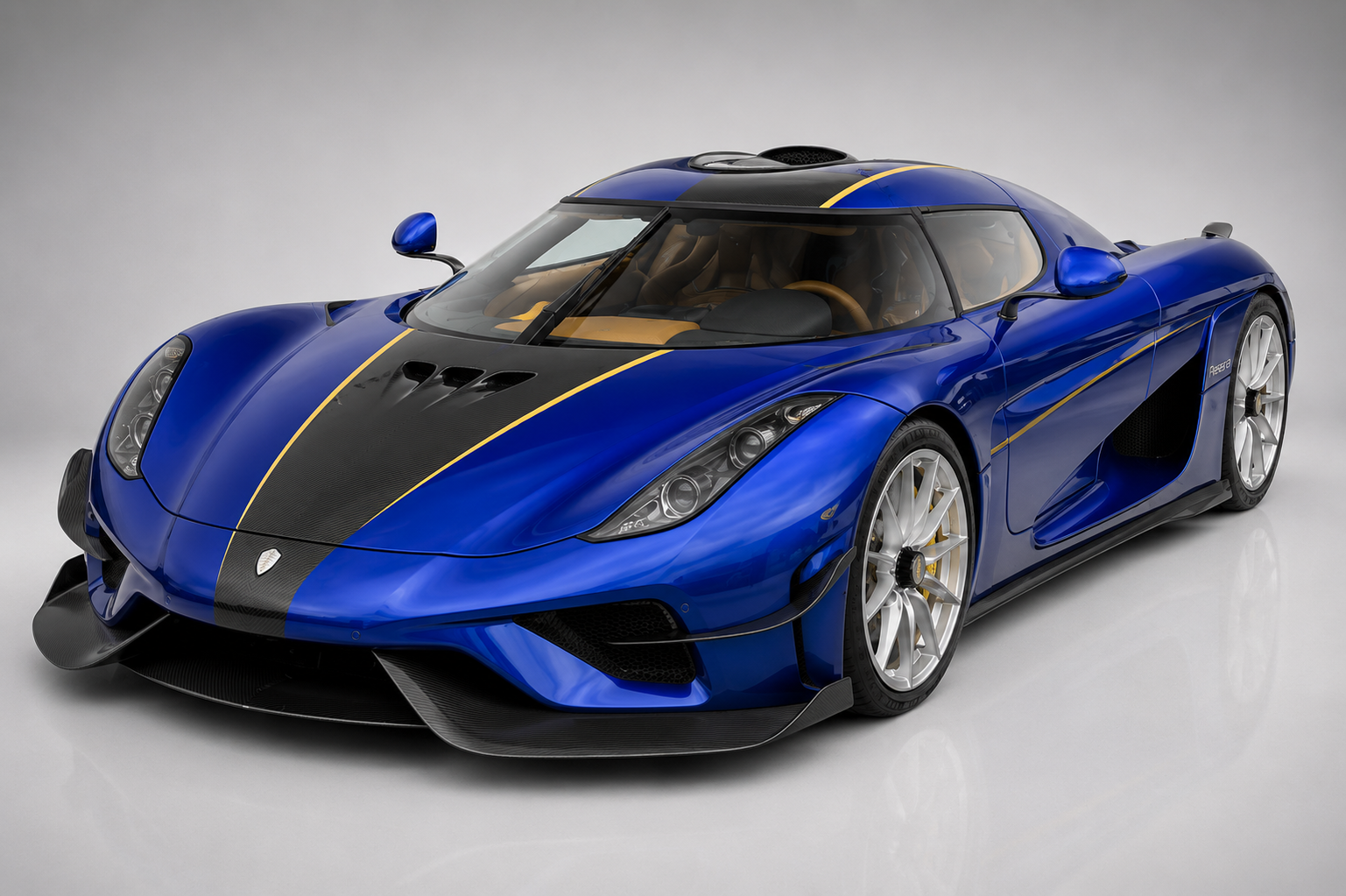
Koenigsegg Regera
Direct-drive hybrid hypercar — no conventional gearbox, 1,500 PS and holder of the 0–400–0 km/h record at 31.49 seconds in 2019.
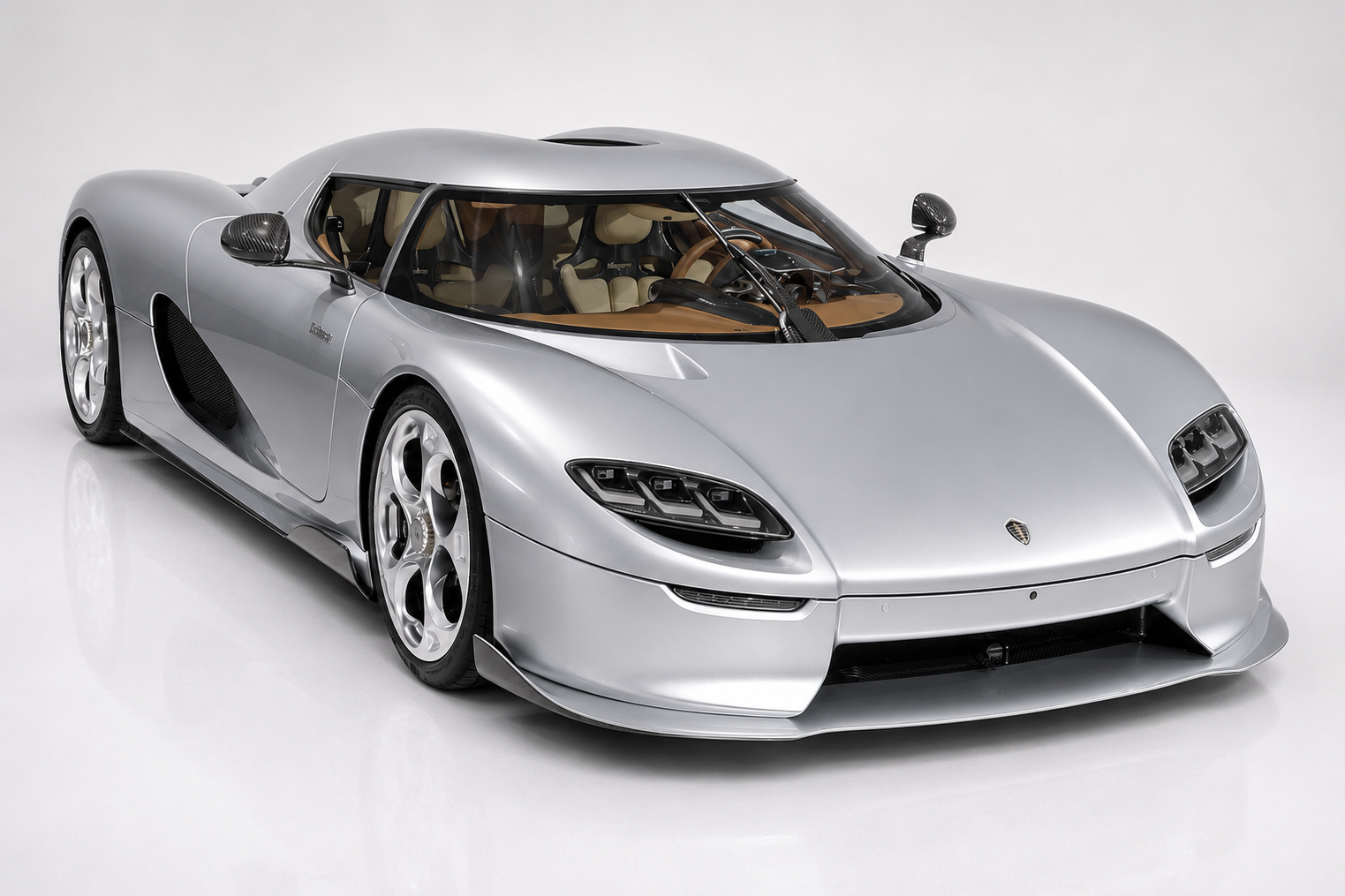
Koenigsegg CC850
The analogue answer to the megacar era — a real clutch pedal and a gated shifter, at up to 1,385 hp.
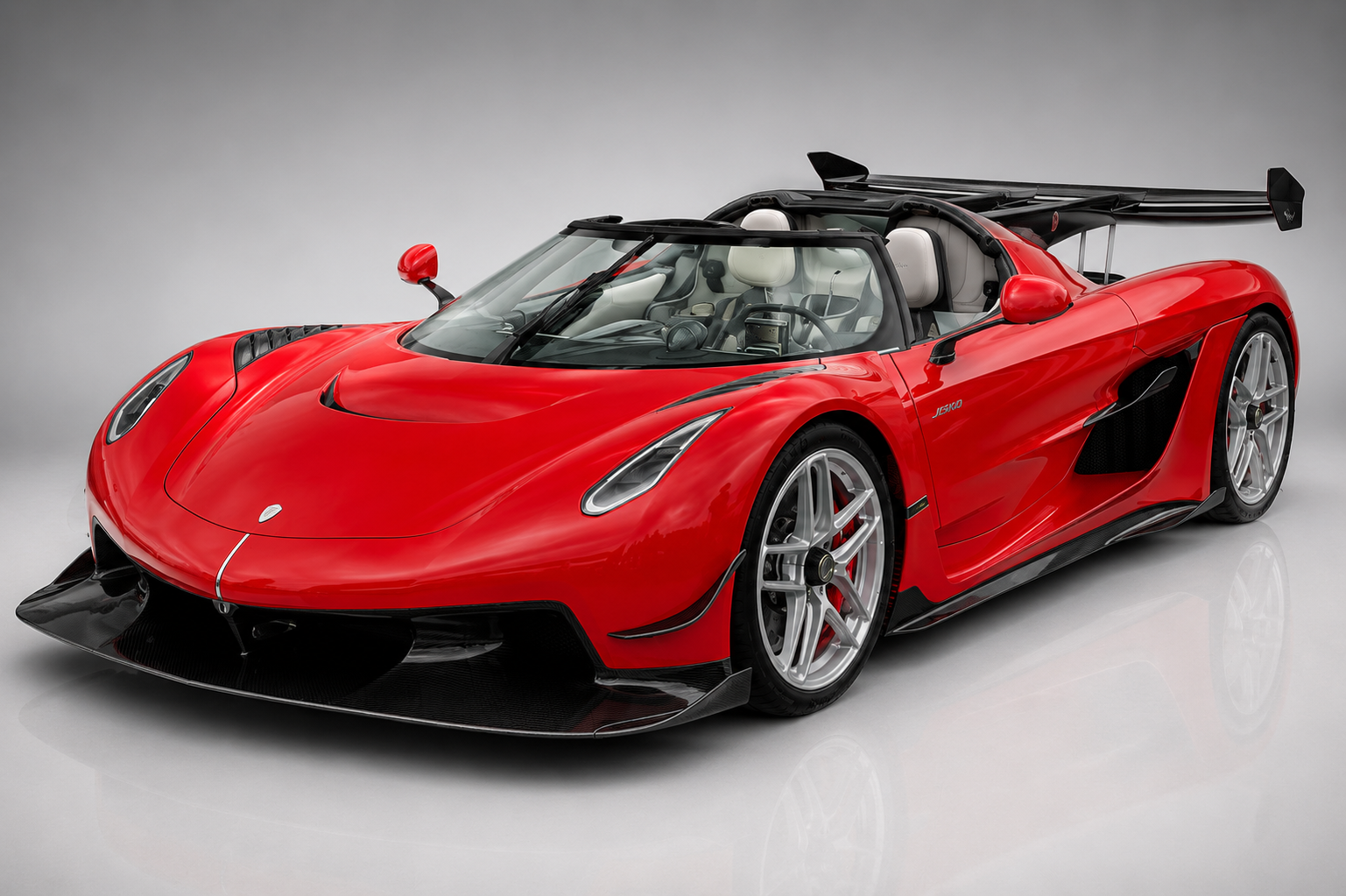
Koenigsegg Jesko
Twin-turbo V8 hypercar with the nine-speed Light Speed Transmission — built in track-focused 'Attack' and top-speed 'Absolut' forms.
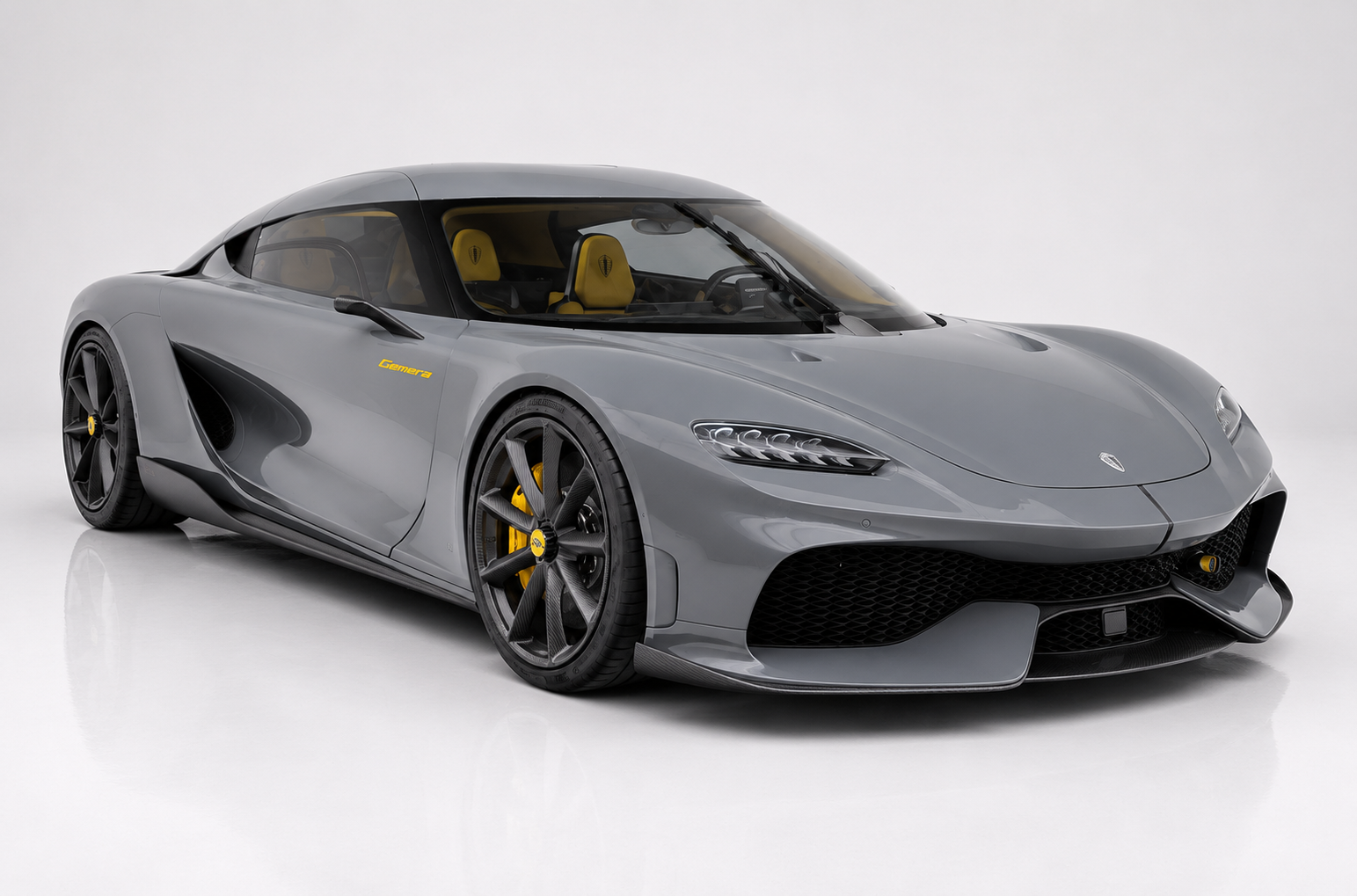
Koenigsegg Gemera
Four seats, two huge doors, eight cup holders — and up to 2,300 hp.