
Every model, one definitive hub.
Each Car Collector International buyer's guide is the central reference for that specific vehicle. Written for collectors, edited for owners, and updated as the cars themselves move through the market.
Abarth
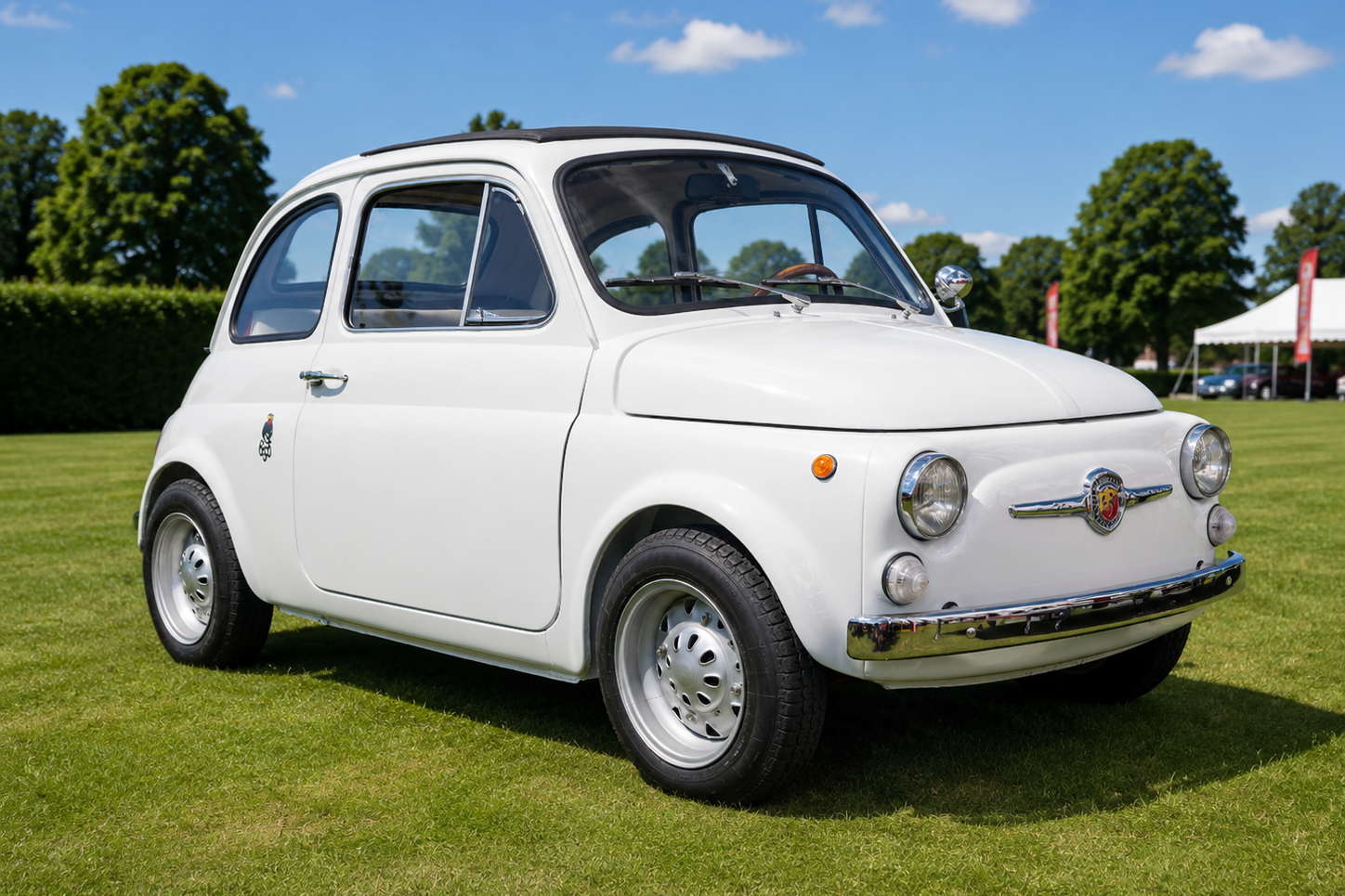
Abarth 695 SS
Carlo Abarth's 689 cc twin-carb hot-Fiat 500 — approximately 1,000 built, the definitive scorpion-badged micro-classic.
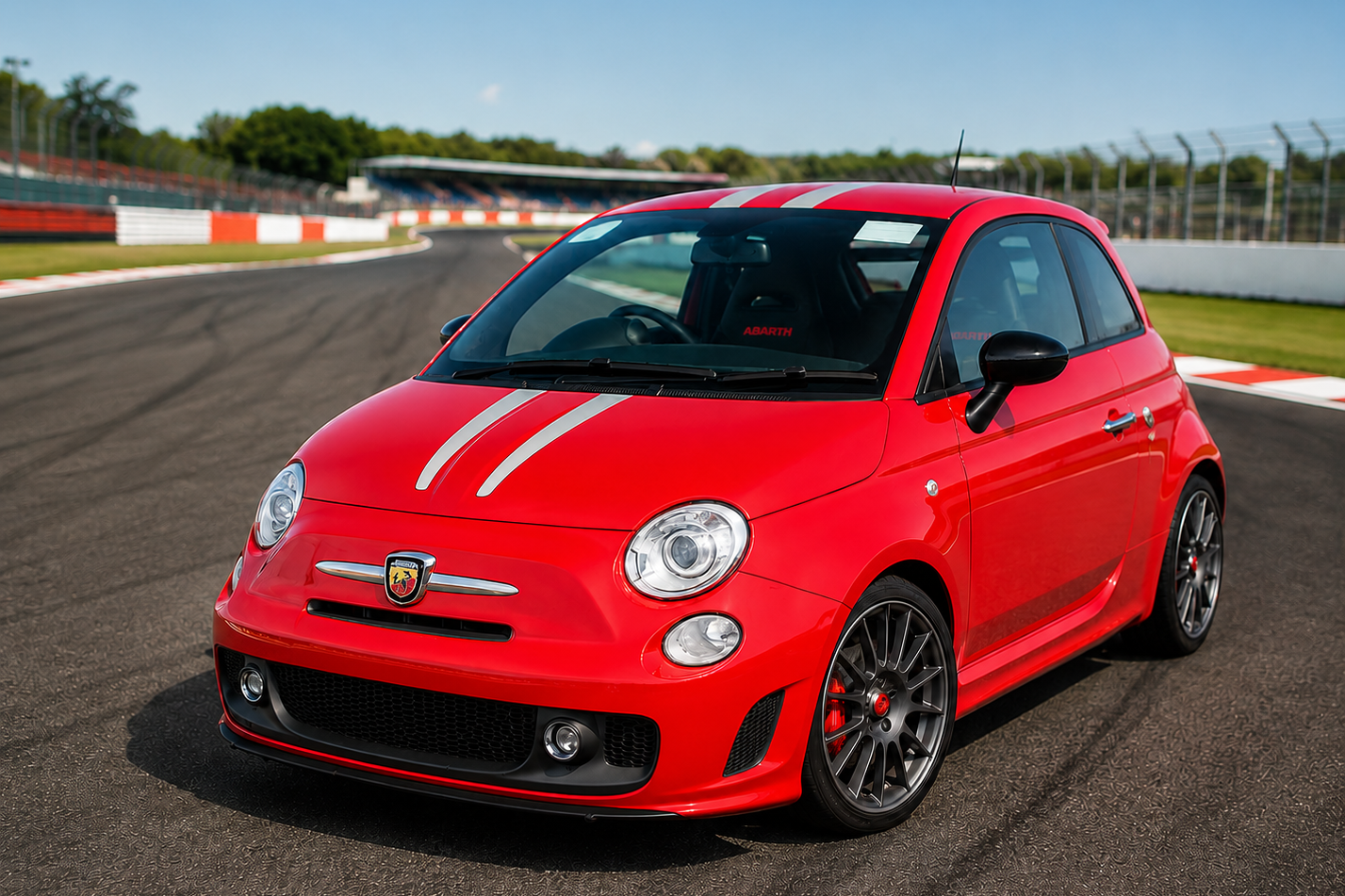
Abarth 695 Tributo Ferrari
A numbered, dealer-only 500-based special co-developed with Ferrari — a 180 bhp paddle-shift homage to the F430 in city-car scale.
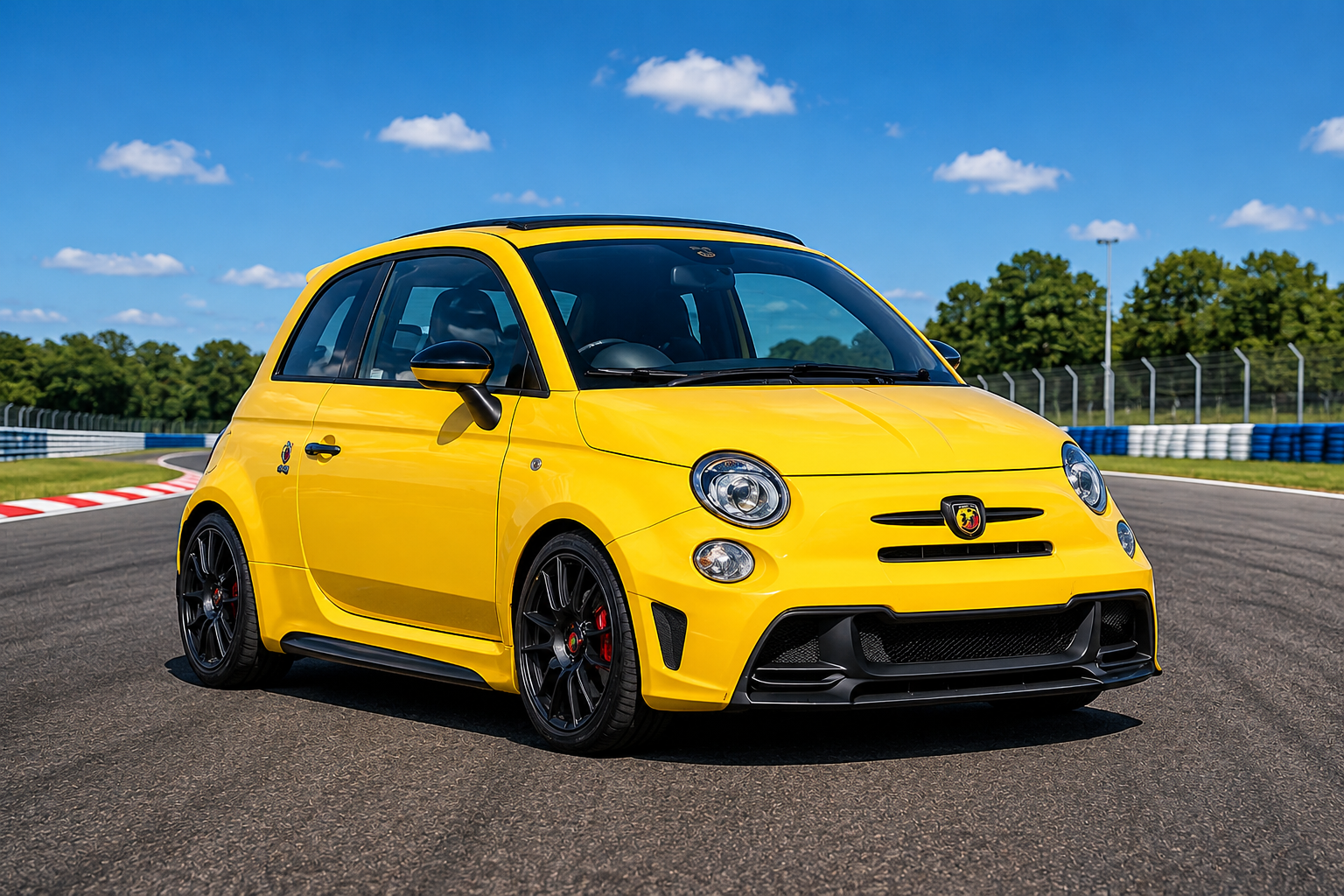
Abarth 695 Biposto Record Edition
The 133-car send-off to Abarth's most extreme road car — Modena Yellow, Akrapovič titanium and a Sabelt carbon cabin, one for each factory record.
AC
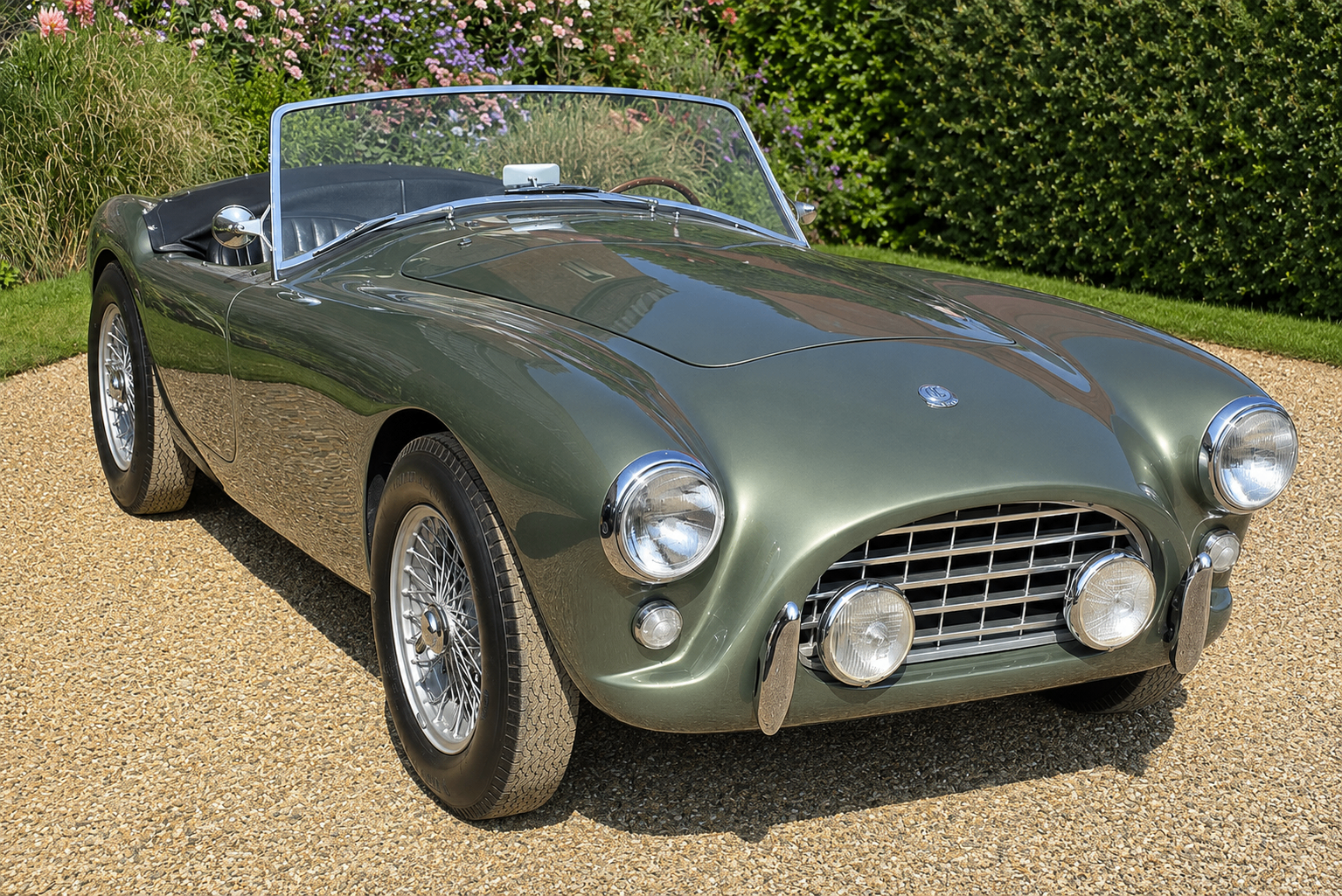
AC Ace
The Tojeiro-designed AC roadster that became the Cobra's donor car — three engine families across a decade, roughly 723 cars in total.
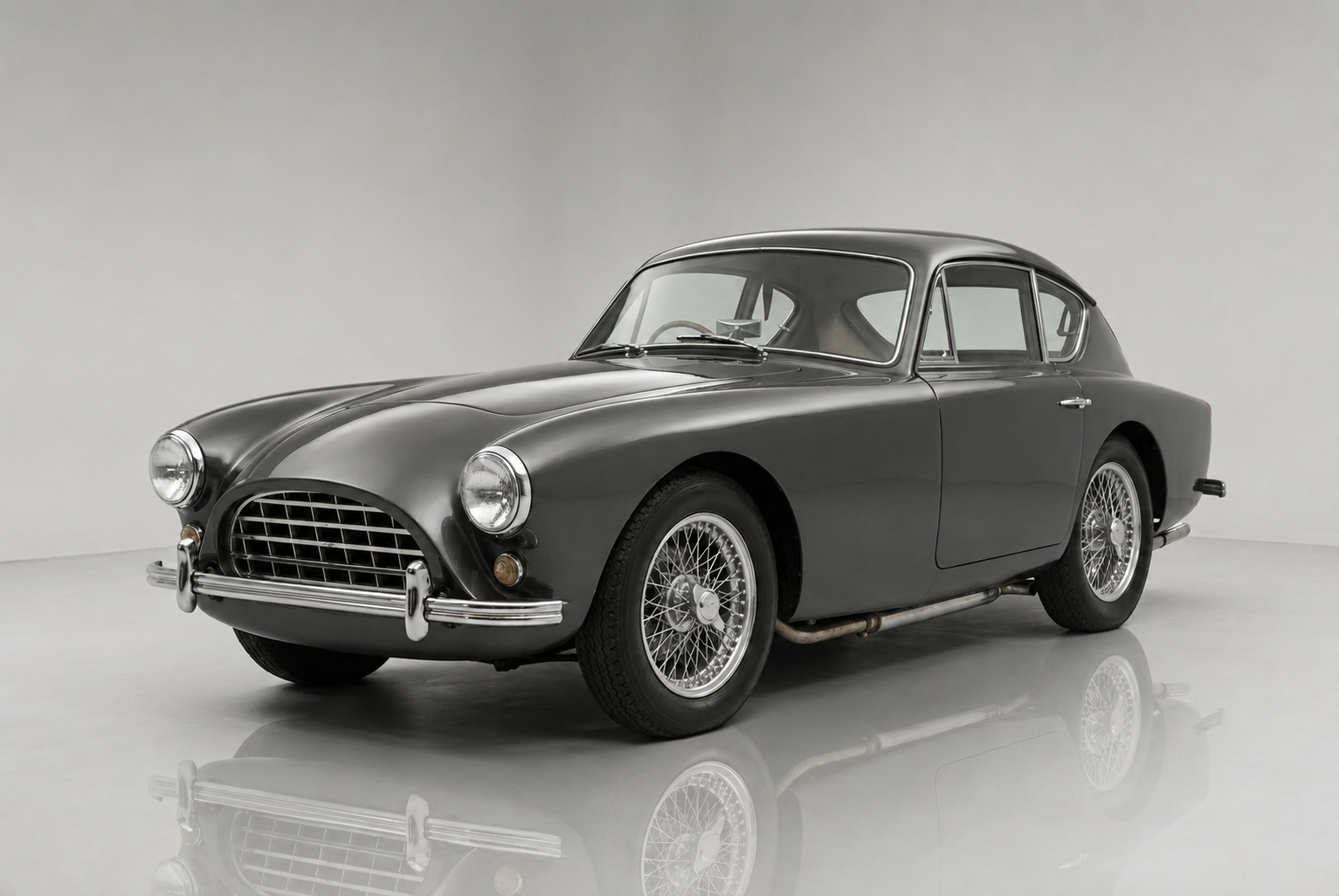
AC Aceca & Greyhound
The fixed-head coupé and 2+2 GT derivatives of the AC Ace — the Bristol-engined Aceca leads the market.
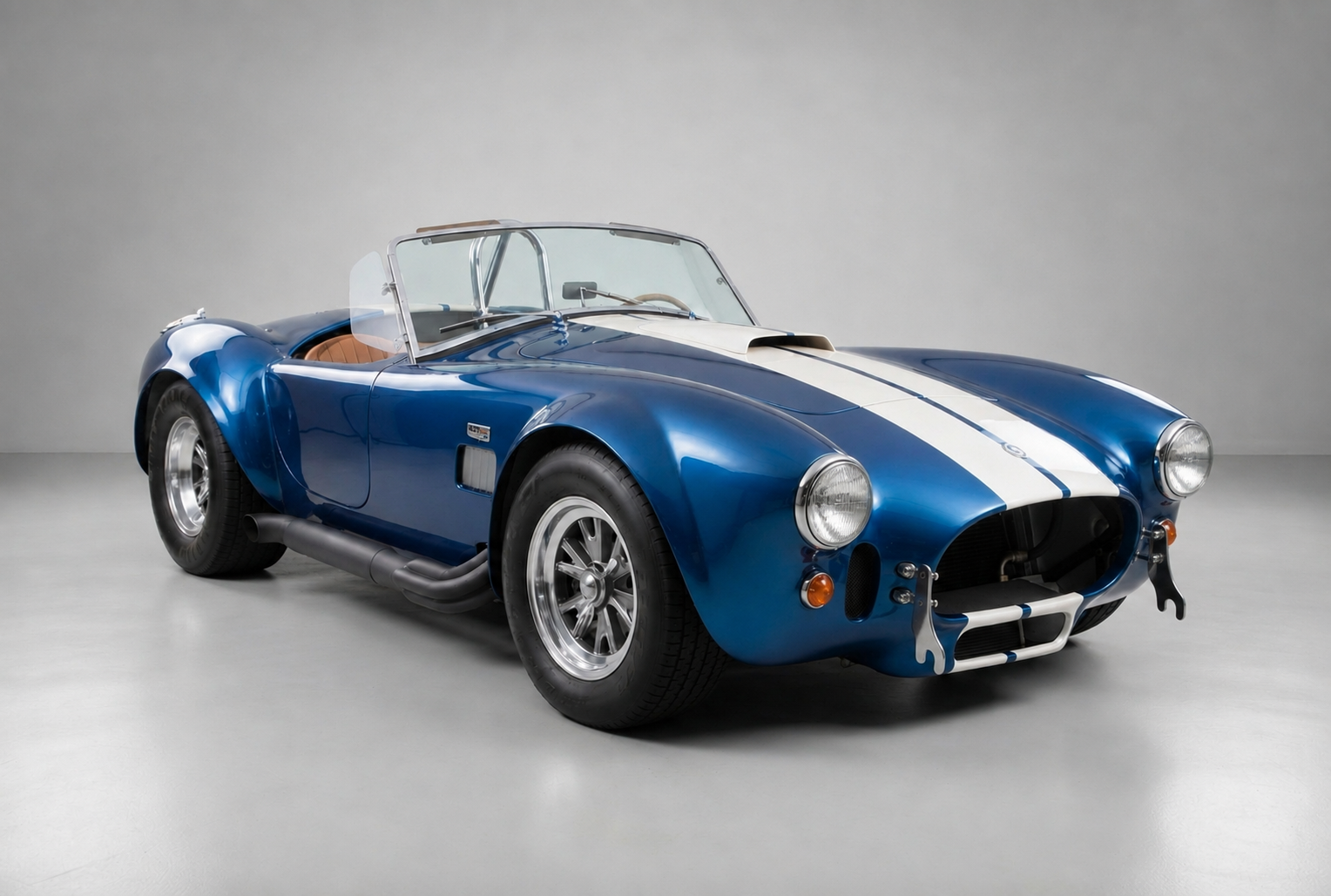
AC Cobra
Carroll Shelby's Anglo-American roadster — 998 original CSX-chassis cars built 1961–1968, from the 260-powered founding run to the big-block 427 S/C.
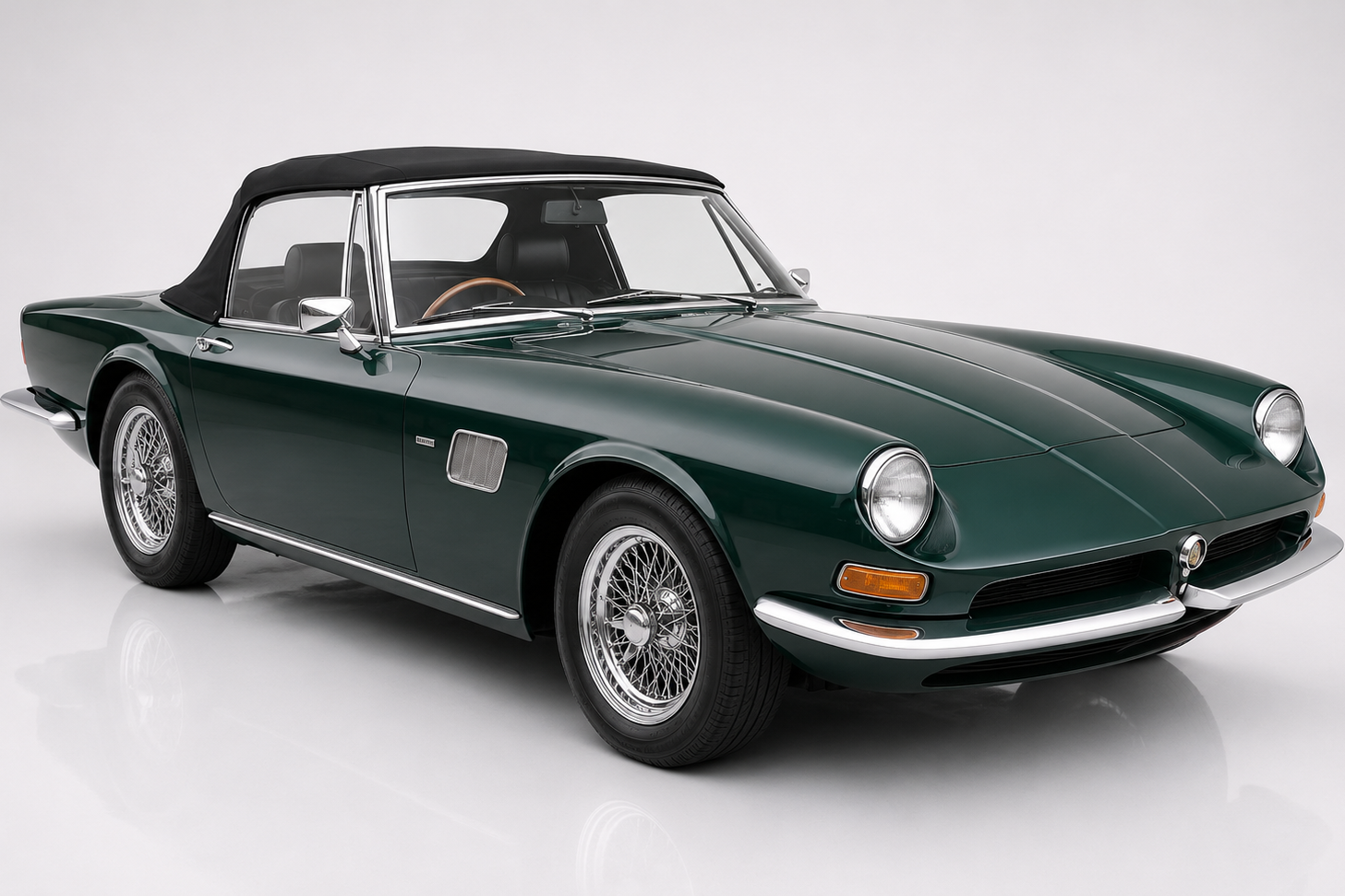
AC 428 Frua
The forgotten Anglo-Italian-American GT — Cobra underneath, Frua couture on top.
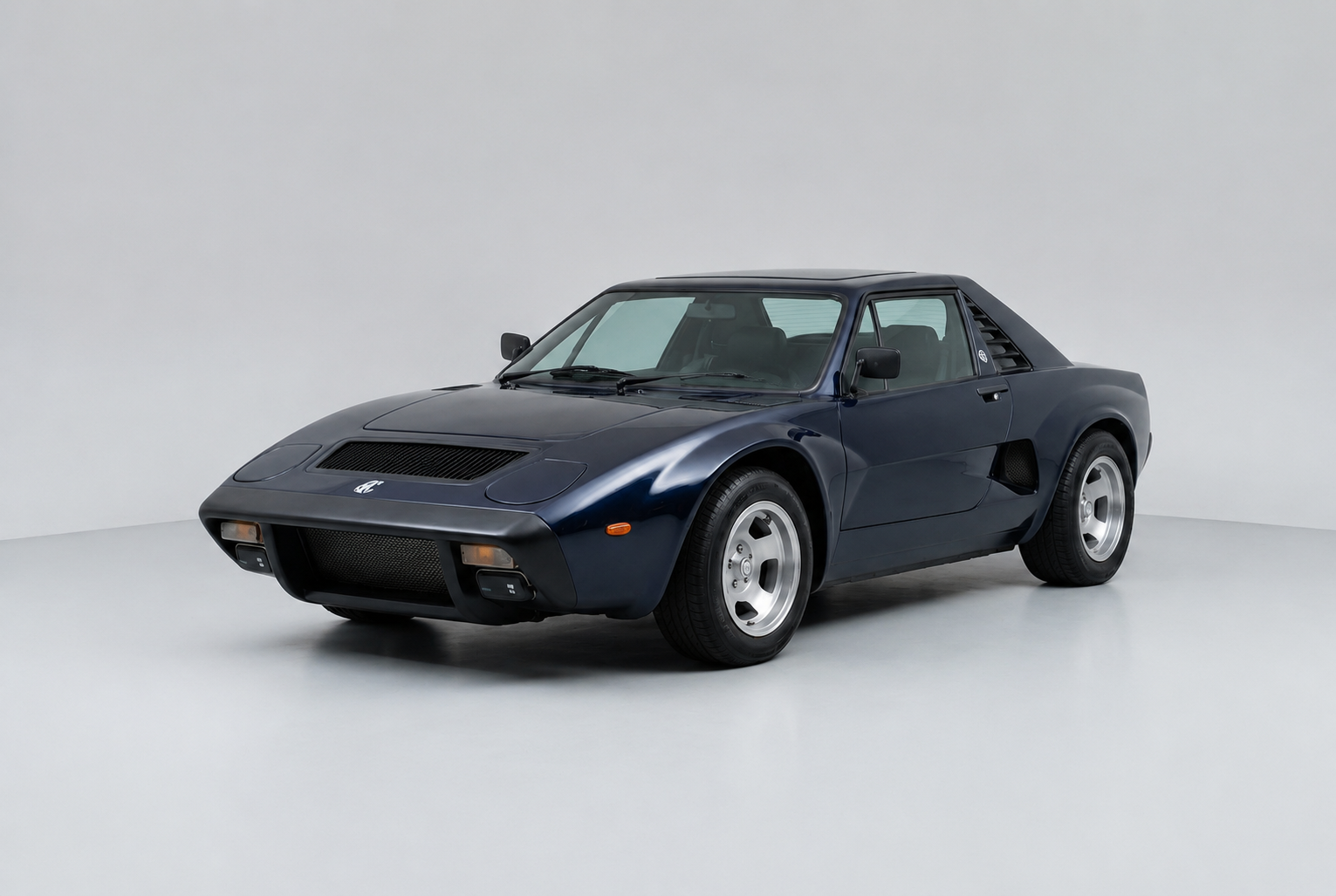
AC 3000ME
One of the rarest road-going ACs — a mid-engined British coupé with a transverse Ford Essex V6.
Alfa Romeo
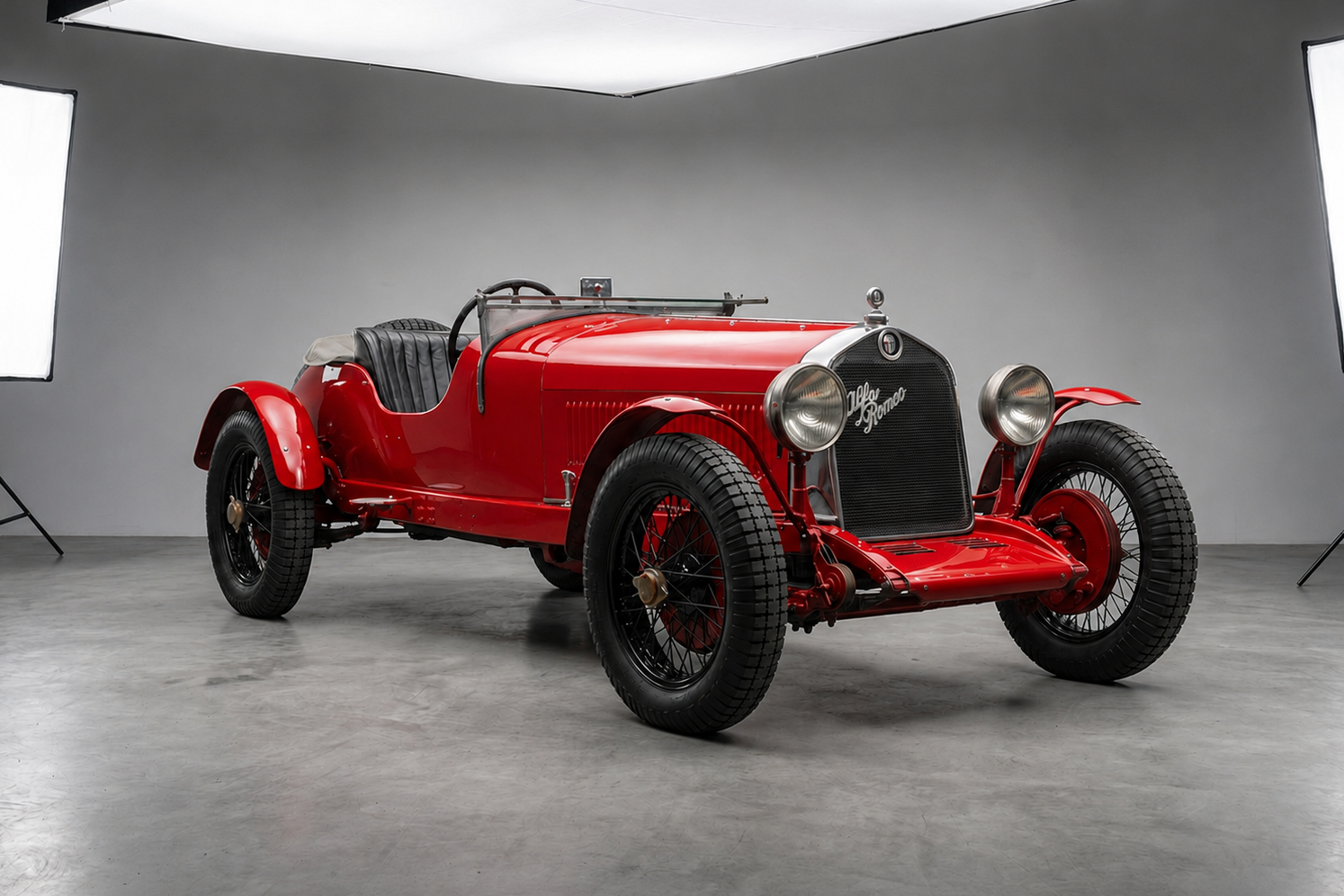
Alfa Romeo 6C 1750 / 6C 2300
Vittorio Jano's six-cylinder Alfas — light, quick and the foundation of the marque's racing reputation.
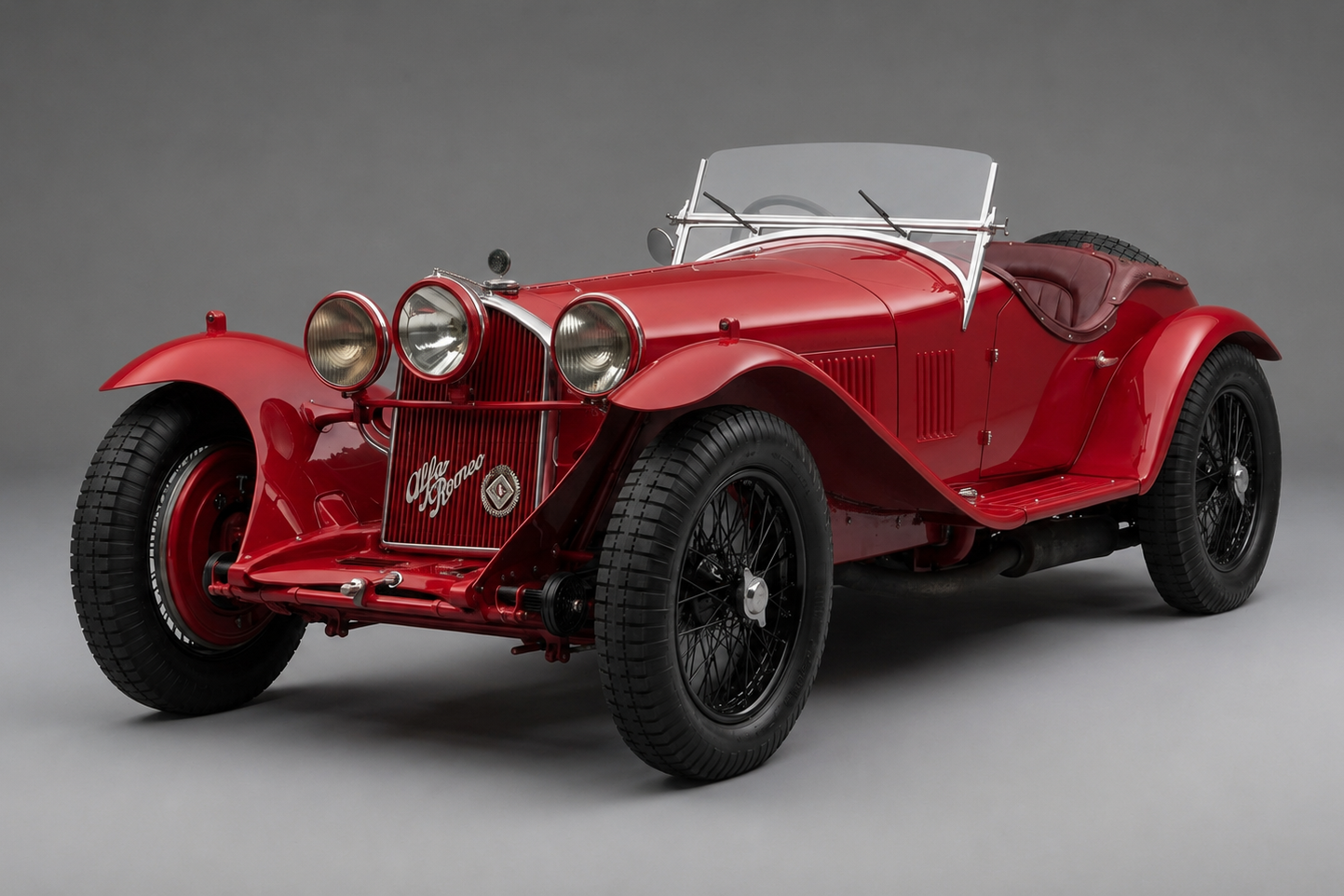
Alfa Romeo 8C 2300
Vittorio Jano's straight-eight masterpiece — Mille Miglia, Le Mans and Targa Florio winner.
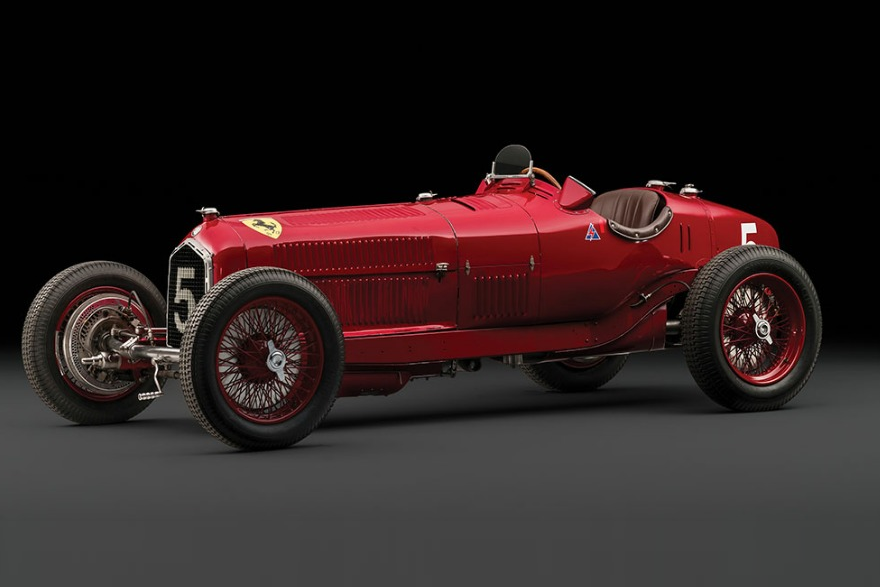
Alfa Romeo Tipo B (P3)
Vittorio Jano's monoposto Tipo B (P3) — the world's first true single-seater Grand Prix car.
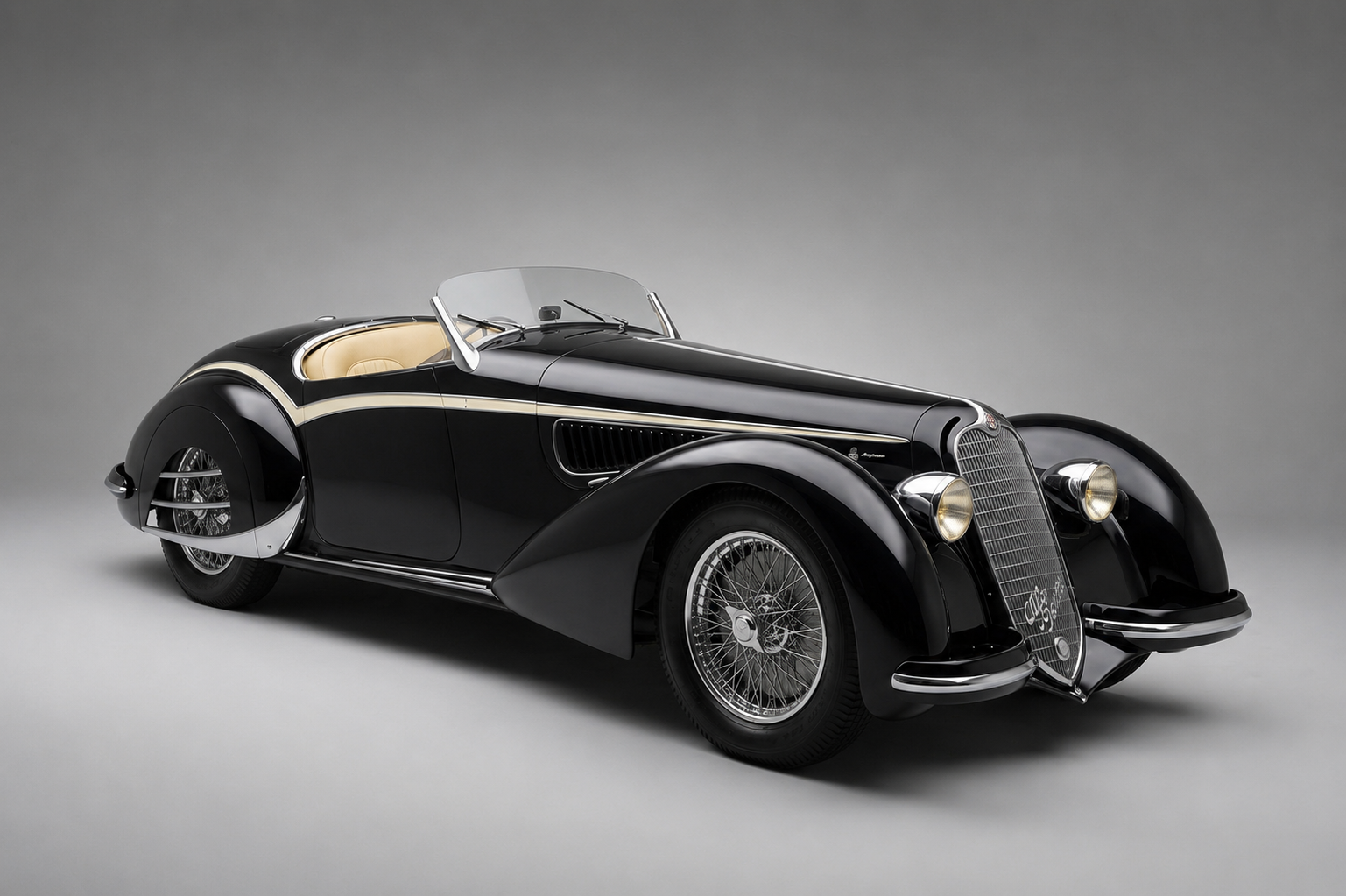
Alfa Romeo 8C 2900
The 8C 2900B Lungo / Corto — one of the most beautiful and most valuable pre-war cars ever built.
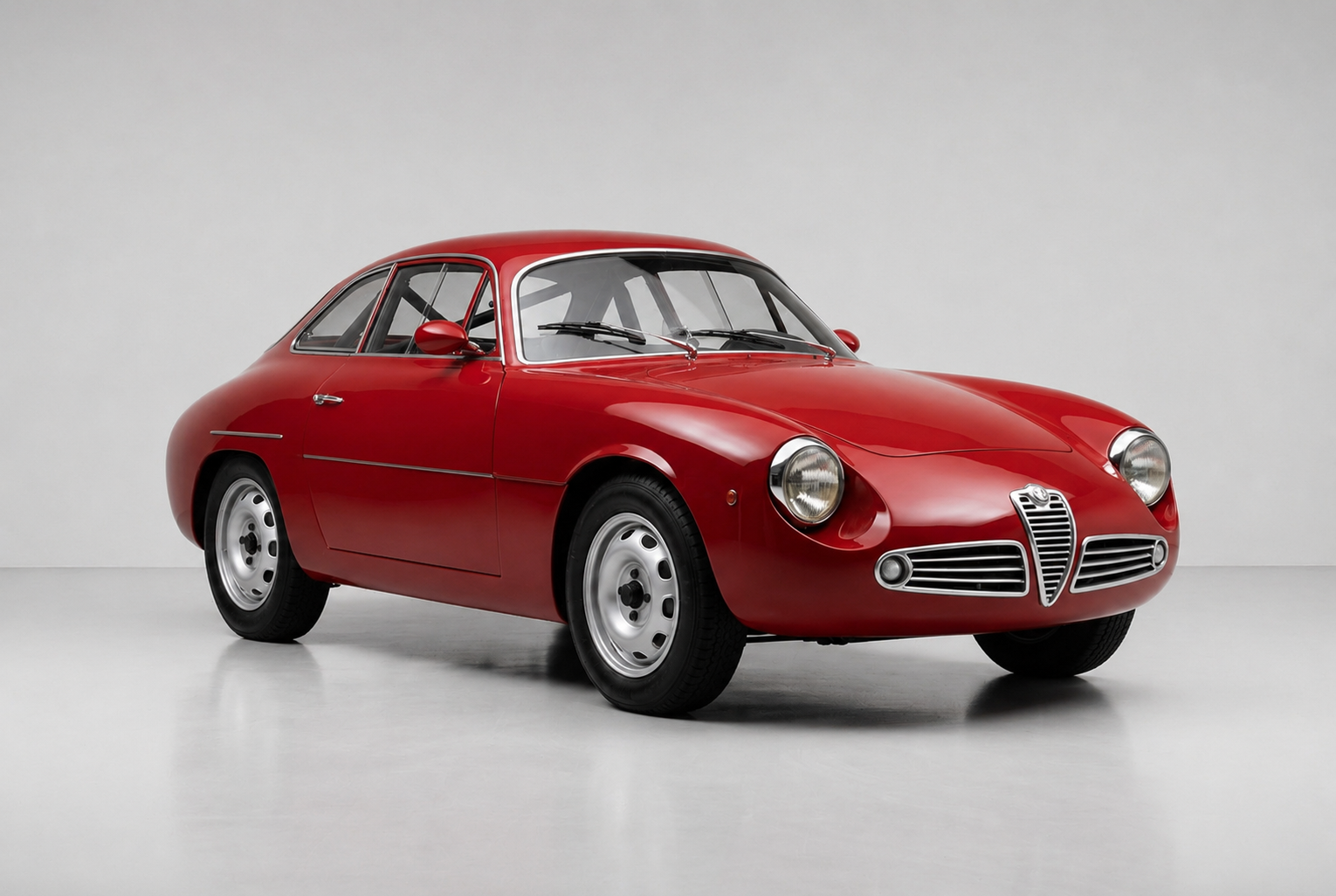
Alfa Romeo Giulietta Sprint Family
The car that established Alfa Romeo in the 1.3-litre performance class — from Bertone Sprint to Zagato SZ.
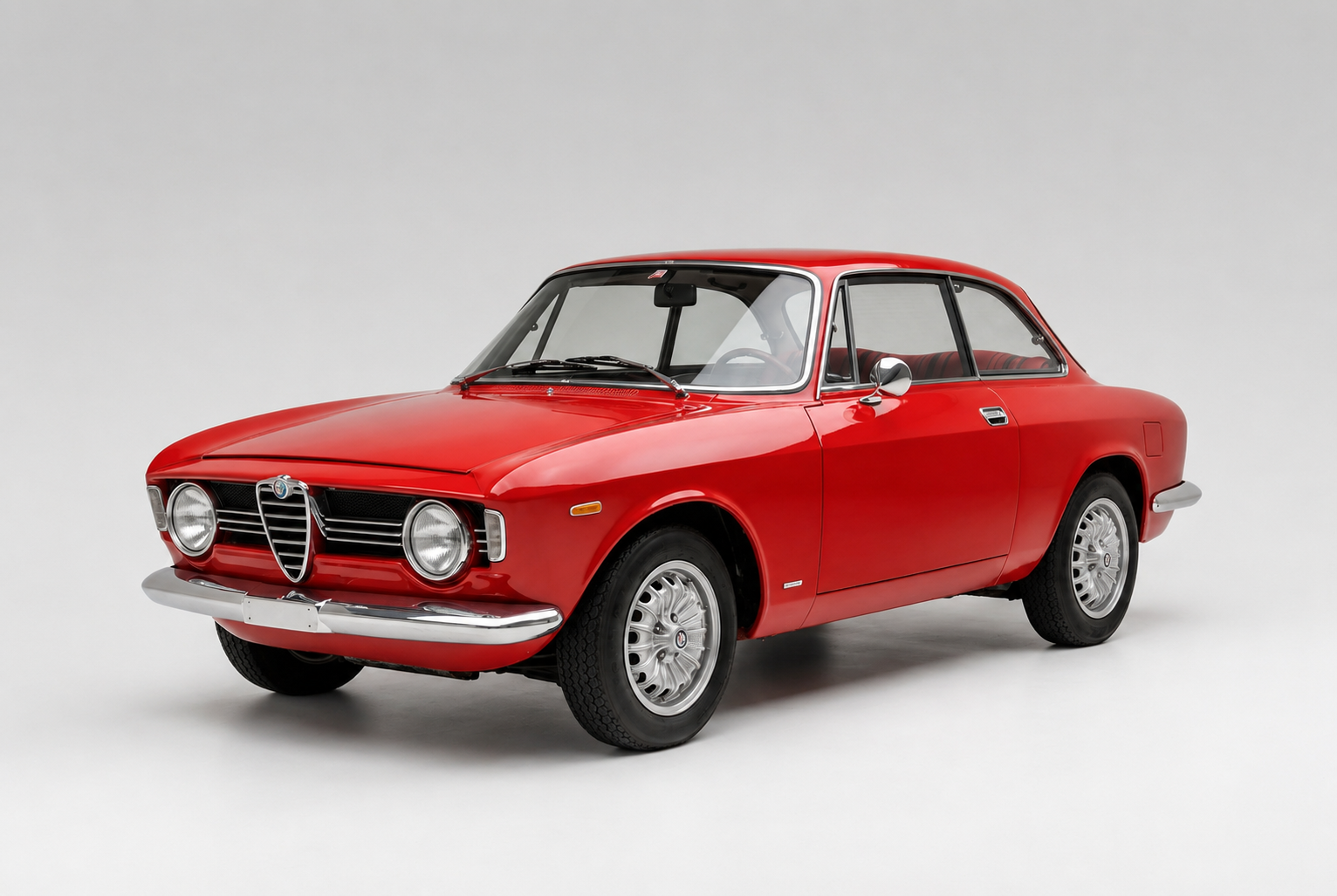
Alfa Romeo Giulia GT (105/115 Series Coupé)
The benchmark affordable Italian classic — Giugiaro at Bertone on the Giulia Berlina platform.
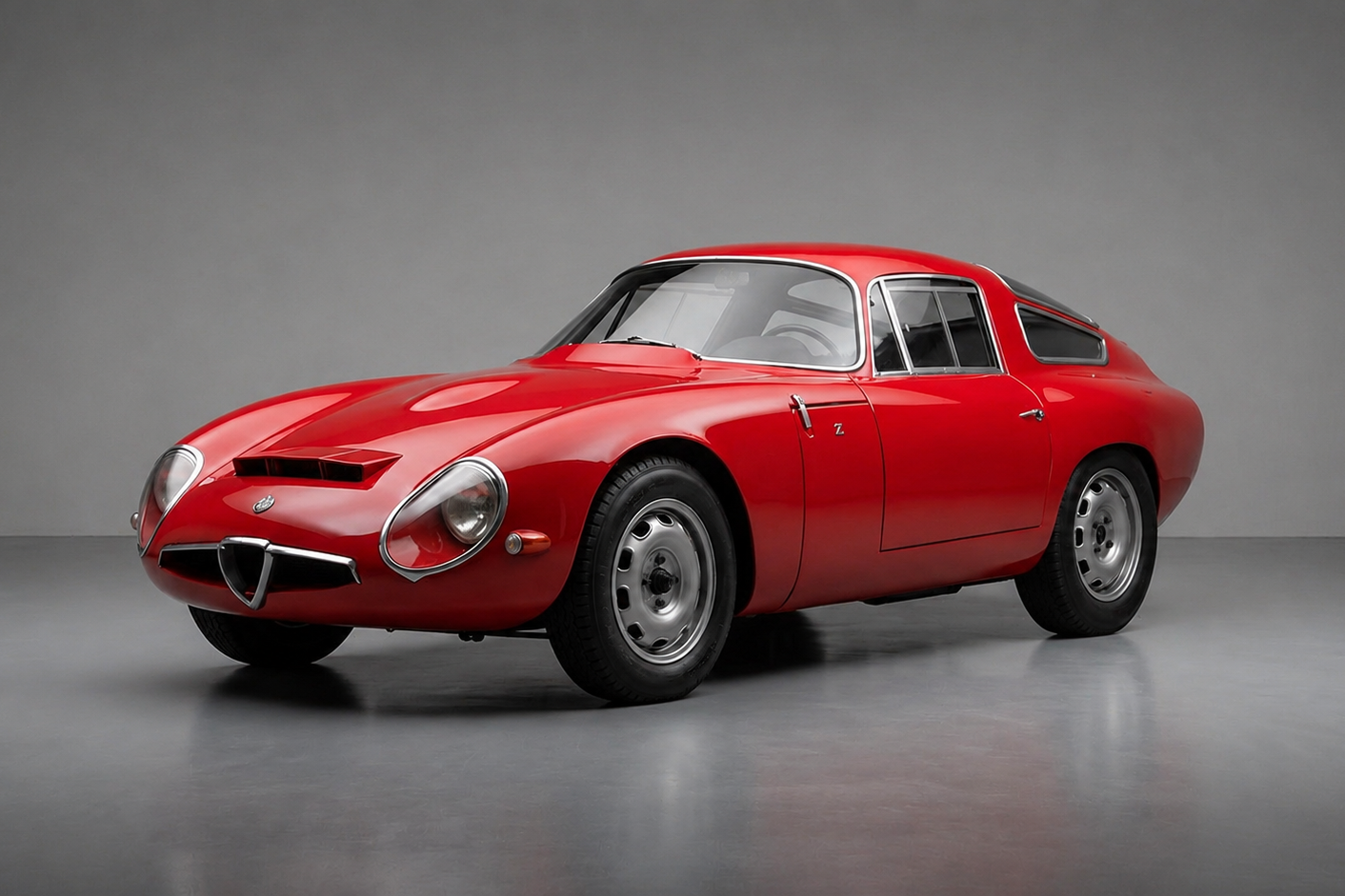
Alfa Romeo Giulia TZ1
Zagato-bodied lightweight Alfa — tubular spaceframe, Kamm tail, twin-cam four; 112 built.
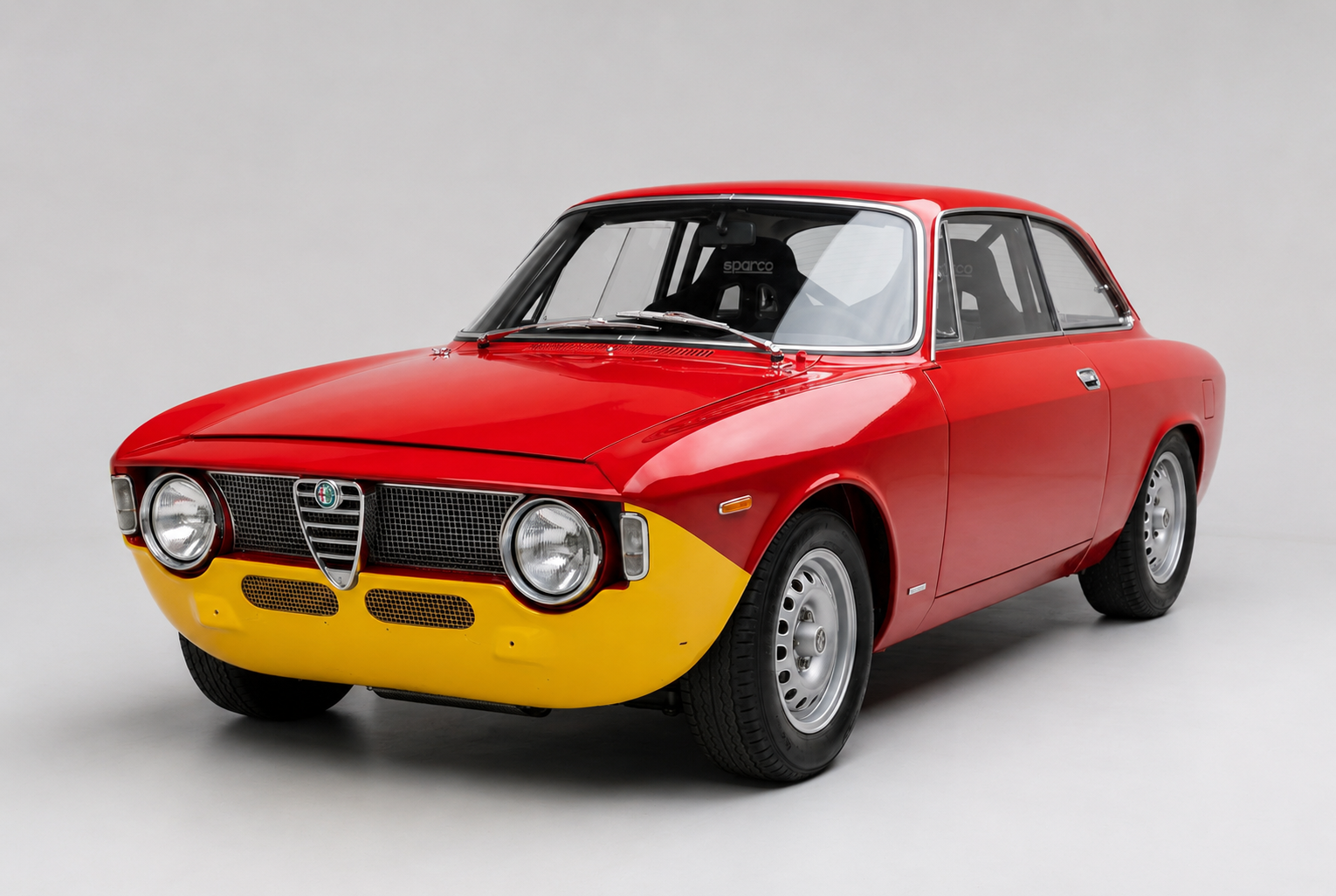
Alfa Romeo Giulia Sprint GTA
The Autodelta lightweight — European Touring Car Champion 1966, 1967 and 1968.
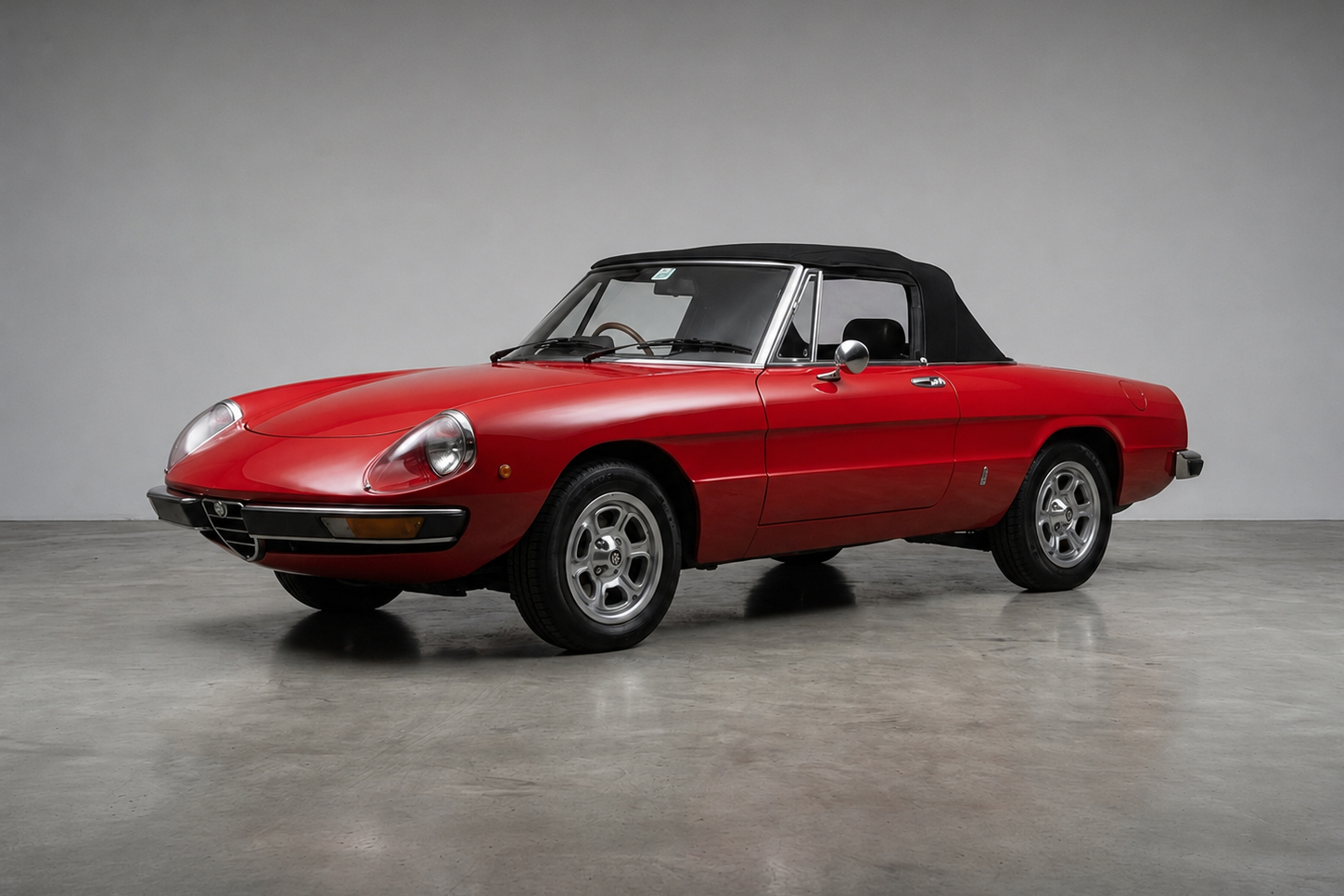
Alfa Romeo Spider (105/115)
Pininfarina's last personally-signed design and Alfa Romeo's longest-lived production car — twenty-eight years of the same Battista-drawn body.
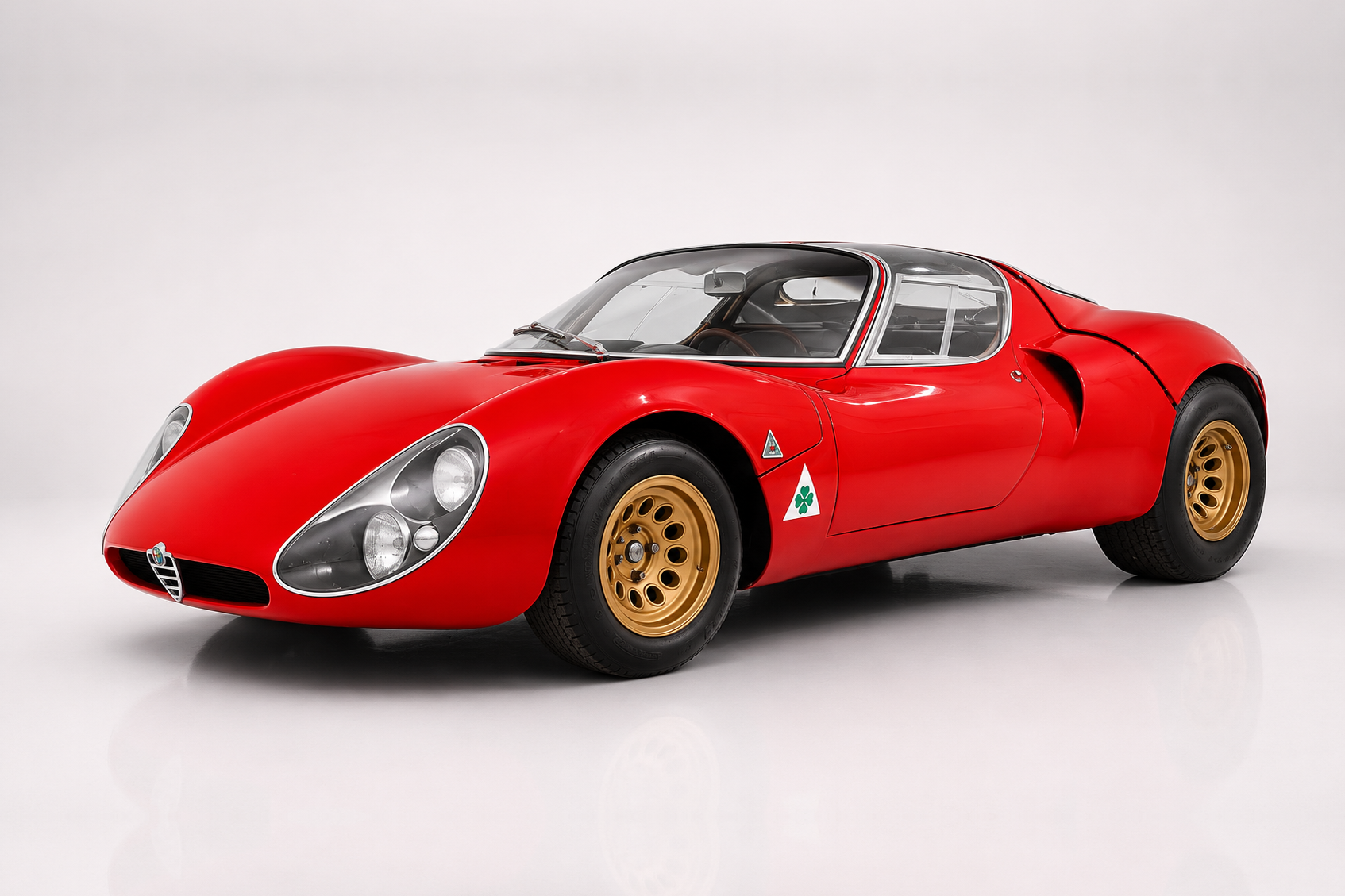
Alfa Romeo 33 Stradale (1967)
Routinely called the most beautiful car ever built — and the first modern supercar.
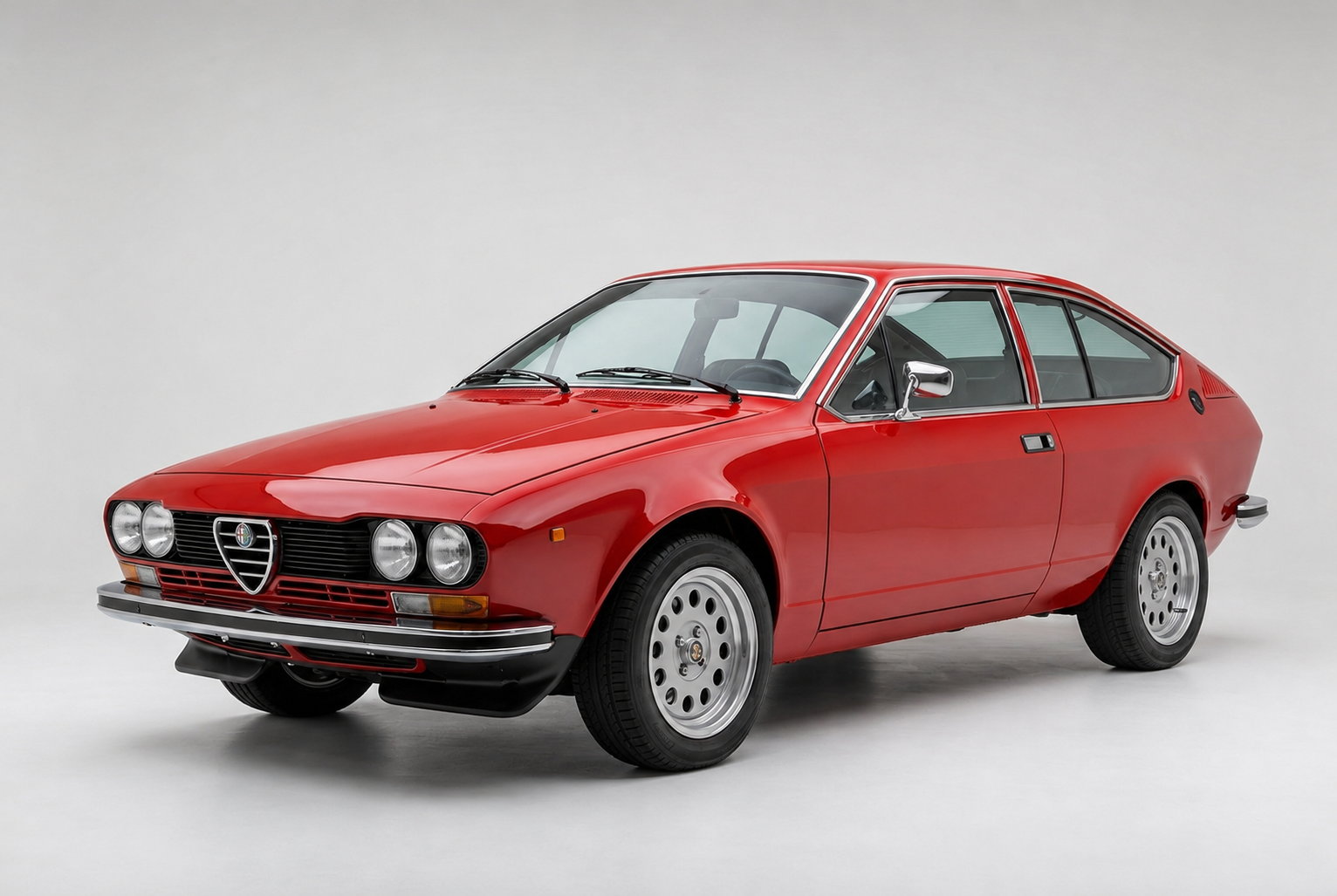
Alfa Romeo Alfetta GT, GTV & GTV6
Giugiaro's transaxle coupé — Giuseppe Busso's V6 in the GTV6 is the halo variant.
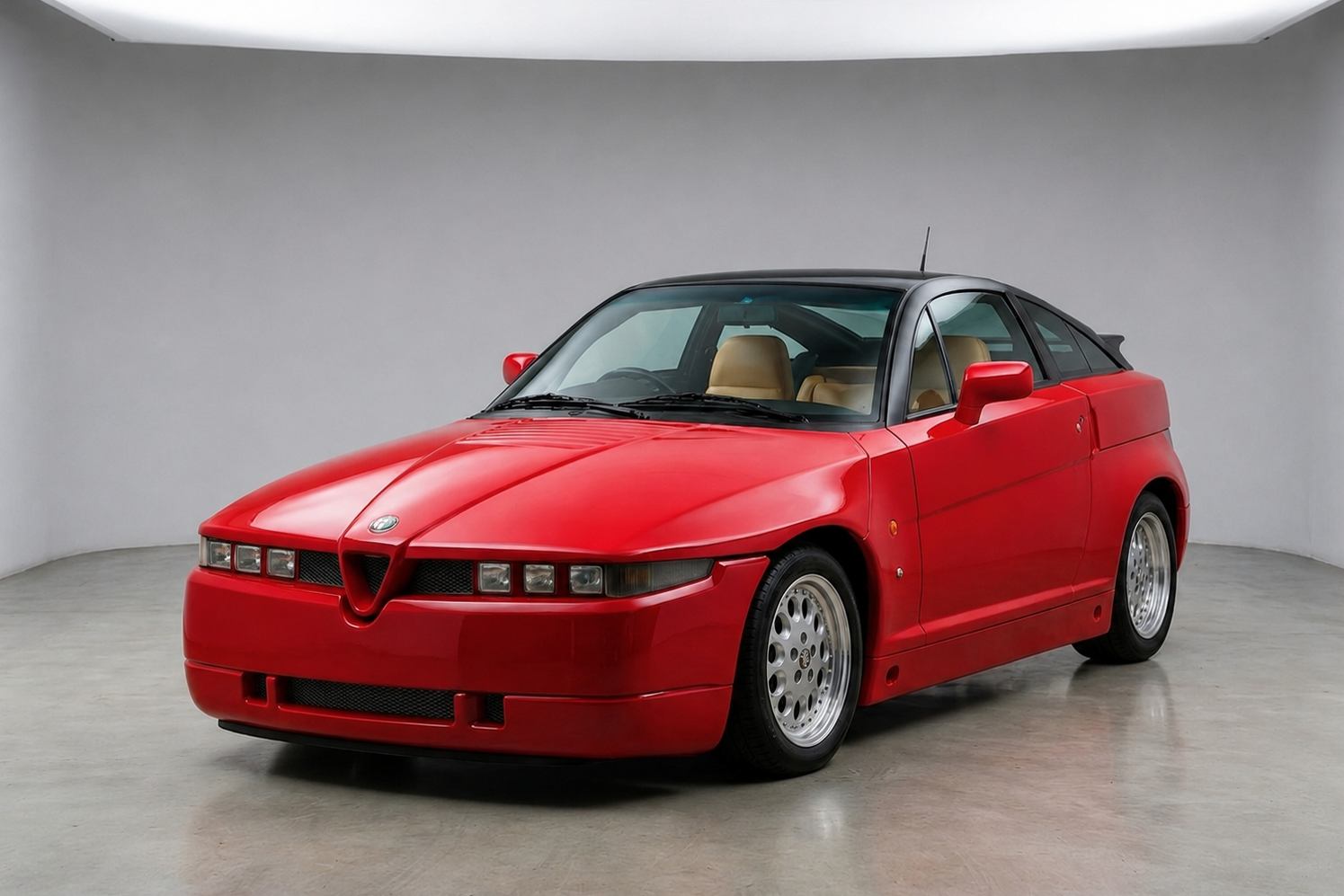
Alfa Romeo SZ (ES-30)
Centro Stile and Zagato — the 'Il Mostro' Alfa Romeo, a fixed-production wedge-bodied 3.0 V6 coupe.
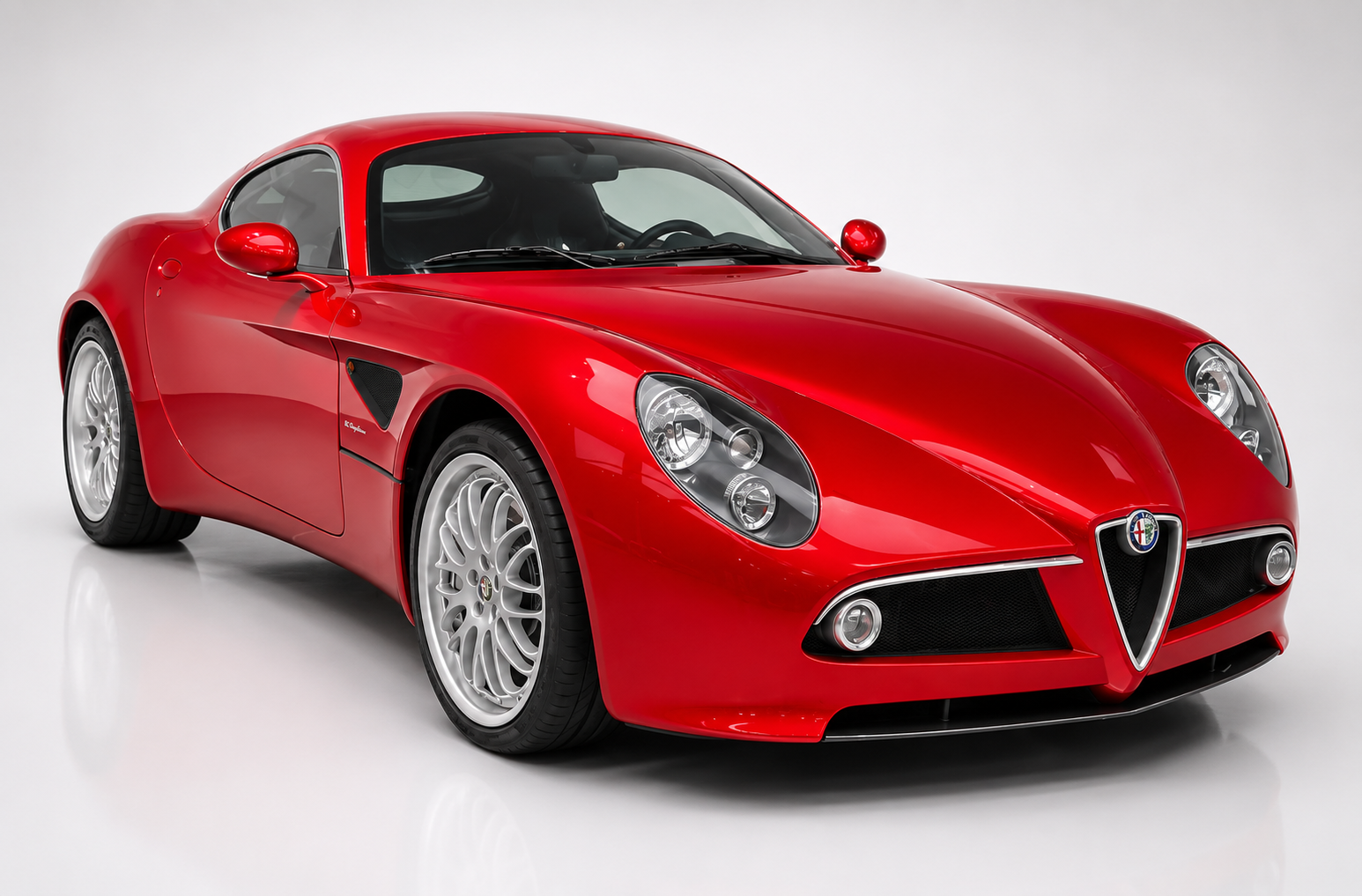
Alfa Romeo 8C Competizione
A limited-production Alfa sculpture with Maserati-Ferrari V8 theatre and long-term rarity.
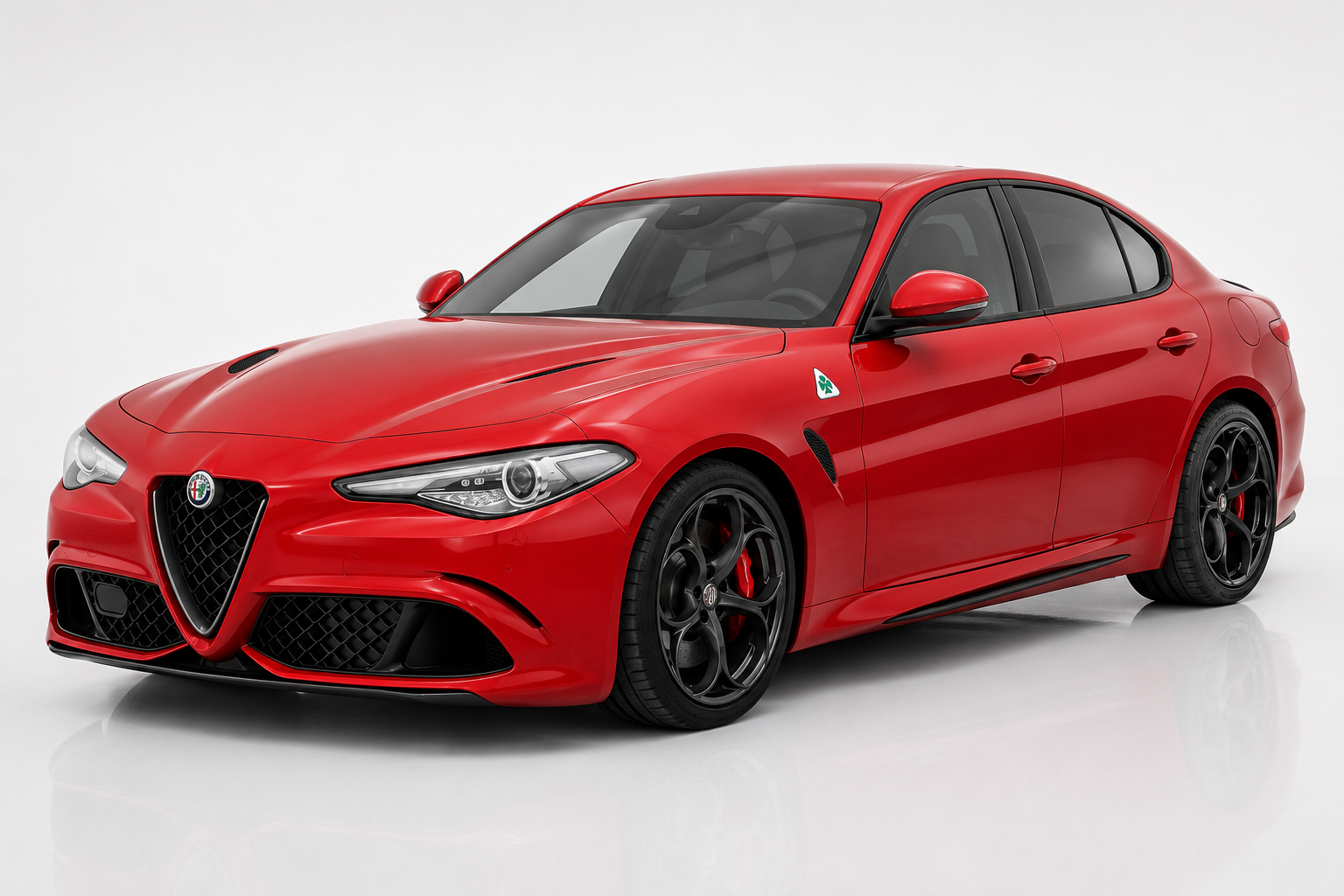
Alfa Romeo Giulia Quadrifoglio
Ferrari-derived twin-turbo V6, rear-drive, manual-feel saloon — the modern Alfa flag-bearer.
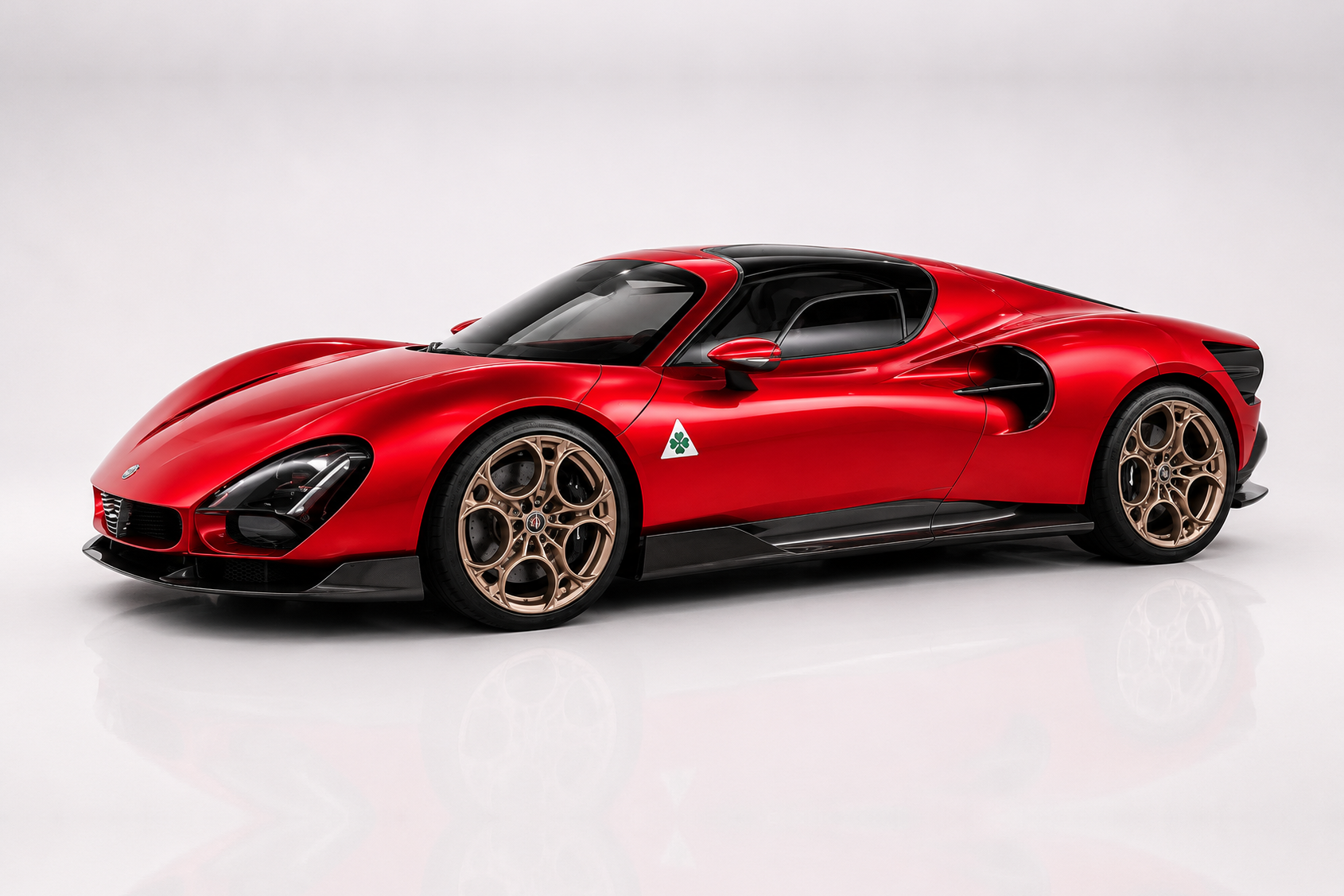
Alfa Romeo 33 Stradale (2023)
Fifty-six years on, Alfa revives its most sacred name — with an MC20 tub and a Nettuno V6.
Alpina
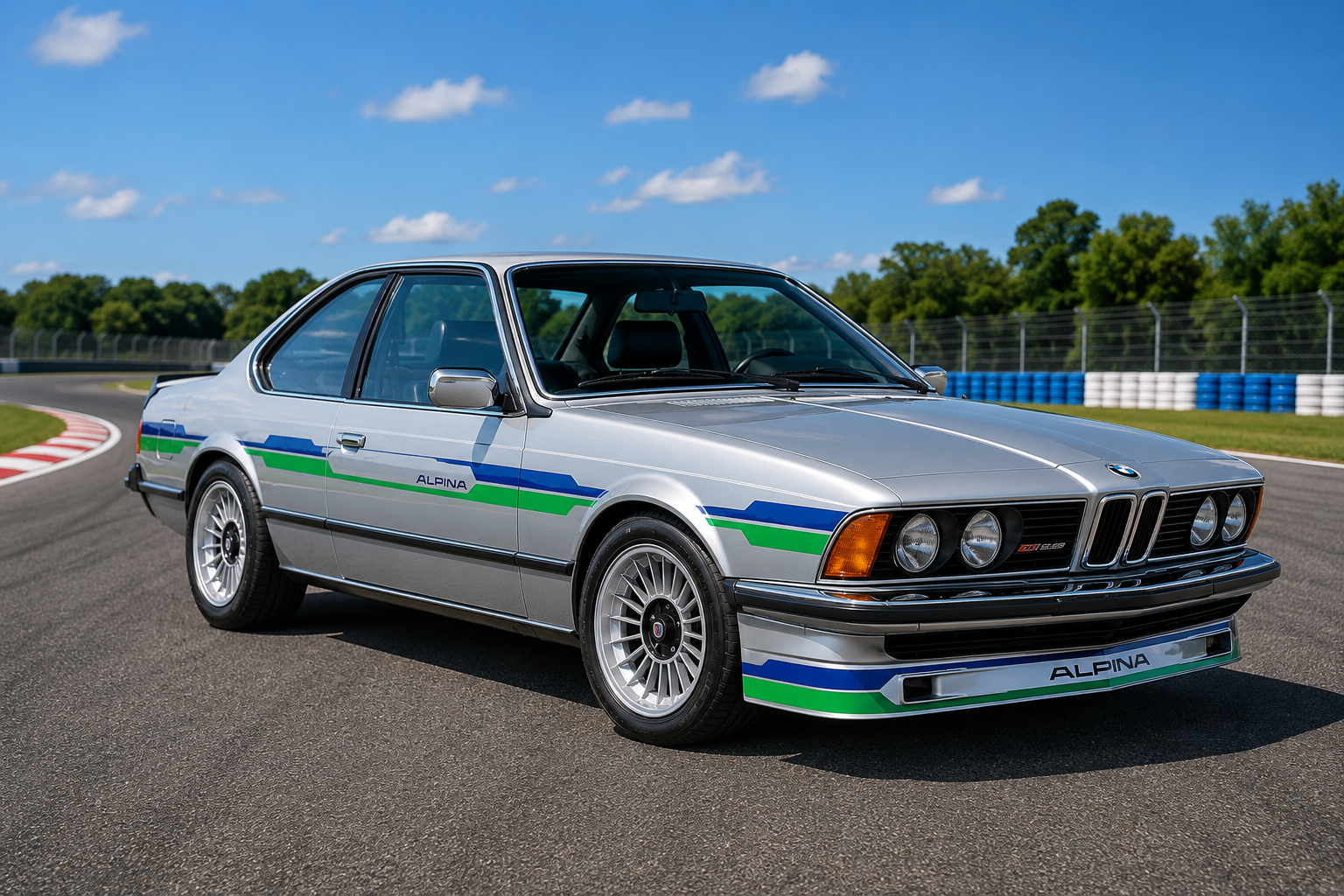
Alpina B7 Turbo Coupé (E24)
Alpina's turbocharged 6-Series — 153 pre-facelift B7 Turbo Coupés, then the facelifted B7 Turbo Coupé/1 (130 built, of which 20 were Katalysator) — the fastest 6-Series of its era and the connoisseur's alternative to the M635CSi.
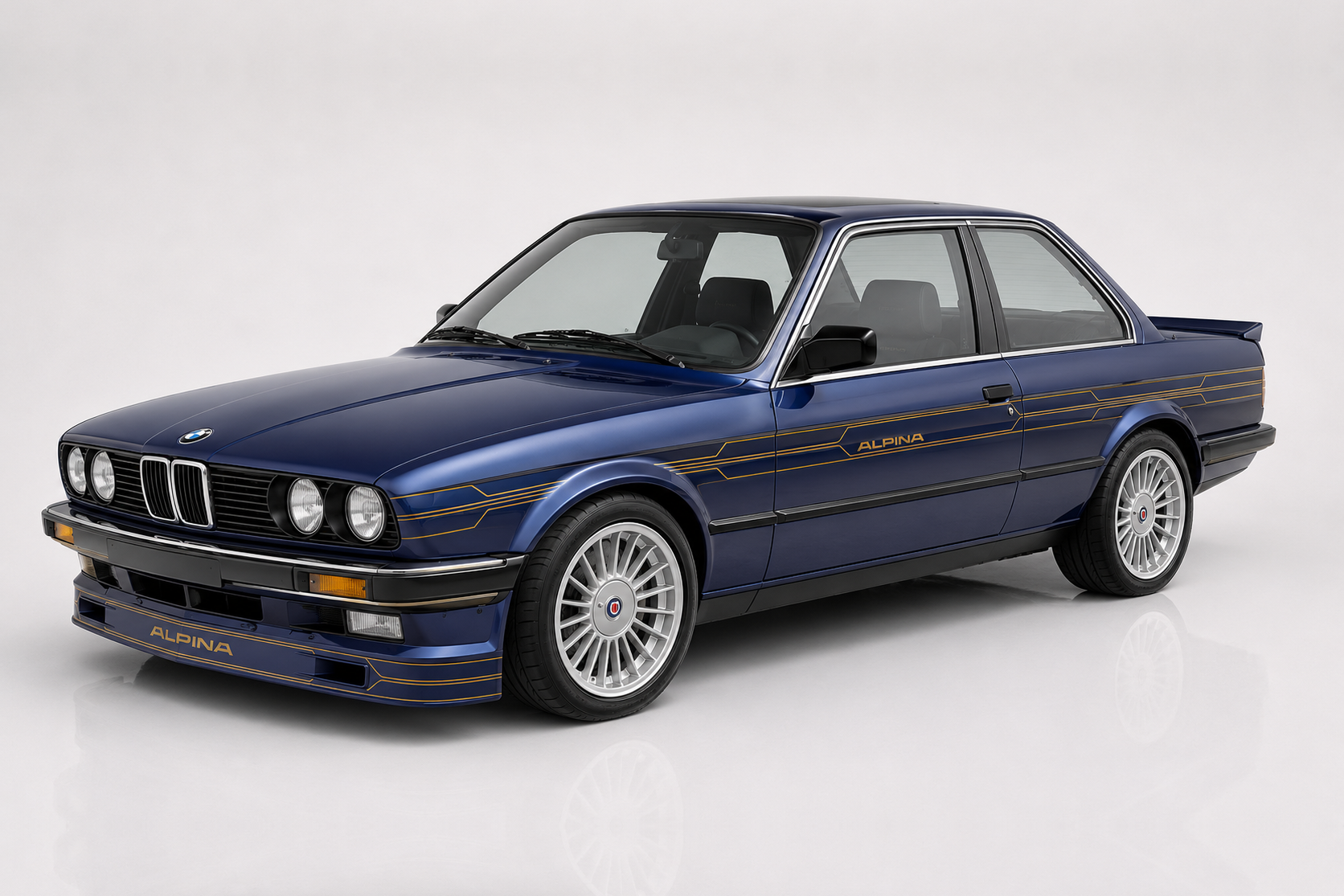
Alpina B6 (E30)
The six-cylinder M3 BMW never built.
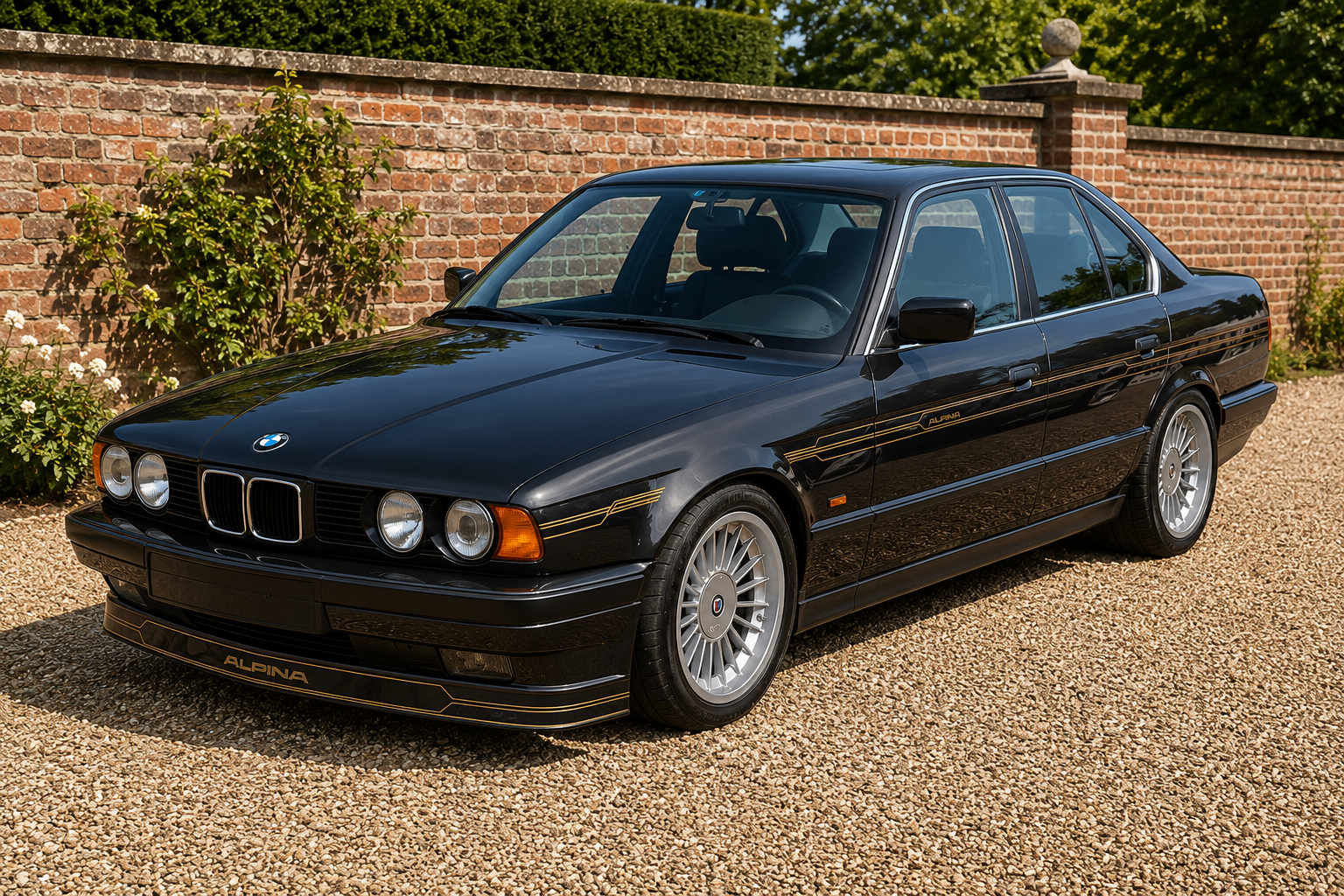
Alpina B10 Bi-Turbo
The fastest production sedan in the world at its 1989 Geneva launch — Alpina's twin-turbo E34, 507 units built at Buchloe on the base BMW 535i chassis.
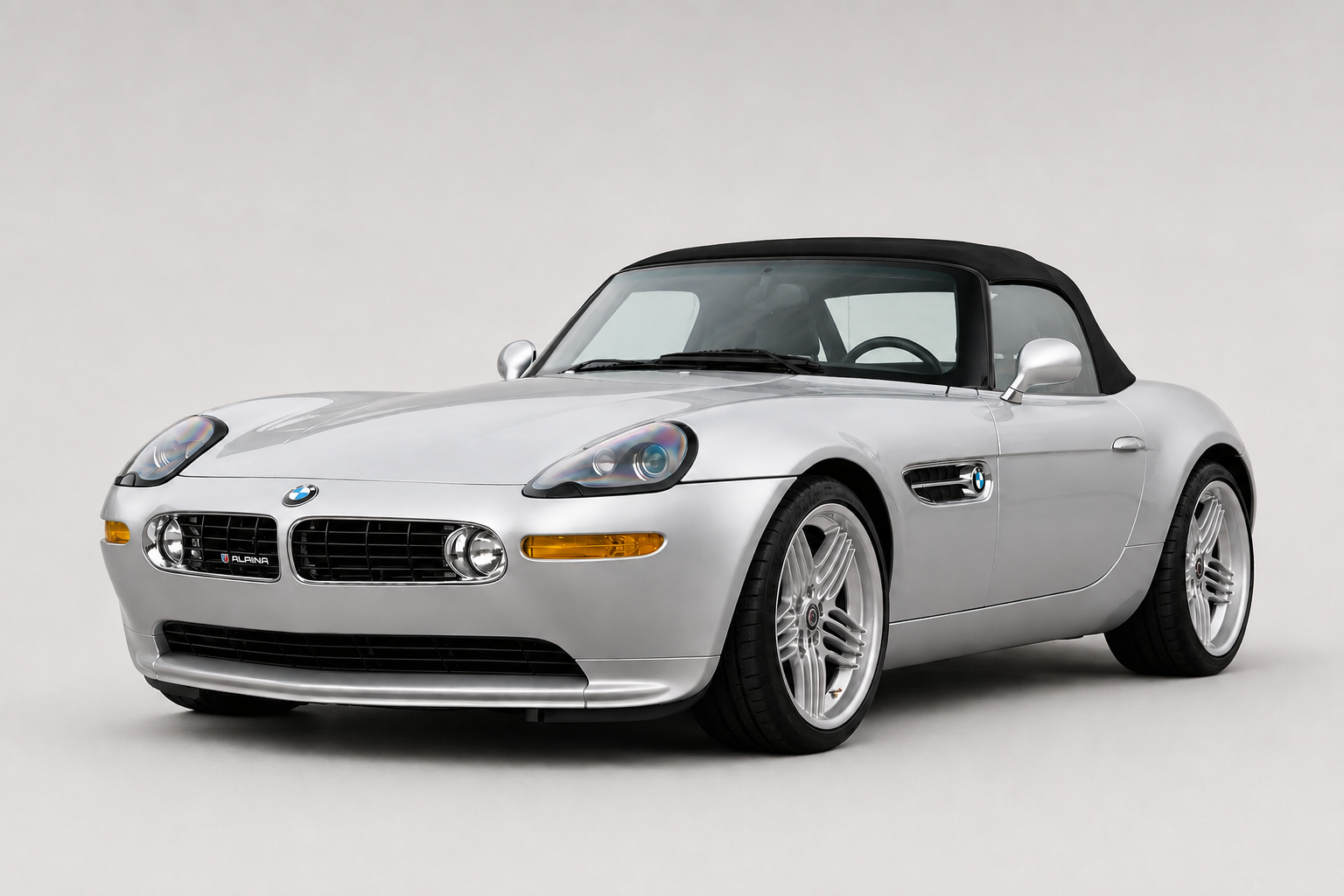
Alpina Roadster V8
Alpina's grand-touring reworking of the BMW Z8 — 555 built, 450 to the US, 8 to the UK — the final and only Alpina-badged car ever sold through BMW's US dealer network.
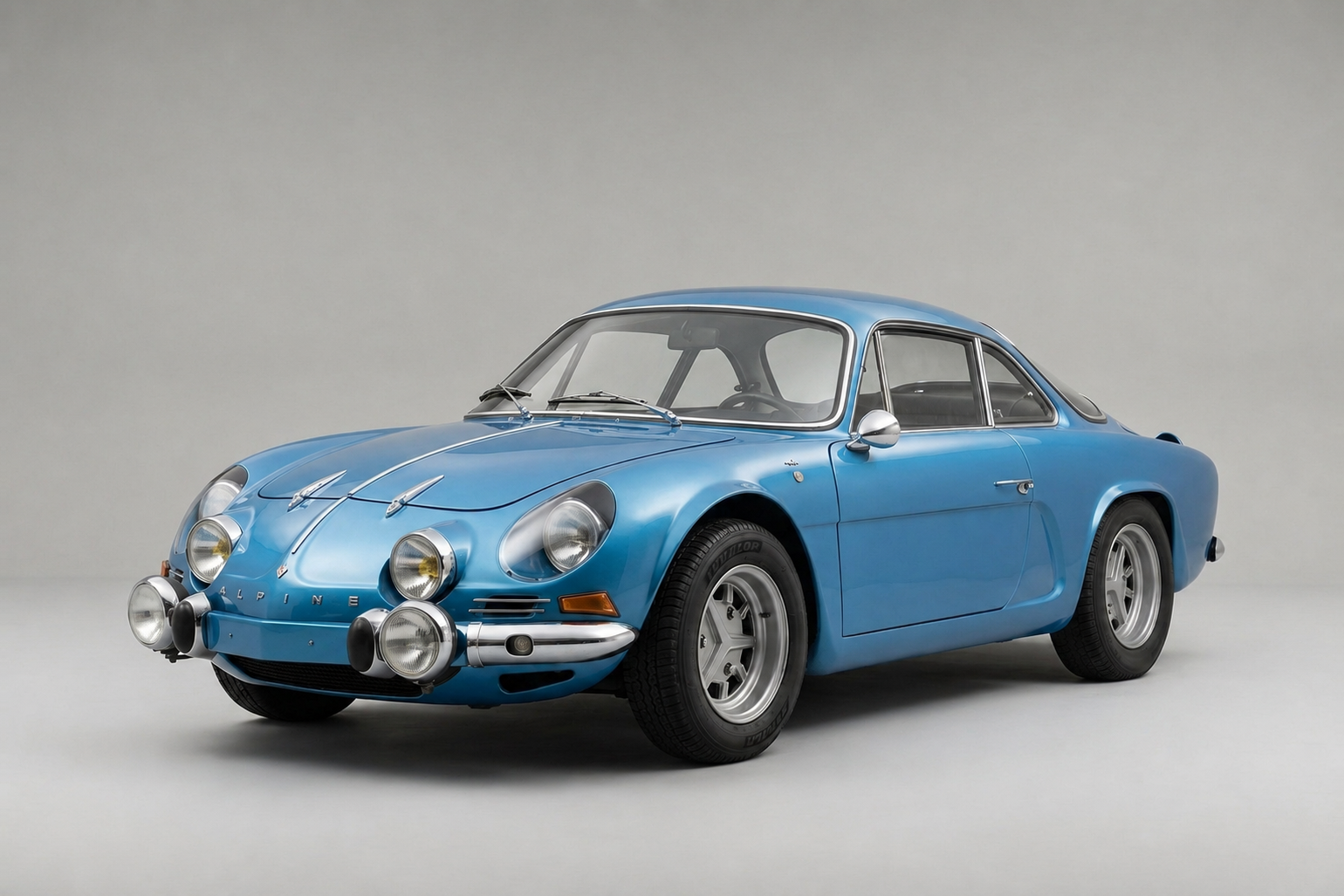
Alvis
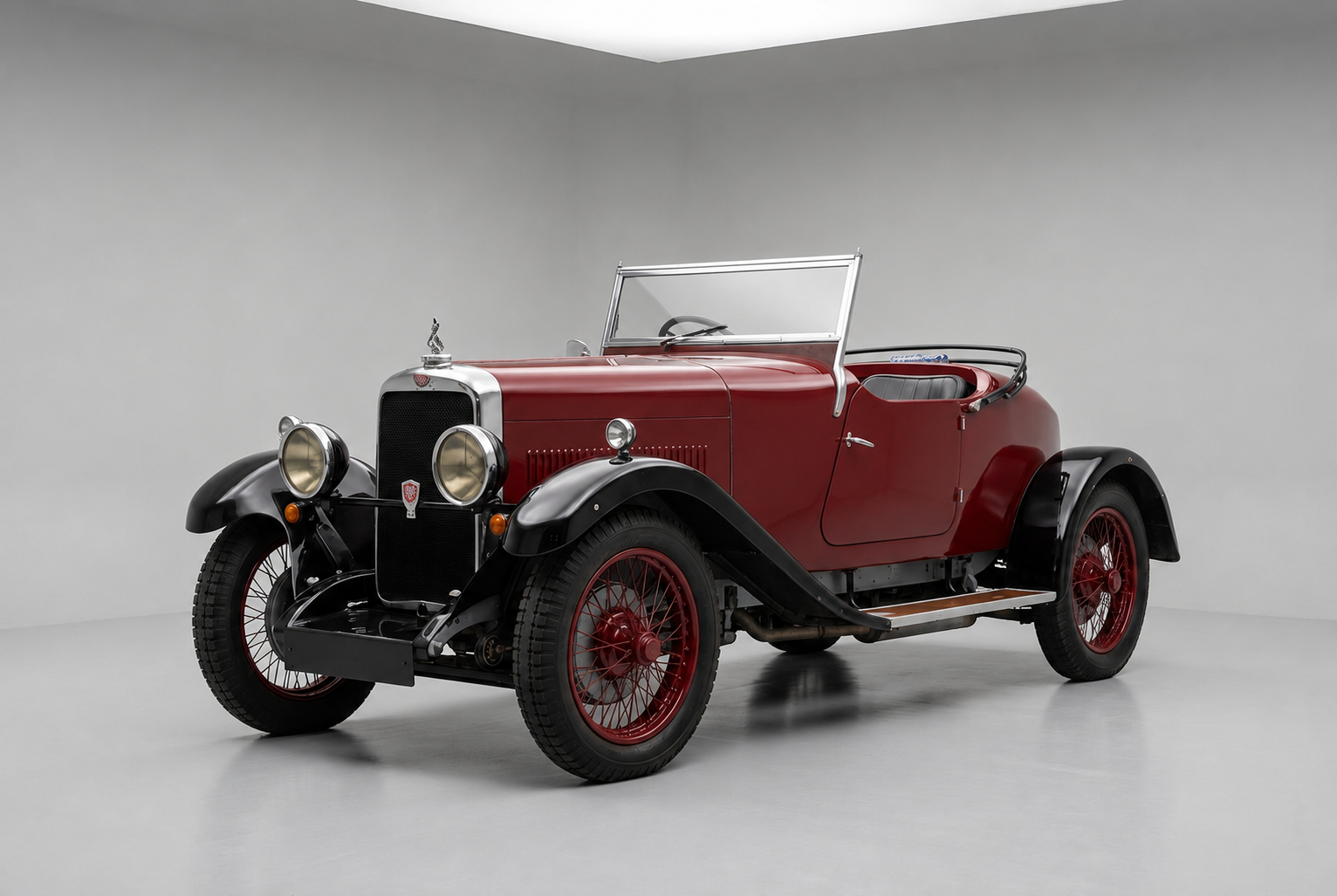
Alvis 12/50 & 12/60
The car that established Alvis as a serious maker — and won the 1923 Brooklands 200-Mile Race.
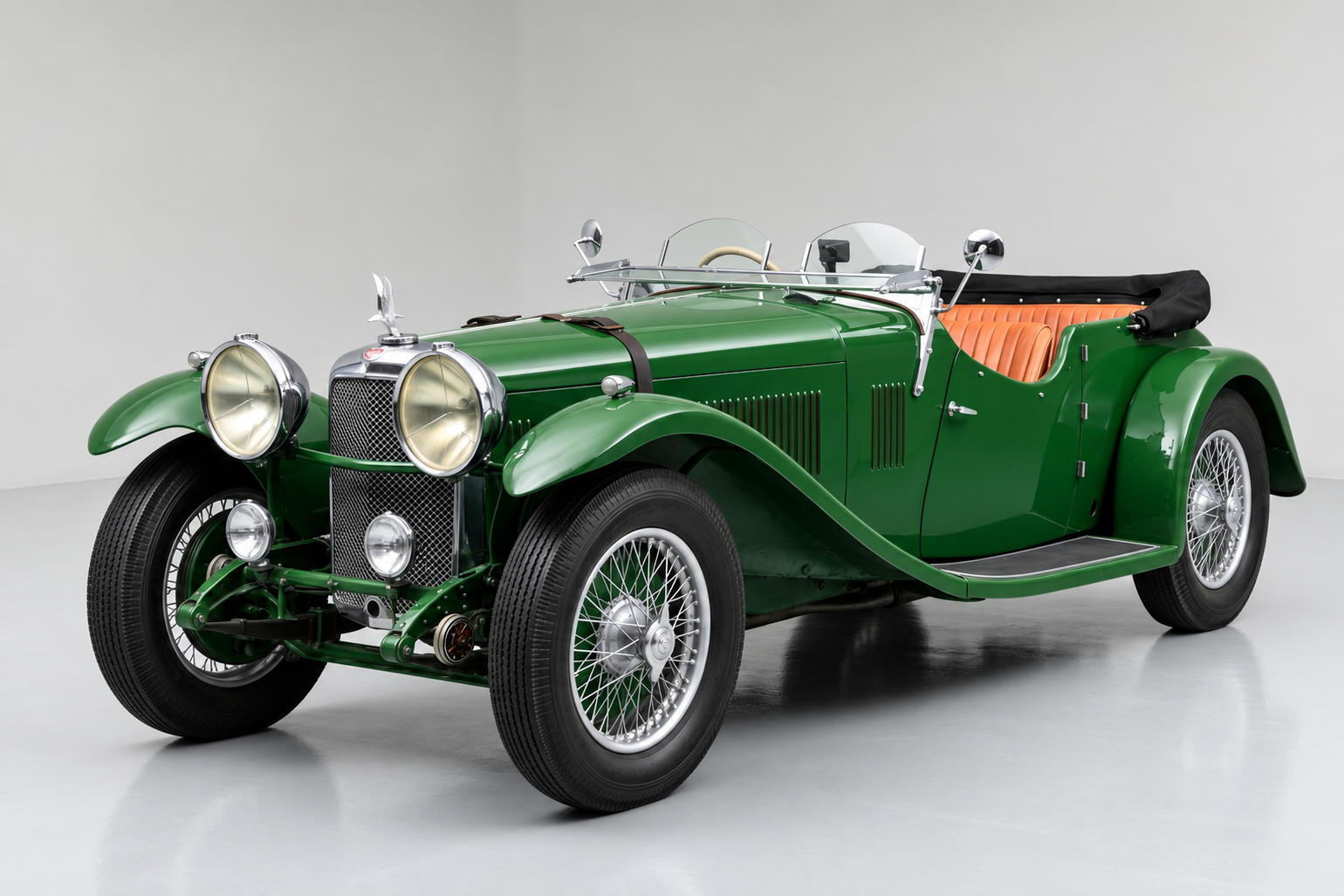
Alvis Speed 20 & Speed 25
Coventry's Derby-Bentley rival — the world's first all-synchromesh production gearbox and independent front suspension.
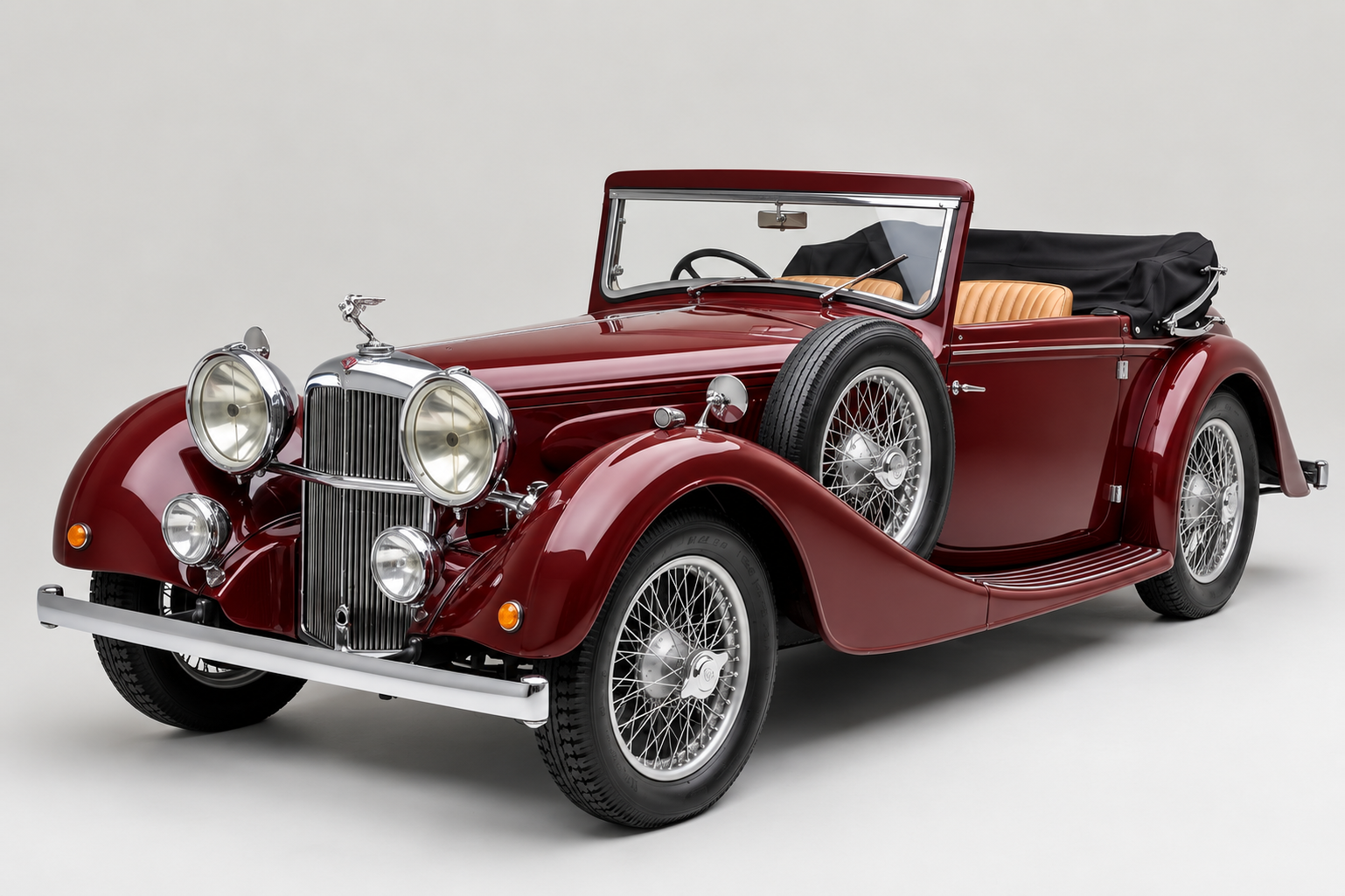
Alvis 4.3-Litre
The most powerful pre-war Alvis — with the Speed 25, widely regarded as the finest cars Alvis built.
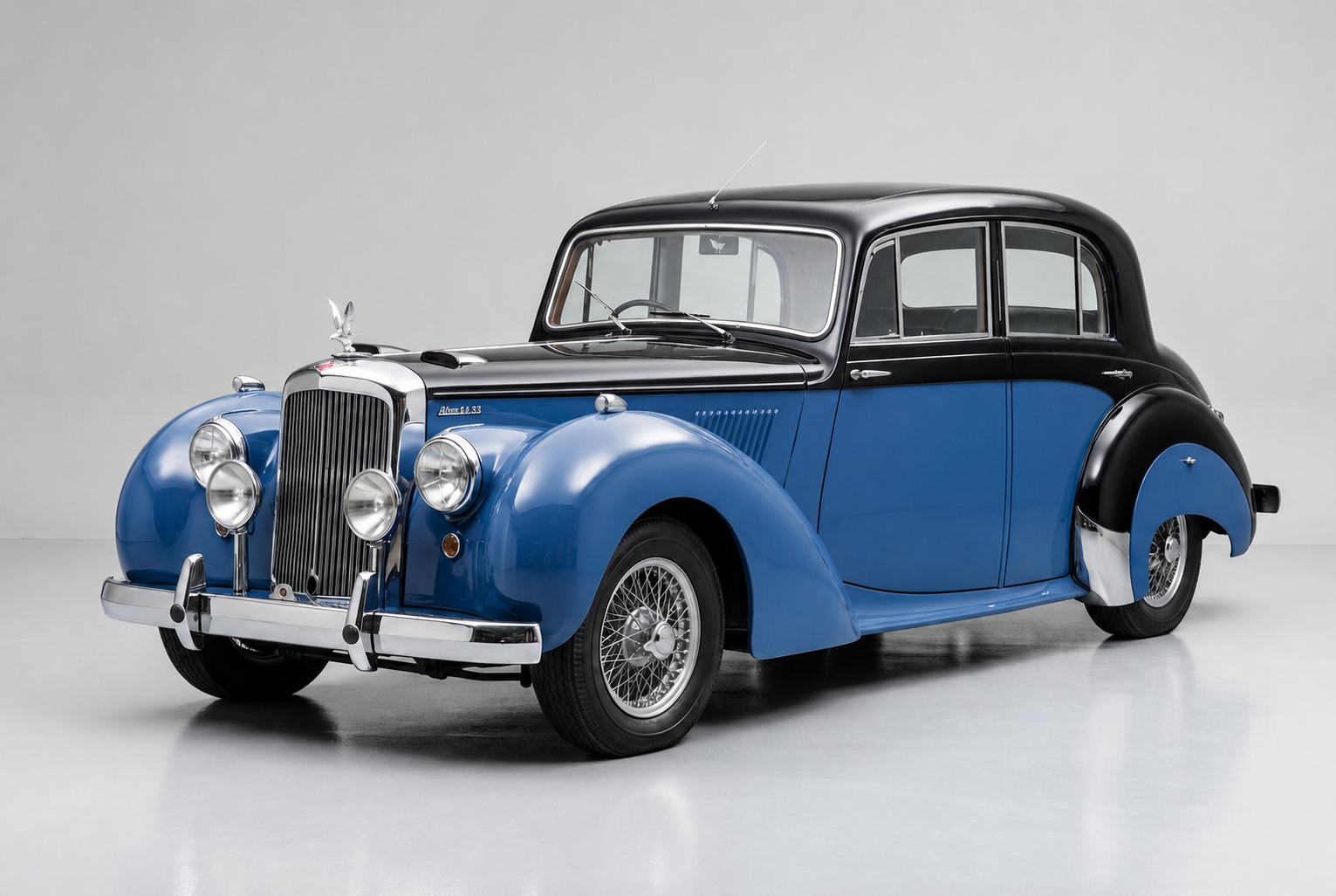
Alvis TC21/100 Grey Lady
The updated Three Litre TA21 with a guaranteed 100 mph — Alvis's last quantity car.
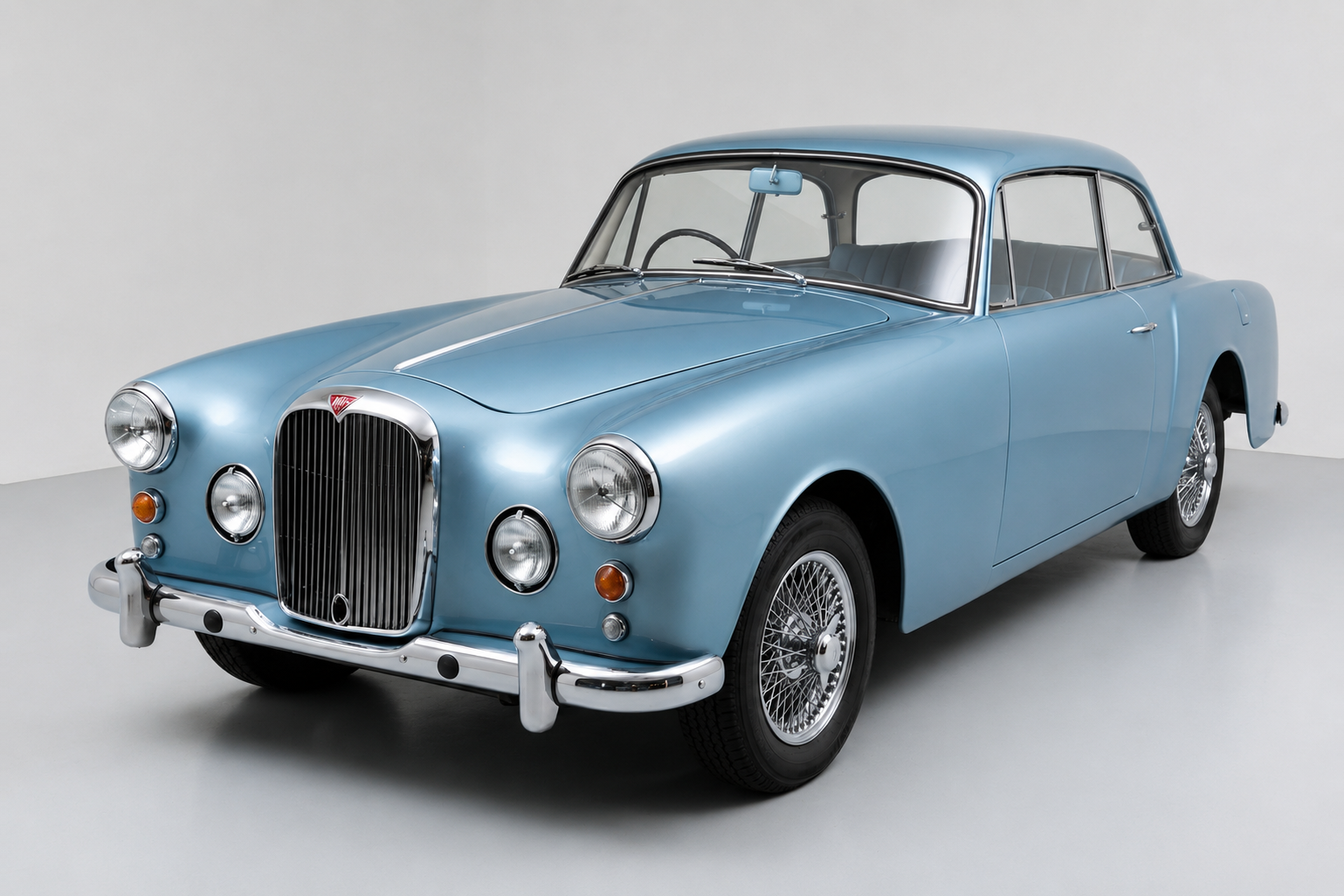
Alvis TD21, TE21 & TF21 (Graber Era)
The last coachbuilt Alvis line — Hagerty characterises it as 'an English Facel Vega'.
Aston Martin
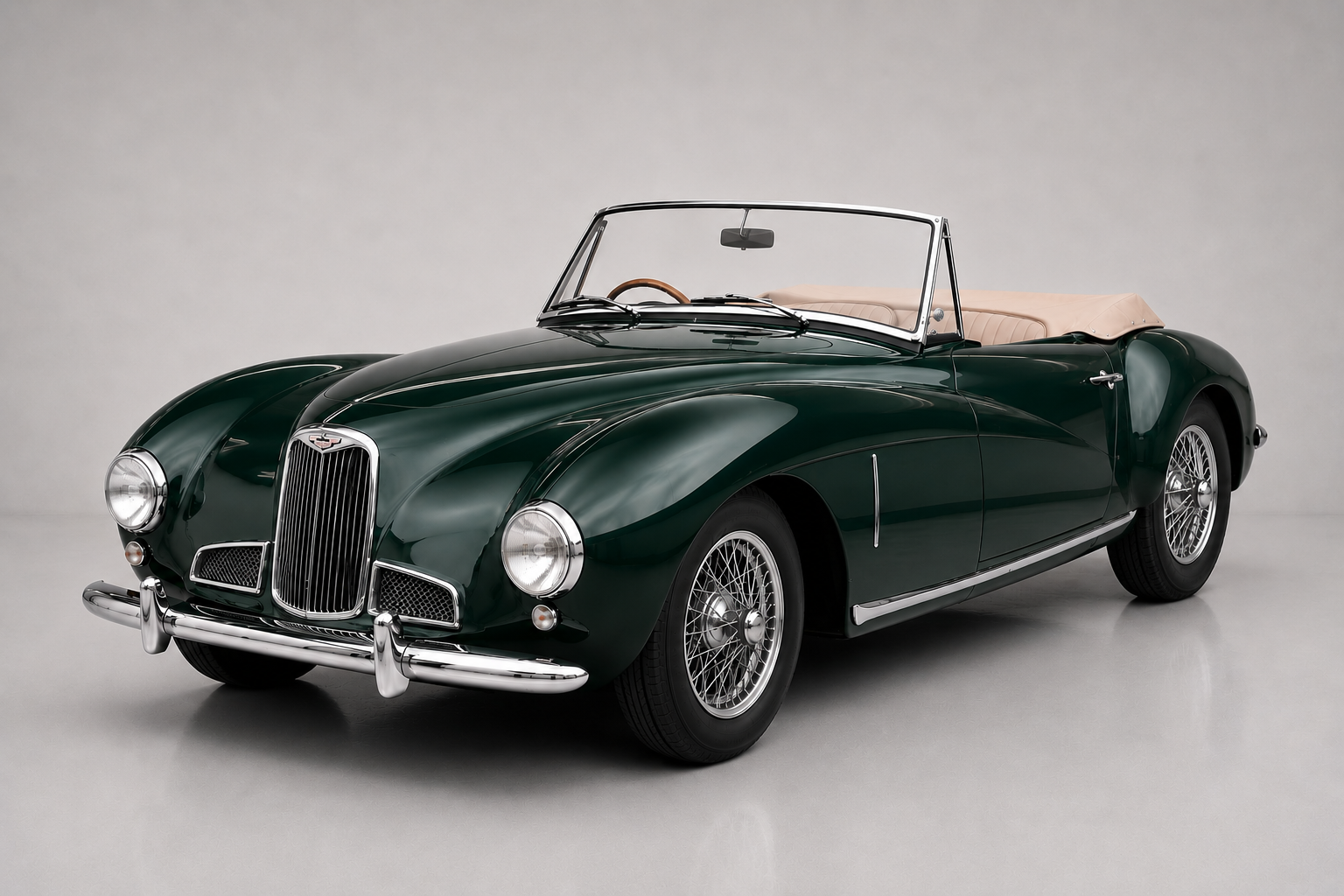
Aston Martin 2-Litre Sports (DB1)
The 15-car David Brown launch model — the car that launched the DB era.
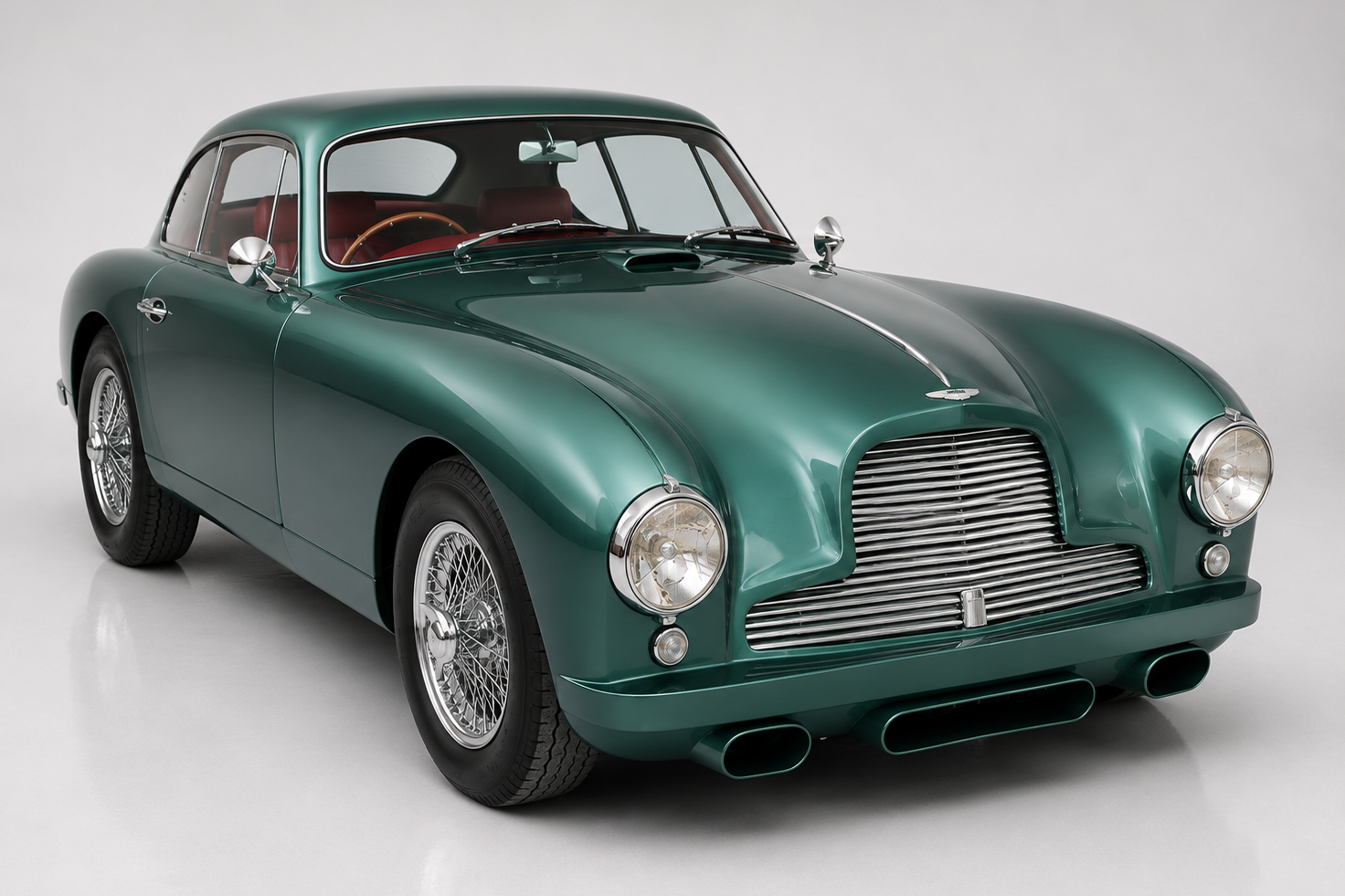
Aston Martin DB2
Aston Martin's first true postwar grand tourer — and the car on which the Vantage nameplate began, as a 125 bhp engine option.
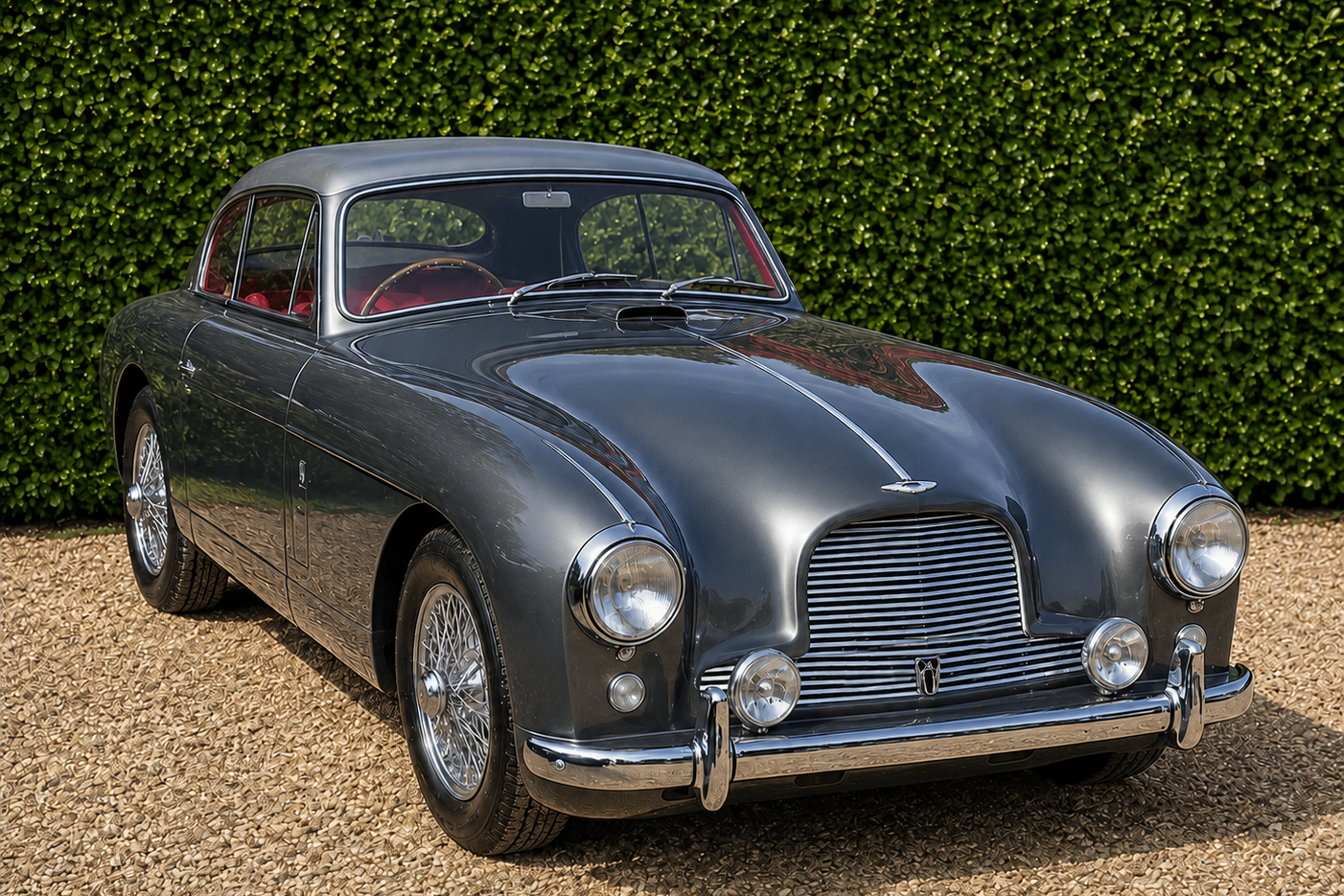
Aston Martin DB2/4
The Feltham-era Aston that added a hatchback tailgate and rear seats to the DB2.
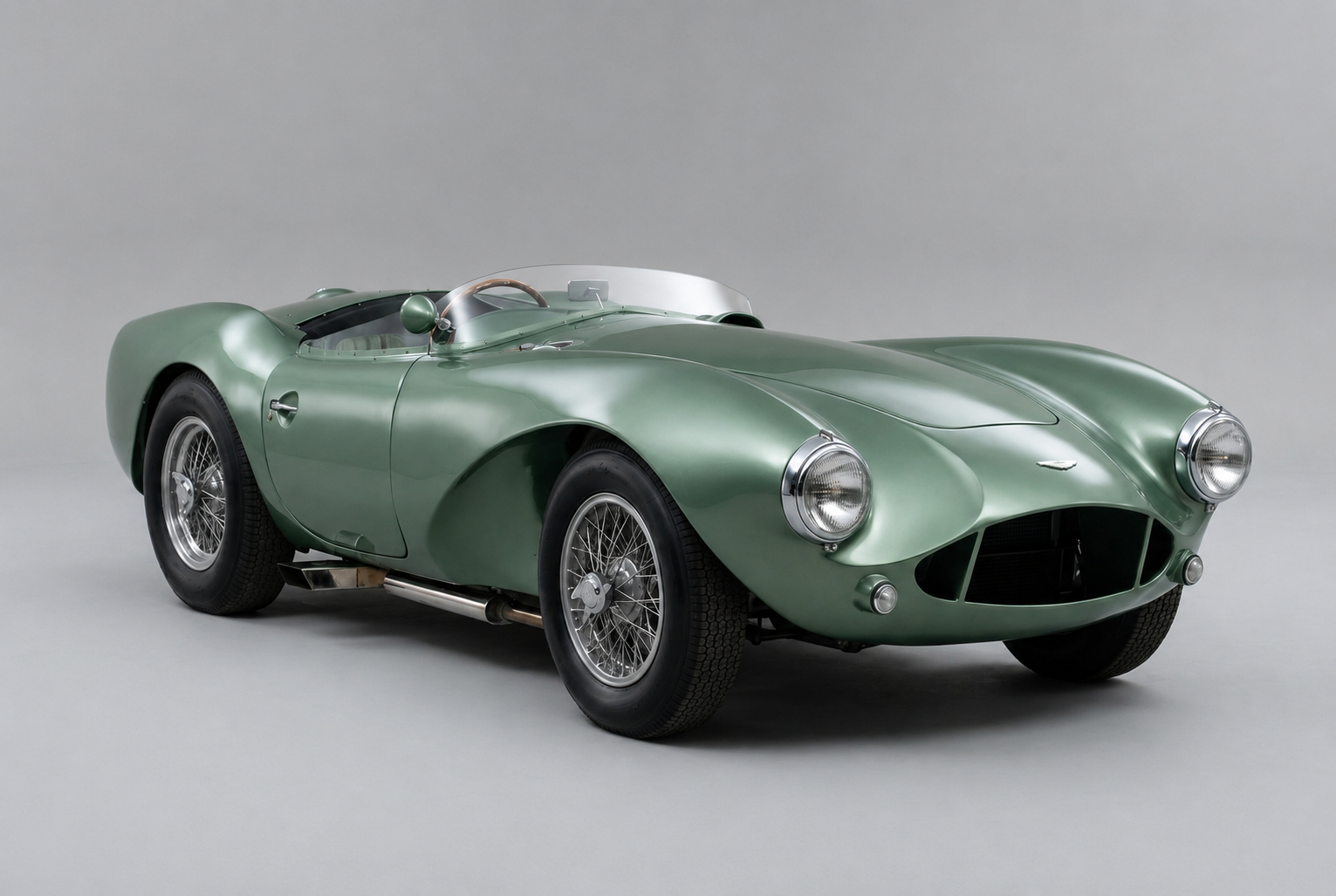
Aston Martin DB3S
Frank Feeley's cutaway-fendered works sports-racer — twice second at Le Mans and the DBR1's direct predecessor.
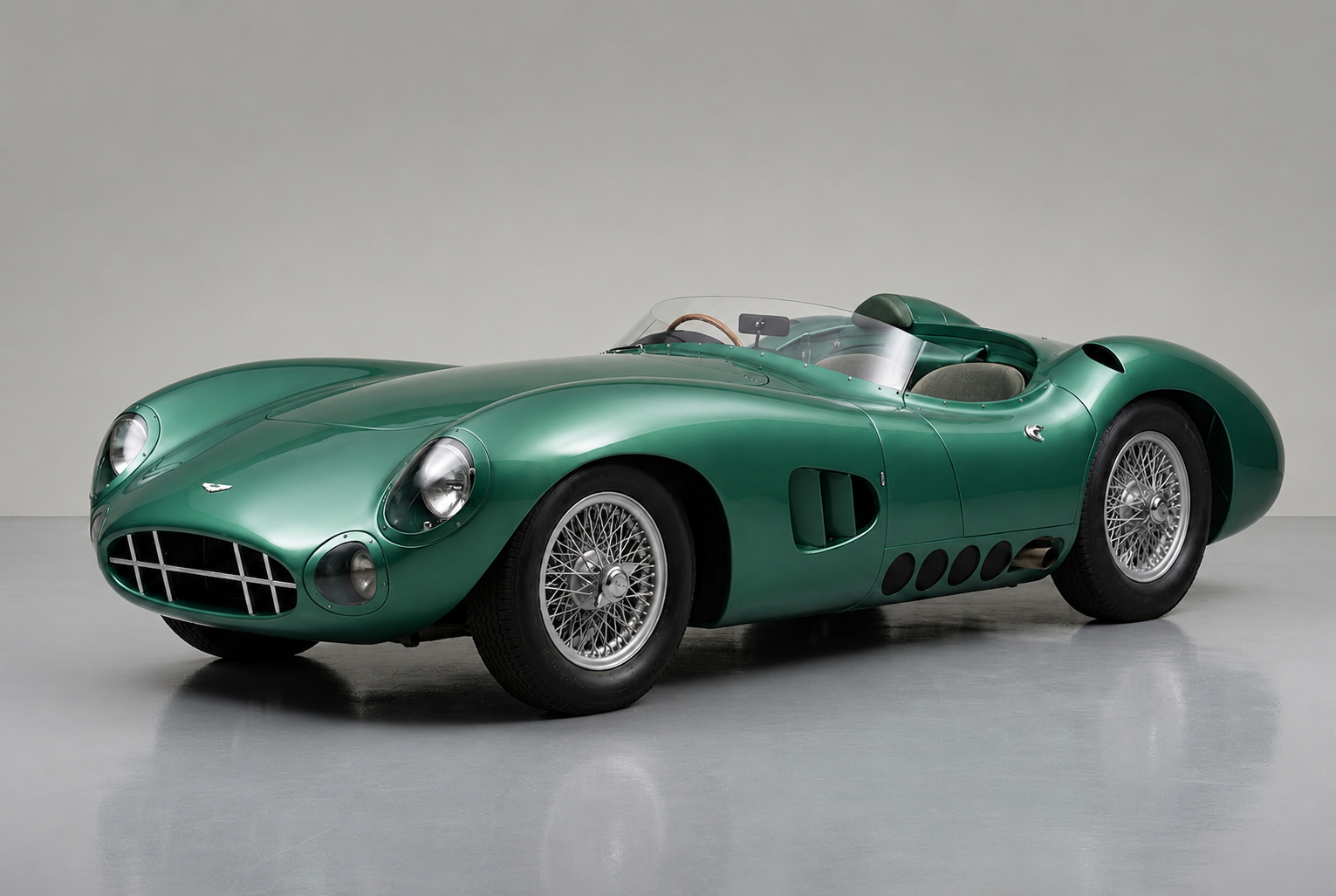
Aston Martin DBR1
The car that won Aston Martin the 1959 World Sportscar Championship and its only outright Le Mans.
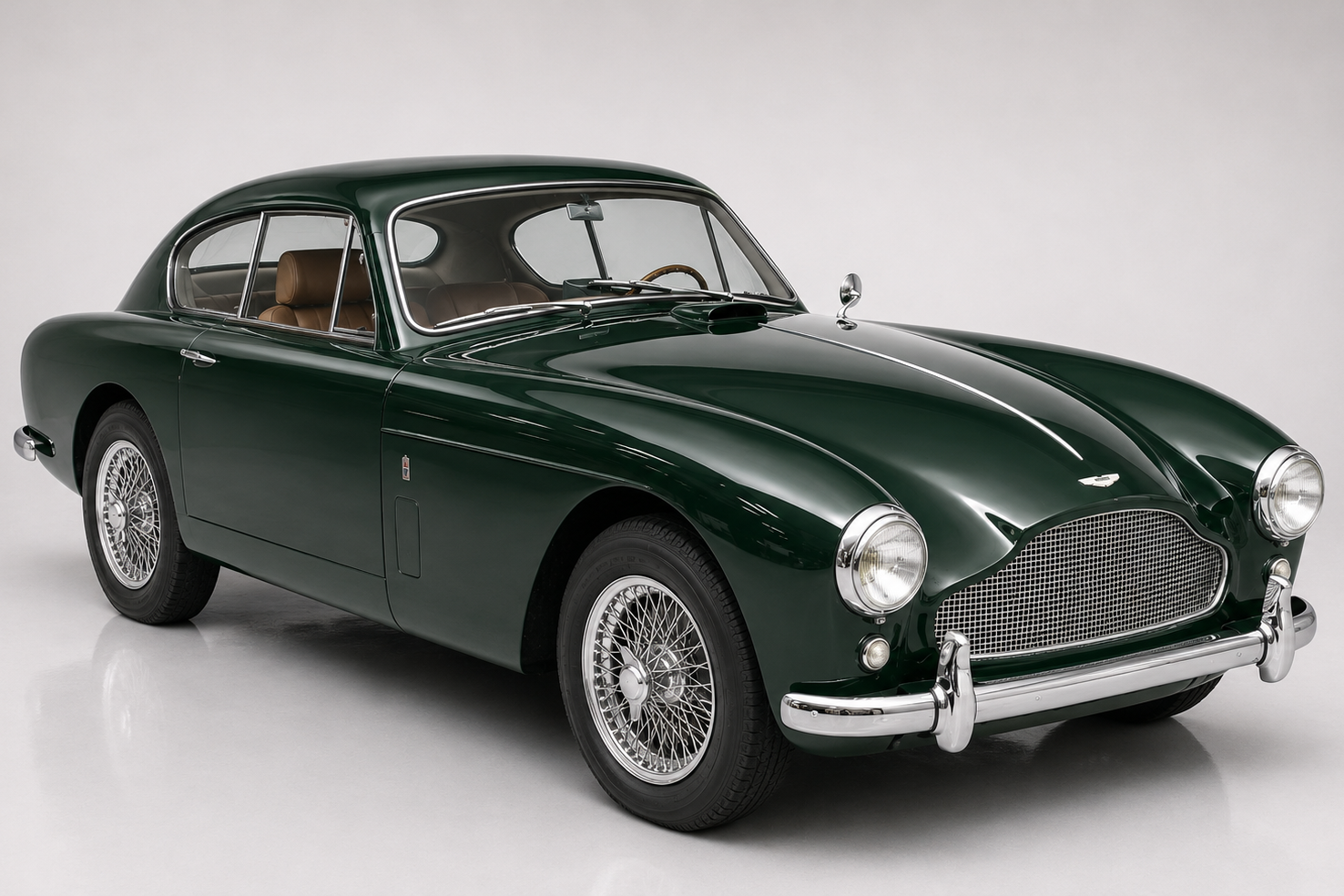
Aston Martin DB Mark III
The last Feltham road car — and the Aston that introduced the DB3S-derived grille shape every subsequent DB has worn.
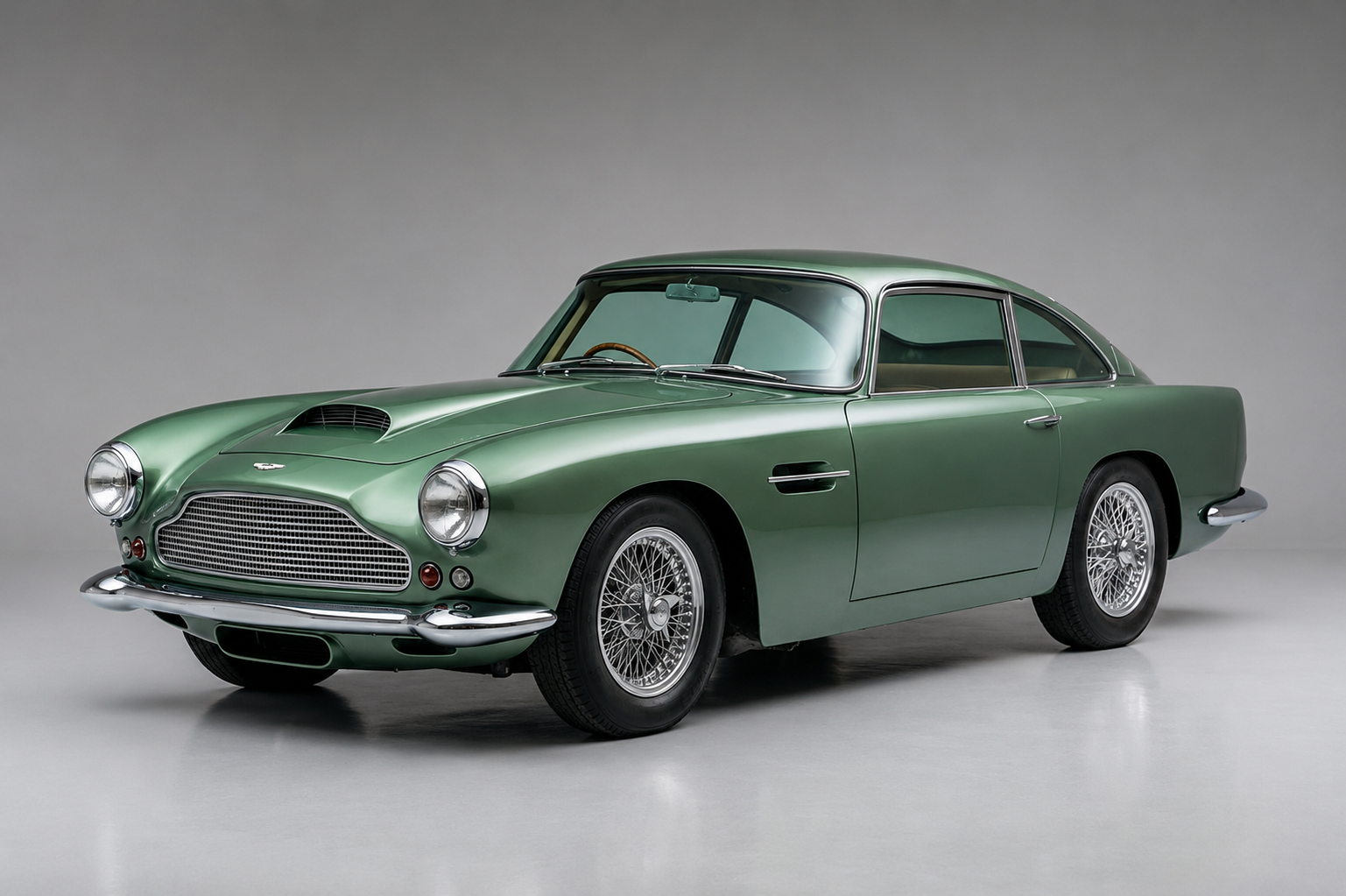
Aston Martin DB4
The Touring-bodied superleggera Aston that established the DB silhouette and underpinned the DB5.
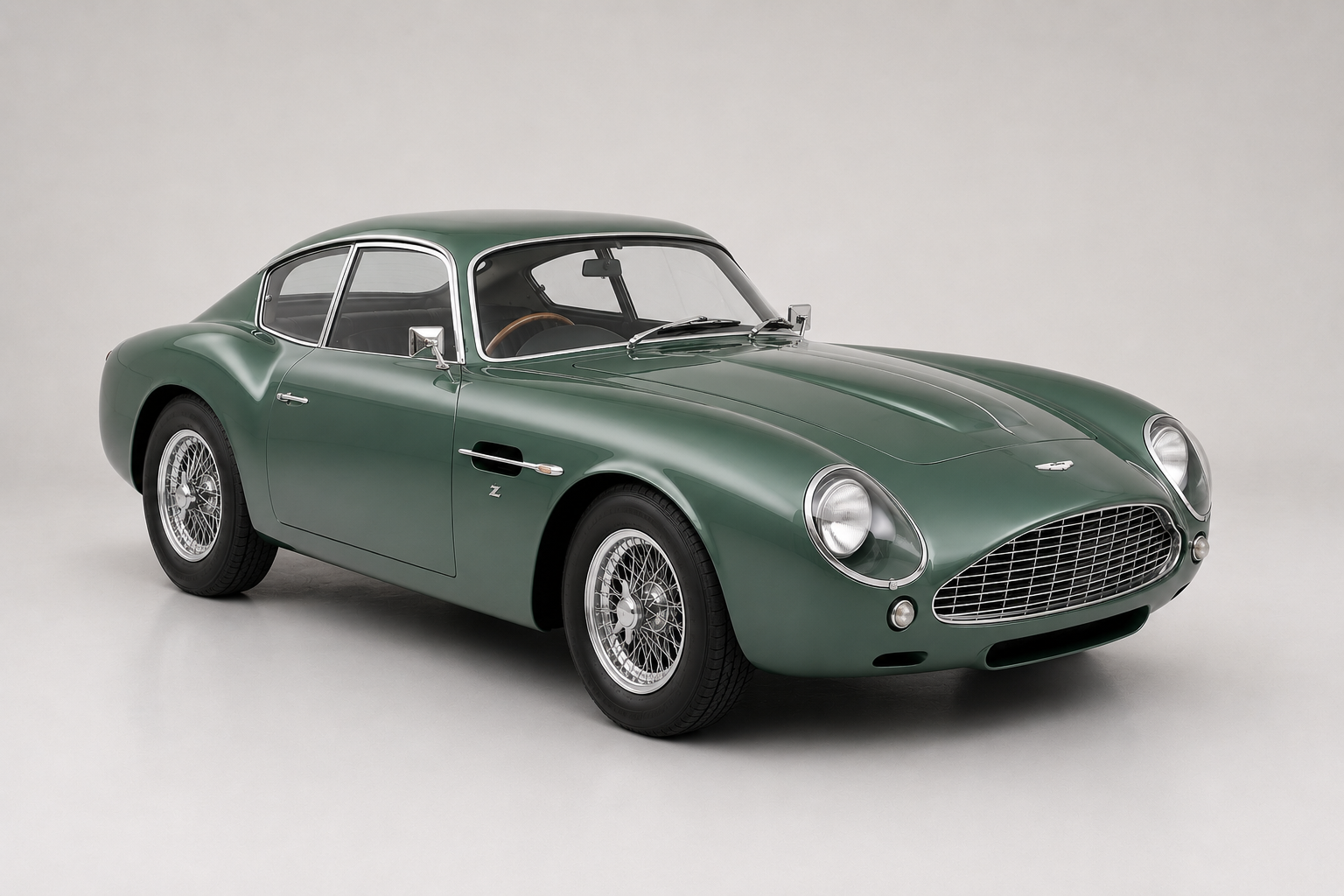
Aston Martin DB4GT & DB4GT Zagato
The lightweight, faired-headlamp short-chassis DB4 — and its 19-car Zagato-bodied elite.
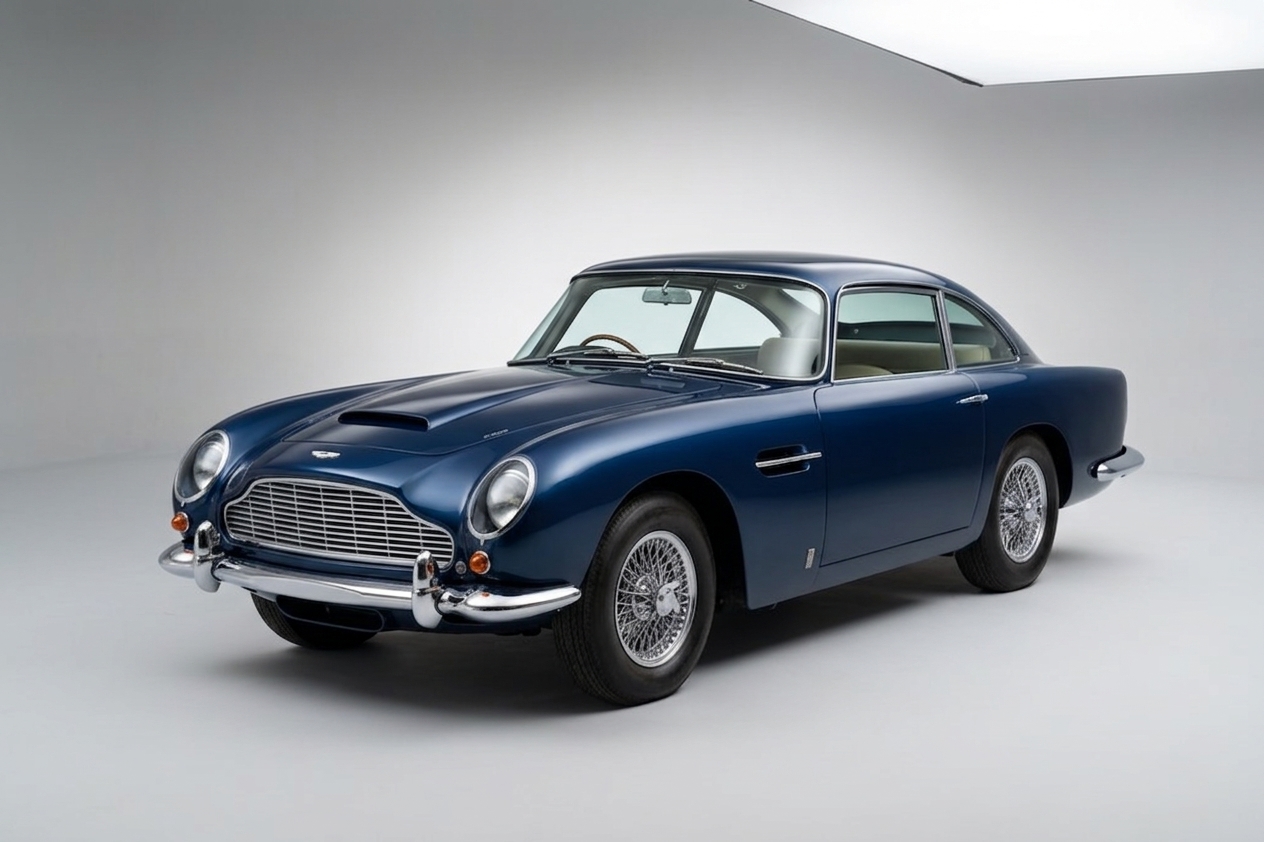
Aston Martin DB5
The world's most famous Aston Martin — the Goldfinger silhouette built on the DB4 platform.
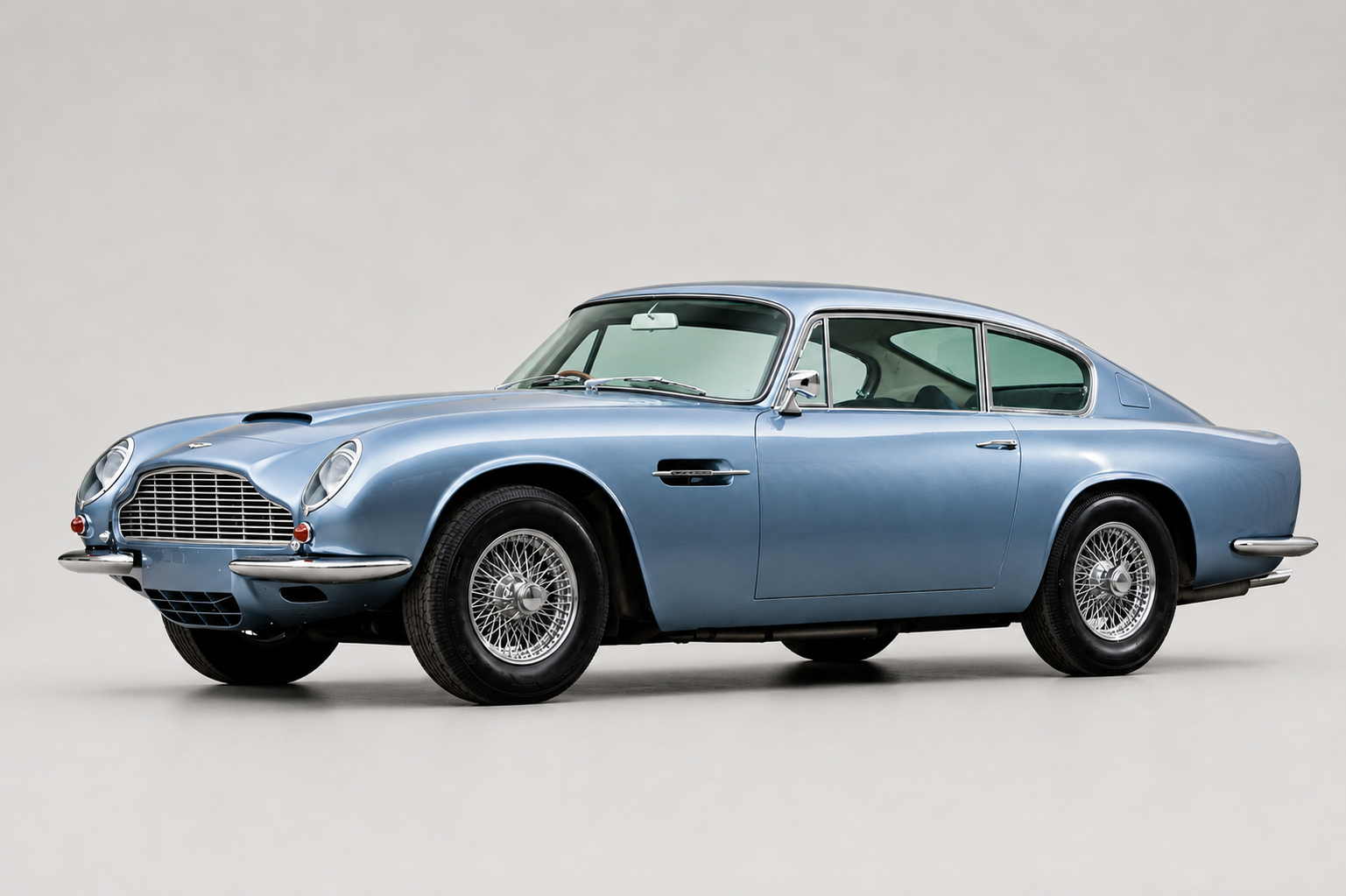
Aston Martin DB6
The final Touring-shaped DB — longer wheelbase, Kammtail, 2+2 practicality and the last of the six-cylinder Newport Pagnell grand tourers.
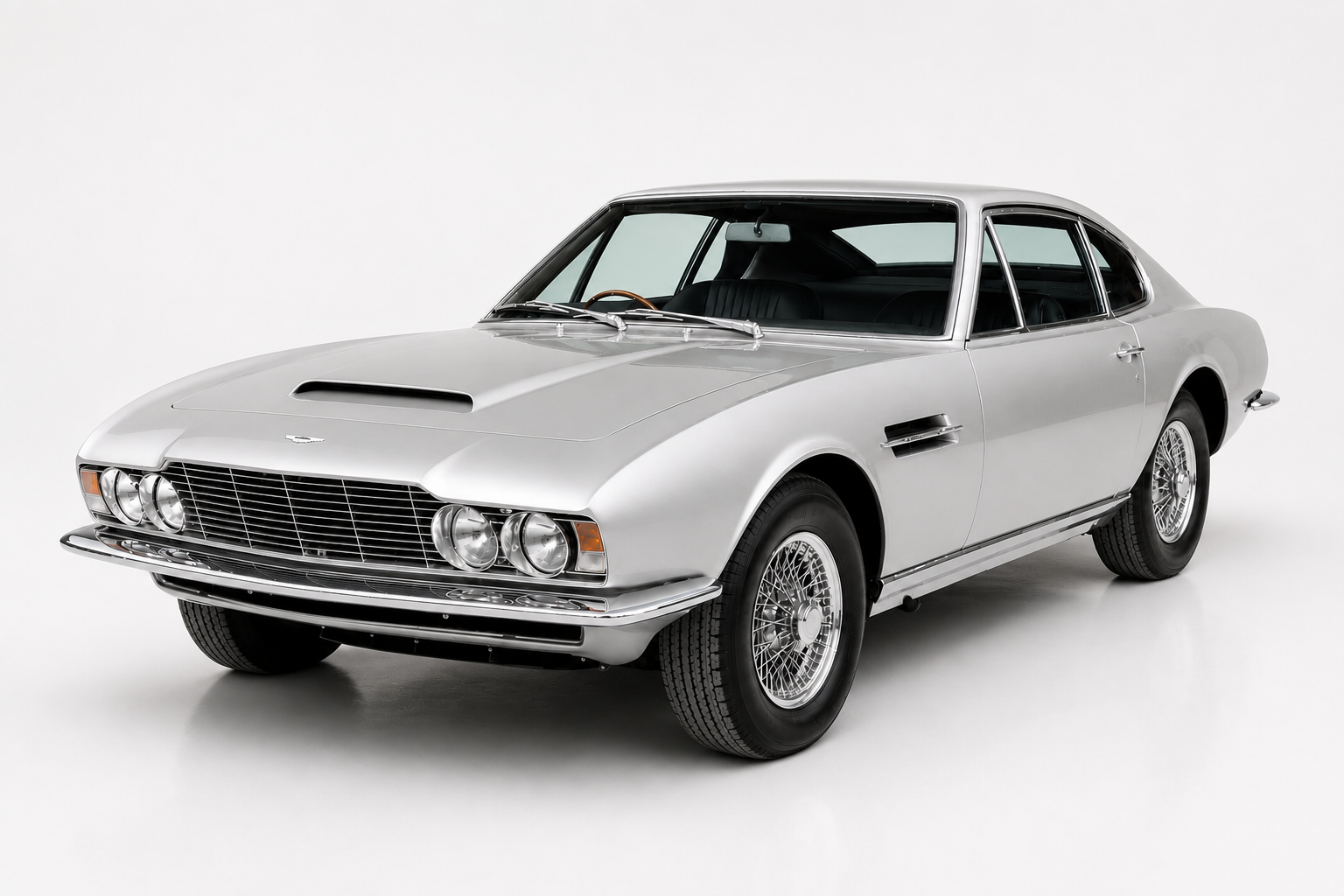
Aston Martin DBS
William Towns's wider, four-seat successor to the DB6 — designed around the forthcoming Tadek Marek V8 that arrived in 1969.
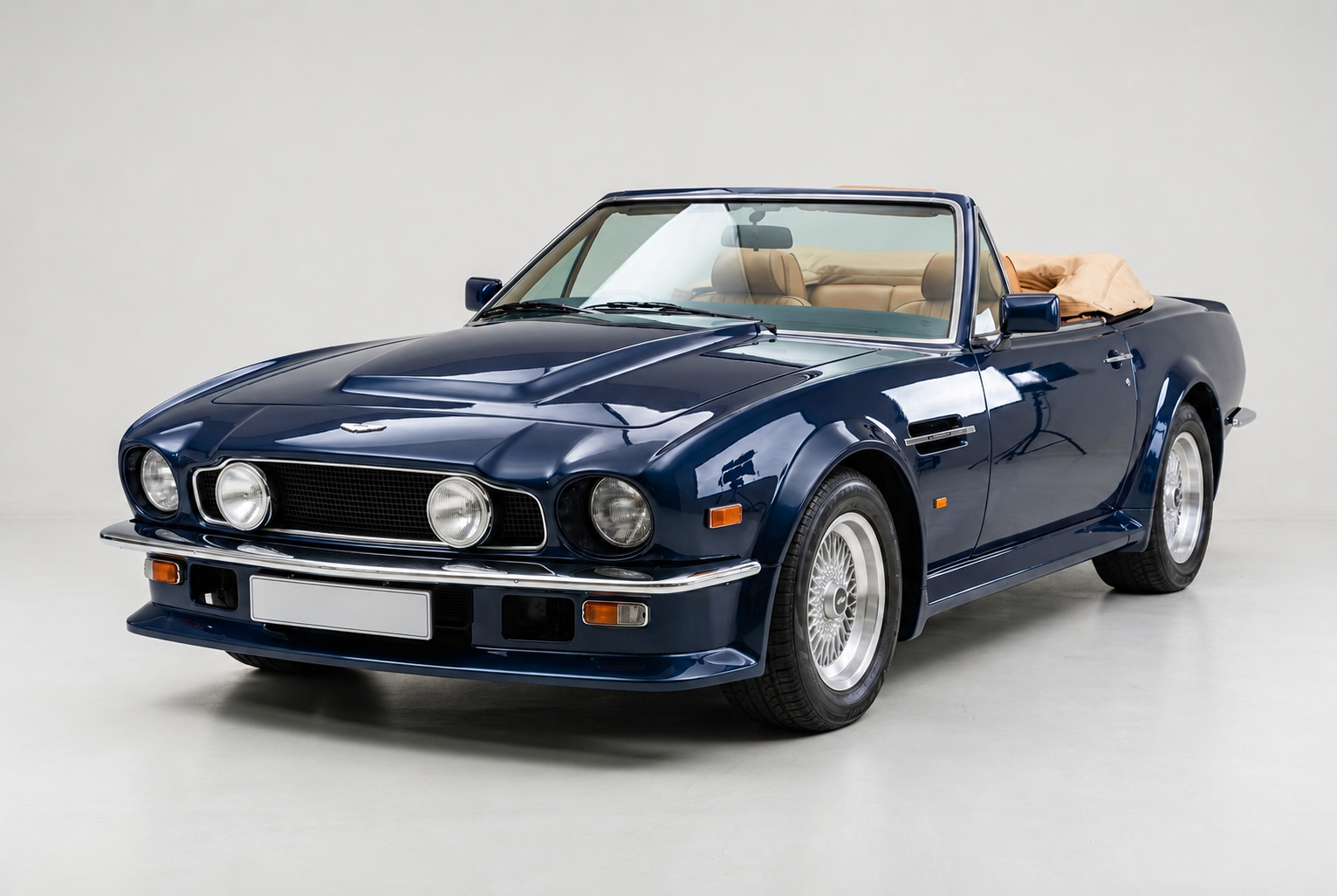
Aston Martin V8 (Saloon, Volante & Vantage)
Aston Martin's Newport Pagnell grand tourer for nearly two decades — standard Saloon, open Volante and fire-breathing Vantage, all sharing Tadek Marek's 5.3-litre quad-cam V8.
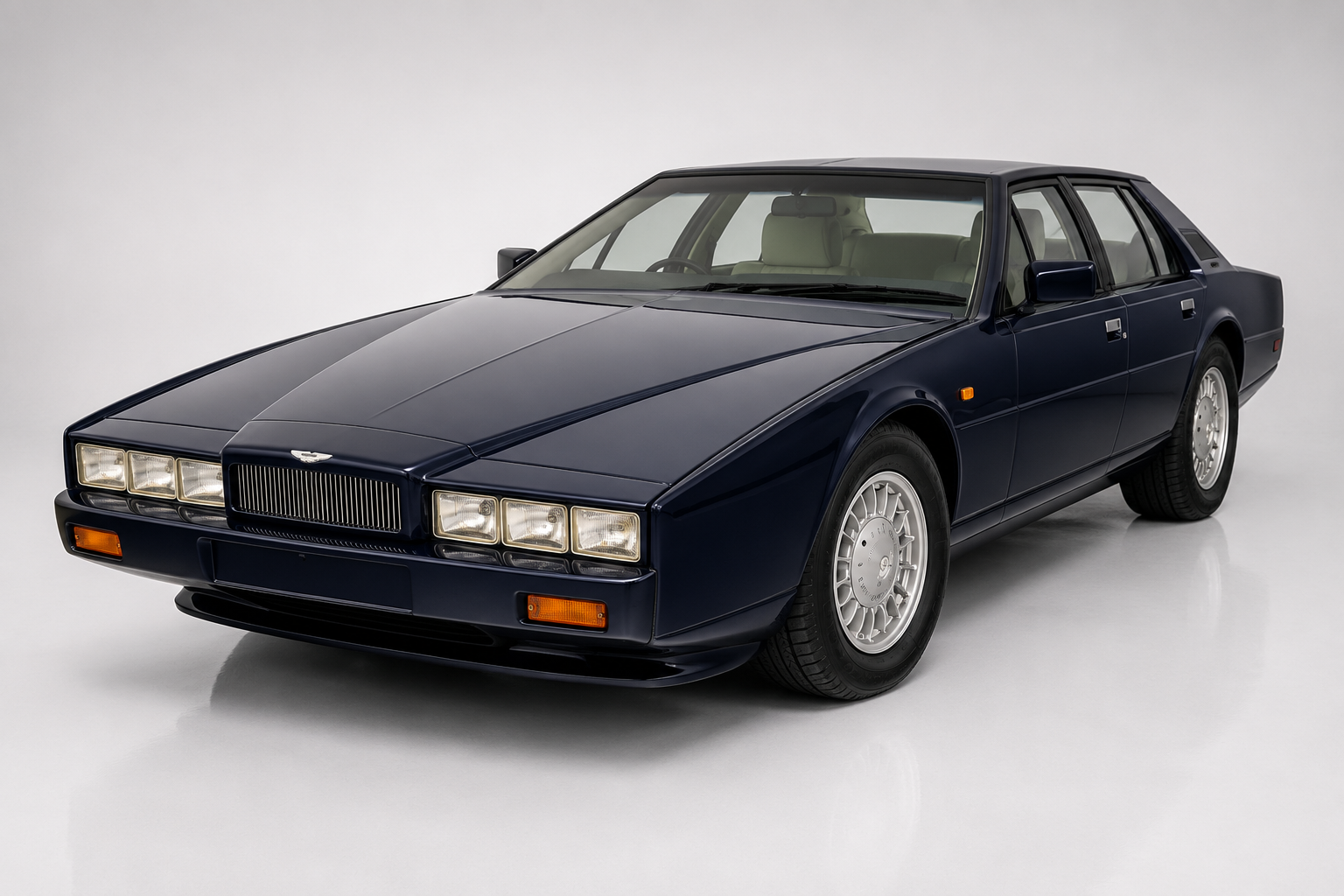
Aston Martin Lagonda
William Towns' folded-paper wedge saloon — the first production car with computer management and a digital instrument panel, and one of the most expensive saloons in the world.
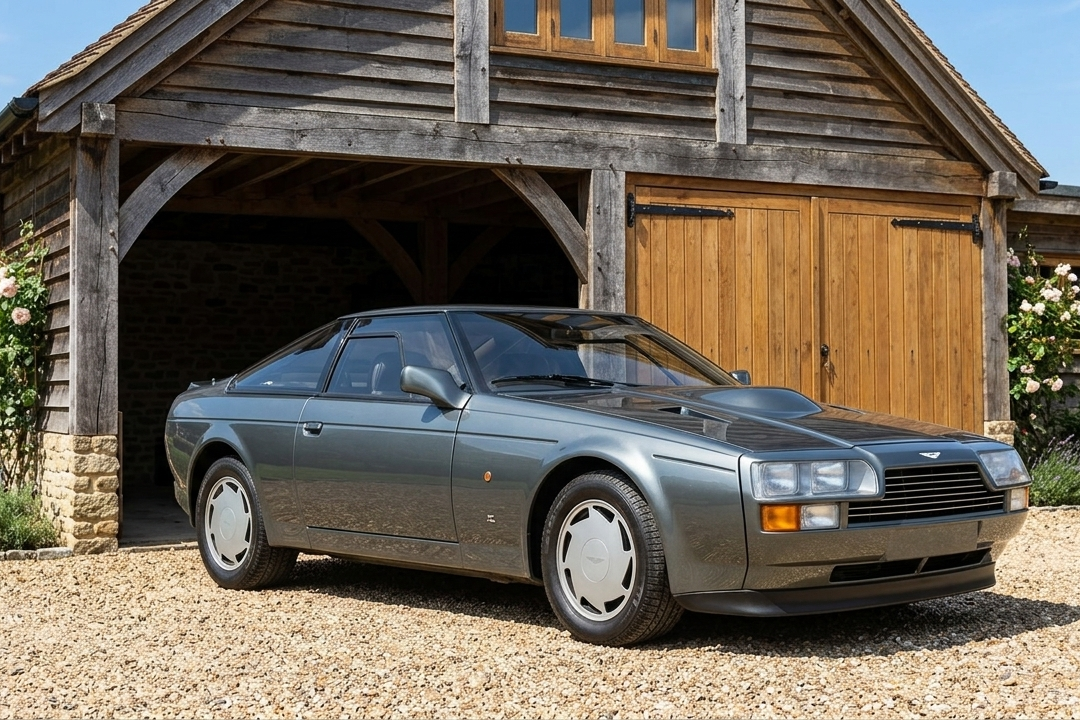
Aston Martin V8 Zagato
Newport Pagnell and Zagato Milano's late-1980s coachbuilt revival of the DB4 GT Zagato partnership — 52 Weber-carburettor Vantage coupés and 37 Volantes, all hand-built to order.
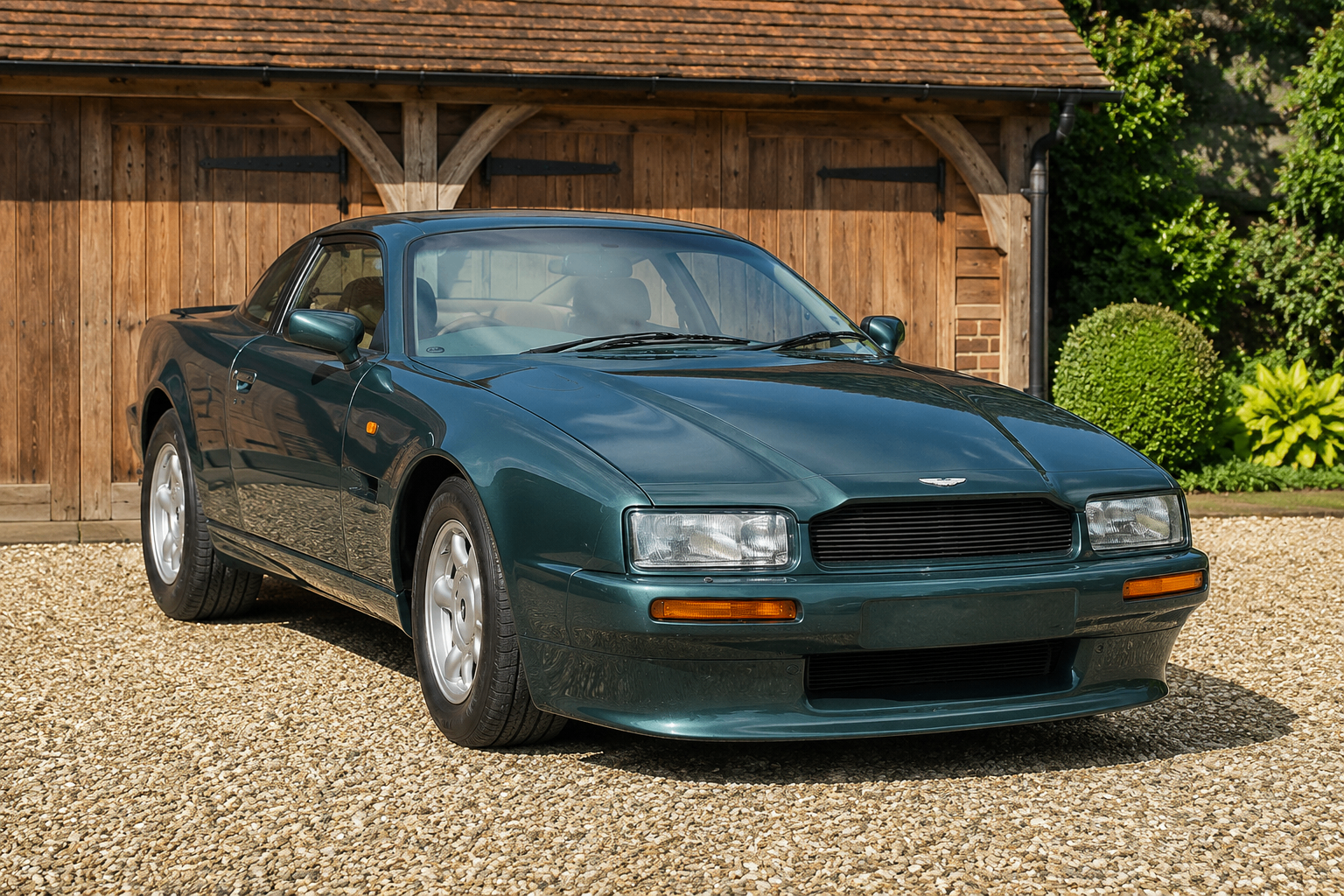
Aston Martin Virage
The last of the Newport Pagnell hand-built Aston Martins — Virage, V8 Coupé and twin-supercharged Vantage across a single family, built for a decade to individual customer order.
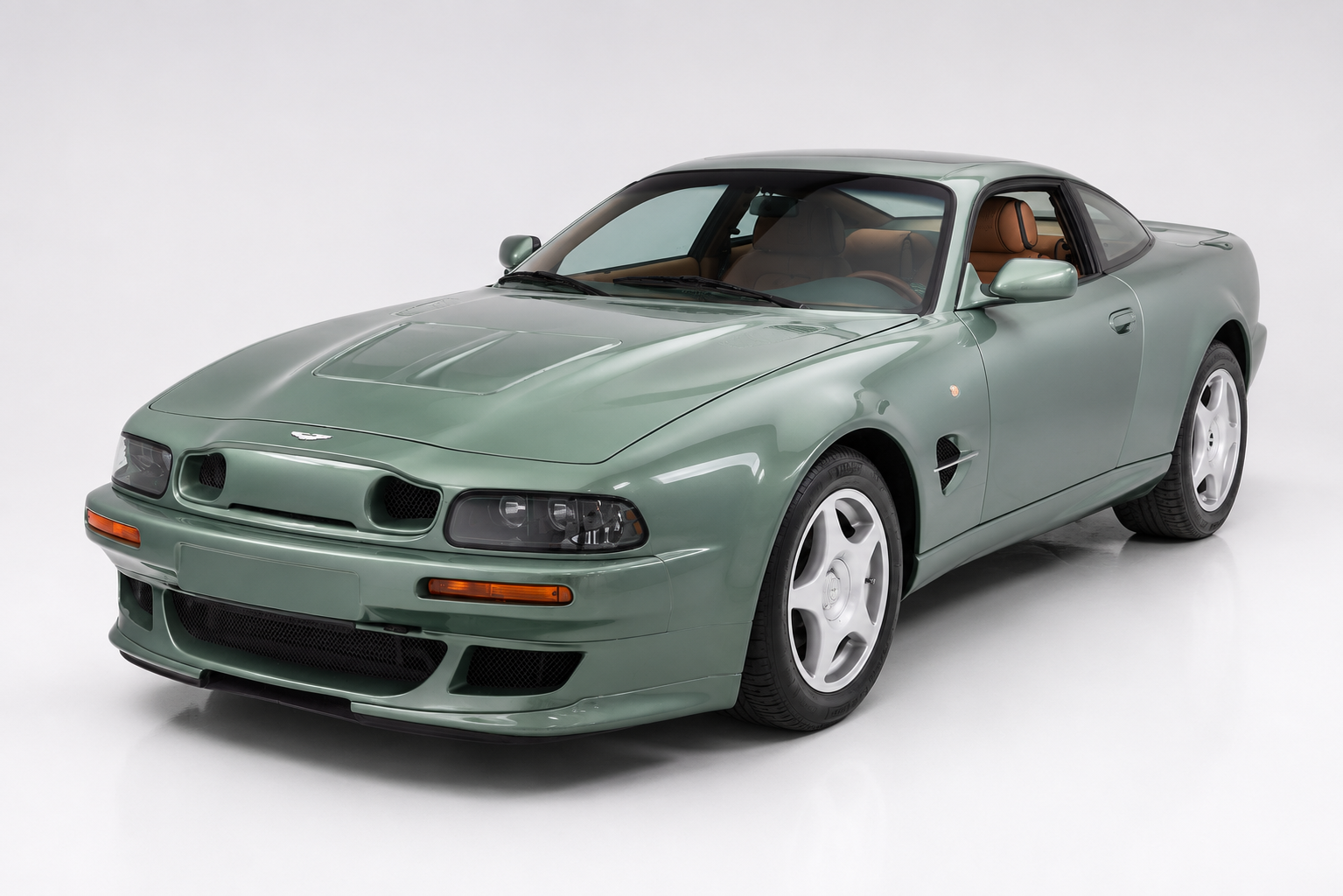
Aston Martin V8 Vantage (V550 / V600)
The last Aston Martin built entirely by hand at Newport Pagnell — twin-supercharged V8, 550 bhp as V550, 600 bhp as the V600 conversion.
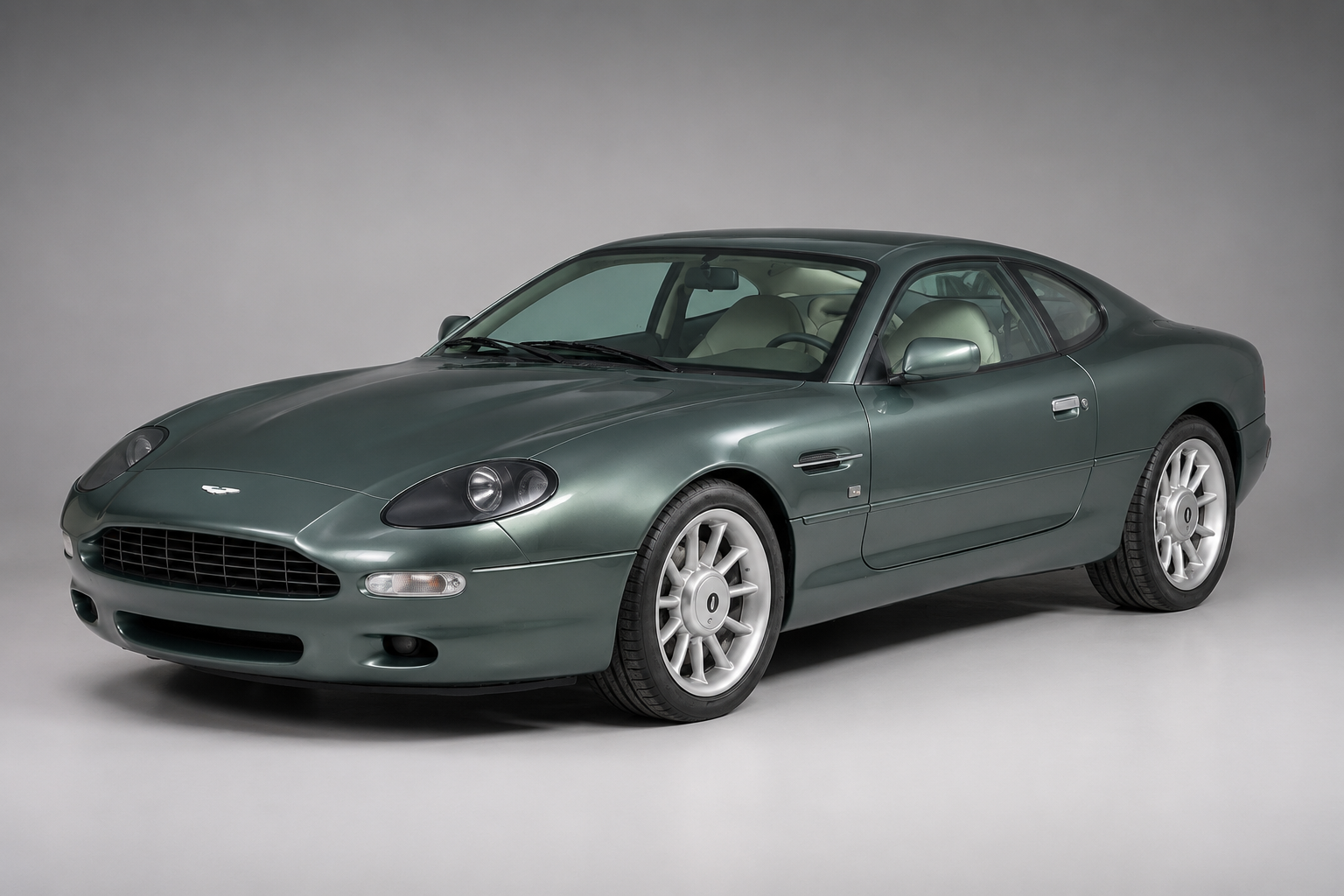
Aston Martin DB7
The Ford-era Ian Callum design that saved Aston Martin — and, at approximately 7,100 built, the most-produced Aston of its era.
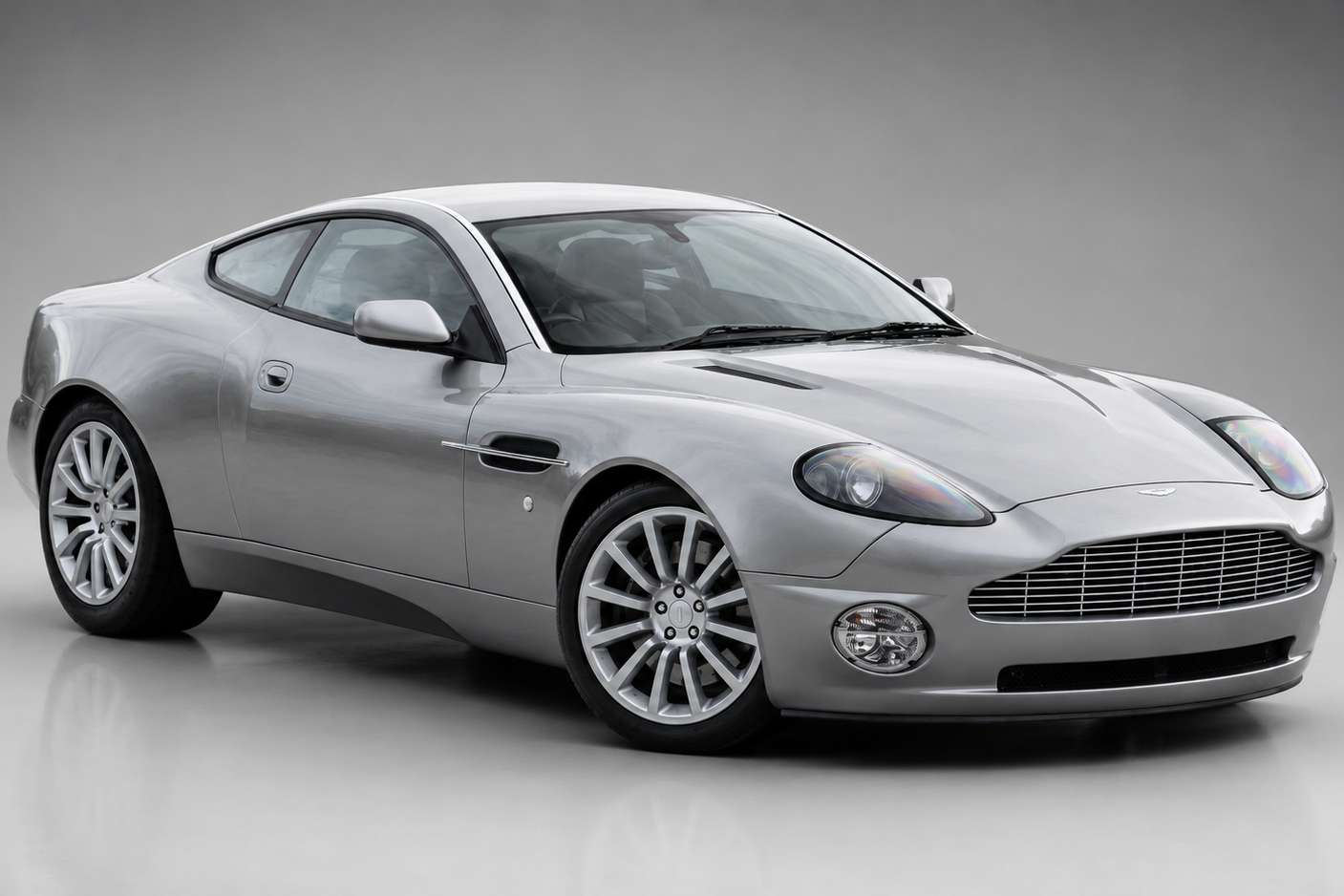
Aston Martin Vanquish (V12)
Ian Callum's bonded-aluminium V12 GT — the last Newport Pagnell Aston Martin and the modern era's Bond car.
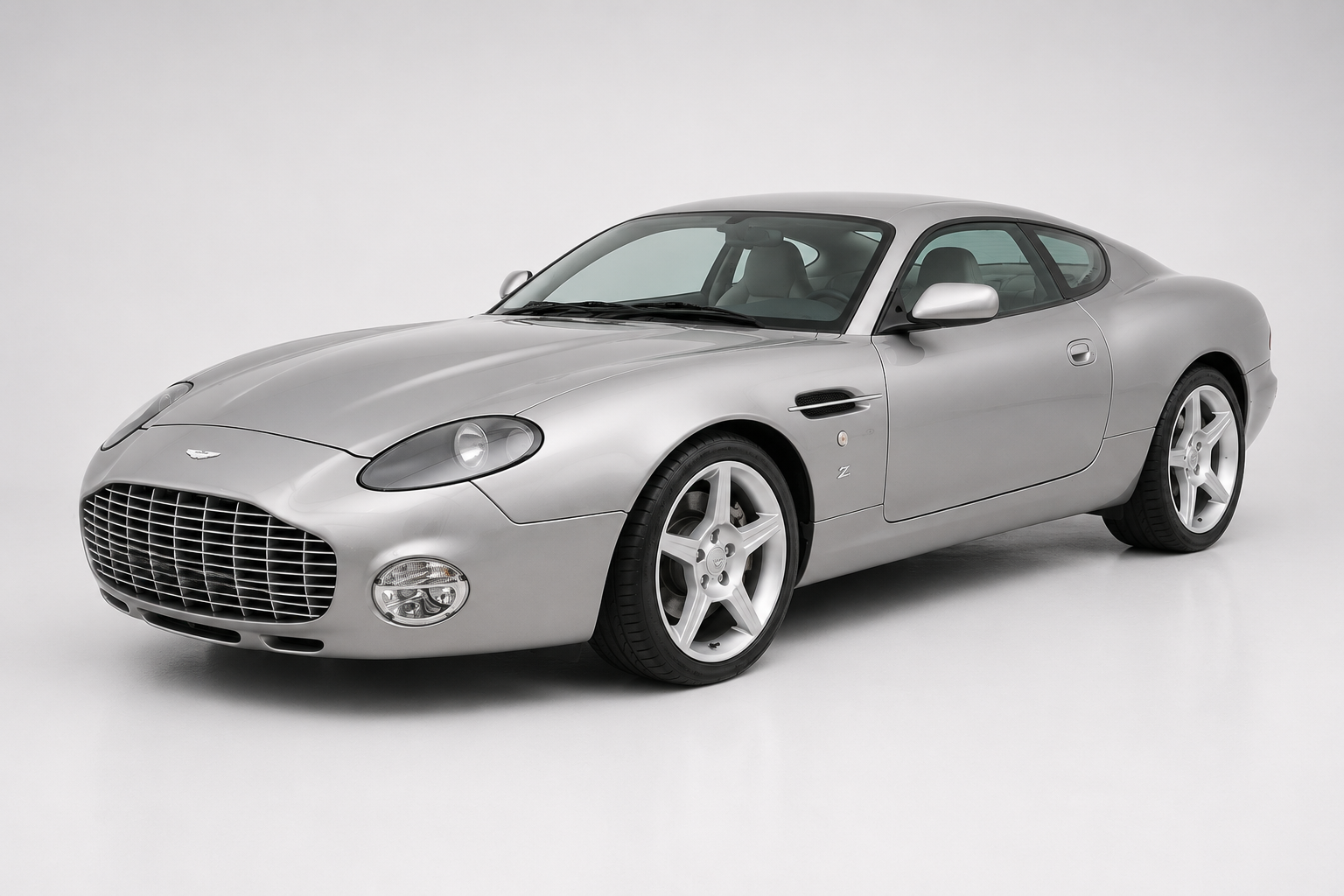
Aston Martin DB7 Zagato
The 99-car revival of the Aston Martin–Zagato partnership, unveiled at the 2002 Paris Motor Show.
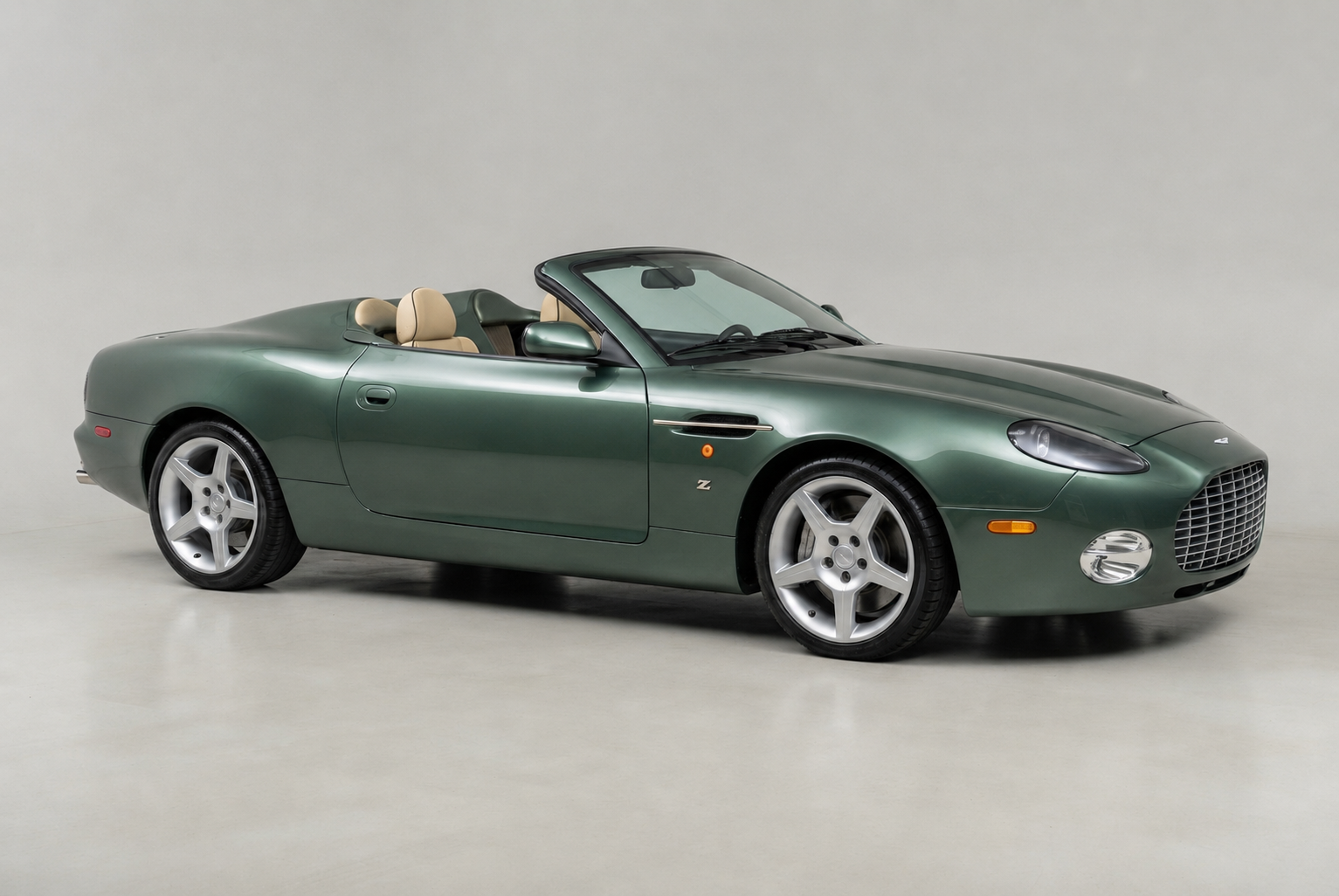
Aston Martin DB AR1
The 99-car open Zagato roadster created for the US market after the DB7 Zagato coupé was frozen out.
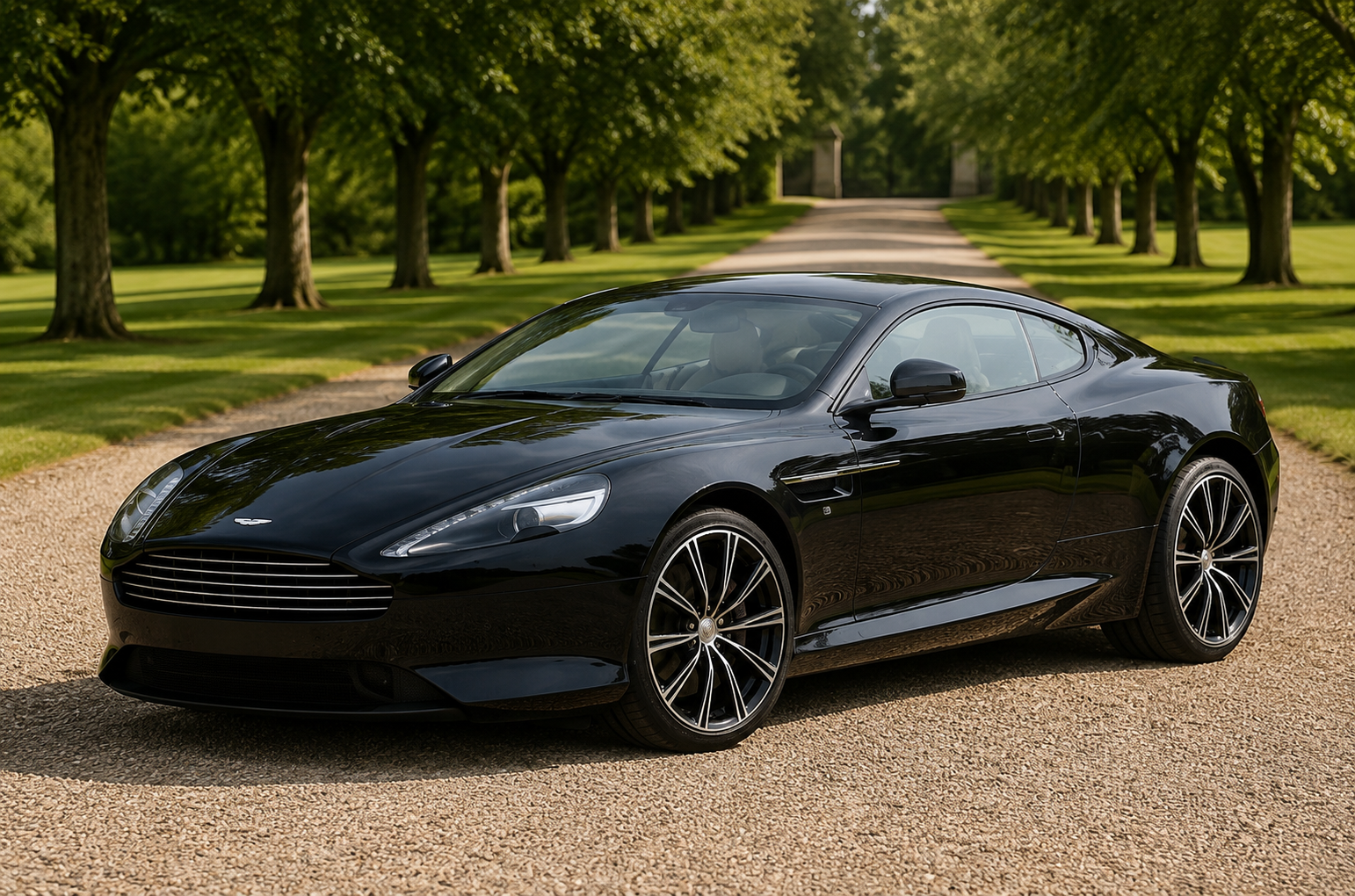
Aston Martin DB9
The car that re-established Aston Martin in the modern era — a 6.0-litre V12 GT built on the new VH platform.
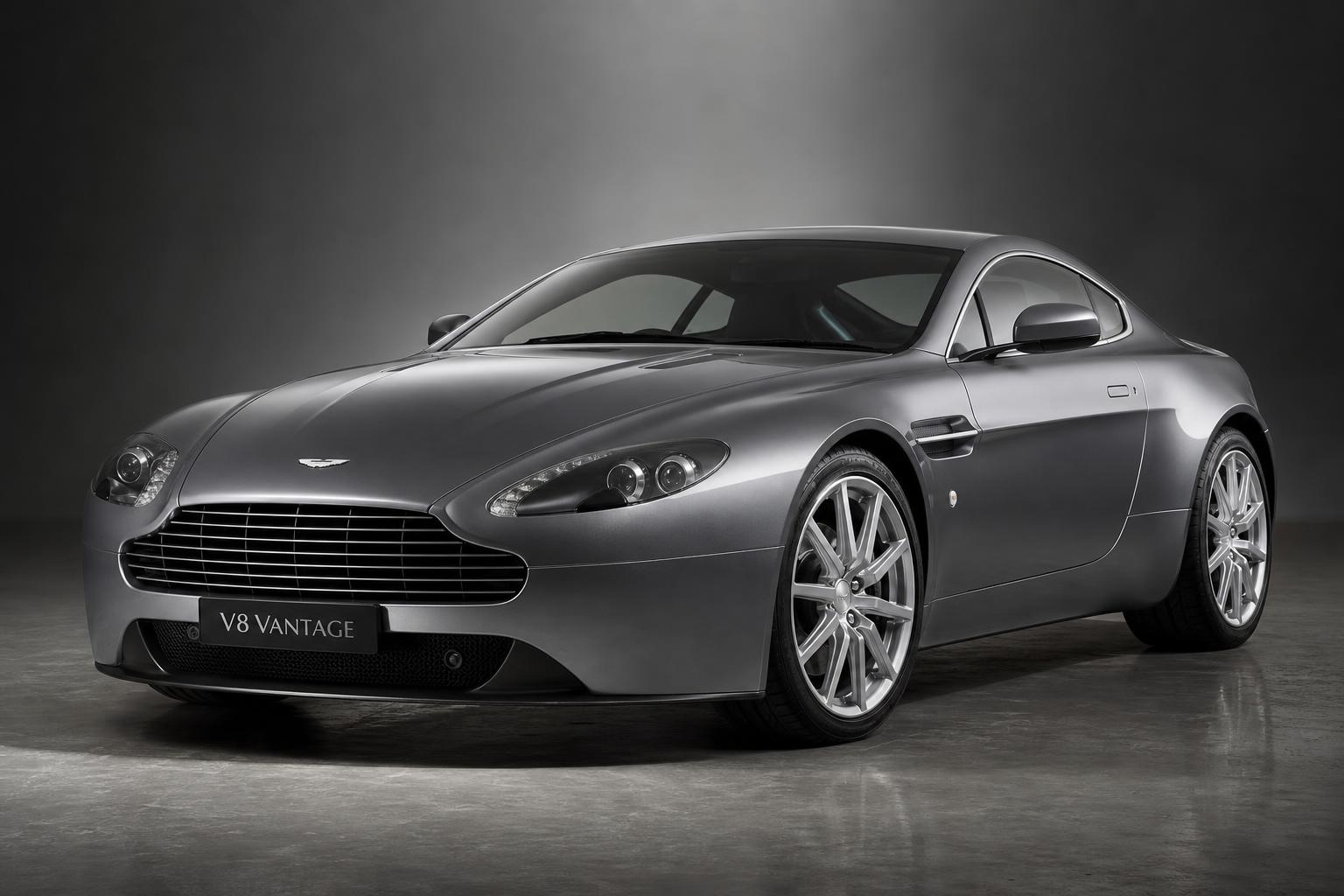
Aston Martin V8 Vantage (VH)
Aston Martin's hand-built, front-mid-engined GT — and the most analogue Vantage of the modern era.
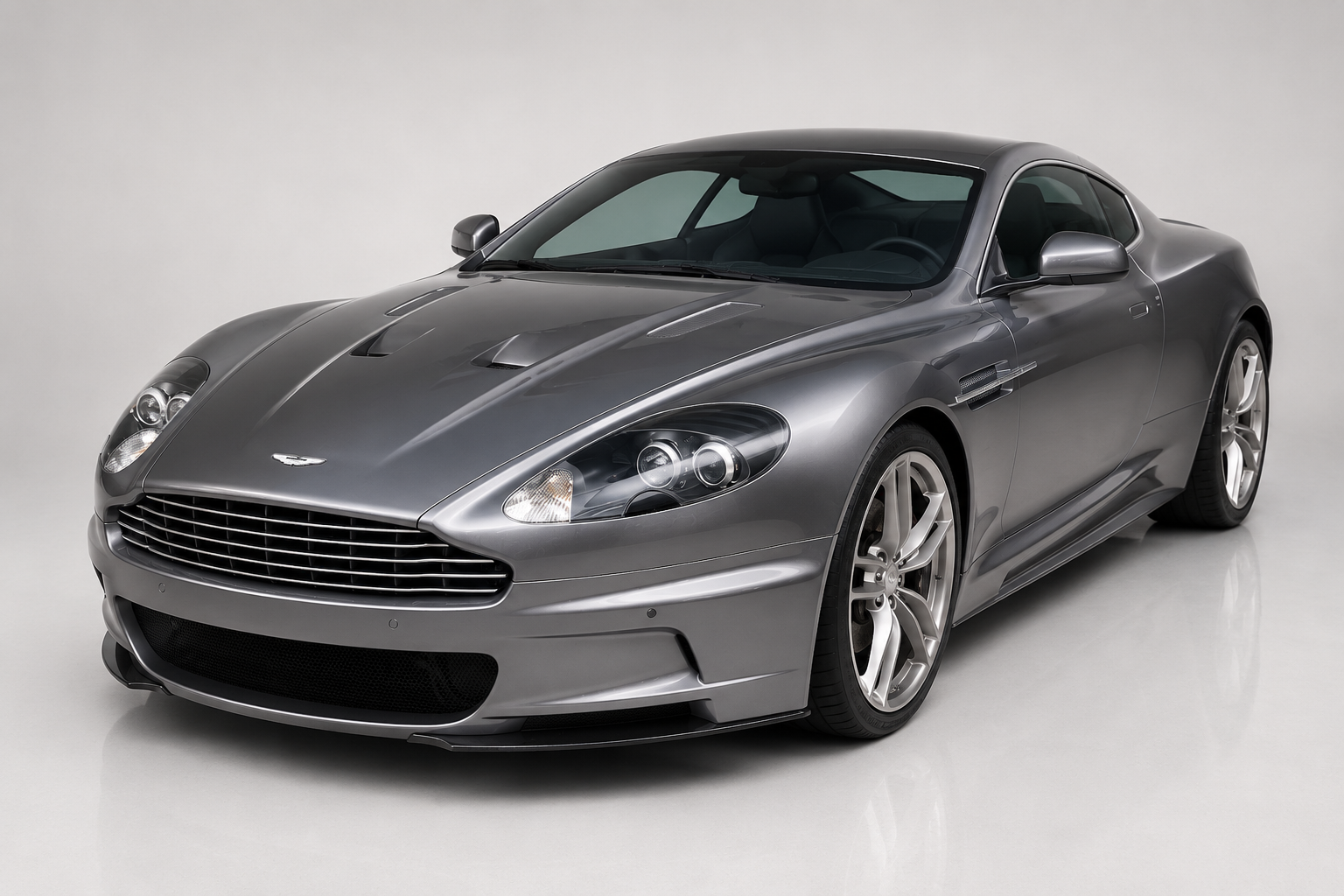
Aston Martin DBS V12
Aston Martin marketed it as the DBS; the Aston Martin Heritage Trust designates it 'DBS V12' to distinguish it from the six-cylinder DBS of 1967–72.
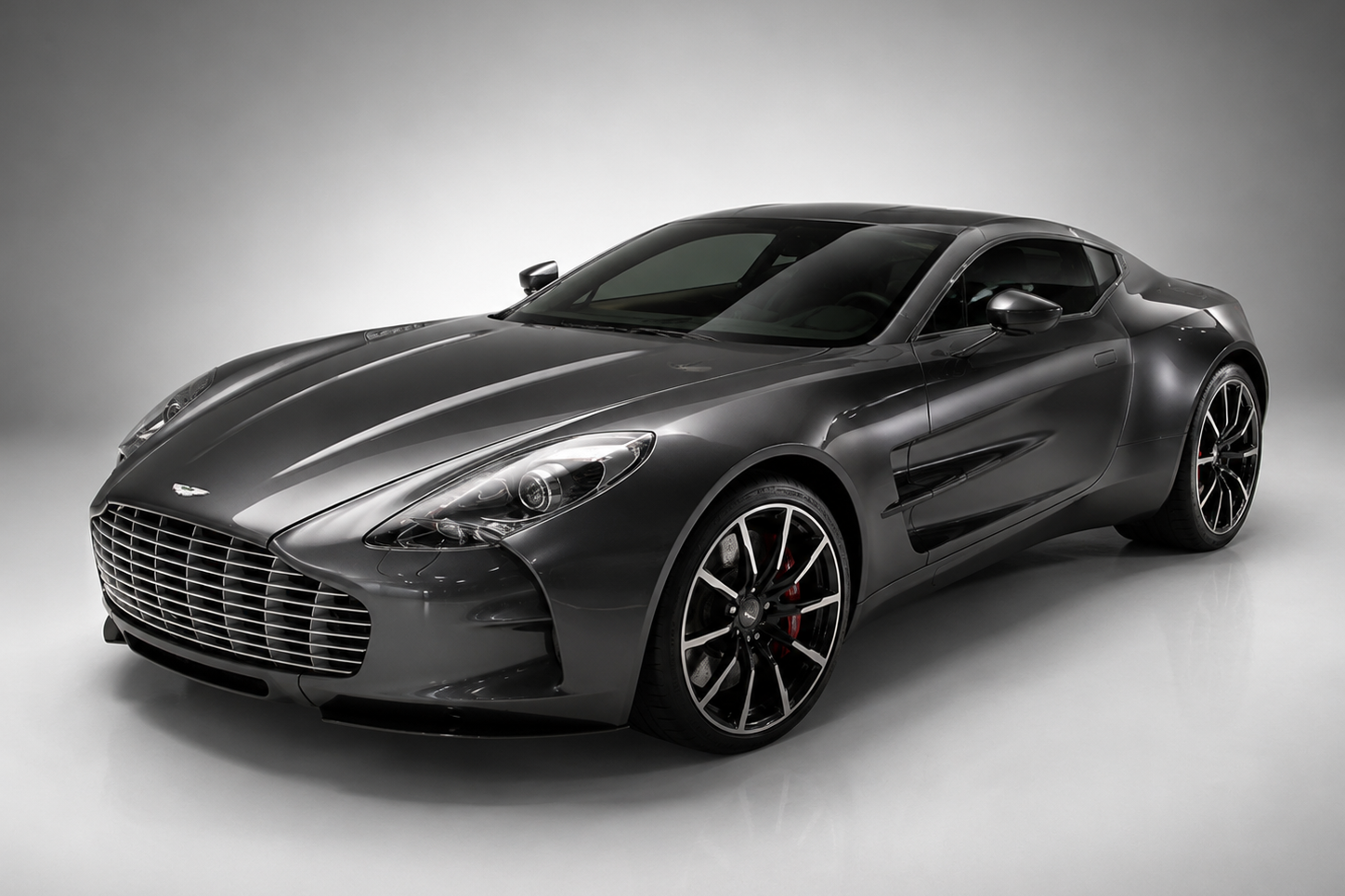
Aston Martin One-77
77 hand-built cars, a 7.3-litre naturally-aspirated V12 and 750 bhp — Aston's first true modern hypercar.
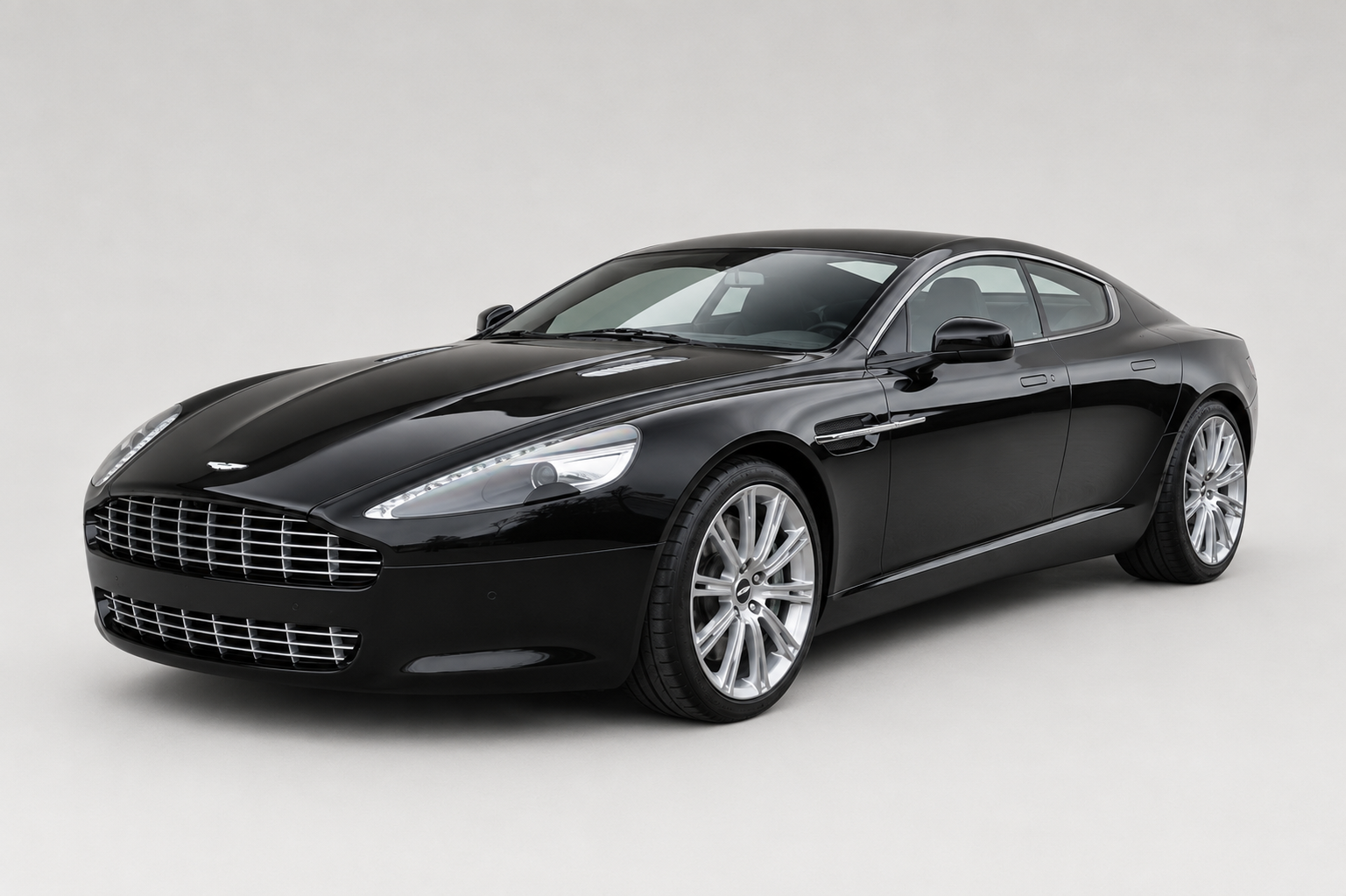
Aston Martin Rapide & Rapide S
Aston Martin's first series-production four-door since the Lagonda — billed as the first production four-door sports car.
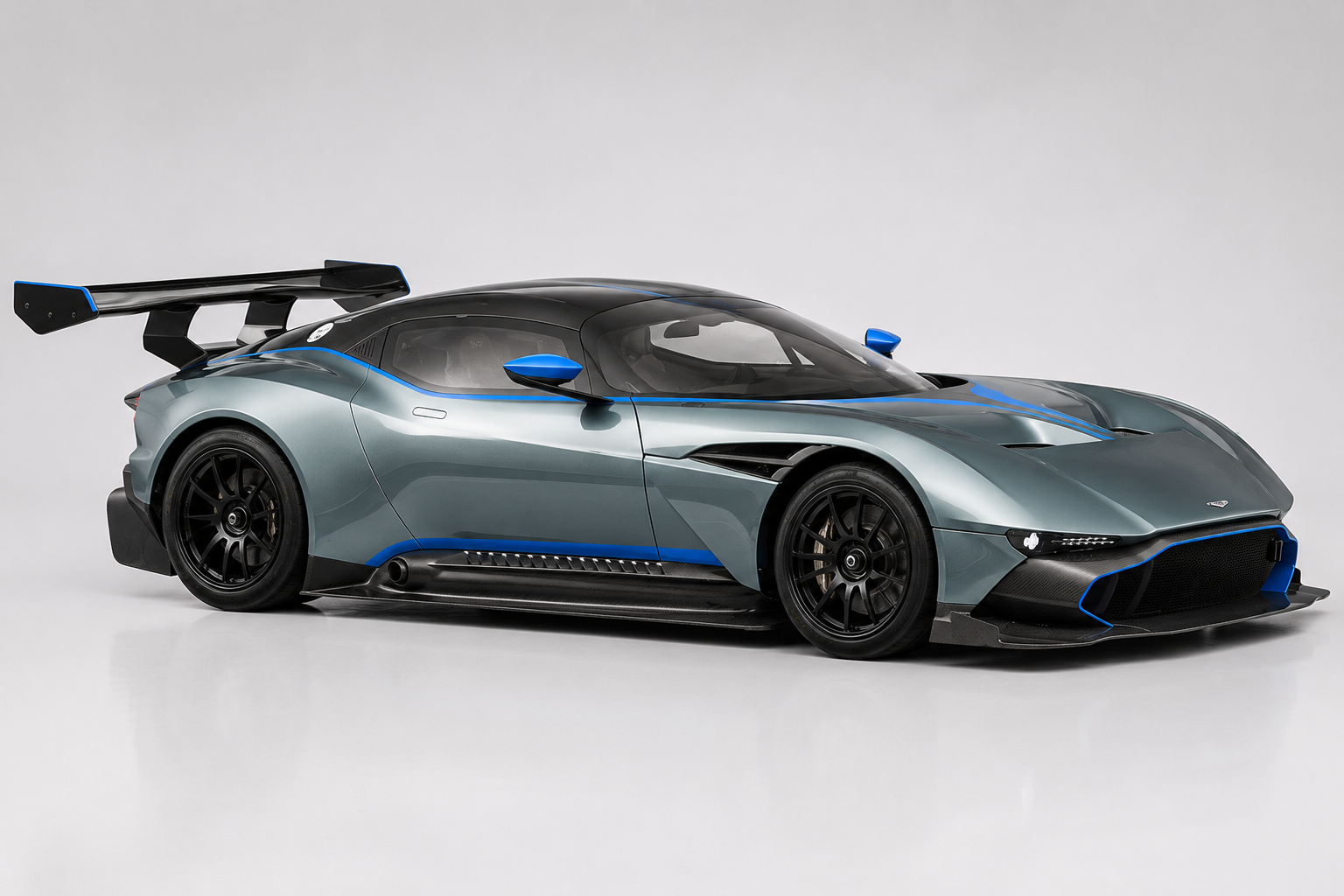
Aston Martin Vulcan
A 24-car track-only V12 hypercar unveiled at the 2015 Geneva Motor Show.
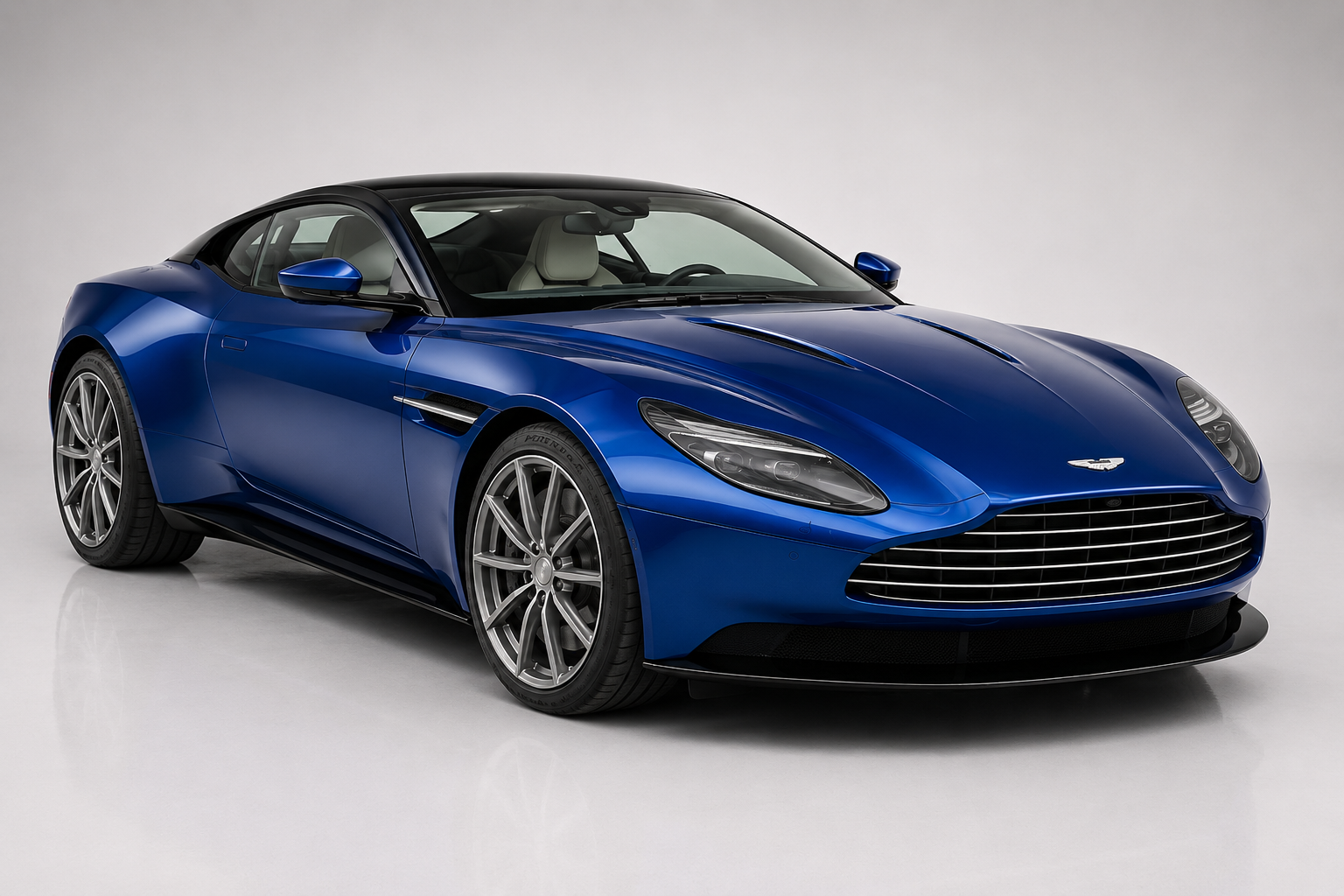
Aston Martin DB11
The car that opened Aston Martin's second-century plan — and the last mainstream Aston to offer a V12.
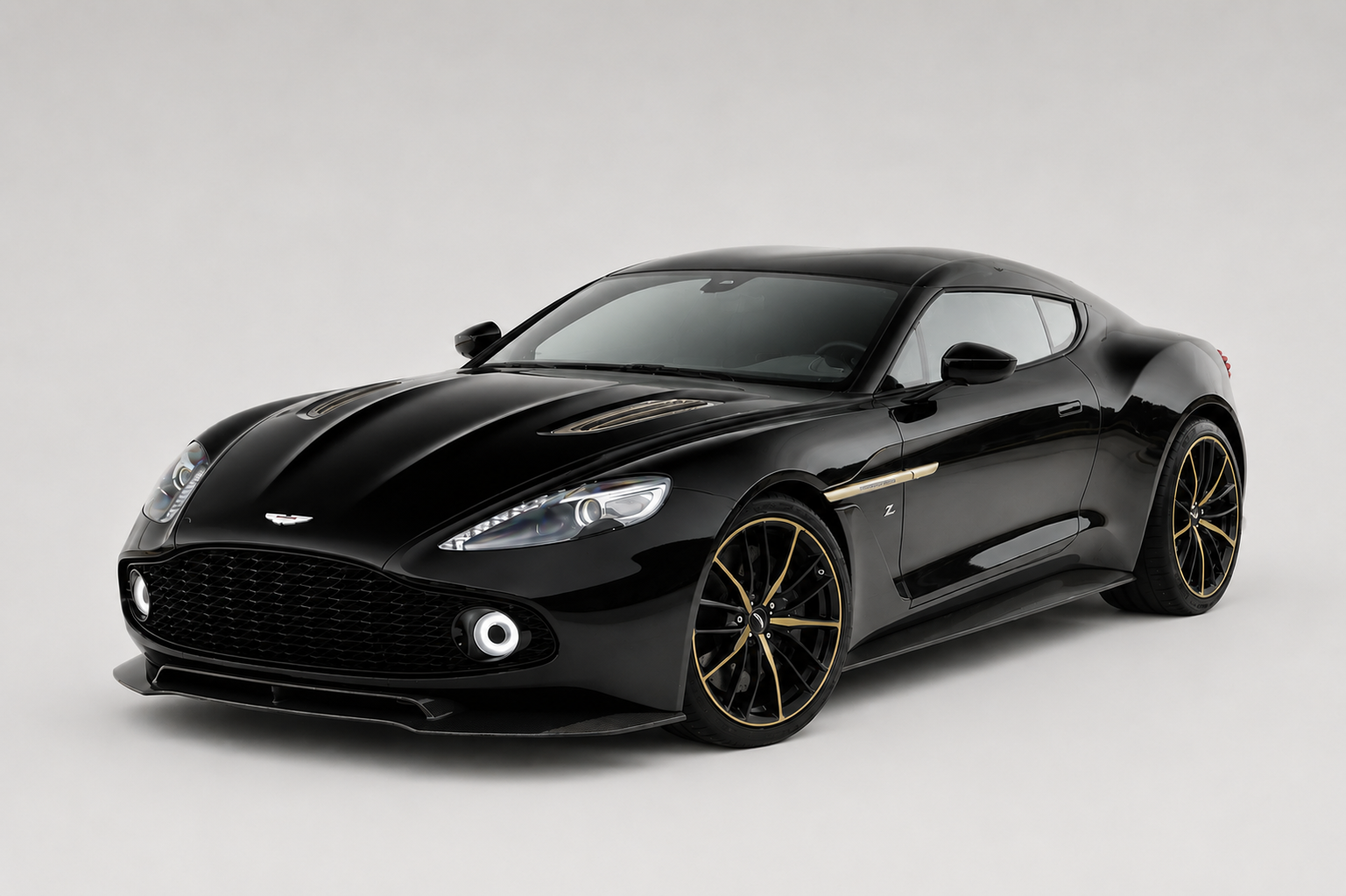
Aston Martin Vanquish Zagato
A four-body Zagato coachbuilt family — Coupé, Volante, Speedster and Shooting Brake — built on the last naturally-aspirated V12 Vanquish.
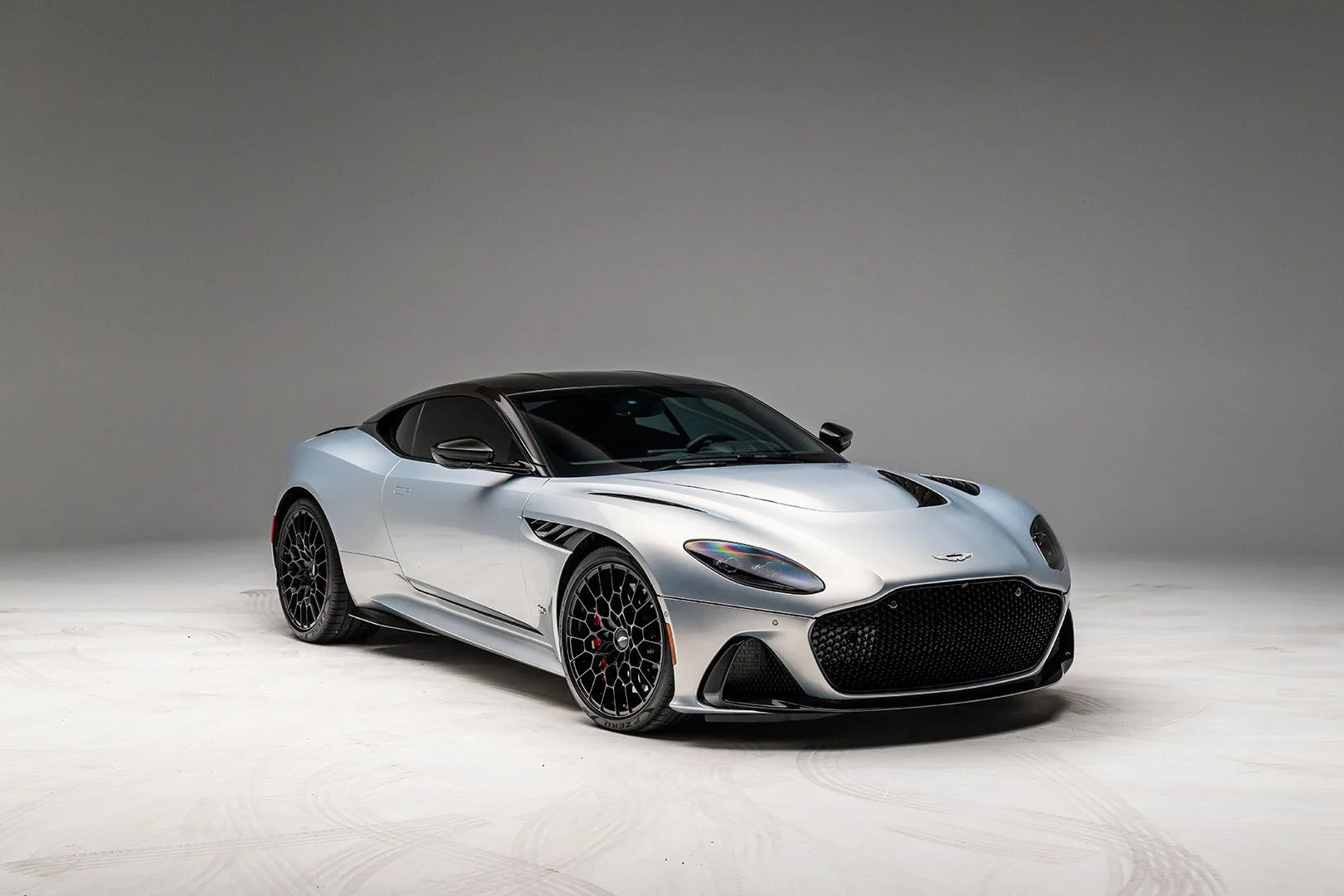
Aston Martin DBS Superleggera & DBS 770 Ultimate
The last V12 DBS — 5.2-litre twin-turbo Superleggera and the 499-car 770 Ultimate send-off.
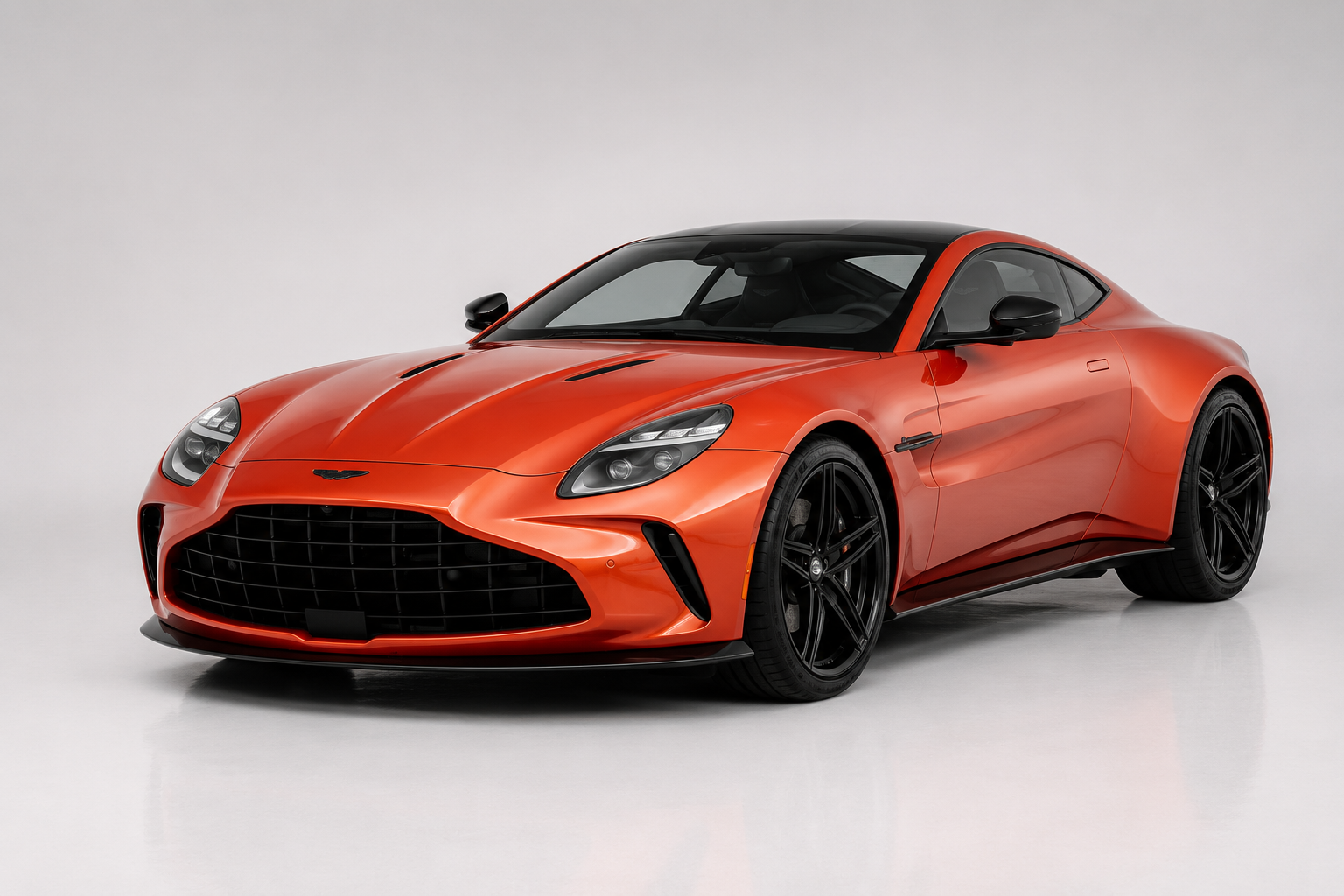
Aston Martin Vantage (2018–present)
The AMG-powered Vantage — one generation across two phases, and a completely different car from the 2005–2017 V8 Vantage it followed.
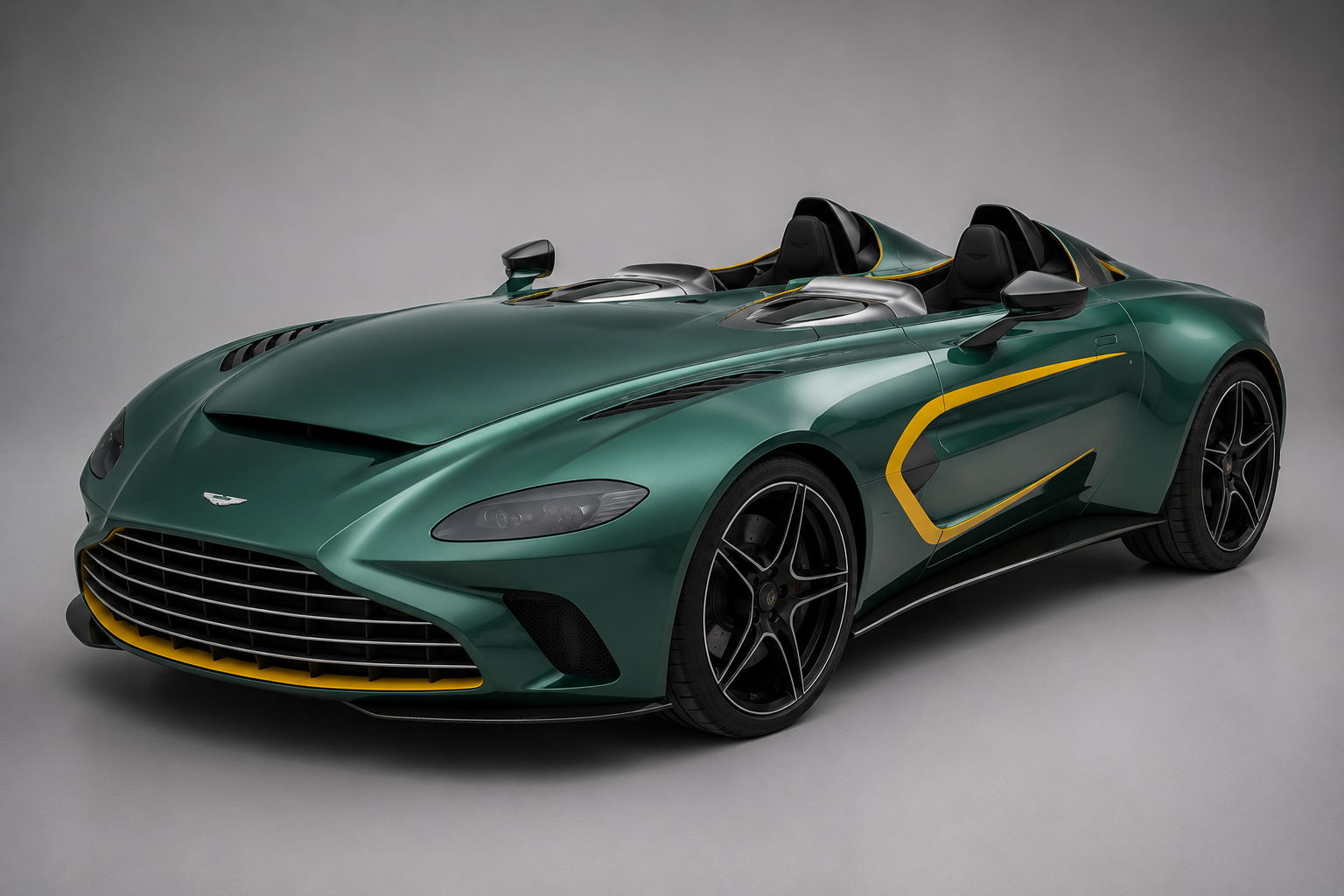
Aston Martin V12 Speedster
Roofless, screenless, helmets-on Aston — 88 cars, 5.2-litre twin-turbo V12, 700 bhp.
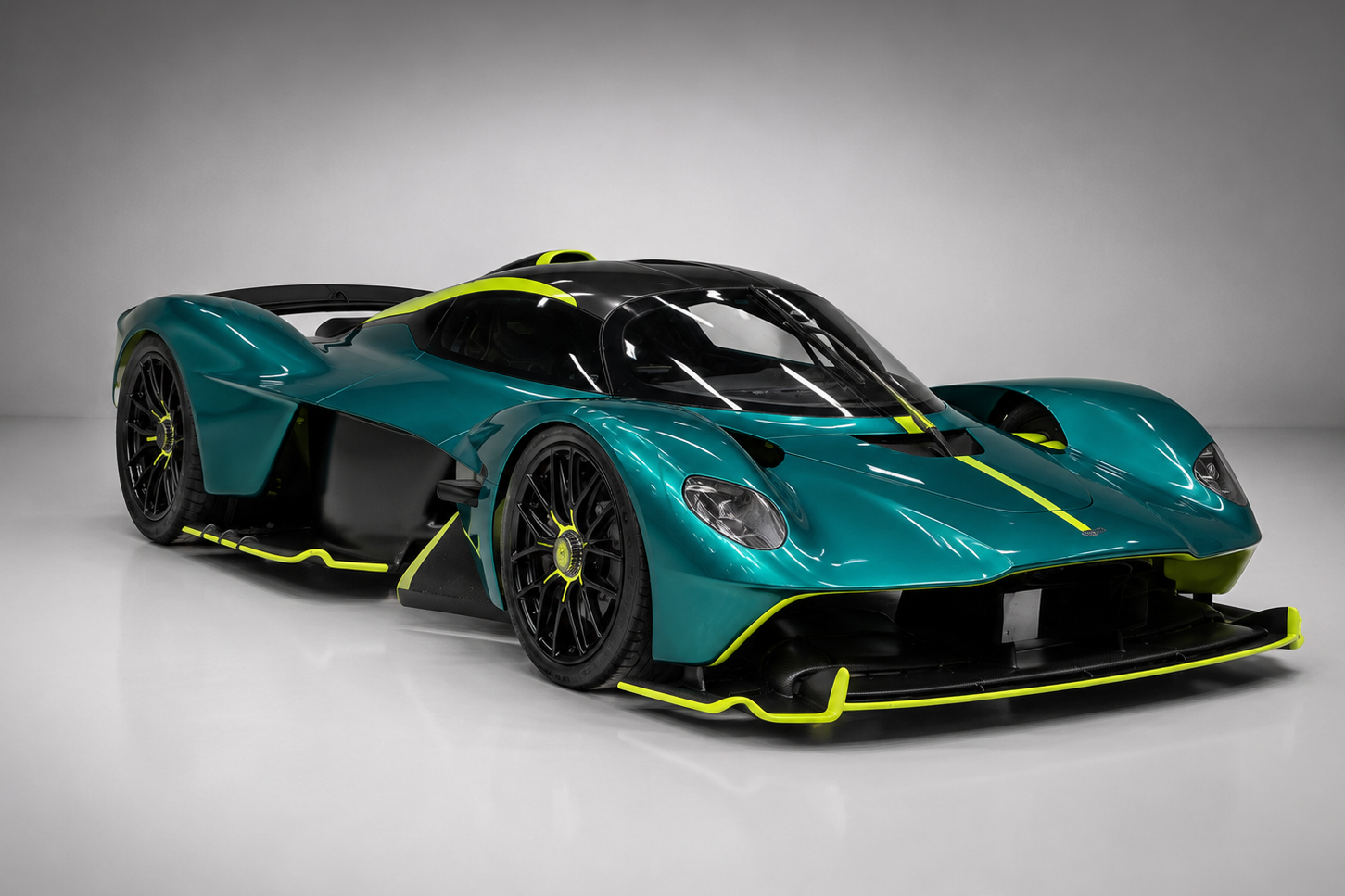
Aston Martin Valkyrie
Aston Martin and Red Bull Advanced Technologies' Cosworth-V12 hypercar — 6.5 V12 plus KERS, near-prototype aerodynamics, 150 Coupes plus Spider.
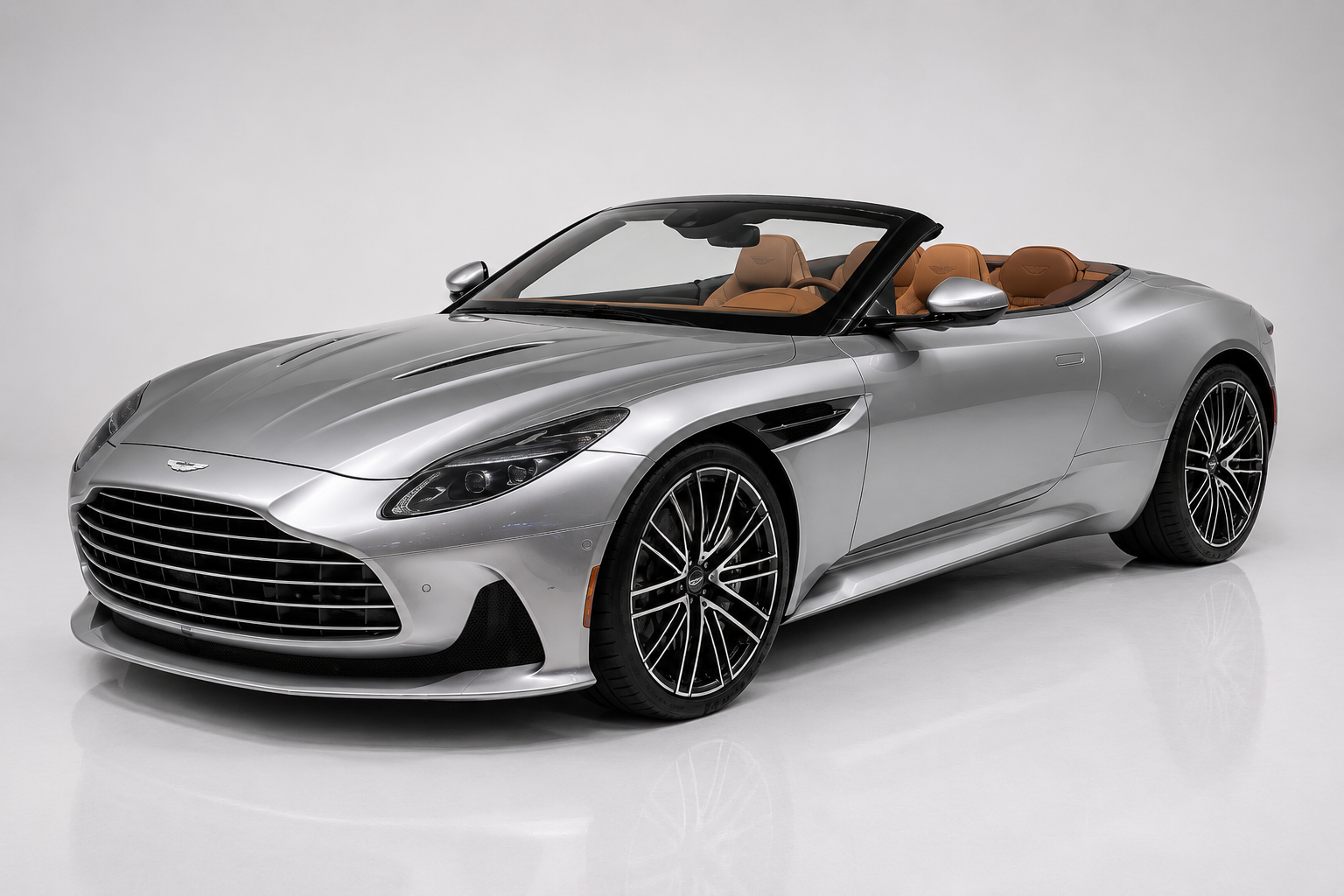
Aston Martin DB12
The DB11 successor — a 671 bhp / 680 PS twin-turbo V8 super-tourer and the first Aston to wear the brand's new winged logo.
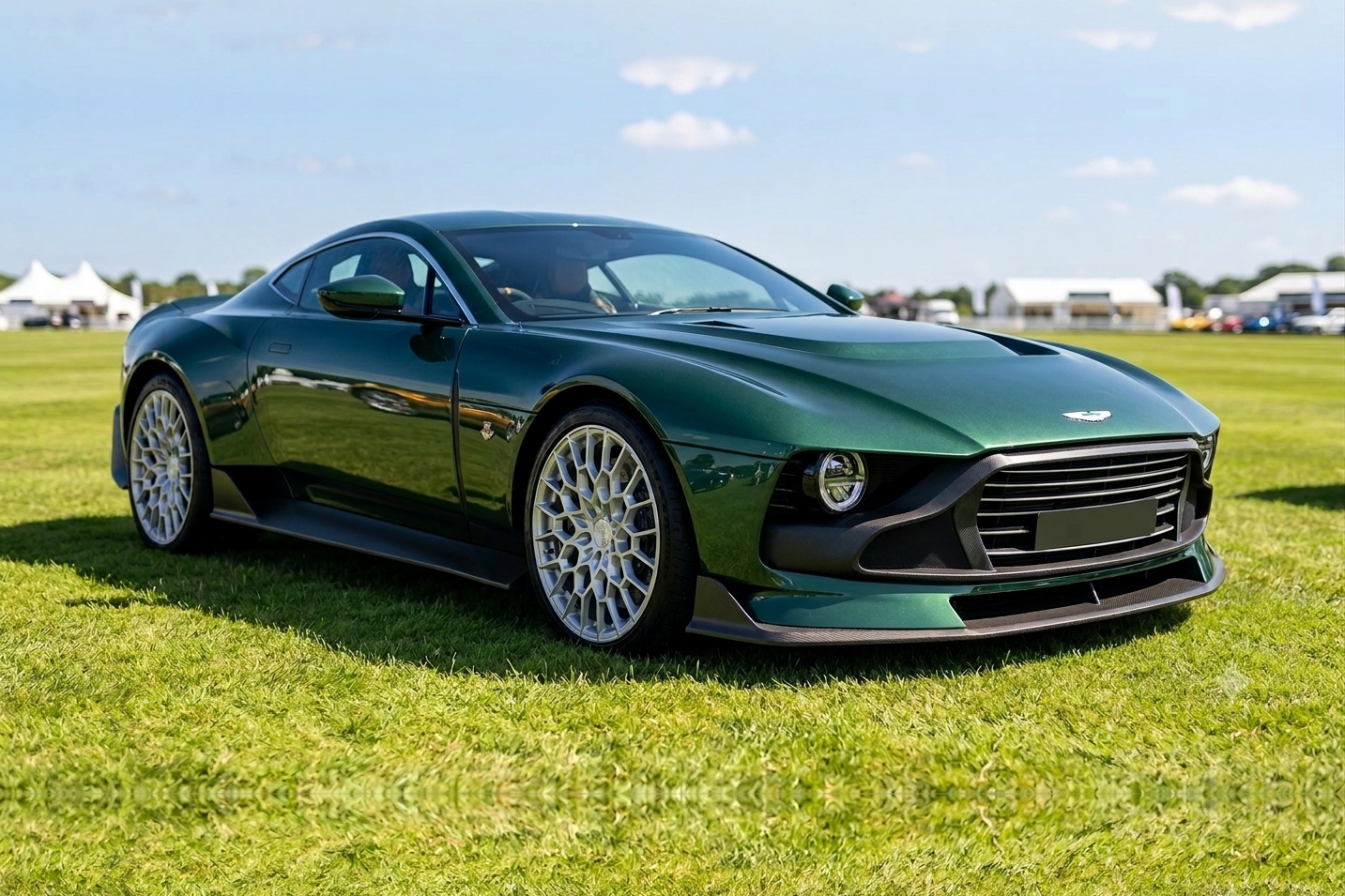
Aston Martin Valour
A 110-unit, coach-built, manual-only V12 coupé — Aston Martin's public thank-you letter to the analogue driver.
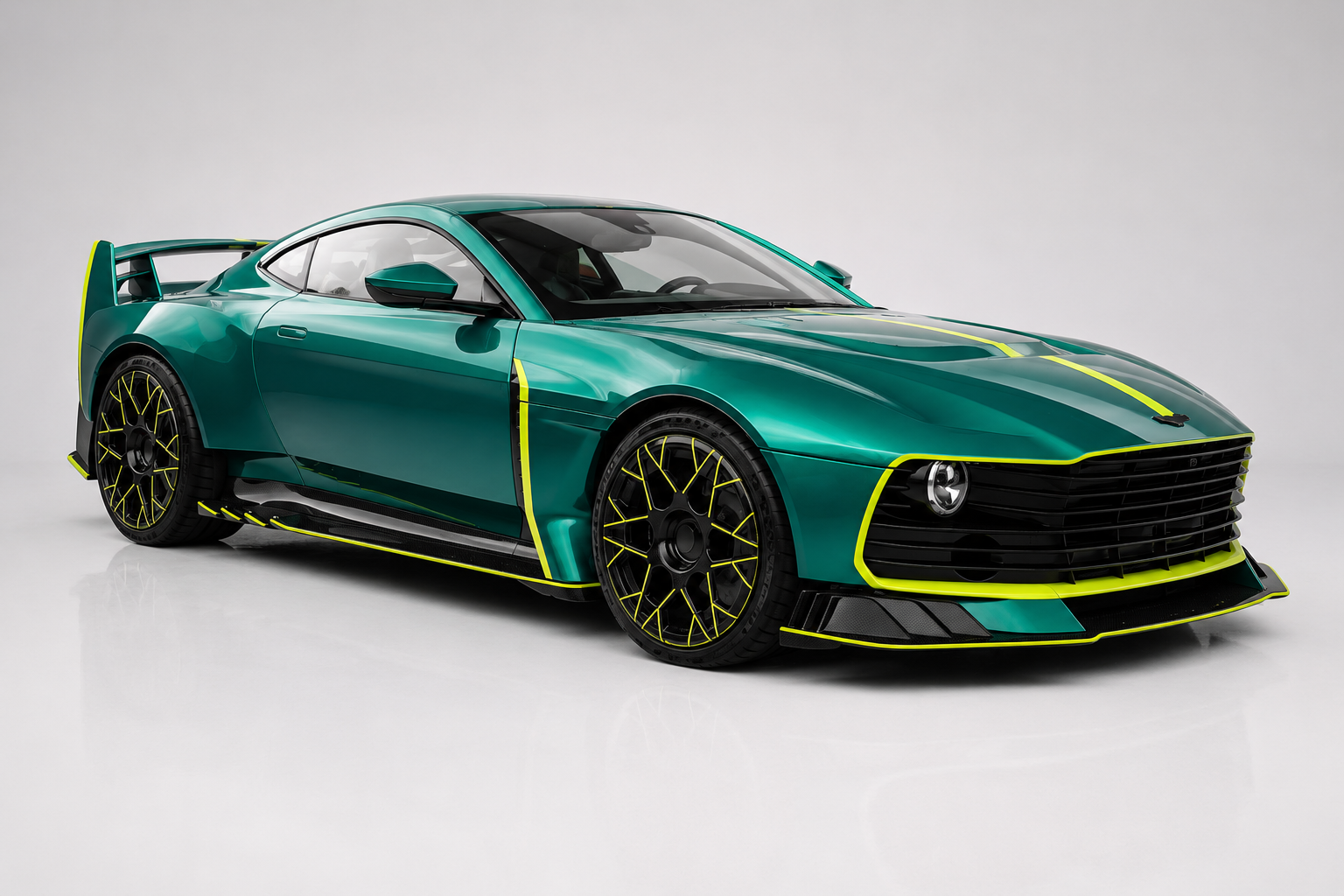
Aston Martin Valiant
A 38-car road-legal, track-focused manual V12 special revealed at the 2024 Goodwood Festival of Speed.
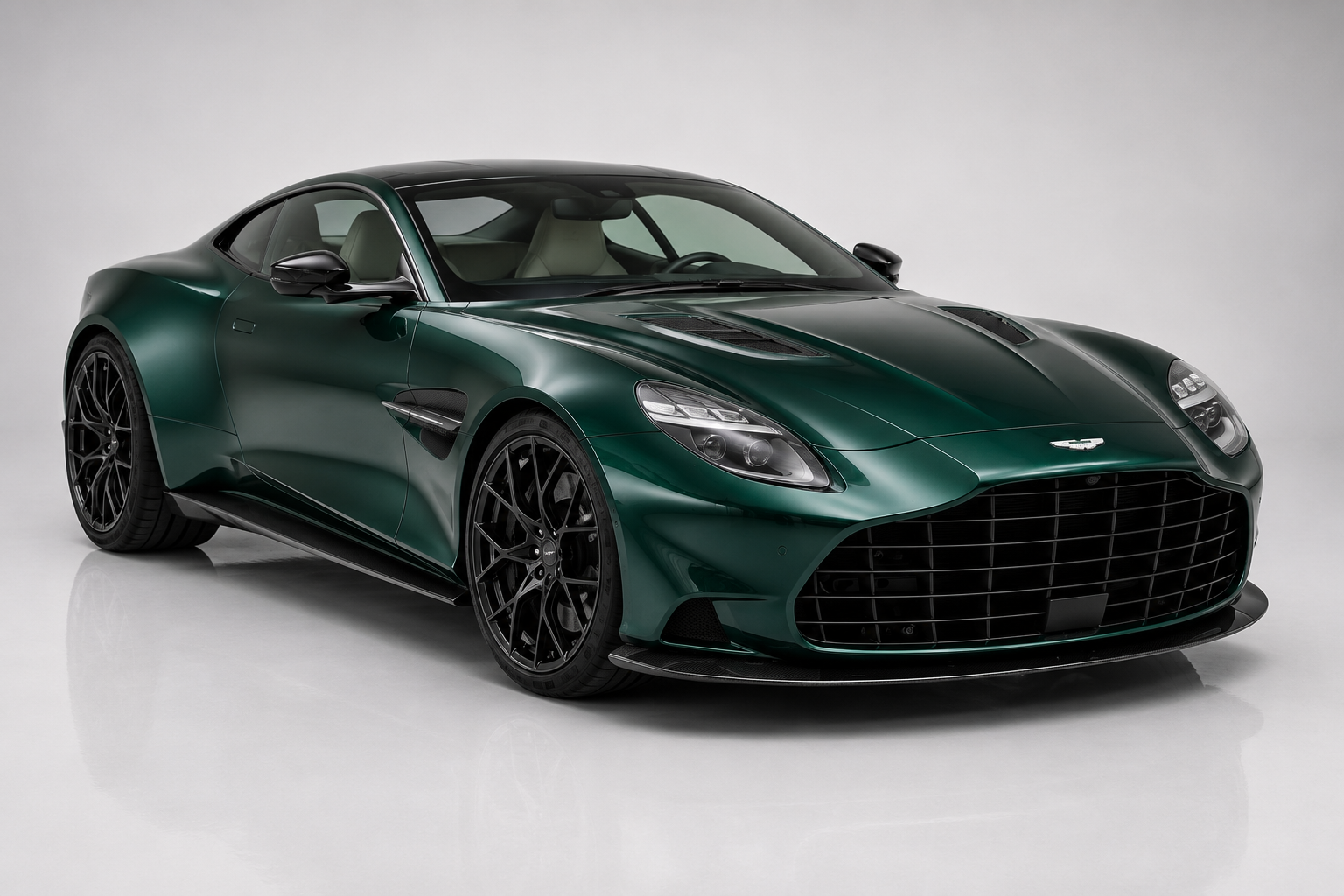
Aston Martin Vanquish
The third-generation Vanquish: current front-engined flagship of Aston Martin's V12 line, unveiled in Venice in September 2024.
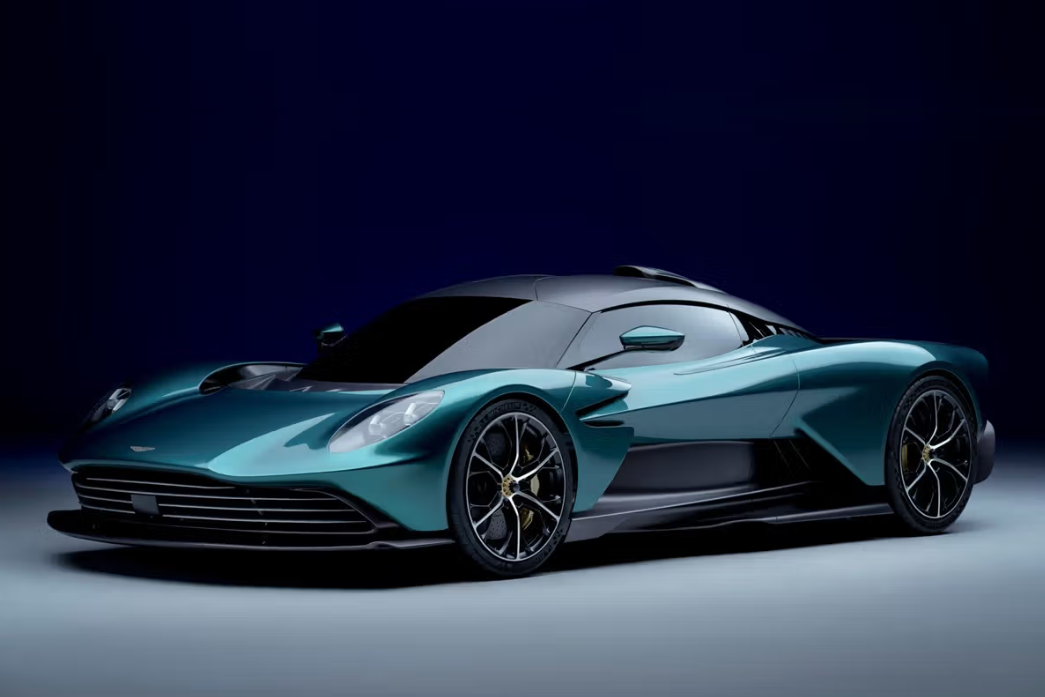
Aston Martin Valhalla
Mid-engined PHEV hypercar — twin-turbo flat-plane V8 plus three e-motors, capped at 999 units.
Auburn
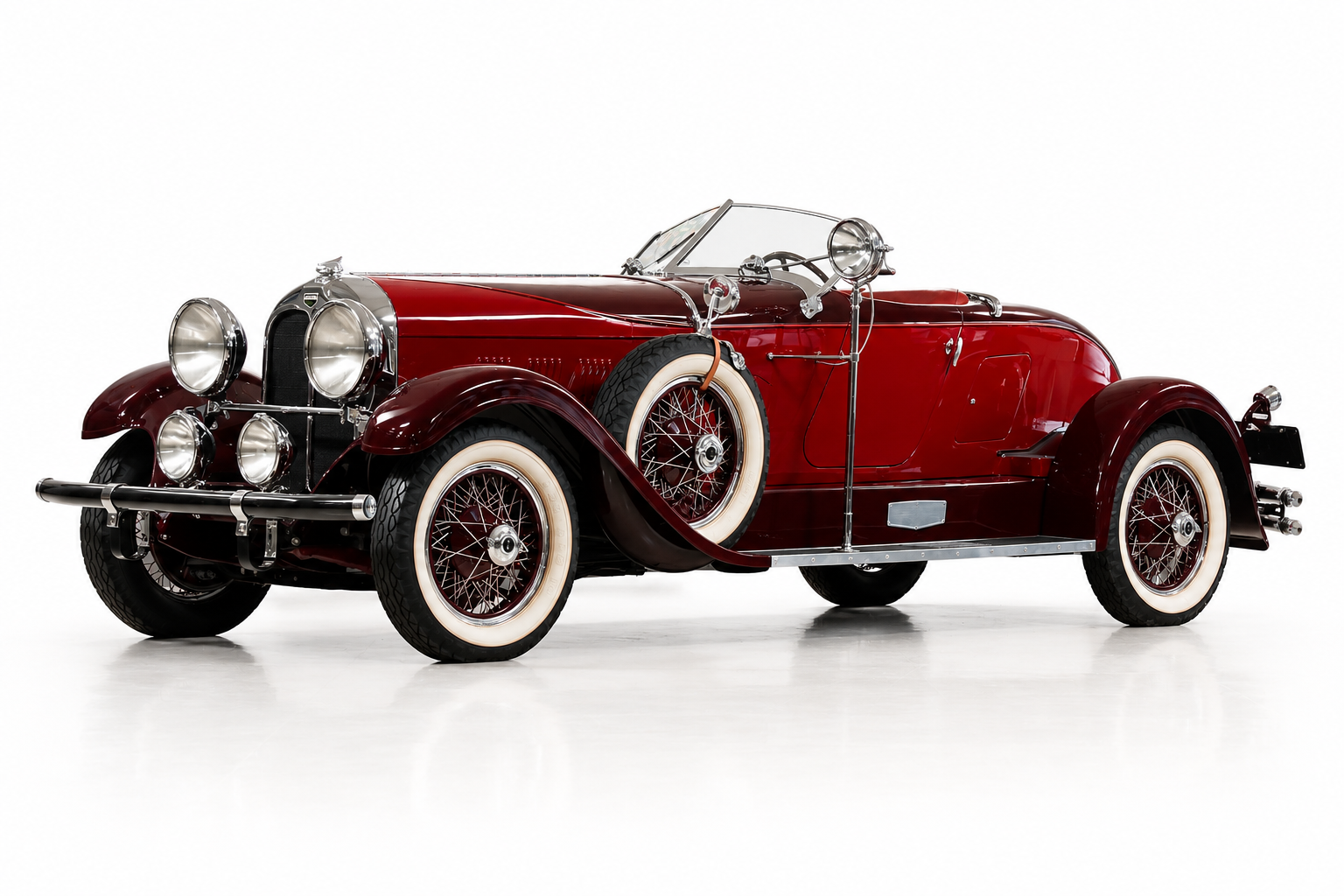
Auburn 8-120 Boattail Speedster
The Leamy-Sakhnoffsky boat-tail — the ultimate-specification 120-horsepower first-generation Boattail Speedster, built in roughly 55 examples through June 1929 and the direct ancestor of the supercharged 851 / 852.
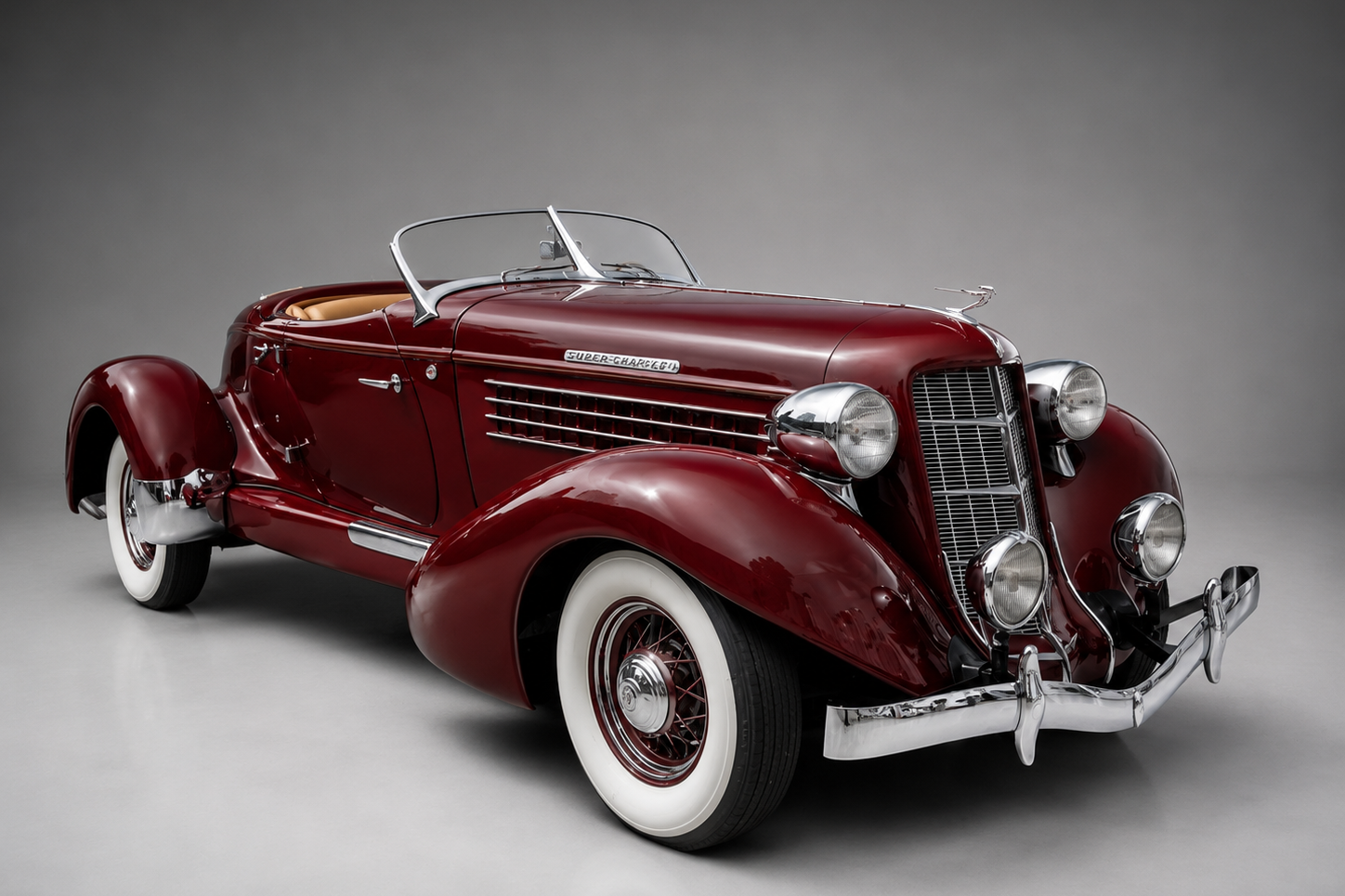
Auburn 851 / 852 Speedster
Gordon Buehrig's boat-tail Speedster — the most theatrical American body of the 1930s, supercharged Lycoming inline-eight.
Audi
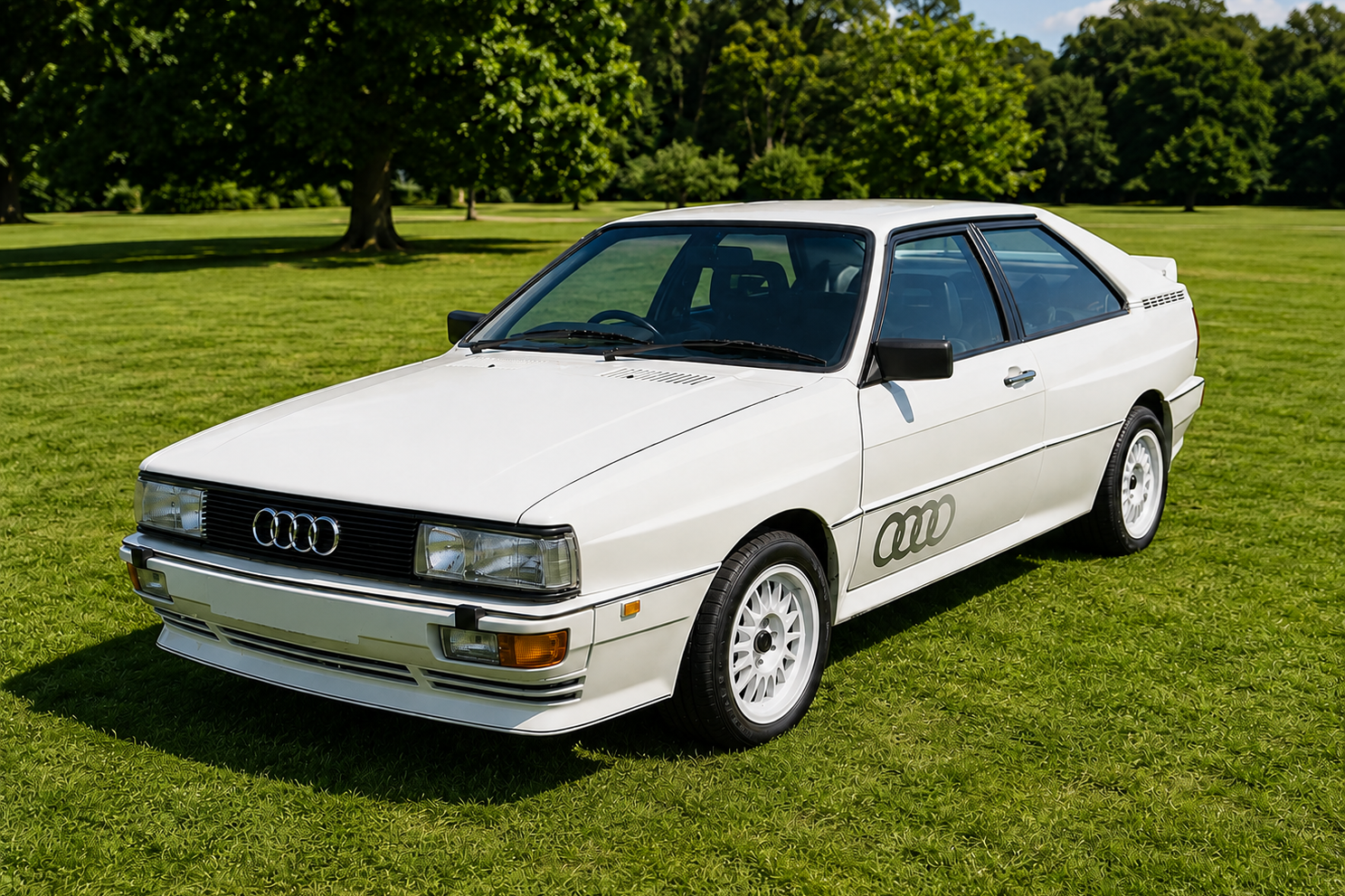
Audi Quattro Turbo
The car that rewrote rallying — Audi's first quattro all-wheel-drive turbo coupe, in production for 11 years.
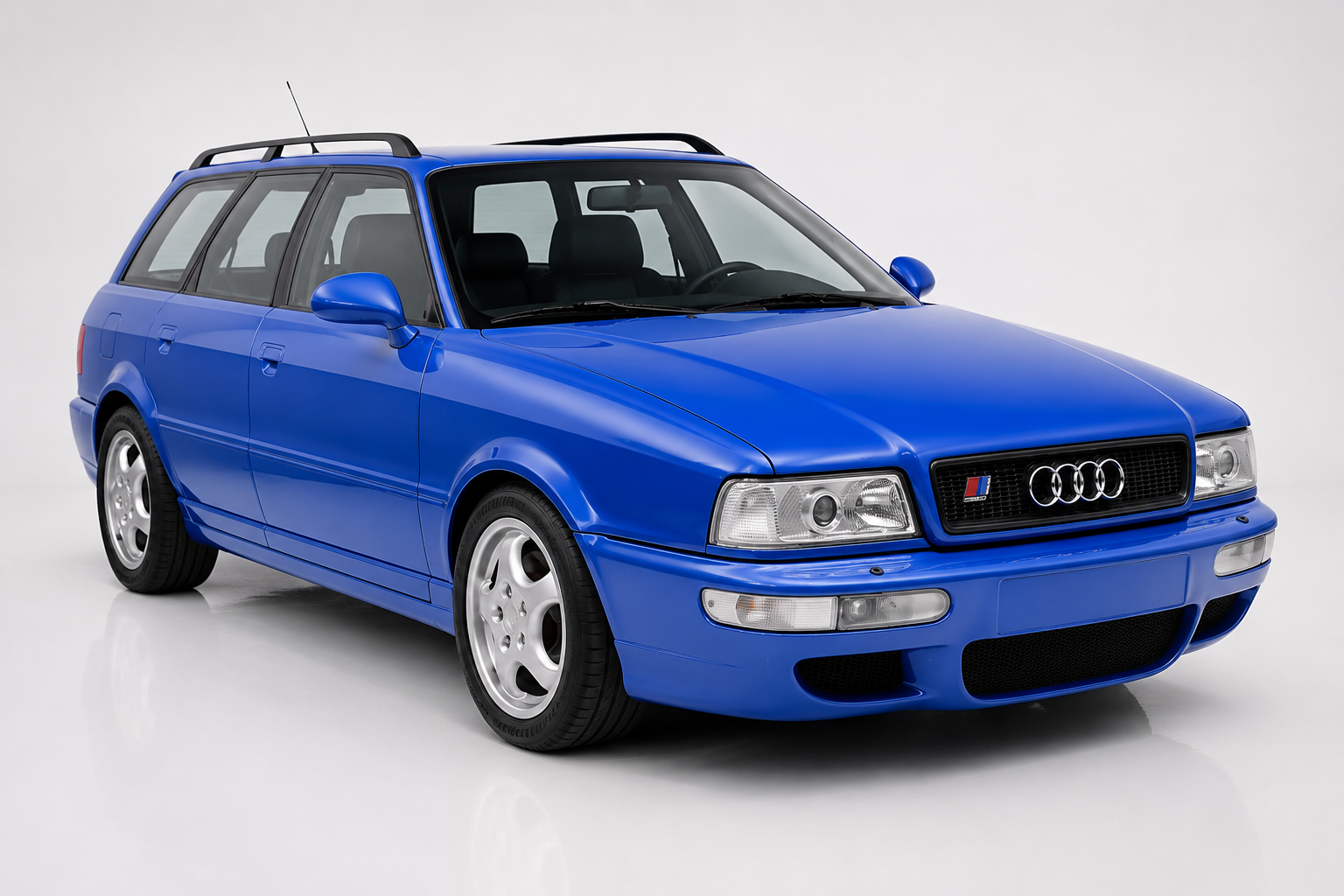
Audi RS2 Avant
Audi-Porsche collaboration — the original super-estate, and the founder of the RS bloodline.
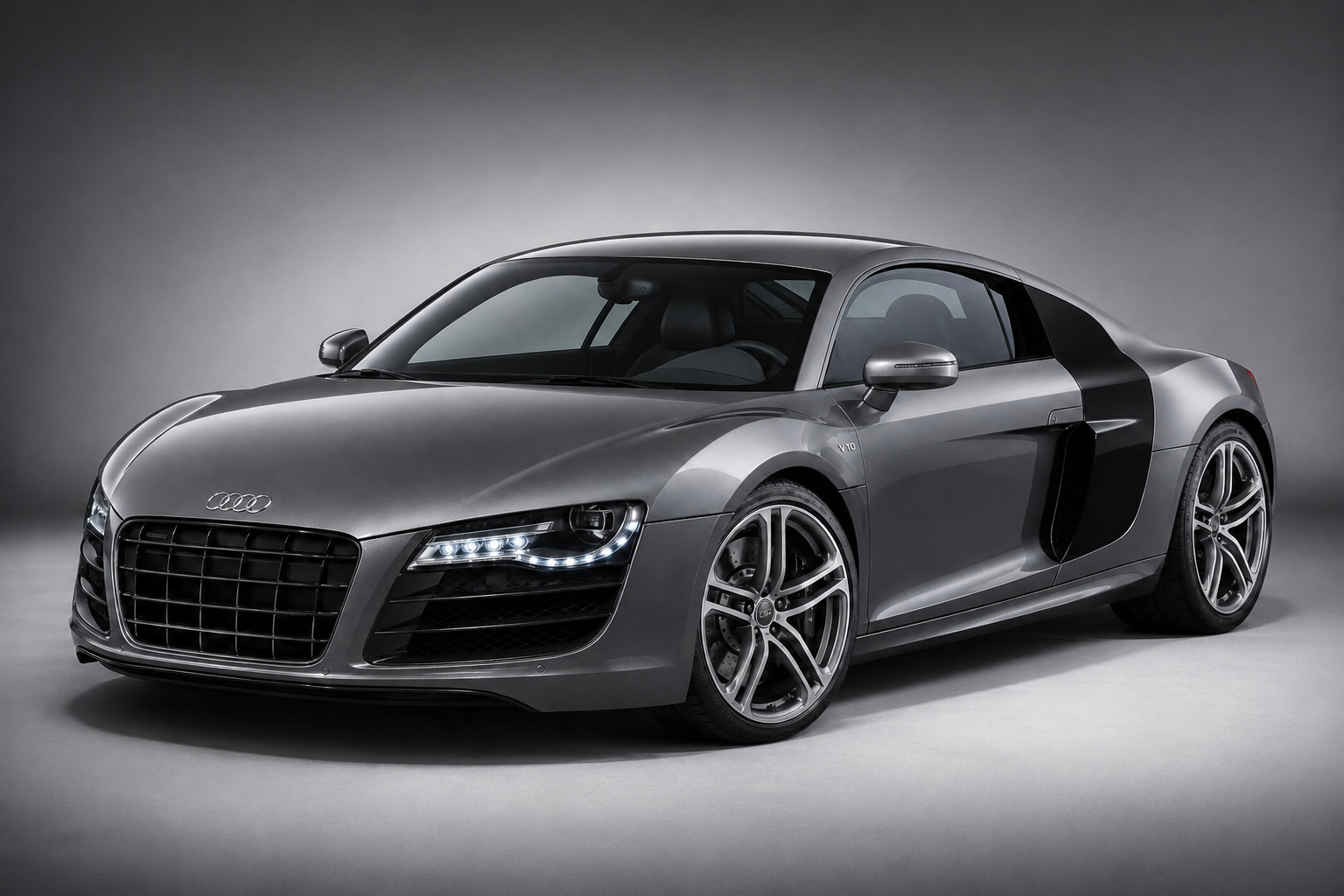
Audi R8 (Type 42)
The everyday supercar — Audi's aluminium spaceframe with the choice of a 4.2 V8 or a naturally-aspirated 5.2 V10, and the last of the open-gate manuals.
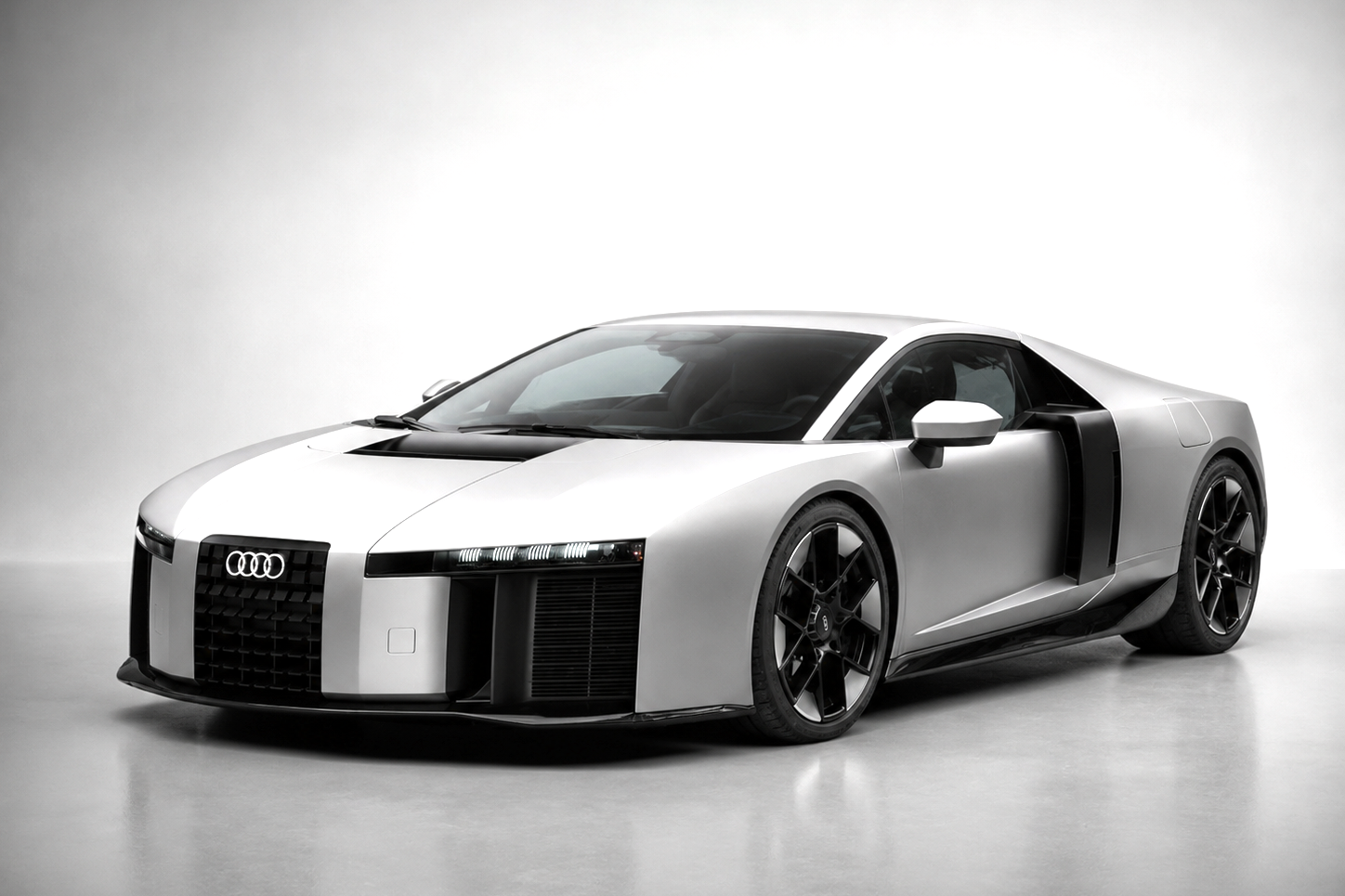
Audi Nuvolari
The first Audi supercar built as a plug-in hybrid — a 987 bhp / 1,001 PS carbon-bodied, mid-V8, front-axle-electrified, left-hand-drive-only successor to the R8, limited to 499 units and set to reach owners in the first half of 2027.
Austin-Healey
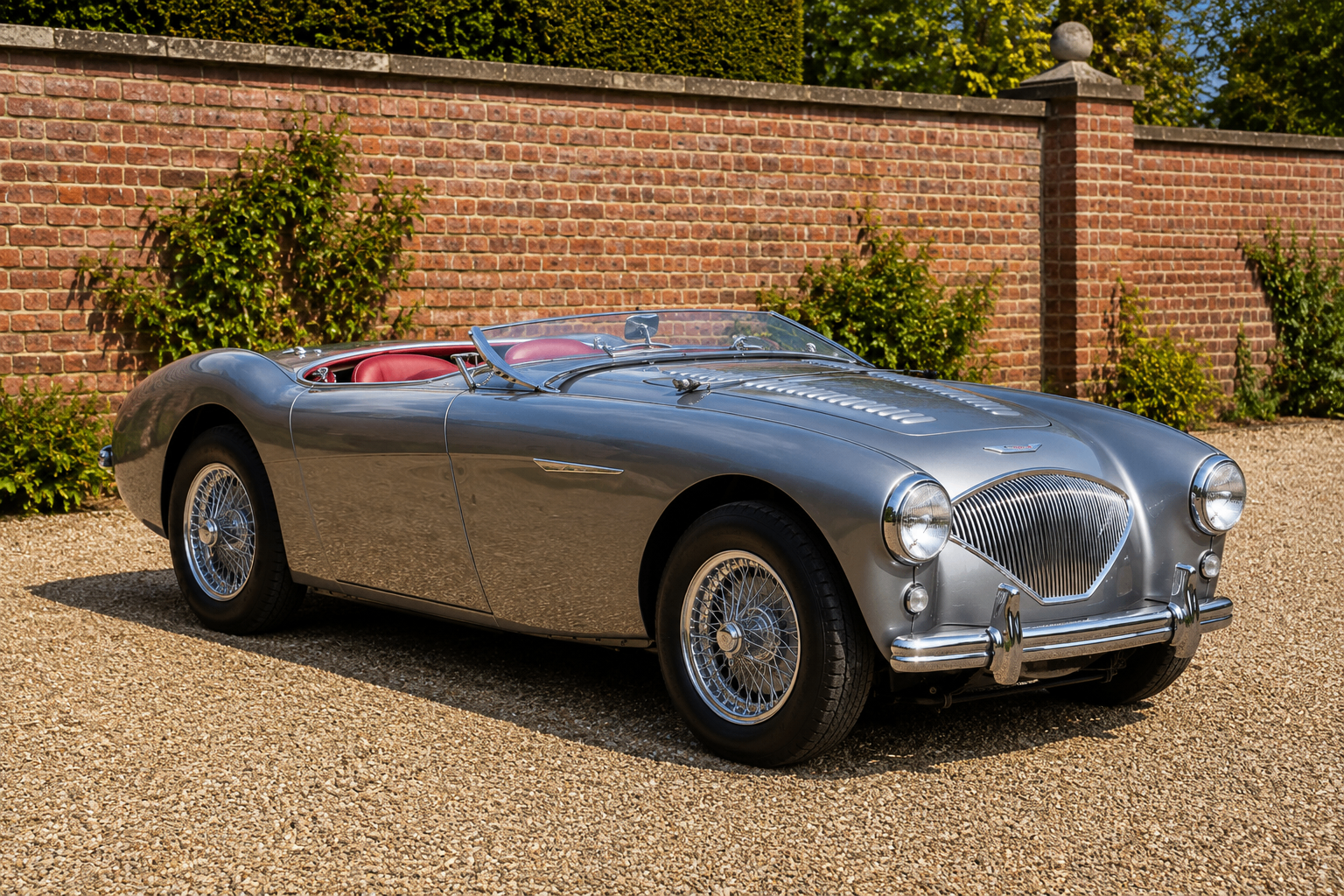
Austin-Healey 100
The car that started the 'big Healey' story — the 2.66-litre four-cylinder Donald Healey / Austin collaboration built by Jensen from 1953 to 1956, culminating in the 100M and the aluminium-bodied 100S racer.
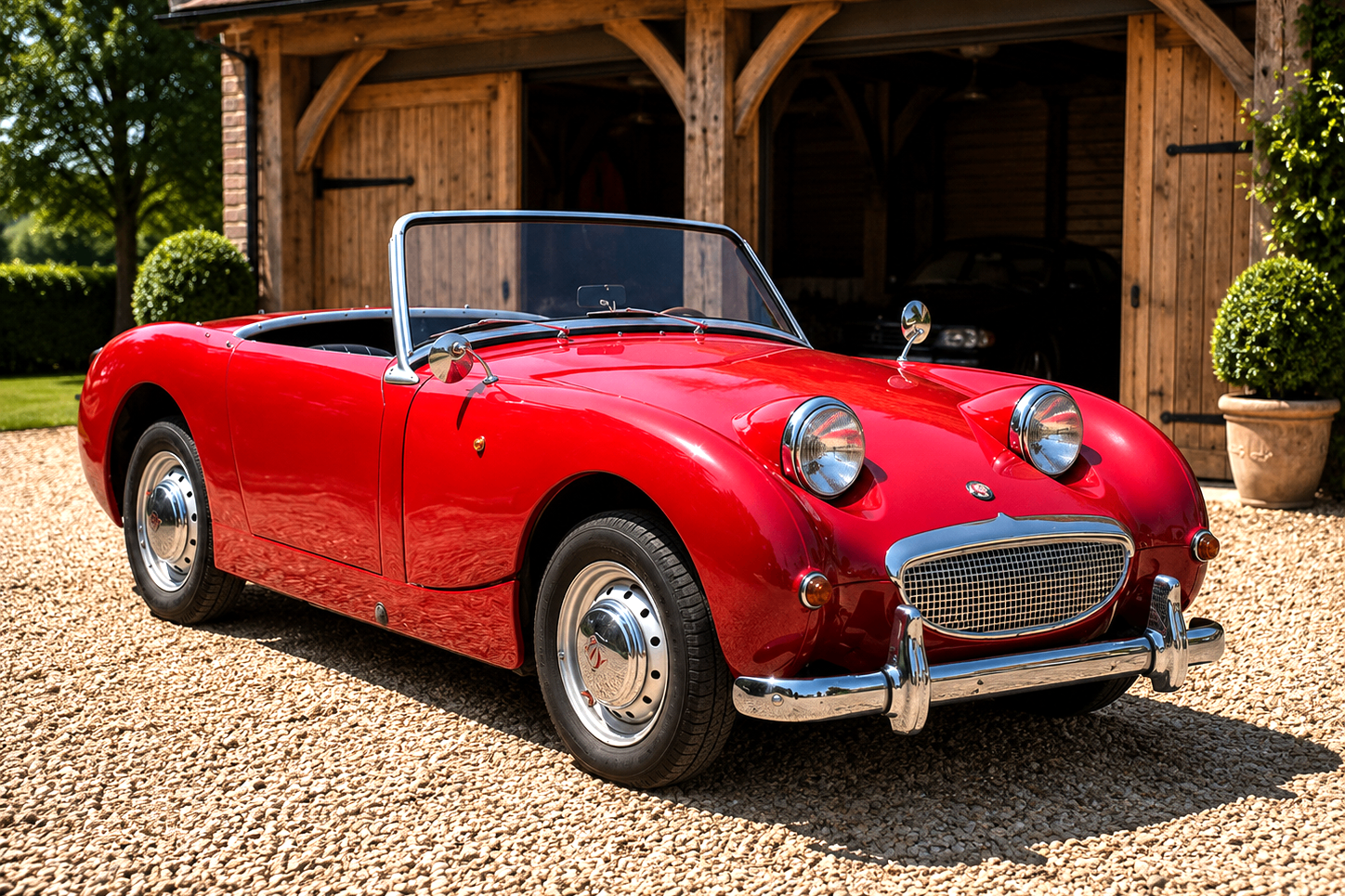
Austin-Healey Sprite Mk I 'Frogeye'
The 948cc BMC 'chap could keep in his bike shed' sports car — the world's first volume-production sports car built on unitary construction, and the founding member of the Spridget family.
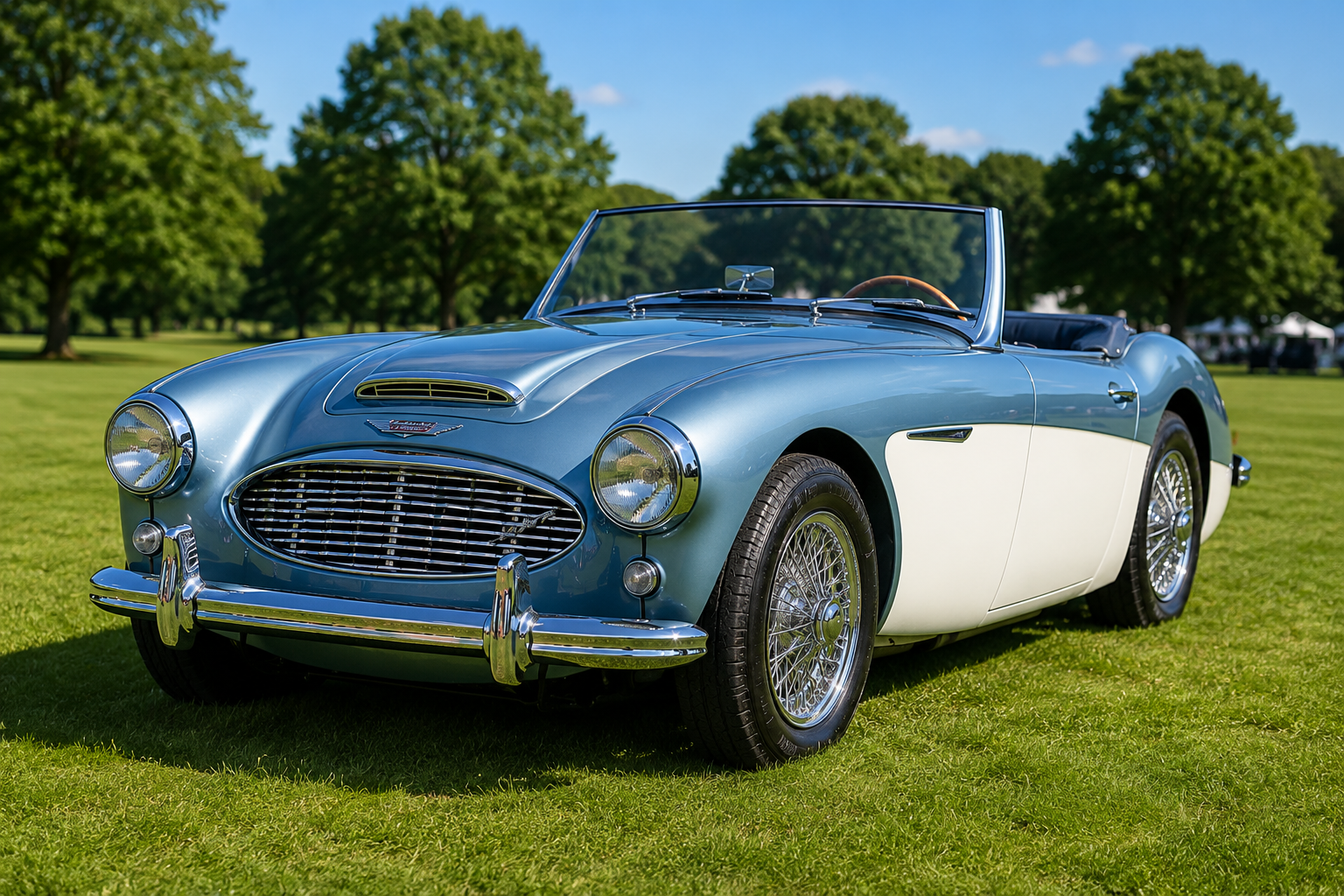
Austin-Healey 3000
The definitive 'big Healey' — BMC's 3-litre inline-six sports car built by Jensen and assembled at Abingdon from 1959 through 1967 across four series and roughly 42,926 cars.
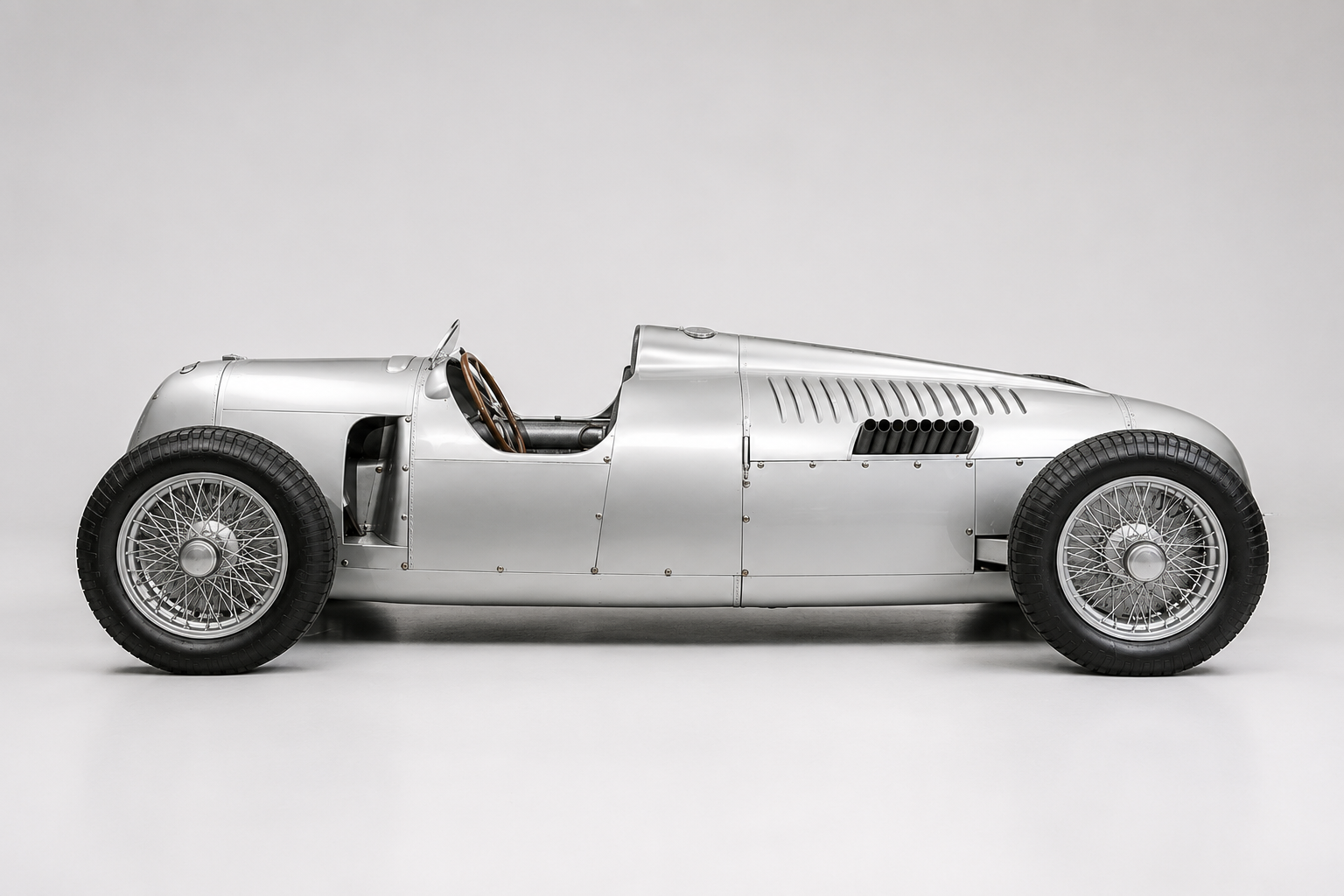
Bentley
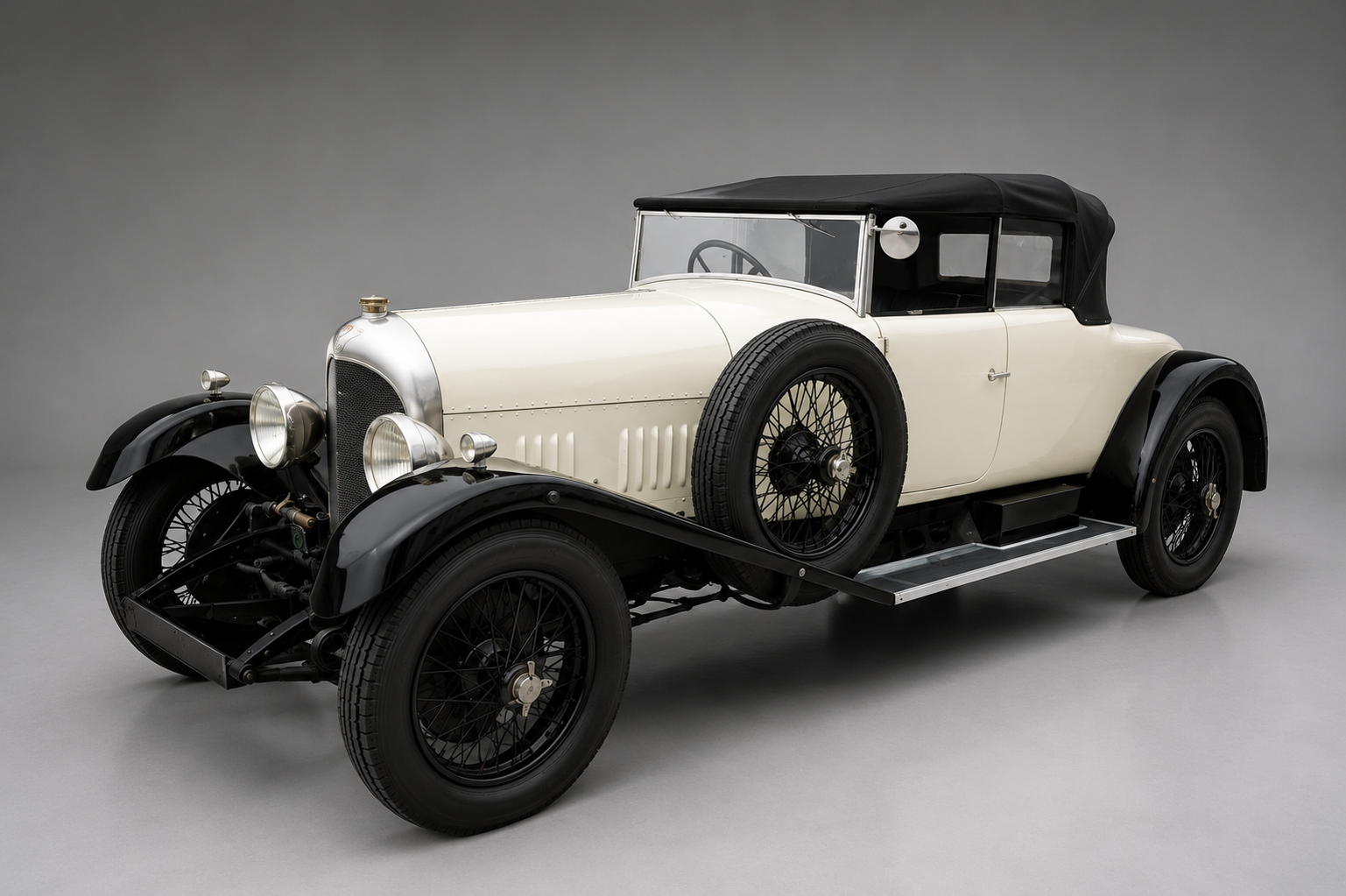
Bentley 3 Litre
W.O. Bentley's founding car — the four-cylinder sports tourer that won Le Mans in 1924 and 1927 and established the marque.
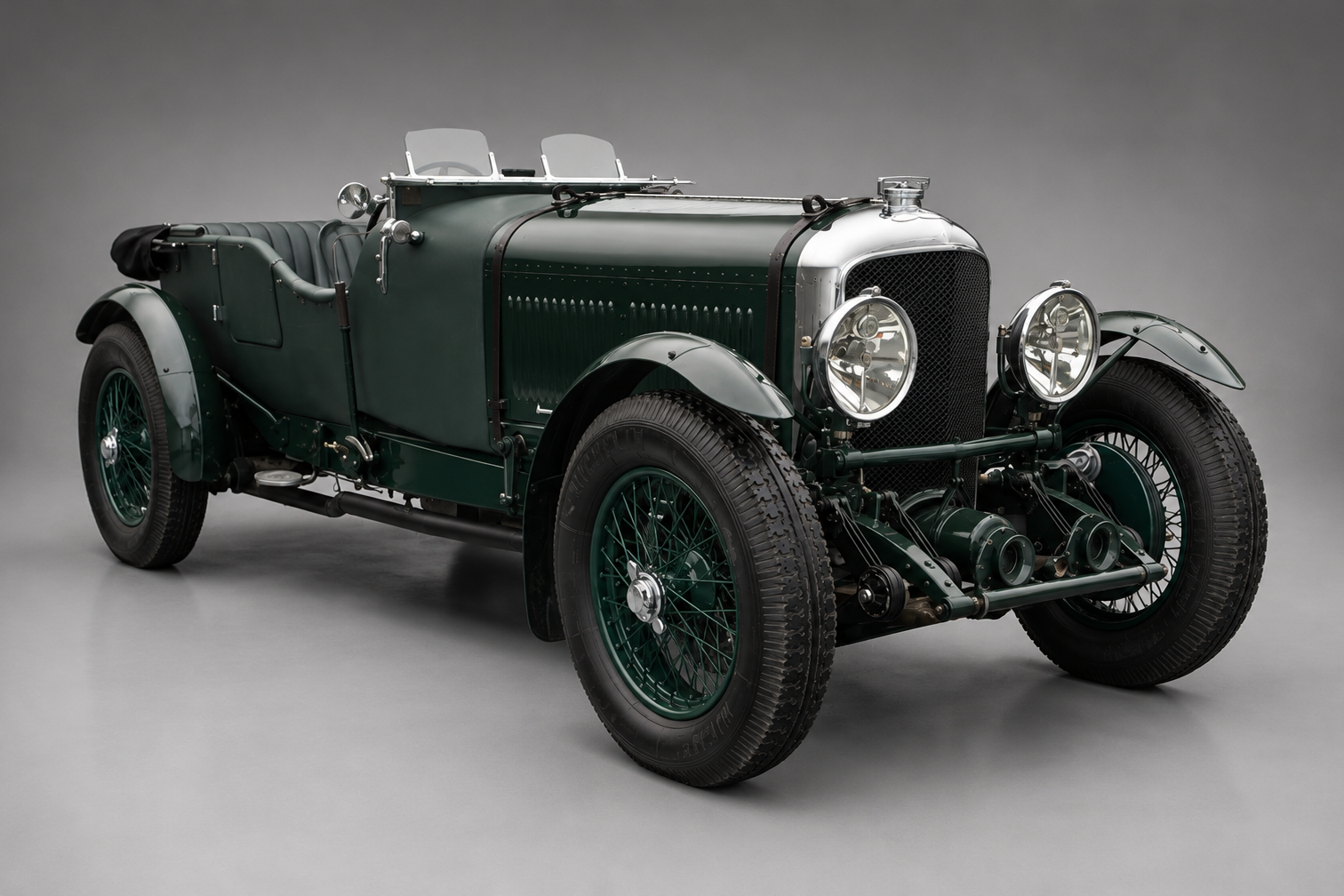
Bentley Speed Six
W.O.'s favourite — the six-cylinder Bentley that won Le Mans in 1929 and 1930 and outshone the Blower on the track.
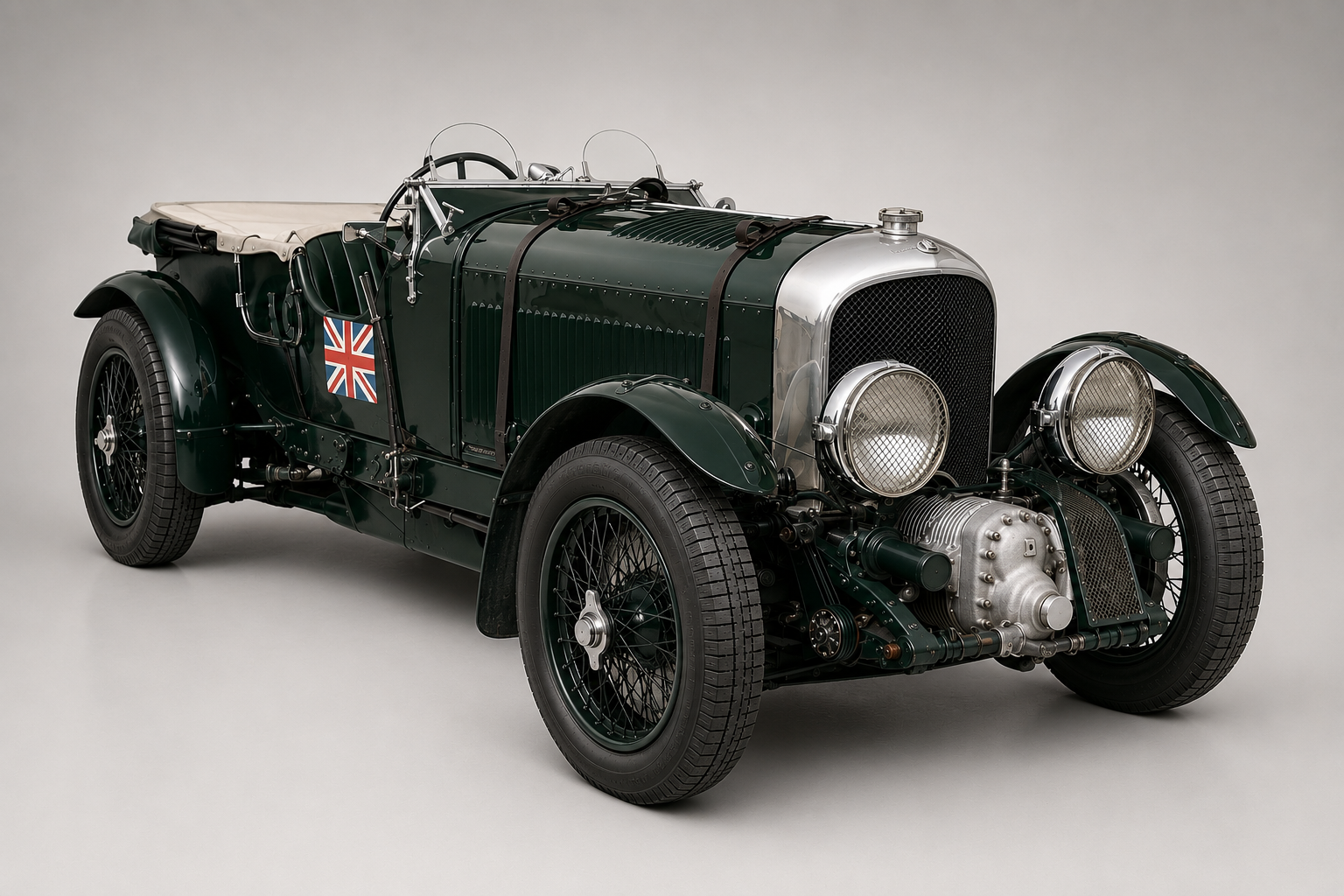
Bentley 4½ Litre Blower
Tim Birkin's supercharged 4½ Litre — the most famous Bentley of the vintage era and a Le Mans icon despite never winning outright.
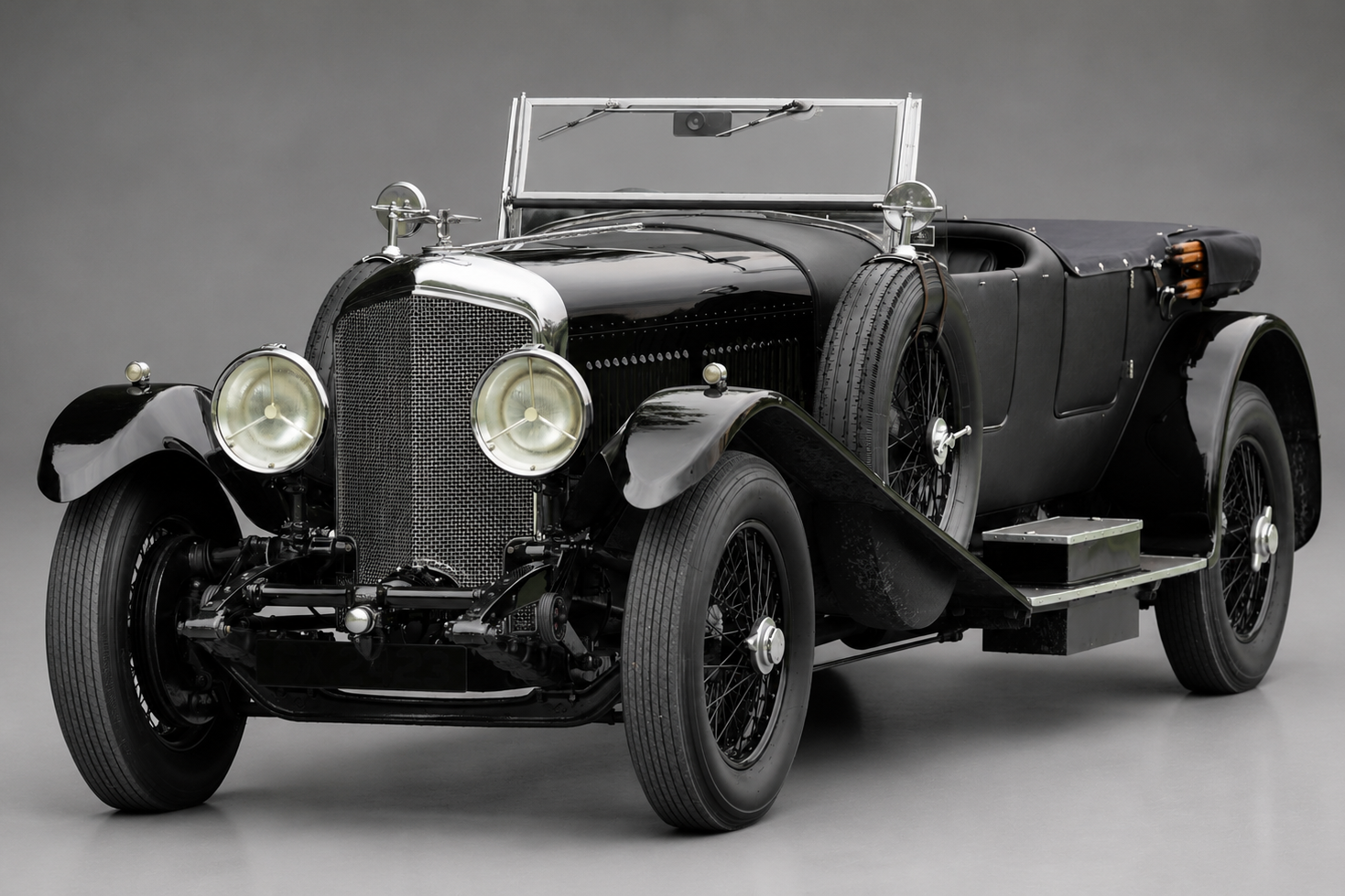
Bentley 8 Litre
W.O. Bentley's last and grandest car — a 100 mph luxury chassis that intended to beat Rolls-Royce on its own ground.
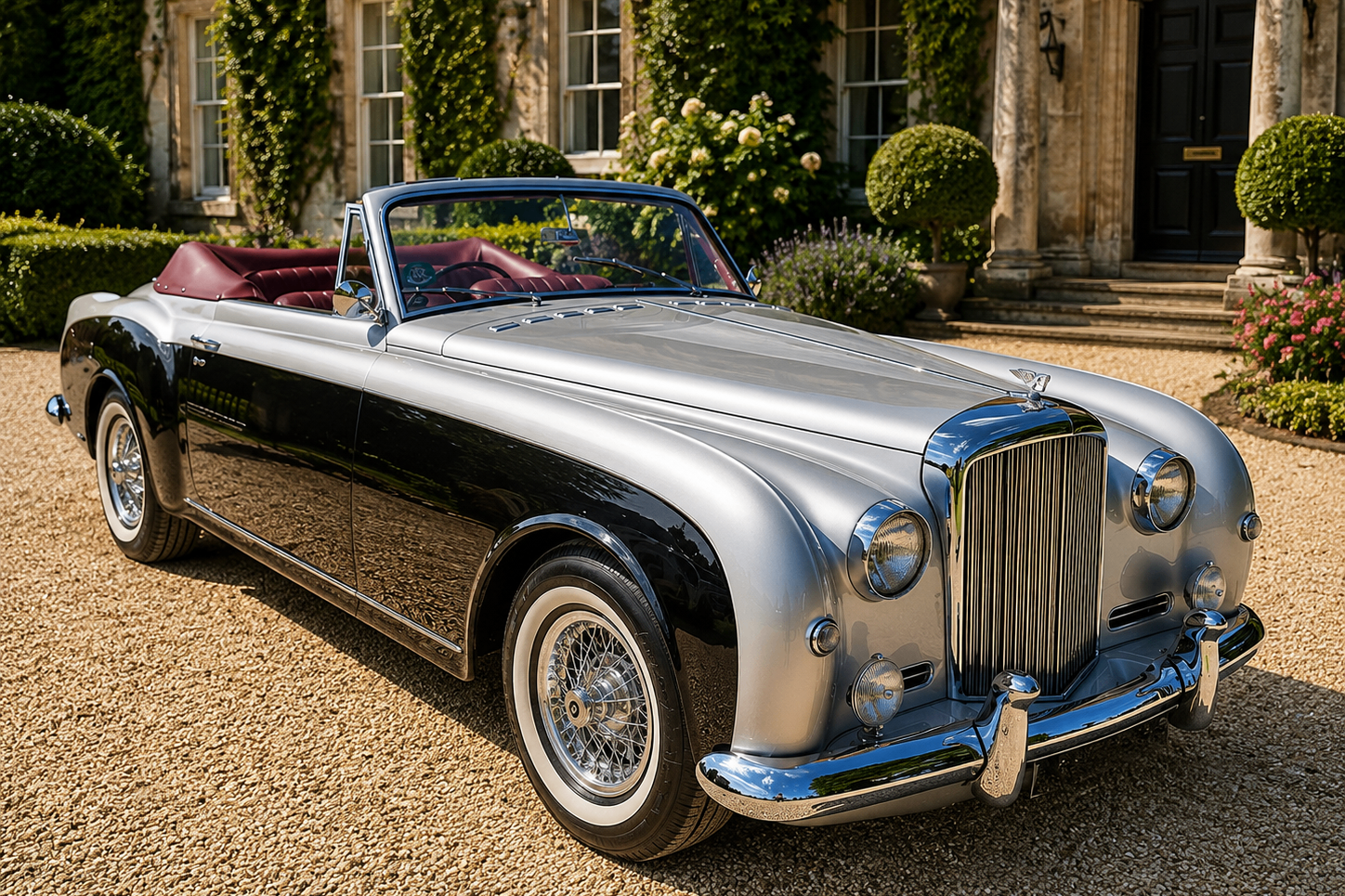
Bentley S1 Continental
The last of the coachbuilt post-war Bentleys — the 4.9-litre inline-six 'C-series' Continental on the S-series chassis, bodied to individual order by H.J. Mulliner, Park Ward, James Young and (rarely) the great Continental European carrossiers.
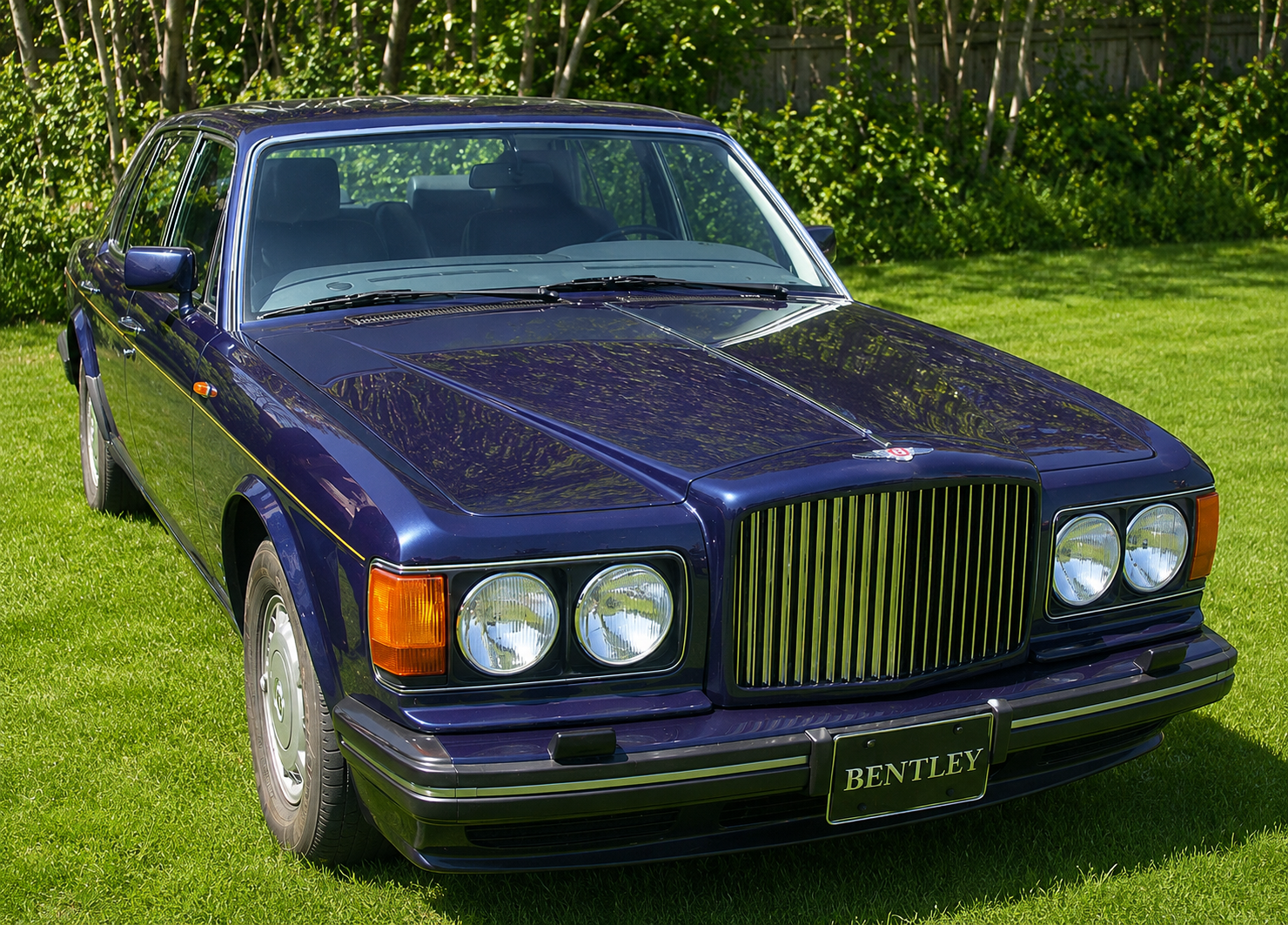
Bentley Turbo R
The car that turned Bentley back into a driver's marque.
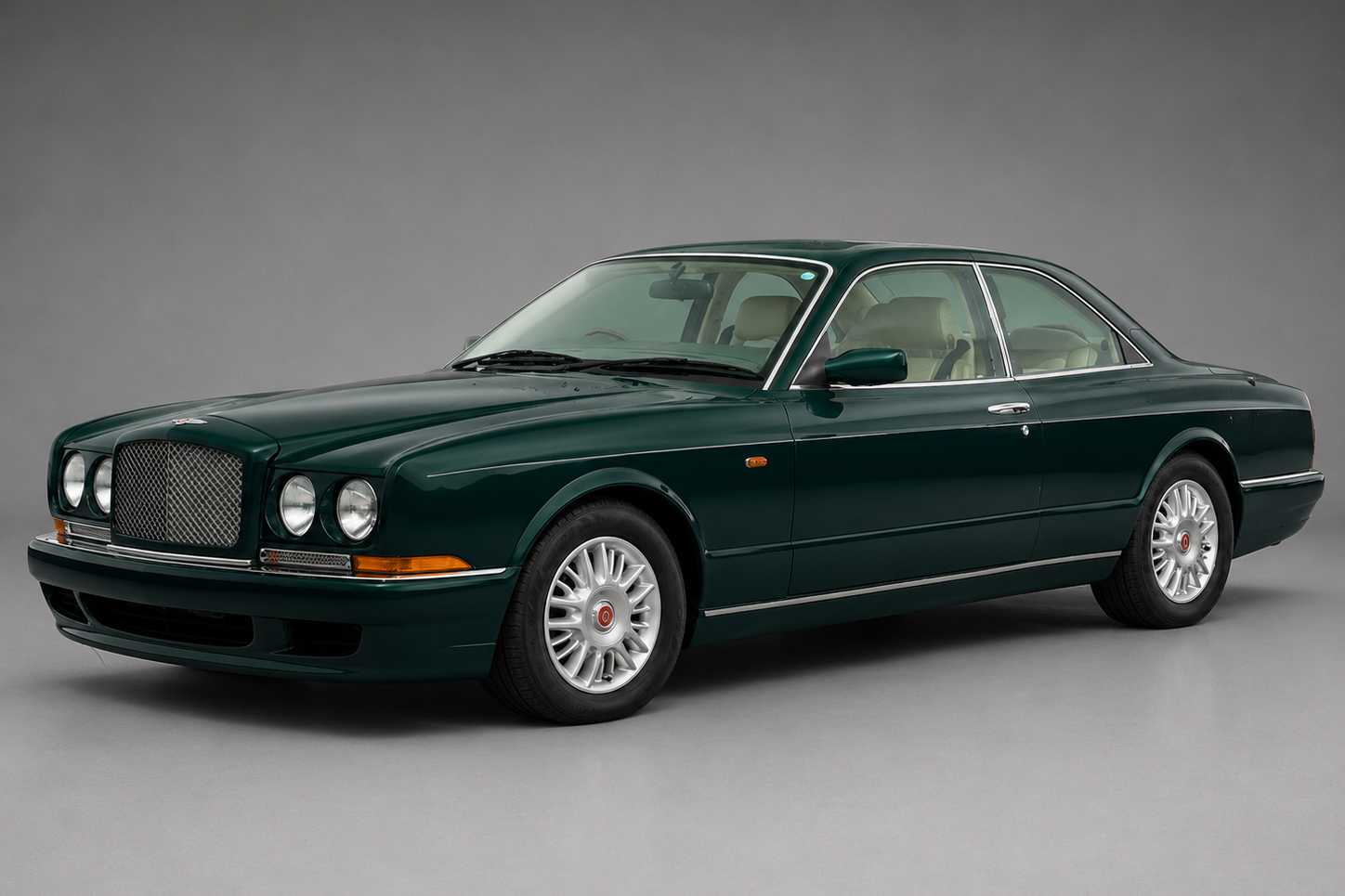
Bentley Continental R
The first two-door Bentley in six decades — and the last hand-built car from Crewe.
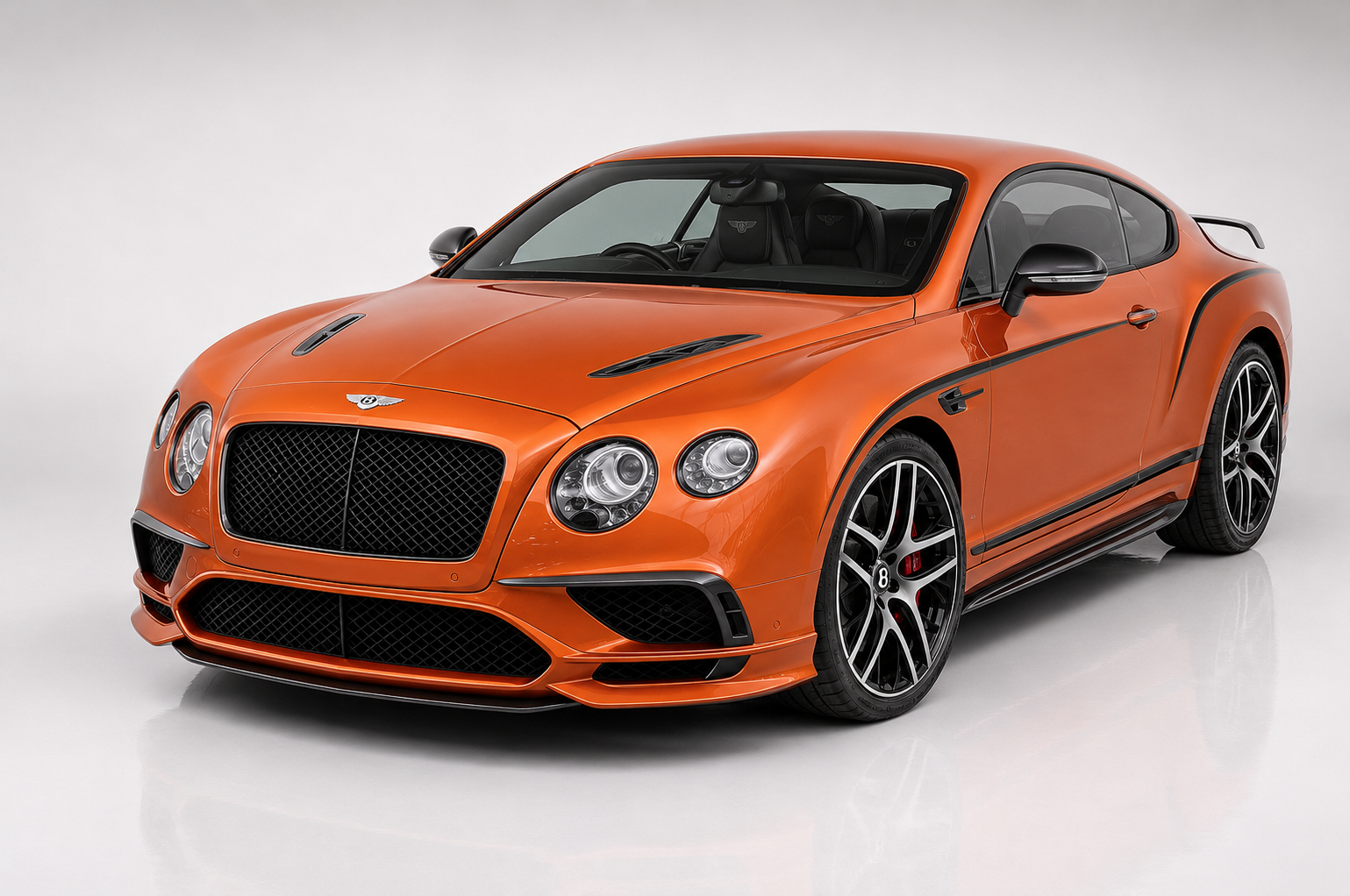
Bentley Continental GT (Mk1)
Twin-turbo W12 grand tourer — the first Volkswagen-era Bentley and the founding modern Continental.
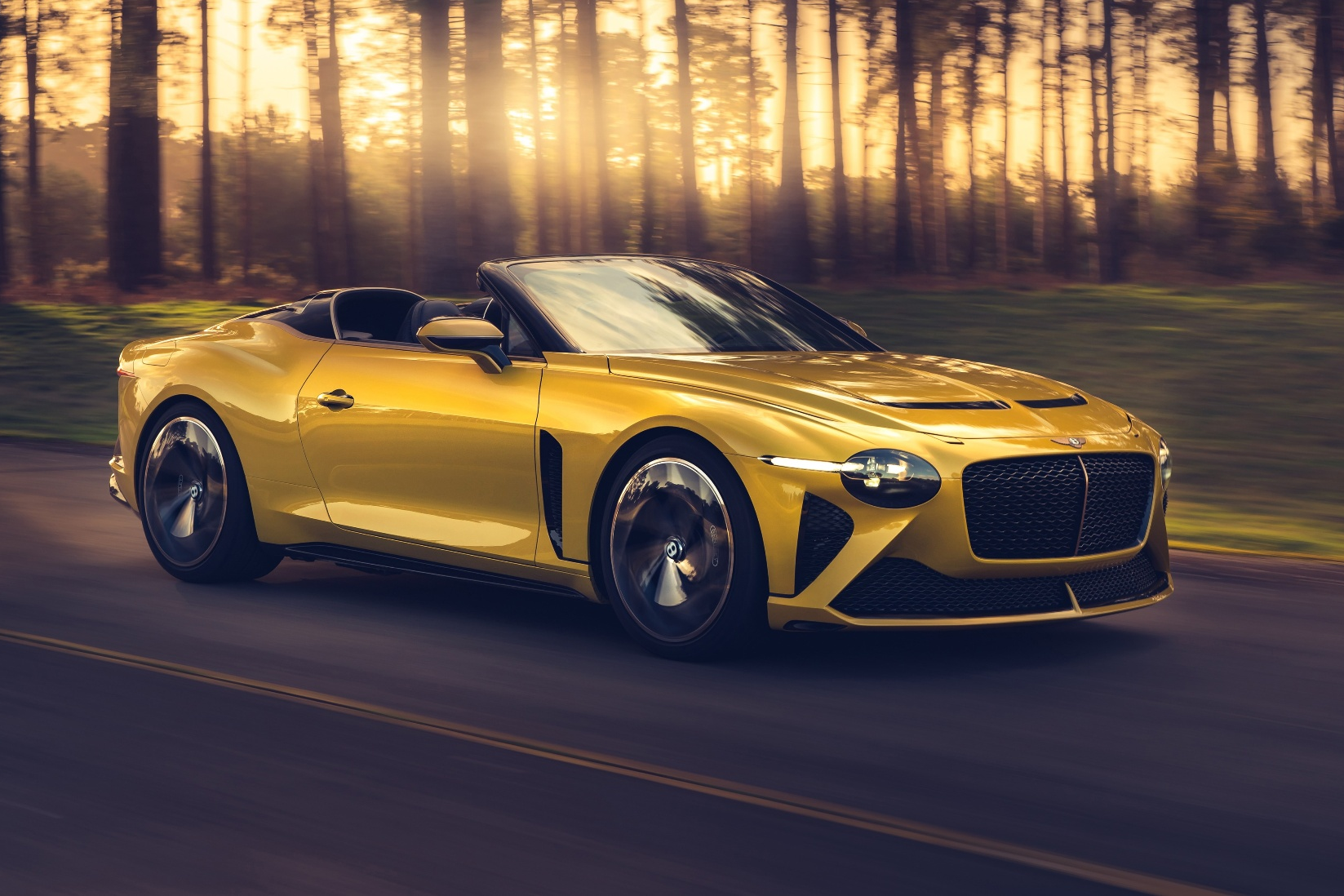
Bentley Mulliner Bacalar
The first coachbuilt Bentley in over eighty years — a two-seat, roofless, W12 barchetta built by Mulliner in a run of just twelve cars.
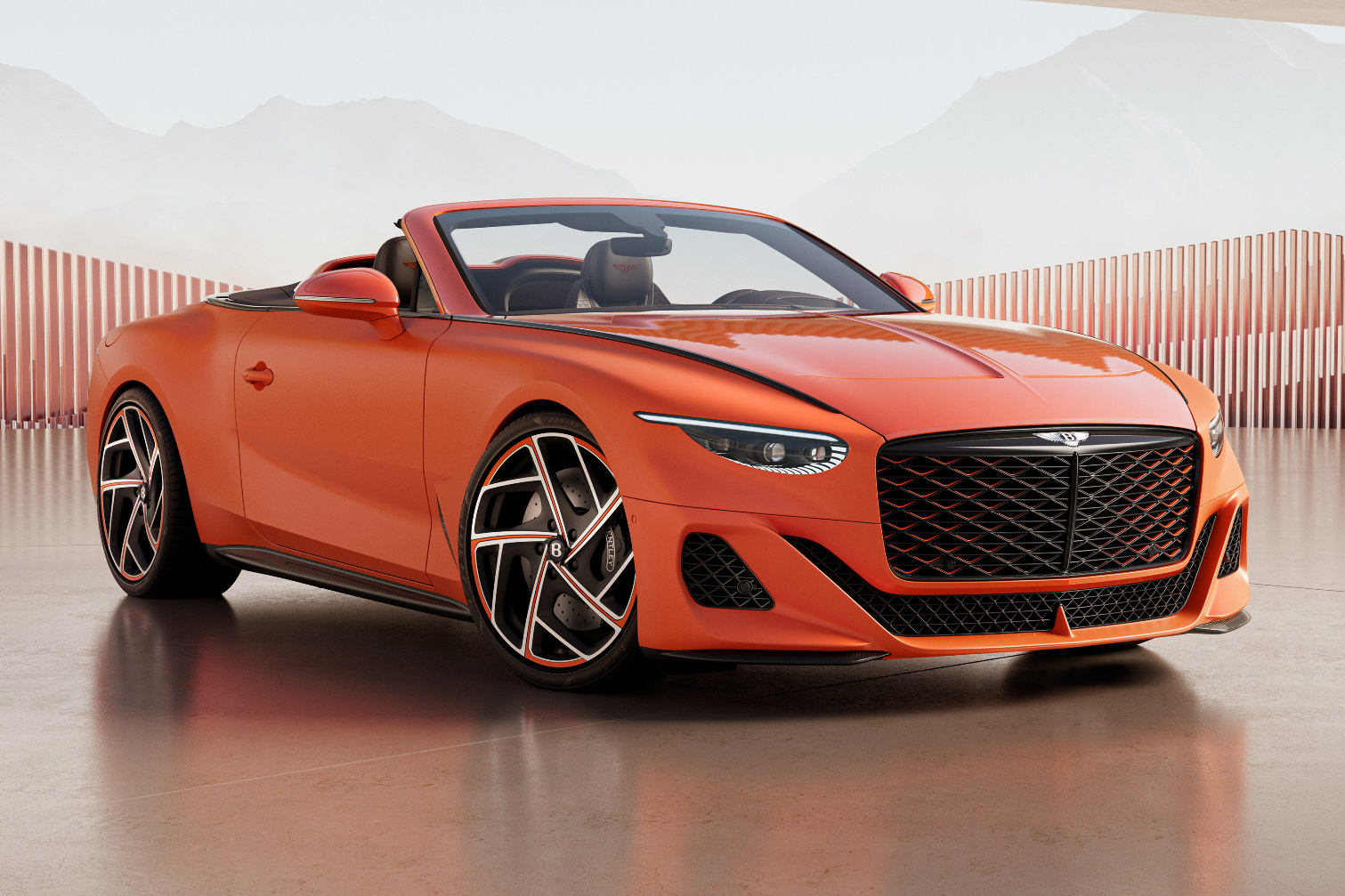
Bentley Mulliner Batur
The second modern coachbuilt Bentley — an 18-car W12 coupé plus a subsequent Convertible, and the last hurrah for the twin-turbo W12 at Crewe.
BMW
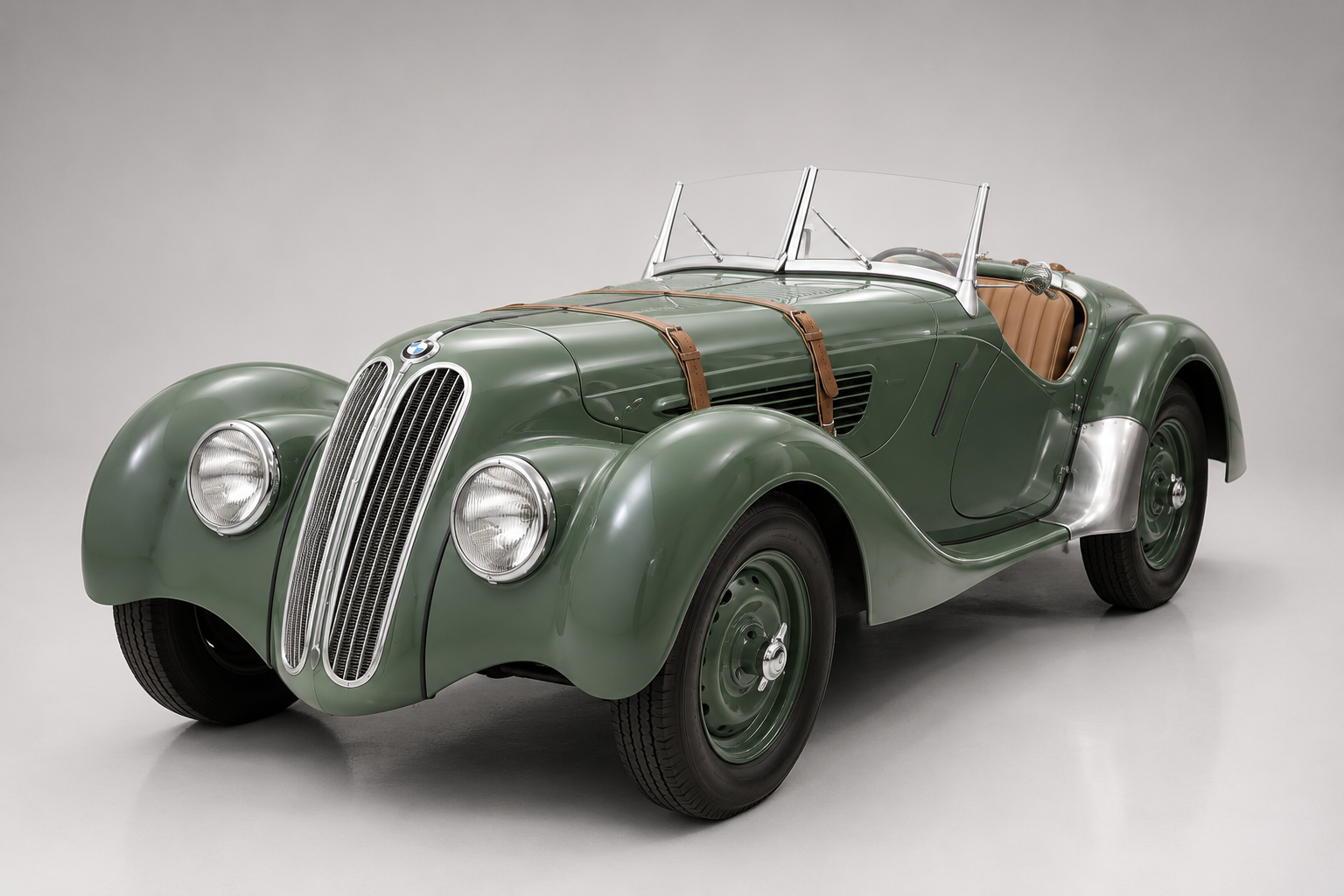
BMW 328
Fritz Fiedler's 2-litre roadster — the cross-pushrod hemi-head six that beat Bugatti and Alfa on power-to-weight and set the template for the post-war sports car.
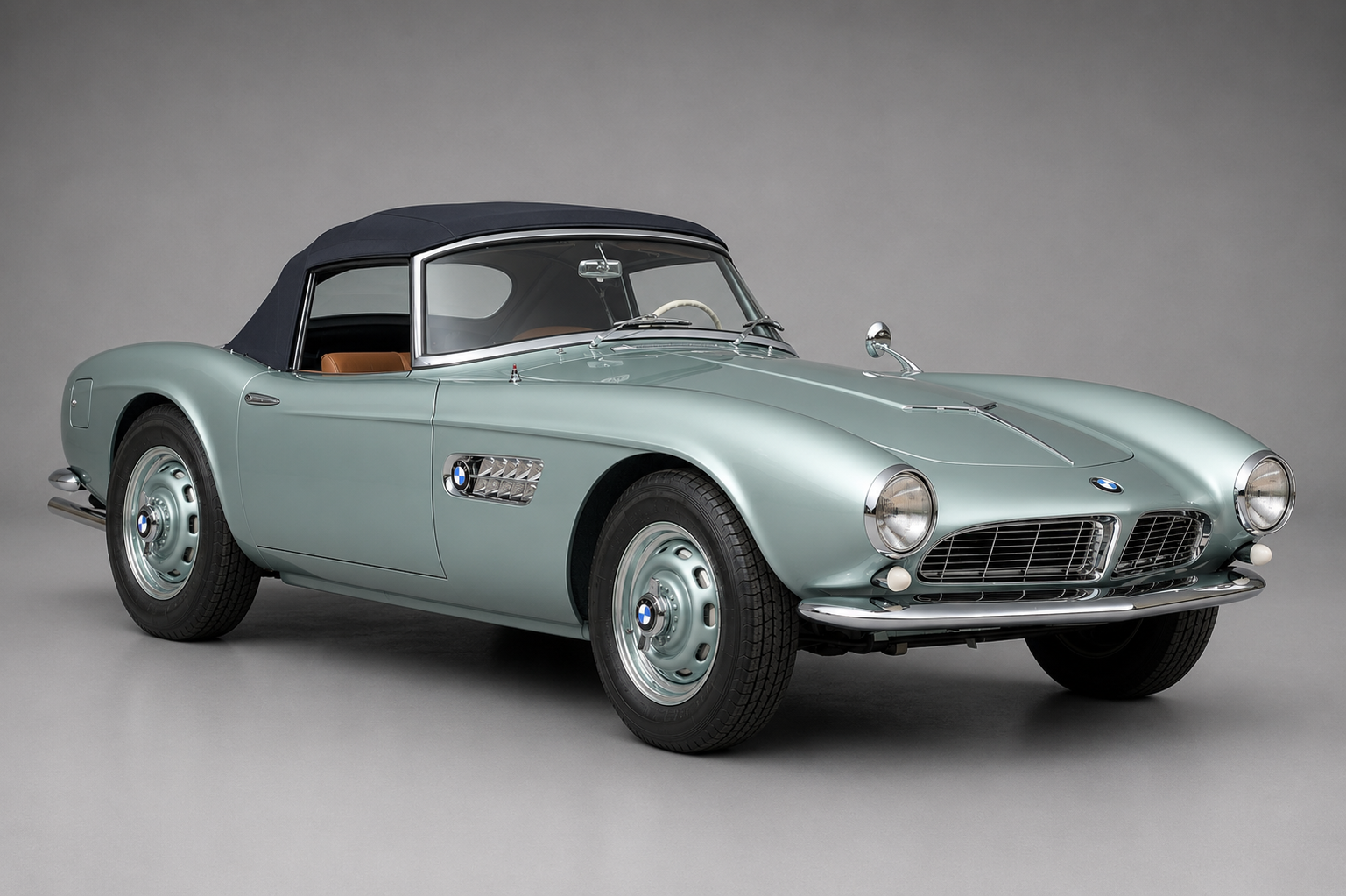
BMW 507 Roadster
Goertz-styled 3.2-litre aluminium-V8 roadster — 252 units that nearly bankrupted BMW.
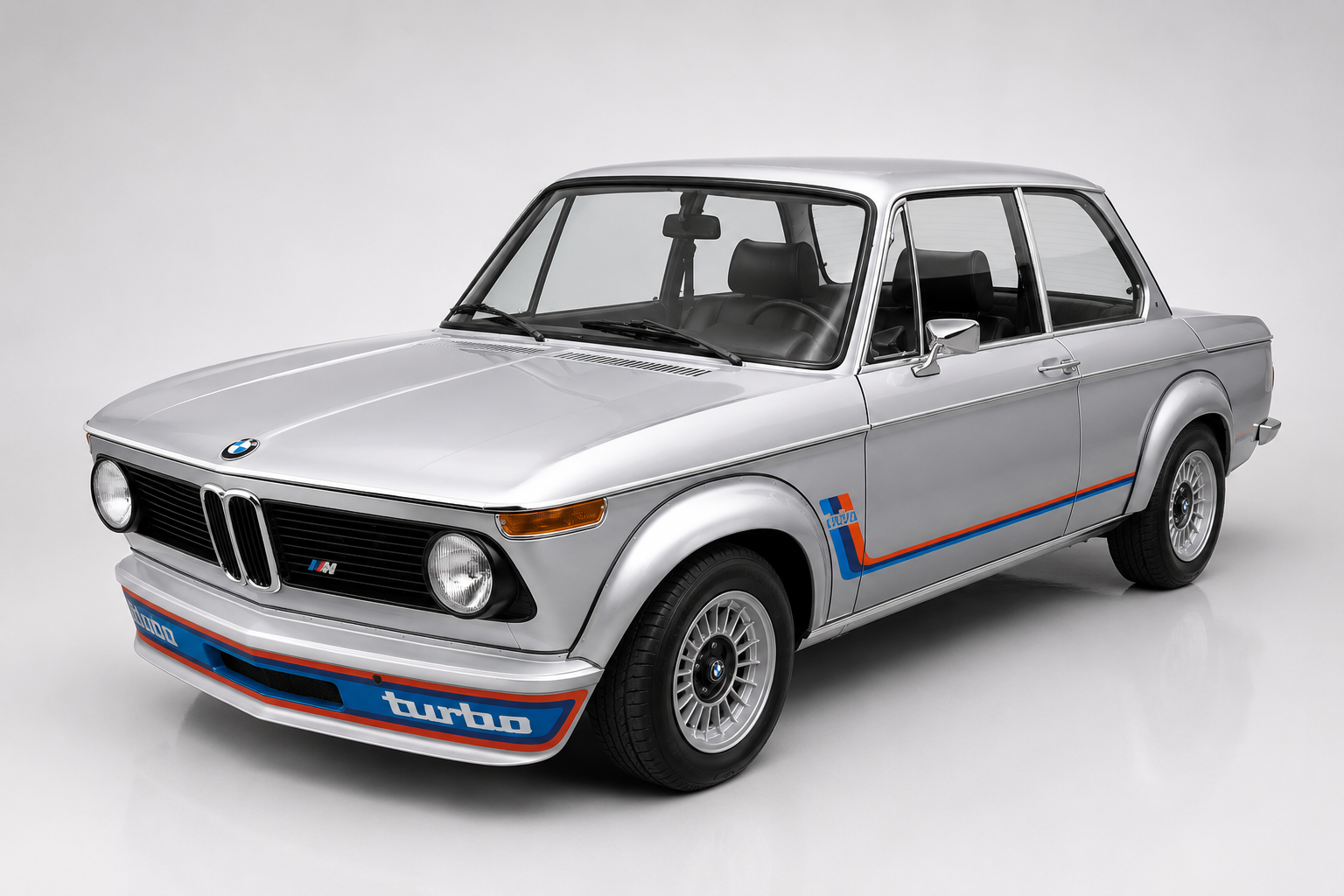
BMW 2002 tii & Turbo
The fuel-injected tii and the turbocharged Turbo — the sporting peak of BMW's 02 Series.
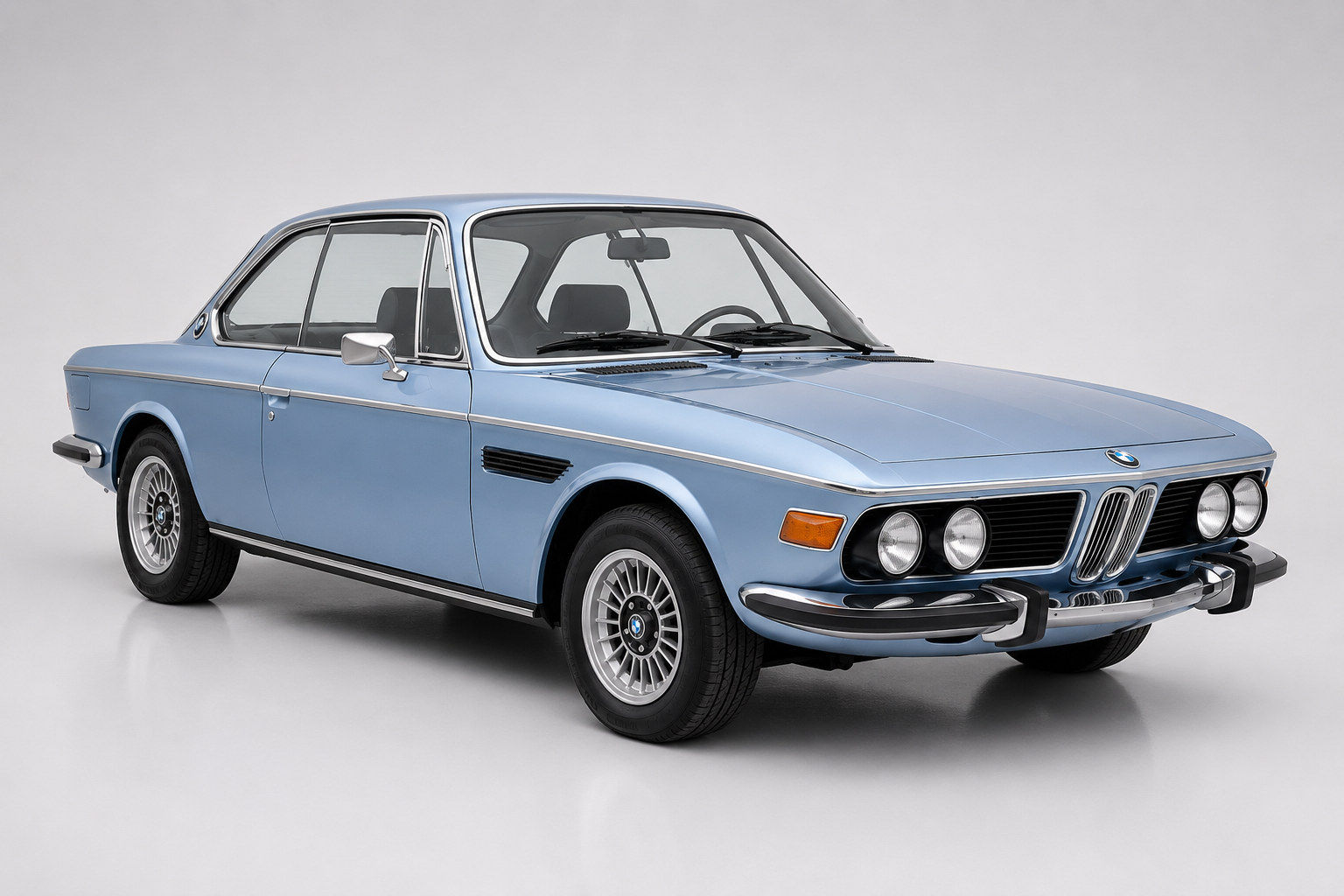
BMW 3.0 CS / CSi (E9)
Karmann-bodied pillarless E9 coupé — the road-going CS/CSi that carried BMW's coupé line to the 6 Series.
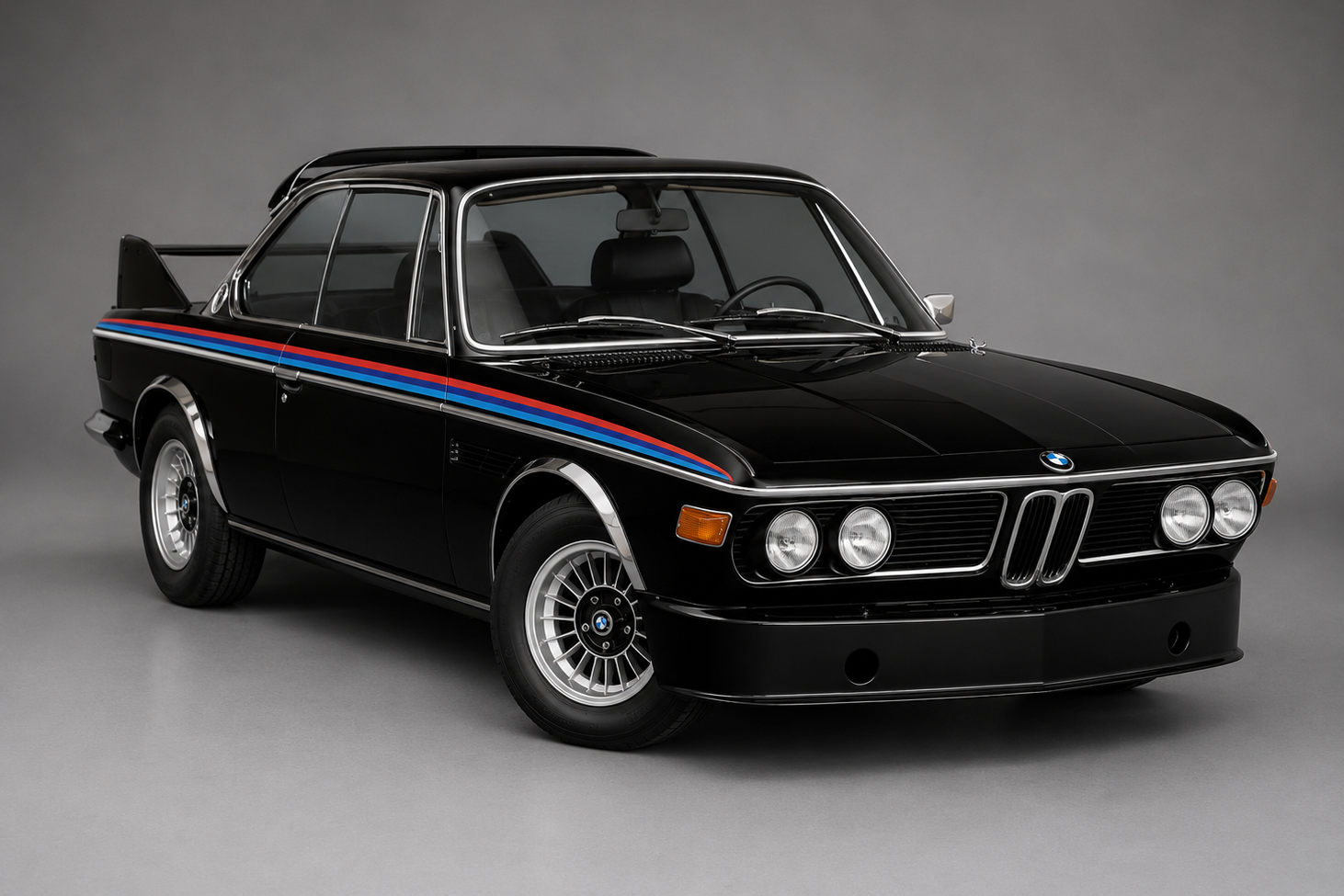
BMW 3.0 CSL
BMW's homologation Batmobile — the 1970s touring-car icon that founded the M division.
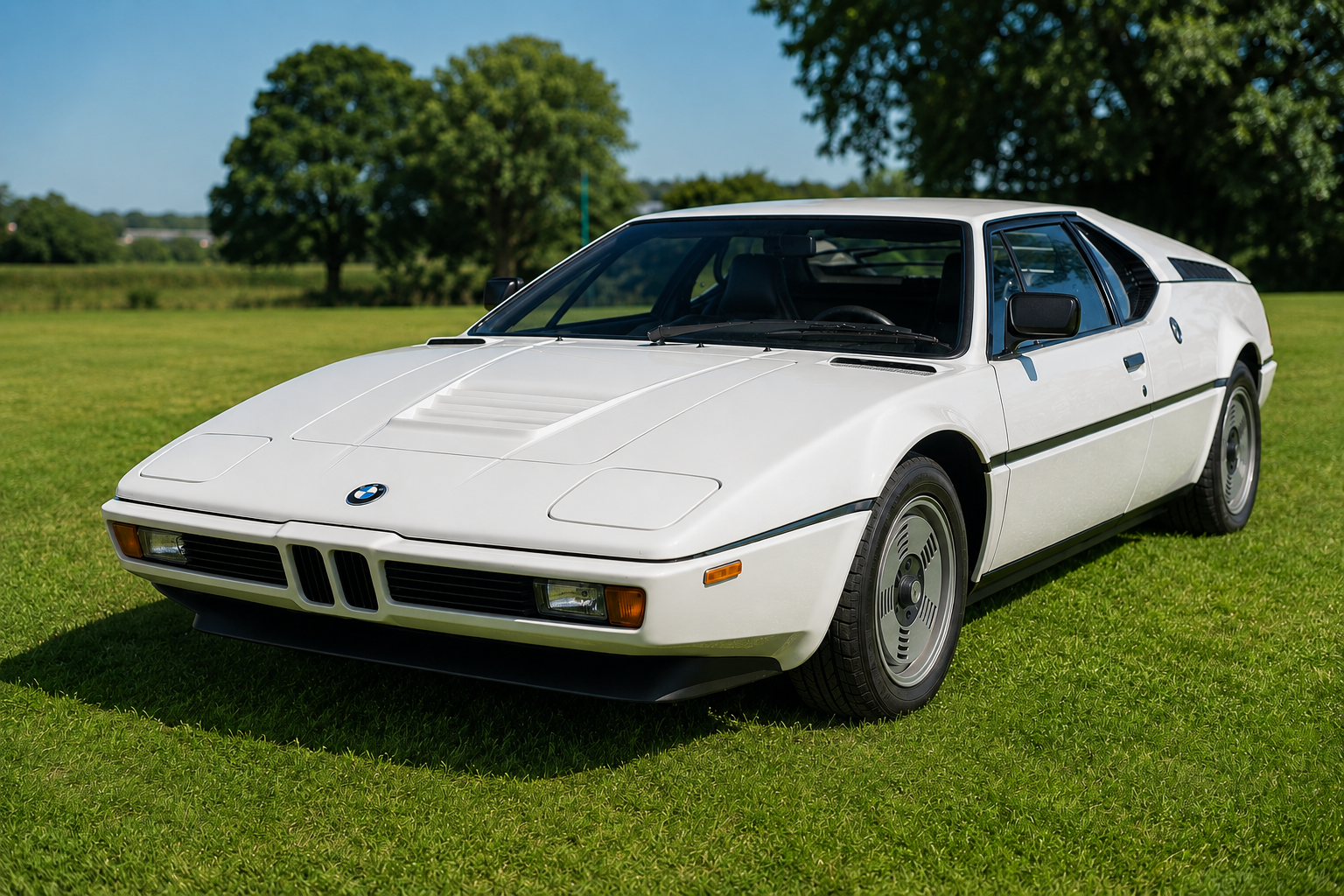
BMW M1
BMW's only mid-engined production car — Giugiaro lines, M88 straight-six, 453 built.
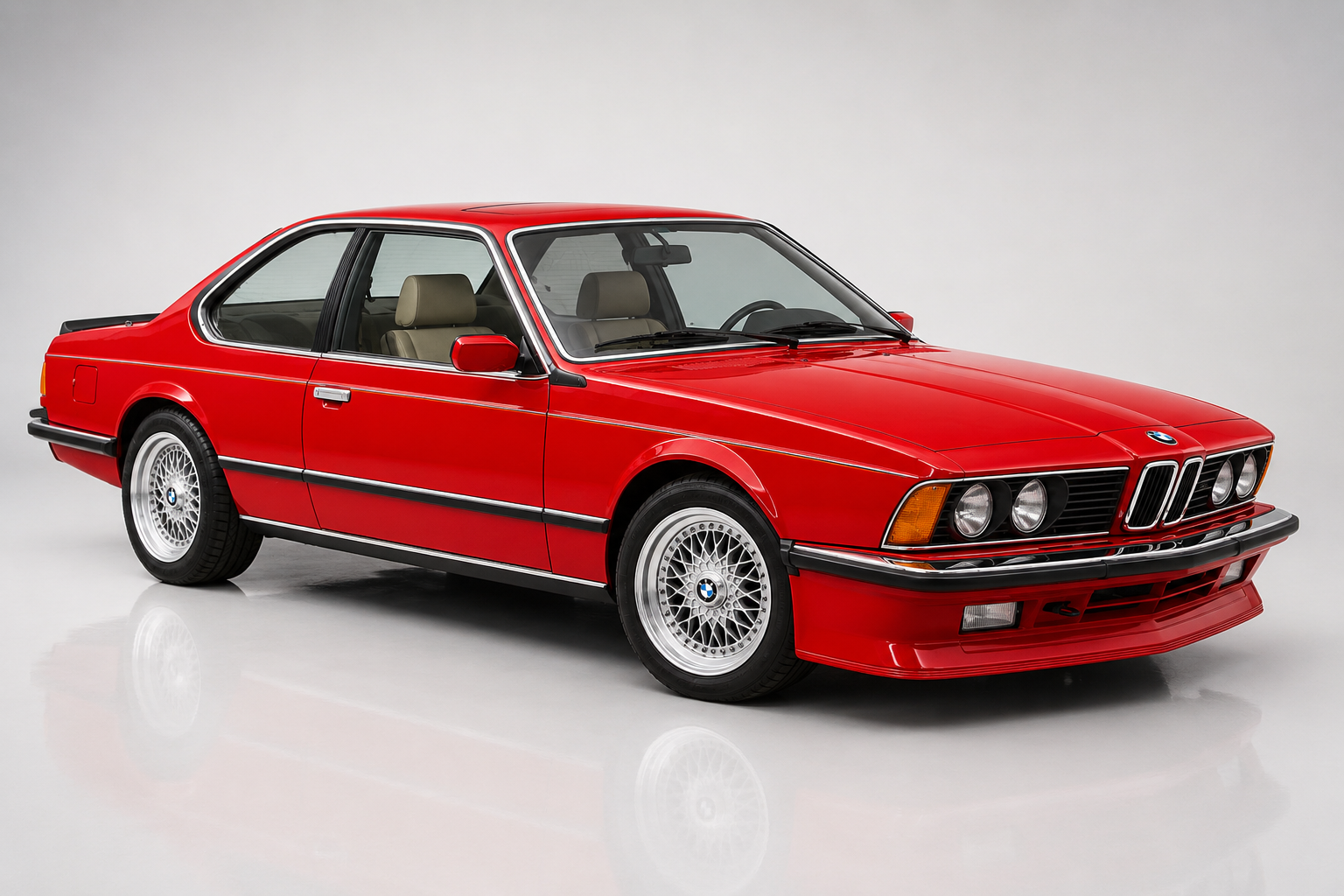
BMW M635CSi (E24)
M Division's first 6 Series — the M88-engined coupe that bridged the M1 and the modern M cars.
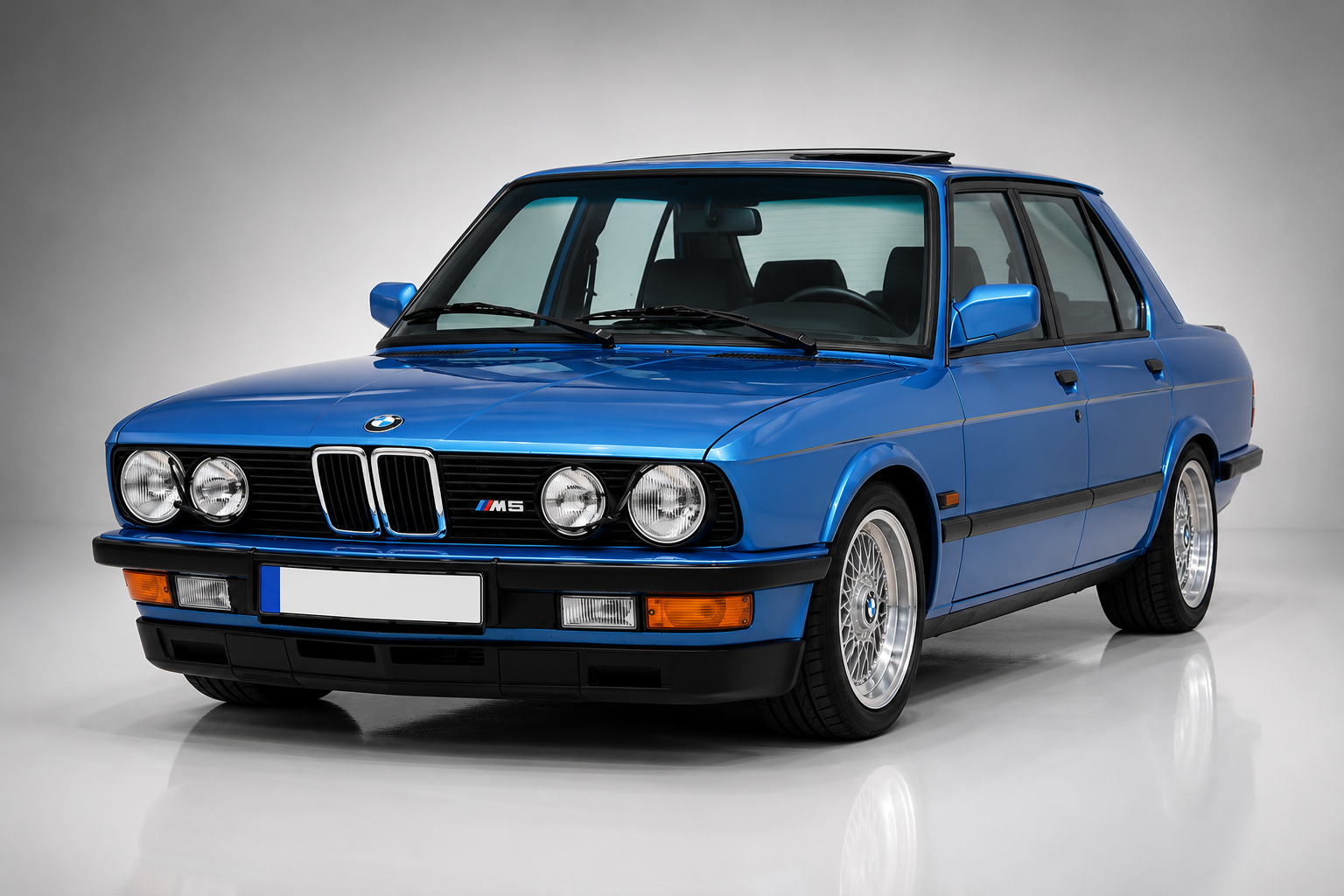
BMW M5 (E28)
The original M5 — M1-derived 3.5-litre straight-six hand-built into a discreet executive saloon.
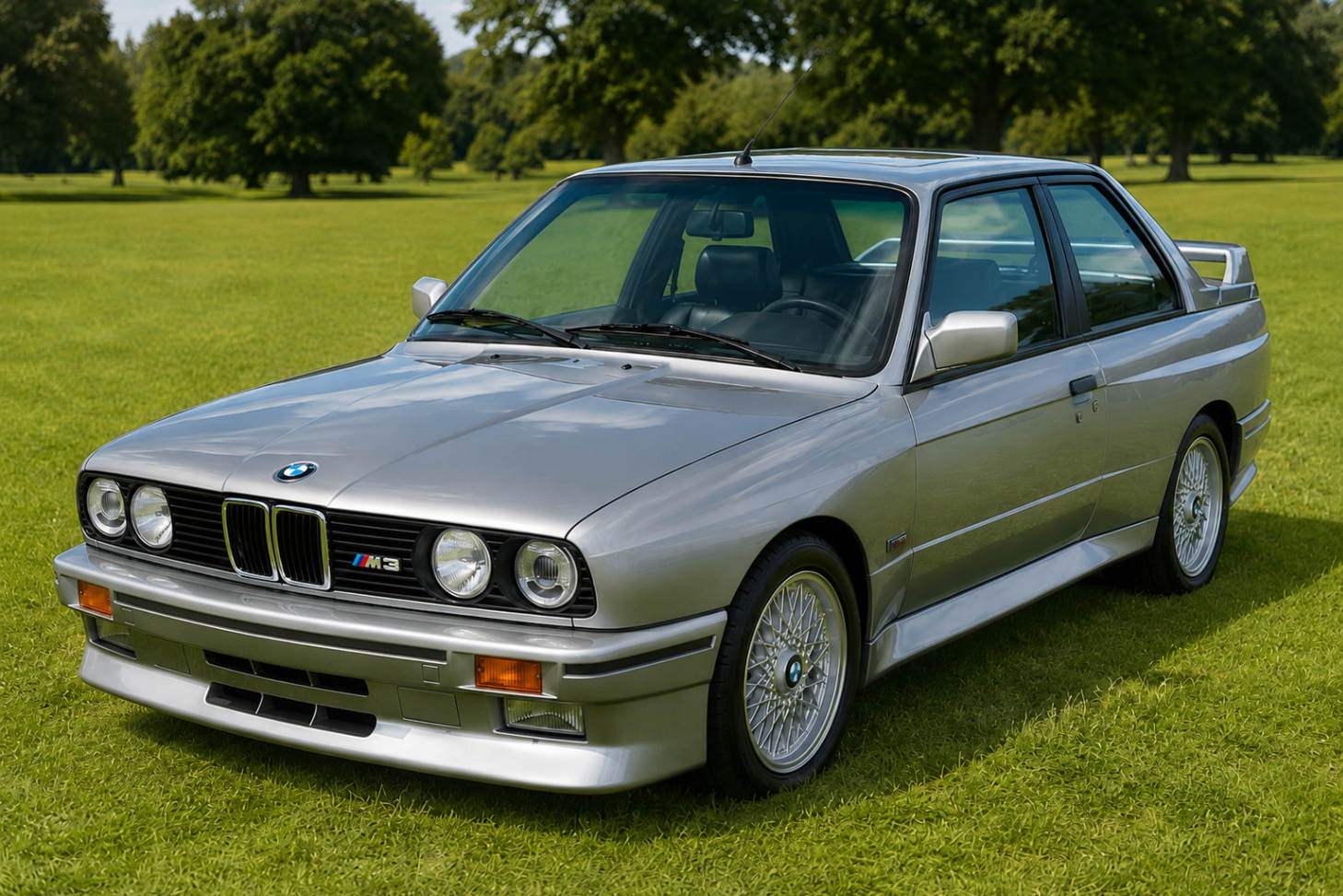
BMW M3 (E30)
The homologation BMW M car whose touring-car pedigree made it a blue-chip modern classic.
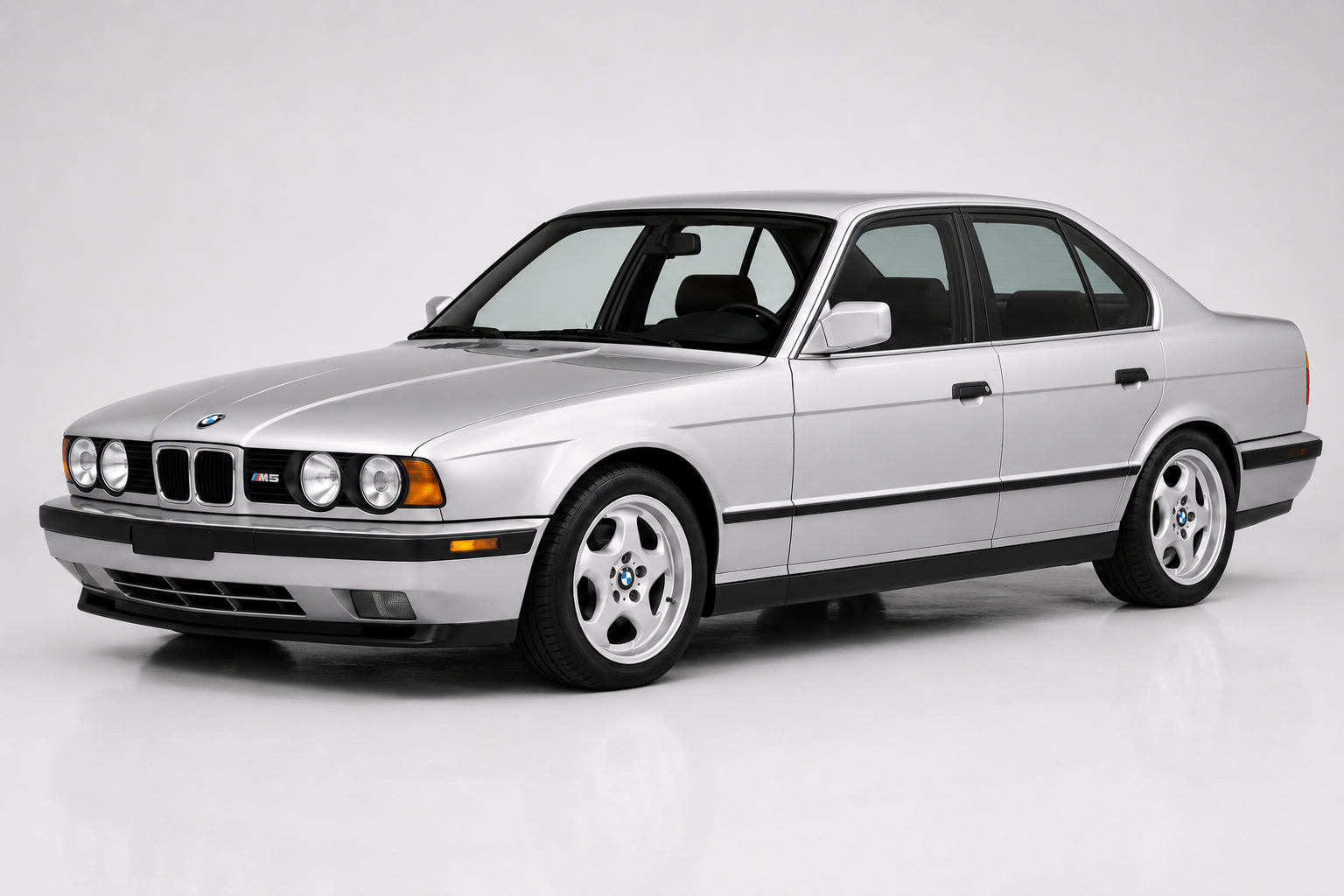
BMW M5 (E34)
The last hand-built, straight-six M5 — and the source of BMW M's first estate.
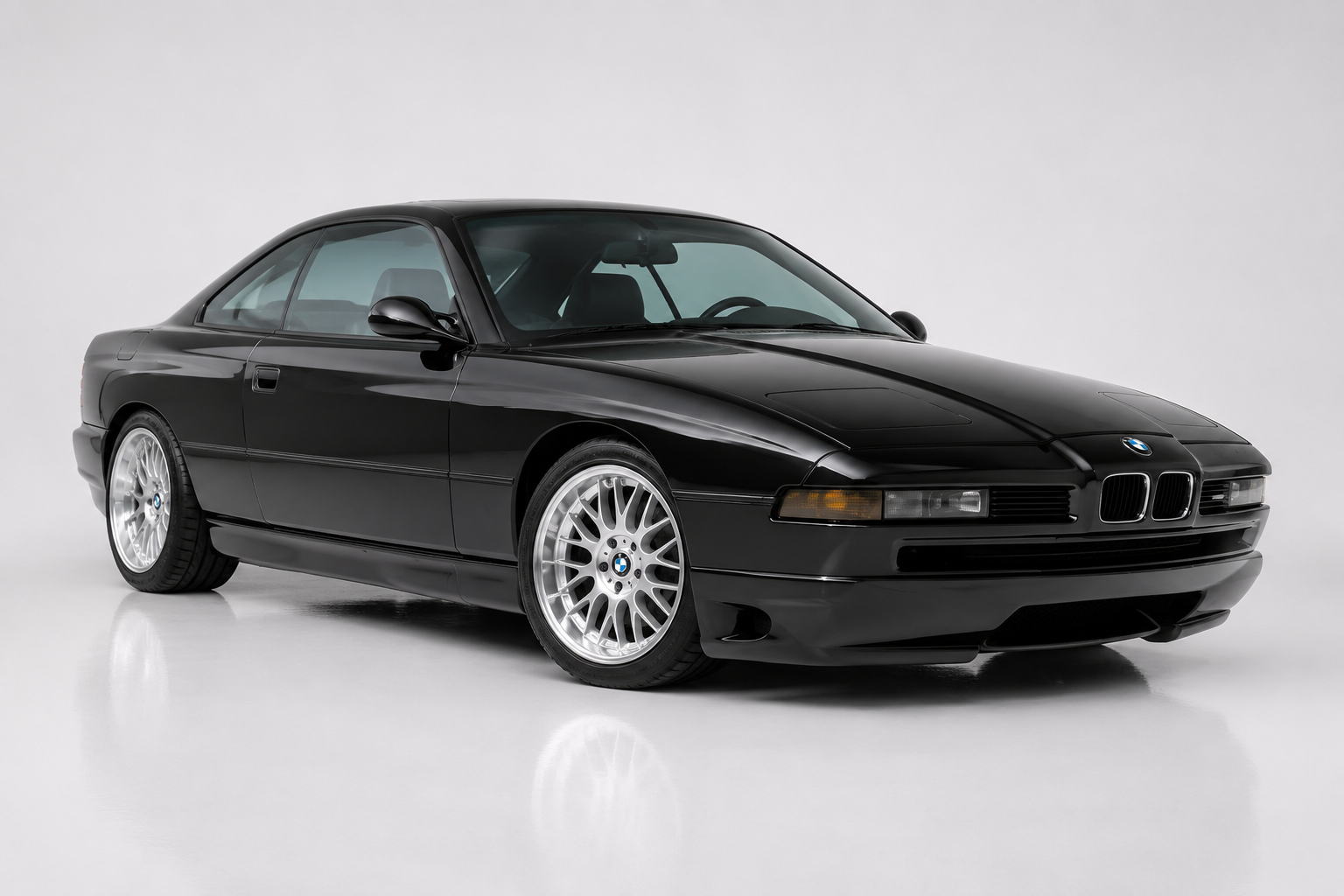
BMW 8 Series (E31)
BMW's V8 and V12 pop-up-headlamp grand tourer of the 1990s — with a Motorsport-developed range-topper.
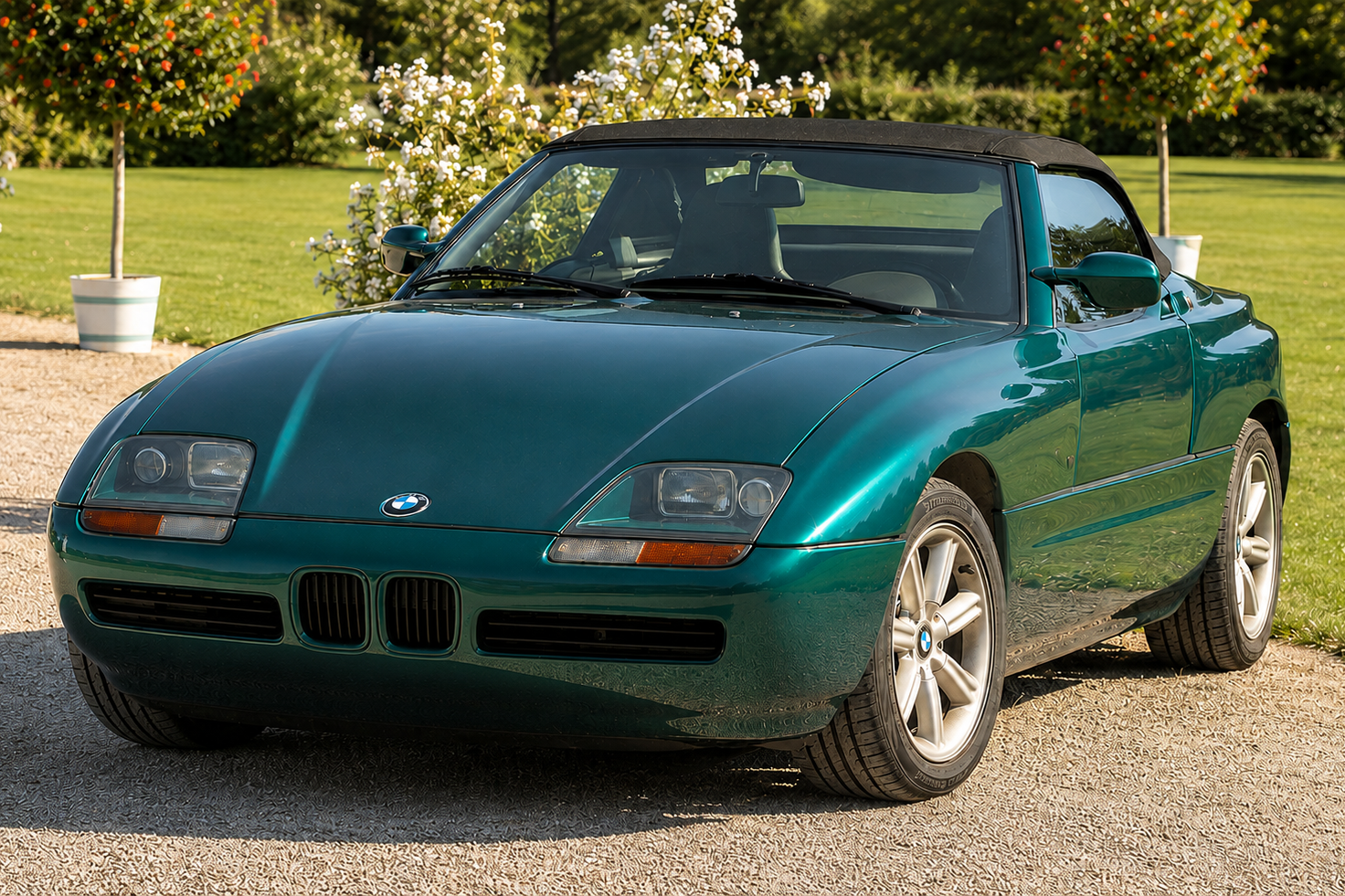
BMW Z1
BMW Technik's drop-door roadster — composite skin, multi-link rear, M20 inline-six.
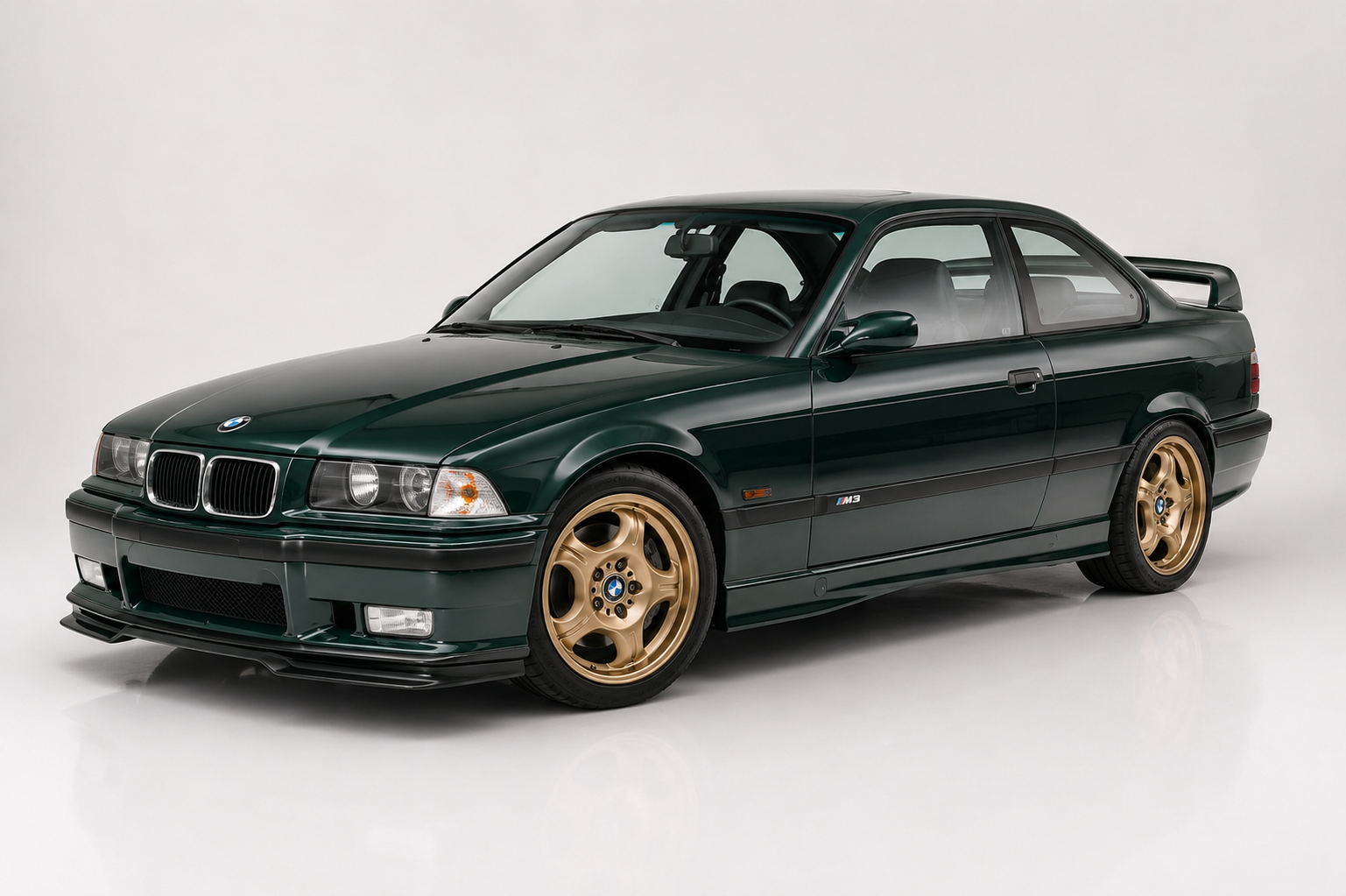
BMW M3 (E36)
The M3 that traded homologation purity for everyday usability — long underrated, now firmly collectible.
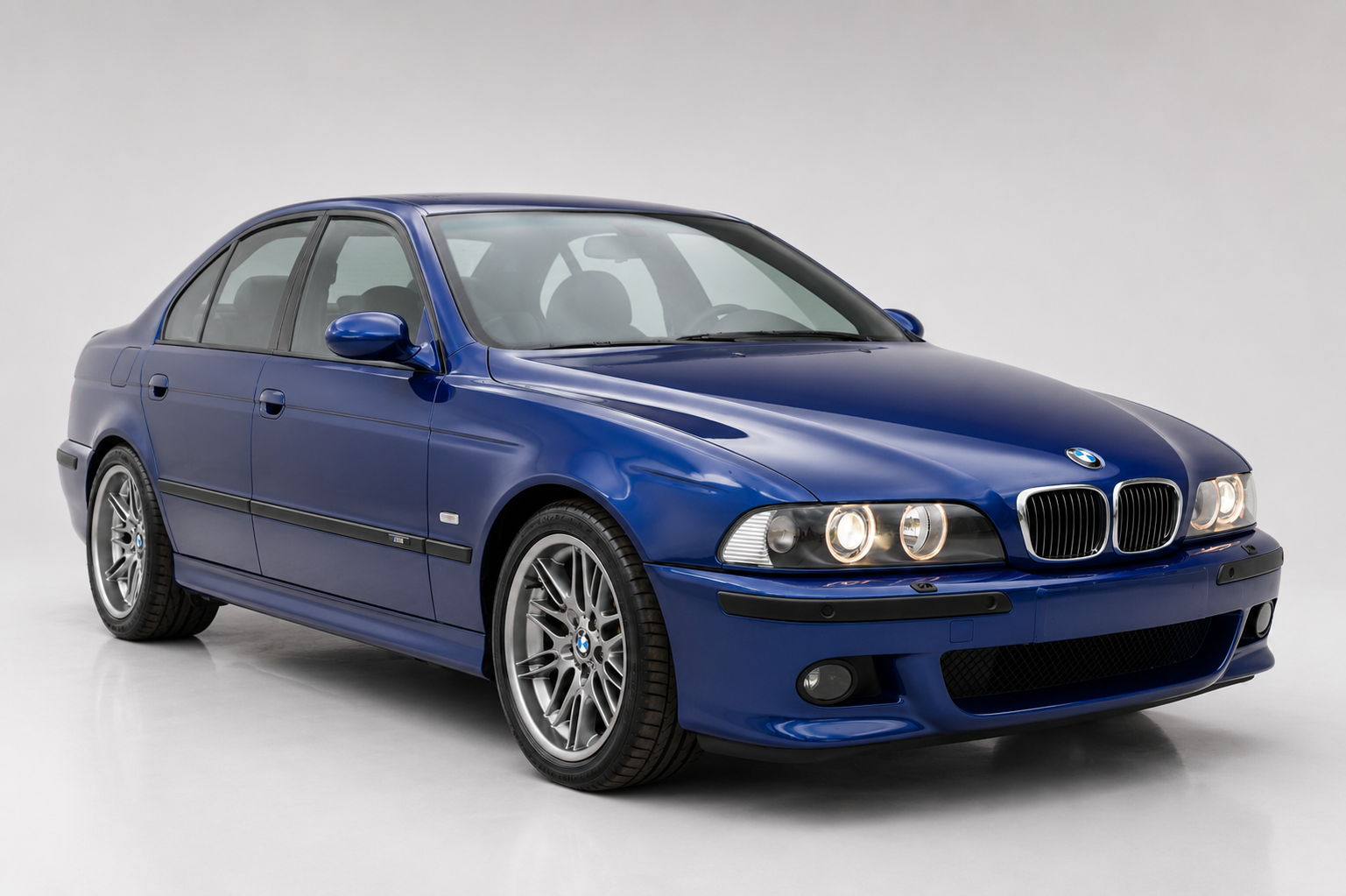
BMW M5 (E39)
The benchmark M5 — naturally-aspirated 4.9-litre V8, manual gearbox, and the high-water mark for the executive super-saloon.
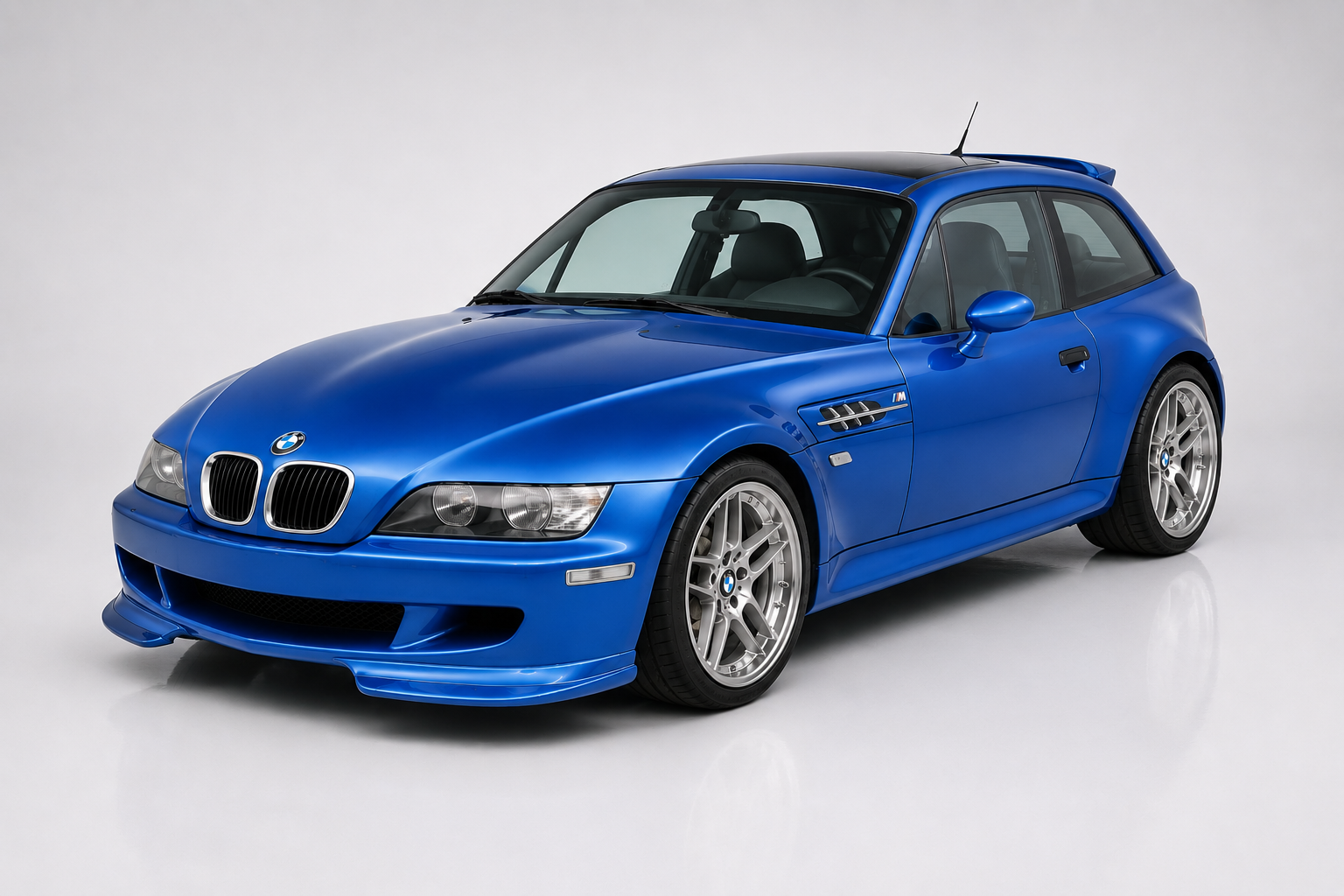
BMW Z3 M Coupé
The "Clownshoe" — BMW M's cult shooting-brake with a straight-six punch.
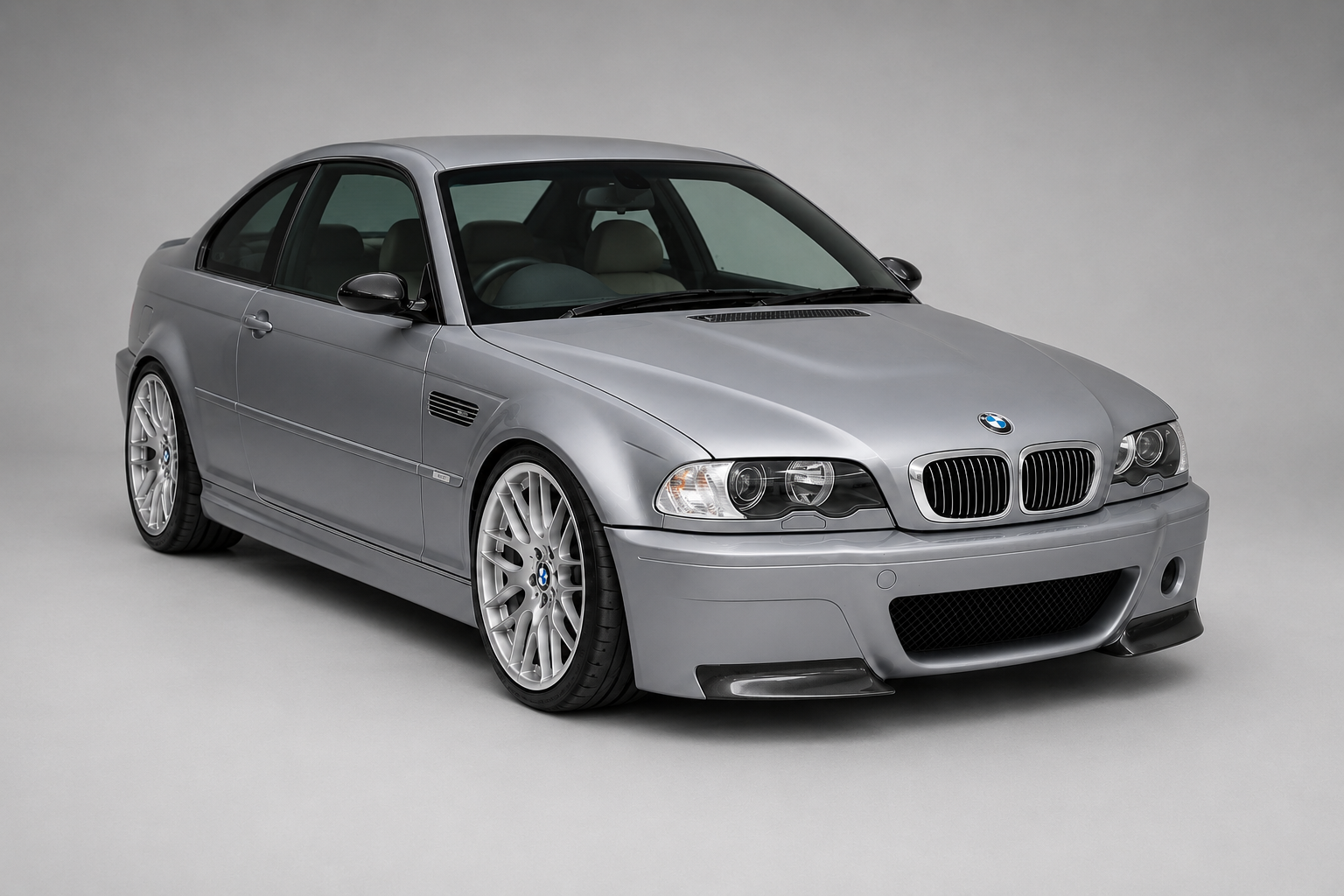
BMW M3 (E46)
The last naturally-aspirated straight-six M3 — and the benchmark Motorsport BMW of its era.
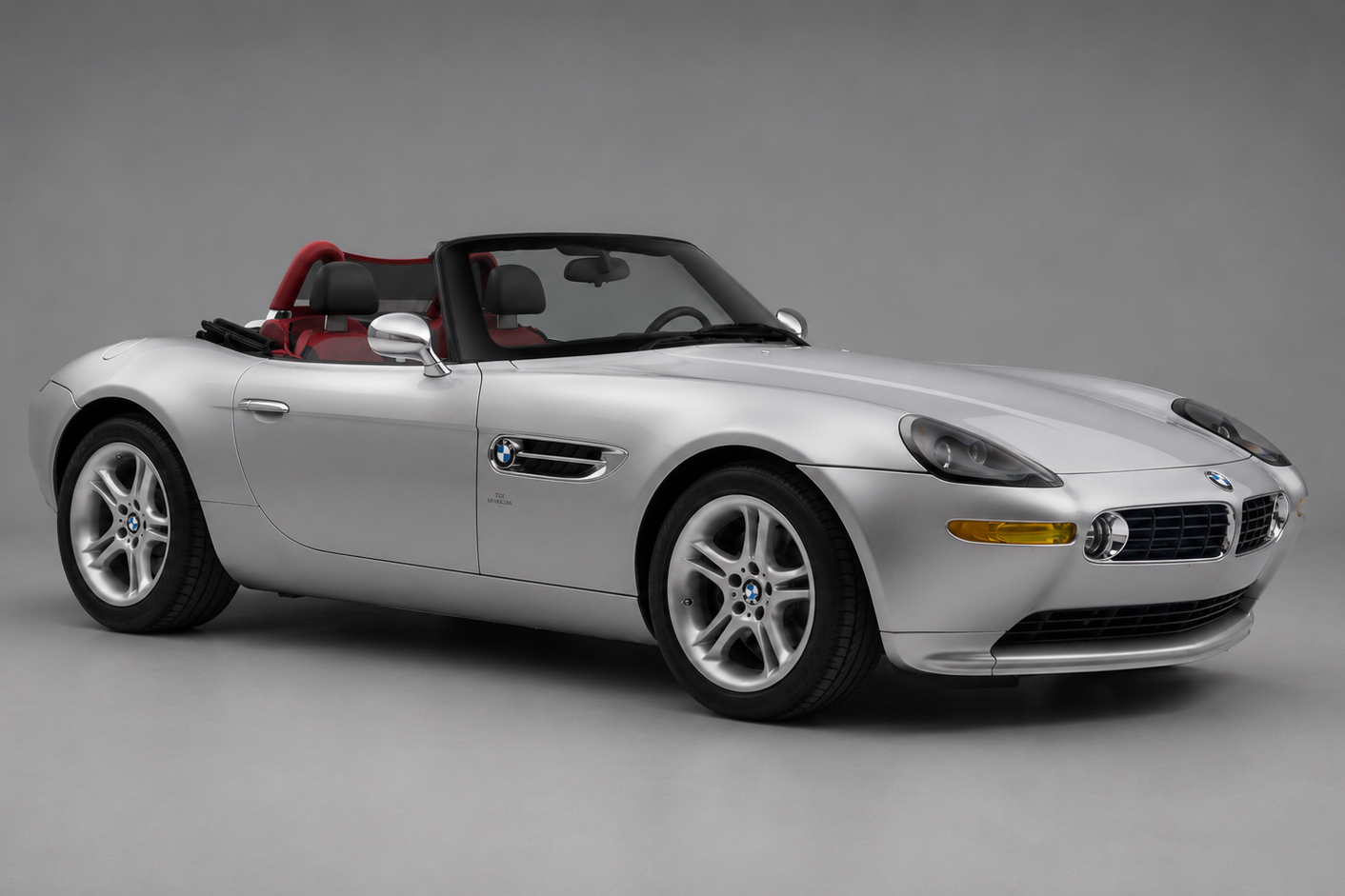
BMW Z8
Henrik Fisker-styled retro roadster powered by the E39 M5's S62 V8 — built for ten-year parts support.
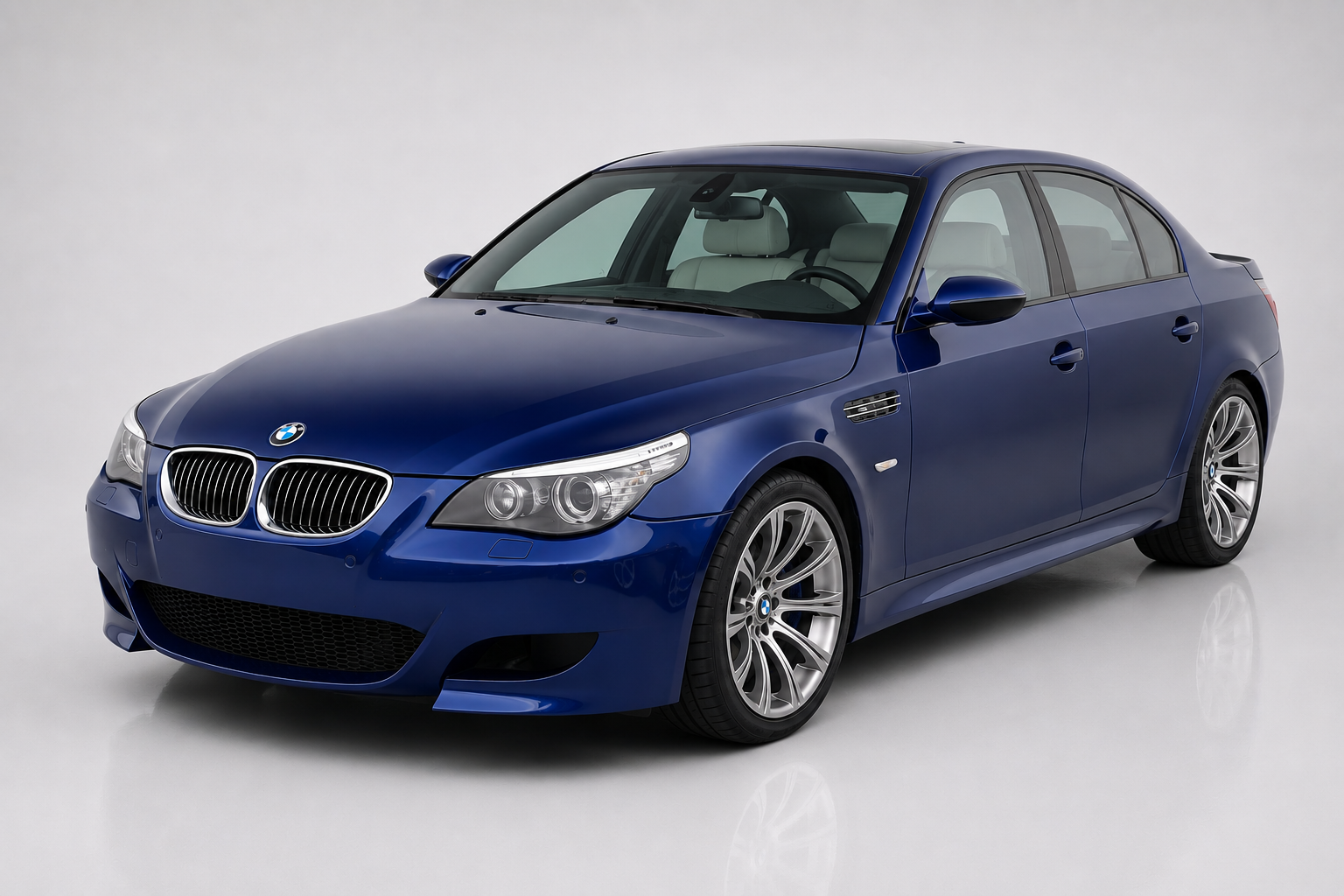
BMW M5 (E60)
The only V10 M5 — the world's first V10 production saloon.
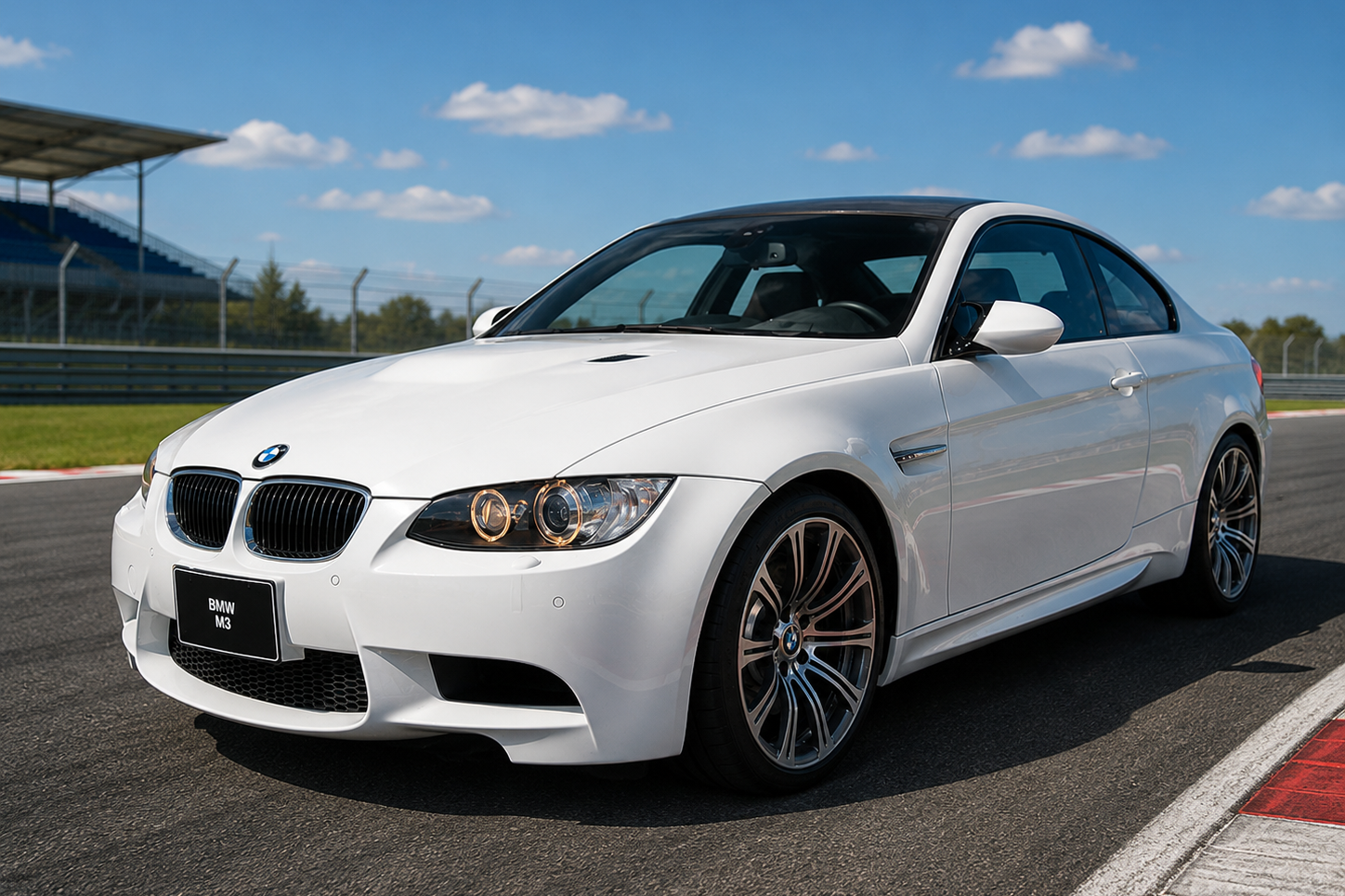
BMW M3 (E92)
The only V8 M3: a high-revving everyday performance car moving rapidly into collector focus.
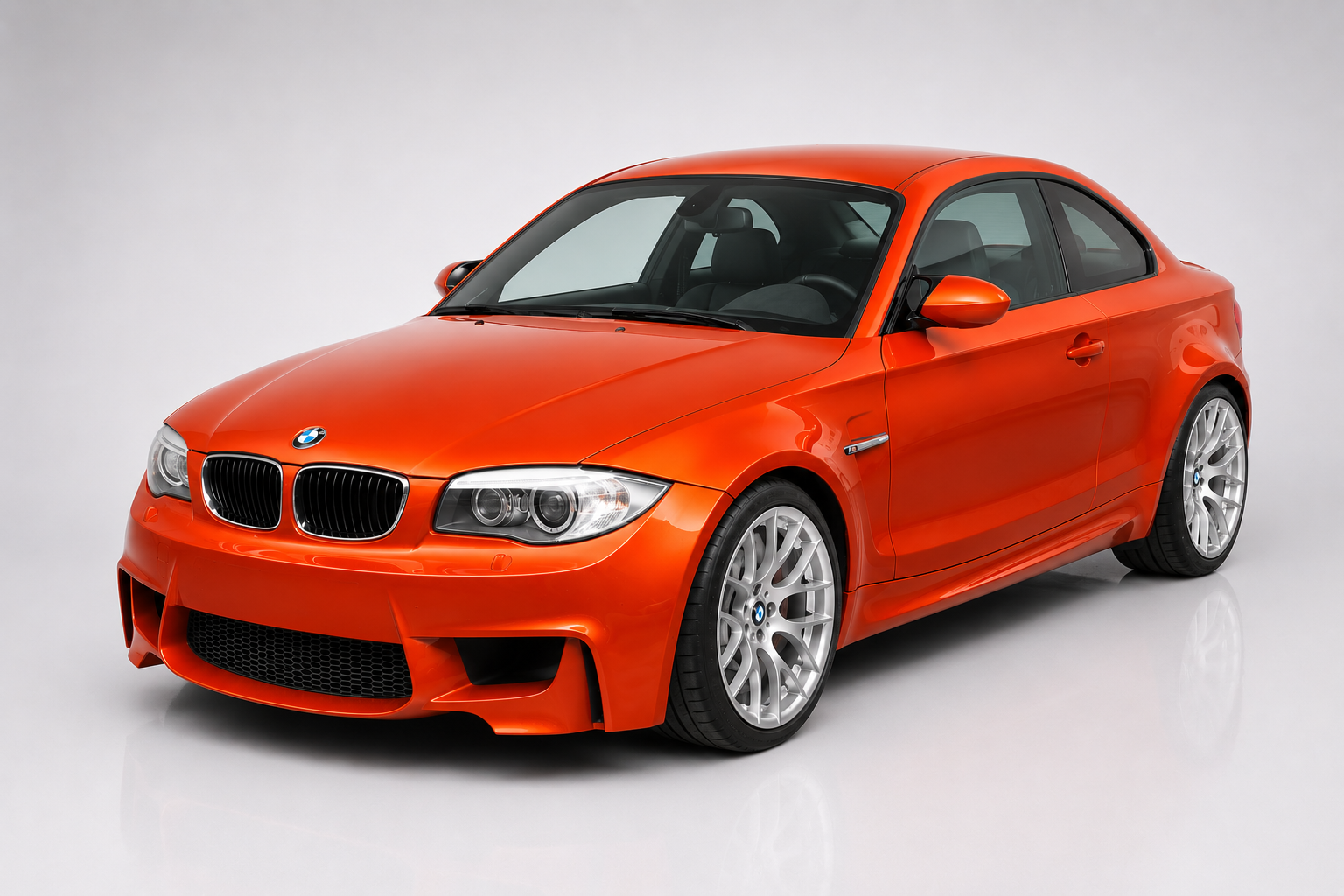
BMW 1 Series M Coupé
A short-wheelbase M-car skunkworks project — Top Gear's 2011 Car of the Year.
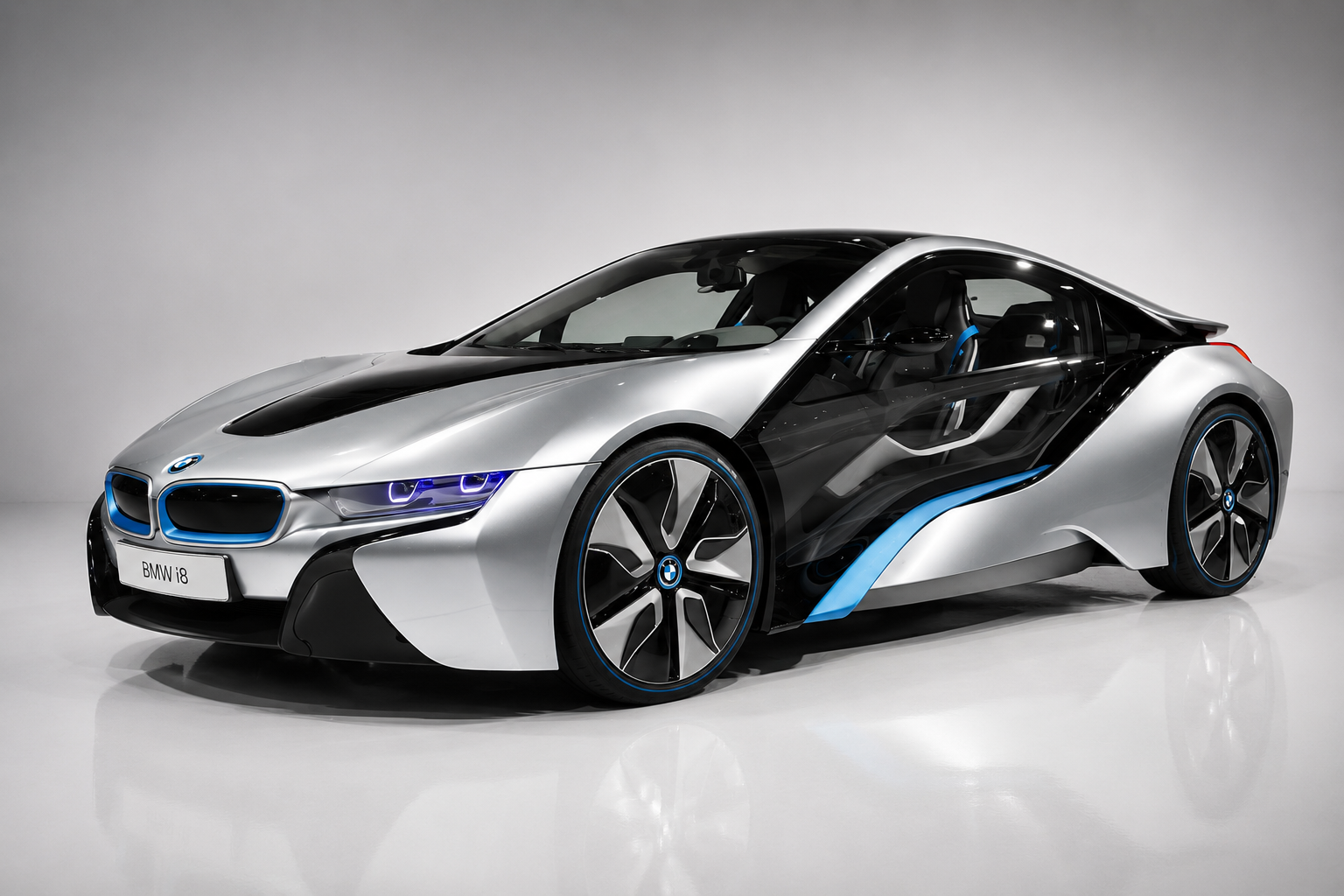
BMW i8
BMW's carbon-tubbed plug-in hybrid sports car — a turbocharged three-cylinder paired with an electric motor in a near-supercar package.
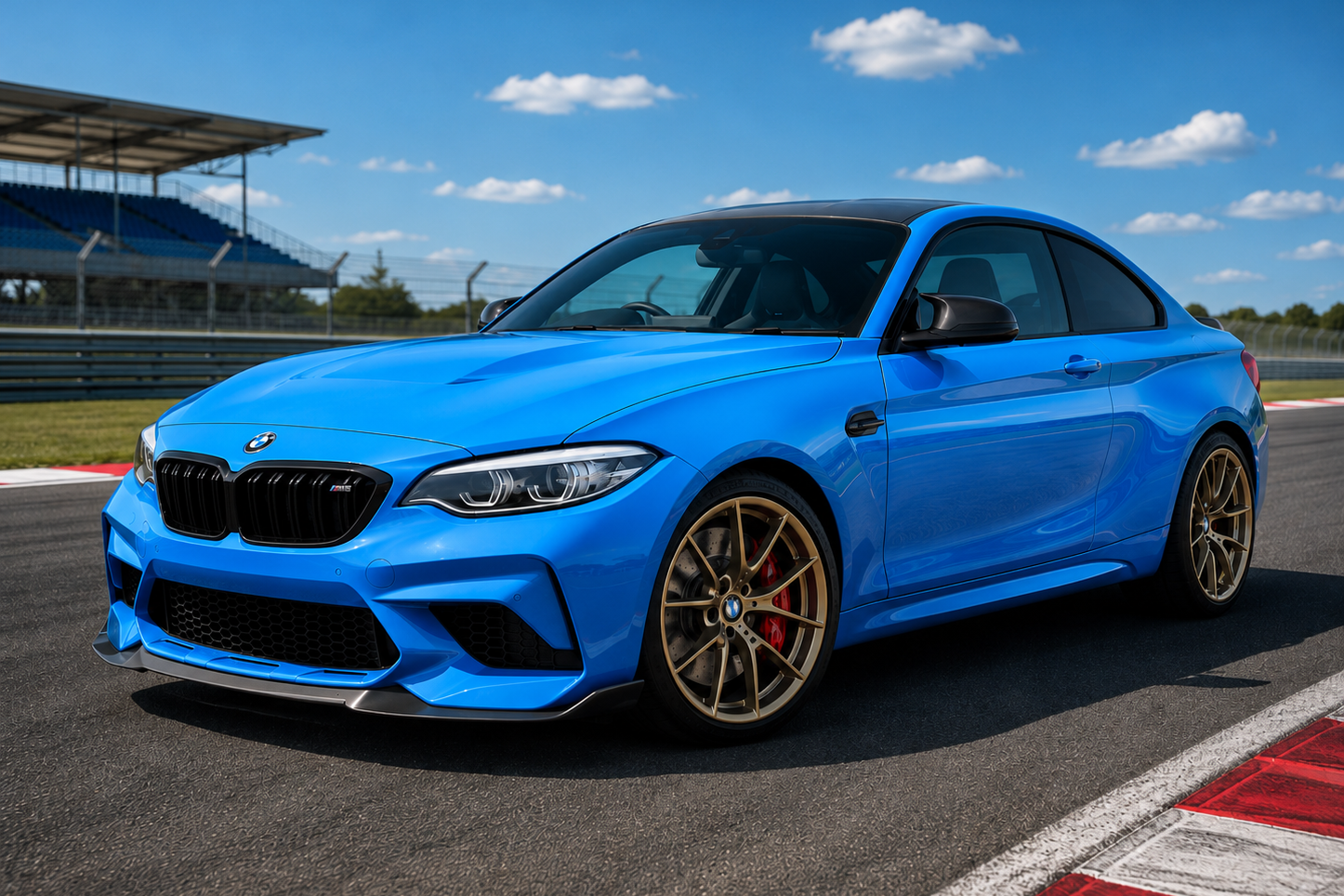
BMW M2 (F87)
Compact, rear-driven BMW M coupe — the manual, six-cylinder enthusiast's modern M3.
Bristol
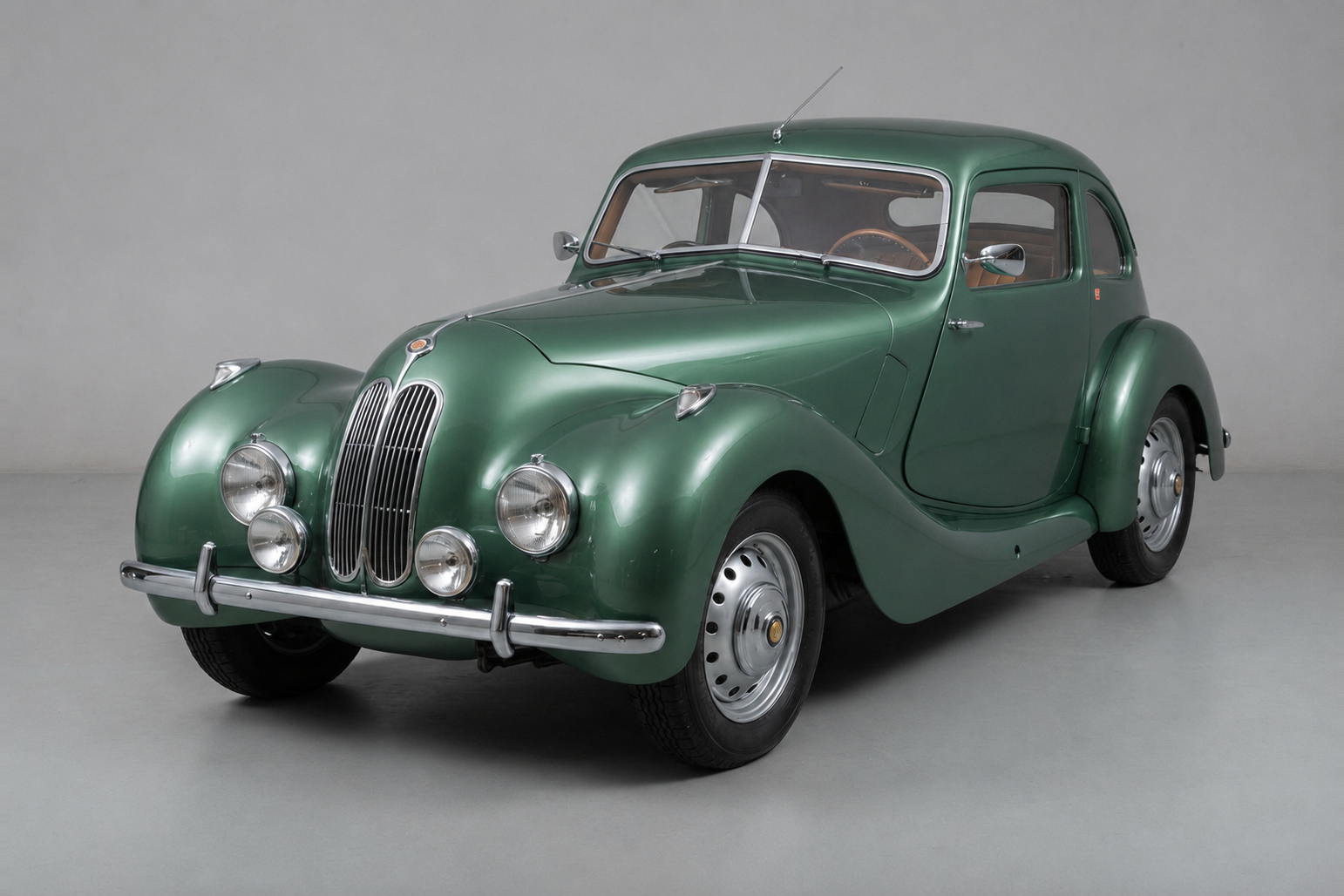
Bristol 400 / 401 / 402 / 403
The first Bristols — BMW 326/327/328 engineering, hand-built by the Bristol Aeroplane Company's car division.
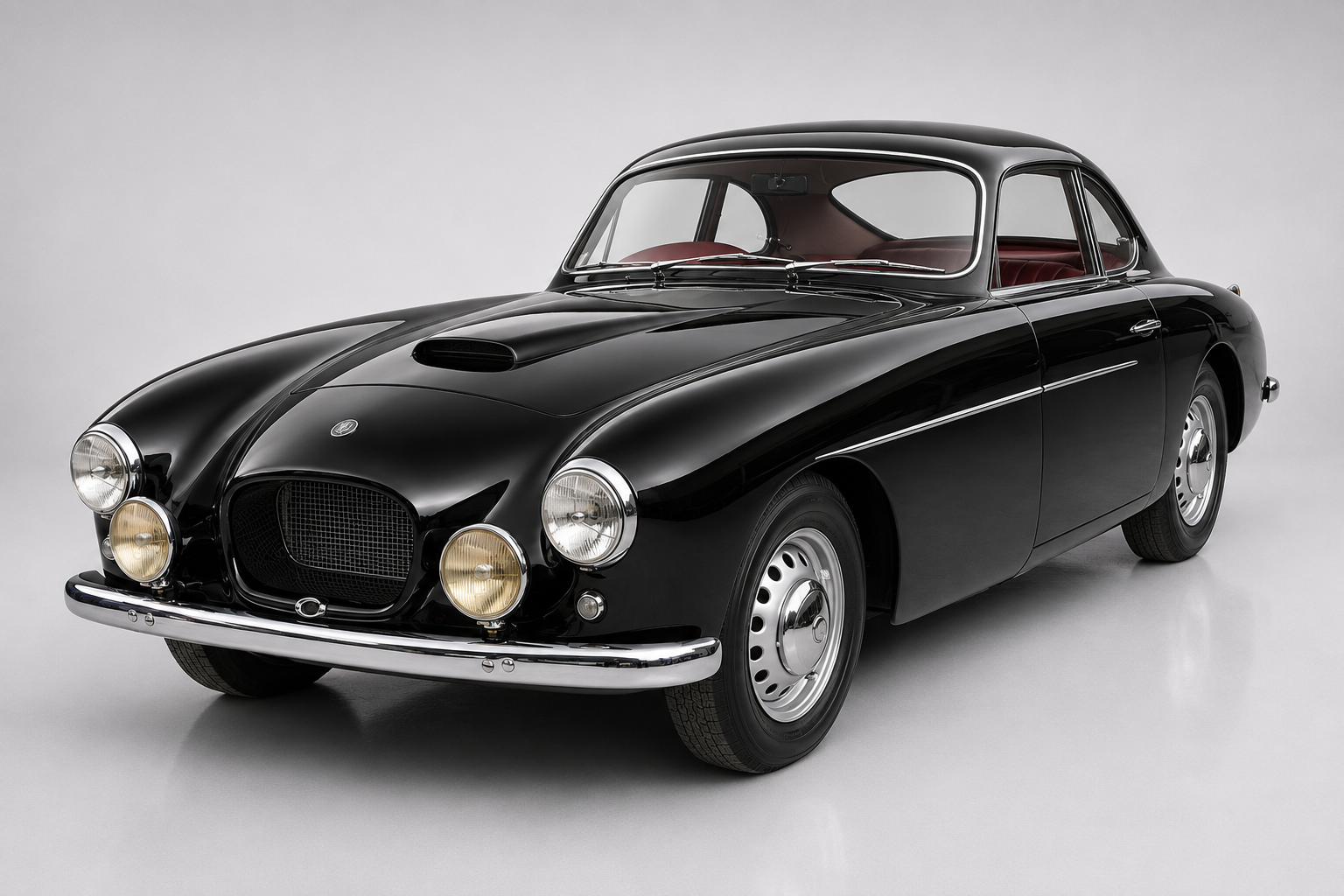
Bristol 404 / 405 / 406
The short-wheelbase 404 'businessman's express', the four-door 405 and the 2.2-litre 406 — the last of the BMW-derived six-cylinder Bristols.
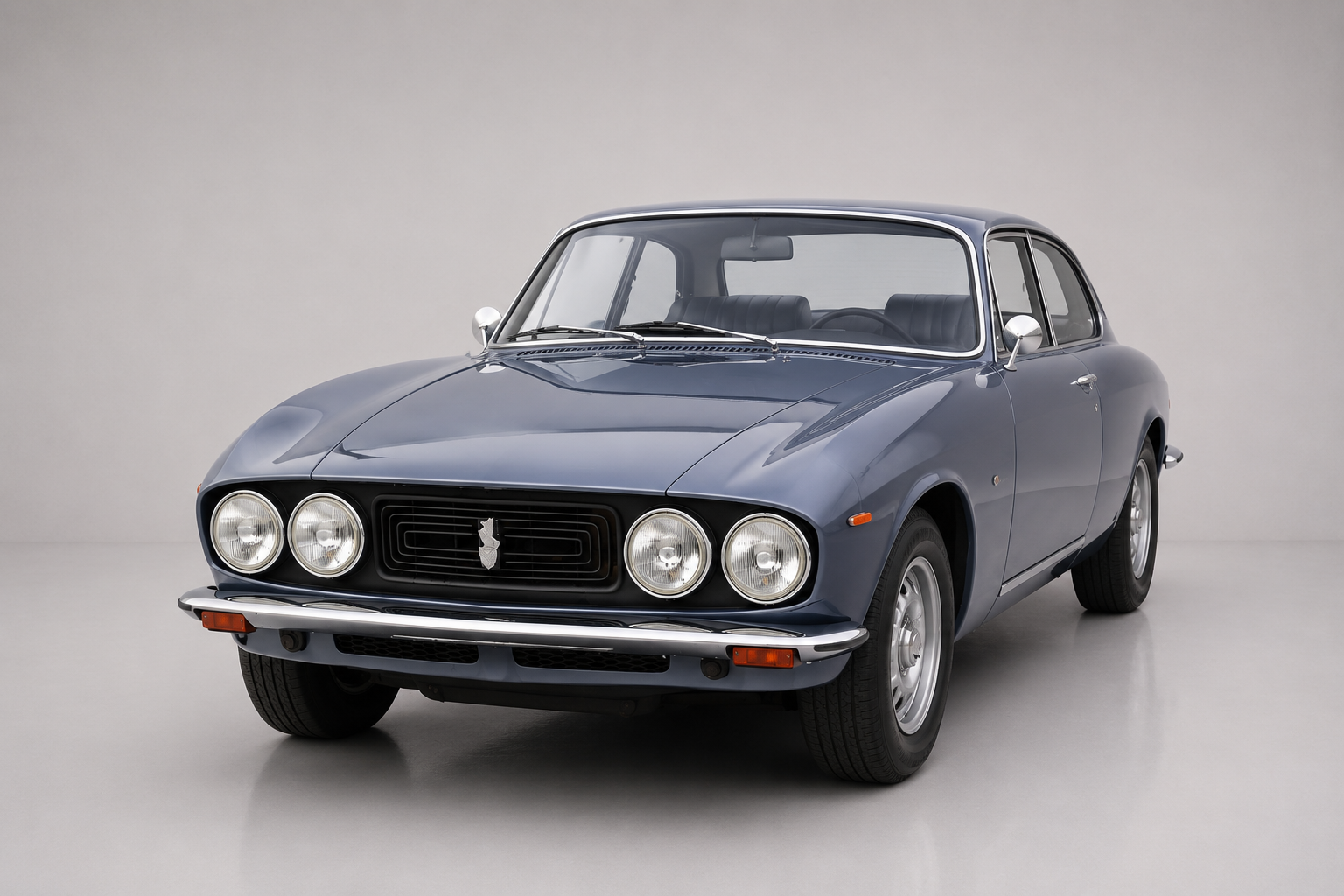
Bristol 407 / 408 / 409 / 410 / 411
The first Chrysler-V8 Bristols — from the 407 to the big-block 411, hand-built Anglo-American GTs.
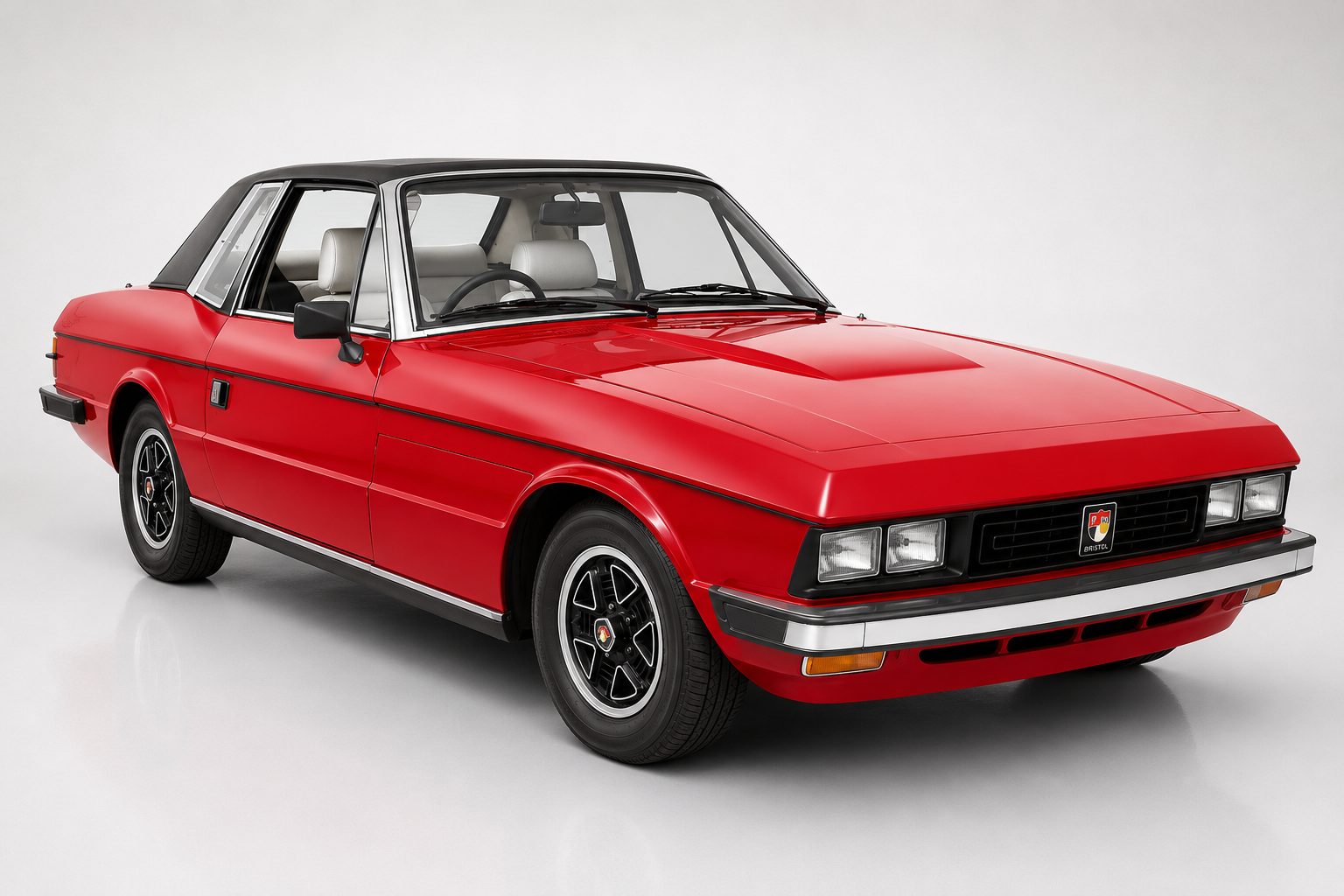
Bristol Beaufighter
Turbocharged Zagato-styled targa — the rare, thinly traded turbo Bristol of the 412 family.
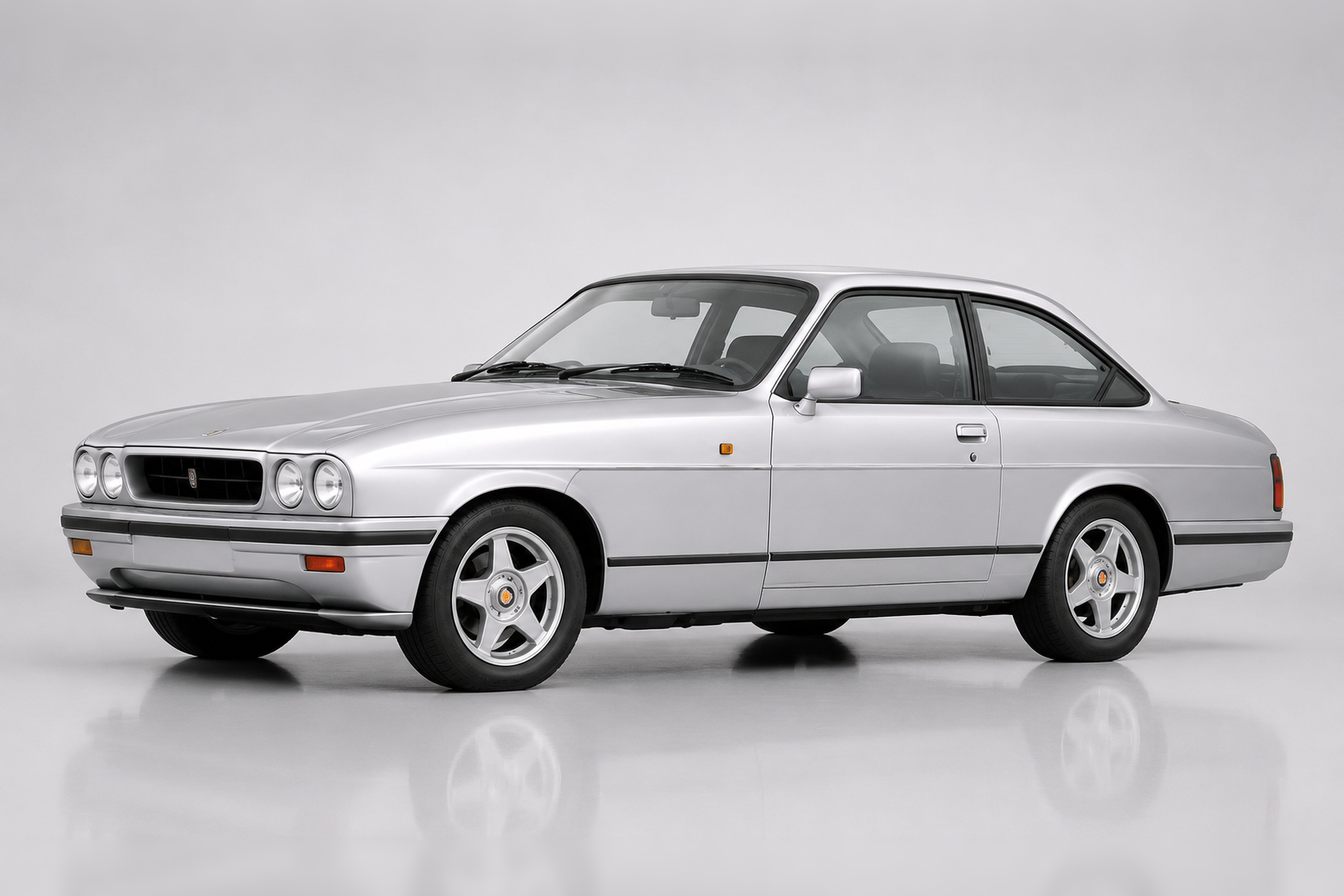
Bristol Blenheim
The last traditional hand-built Bristol — a discreet Chrysler-V8 saloon produced quietly until the marque's 2011 closure.
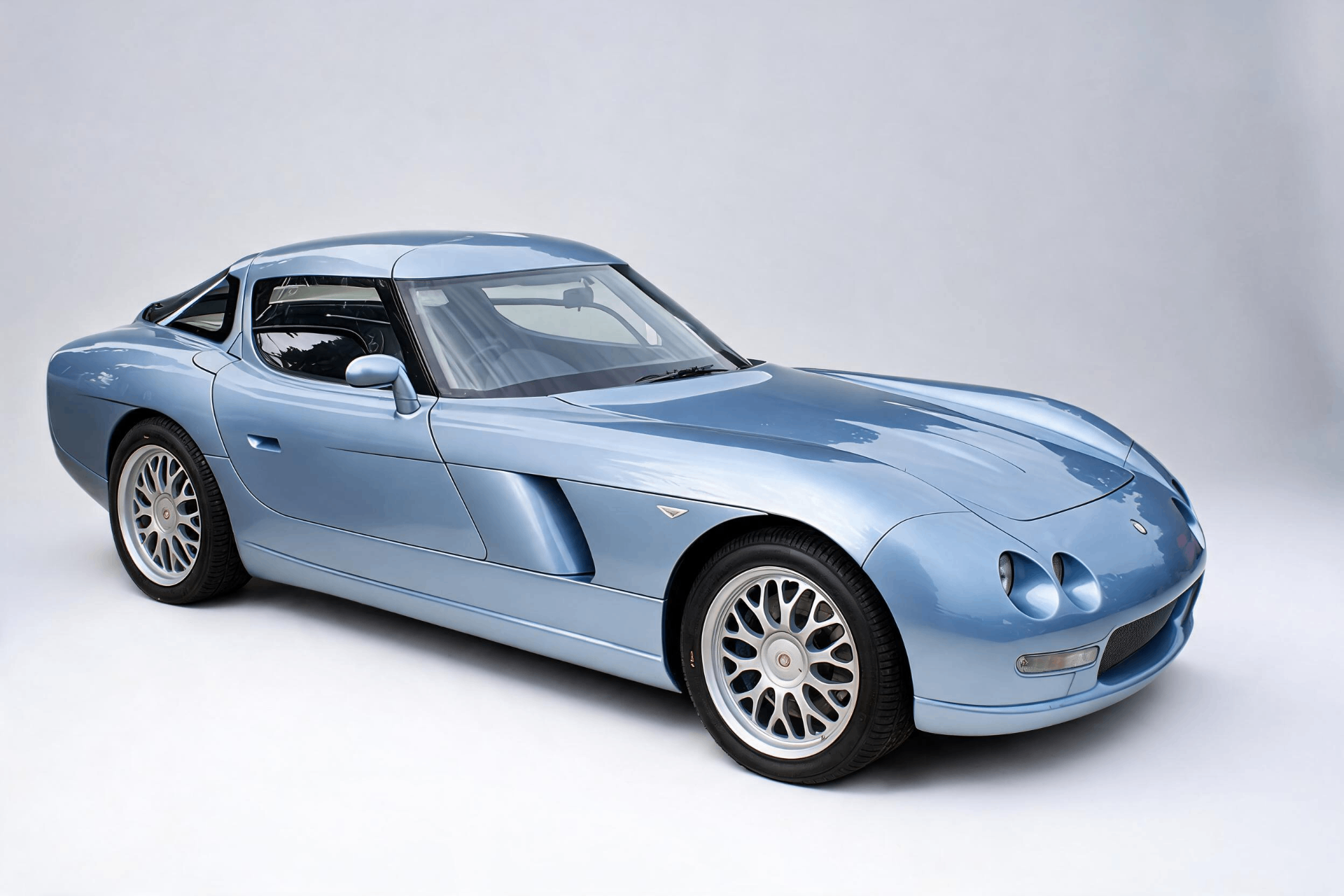
Bristol Fighter
Bristol's Viper-V10-powered gullwing supercar — built in tiny numbers before the marque's 2011 collapse.
Bugatti
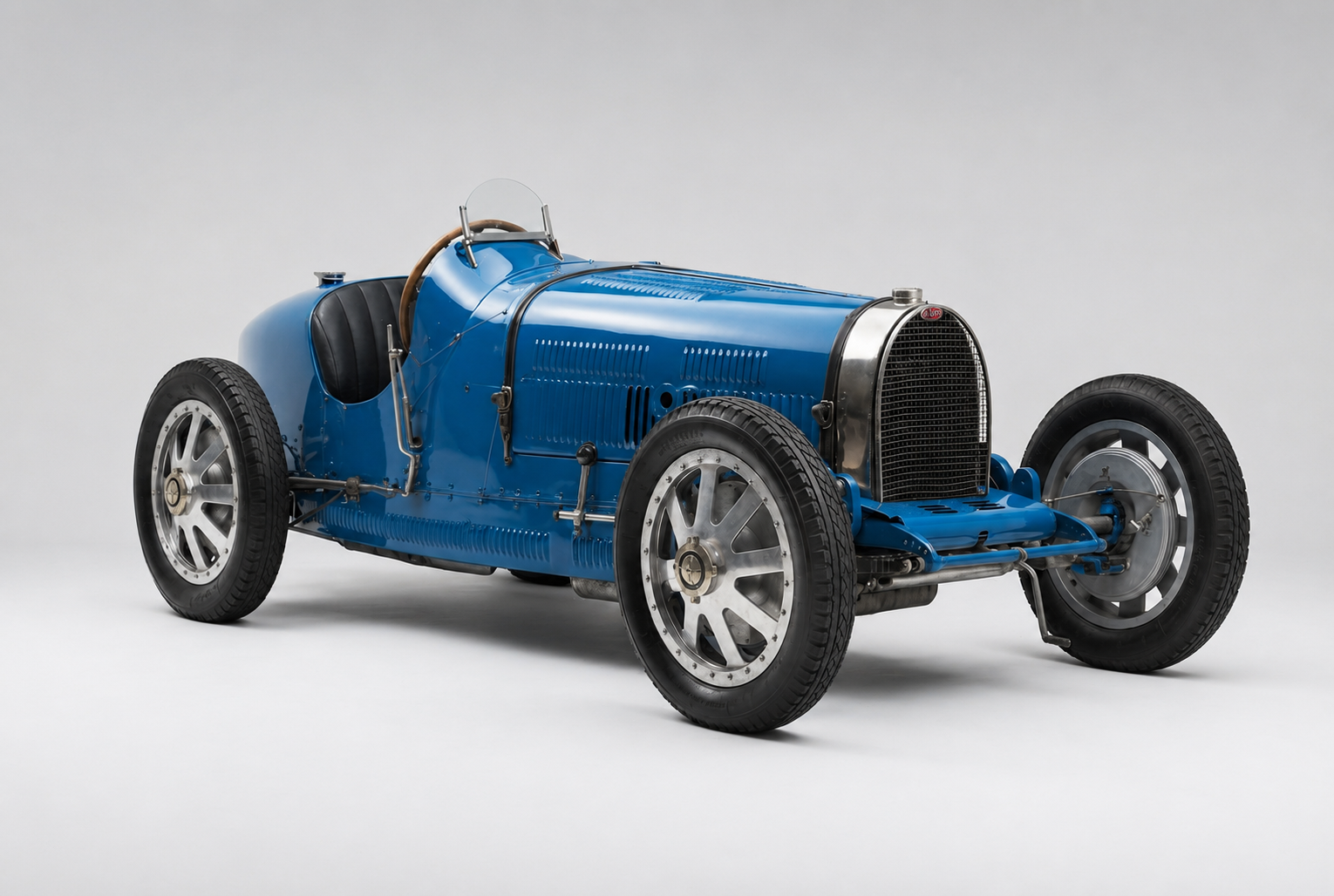
Bugatti Type 35 / 35B / 35C
The most successful racing car in history — over 1,000 victories and the defining shape of vintage motorsport.
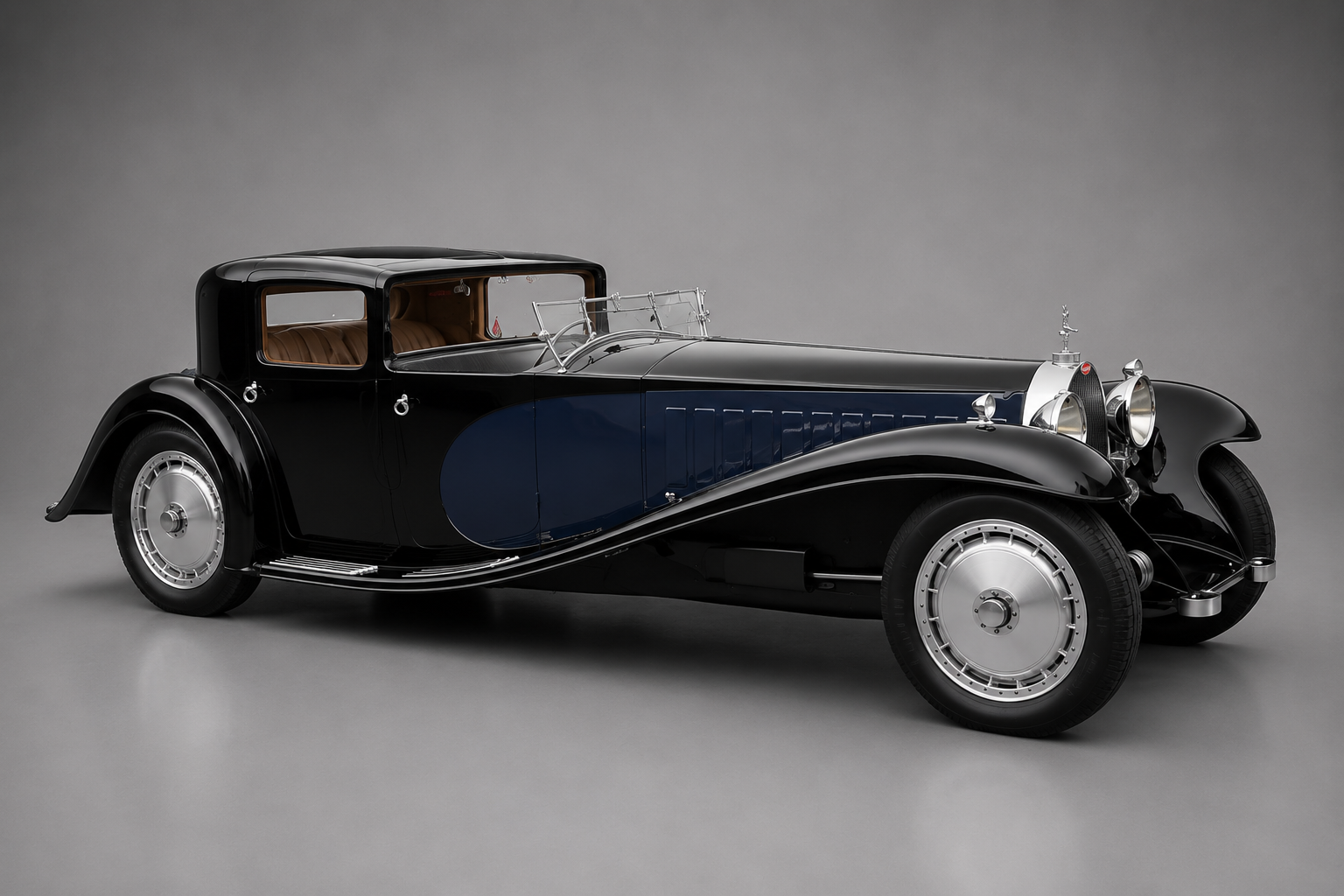
Bugatti Type 41 Royale
Ettore Bugatti's monumental folly — a 12.8-litre, 6.4-metre-long automobile intended for royalty.
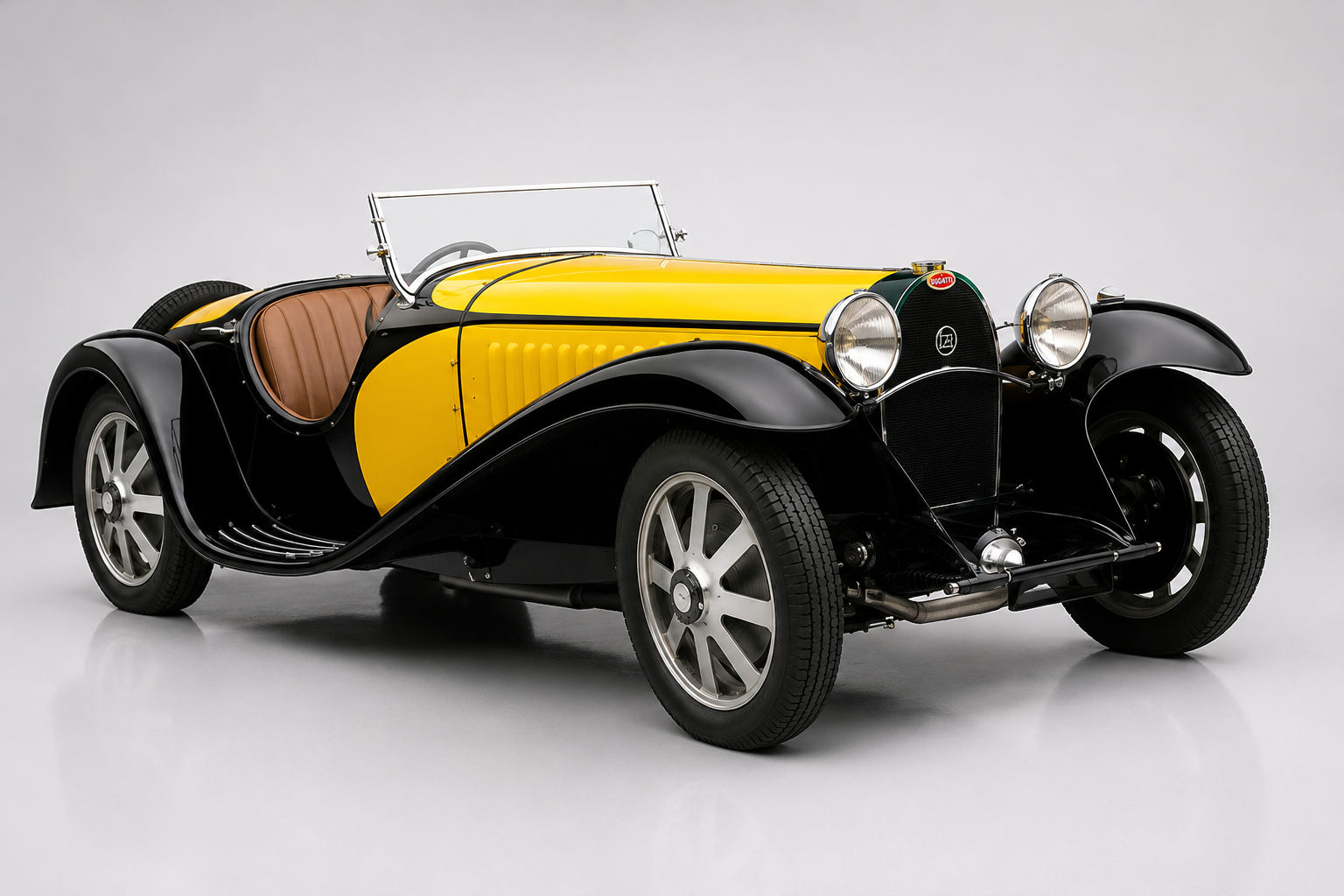
Bugatti Type 55
Road-going sports version of the Type 51 Grand Prix car — a blue-chip pre-war Bugatti.
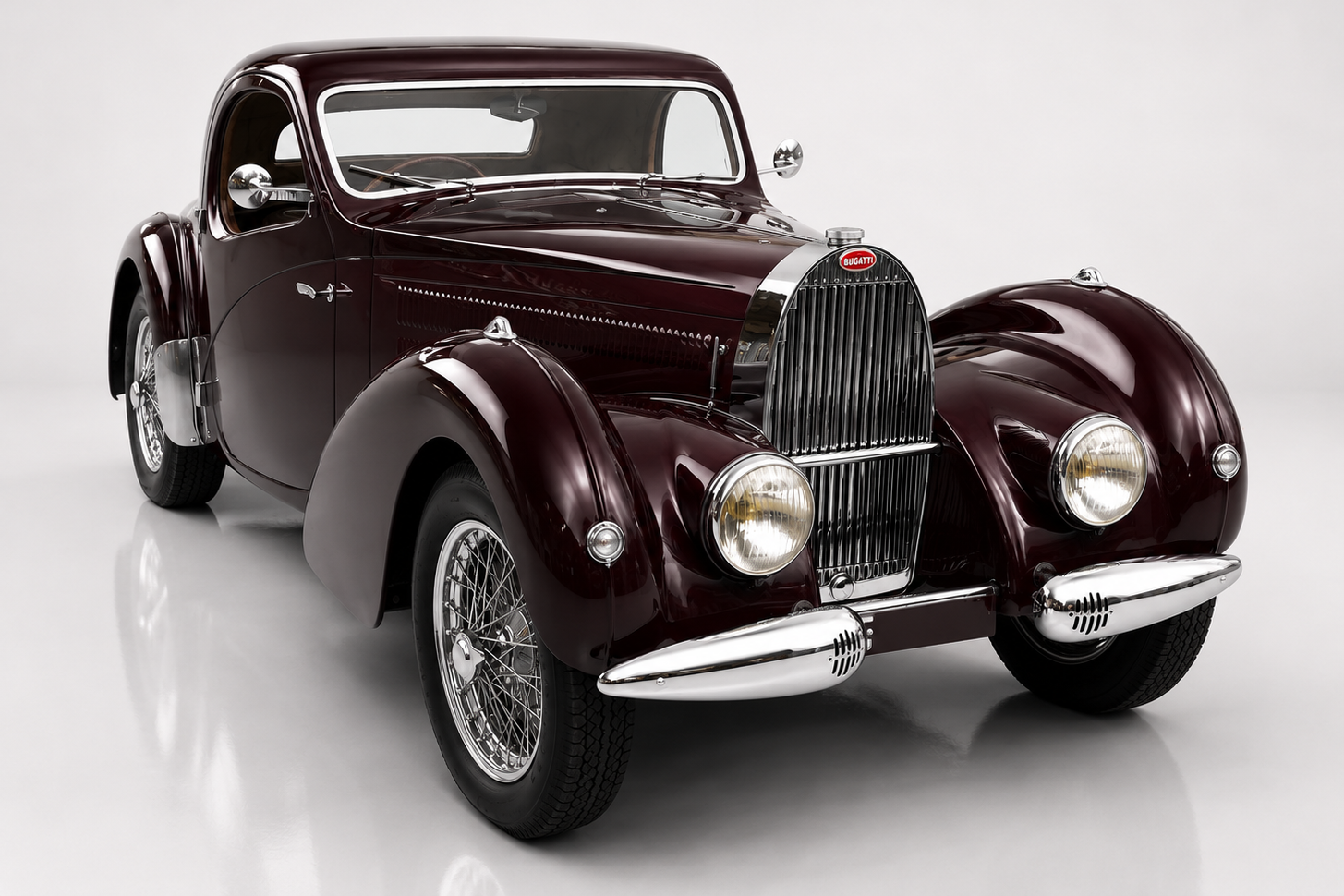
Bugatti Type 57 / 57S / 57SC
Jean Bugatti's masterpiece — including the Atlantic, perhaps the most valuable car ever sold.
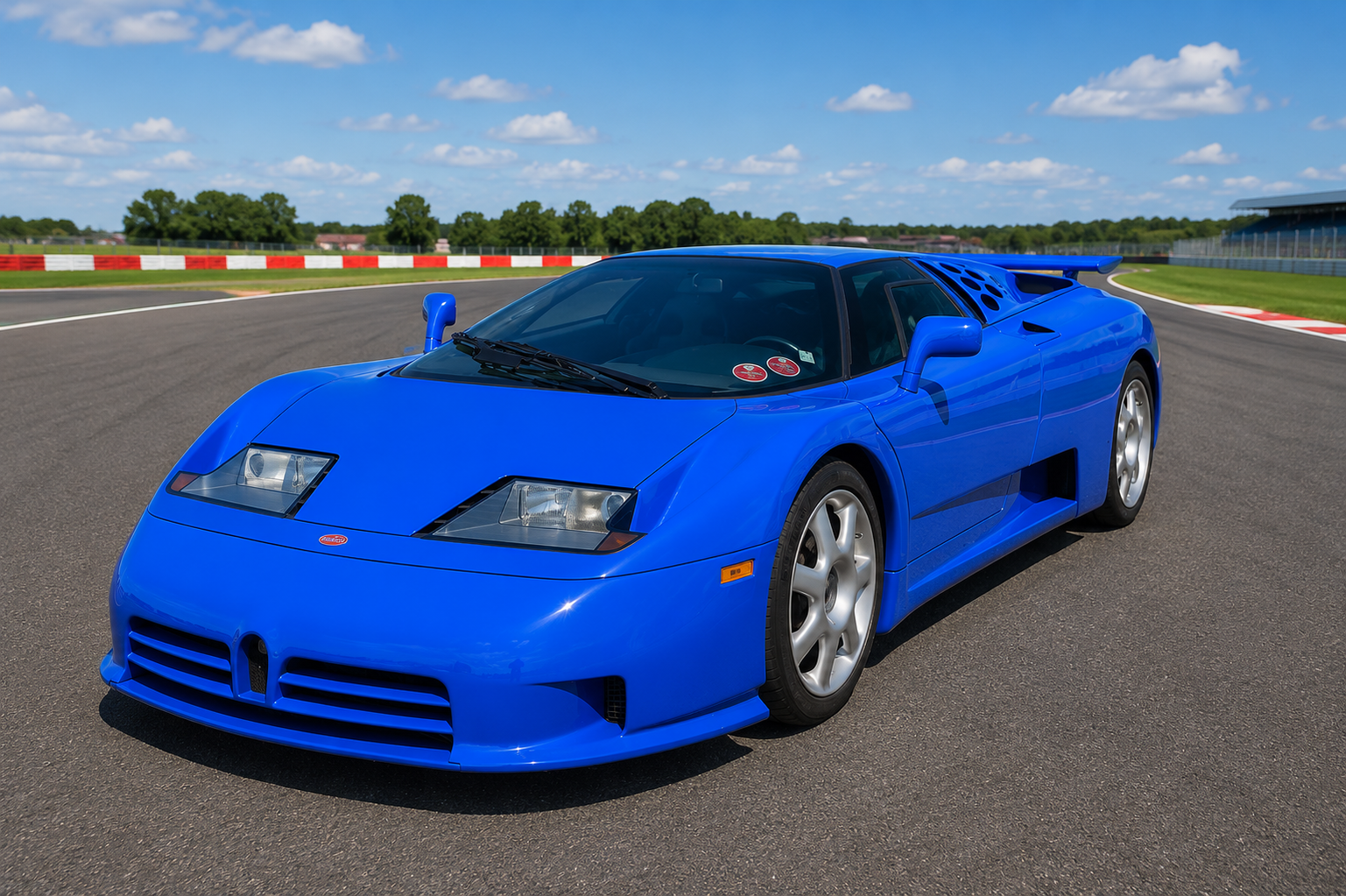
Bugatti EB110
Romano Artioli's revived Bugatti — a quad-turbo V12, all-wheel-drive, carbon-monocoque hypercar of the early 1990s.
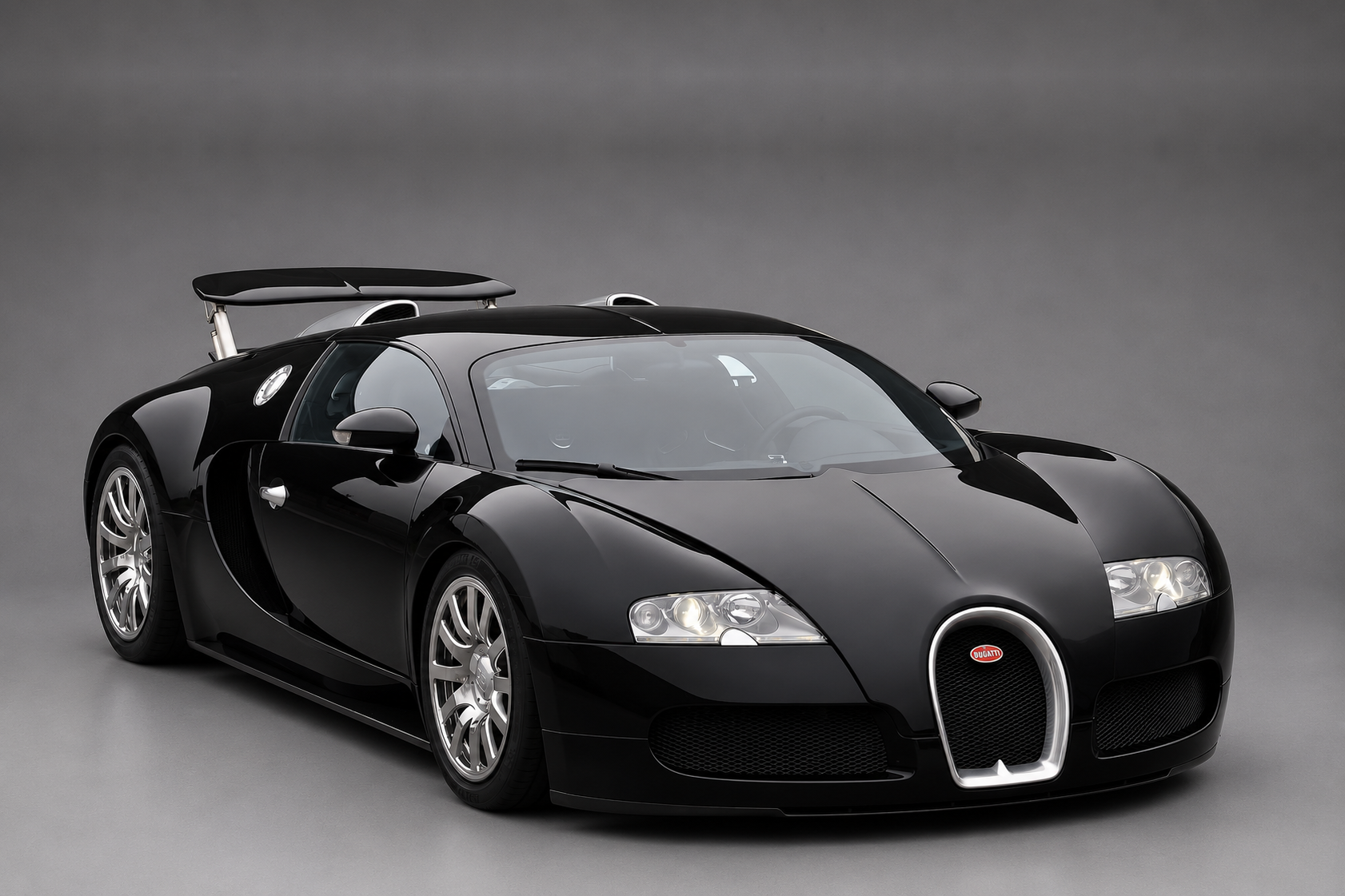
Bugatti Veyron 16.4
The car that redefined the hypercar — quad-turbo W16, 987 bhp (1,001 PS), 250+ mph, and a service ecosystem to match.
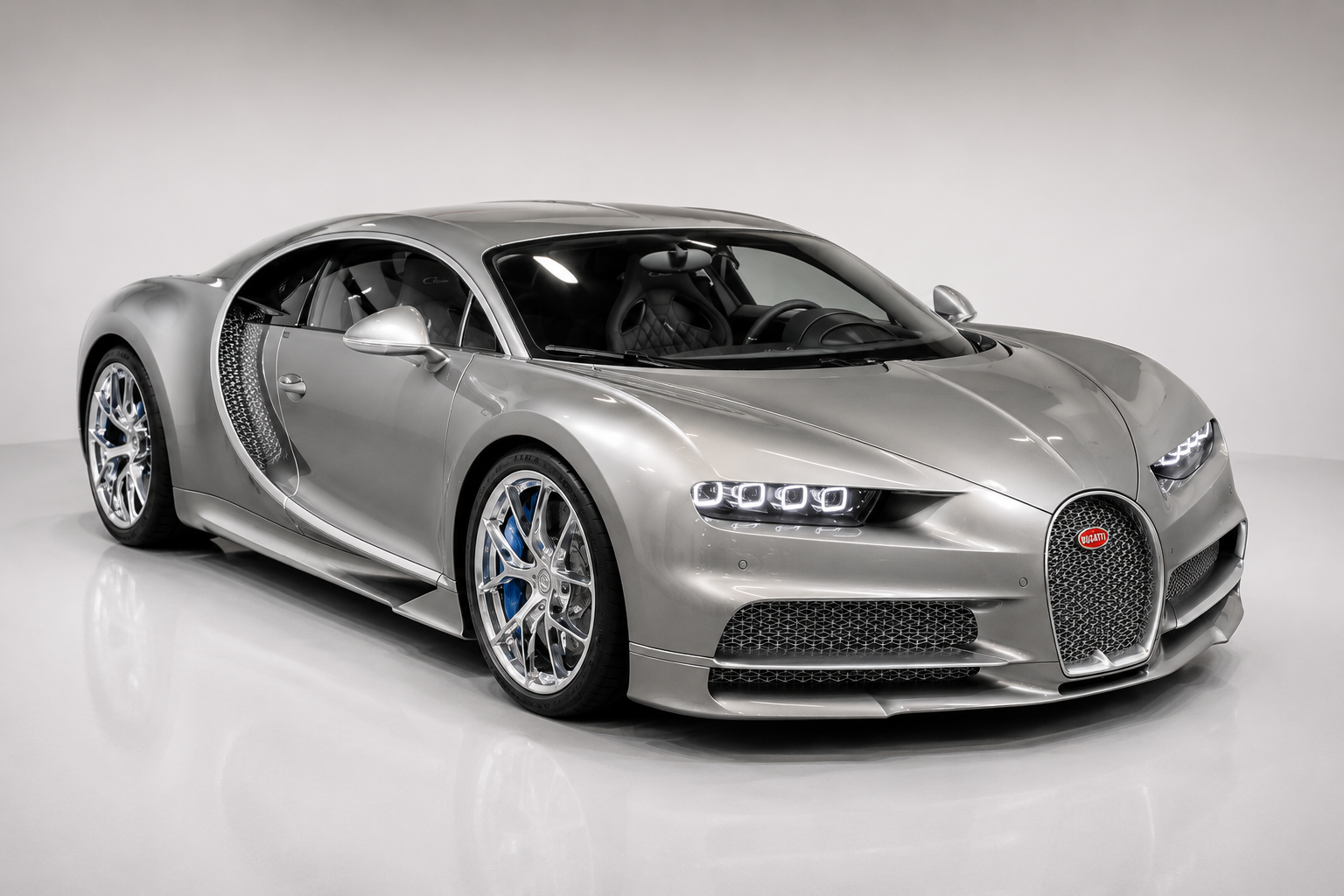
Bugatti Chiron
The Veyron's W16 successor — Chiron, Sport, Pur Sport, Super Sport 300+ and limited Profilée run-out.
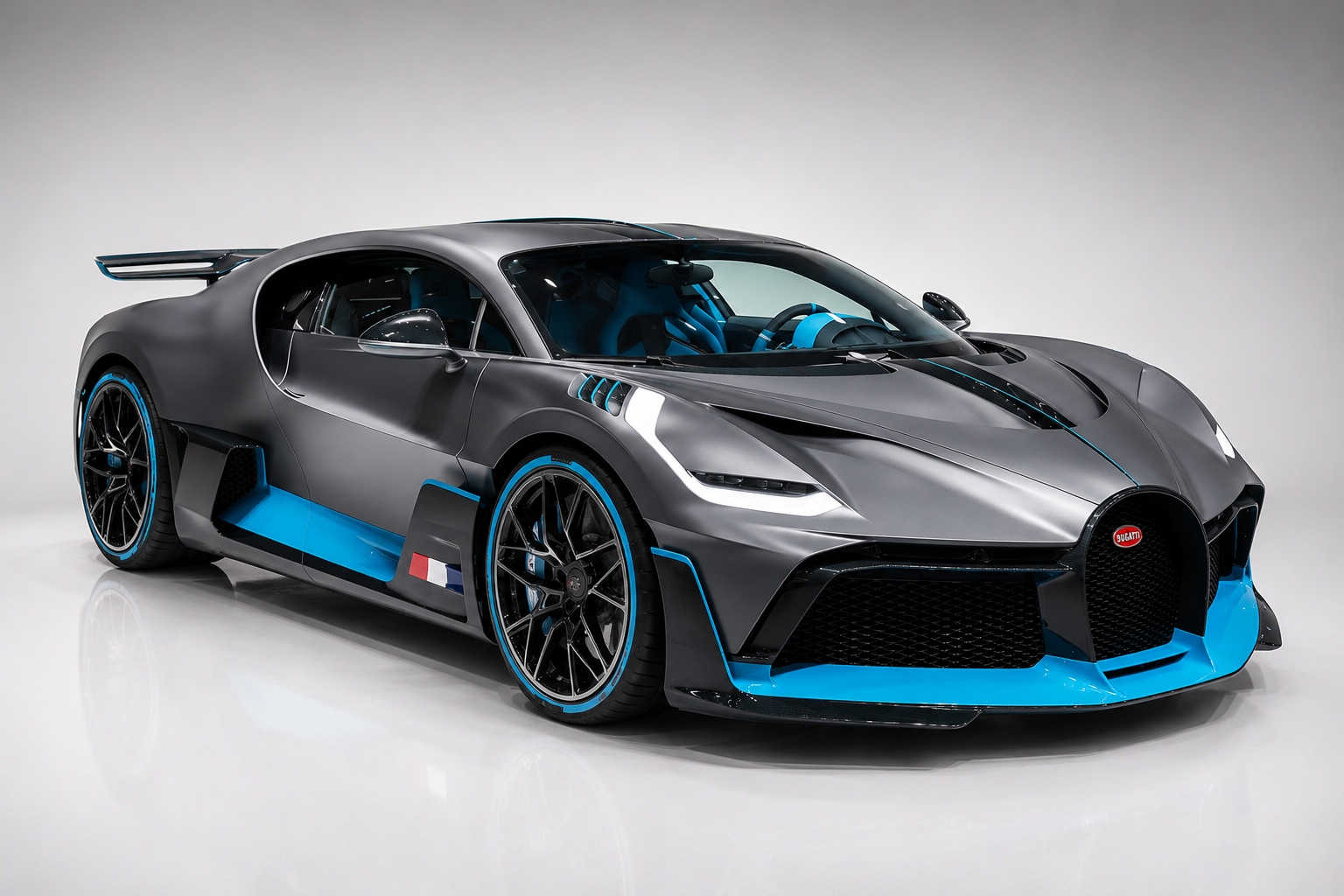
Bugatti Divo
Chiron-based, track-focused coachbuilt Bugatti — 40 cars, 35 kg lighter than the Chiron, 456 kg of downforce.
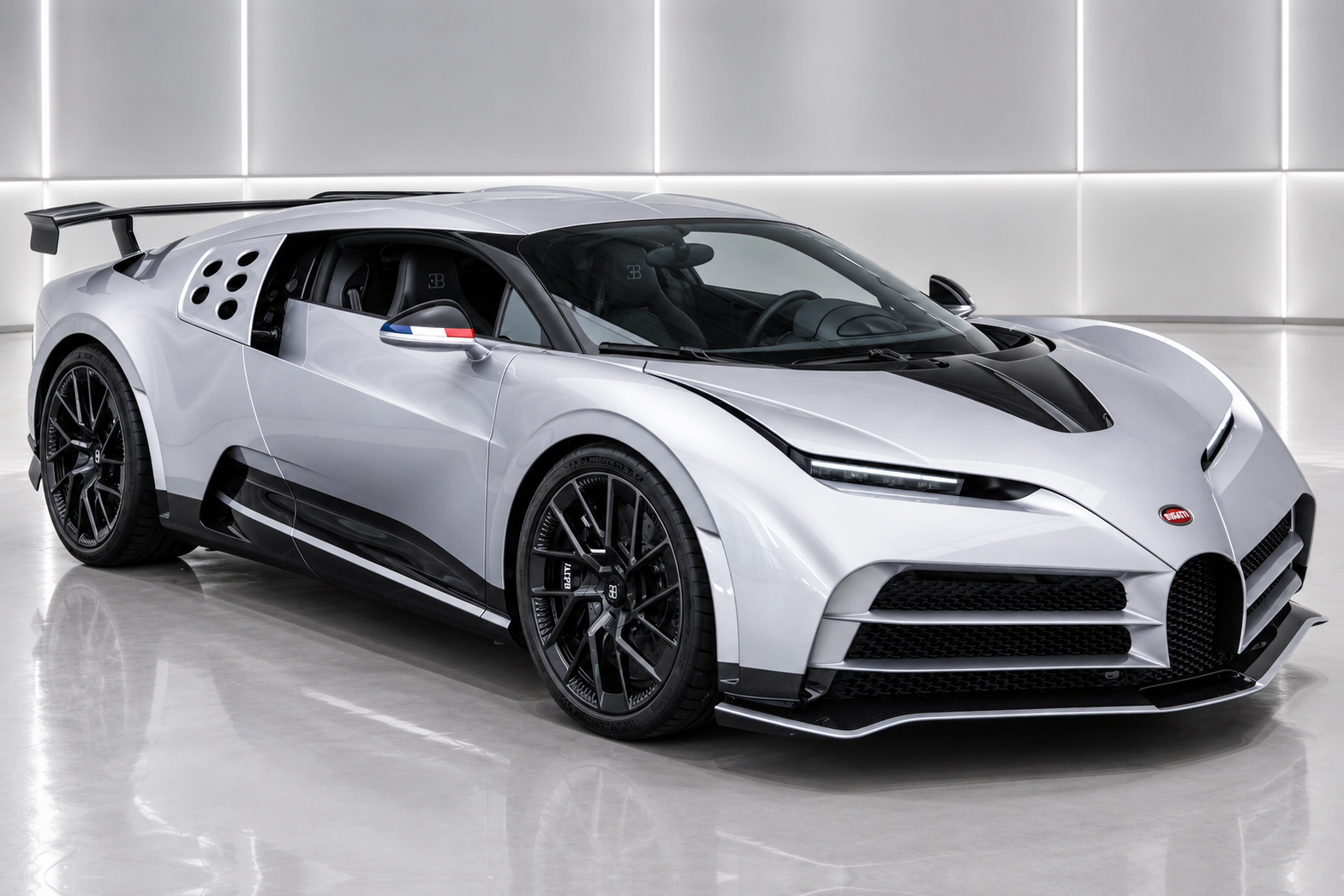
Bugatti Centodieci
EB110 tribute Bugatti — 10 cars, 1,578 bhp (1,600 PS) W16, Chiron-platform coachbuilt special.
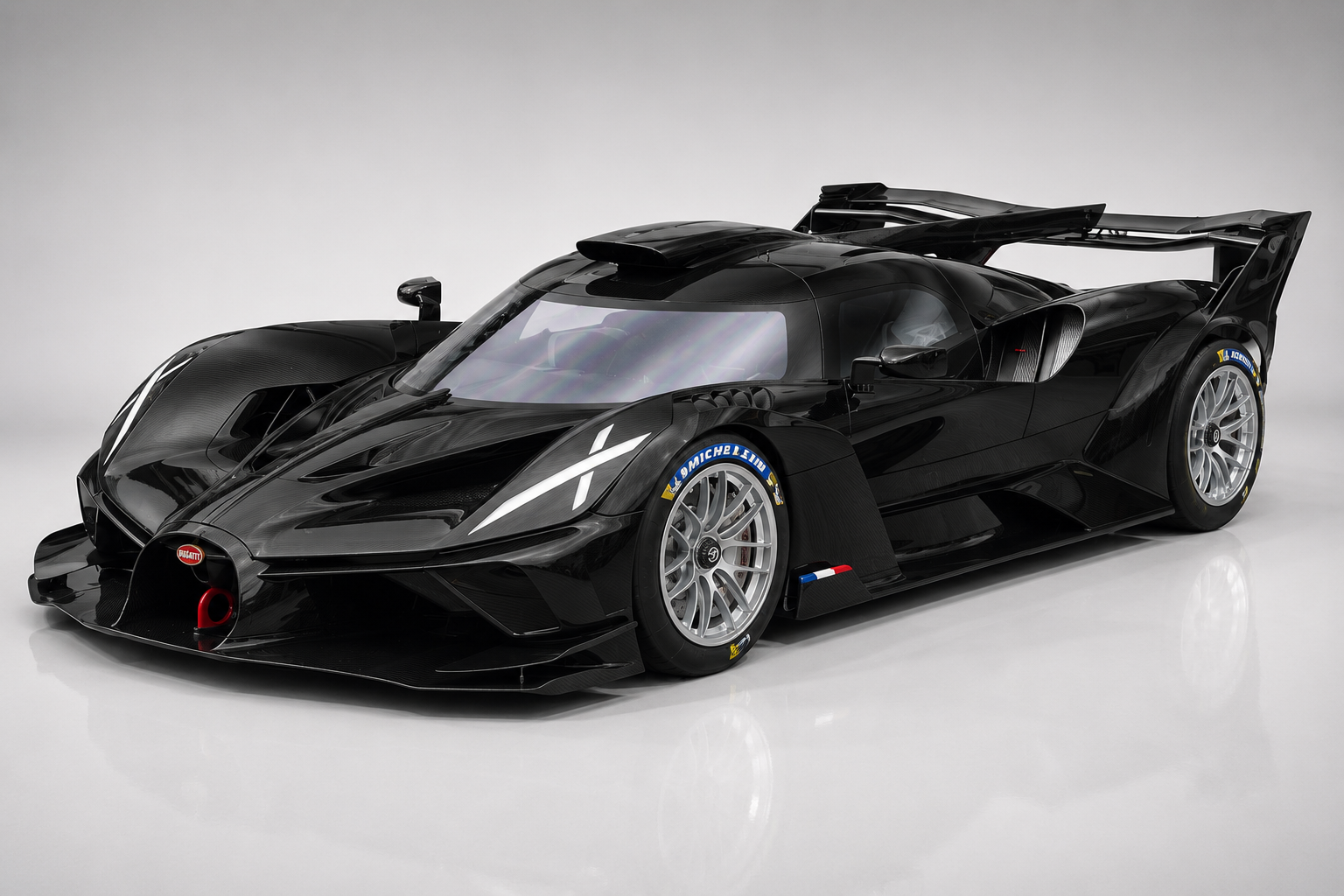
Bugatti Bolide
Track-only Chiron-derived hypercar — 8.0-litre quad-turbo W16 in its purest form, capped at forty cars.
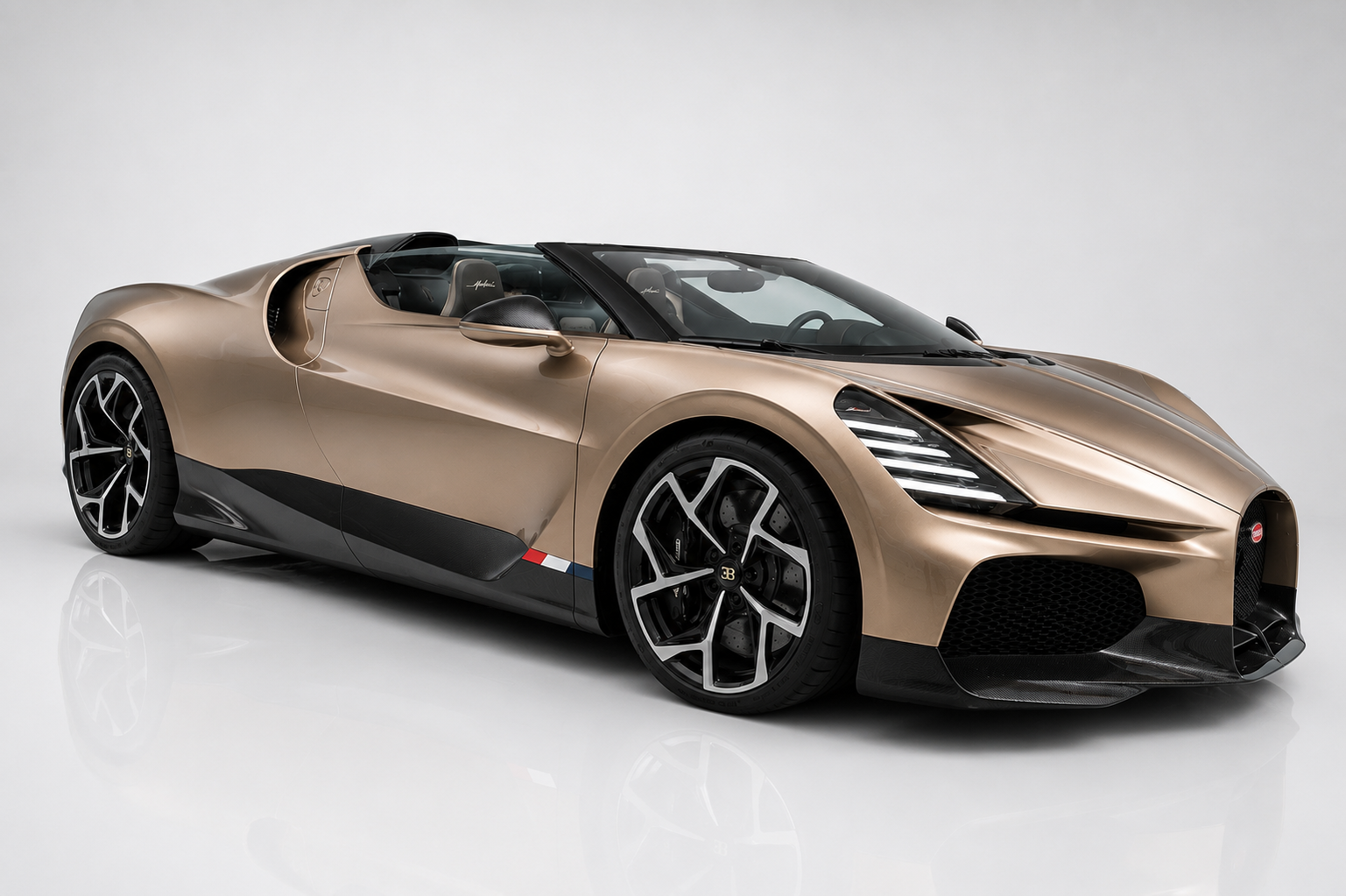
Bugatti W16 Mistral
Final W16 Bugatti — open-top roadster, 99 cars, the closing statement of the W16 era.
Cadillac
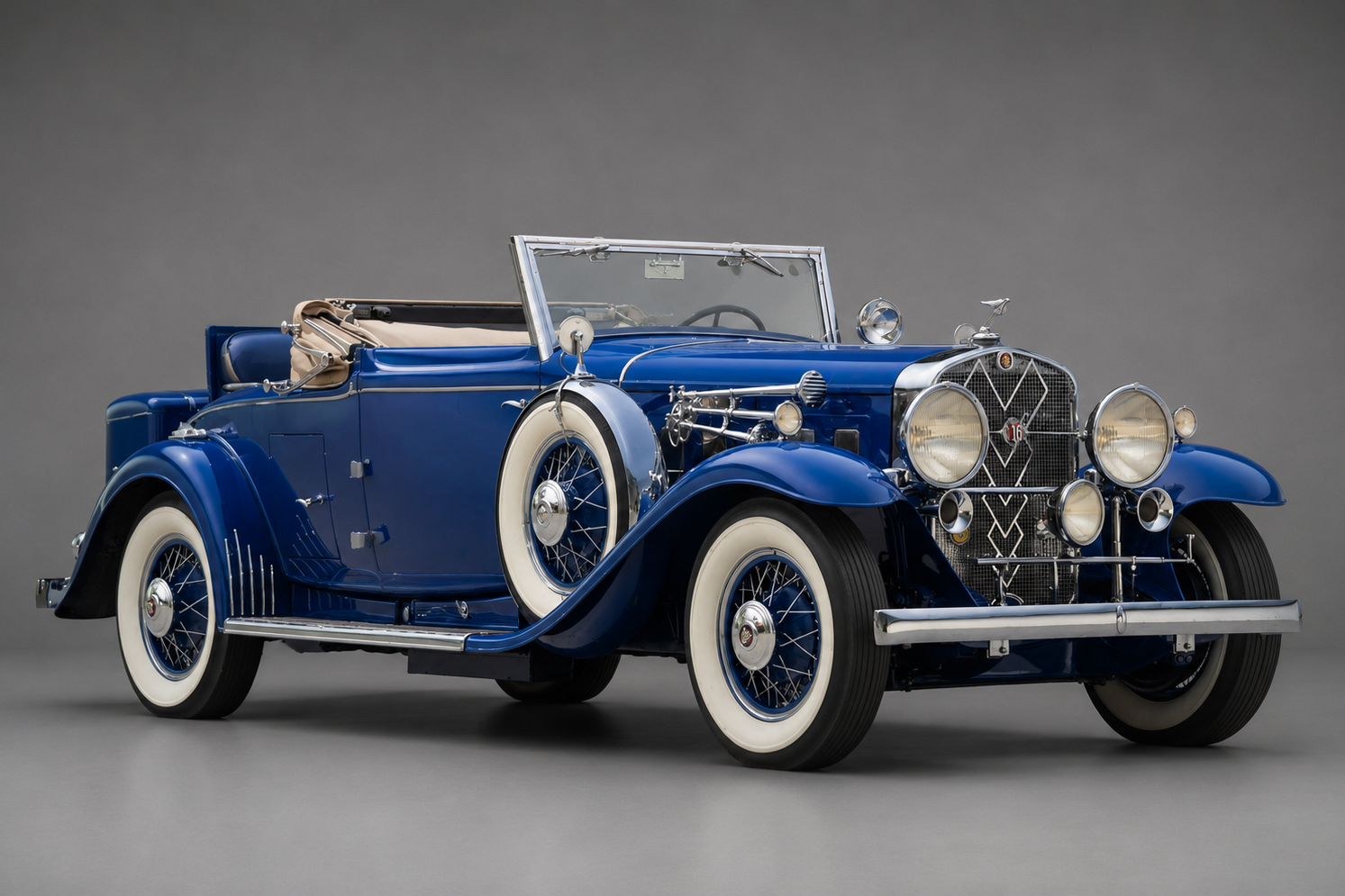
Cadillac V-16 Series 452
Cadillac's V16 — America's first production sixteen-cylinder, with bespoke Fleetwood coachwork.
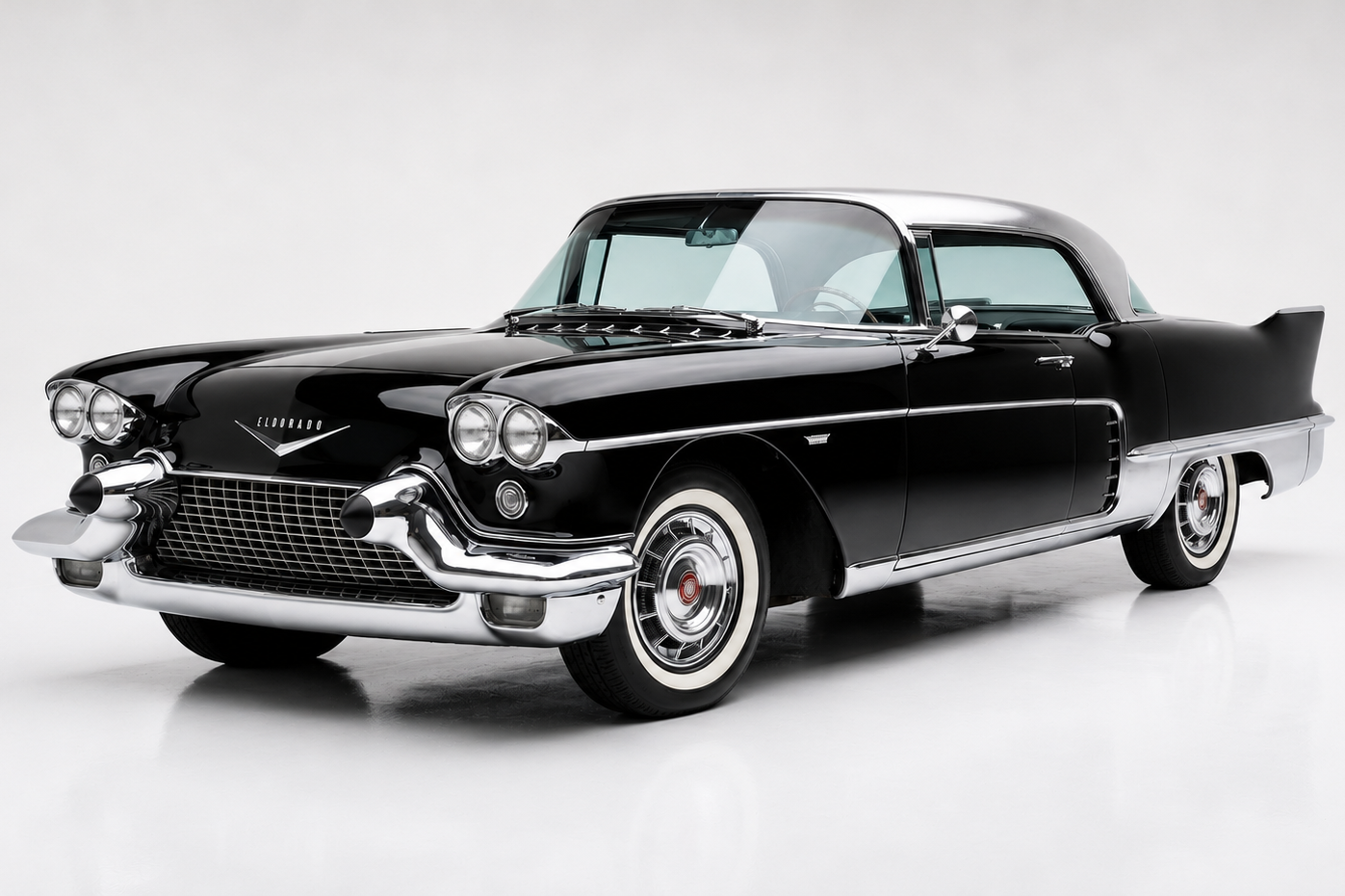
Cadillac Eldorado Brougham
The 1957–58 hand-built Detroit Brougham — quad headlamps, air suspension, and Cadillac at its most confident.
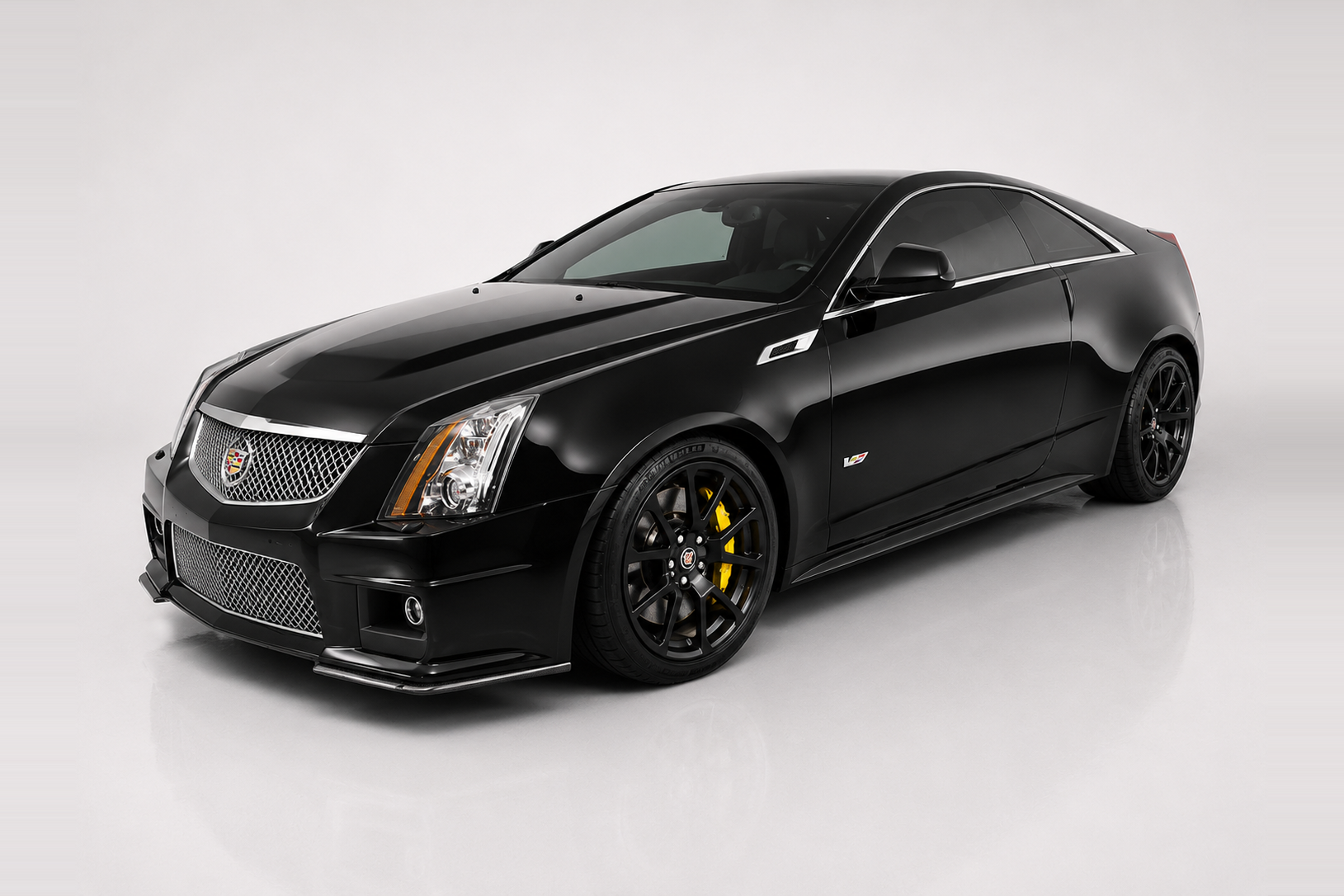
Cadillac CTS-V
Three generations of Corvette-engined Cadillac saloon — the clearest expression of the V-Series.
Chevrolet
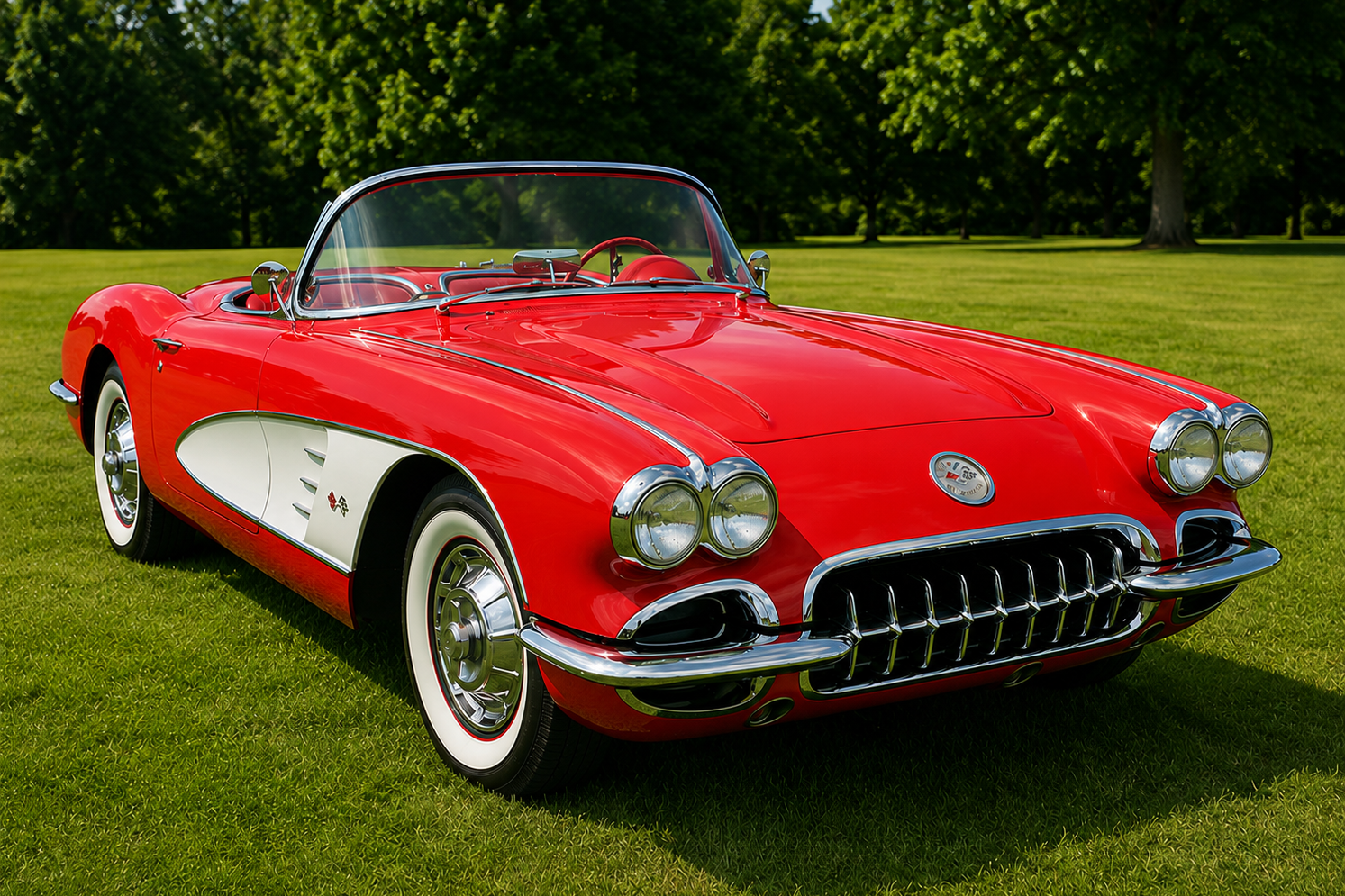
Chevrolet Corvette (C1)
America's original sports car — fibreglass-bodied, V8-powered from 1955, and the foundation of every Corvette that followed.
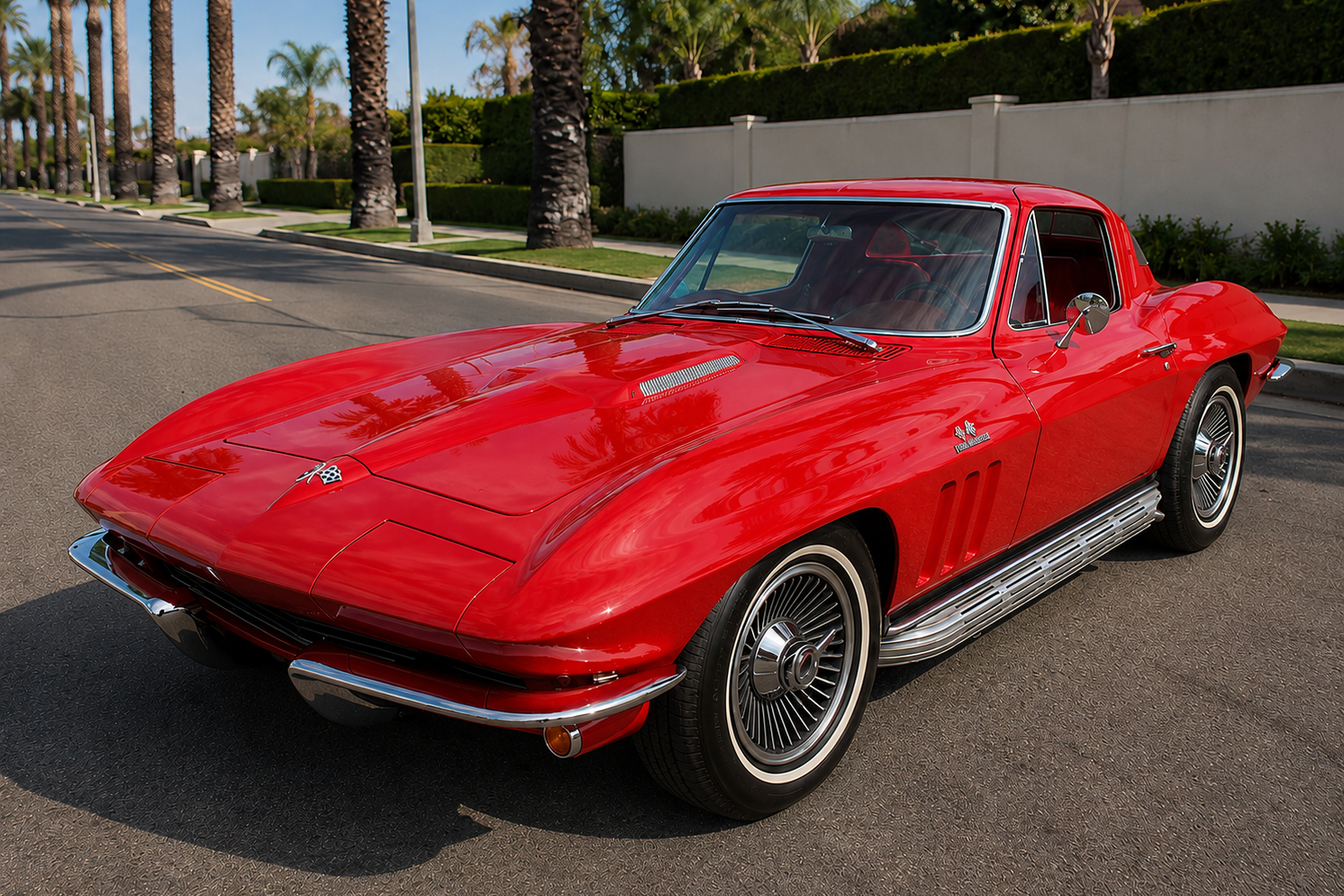
Chevrolet Corvette Sting Ray (C2)
The split-window Sting Ray — five years that produced the most coveted Corvettes ever built.
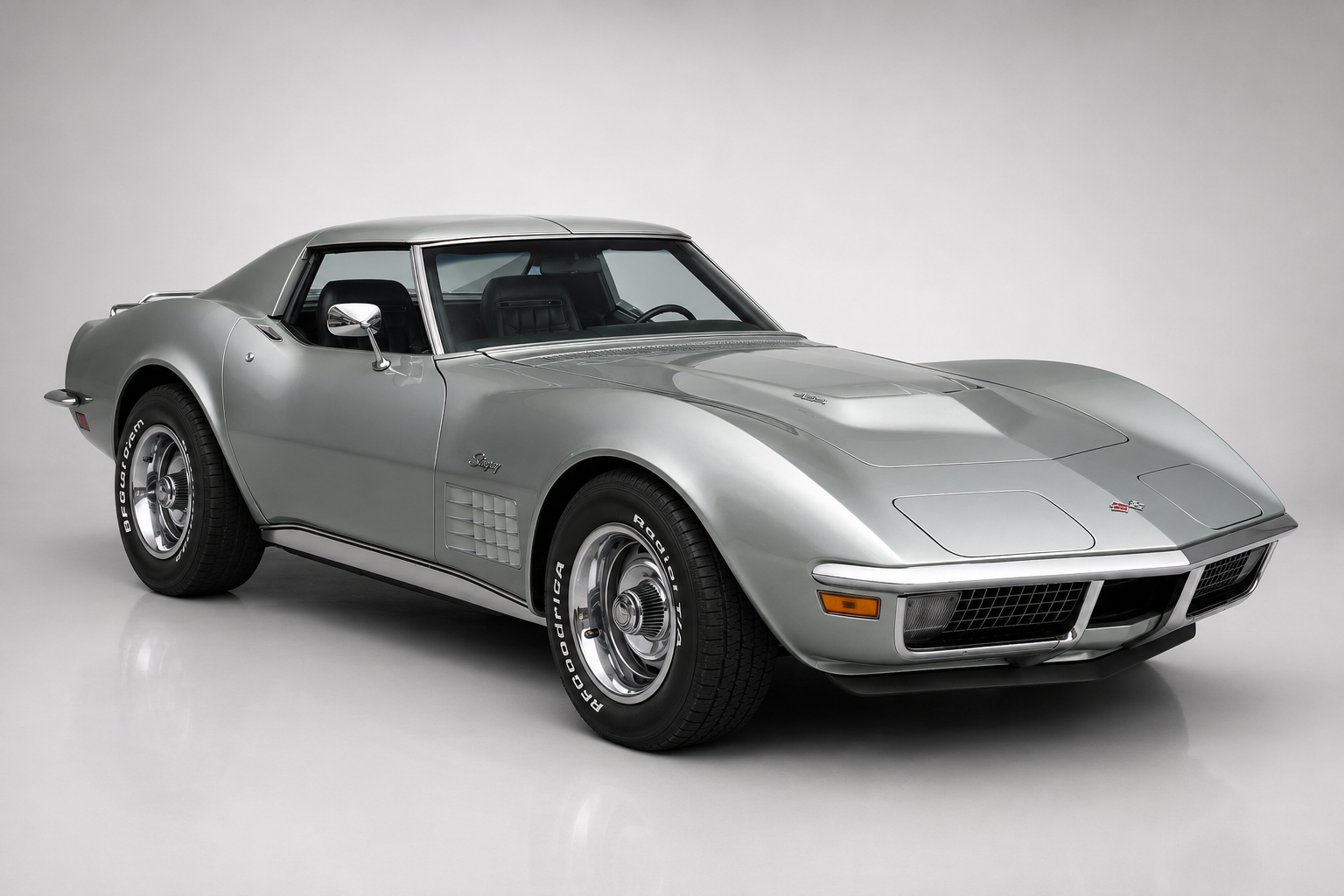
Chevrolet Corvette Stingray (C3)
The shark-styled Corvette that ran for 14 years — collectible at the early big-block end, undervalued in the middle.
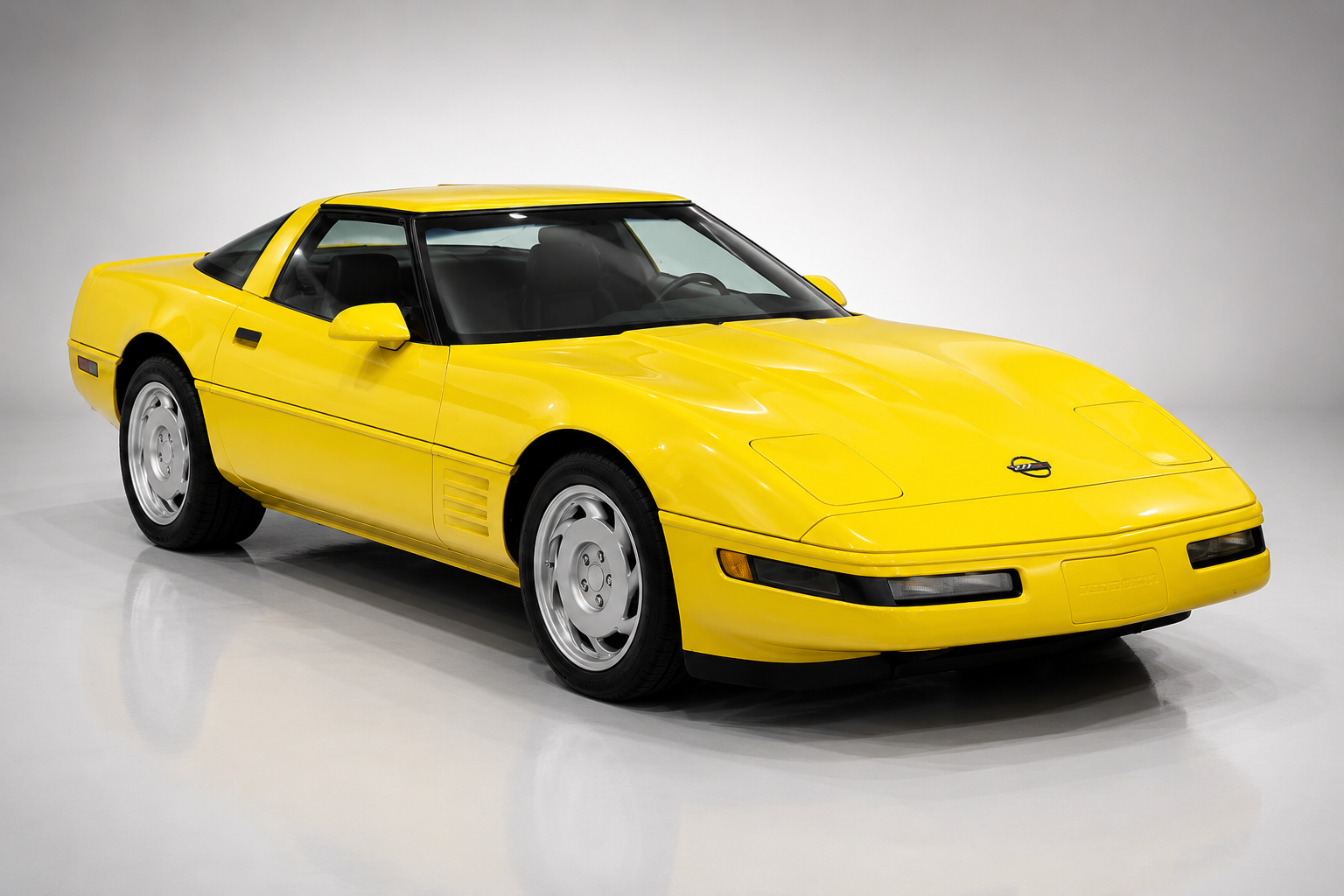
Chevrolet Corvette (C4)
The clean-sheet Corvette that dragged the car into the modern era — collectable today for the ZR-1, Grand Sport and last-year LT4 cars.
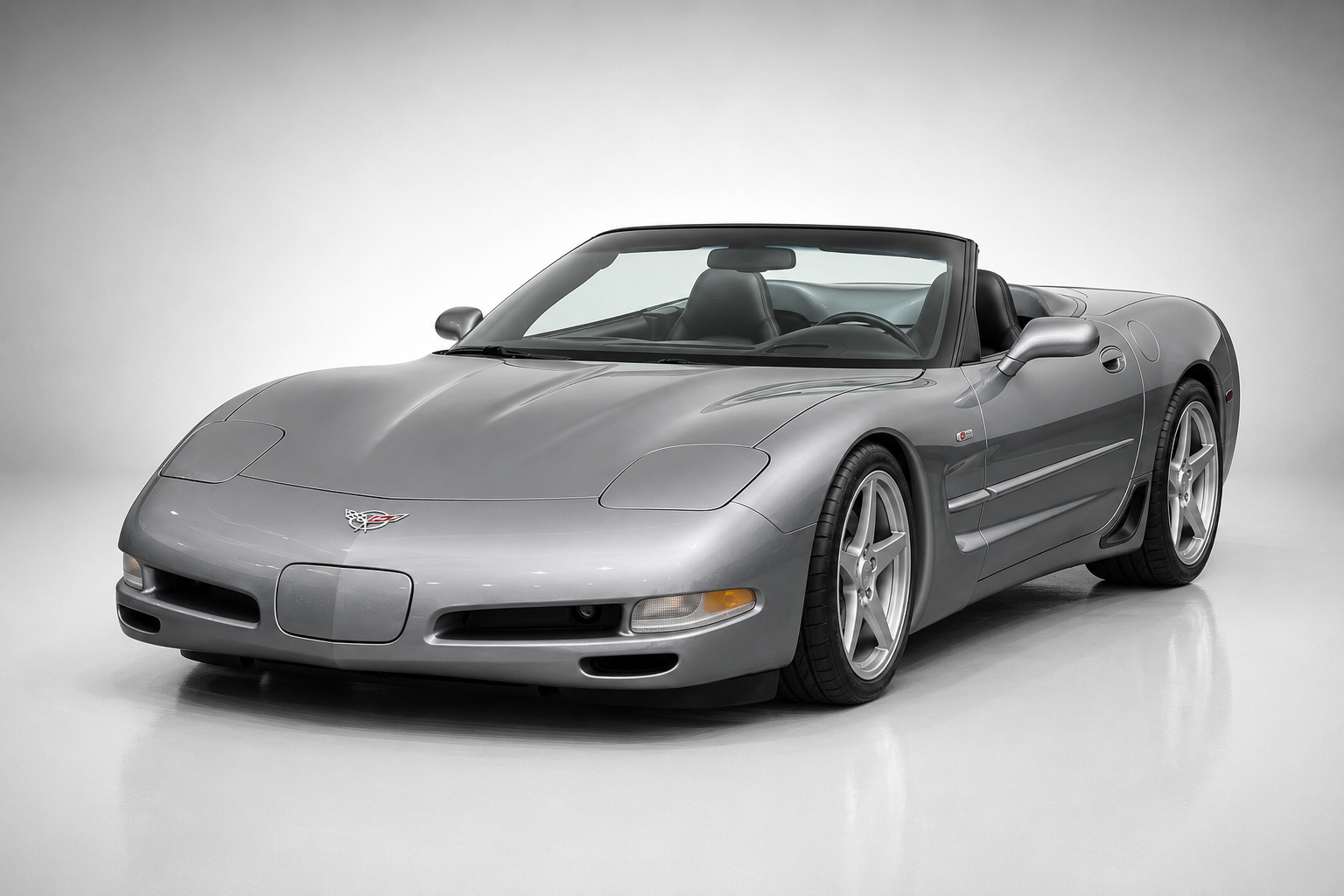
Chevrolet Corvette (C5)
The clean-sheet, hydroformed-chassis Corvette that finally paired real performance with real usability — and gave the world the LS1 Z06.
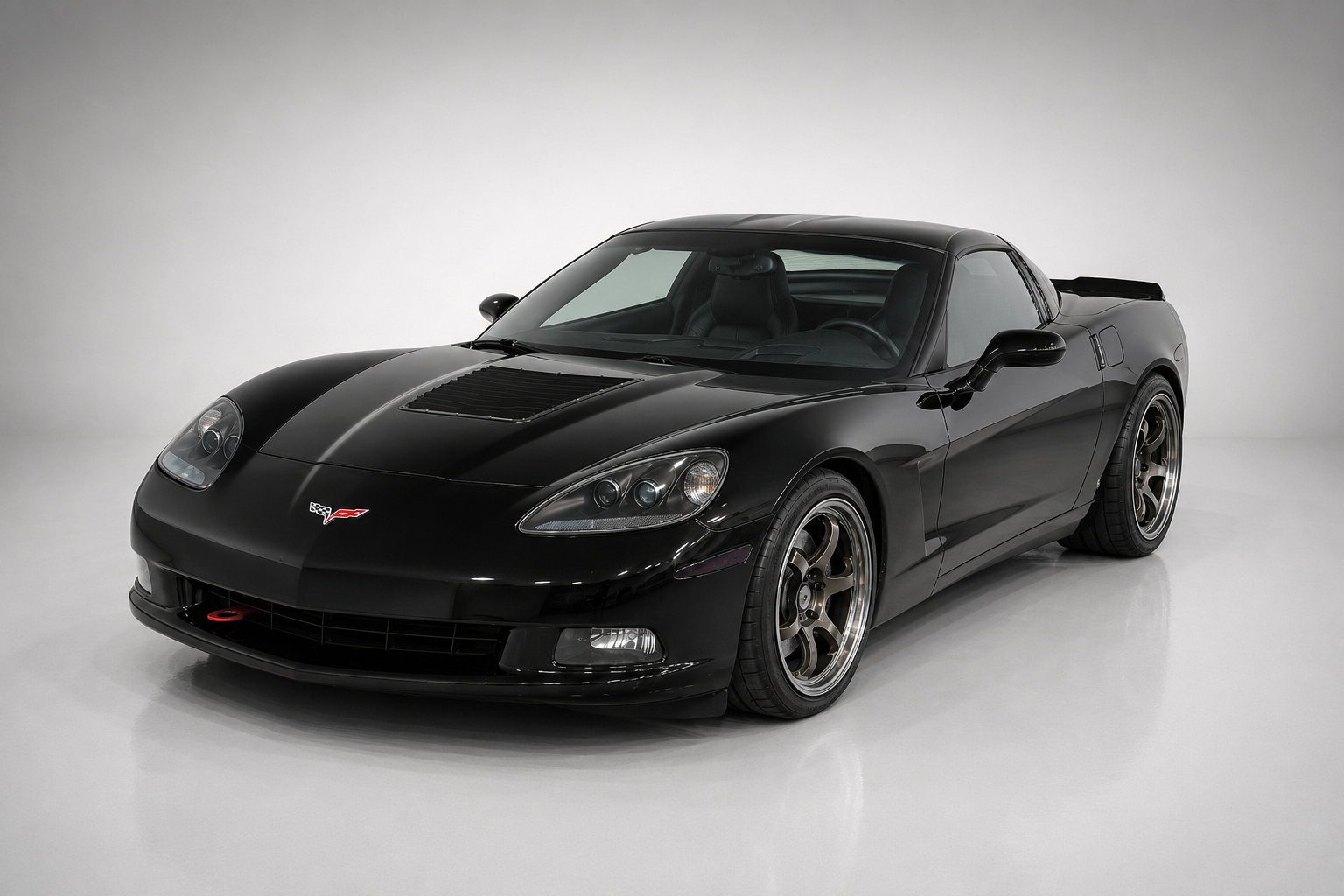
Chevrolet Corvette (C6)
The Corvette that finally lost the pop-up headlights and gained the LS7 Z06 and supercharged LS9 ZR1.
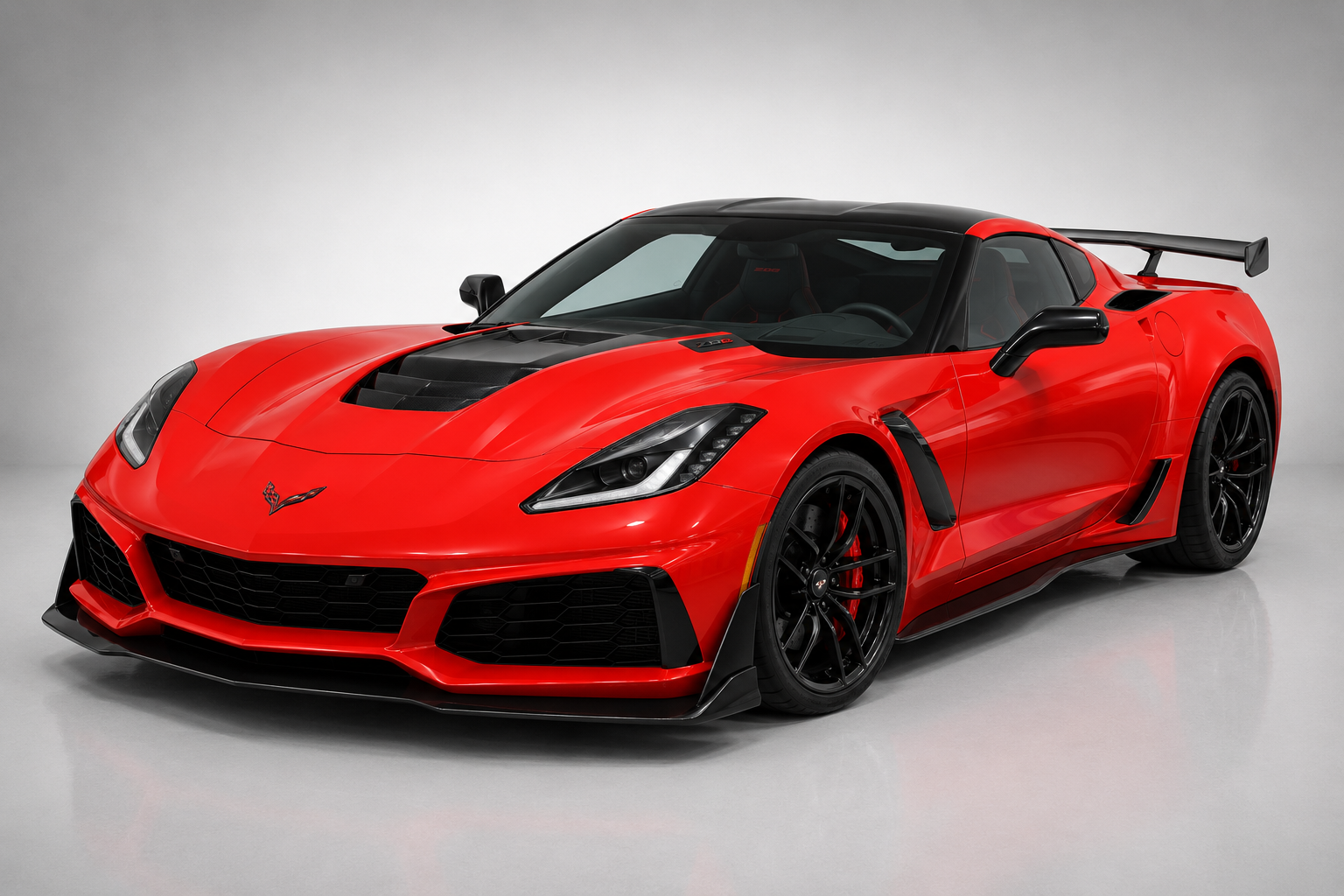
Chevrolet Corvette (C7)
The last front-engined Corvette — and, in ZR1 form, the most extreme road Corvette ever built.
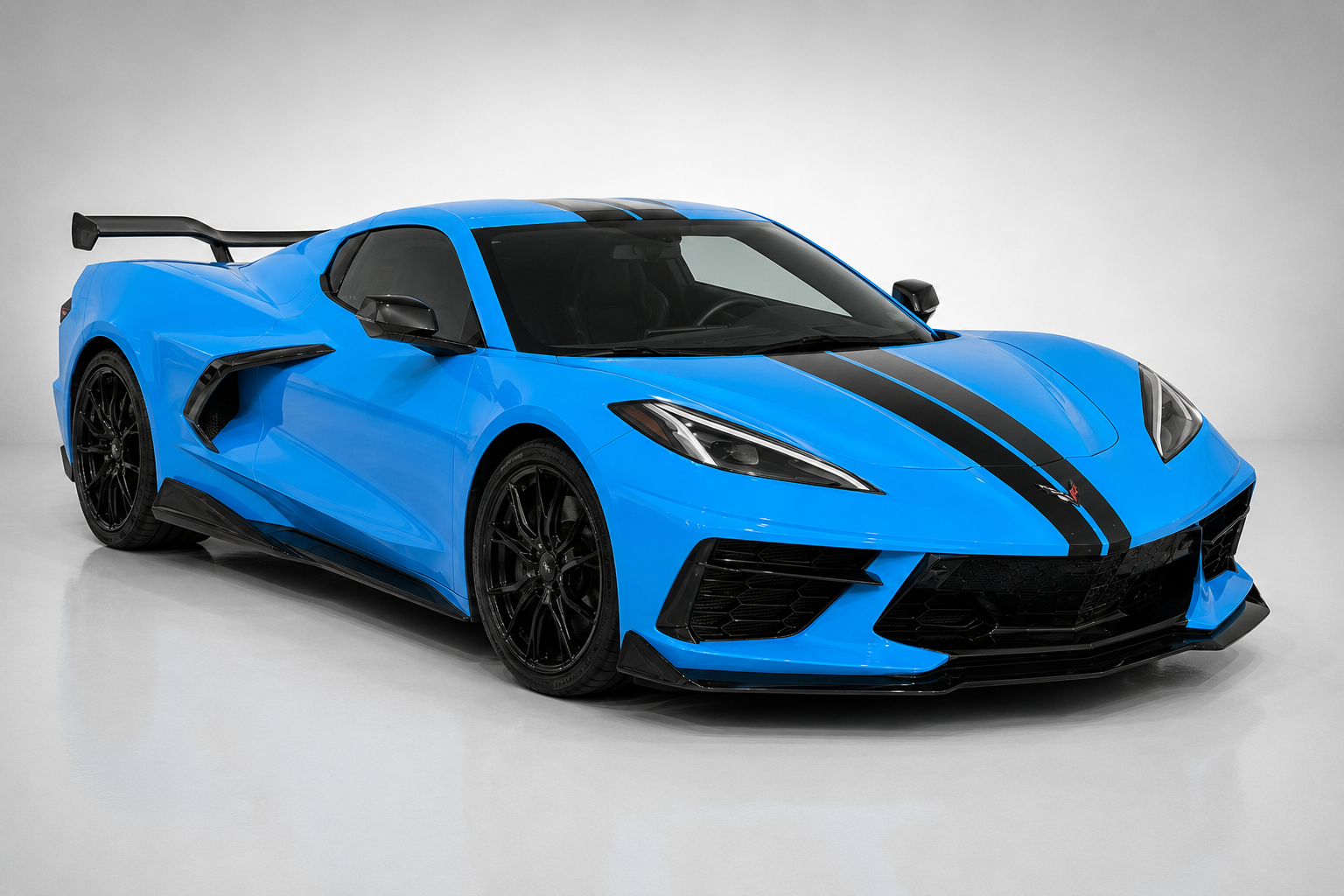
Chevrolet Corvette (C8)
The first mid-engined production Corvette — and the platform for the Z06, E-Ray and 1,064-hp ZR1.
Citroën
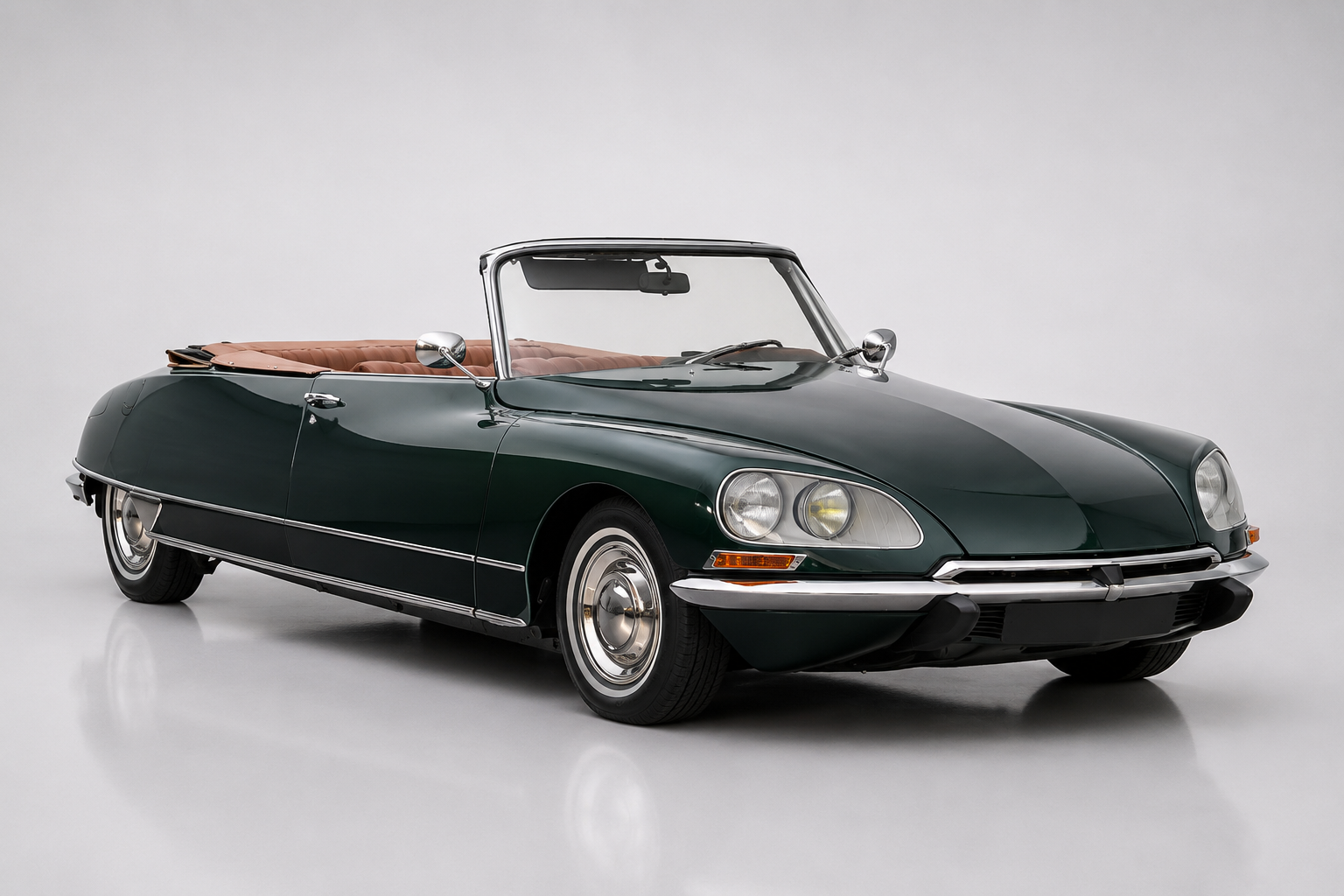
Citroën DS
Bertoni's aerodynamic FWD executive car — with self-levelling hydropneumatics and the coachbuilt Chapron Décapotable as its halo.
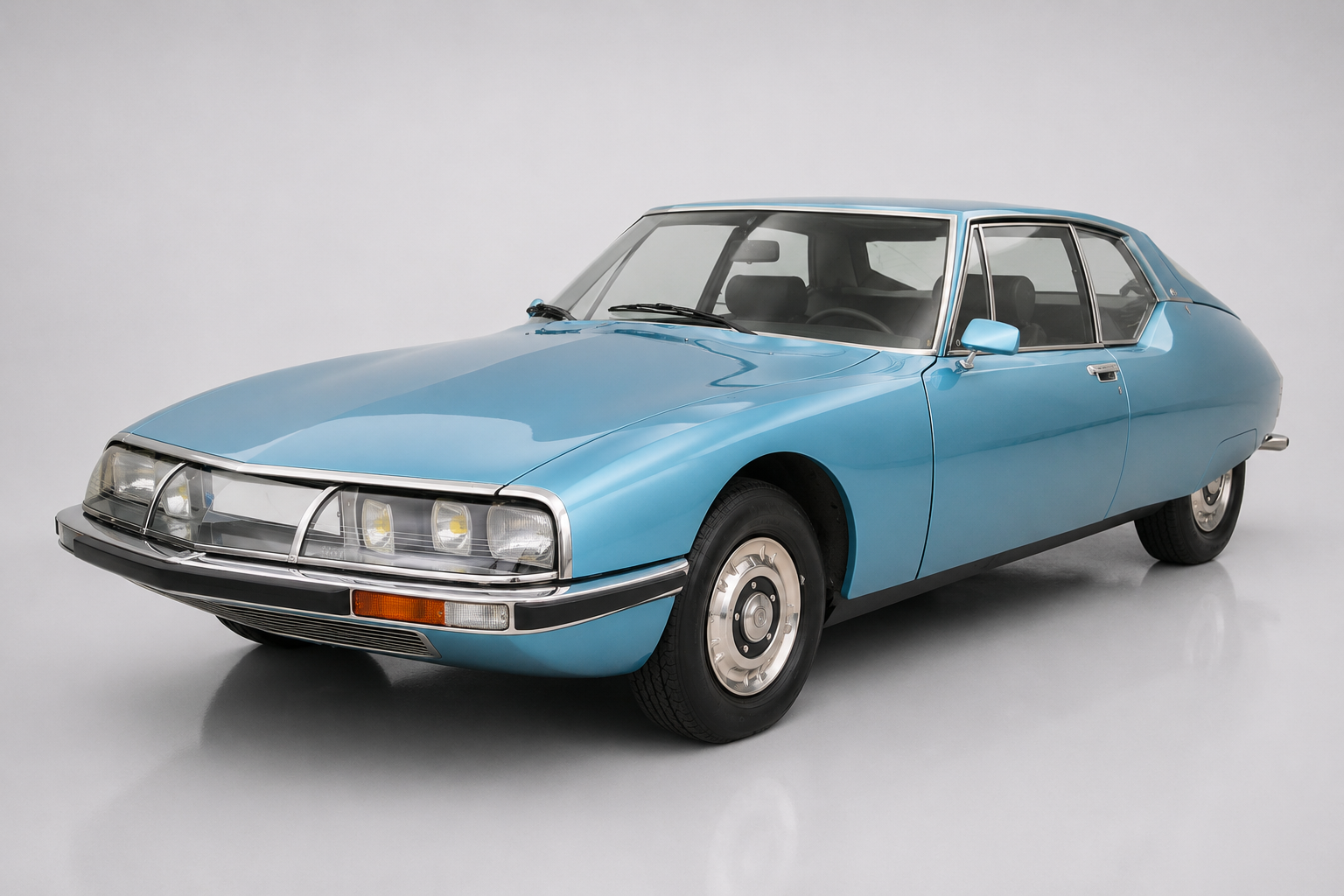
Citroën SM
A technically singular French GT — Citroën hydropneumatics and DIRAVI steering with a Maserati V6.
Cord
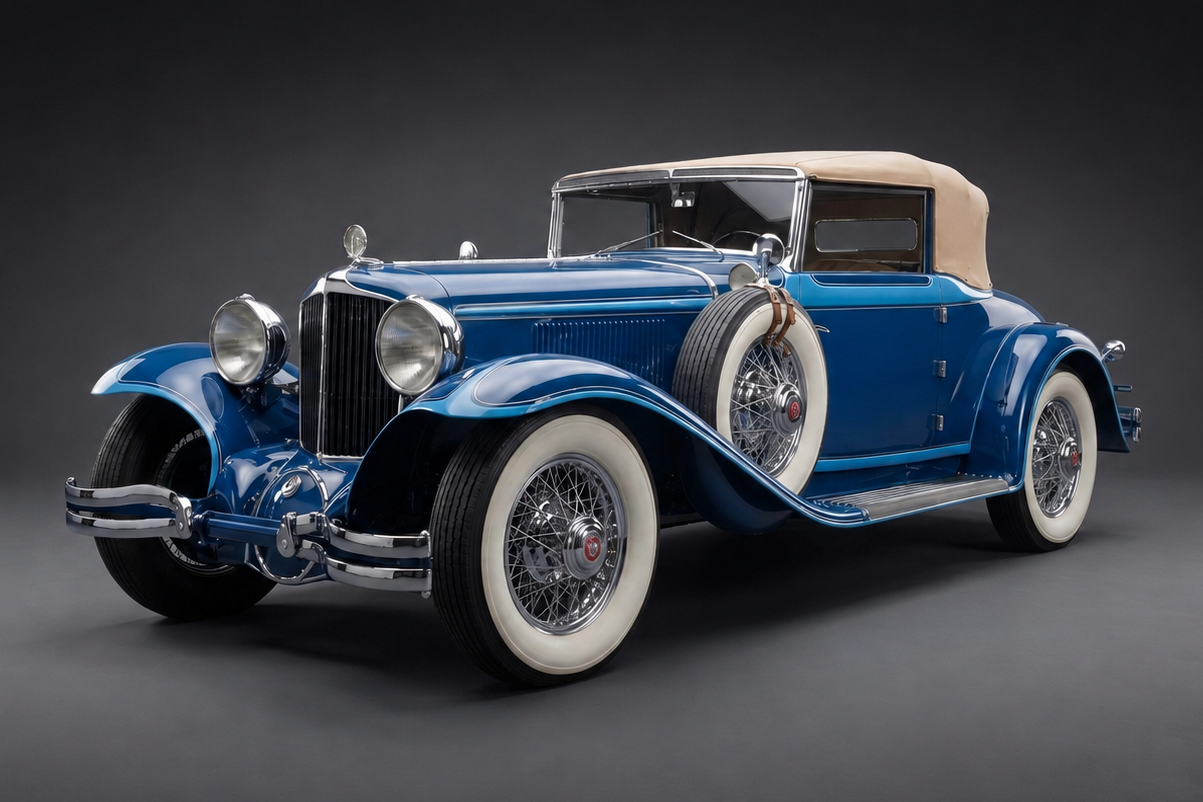
Cord L-29
The first American front-wheel-drive car — Auburn's radical 1929 flagship, engineered from Harry Miller's Indianapolis racing patents and now a CCCA Full Classic.
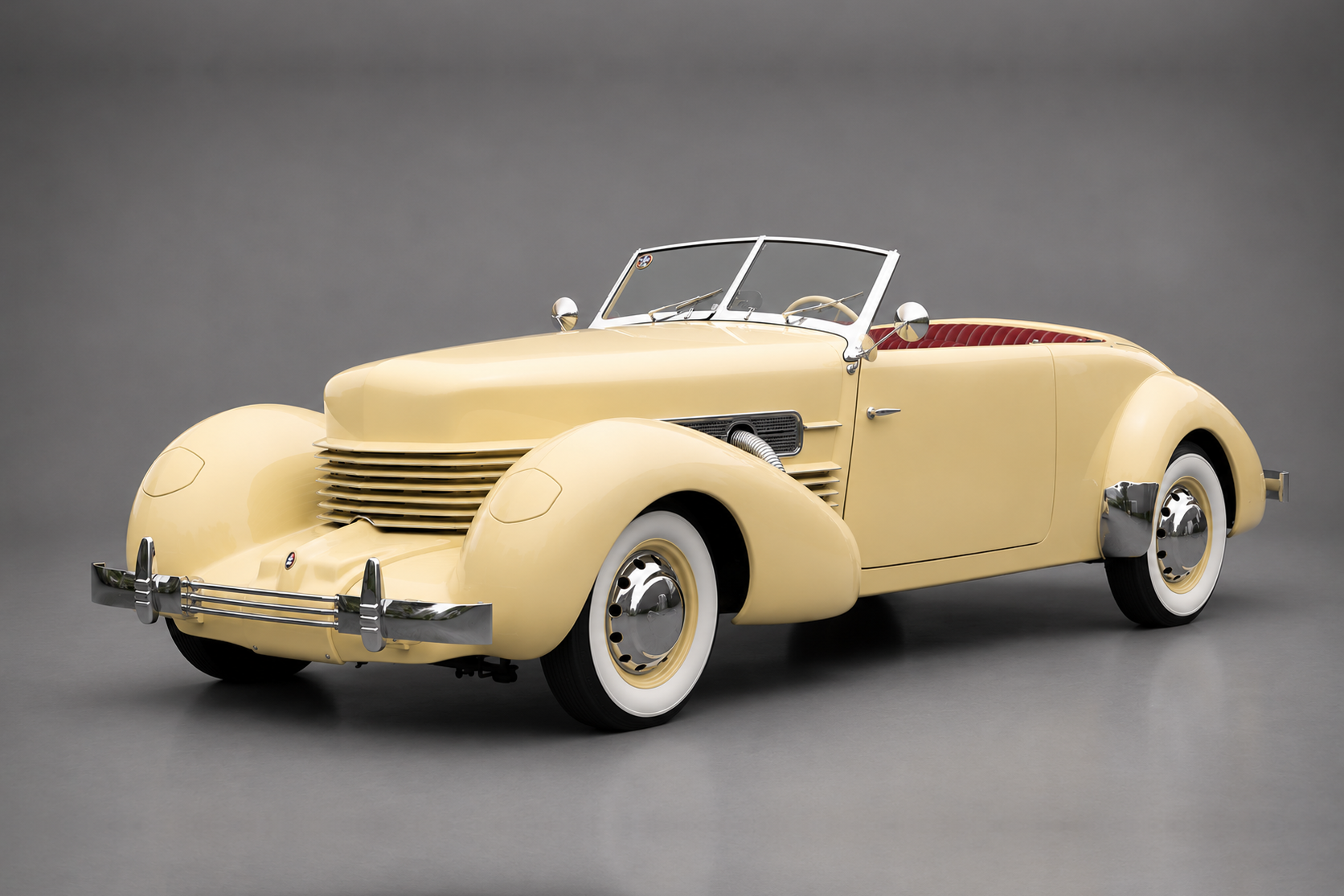
Cord 810 / 812
Gordon Buehrig's coffin-nose Cord — front-wheel drive, hidden headlamps and Art Deco design from 1936 America.
Delahaye
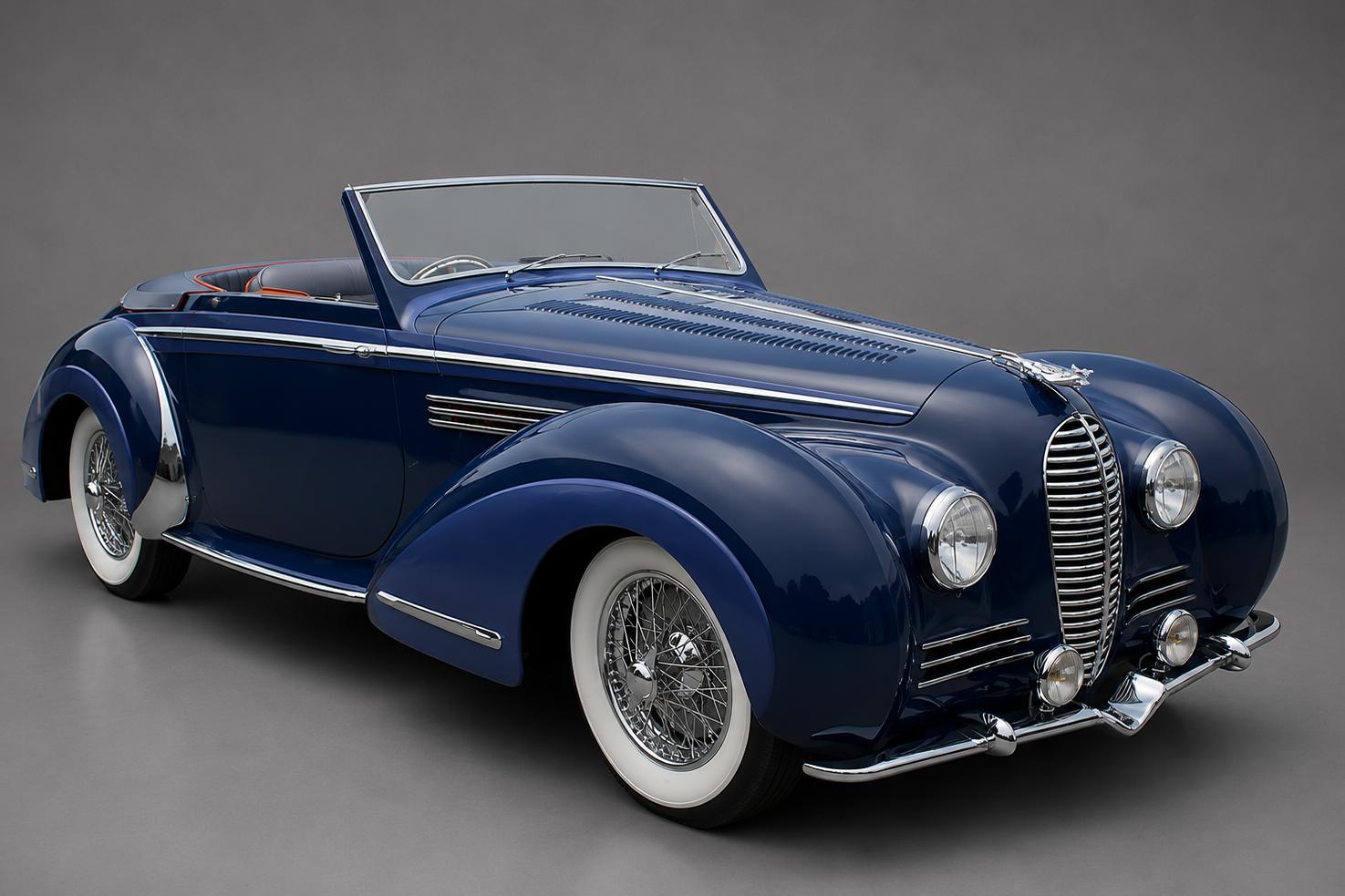
Delahaye 135 / 135M / 135MS
France's defining sporting grand tourer of the 1930s — chassis to the world's leading coachbuilders.
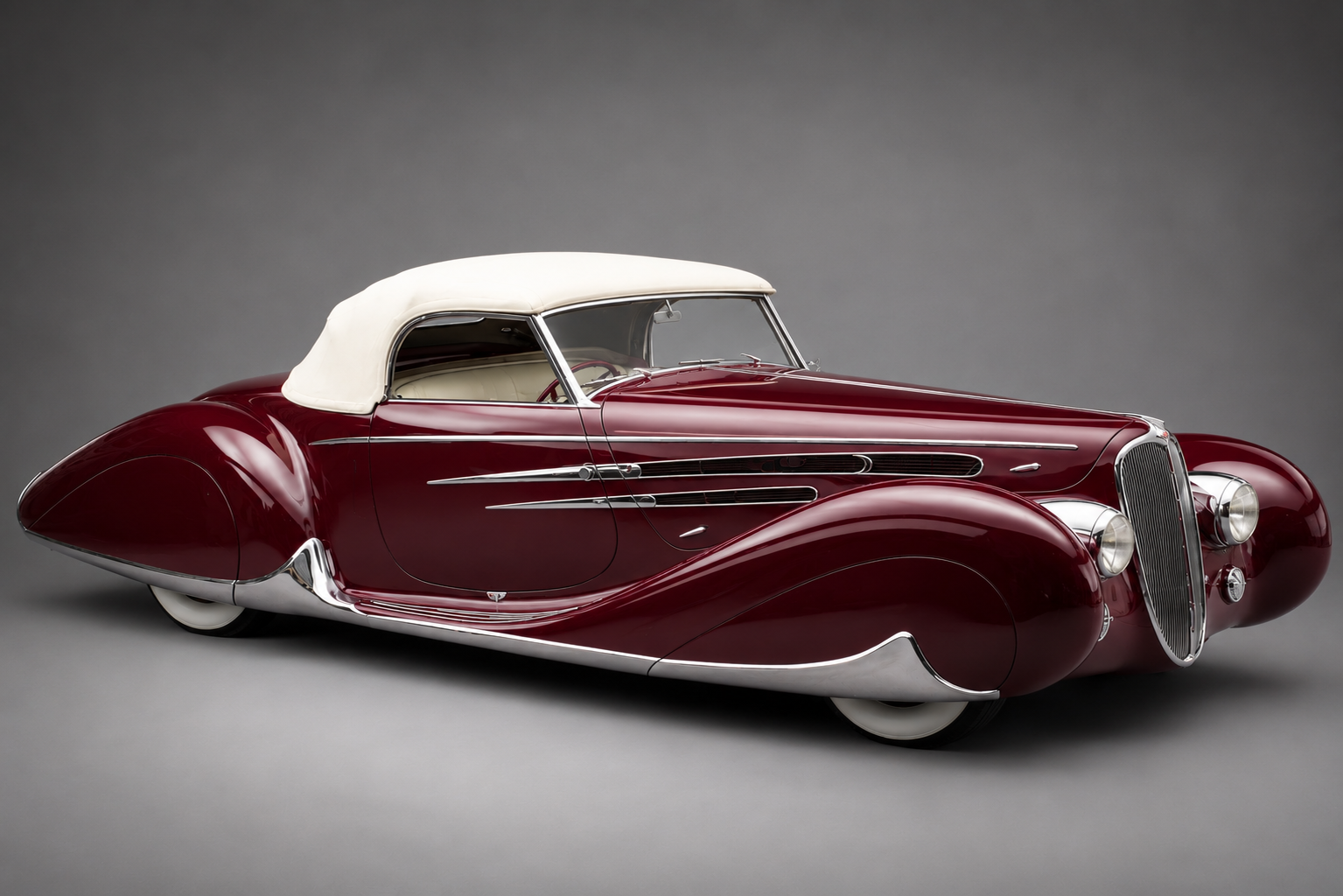
Delahaye 165
The V12 flagship — France's answer to the pre-war grand routière, clothed by Figoni et Falaschi.
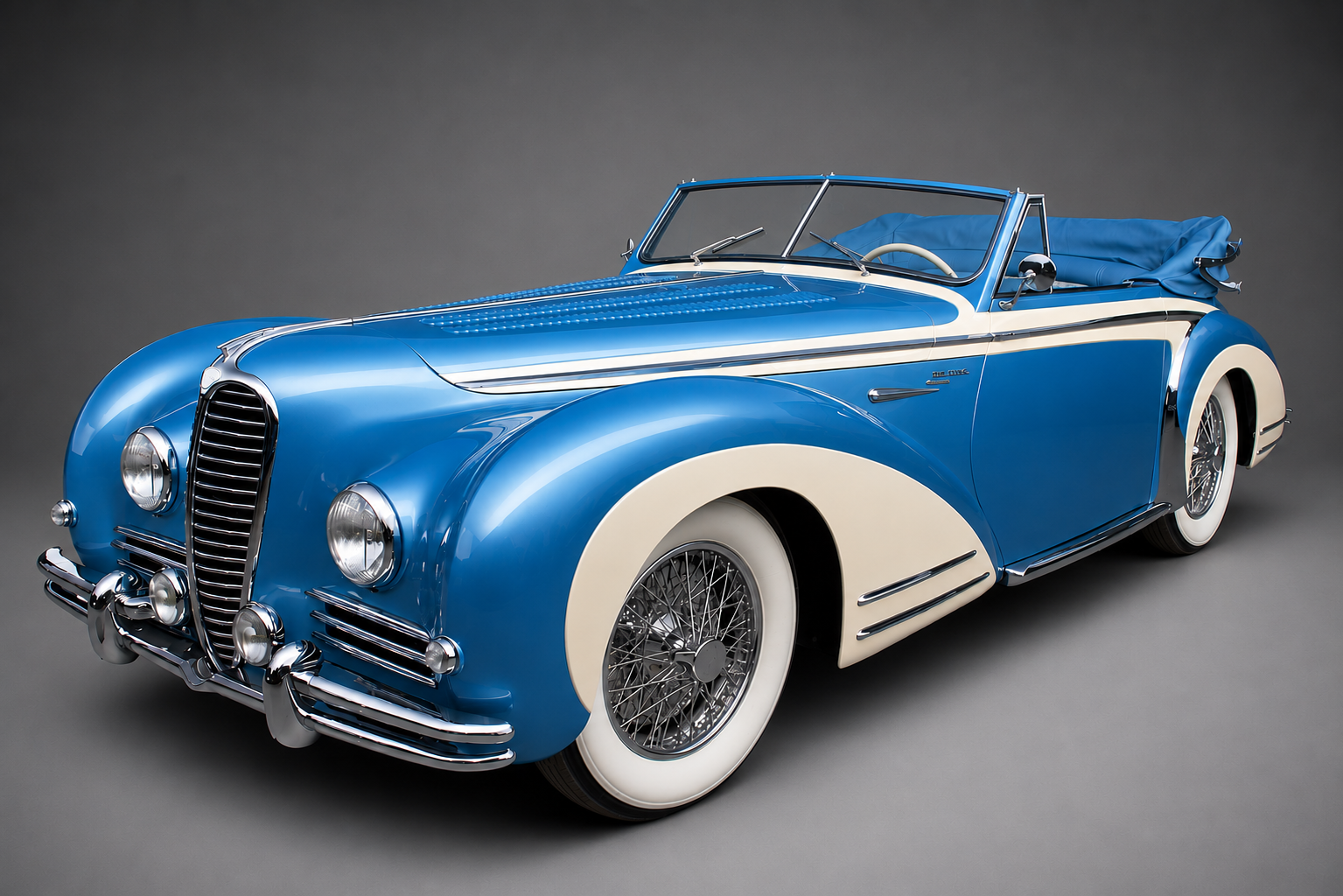
Delahaye 175 / 175S / 178 / 180
Delahaye's post-war 4.5-litre flagship — three wheelbases, one chassis, and the last great platform for French coachbuilding.
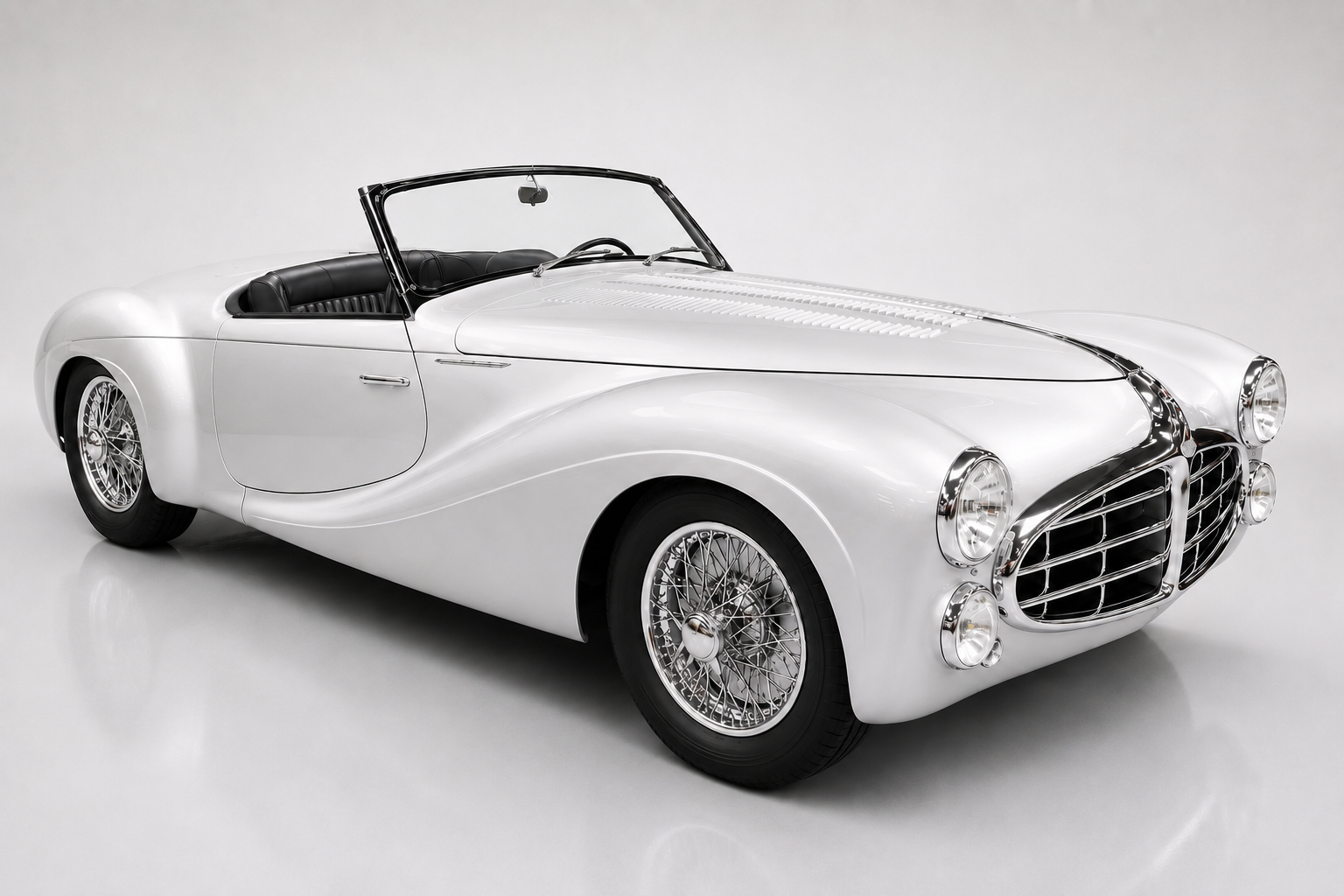
Delahaye Type 235
The last Delahaye — a 1950s ponton-bodied evolution of the 135, sold as a coachbuilt chassis.
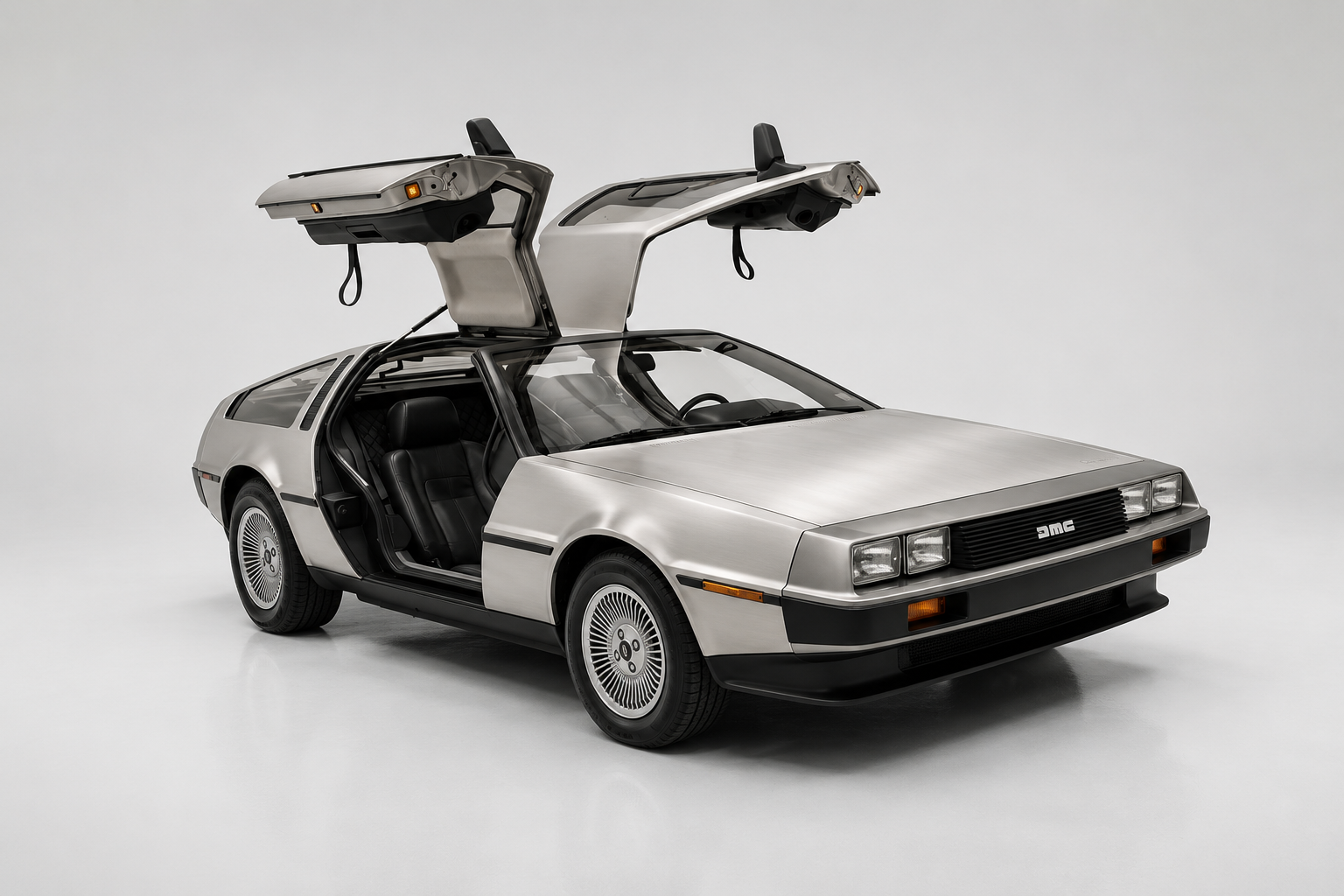
DeTomaso
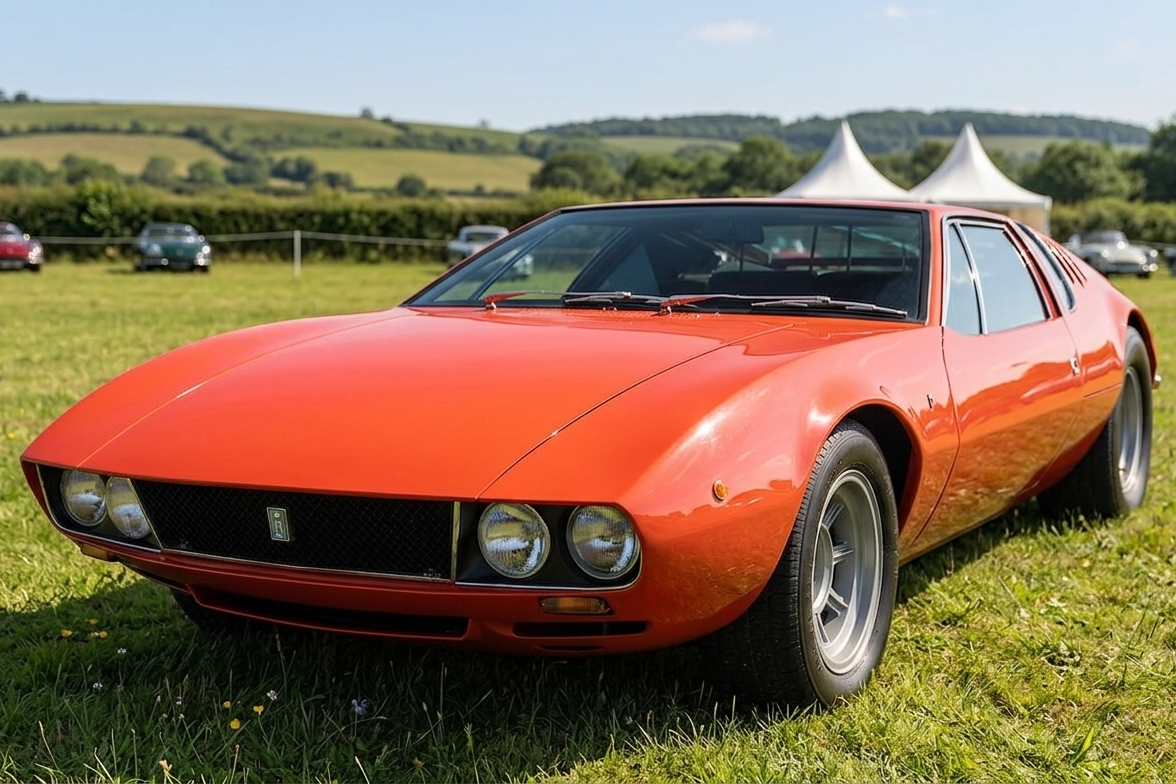
DeTomaso Mangusta
Alejandro de Tomaso's first series mid-engined GT — Giugiaro-bodied, Ford-powered, ZF-transaxled, and the direct blueprint for the Pantera that followed.
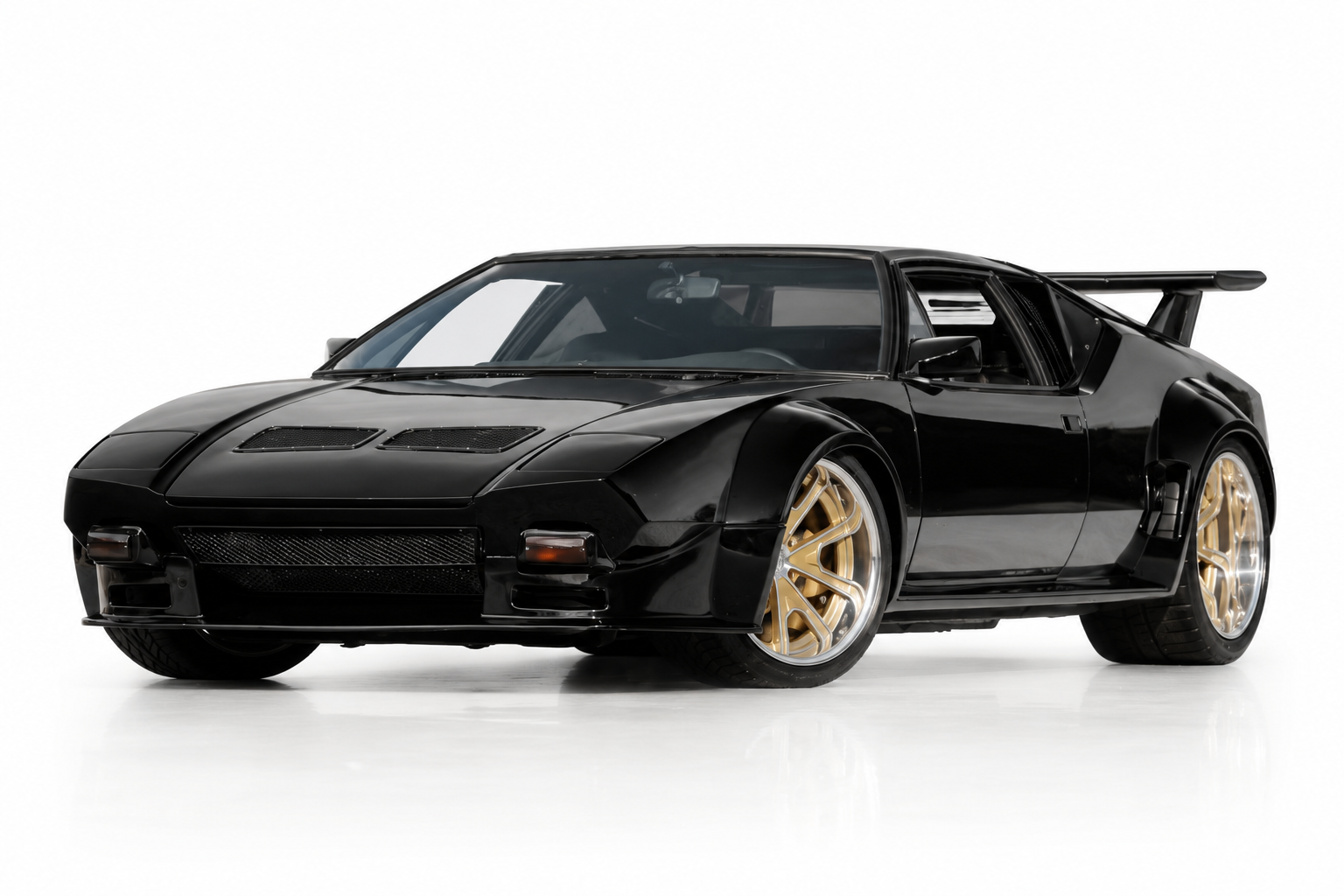
DeTomaso Pantera
Italian wedge styling, American V8 muscle — the Ford-engined supercar sold through Lincoln-Mercury dealers.
Dodge
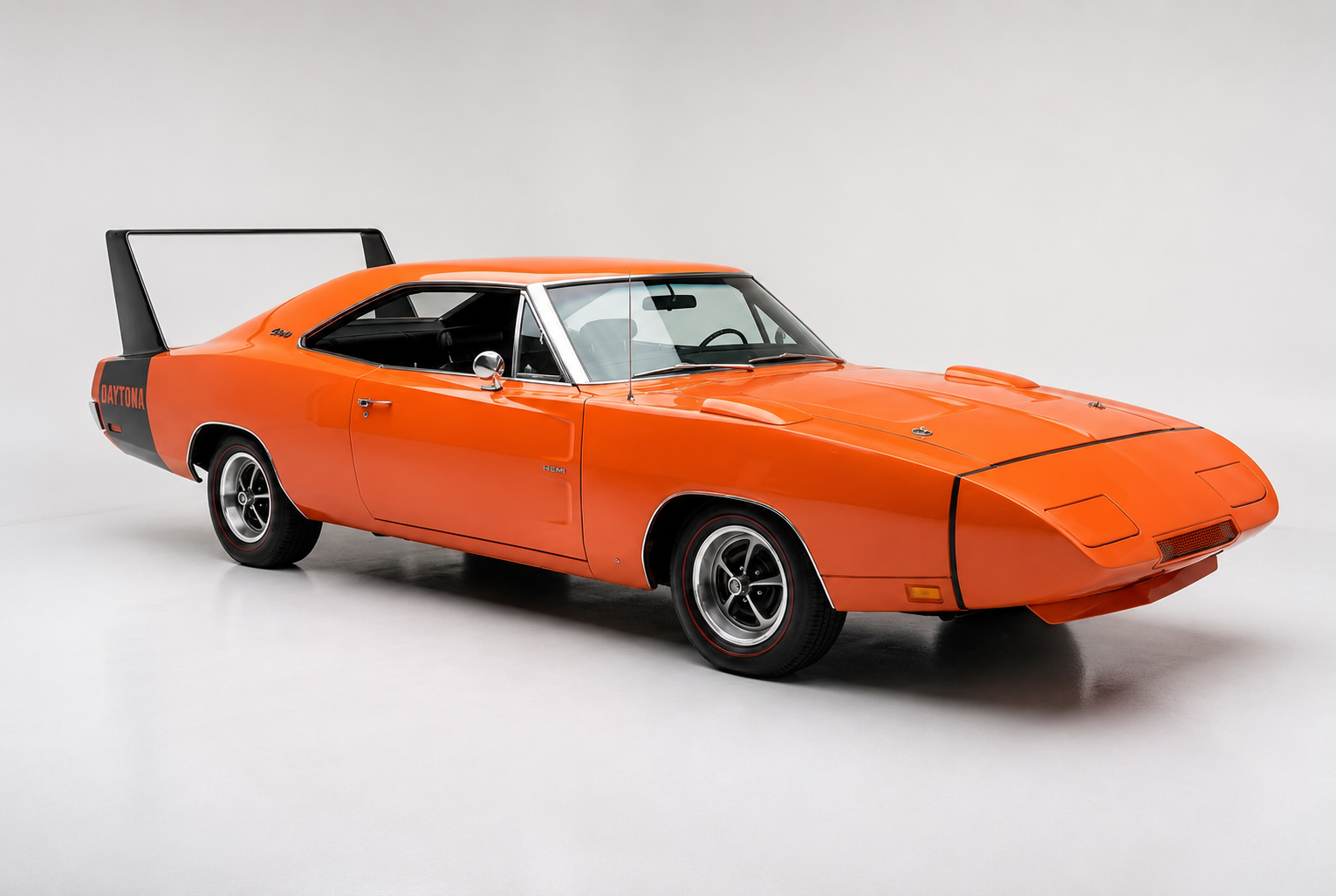
Dodge Charger Daytona
The winged NASCAR-homologation Charger built to break 200 mph on a superspeedway — and the car that did it.
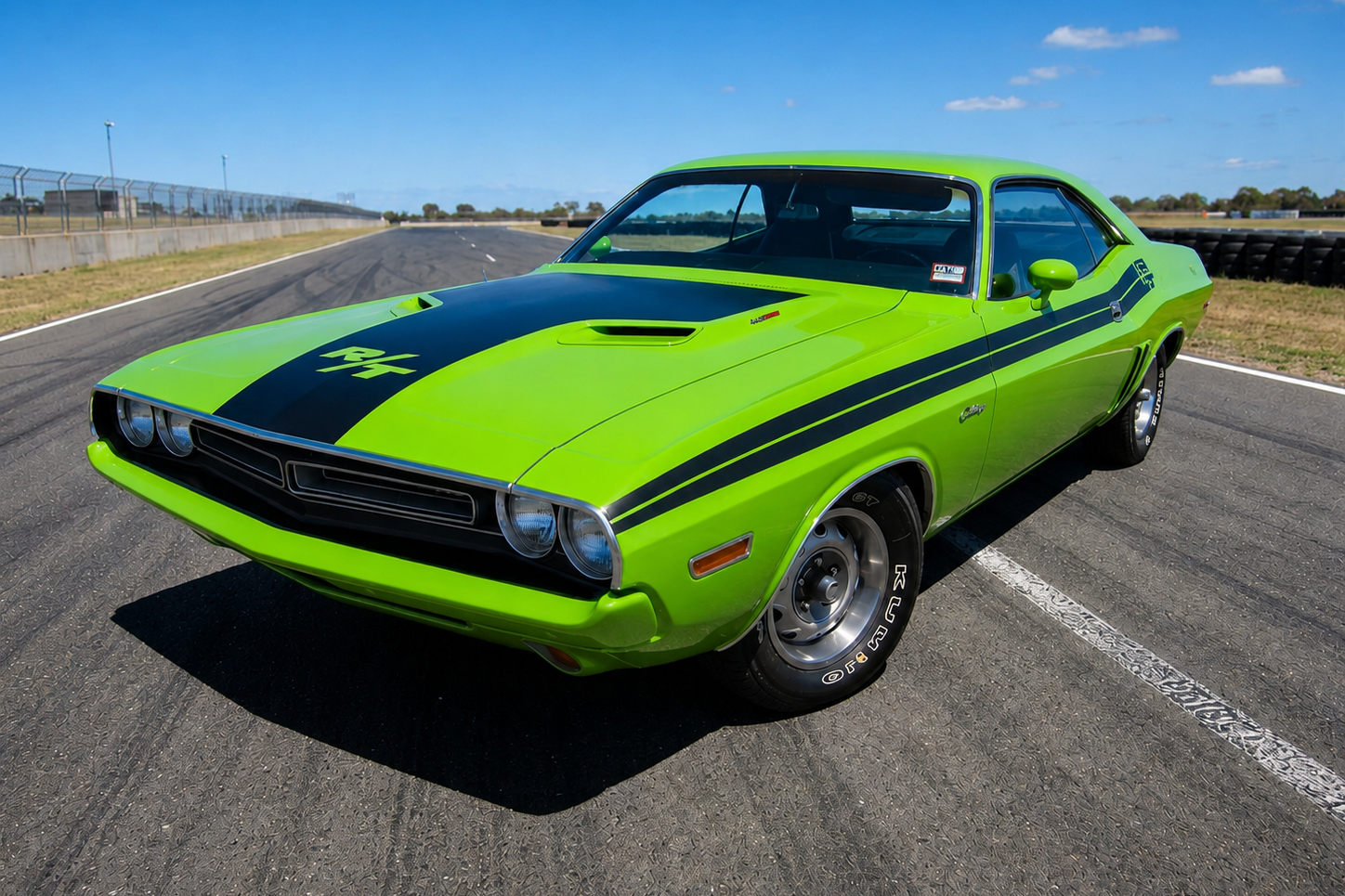
Dodge Challenger R/T Hemi
The 426 Street Hemi in Dodge's E-body pony car — 427 cars across two model years and the reference top of the Challenger market.
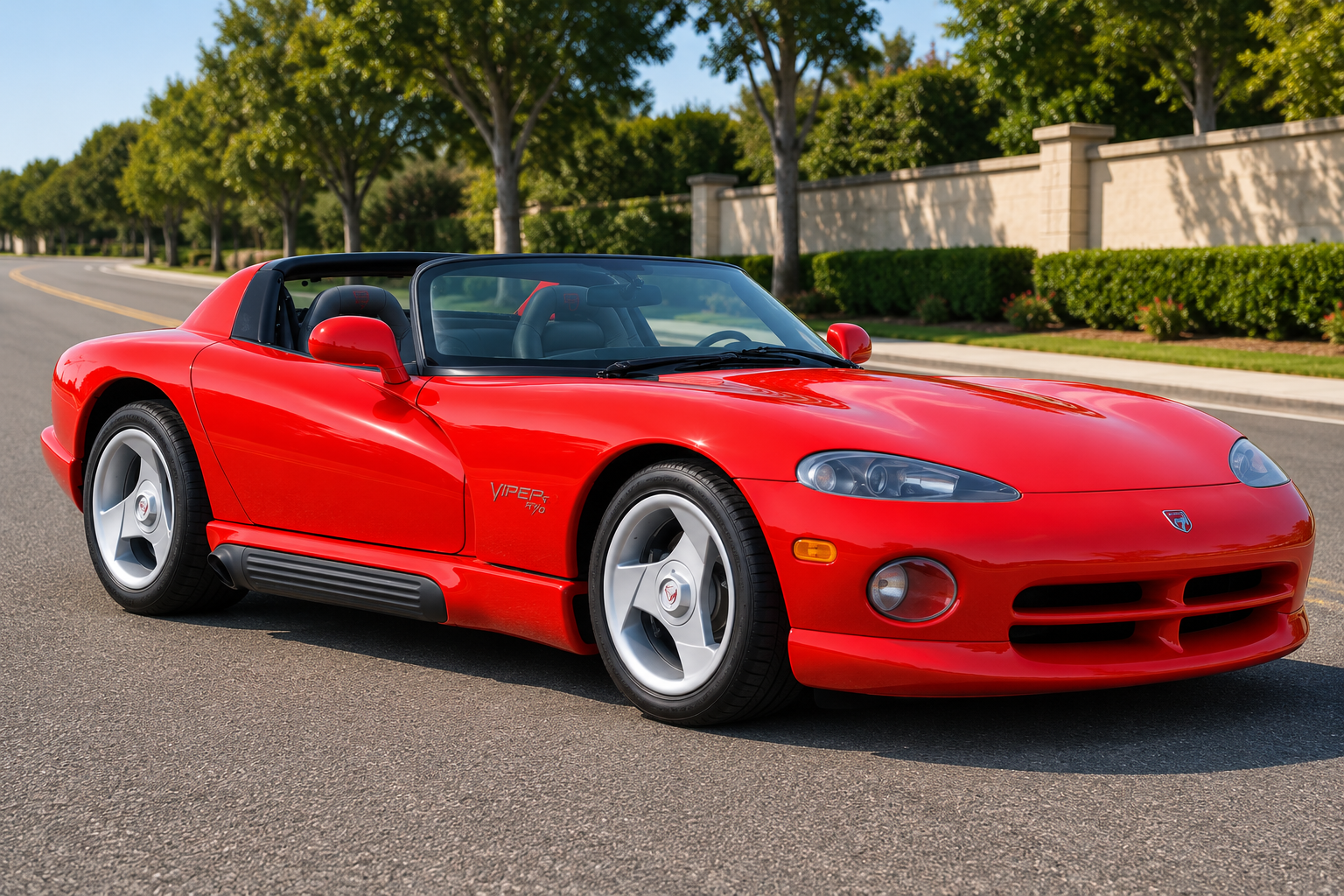
Dodge Viper RT/10 (Gen 1)
Concept-car-made-real — the original 8.0-litre V10 Dodge Viper RT/10 roadster.
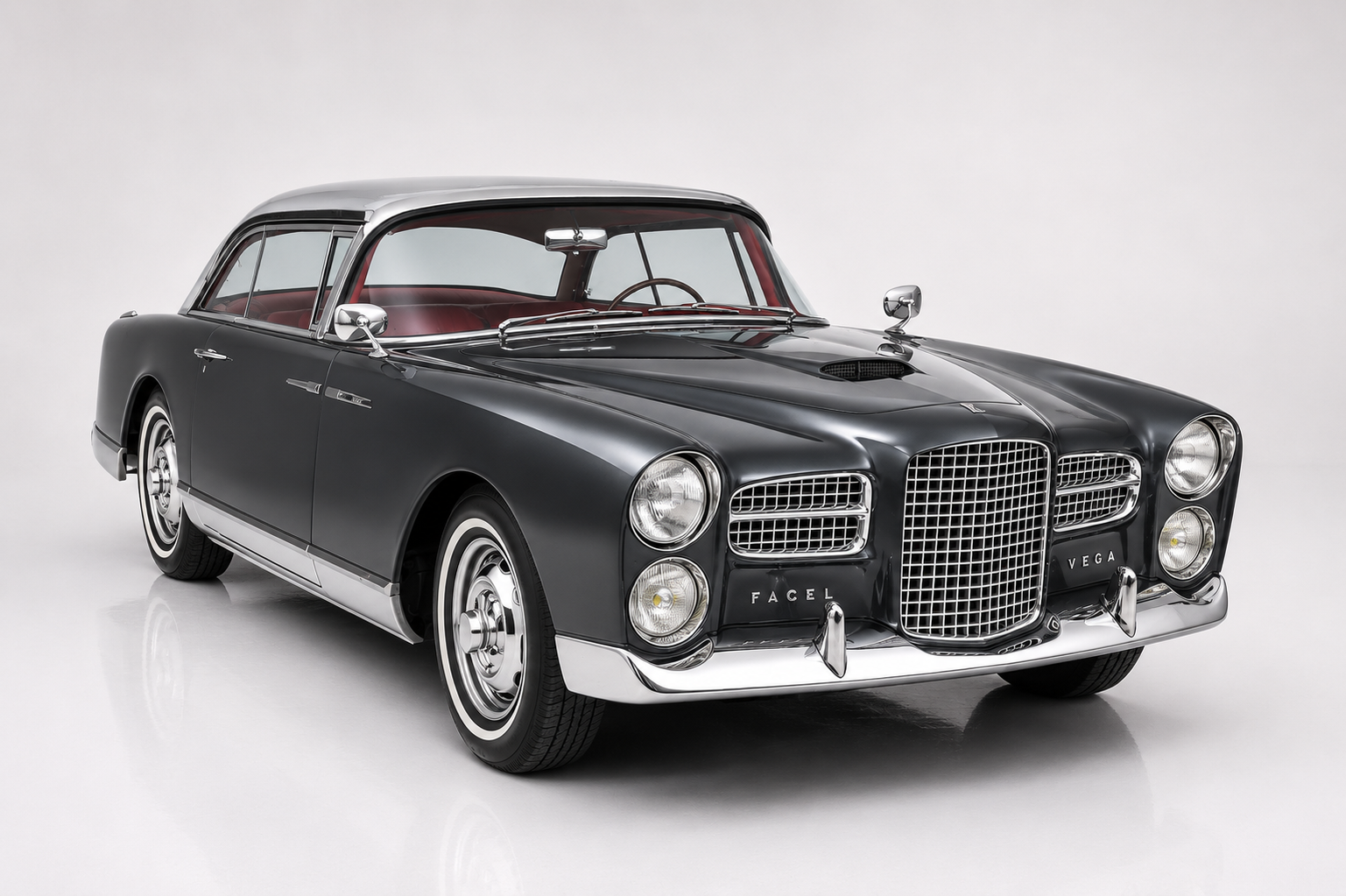
Ferrari
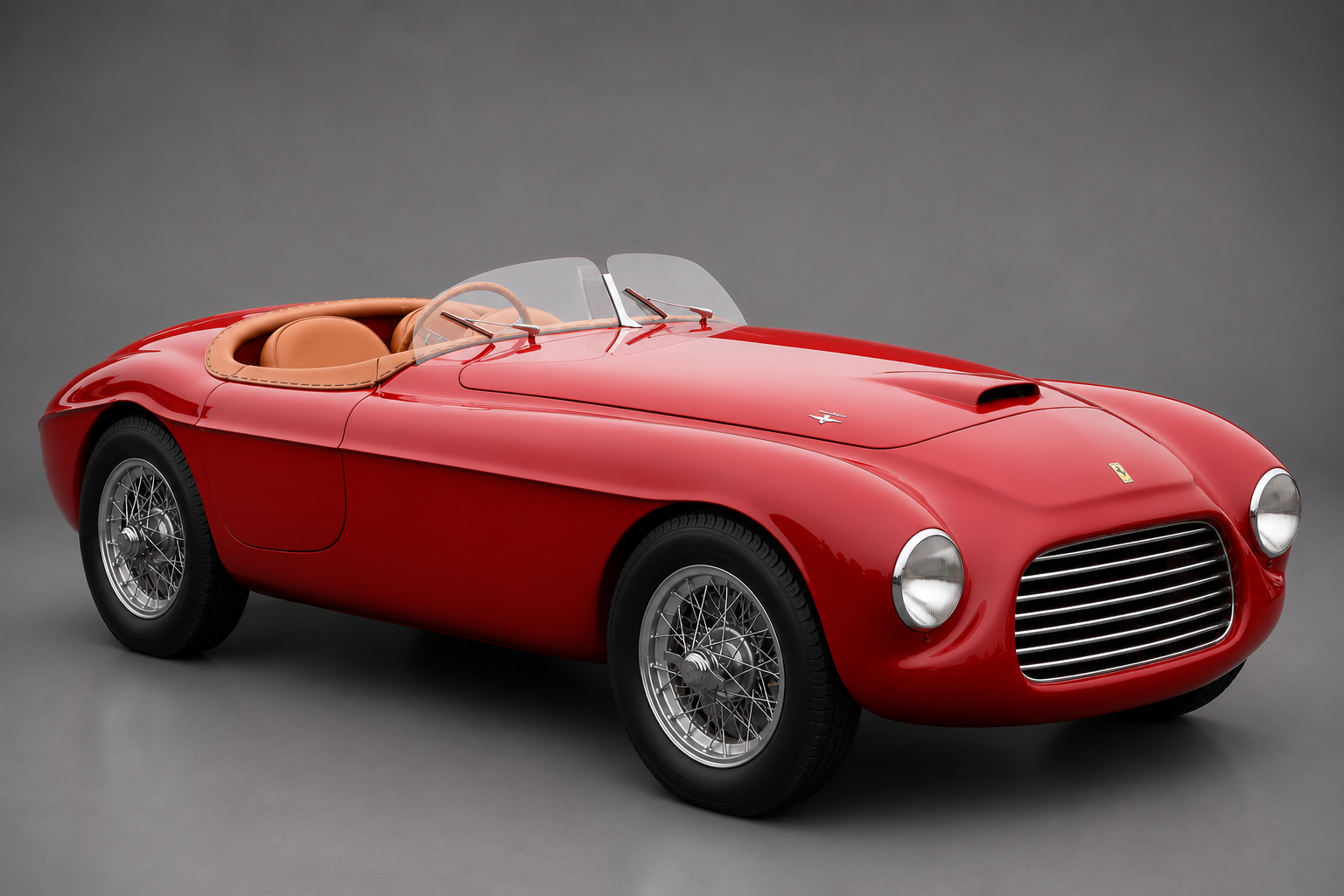
Ferrari 166 MM
Ferrari's first series sports racer, named for the marque's 1948 Mille Miglia victory — and winner of the 1949 Mille Miglia and Le Mans.
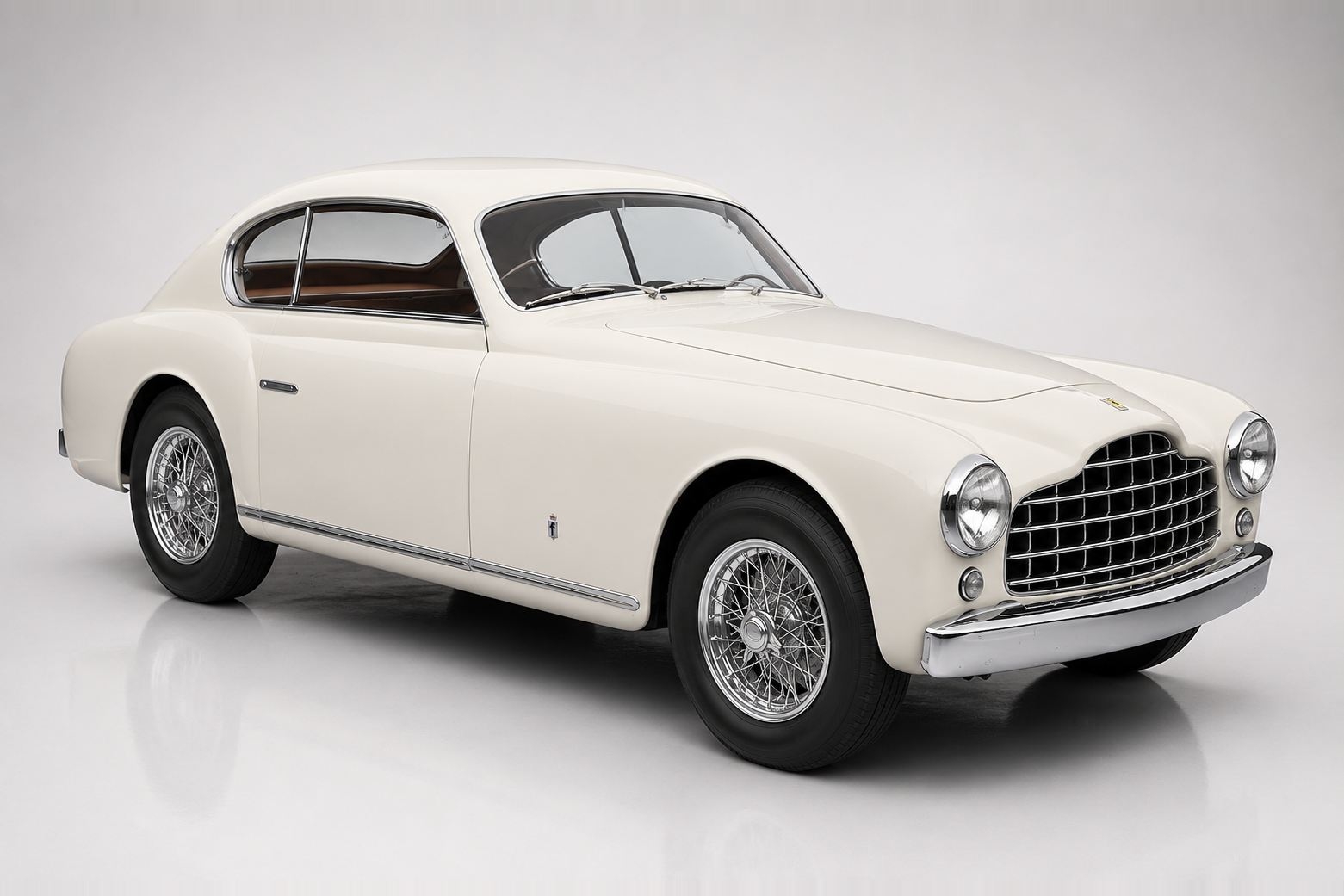
Ferrari 195 Inter
The 195 Inter is Ferrari's grand touring answer to the 195 S — an individually coachbuilt Colombo V12 road car from the marque's earliest years.
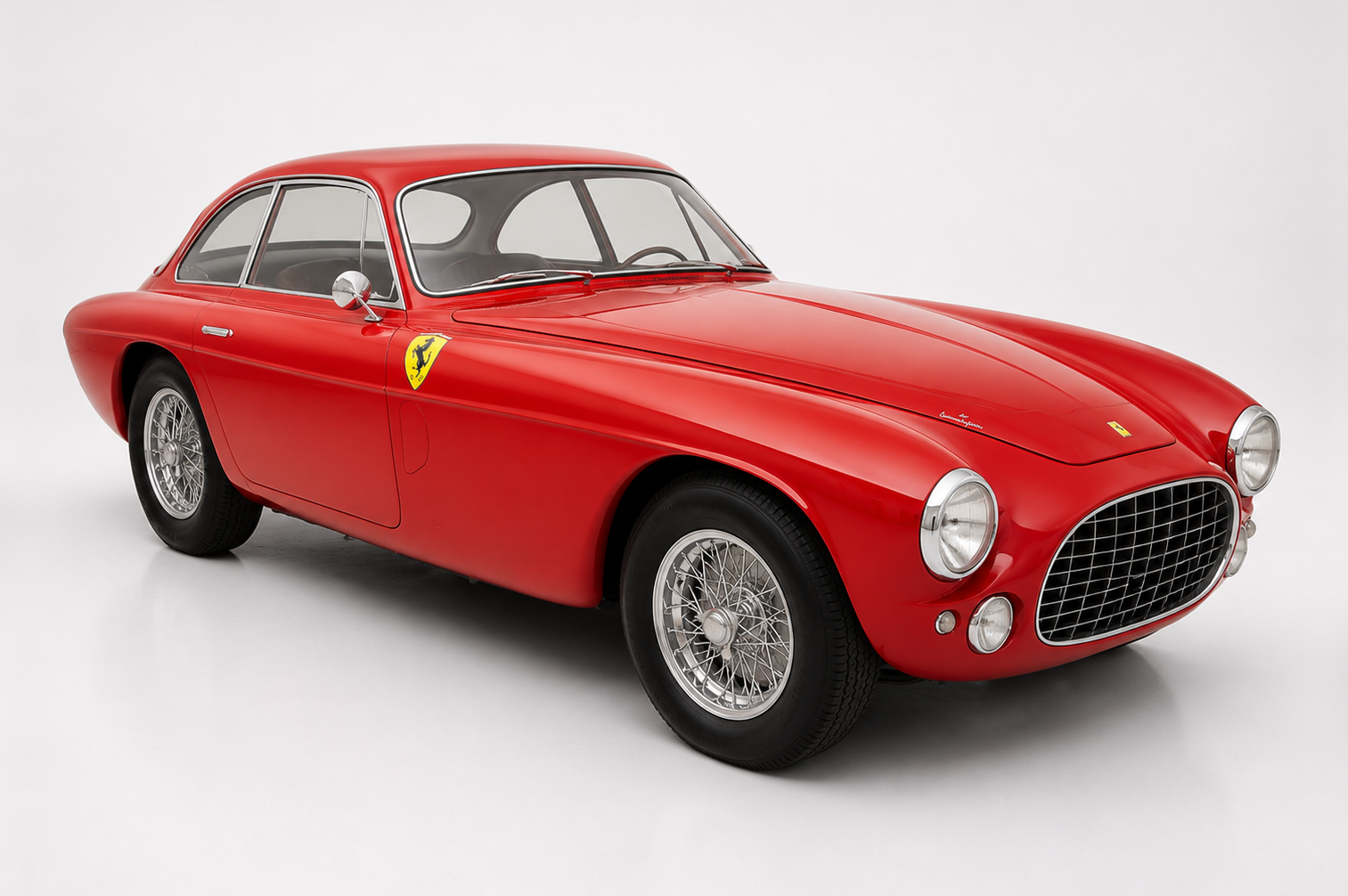
Ferrari 340 (America, Mexico & MM)
Ferrari's first Lampredi-engined road and competition family — America, Mexico and MM.
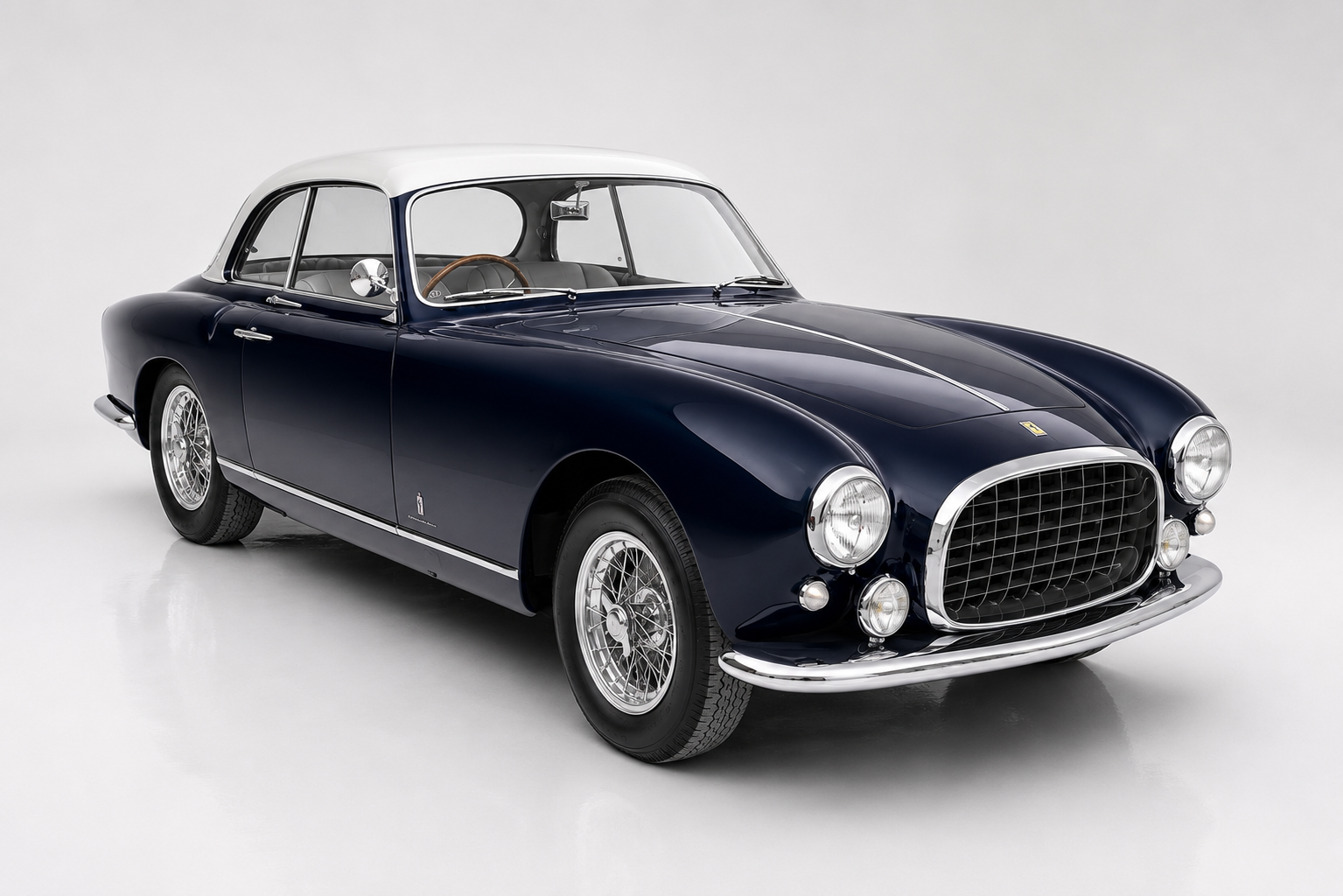
Ferrari 212 Inter
The 212 Inter turned Ferrari into a road-car maker rather than a racing team that sold cars — and was the first Ferrari bodied by Pinin Farina.
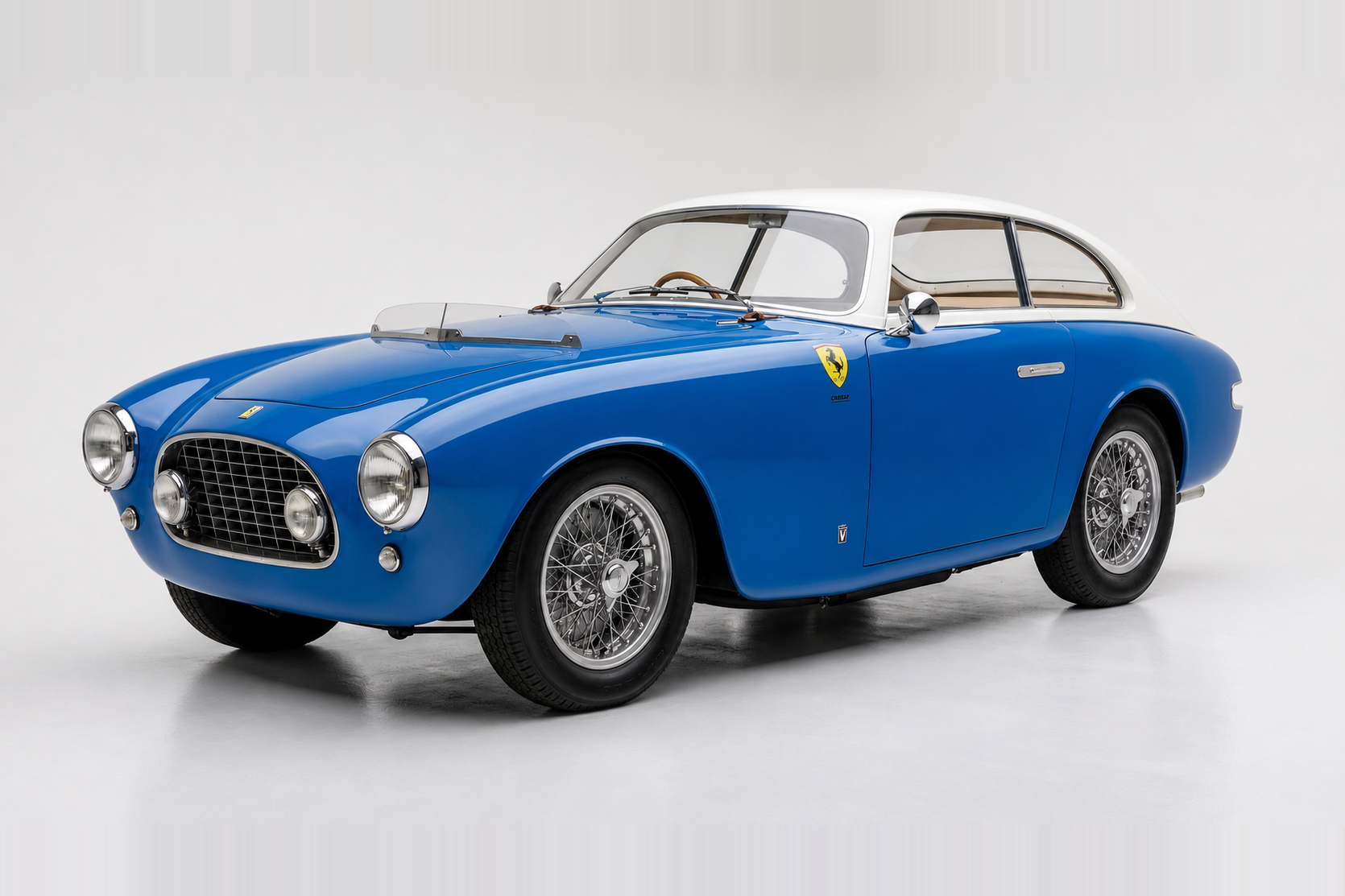
Ferrari 225 S
The 225 S is a 1952 works-supported sports racer — the final iteration of the Colombo V12 before the 250 family took the engine to three litres.
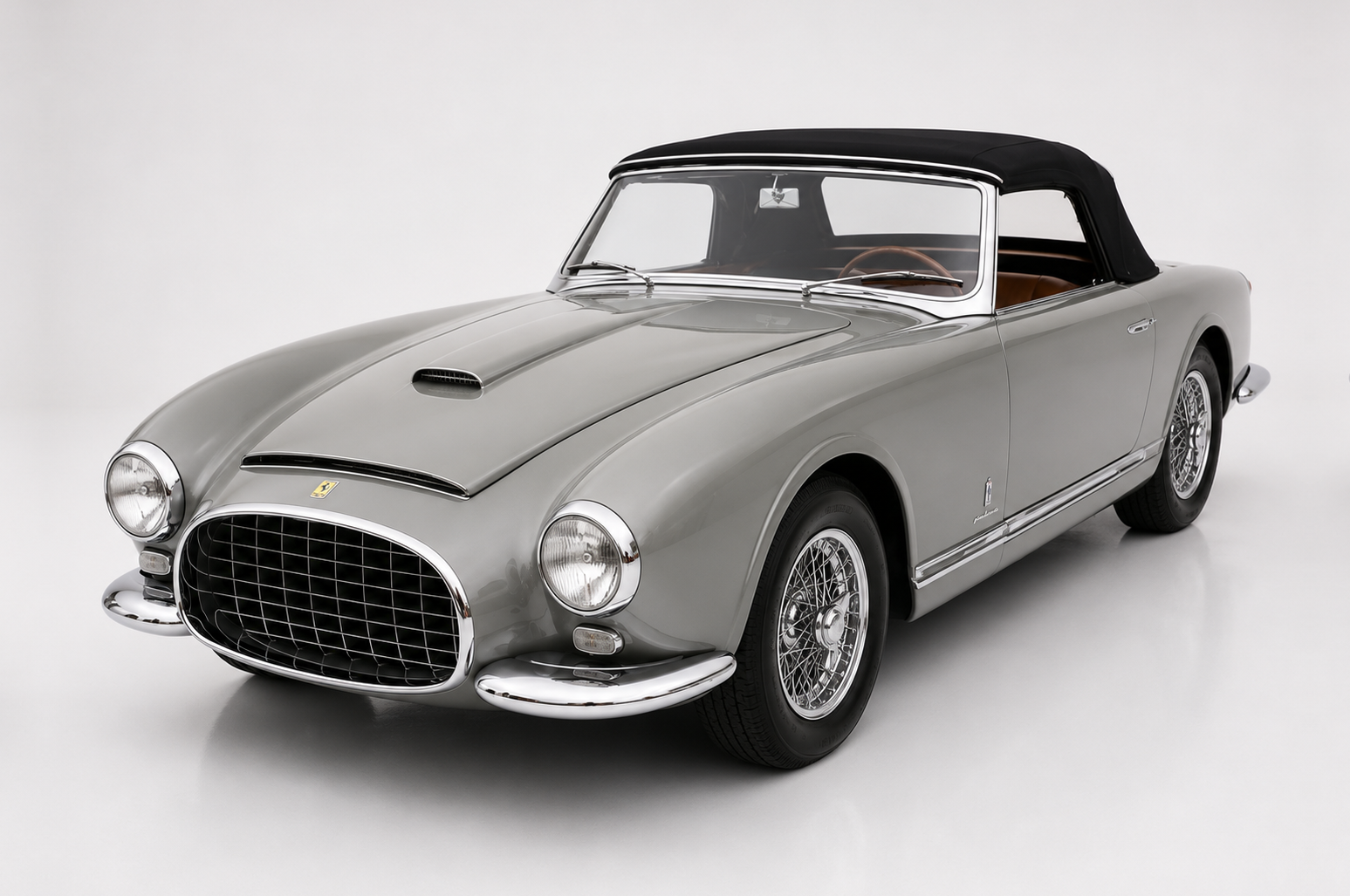
Ferrari 342 America
Luxury Lampredi V12 GT bridging the 340 family and the Ferrari 375 America.
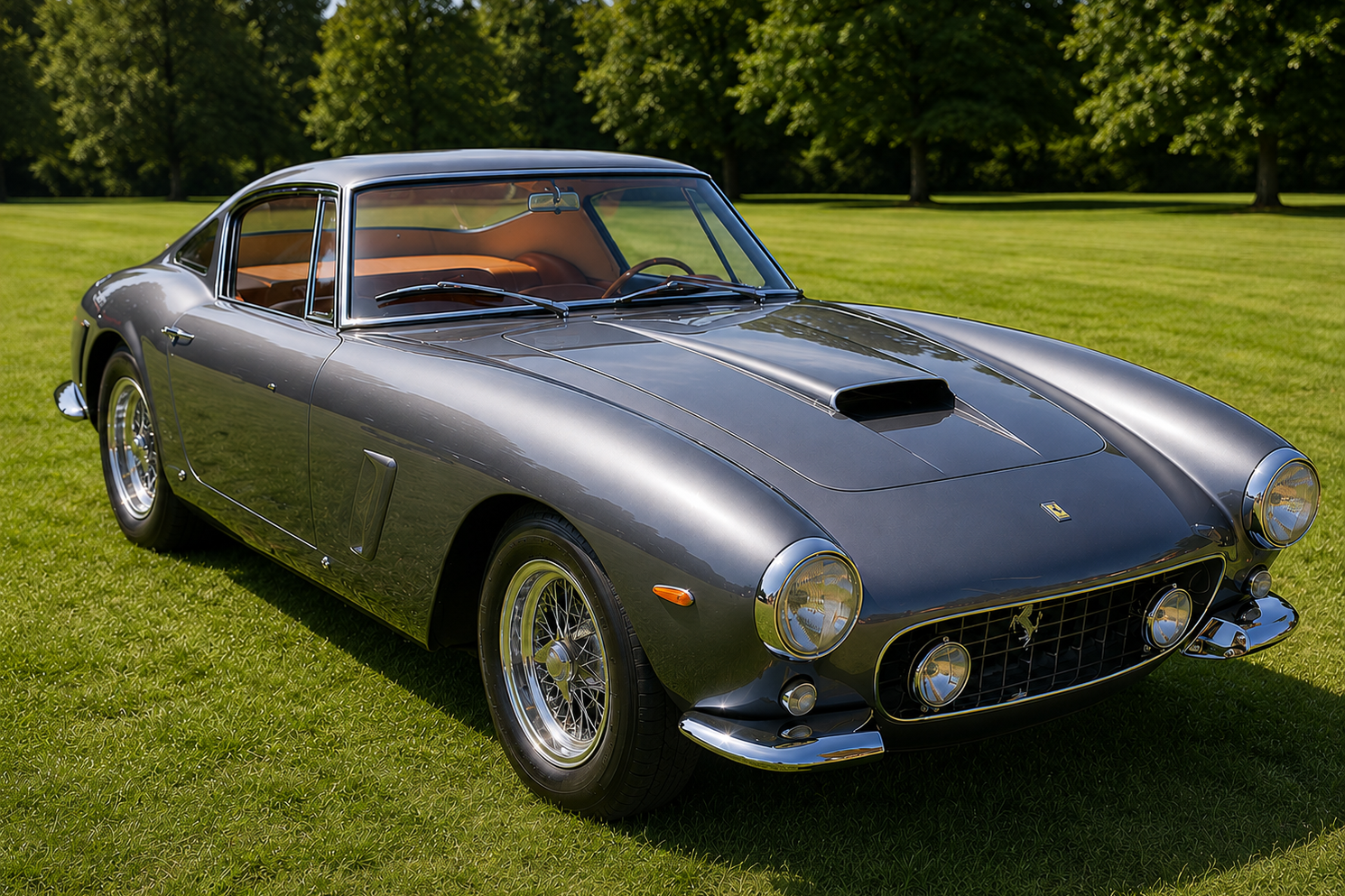
Ferrari 250 GT
The complete Ferrari 250 GT road-car family — from the Lampredi-engined Europa to the Colombo-V12 SWB, Lusso and GTE — the range that defined Ferrari as a road-car maker.
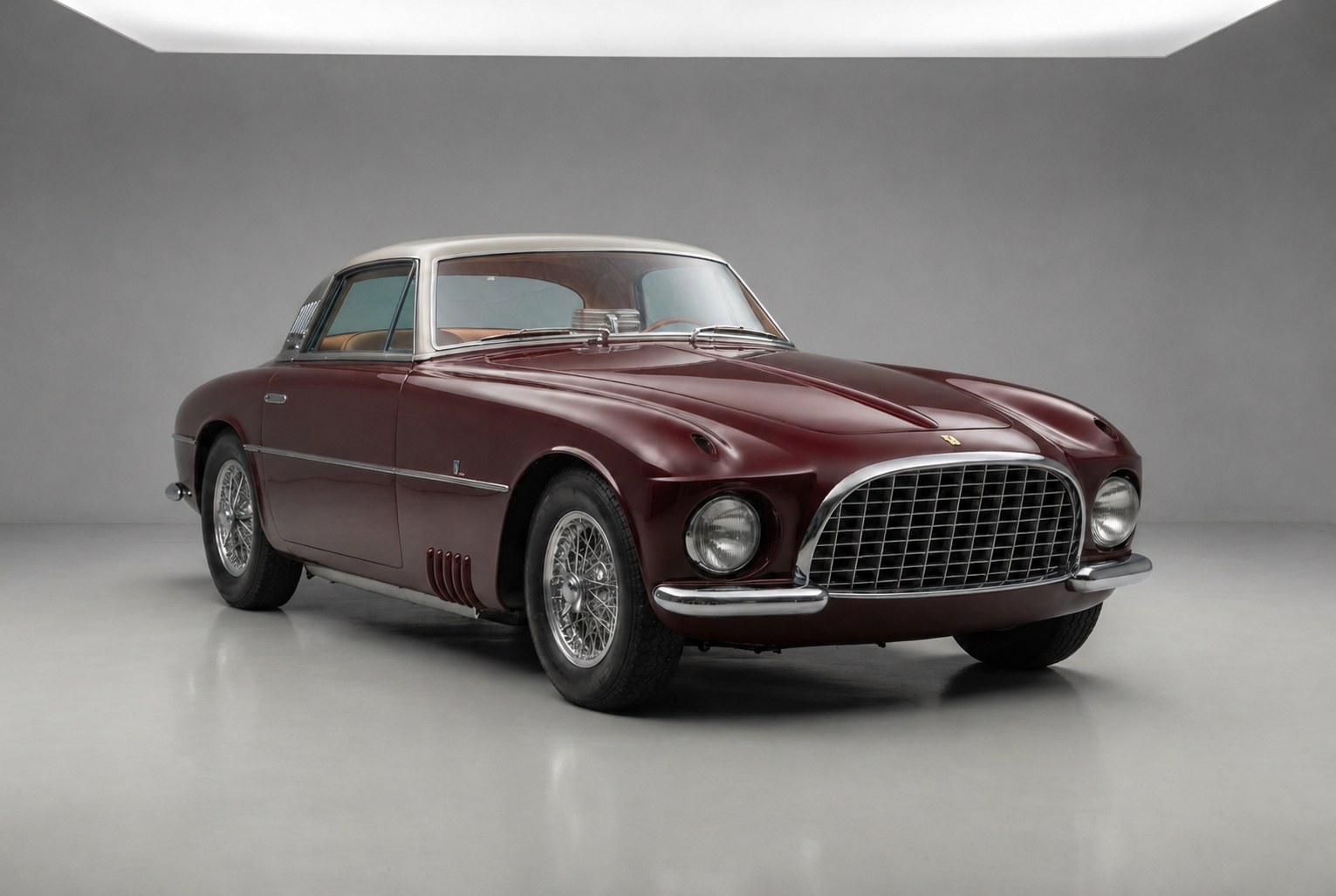
Ferrari 375 (America, MM & Plus)
Lampredi V12 flagship line — America road GT, MM competition car and Plus works racer.
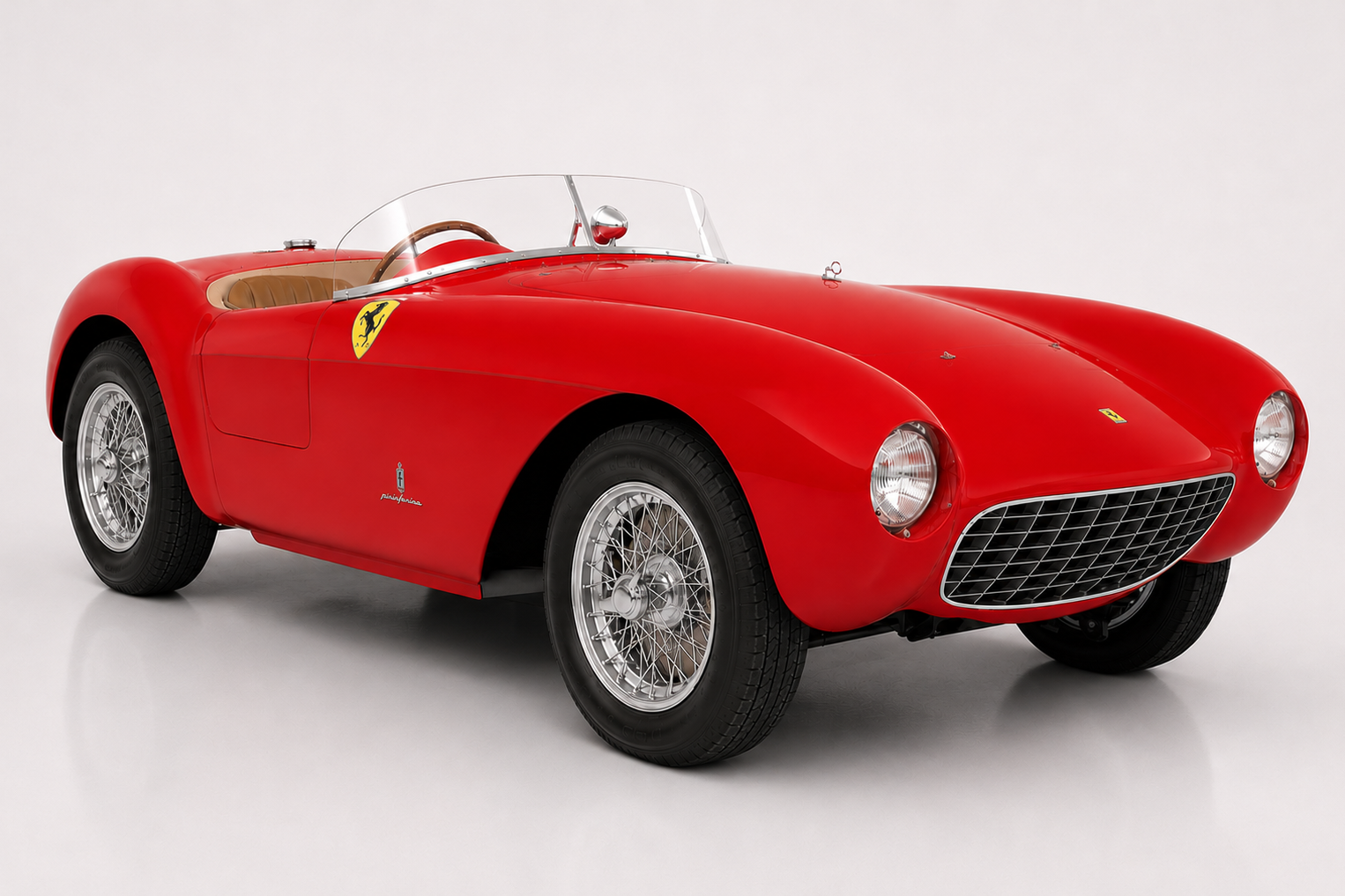
Ferrari 500 Mondial
Ferrari's first customer four-cylinder sports racer — named for Ascari's back-to-back world championships.
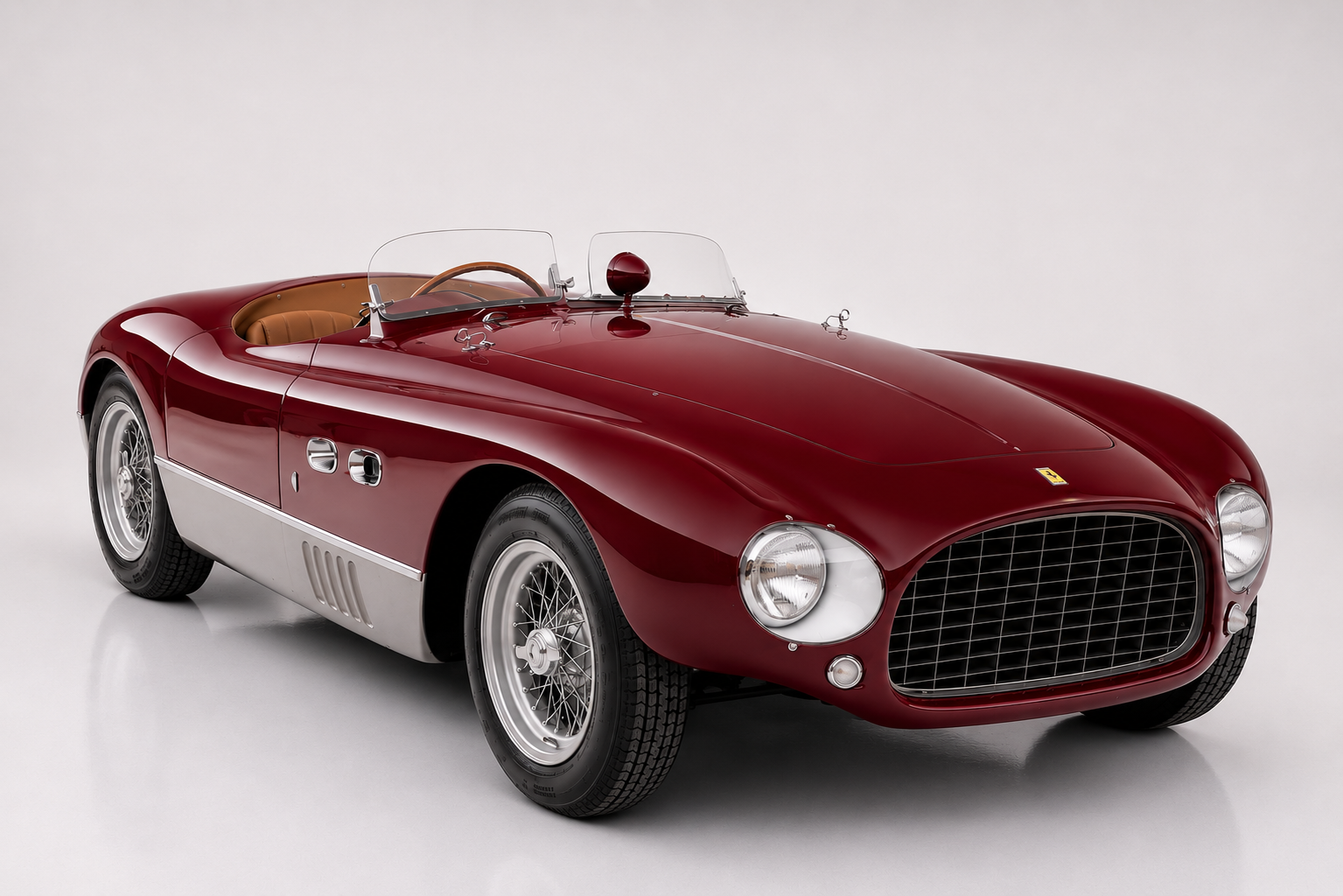
Ferrari 625 TF
Ferrari's first four-cylinder sports racer — three cars, and chassis histories tangled with the 735 S.
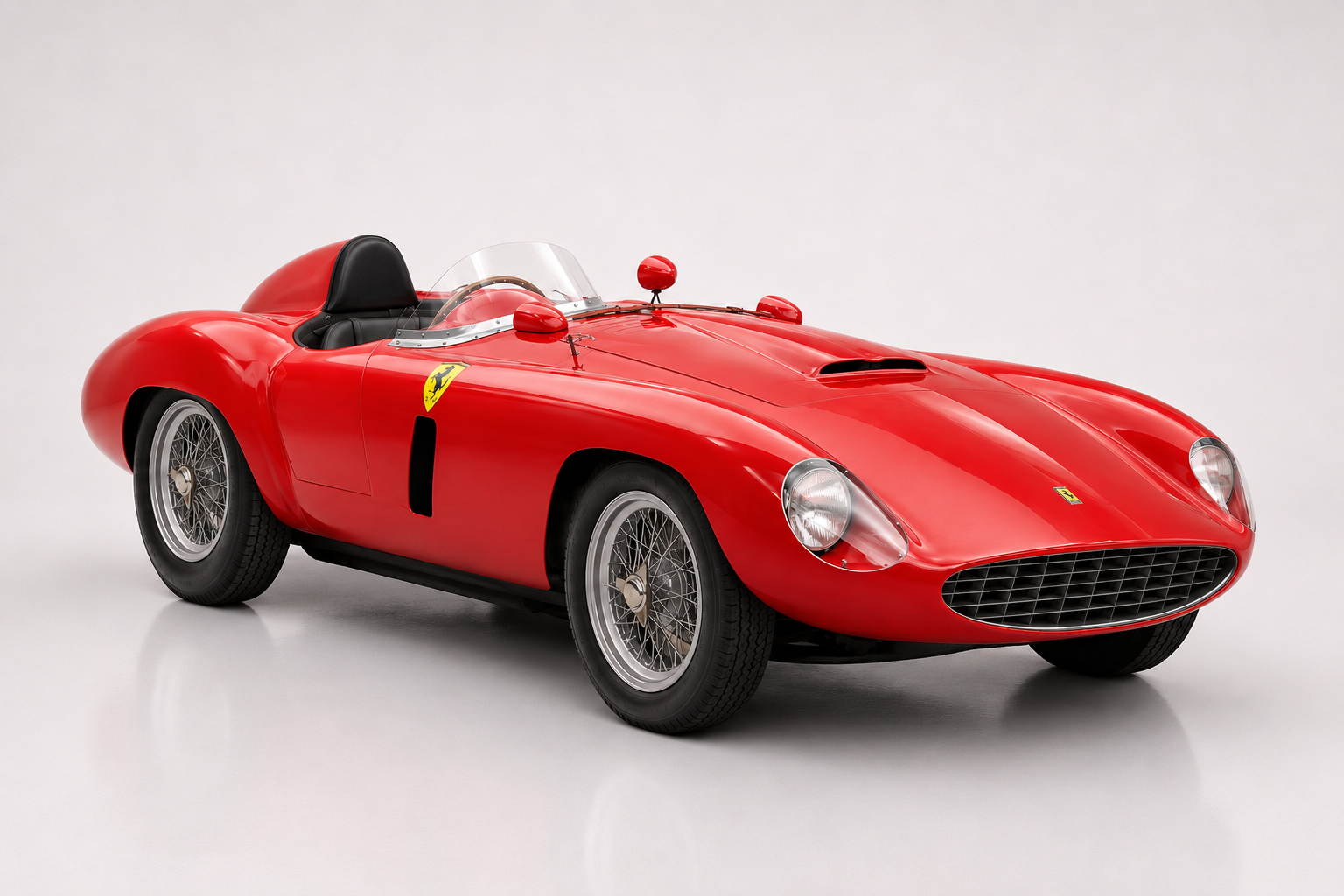
Ferrari 735 S & 735 Mondial
Big-engined sibling of the Ferrari 625 TF and the direct ancestor of the 750 Monza.
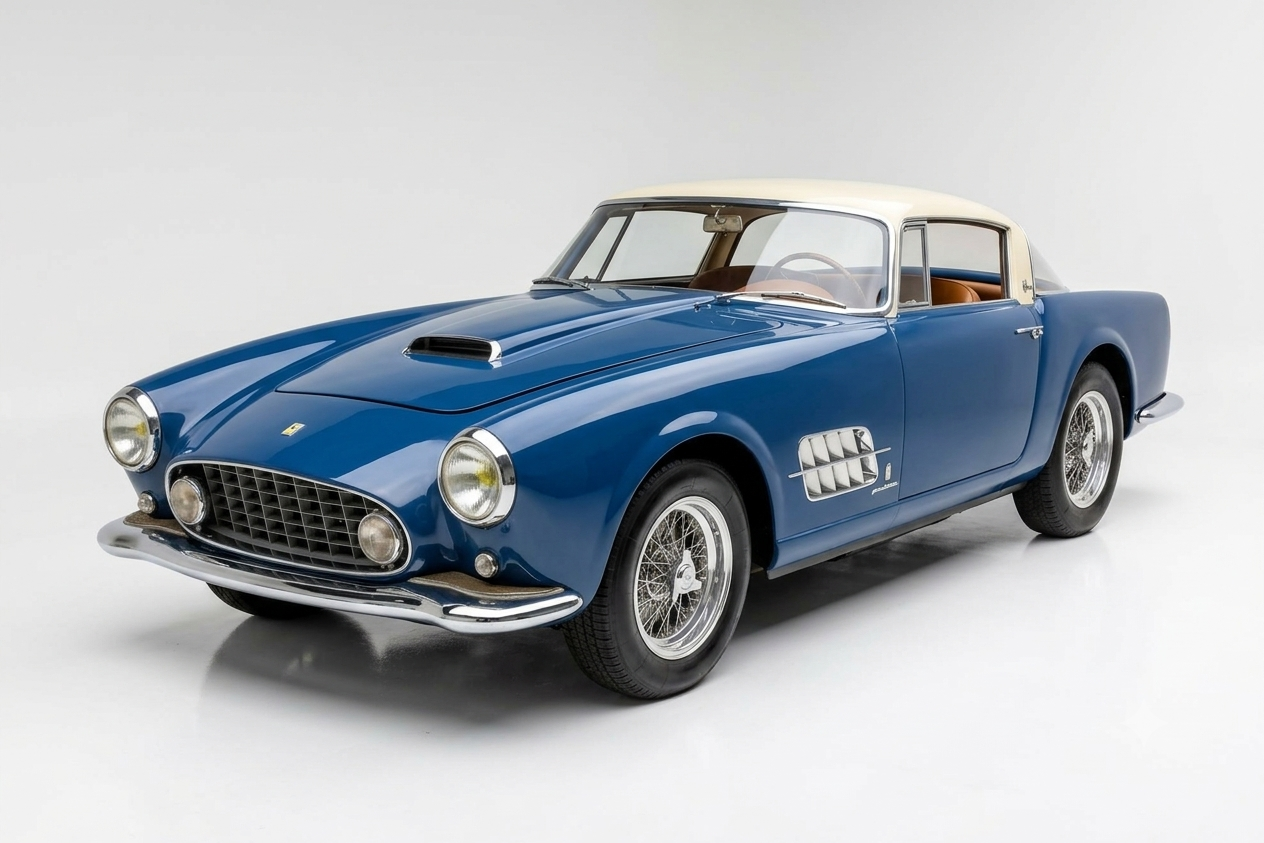
Ferrari 410 Superamerica
Coachbuilt Lampredi V12 flagship succeeding the Ferrari 375 — presented as a rolling chassis at Paris 1955.
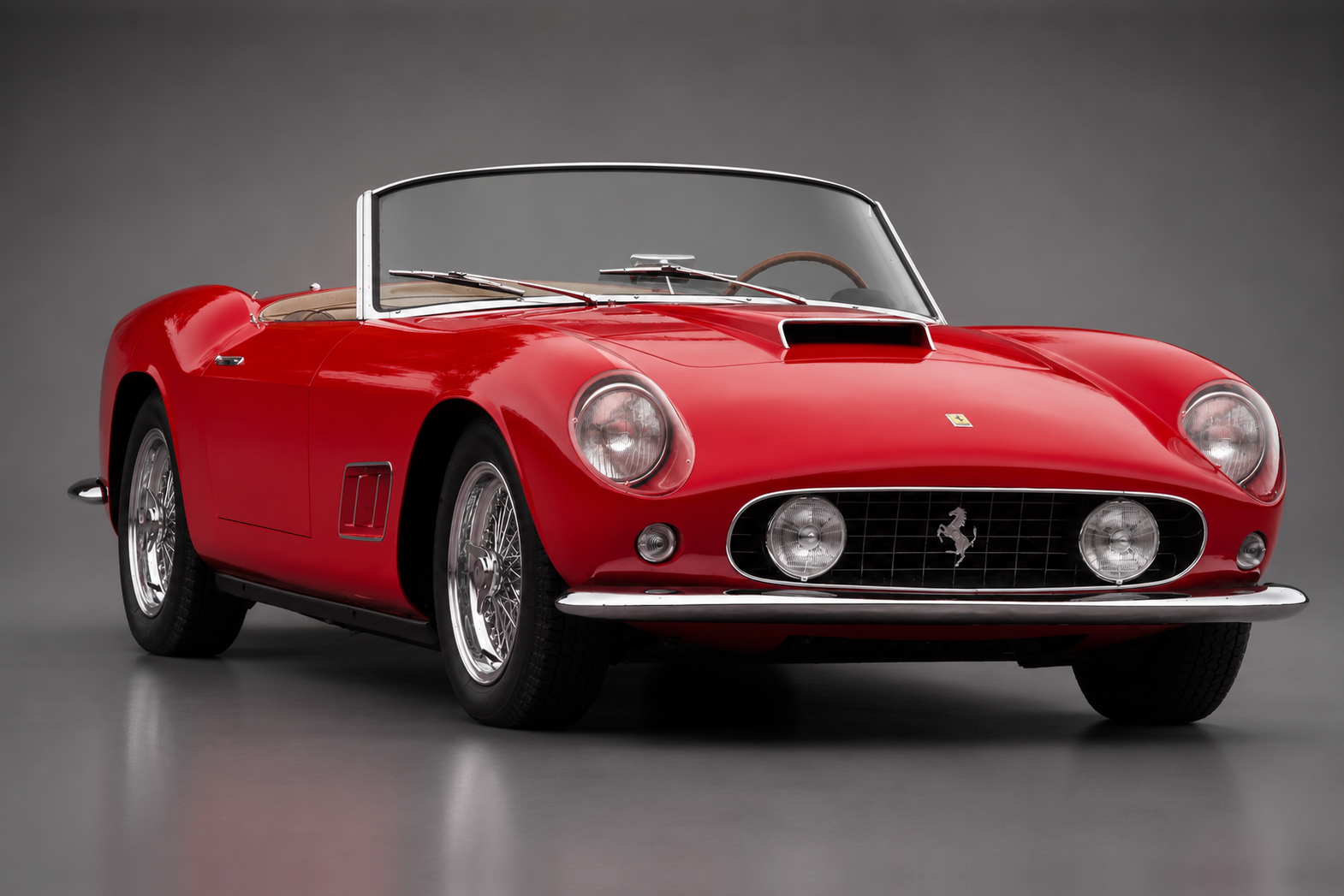
Ferrari 250 GT California Spider
Scaglietti-bodied open 250 GT commissioned by Ferrari's North American importers — built in two forms on the long and short 250 GT chassis, in fewer than 110 examples combined.
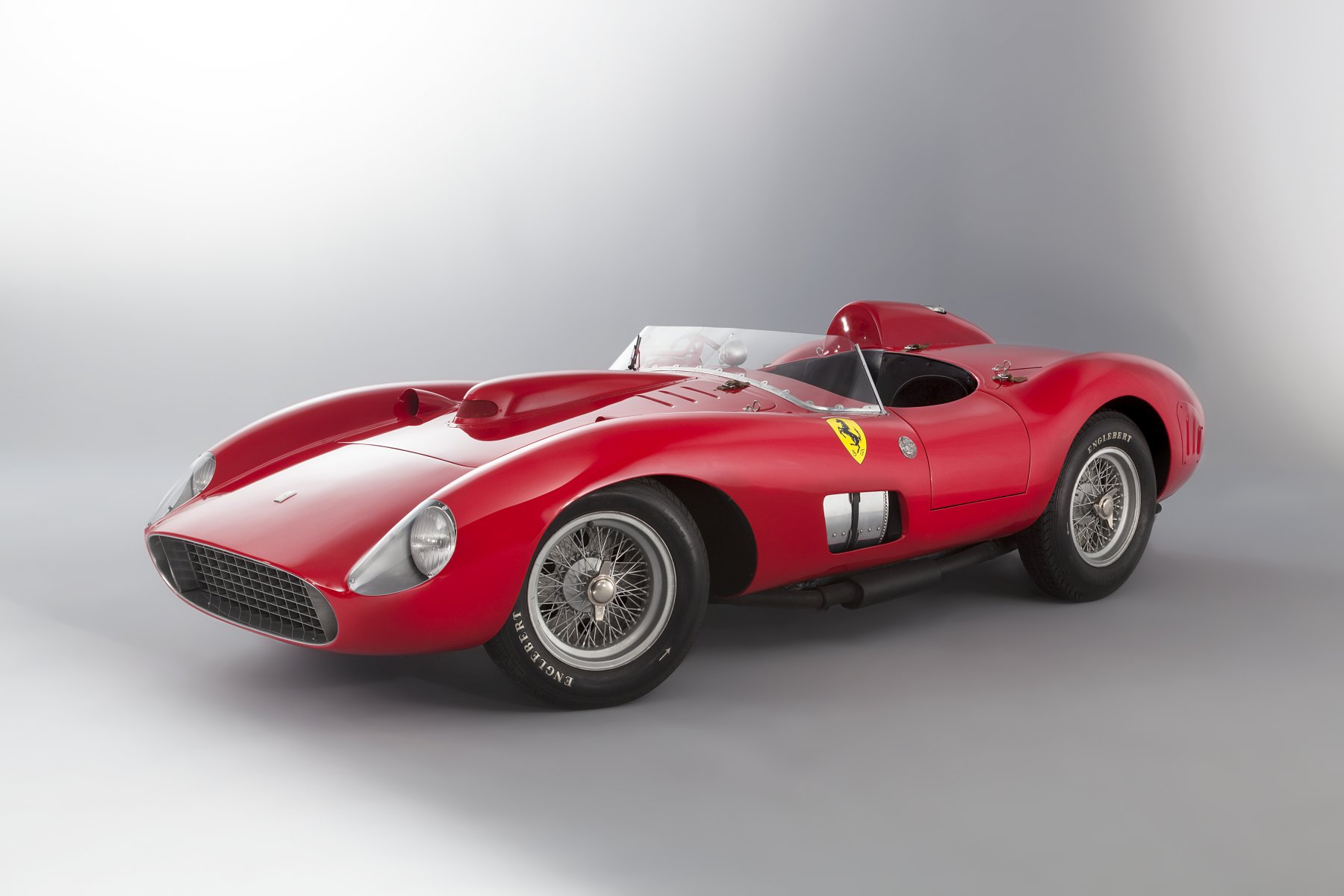
Ferrari 335 S
A works sports racer built to answer the Maserati 450S — four cars, one of the most consequential entries in Ferrari's competition history.
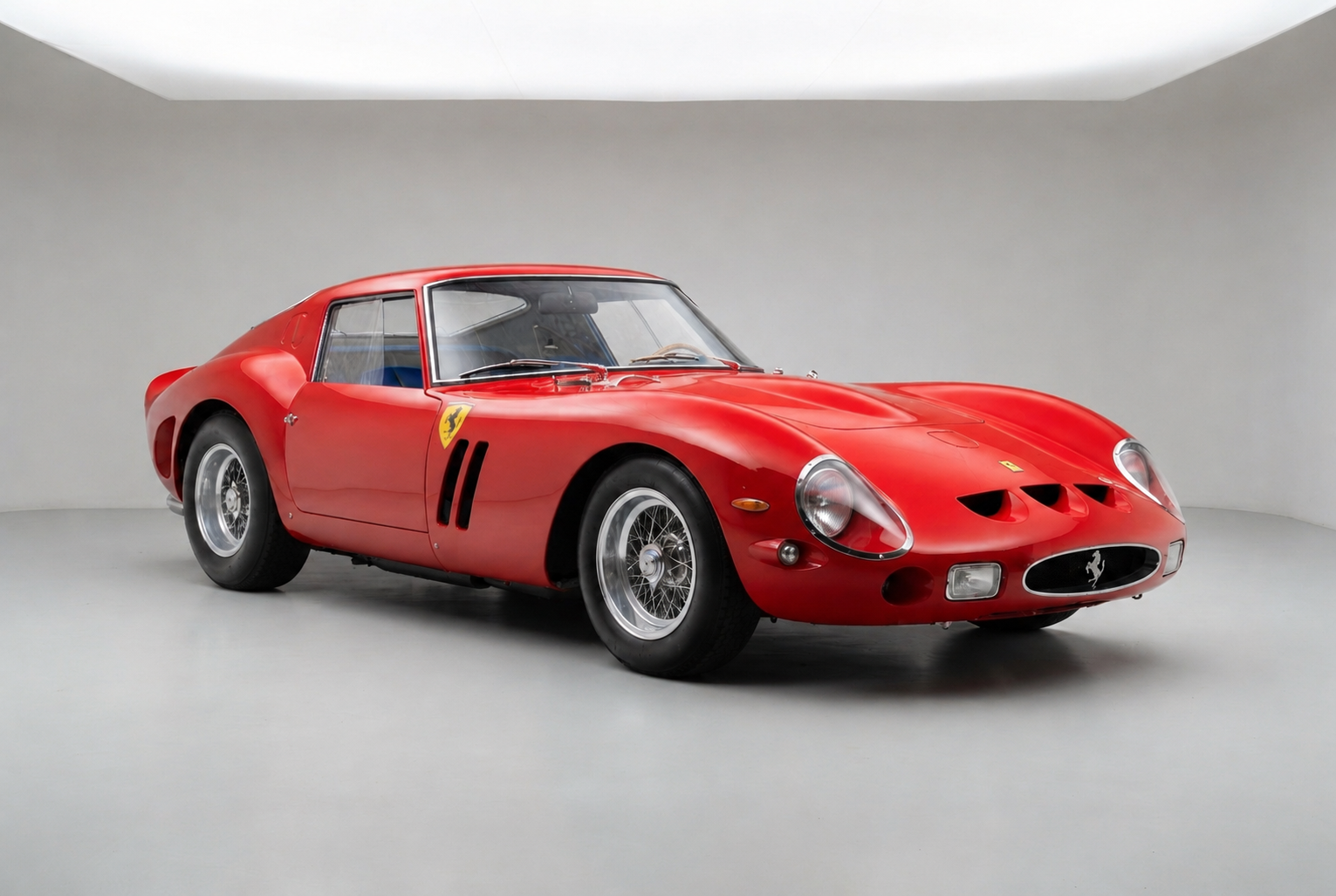
Ferrari 250 GTO
The most valuable production Ferrari ever built — and the apex of the front-engined V12 GT racing era.
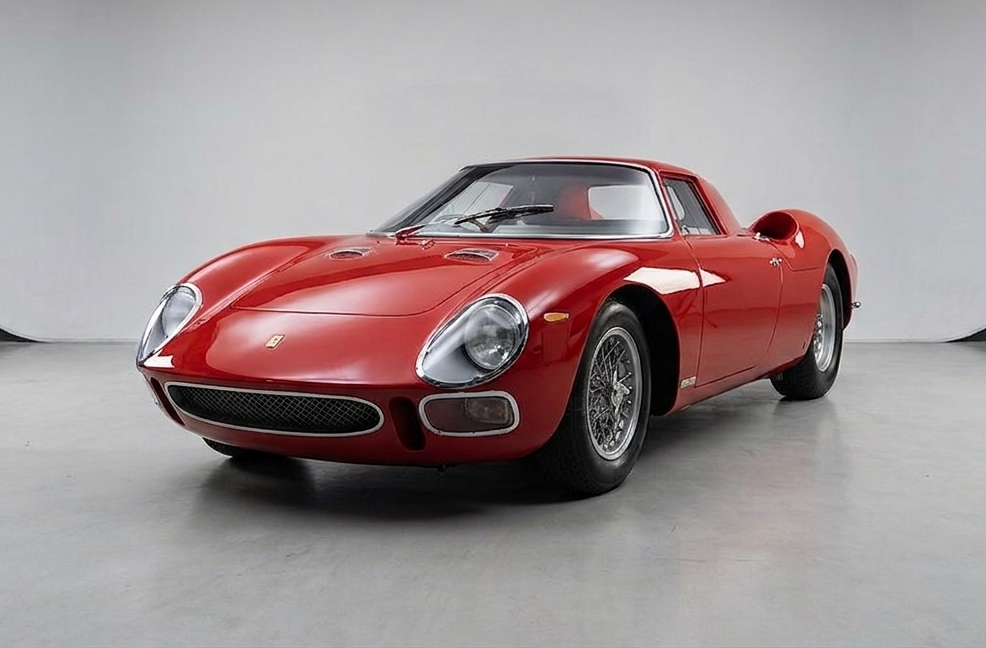
Ferrari 250 LM
The last Ferrari to win Le Mans overall — 32 built, mid-engined, Scaglietti-bodied, and the closing chapter of the 250-series bloodline.
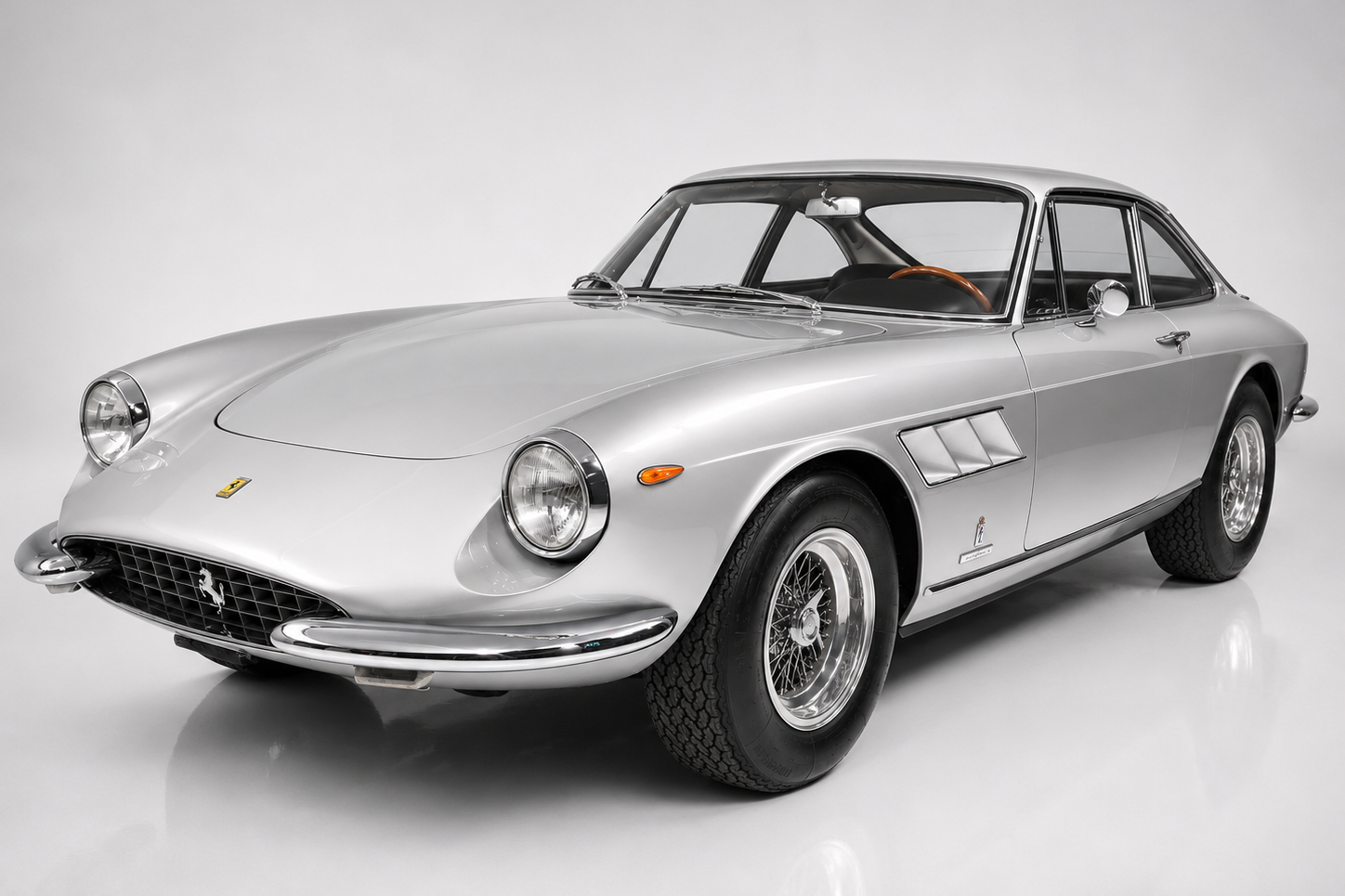
Ferrari 330
Ferrari's mid-1960s 4.0-litre Colombo-derived V12 family — the 330 America, 330 GT 2+2, and the Pininfarina-bodied 330 GTC and GTS that share their short-wheelbase chassis with the 275 GTB.
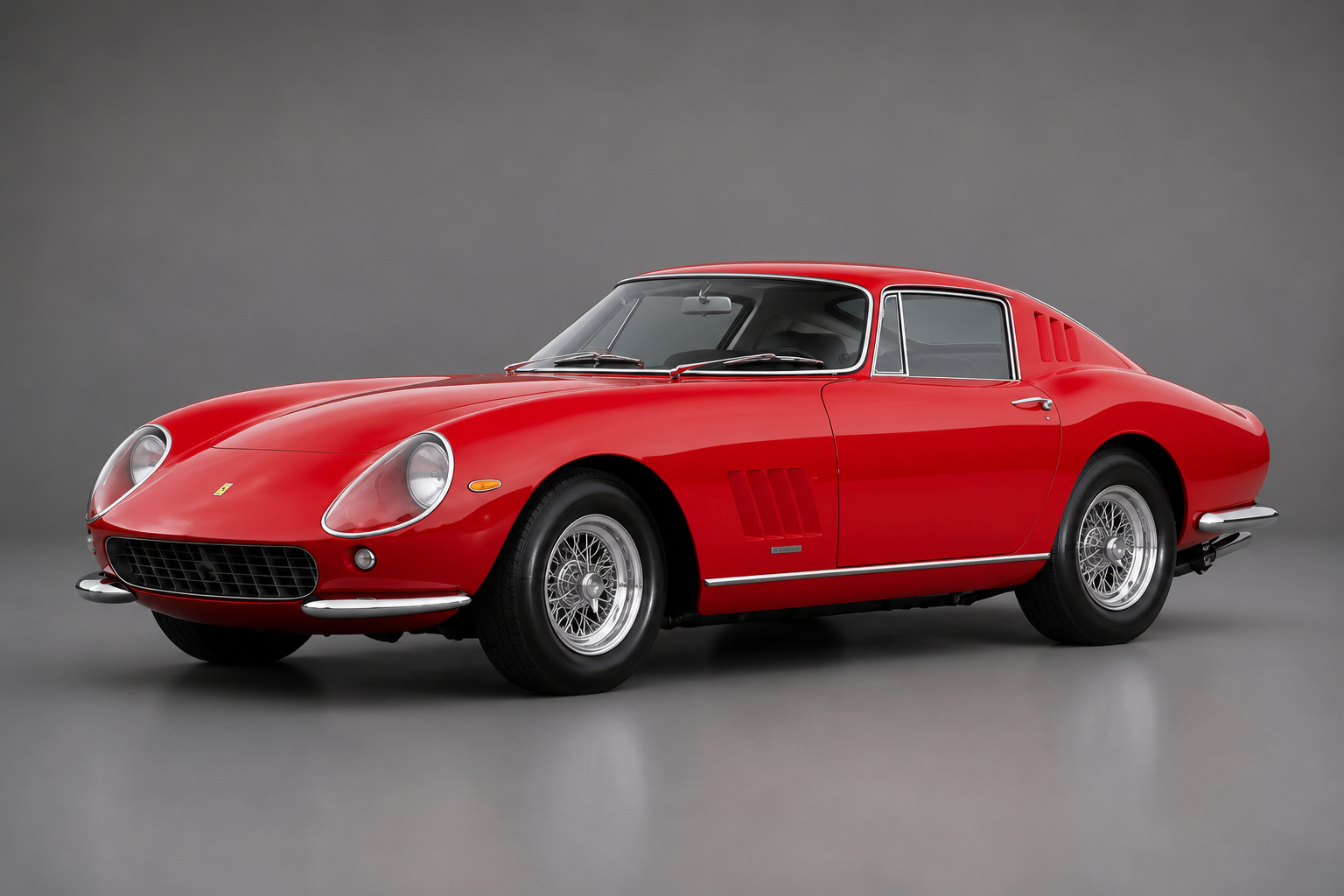
Ferrari 275
The full 275 family — GTB, GTS, GTB/4 and the competition and NART Spider derivatives — Ferrari's first transaxle road cars and the bridge between the 250 GT era and the Daytona.
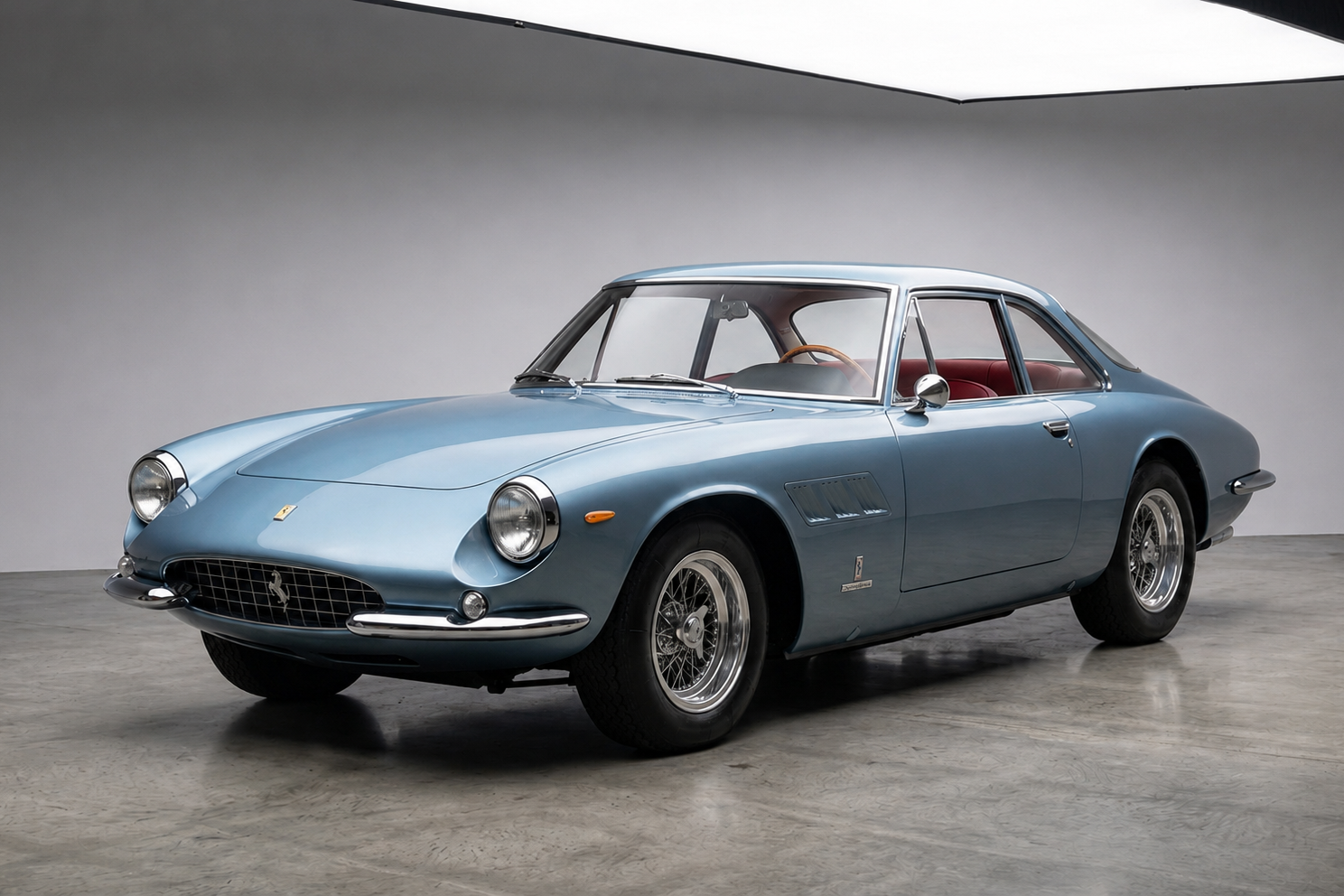
Ferrari 500 Superfast
Maranello's mid-1960s flagship two-seater V12 — 36 cars, 5-litre Colombo-lineage V12, Pininfarina bodywork over a Scaglietti-completed shell.
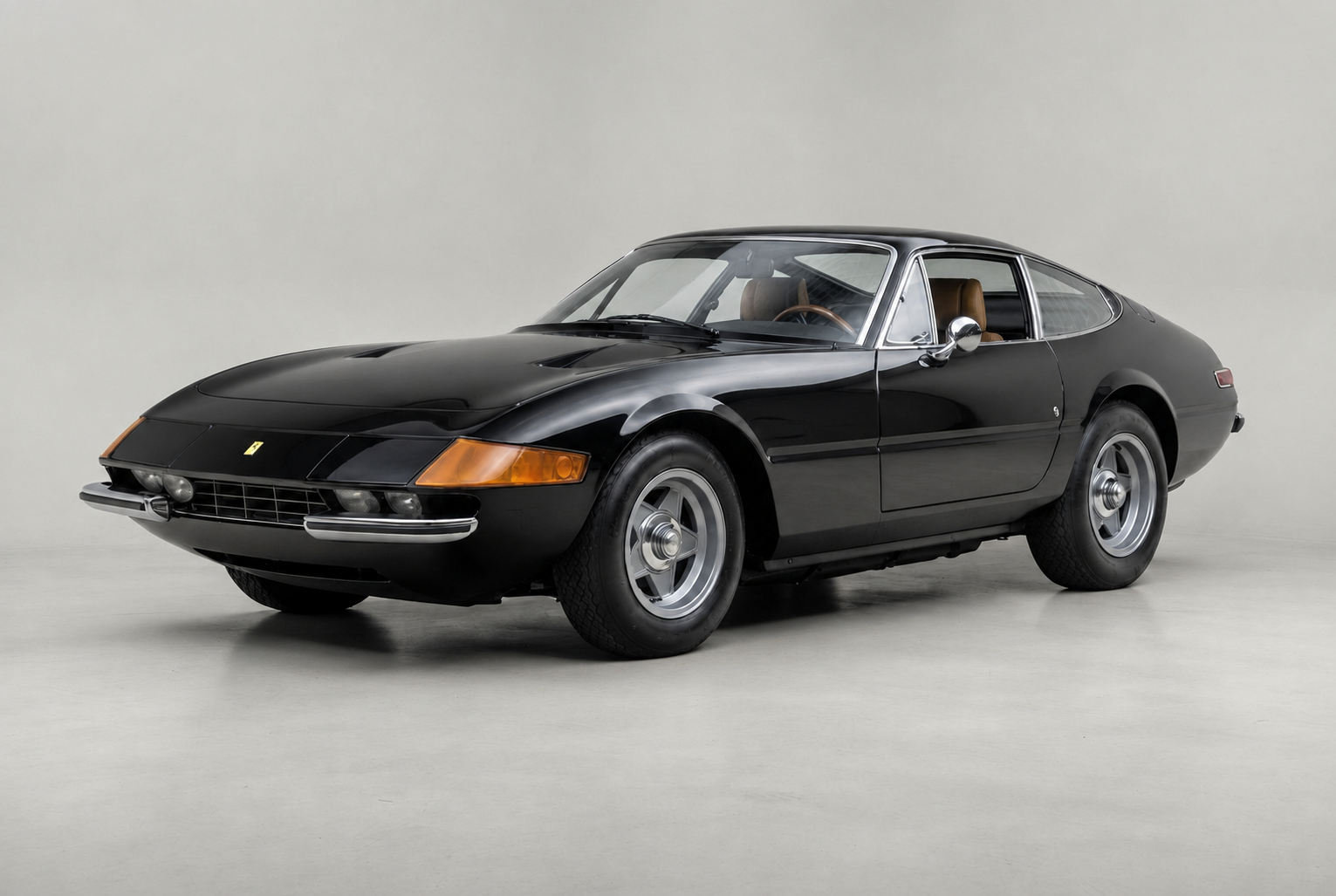
Ferrari 365
The full Ferrari 365 front-V12 family — from the rare 365 California and the 'Queen Mary' 365 GT 2+2 through the 365 GTC and GTS to the 365 GTB/4 Daytona and its factory Spider and Competizione derivatives.
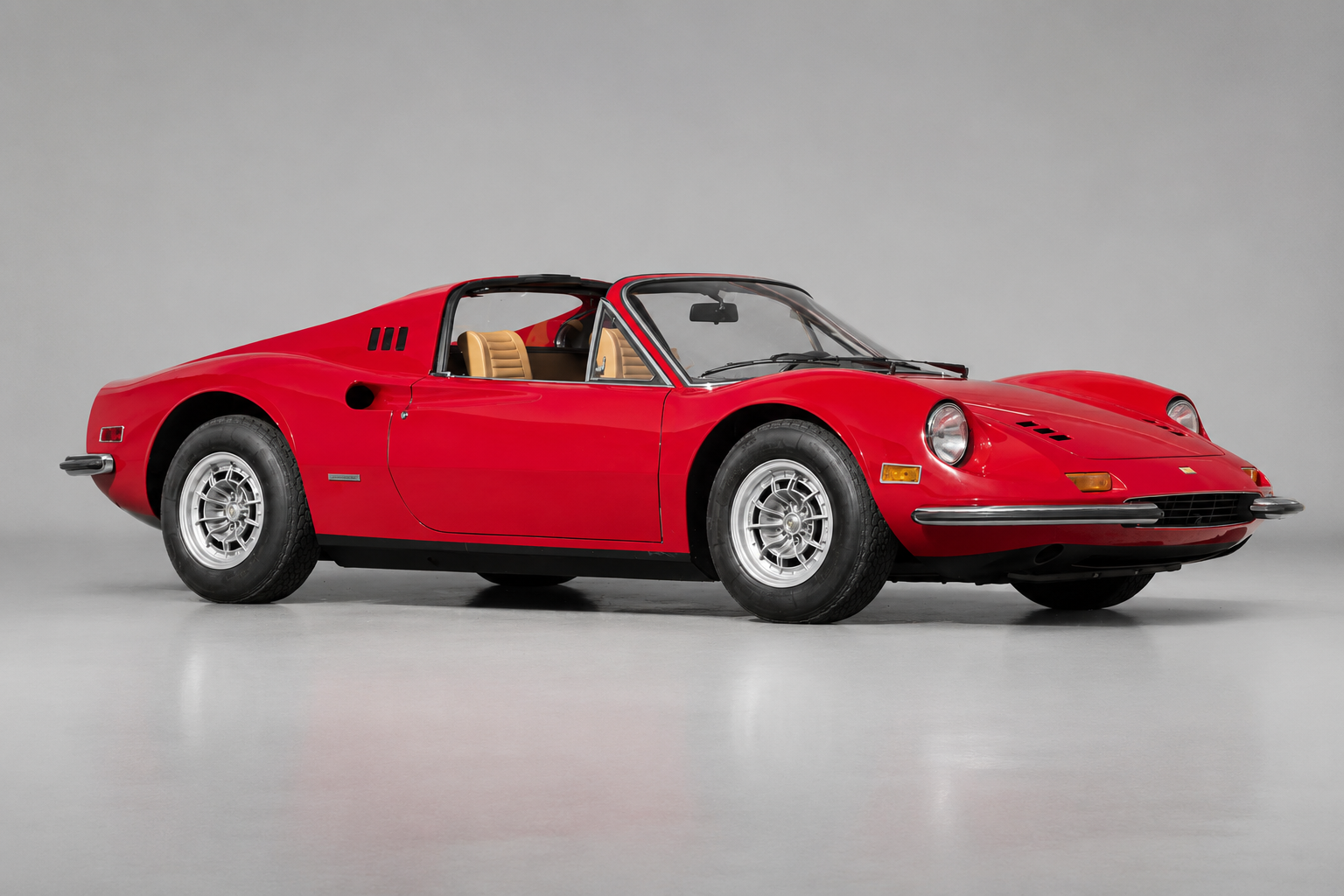
Ferrari Dino 246 GT / GTS
Ferrari's mid-engined V6 berlinetta — the most balanced classic Ferrari for actual driving.
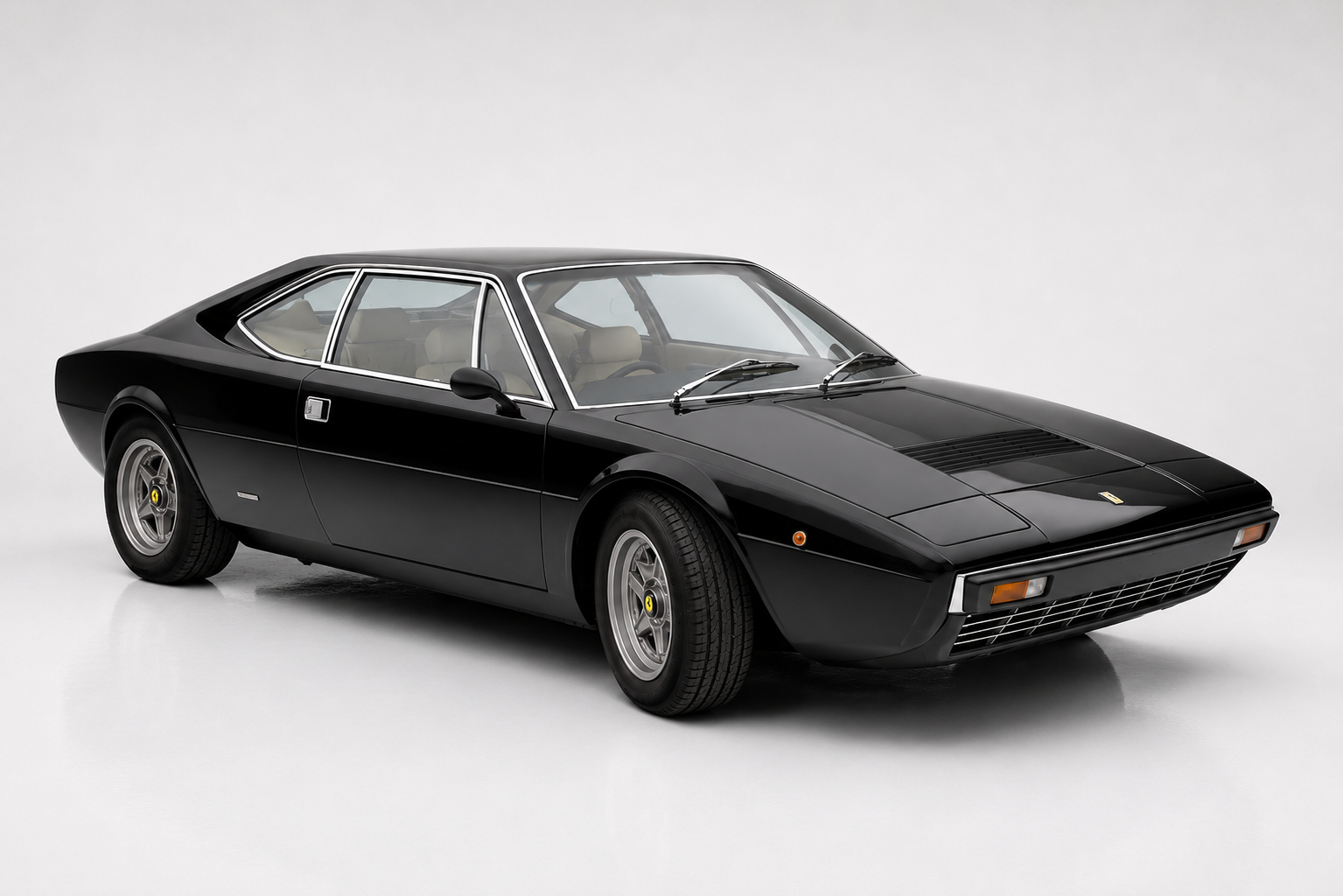
Ferrari 308 GT4 (Dino)
The first and only production Ferrari bodied by Bertone — and the first production Ferrari with a mid-mounted V8.
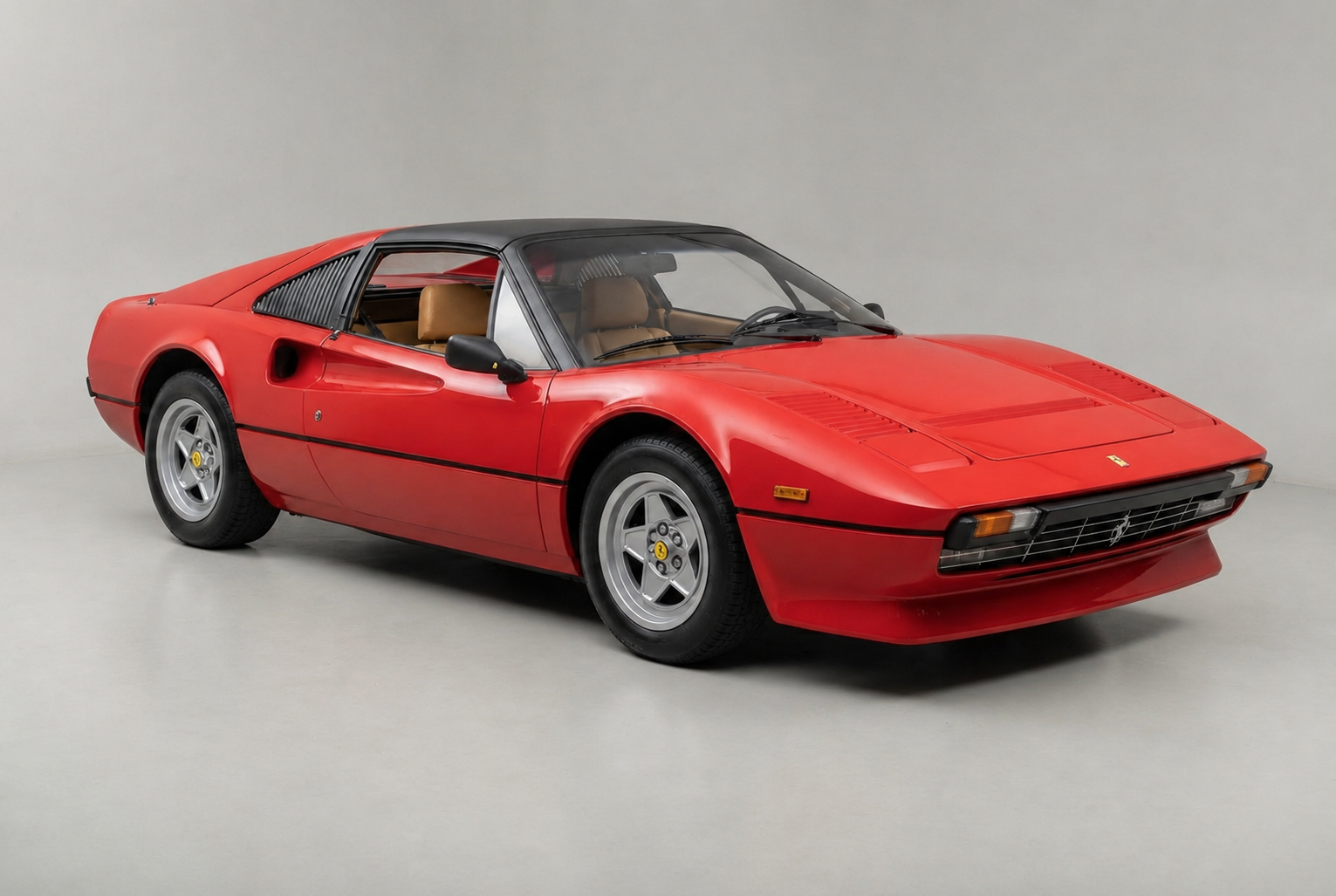
Ferrari 308
Pininfarina's mid-engined V8 Ferrari that took Maranello mainstream — glass-fibre pioneers, gated manuals and the shape of a decade.
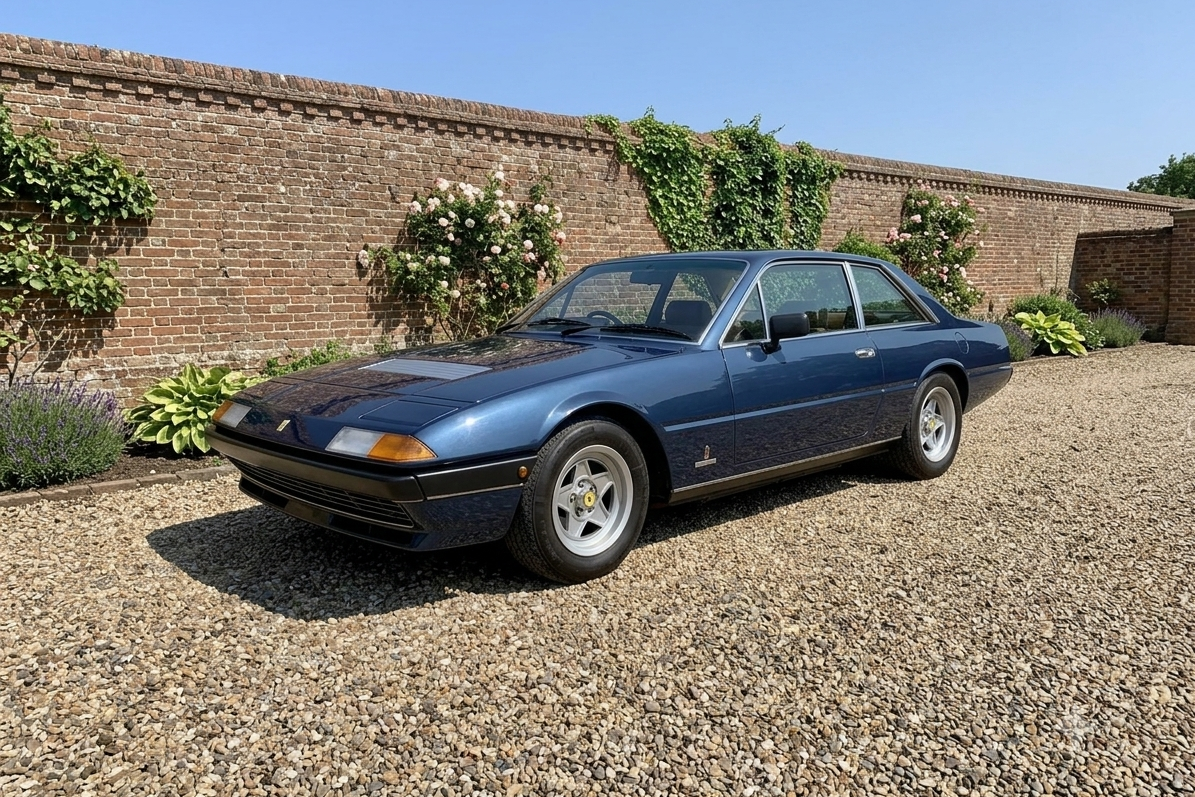
Ferrari 400
Maranello's late-1970s / early-1980s Pininfarina 2+2 flagship — 4.8-litre Colombo V12, Ferrari's first factory automatic, and the enthusiast-market entry point into a V12 Ferrari.
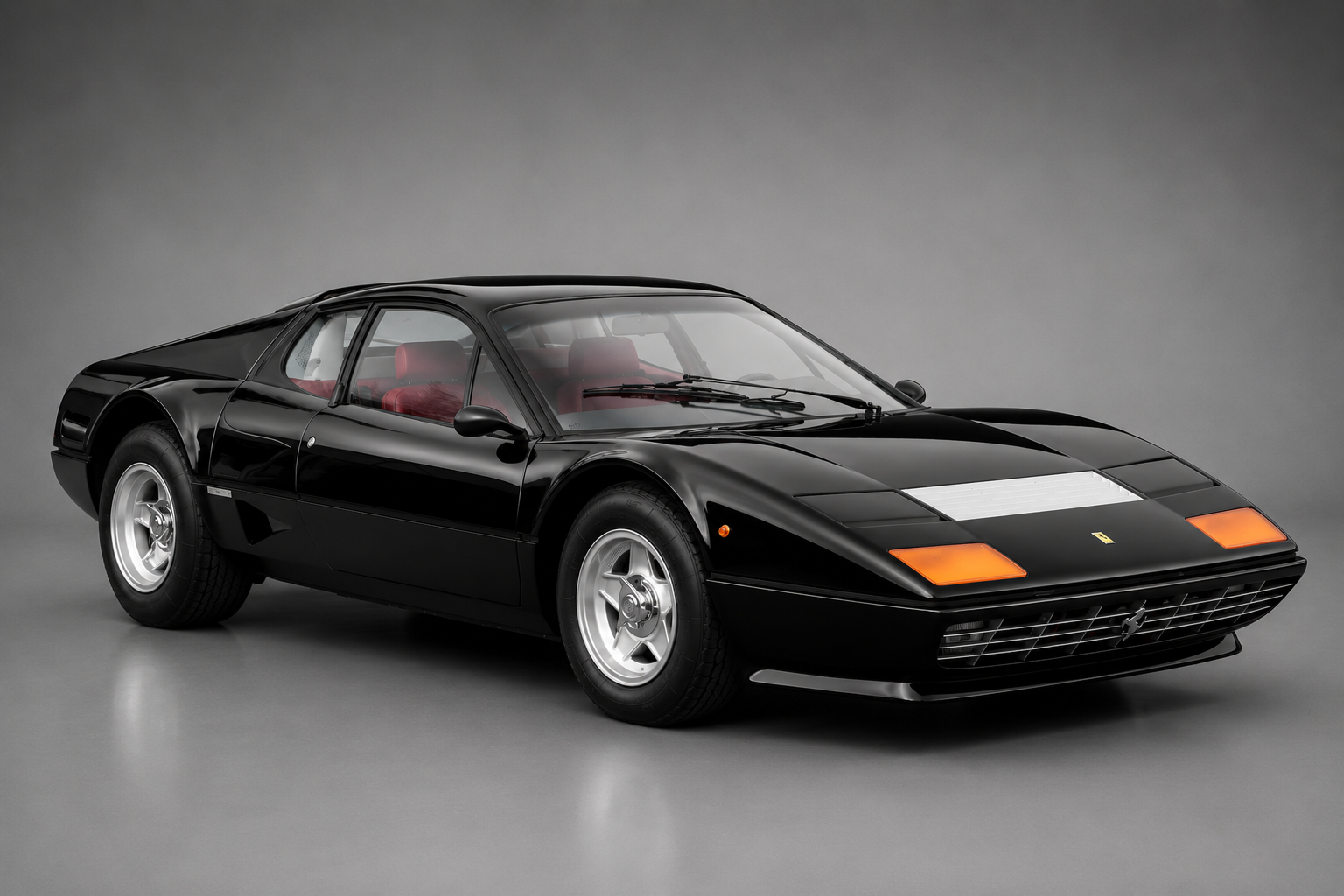
Ferrari 512 BB
Ferrari's first 12-cylinder mid-engined road car — a flat-12 'Berlinetta Boxer' from Pininfarina.
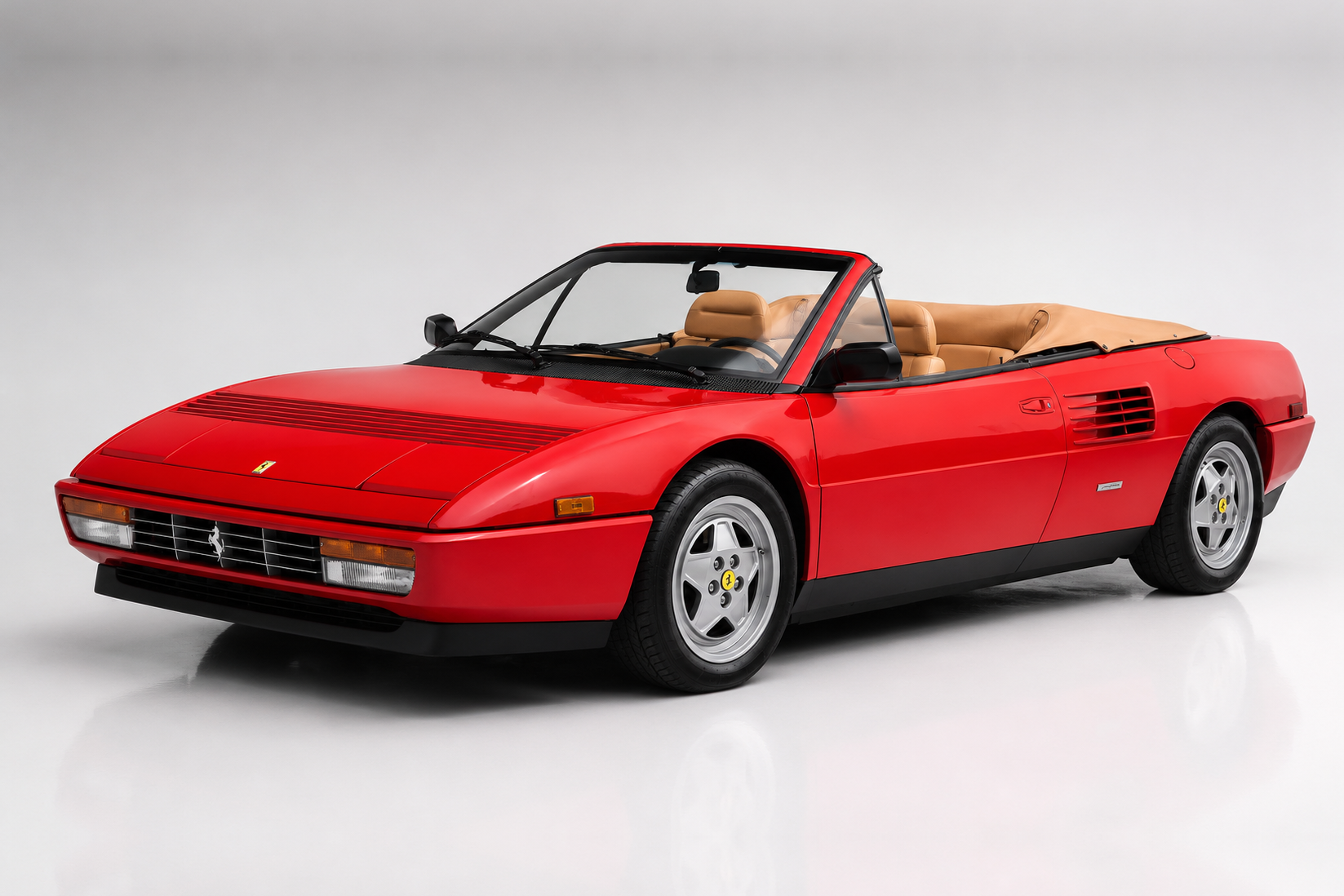
Ferrari Mondial
Ferrari's mid-engined 2+2 by Pininfarina — the only 4-seat convertible Ferrari of its era and, in Mondial t Cabriolet manual form, one of the most quietly re-rated 1980s–90s Ferraris.
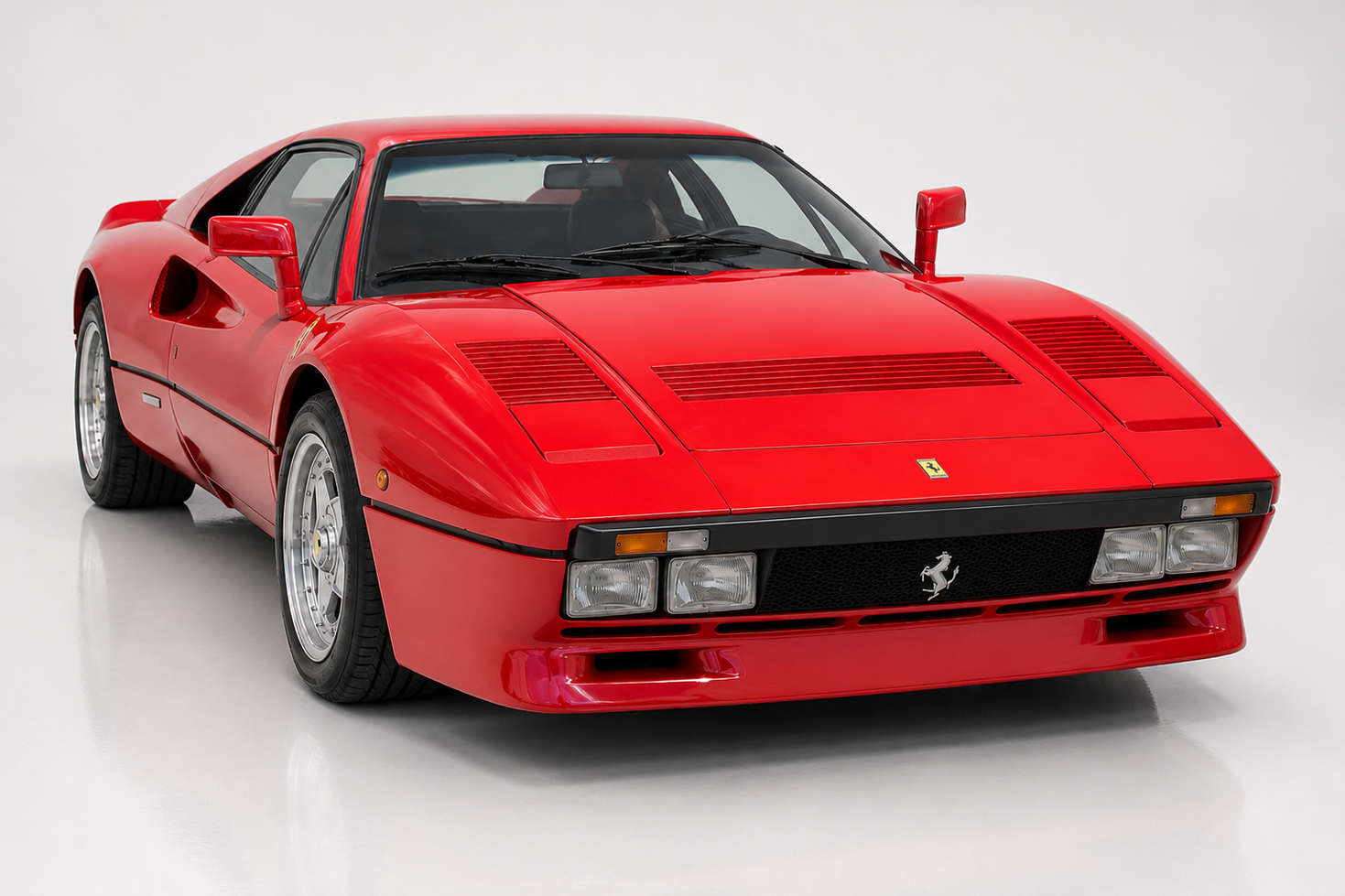
Ferrari 288 GTO
Ferrari's first modern supercar — the Group B homologation 308-shaped twin-turbo that opened the F40/F50/Enzo lineage.
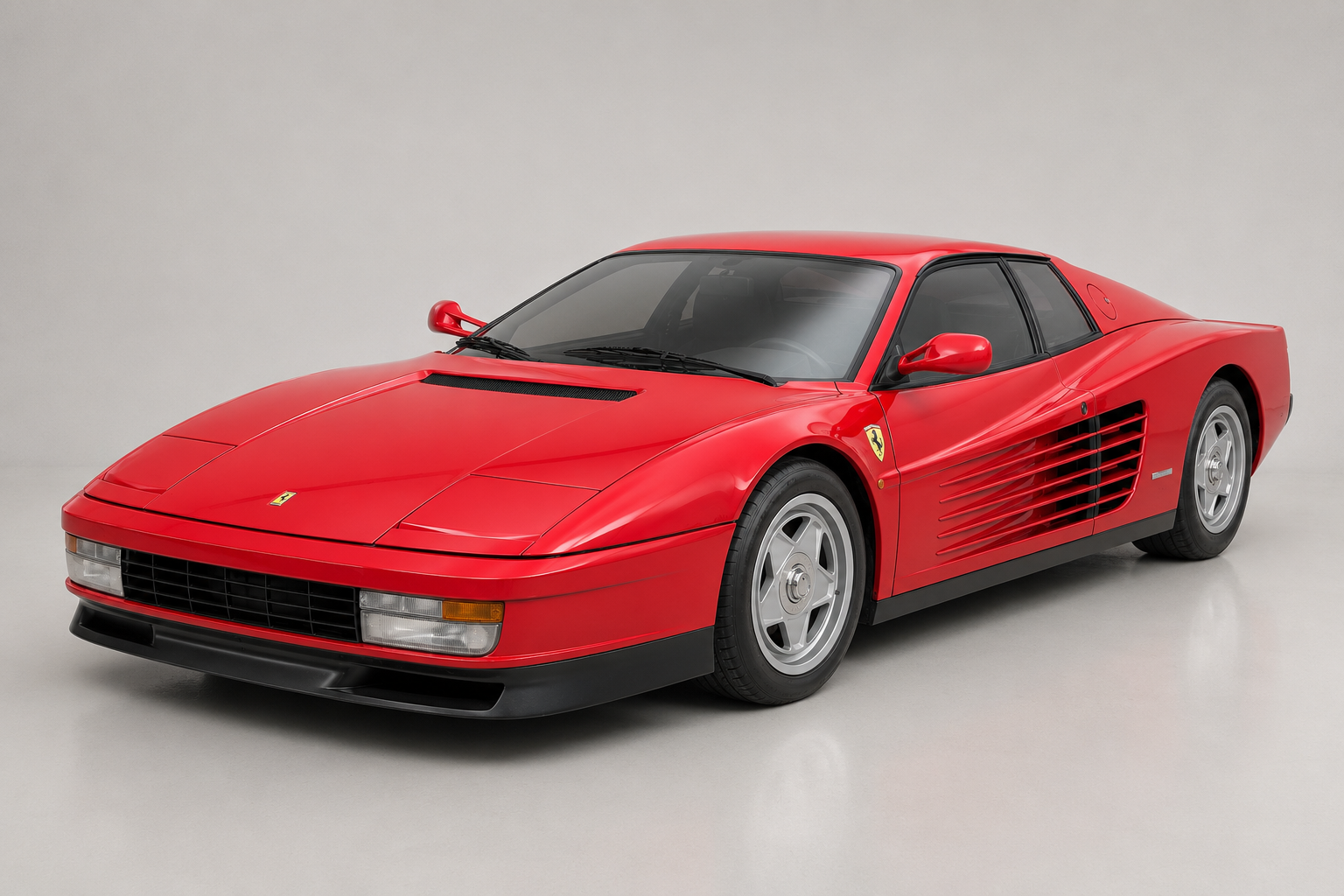
Ferrari Testarossa
Pininfarina's flat-twelve poster car — the wide-body 1980s Ferrari that defined the decade.
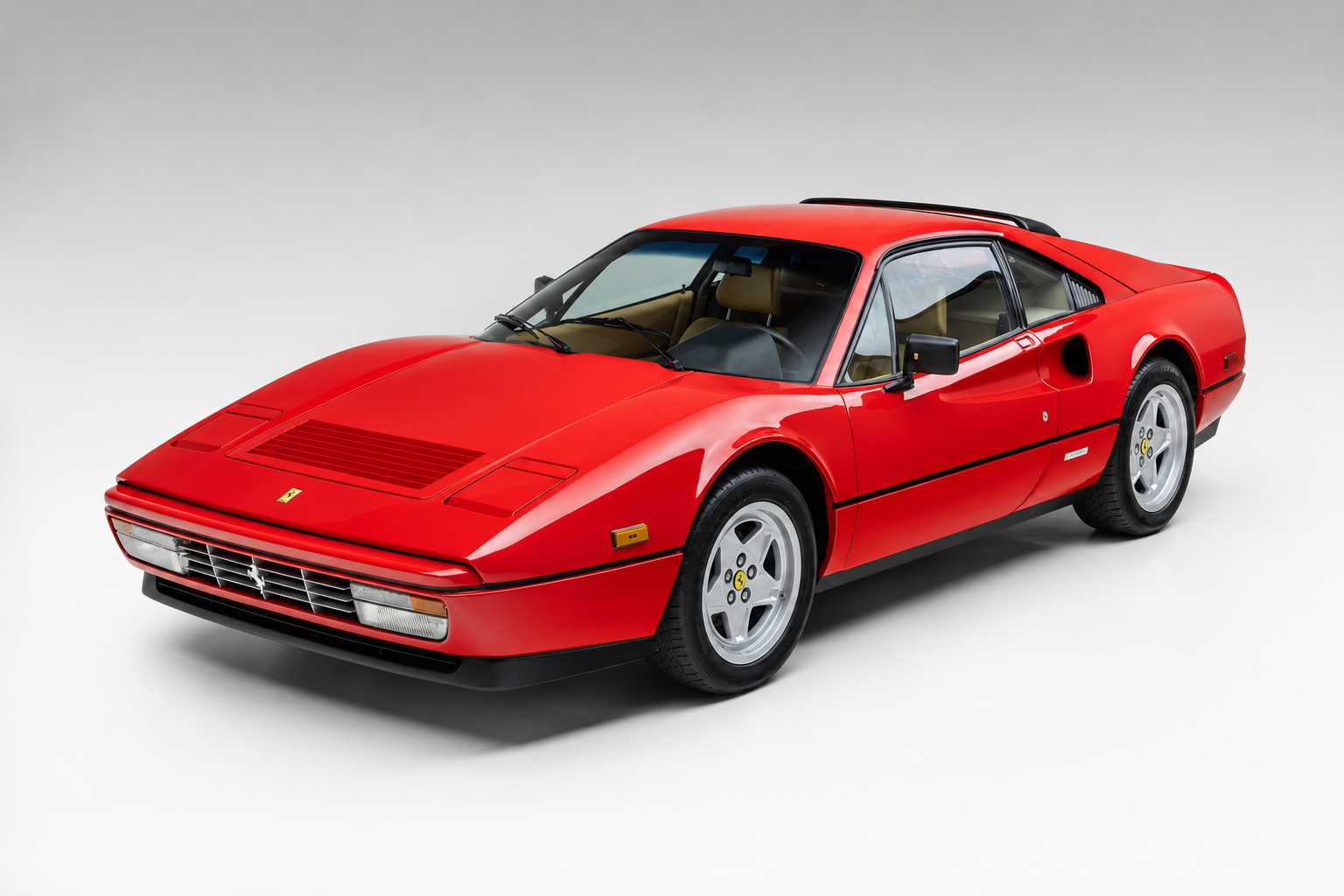
Ferrari 328
The evolved 308 — bigger 3.2 V8, body-coloured bumpers and the last of the analogue mid-engined Pininfarina Ferraris.
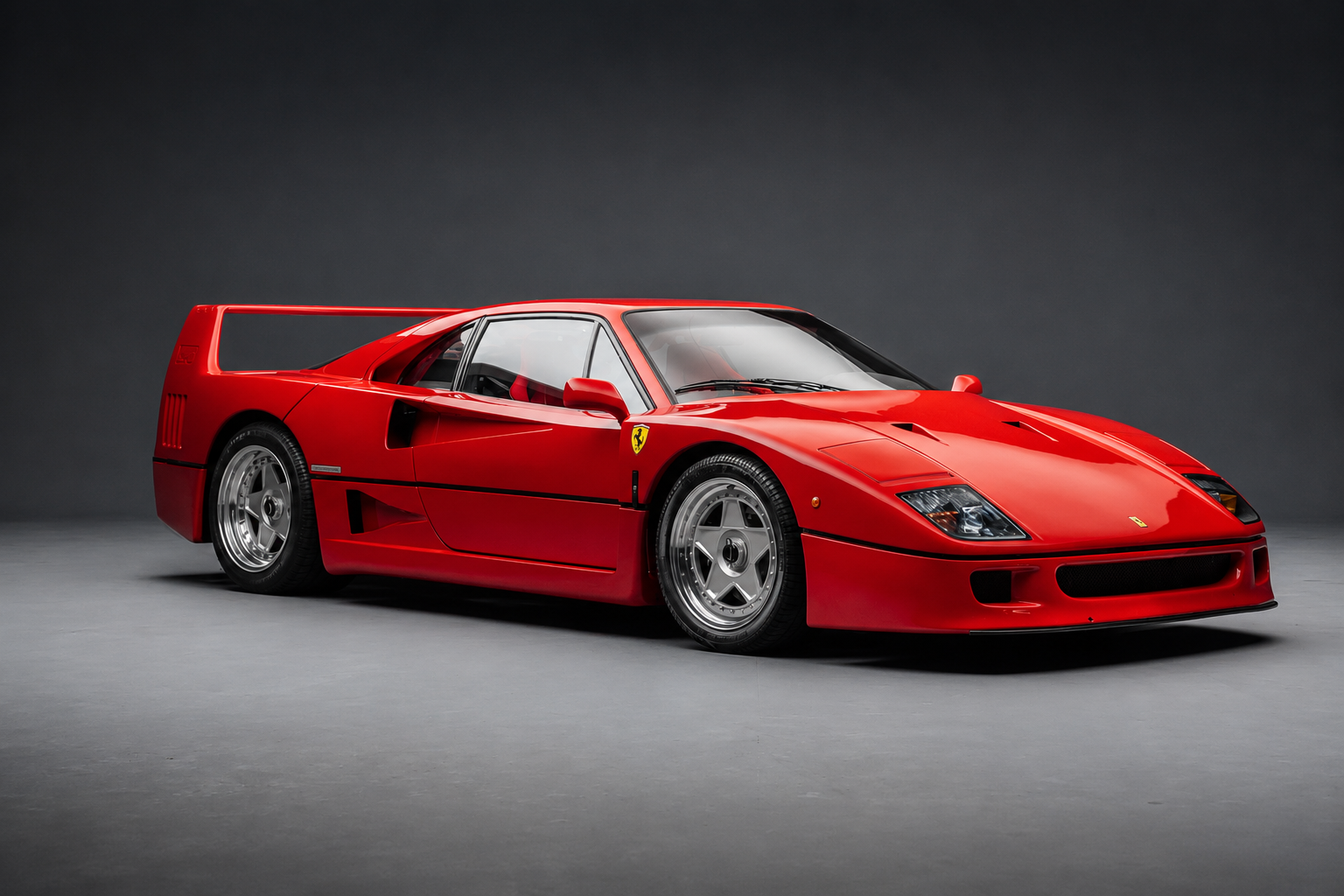
Ferrari F40
The raw twin-turbo Ferrari supercar that became the benchmark poster-car collectible.
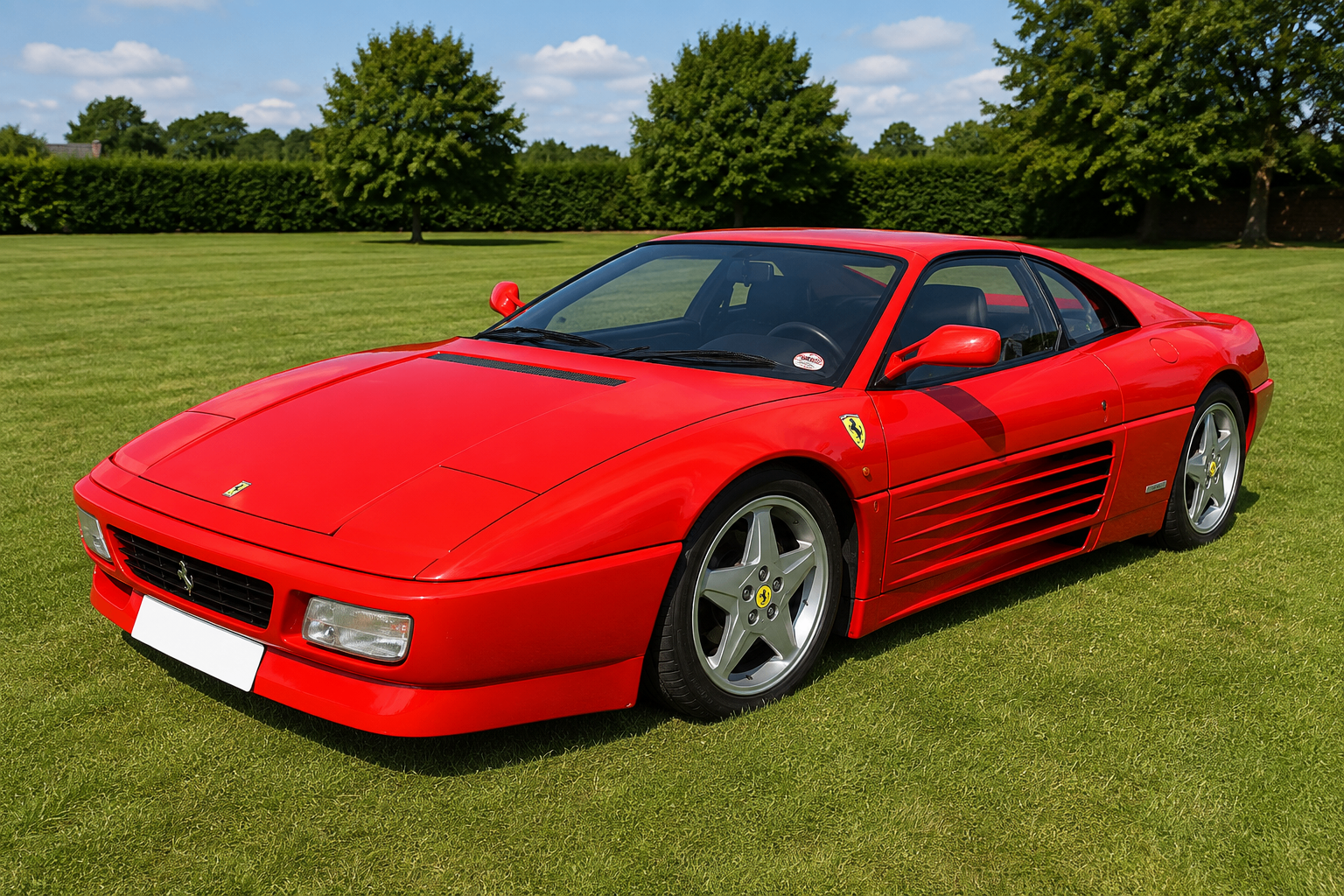
Ferrari 348
The last Enzo-era junior V8 Ferrari, still analogue and increasingly reassessed.
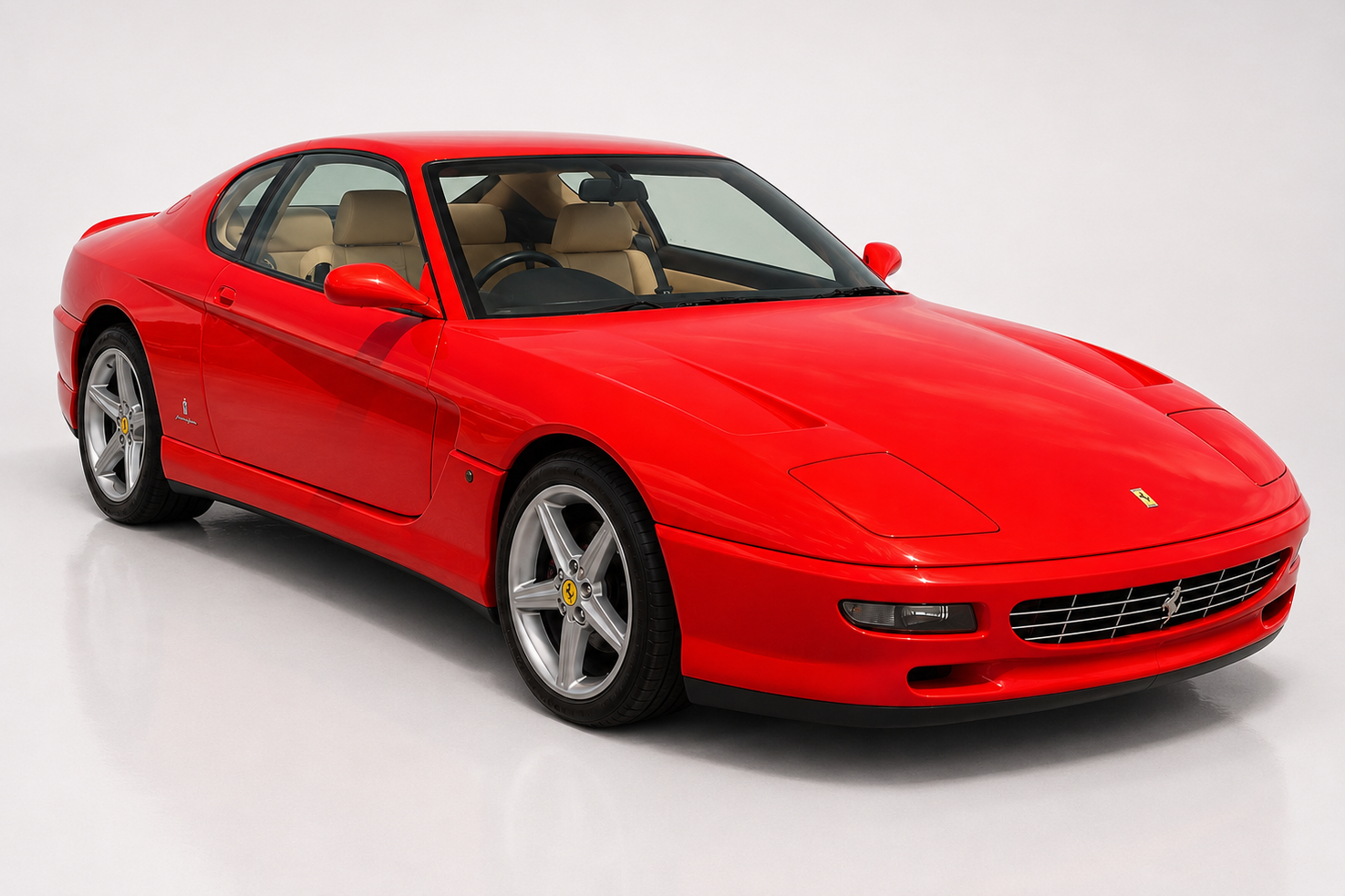
Ferrari 456
Pininfarina's front-engined V12 four-seat grand tourer — Ferrari's return to the classic 2+2 GT layout after the 412, and the direct ancestor of the 550 and 575 M.
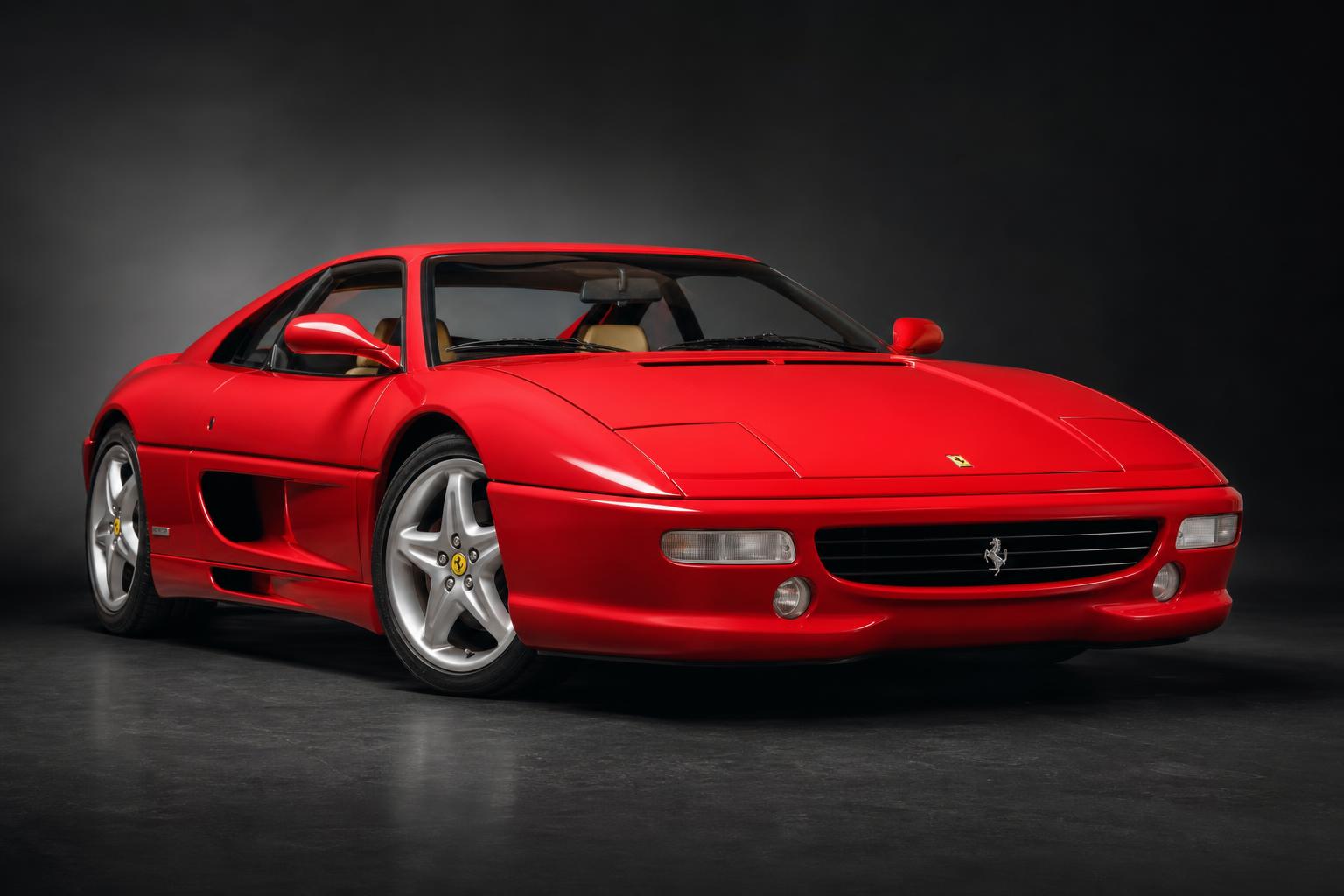
Ferrari F355 Berlinetta
The Ferrari that rescued Maranello — and the last truly analogue mid-engined V8.
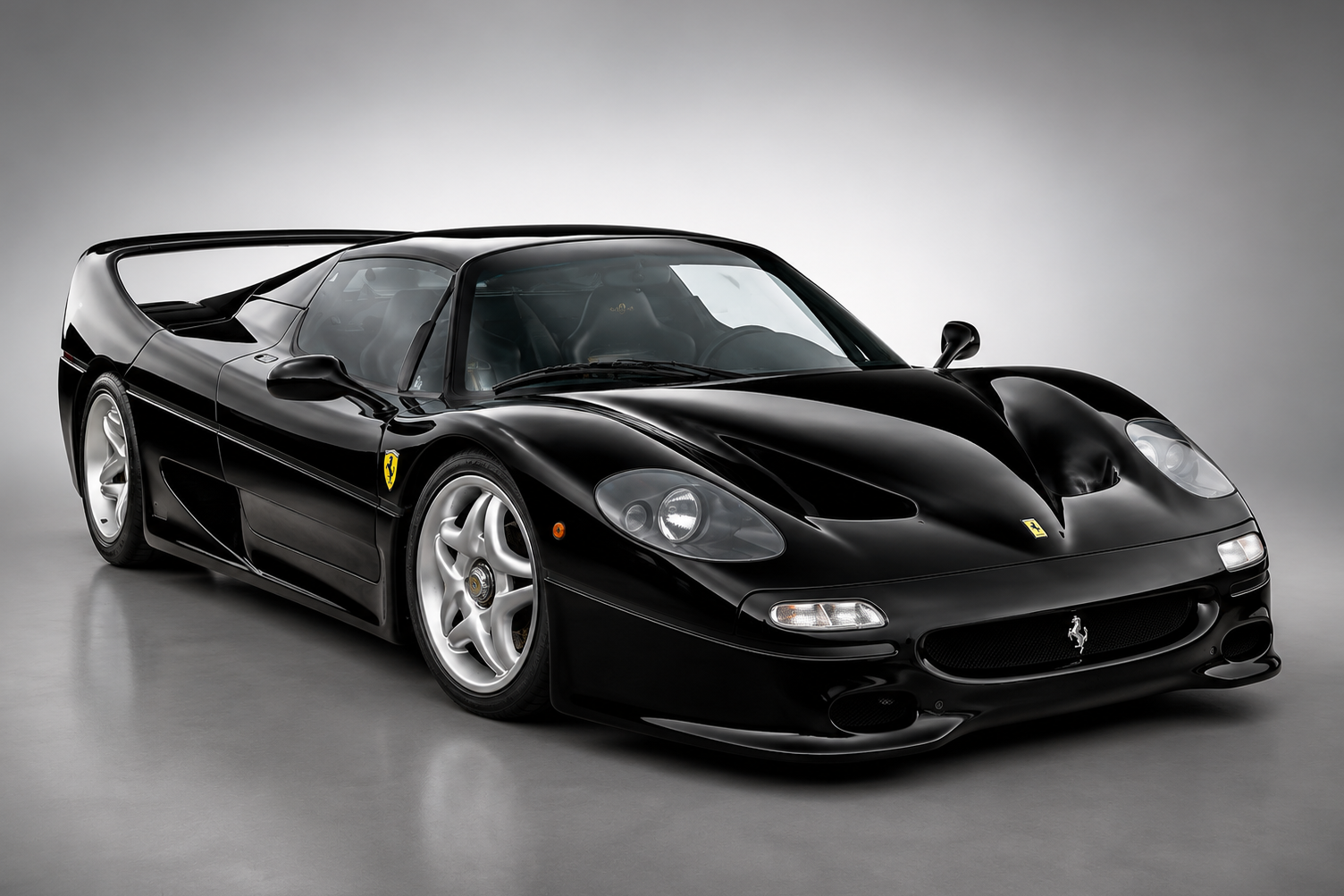
Ferrari F50
Ferrari's most overtly Formula 1-derived road car — a 4.7-litre V12 engineered as a chassis-stressed member with no electronic aids.
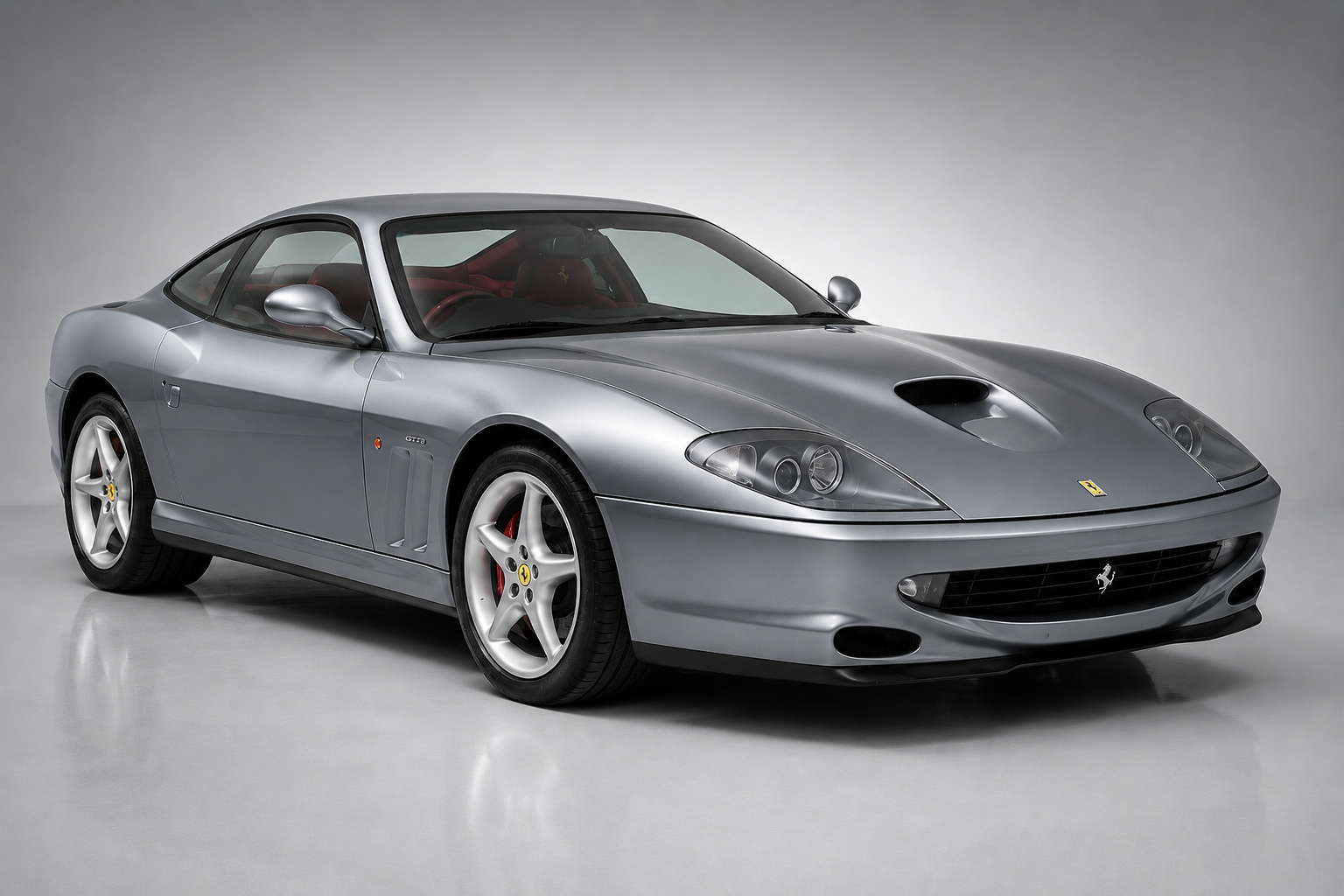
Ferrari 550 Maranello
The car that returned Ferrari's V12 grand tourer to a front-engined, gated-manual format.
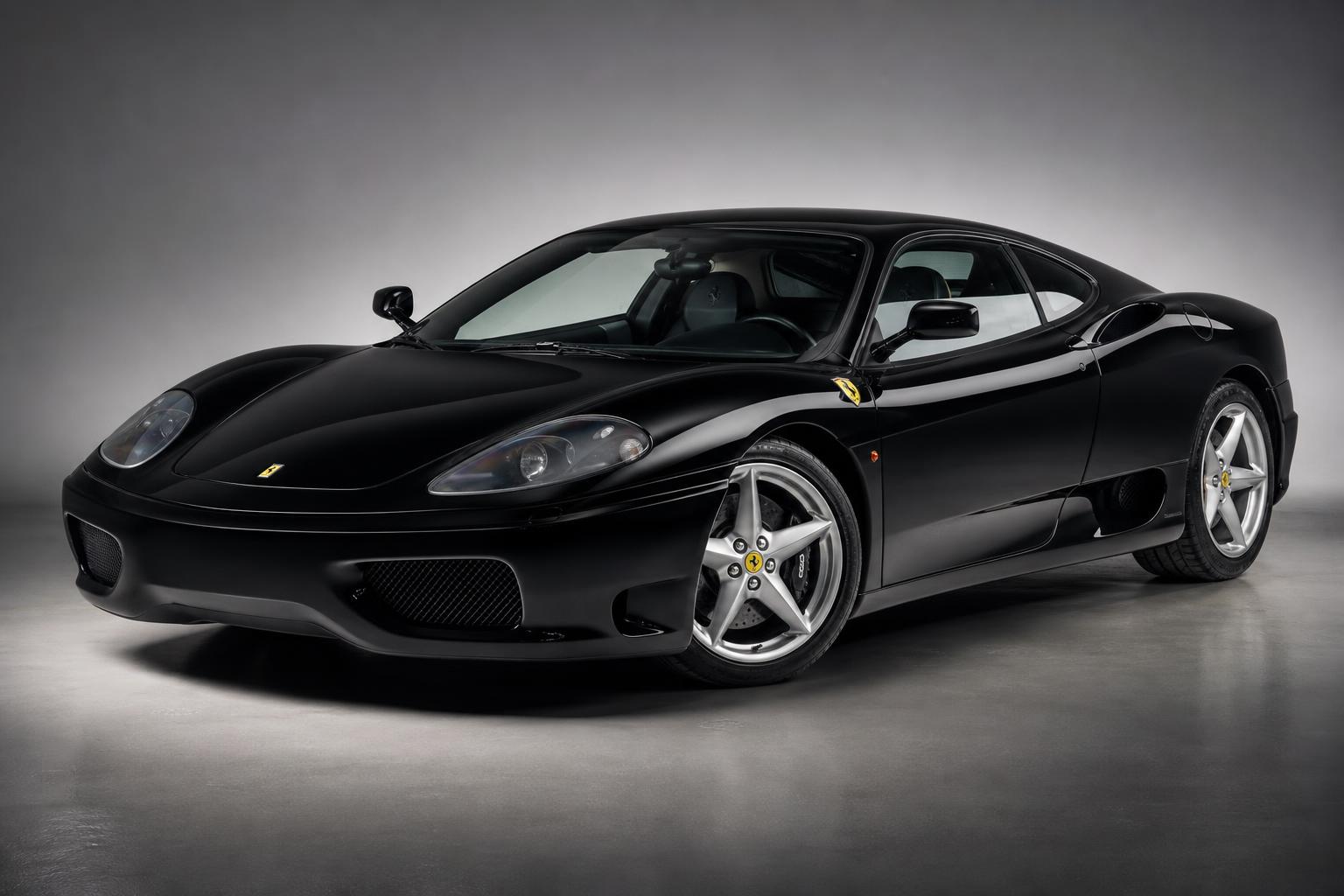
Ferrari 360 Modena
Ferrari's first all-aluminium mid-engined V8 — and the entry point into modern Maranello collecting.
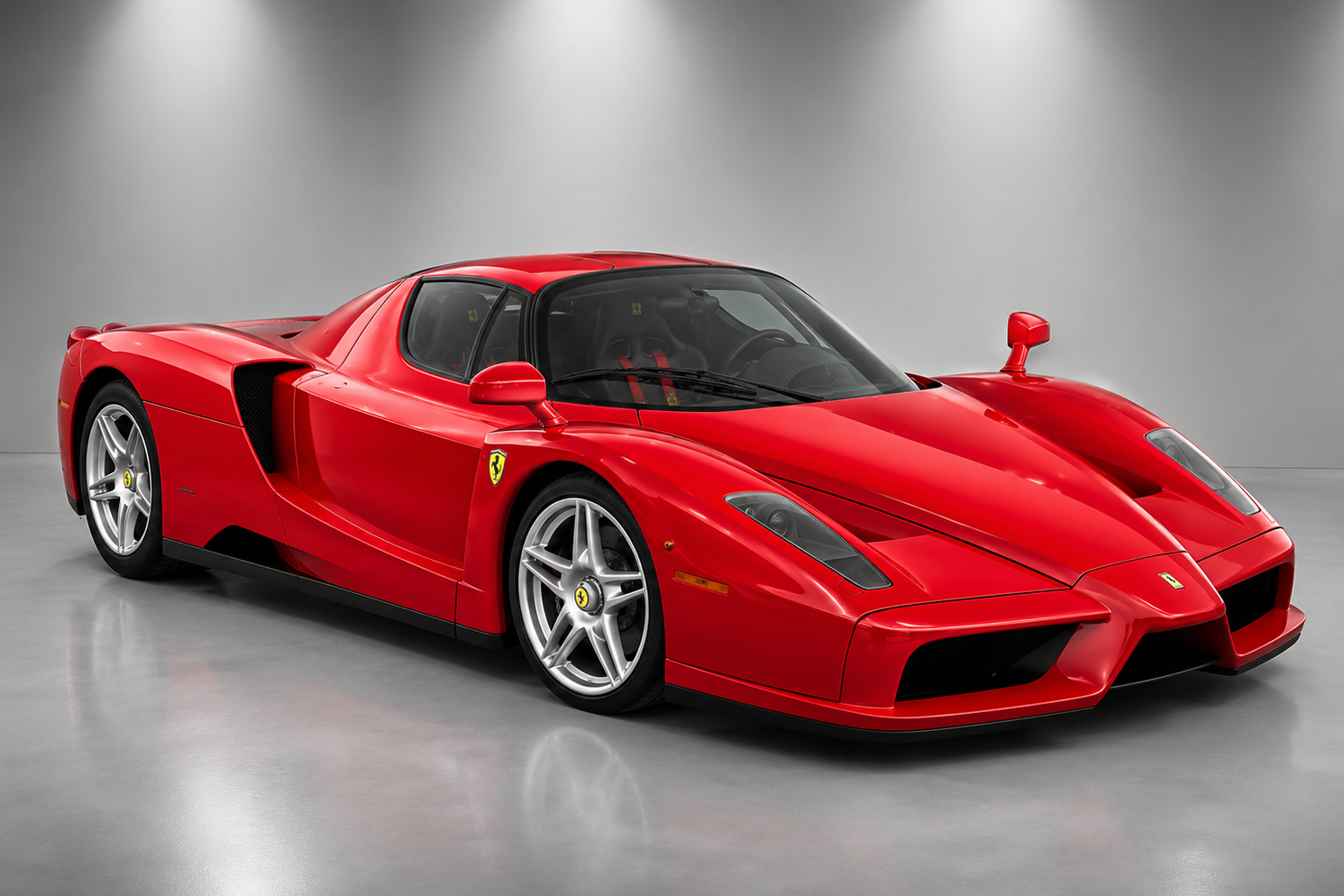
Ferrari Enzo
Ferrari's early-2000s F1-derived hypercar — 6.0 V12, F1 gearbox, carbon tub, 399 production cars.
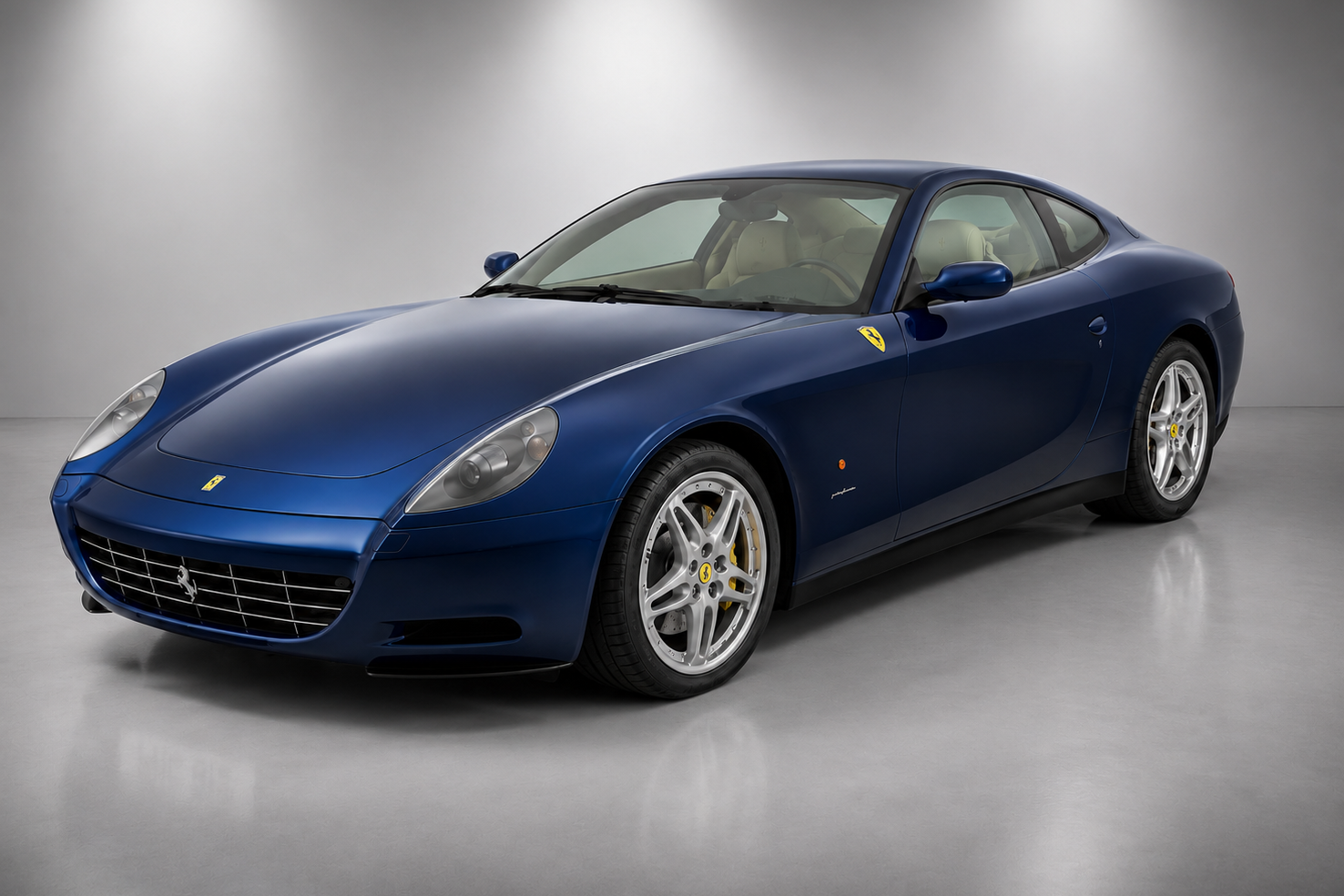
Ferrari 612 Scaglietti
Ken Okuyama's aluminium-bodied 5.7-litre V12 four-seat GT — the direct replacement for the 456 and the last front-engined V12 Ferrari 2+2 before the four-wheel-drive FF.
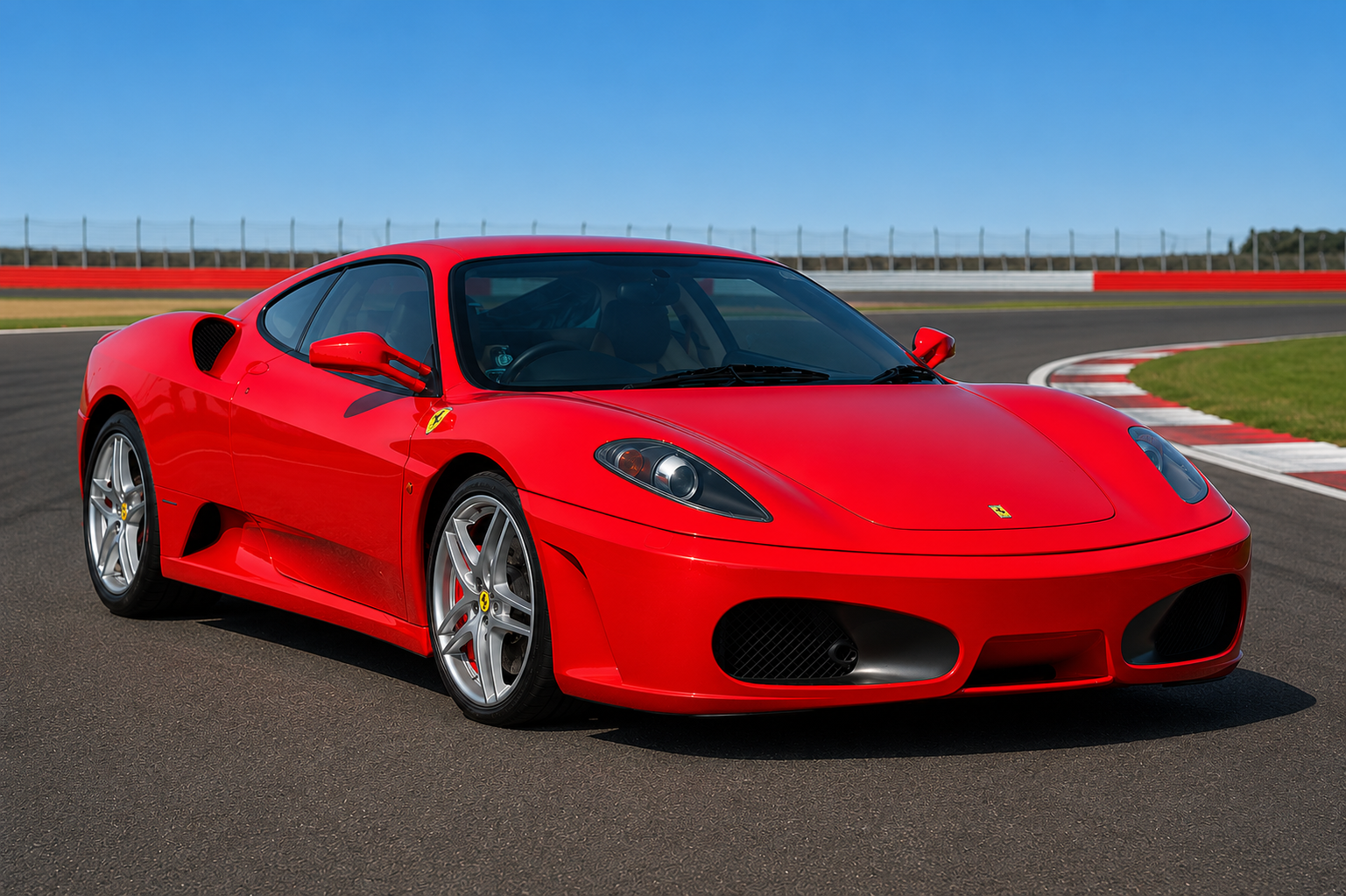
Ferrari F430
The sonorous V8 Ferrari that bridges analogue feel and modern electronics.
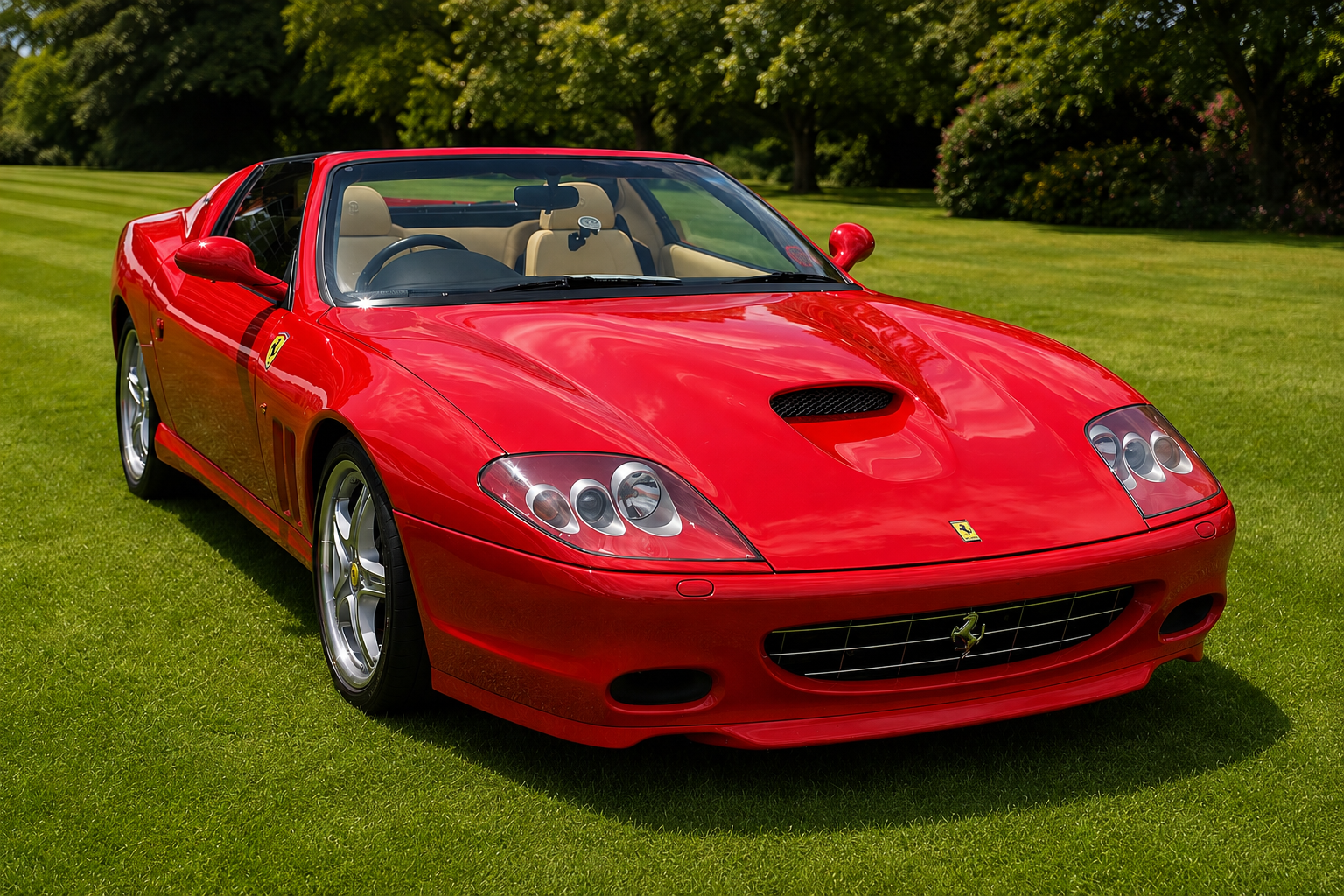
Ferrari 575 Superamerica
Ferrari's V12 grand-tourer with a unique electrochromic rotating glass roof — 559 built.
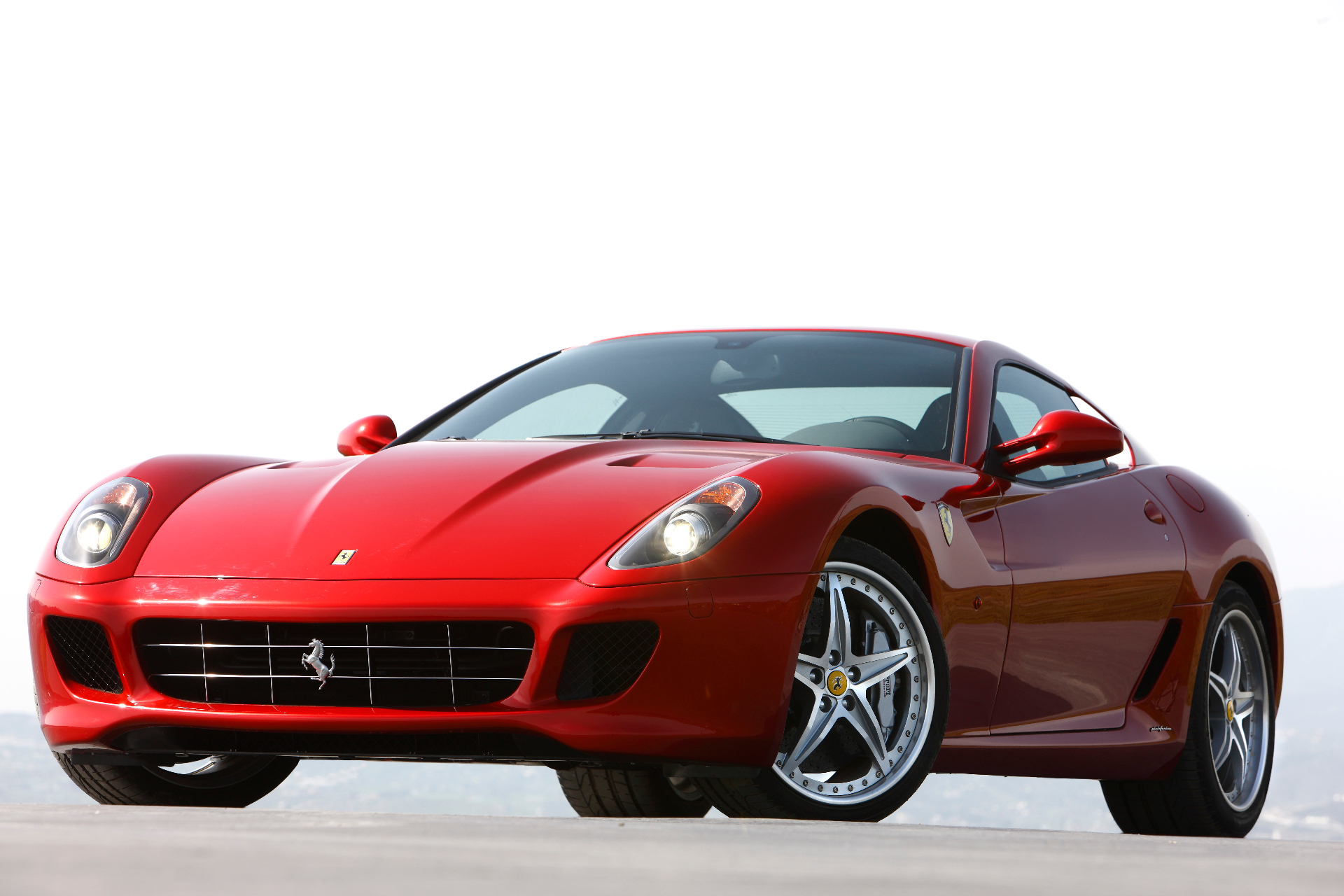
Ferrari 599 GTB Fiorano
The Enzo-derived V12 grand tourer that bridges 550 Maranello and F12.
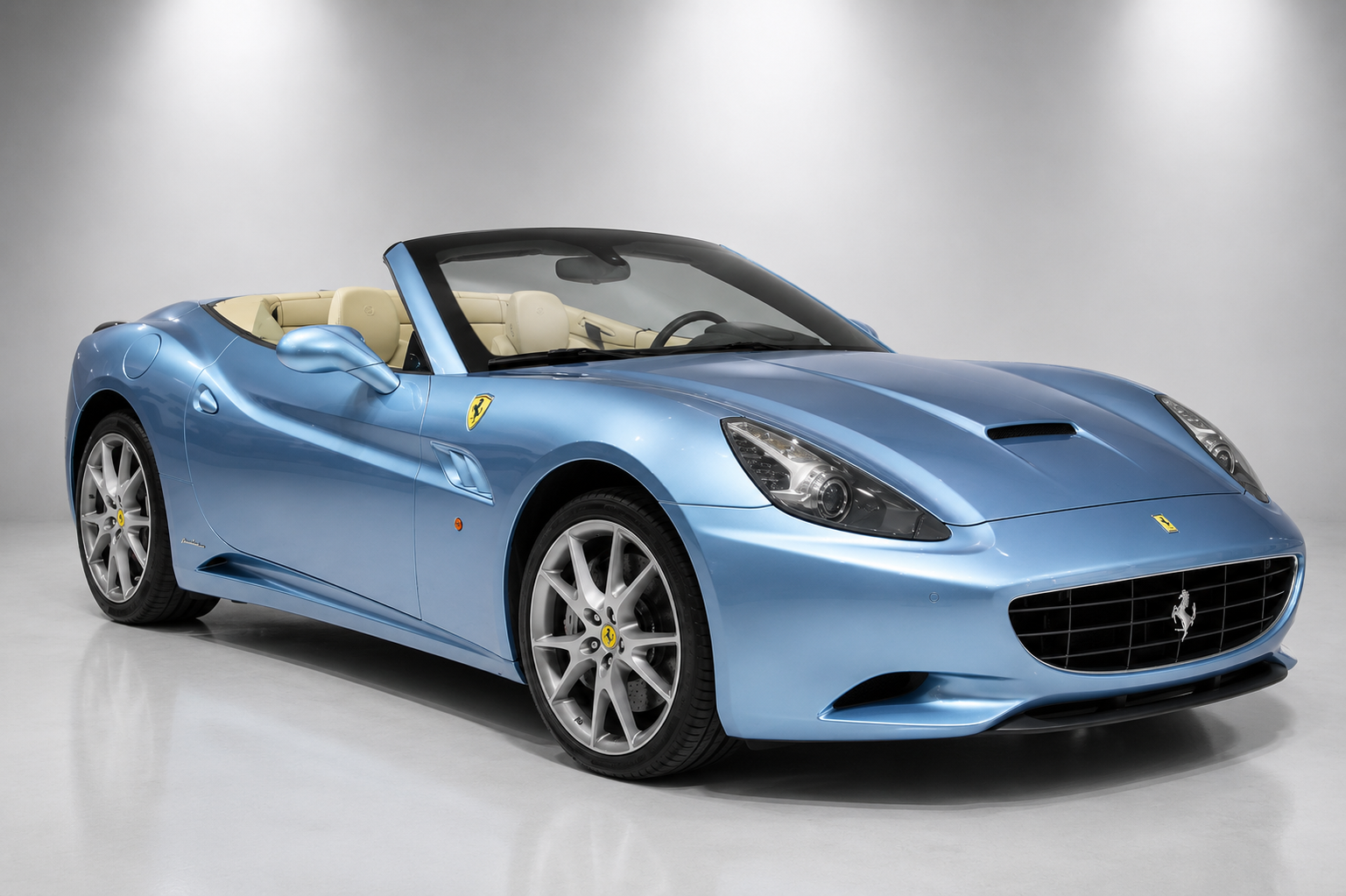
Ferrari California
Ferrari's front-engined folding-hardtop GT, now a usable entry into modern Maranello ownership.
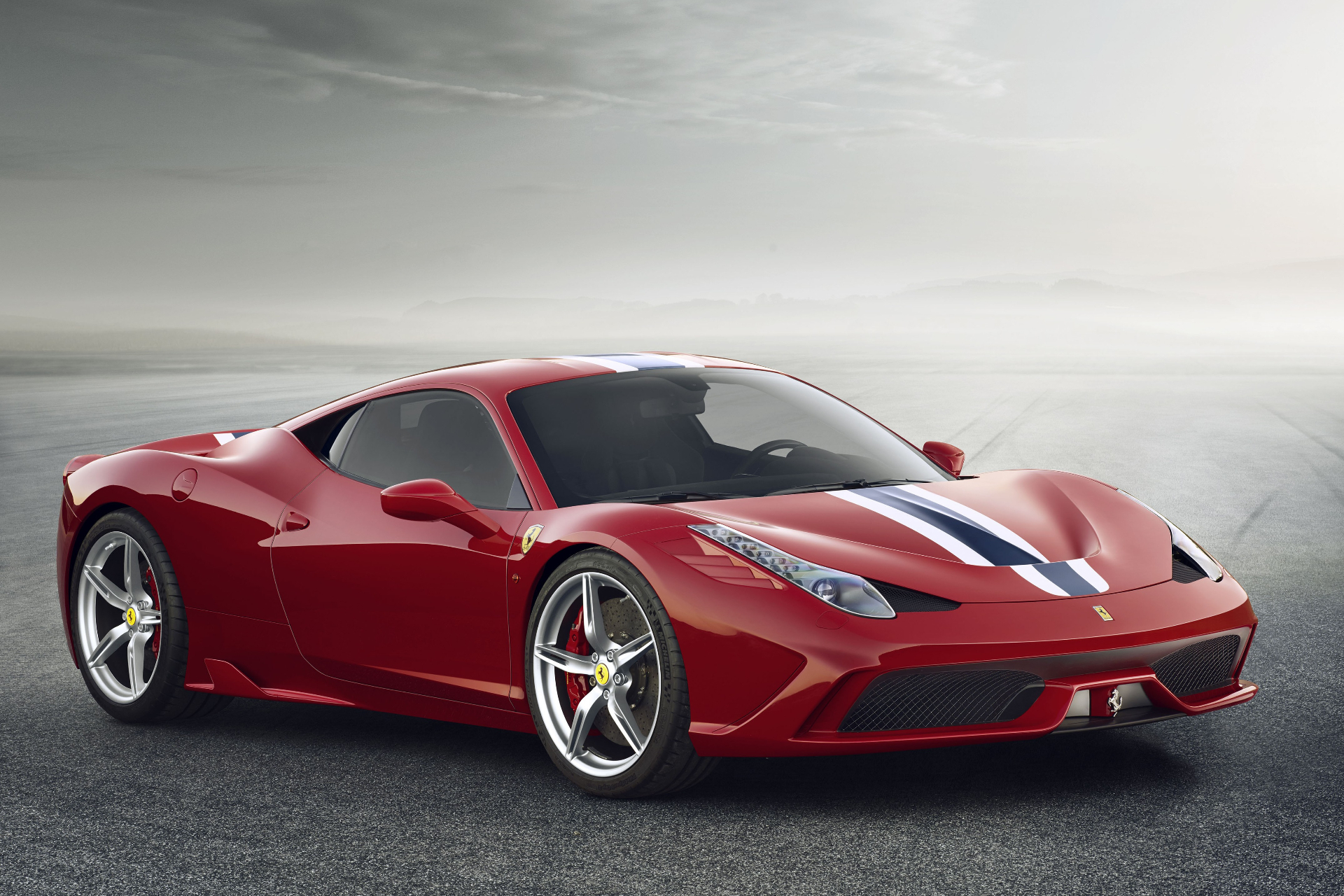
Ferrari 458 Italia
Ferrari's last naturally aspirated mid-engined V8 with hydraulic steering-era drama and modern usability.
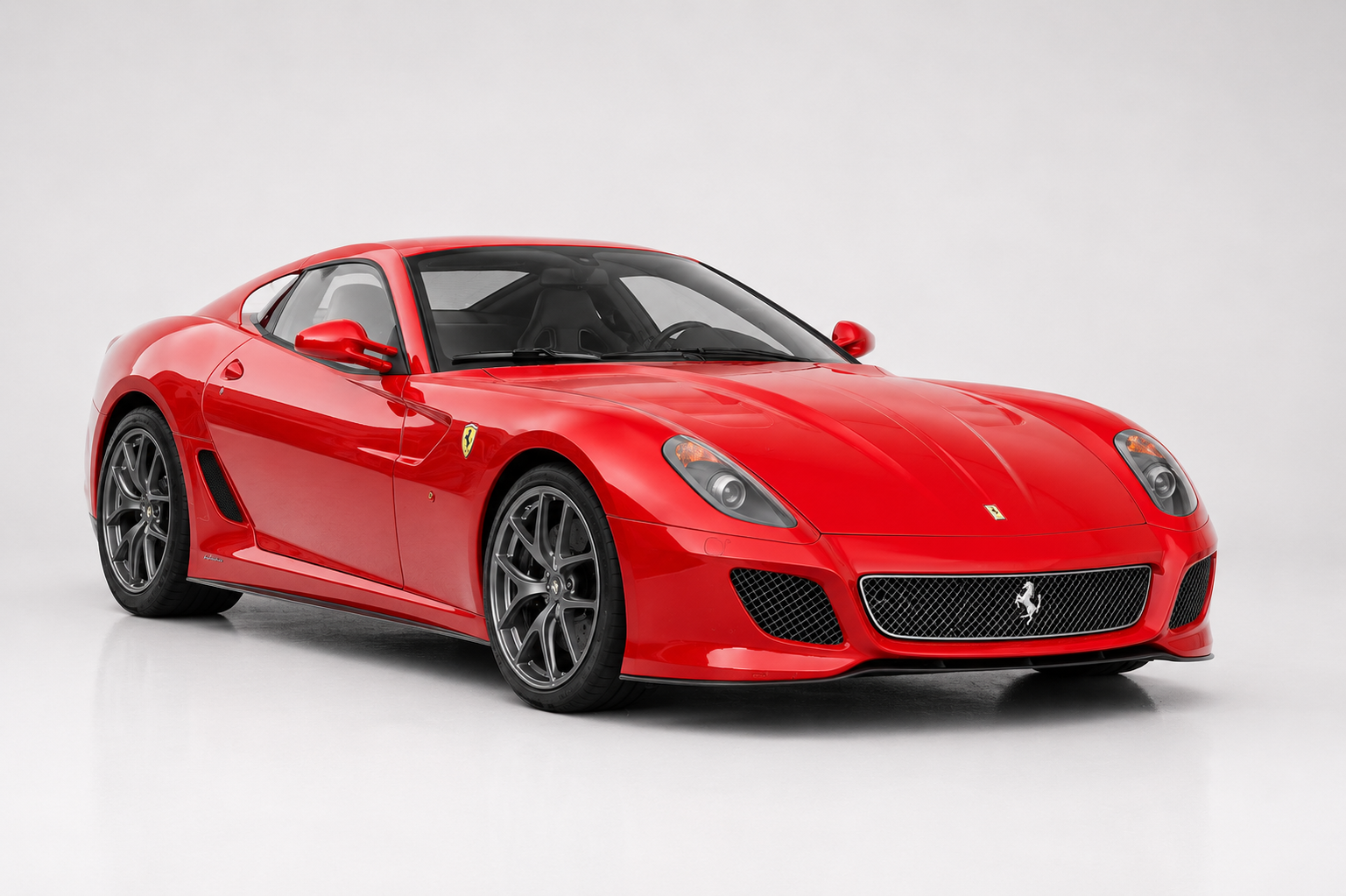
Ferrari 599 GTO
Road-legal development of the 599XX programme — Ferrari's fastest road car at launch.
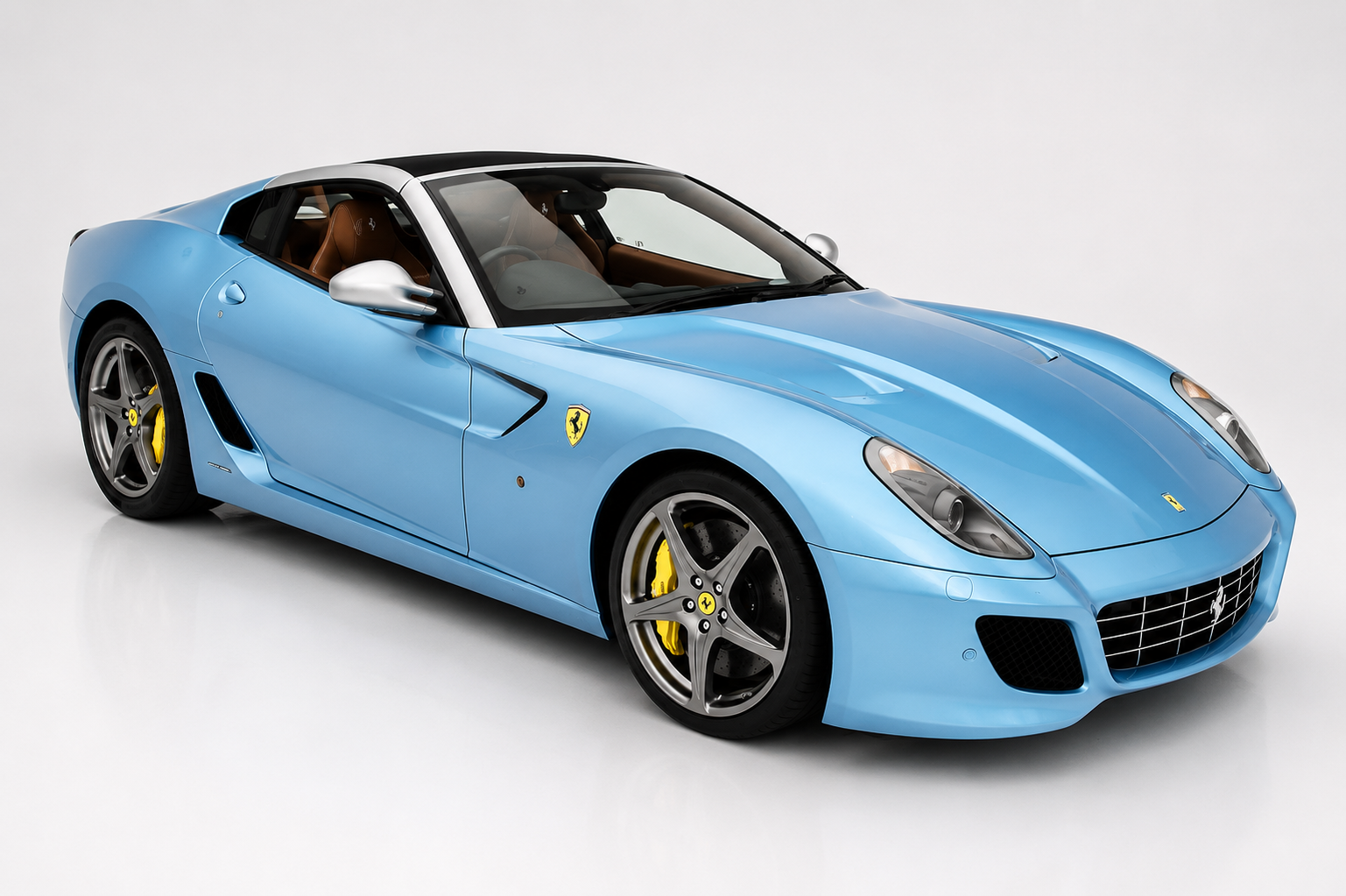
Ferrari 599 SA Aperta
Open derivative of the 599 GTO — 80 cars honouring Sergio and Andrea Pininfarina.
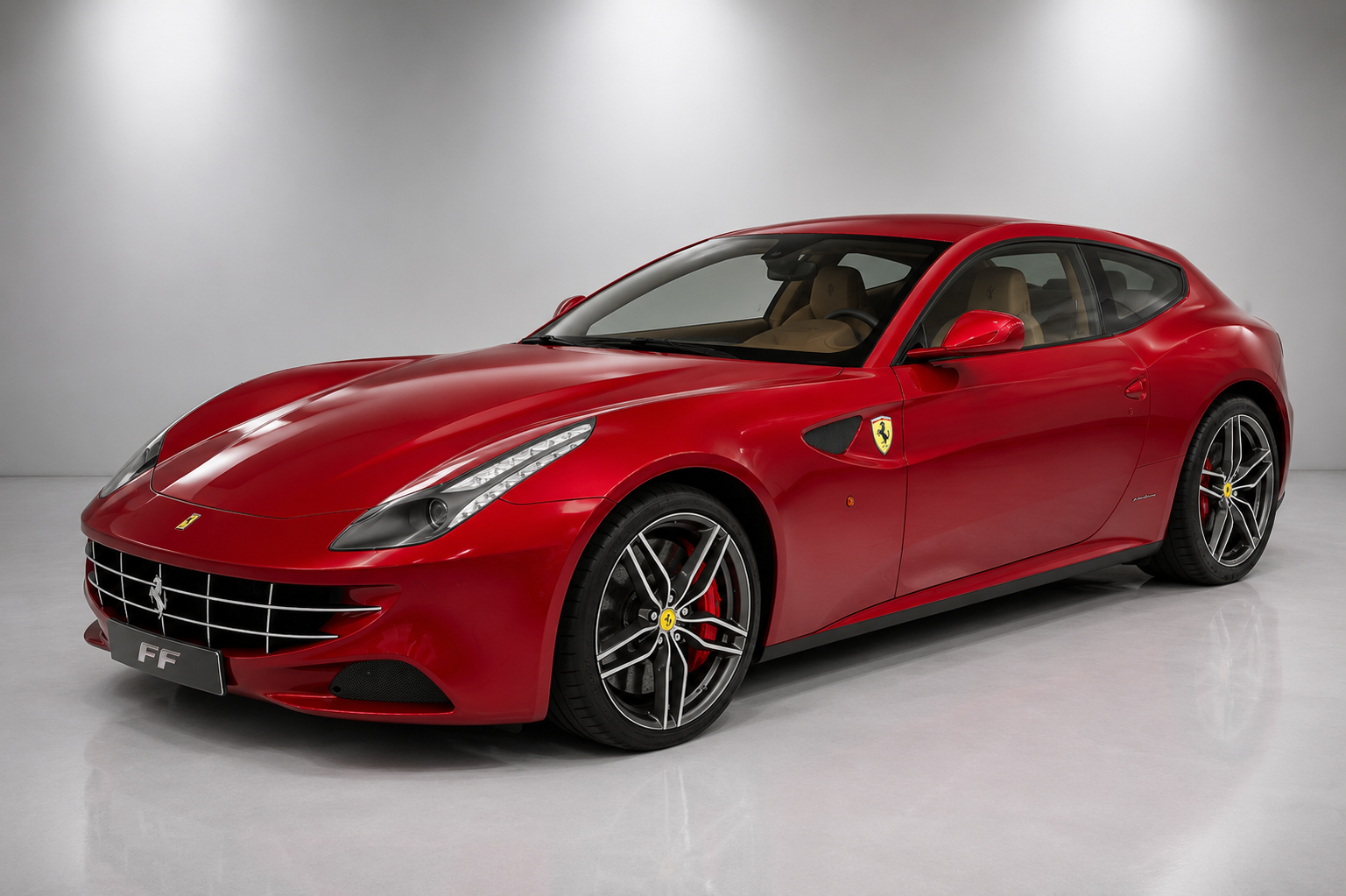
Ferrari FF
Ferrari's first four-wheel-drive — 6.3-litre V12 shooting-brake with 651 bhp and four useable seats.
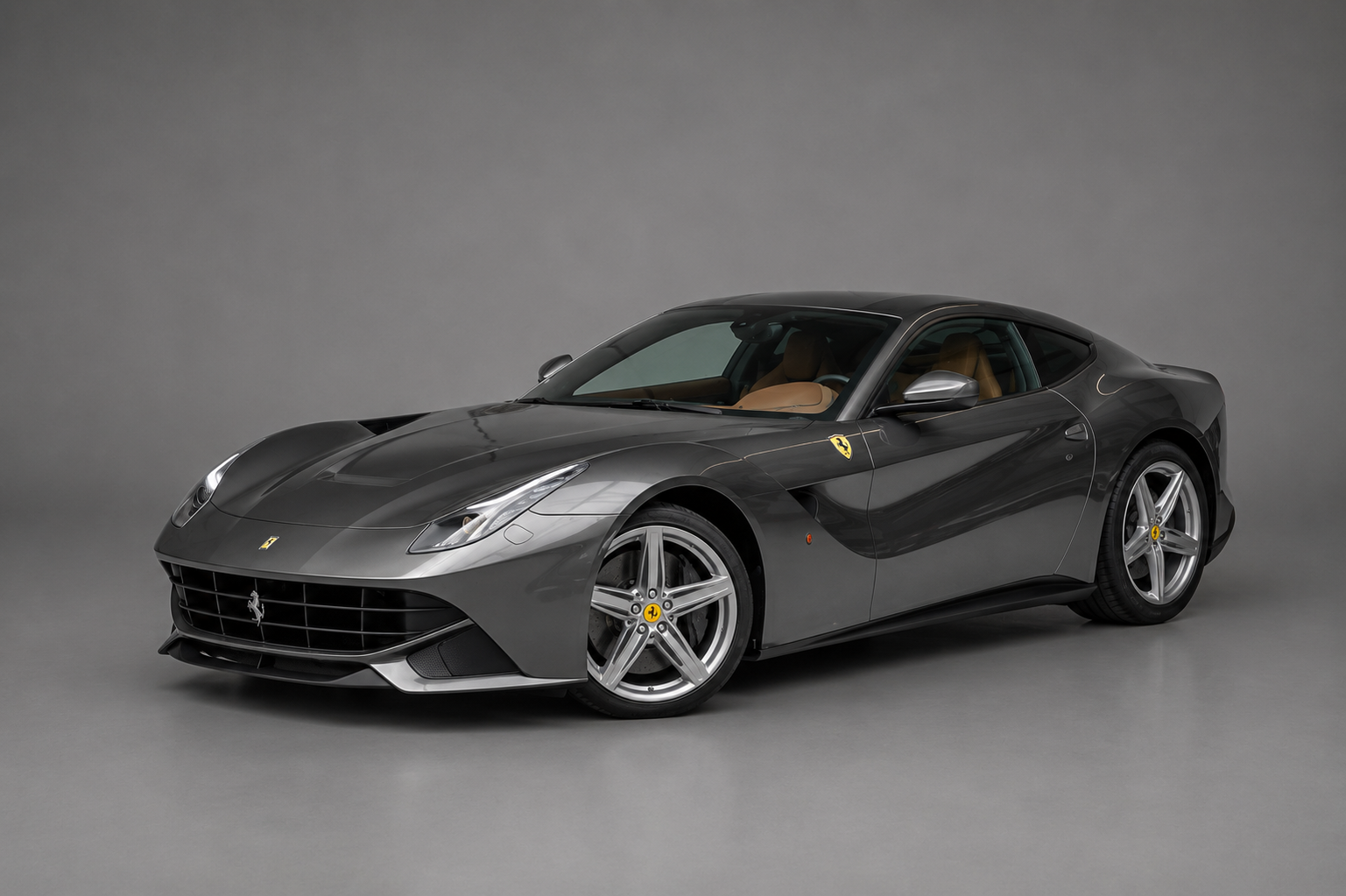
Ferrari F12 Berlinetta
Naturally-aspirated 6.3-litre V12 grand-tourer — 731 bhp, two seats, Pininfarina at full stretch.
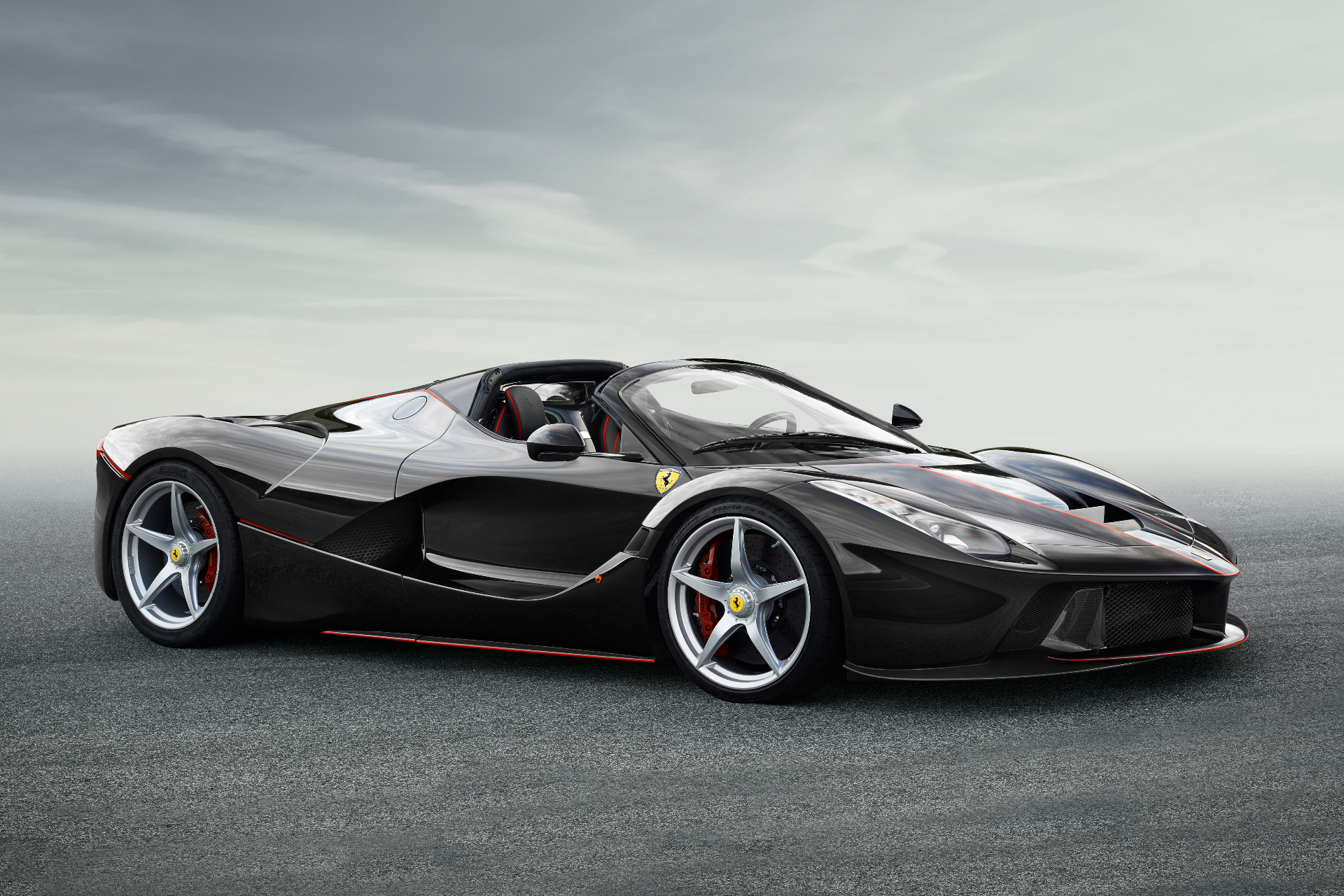
Ferrari LaFerrari
Ferrari's first hybrid flagship — 6.3 V12 plus HY-KERS, 950 hp combined, 499 Coupes plus 210 Aperta.
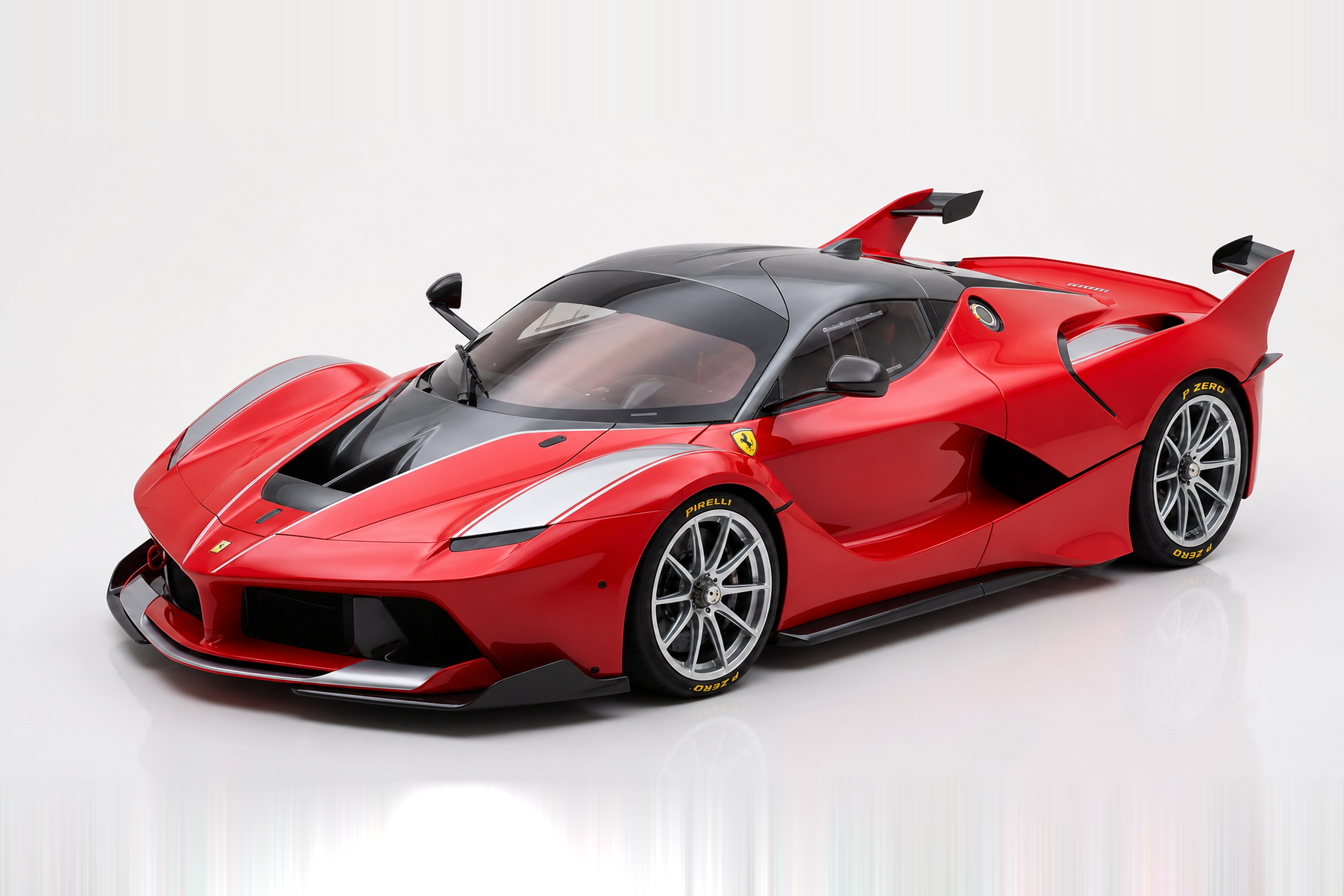
Ferrari FXX-K / FXX-K Evo
LaFerrari-based track-only laboratory car in Ferrari's XX Programme.
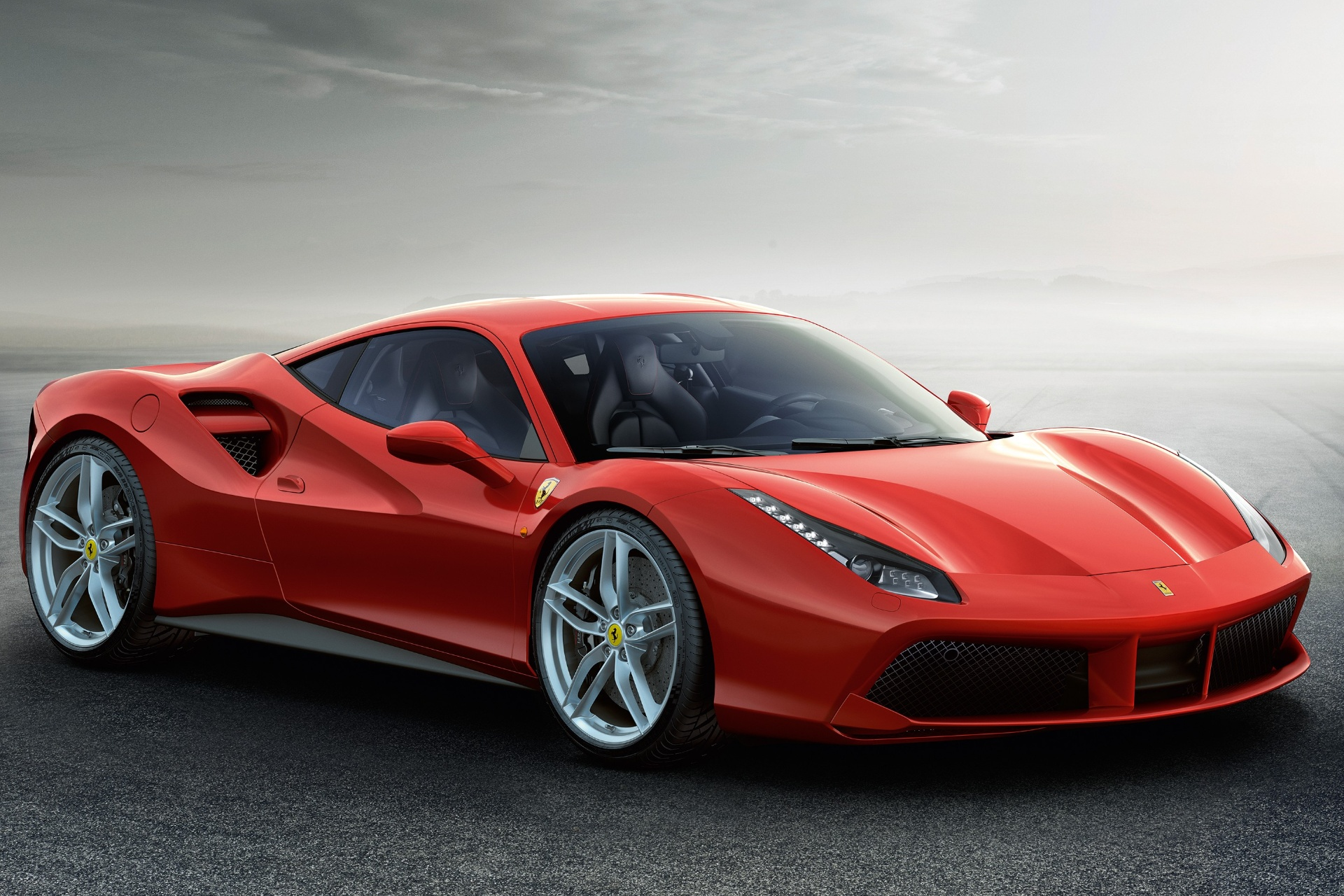
Ferrari 488
Ferrari's first turbocharged mid-engined V8 since the F40 — 488 GTB, Spider, Pista and Pista Spider.
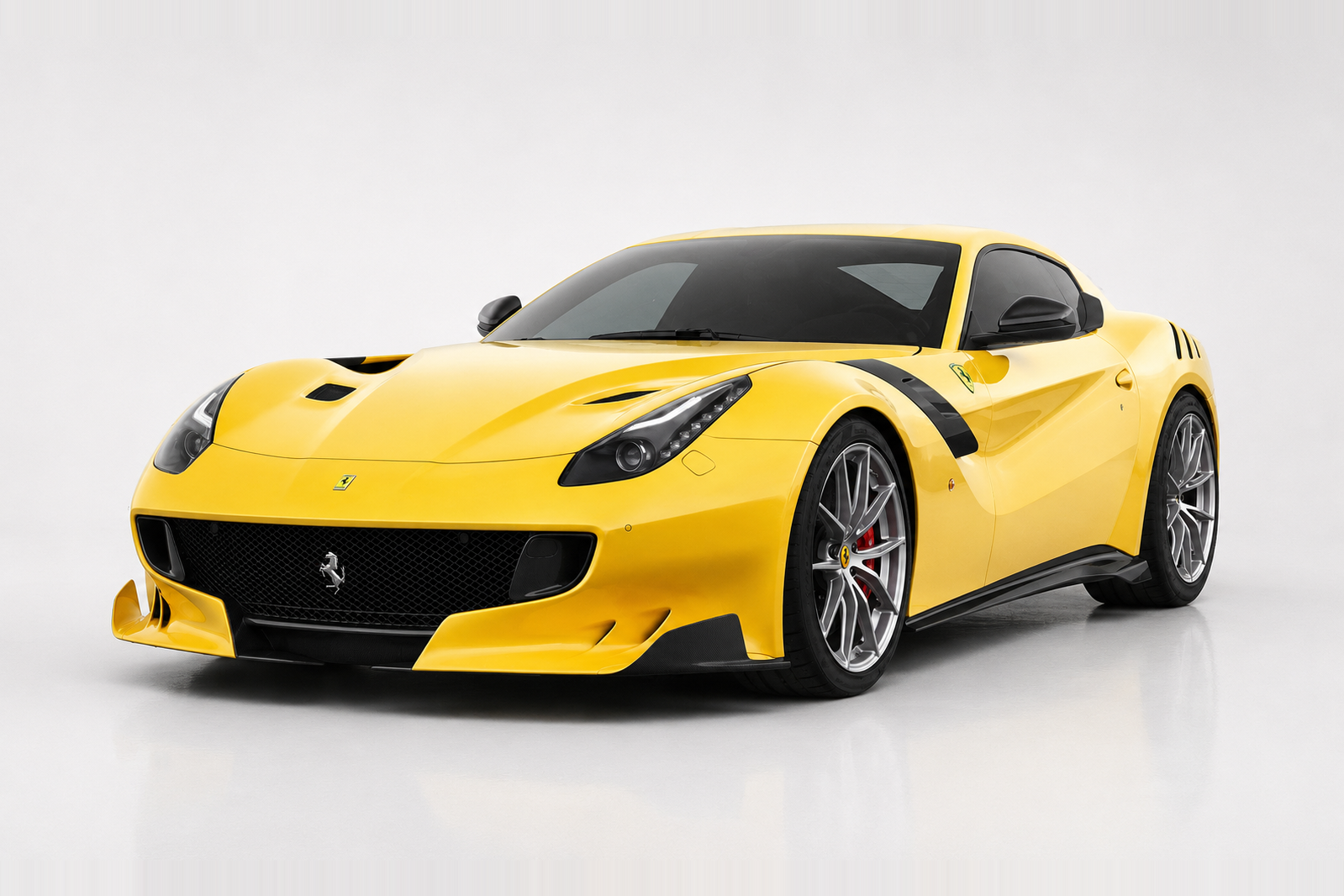
Ferrari F12tdf
Limited-series F12 evolution named for the Tour de France — first production Ferrari with rear-wheel steering.
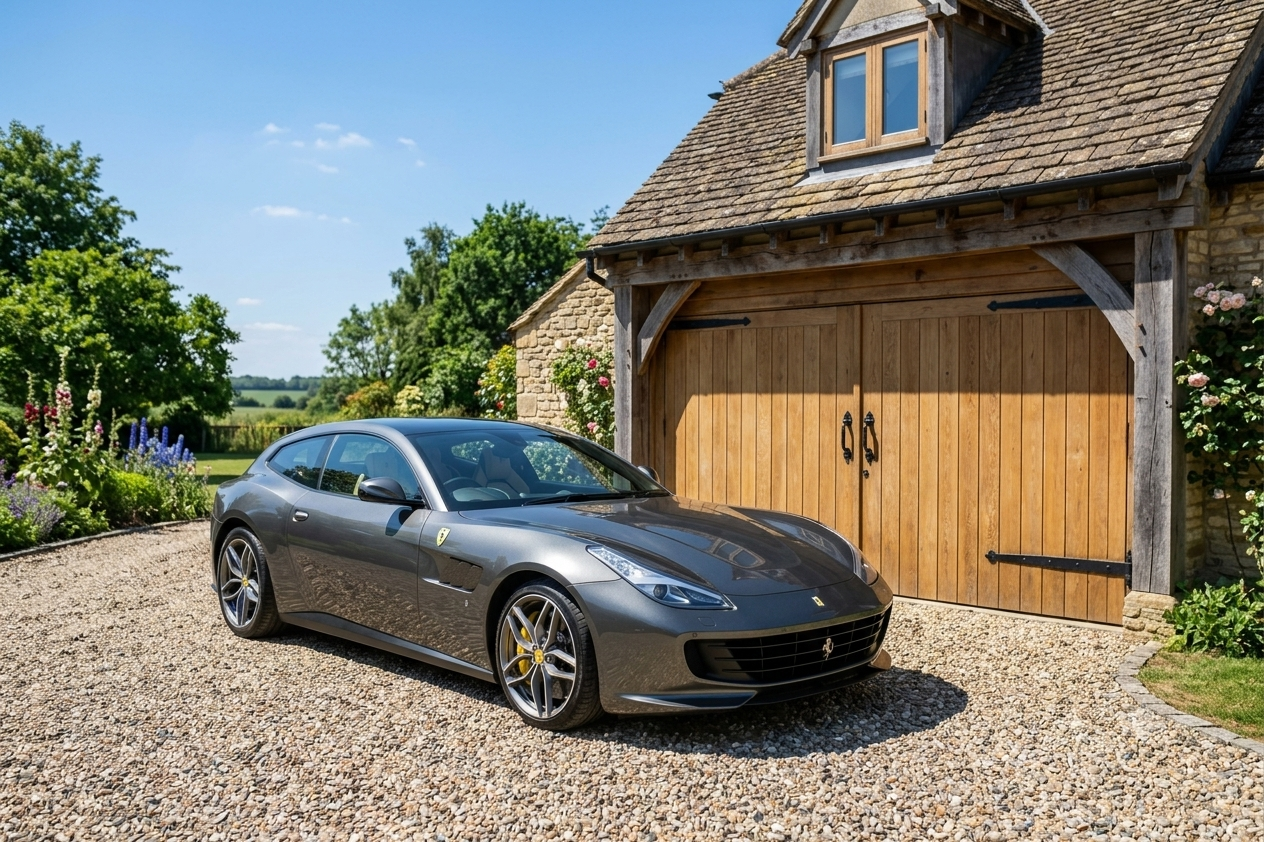
Ferrari GTC4Lusso
Ferrari's front-engined V12 shooting-brake — 690 cv, four seats, four-wheel drive and four-wheel steering, and the last of the naturally-aspirated V12 four-seaters.
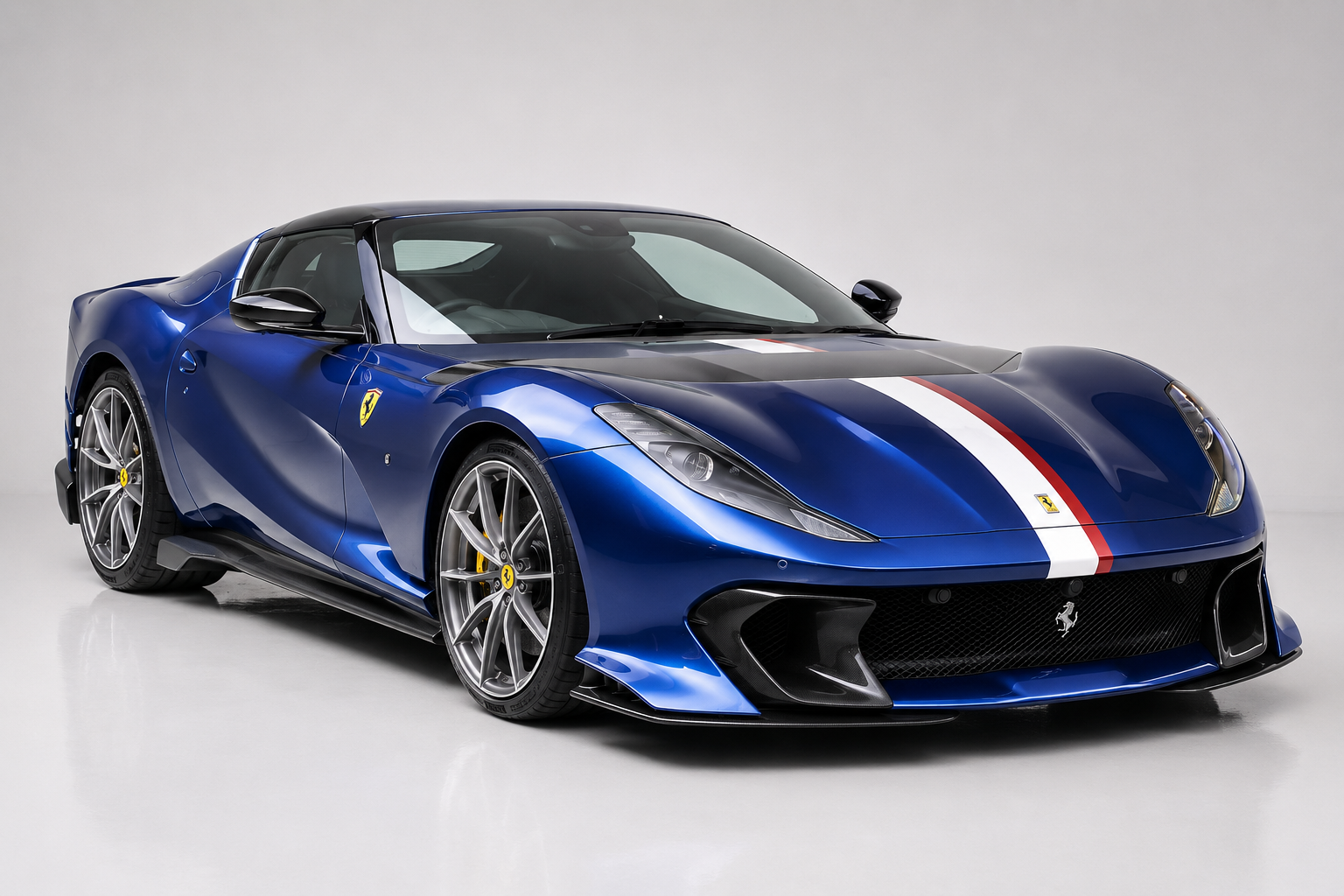
Ferrari 812 Superfast / Competizione
The 6.5-litre naturally-aspirated V12 grand tourer that succeeded the F12 and rounded out Ferrari's front-V12 line.
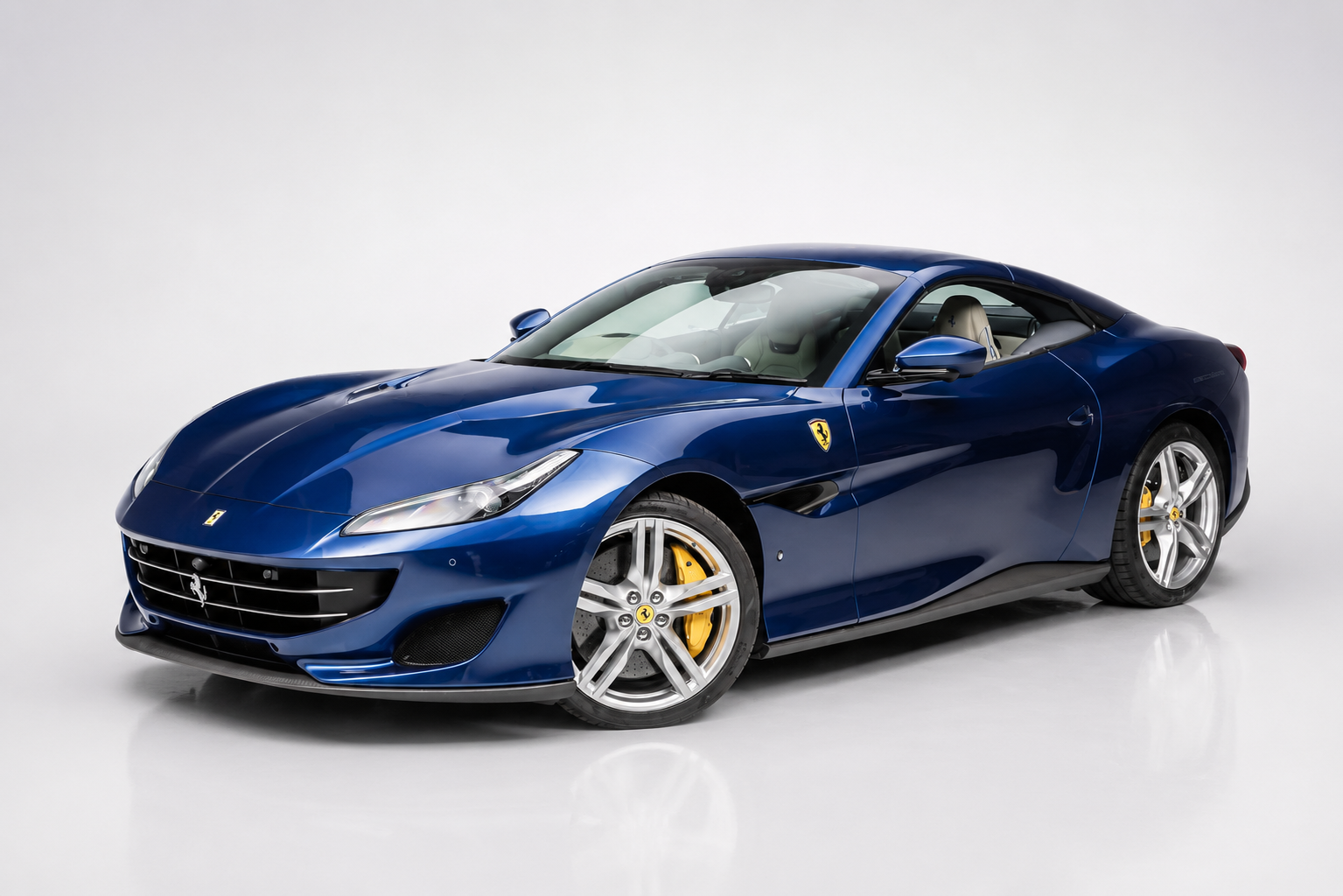
Ferrari Portofino / Portofino M
2+2 retractable-hardtop V8 GT succeeding the California T — Portofino and its Portofino M facelift.
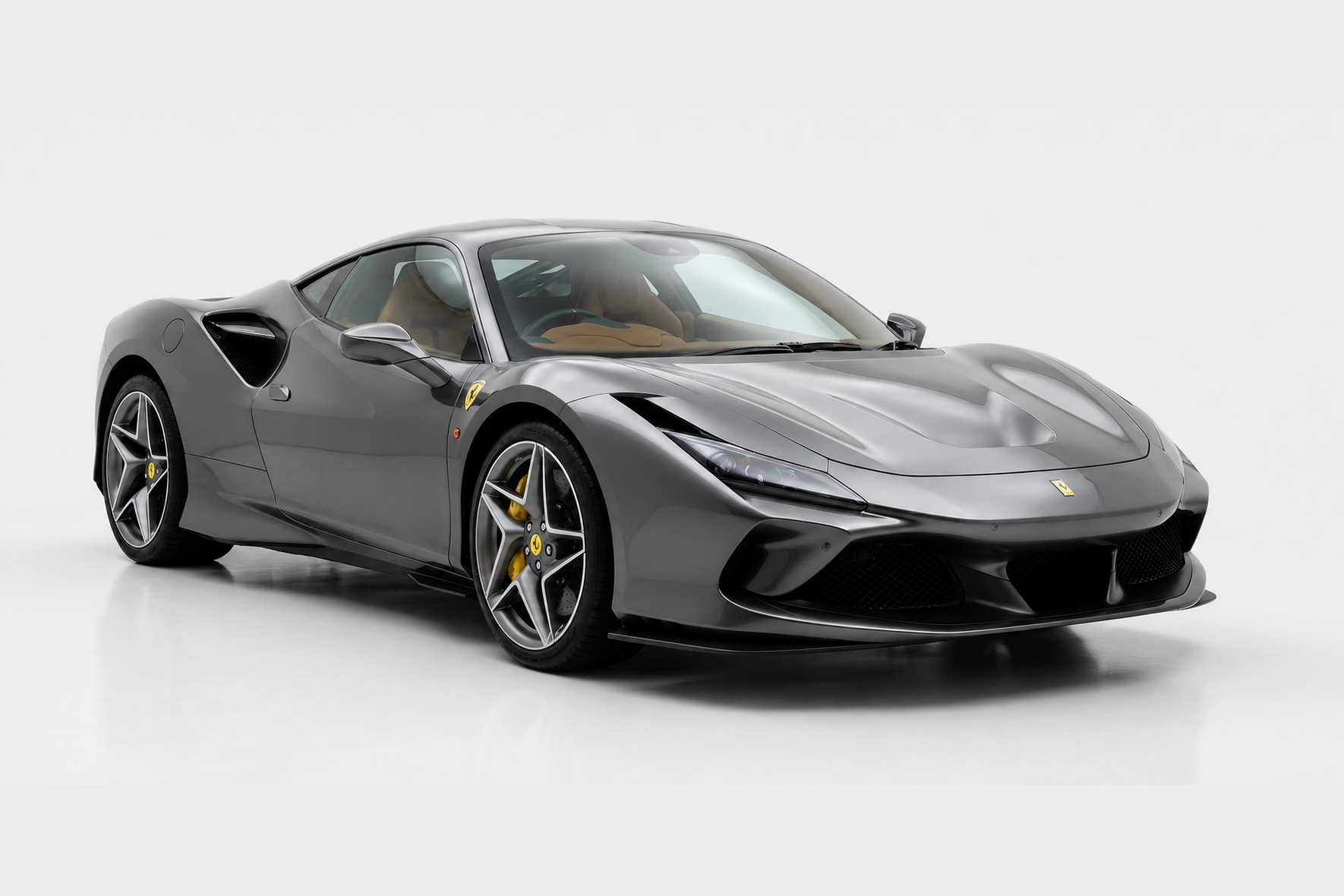
Ferrari F8 Tributo / F8 Spider
Mid-engined 3.9-litre twin-turbo V8 berlinetta succeeding the 488 GTB — Tributo coupé and retractable-hardtop Spider.
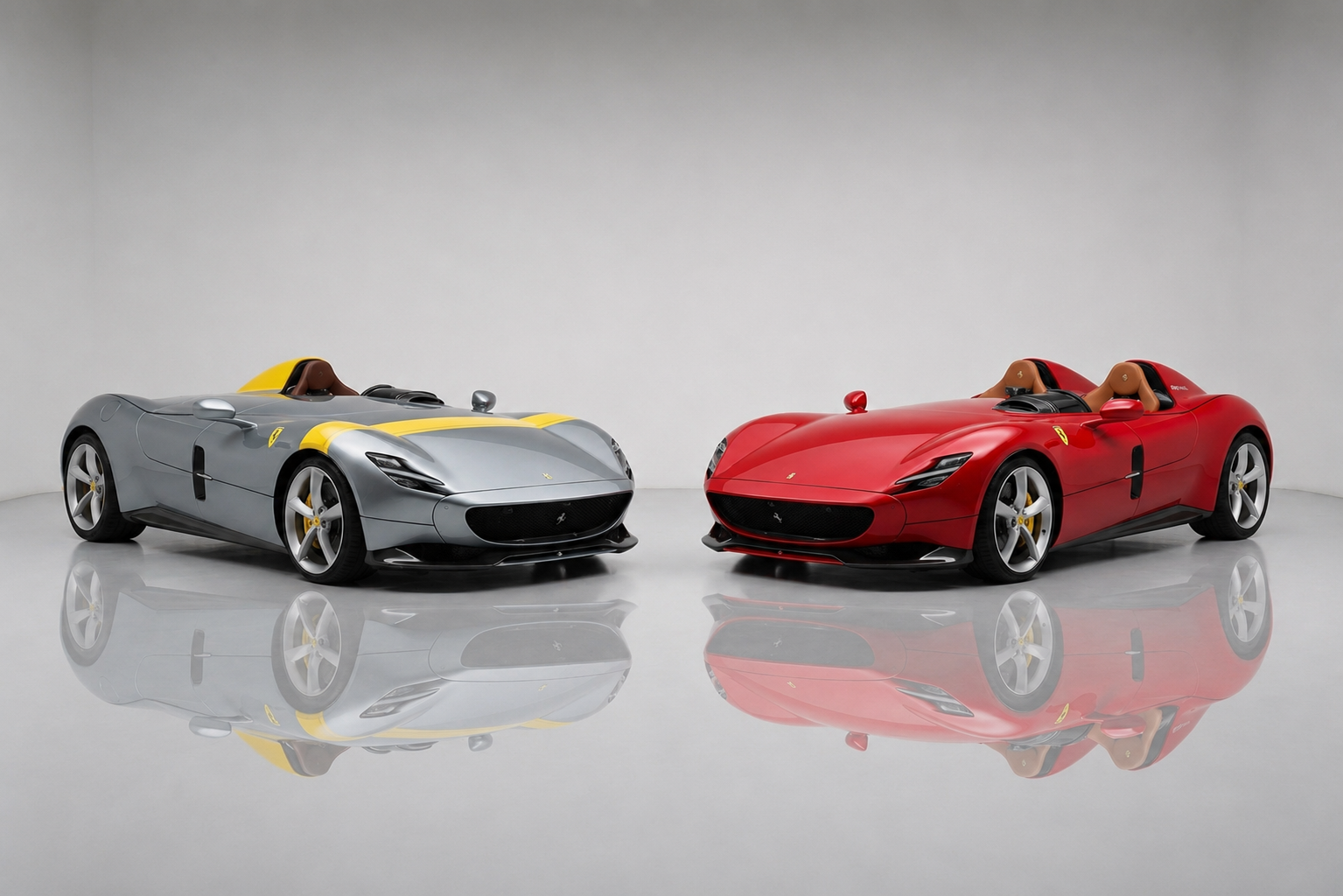
Ferrari Monza SP1 & SP2
Ferrari's first Icona-series cars — single- and two-seat open barchettas inspired by the 750 Monza and 860 Monza.
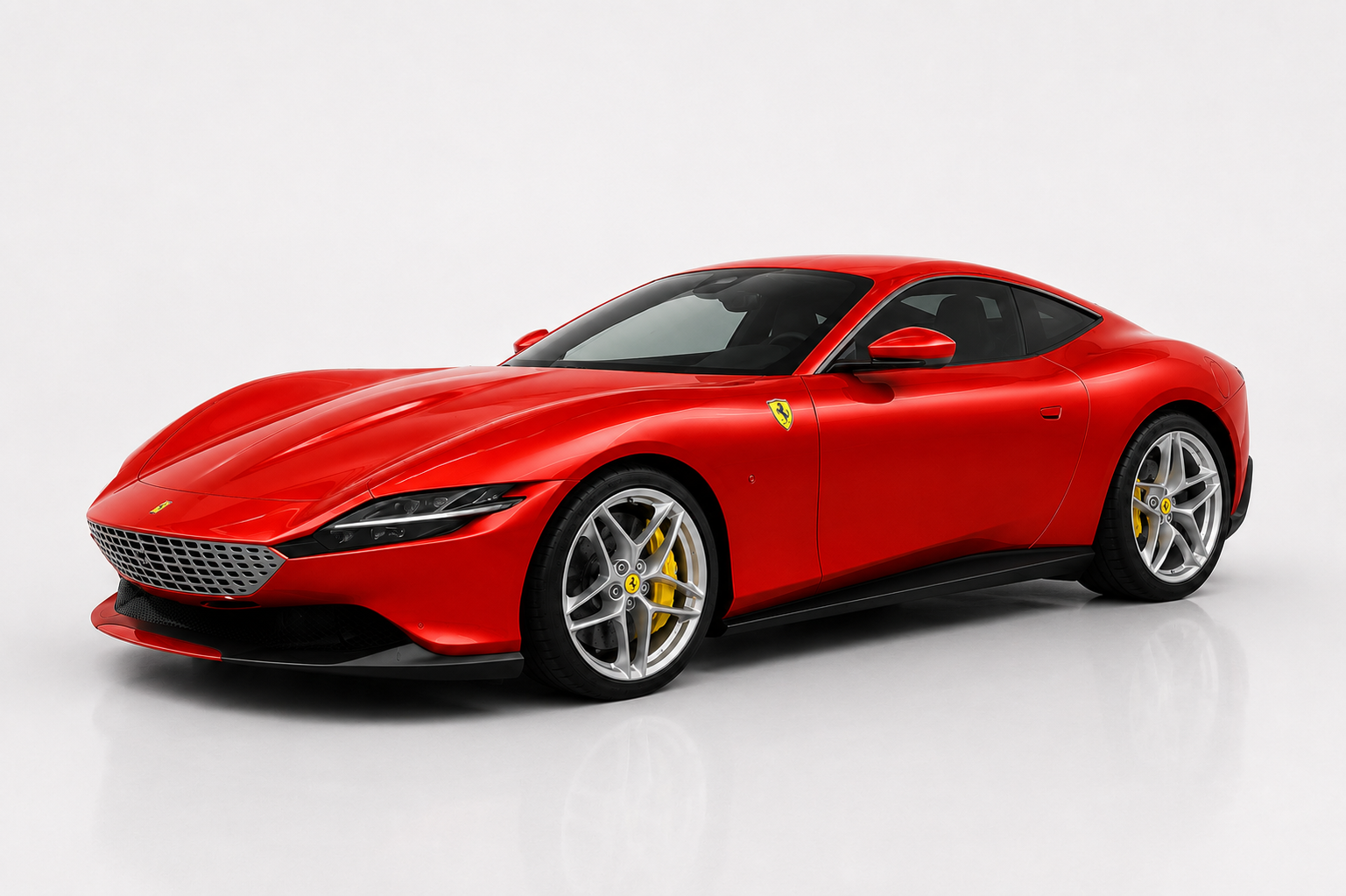
Ferrari Roma / Roma Spider
Front mid-engined 2+2 V8 GT — Roma coupé and Roma Spider soft-top.
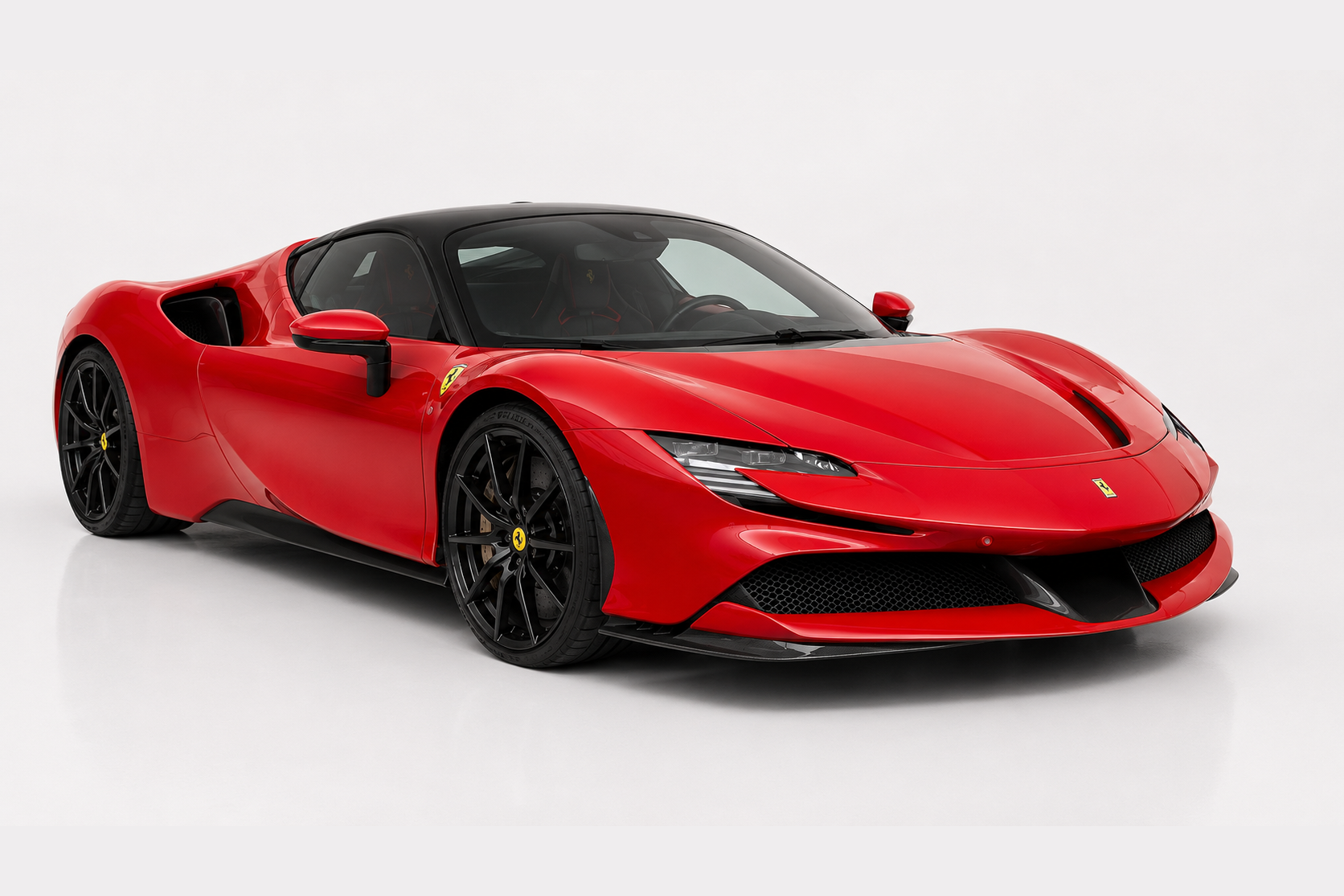
Ferrari SF90 Stradale / SF90 Spider
Mid-engined plug-in hybrid V8 flagship — SF90 Stradale coupé and SF90 Spider (base derivatives only).
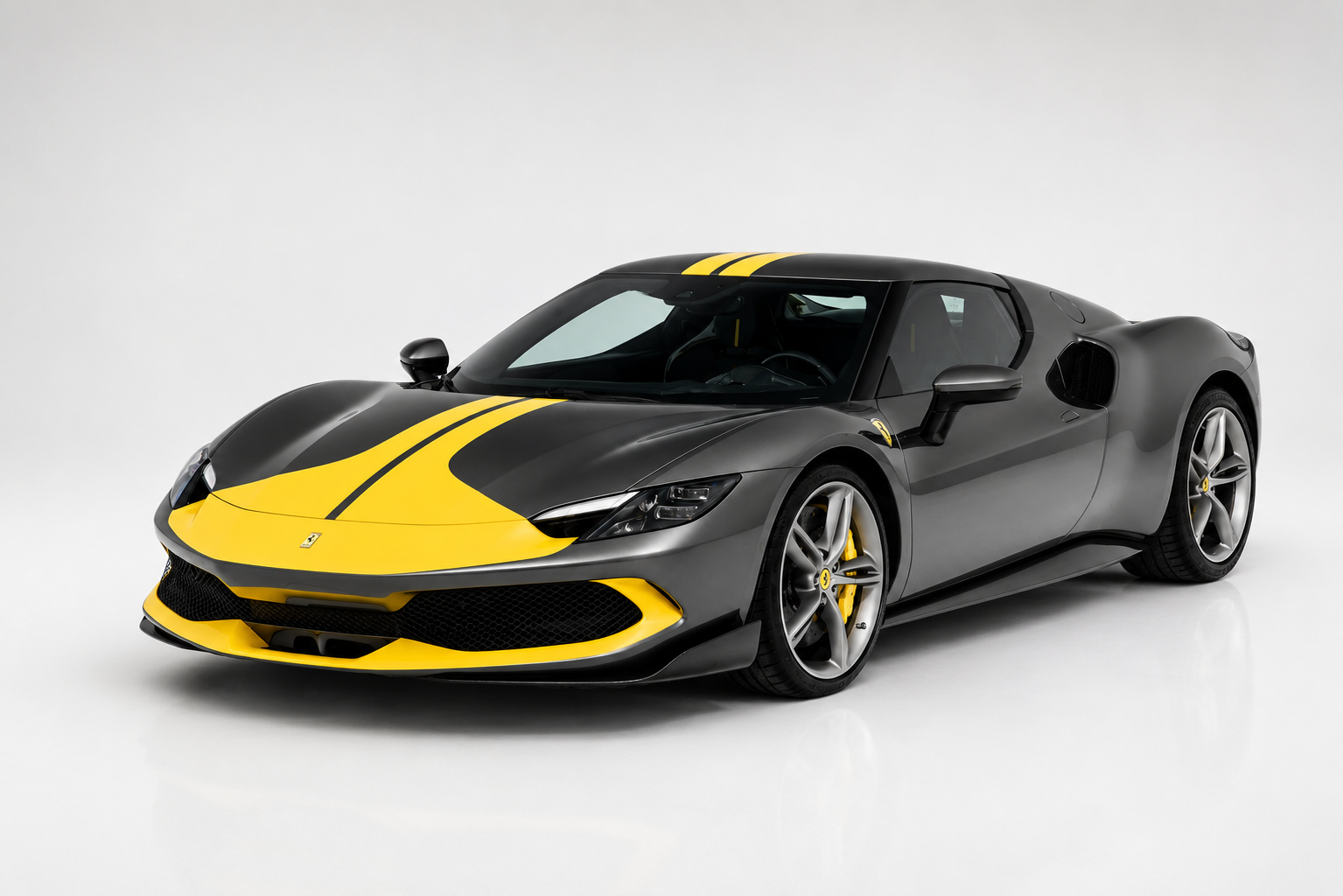
Ferrari 296
Ferrari's first six-cylinder road car other than the Dino — a plug-in hybrid twin-turbo V6 built to reset the mid-engined range.
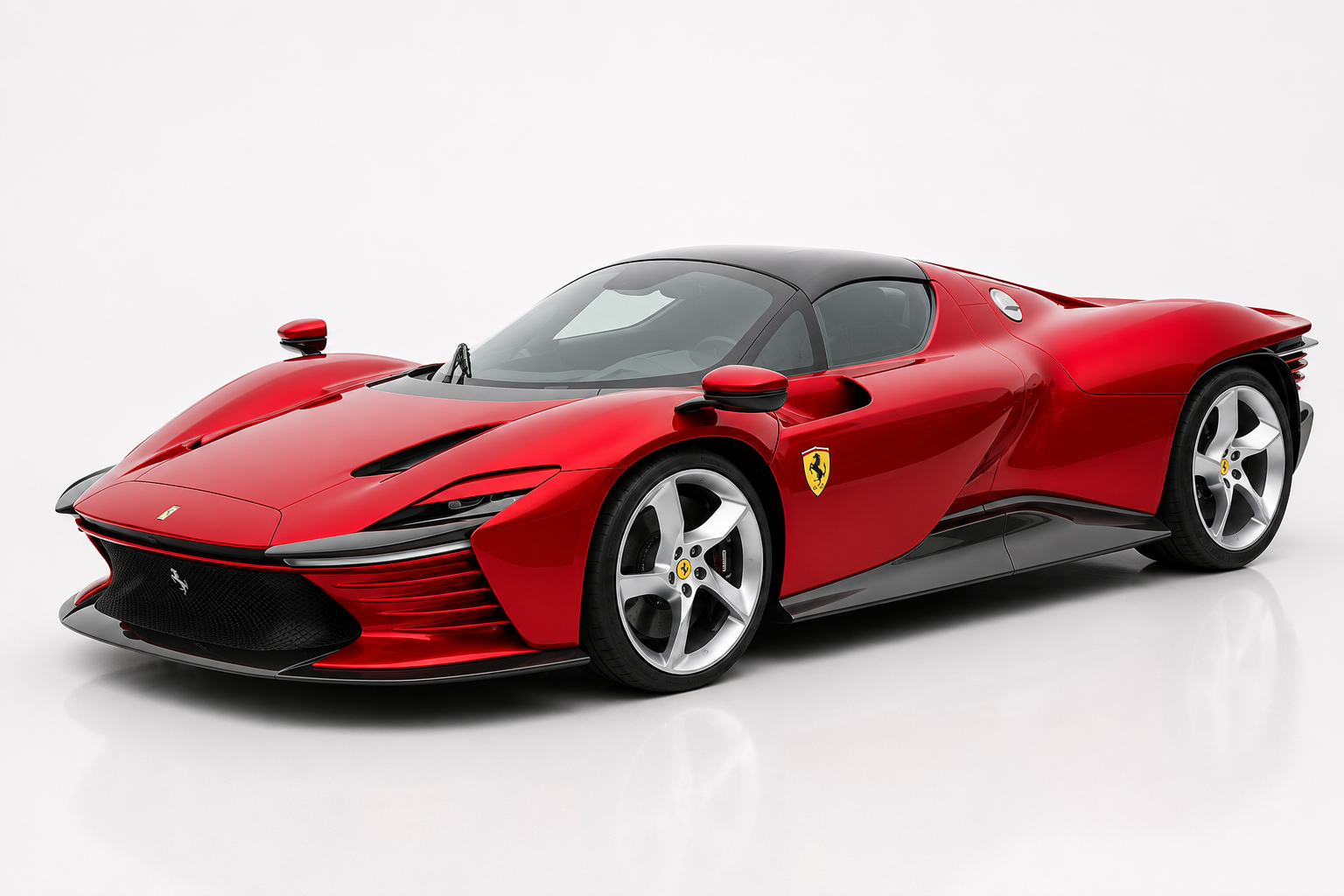
Ferrari Daytona SP3
The third Icona-series Ferrari — a naturally-aspirated V12 hypercar styled in homage to the 330 P3/P4 sports prototypes.
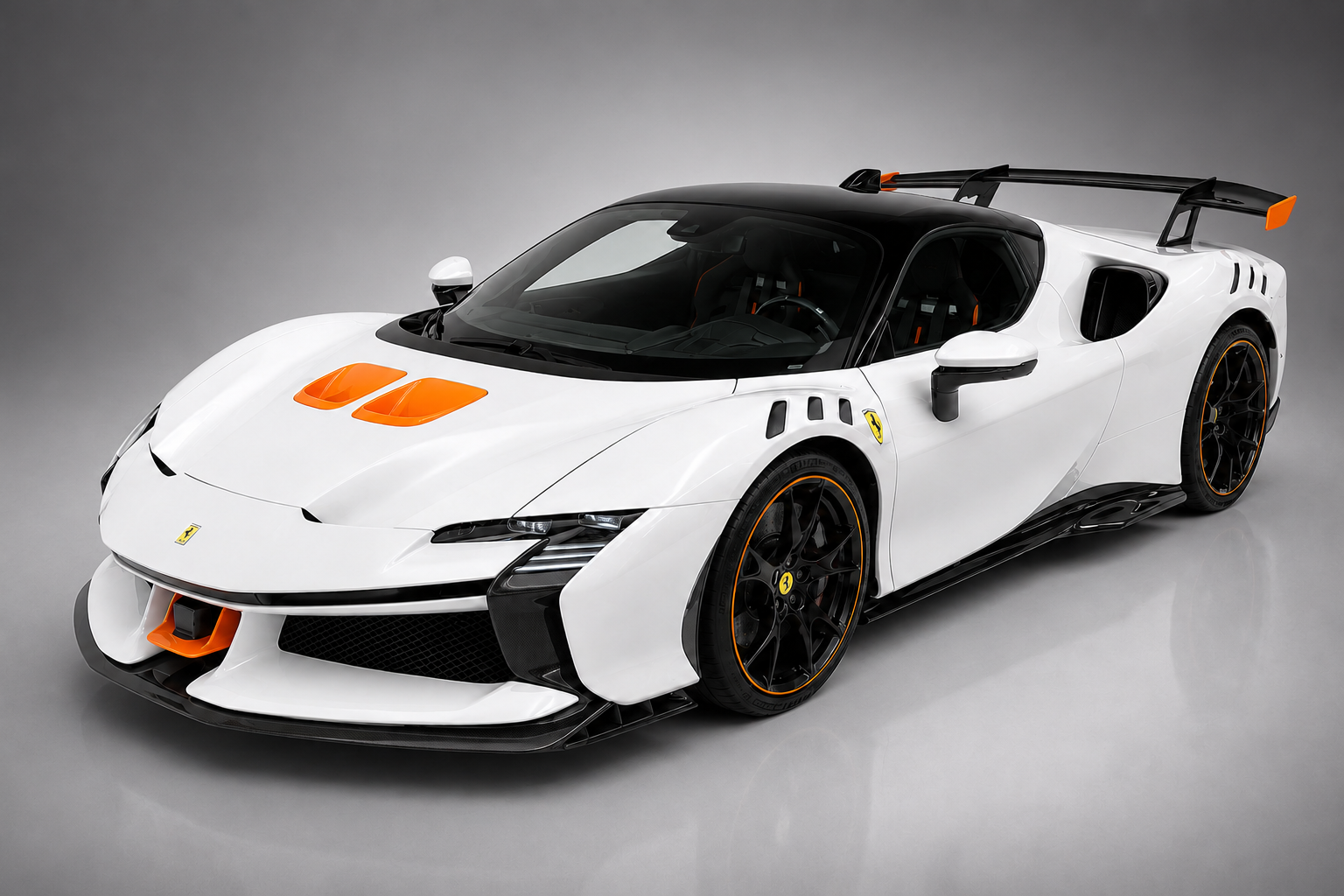
Ferrari SF90 XX Stradale
The first XX-badged car for the road — a 1,016 bhp plug-in hybrid V8 with race-derived aero and a fixed rear wing.
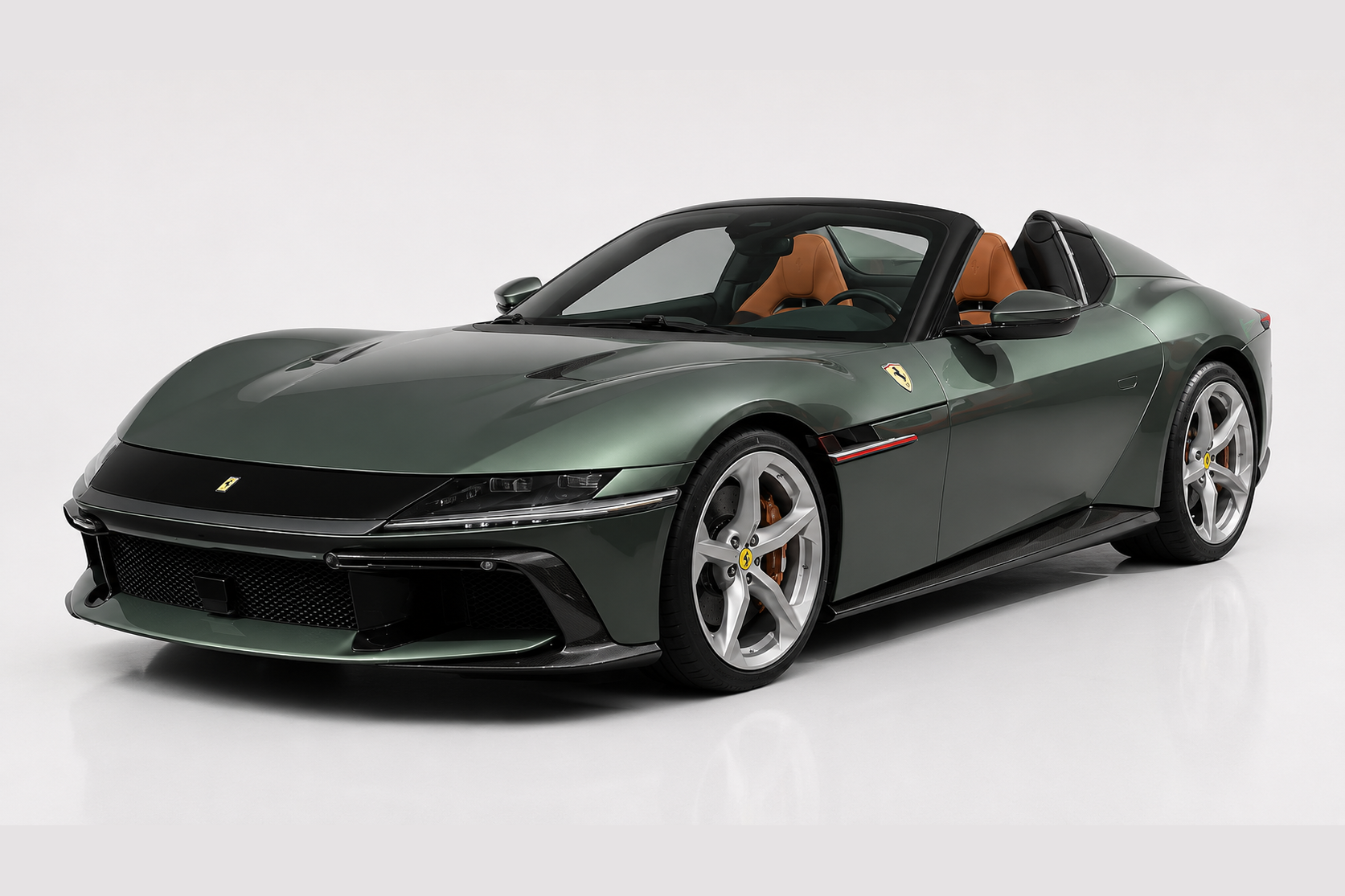
Ferrari 12Cilindri
Front-engined naturally-aspirated V12 two-seater succeeding the 812 Superfast — coupé and Spider launched together.
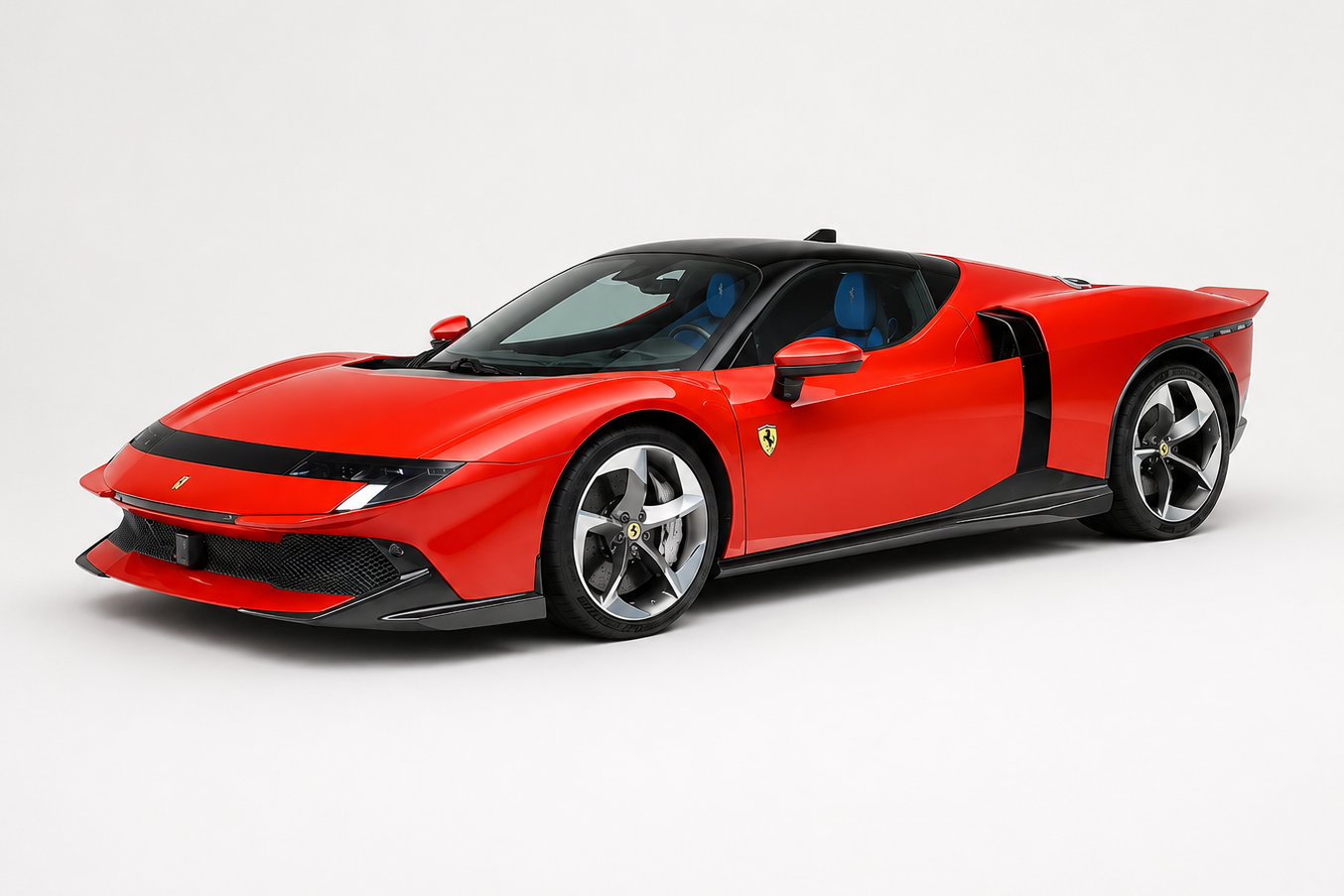
Ferrari 849 Testarossa
Plug-in hybrid V8 berlinetta reviving the Testarossa name — successor to the SF90 Stradale.
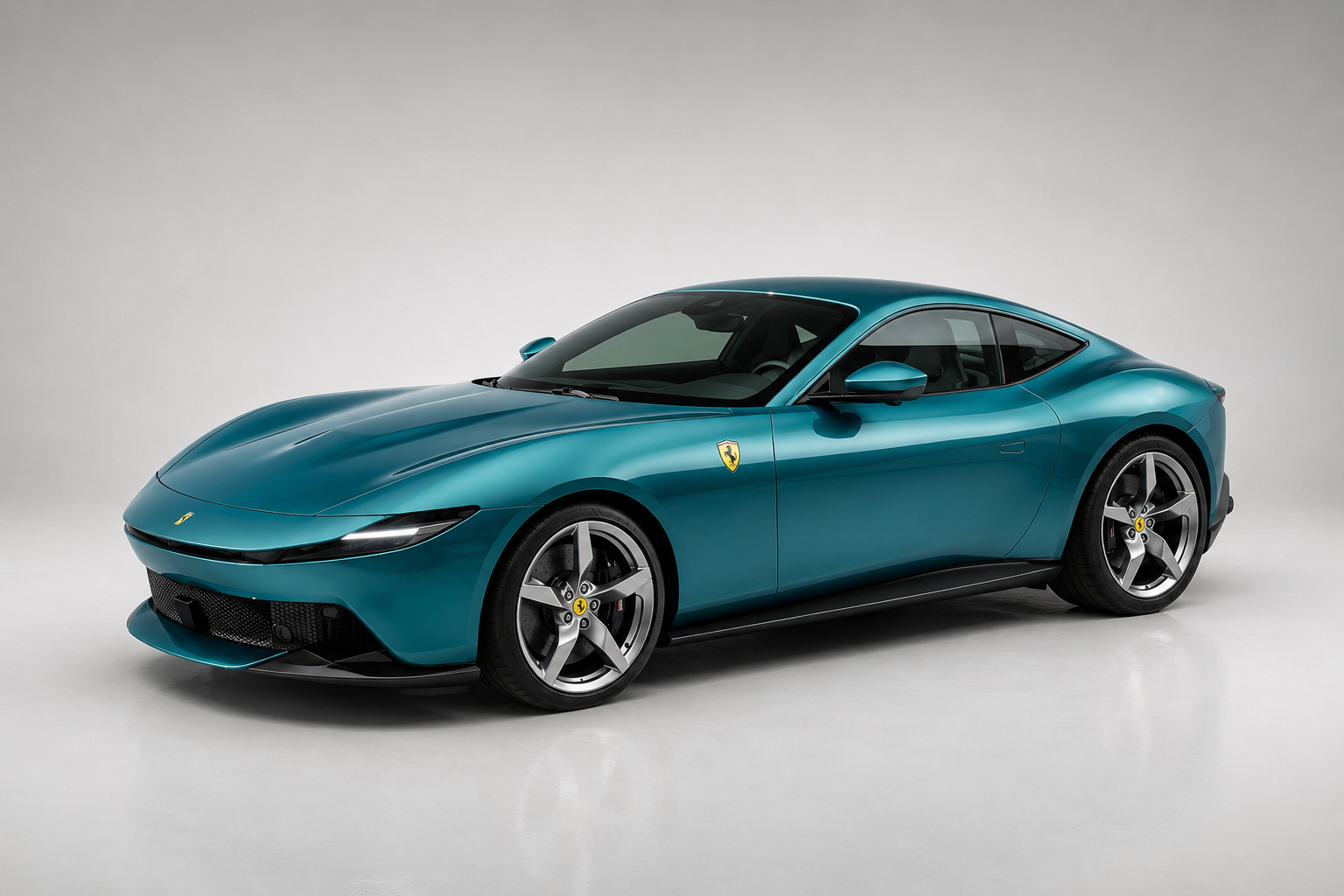
Ferrari Amalfi
Front mid-engined 2+2 V8 GT — successor to the Ferrari Roma.
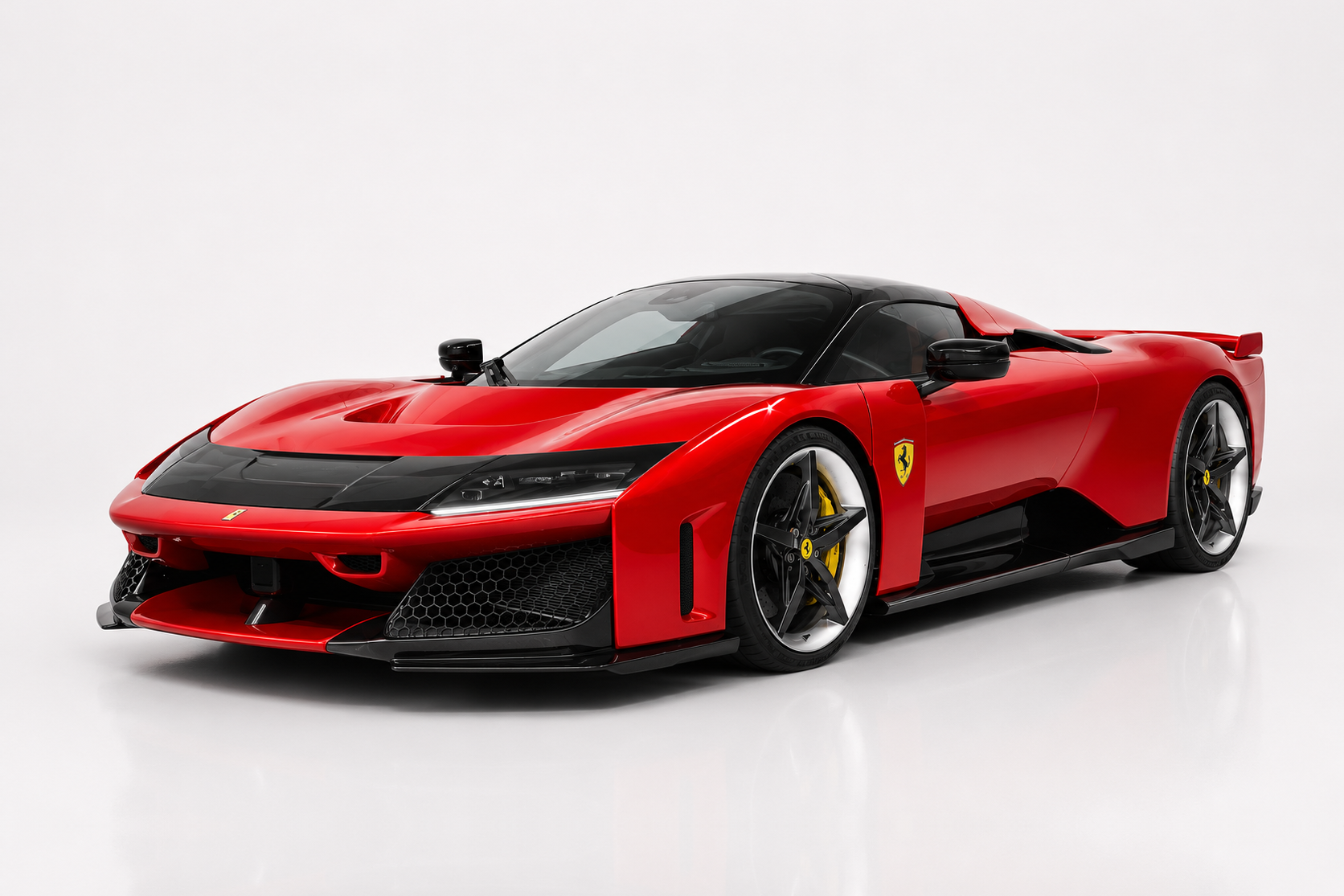
Ferrari F80
Ferrari's sixth supercar-series car — the LaFerrari successor, a 799-unit V6-hybrid with 1,184 hp / 1,200 cv, active aerodynamics and Formula 1 / 499P-derived powertrain technology.
Fiat
Ford
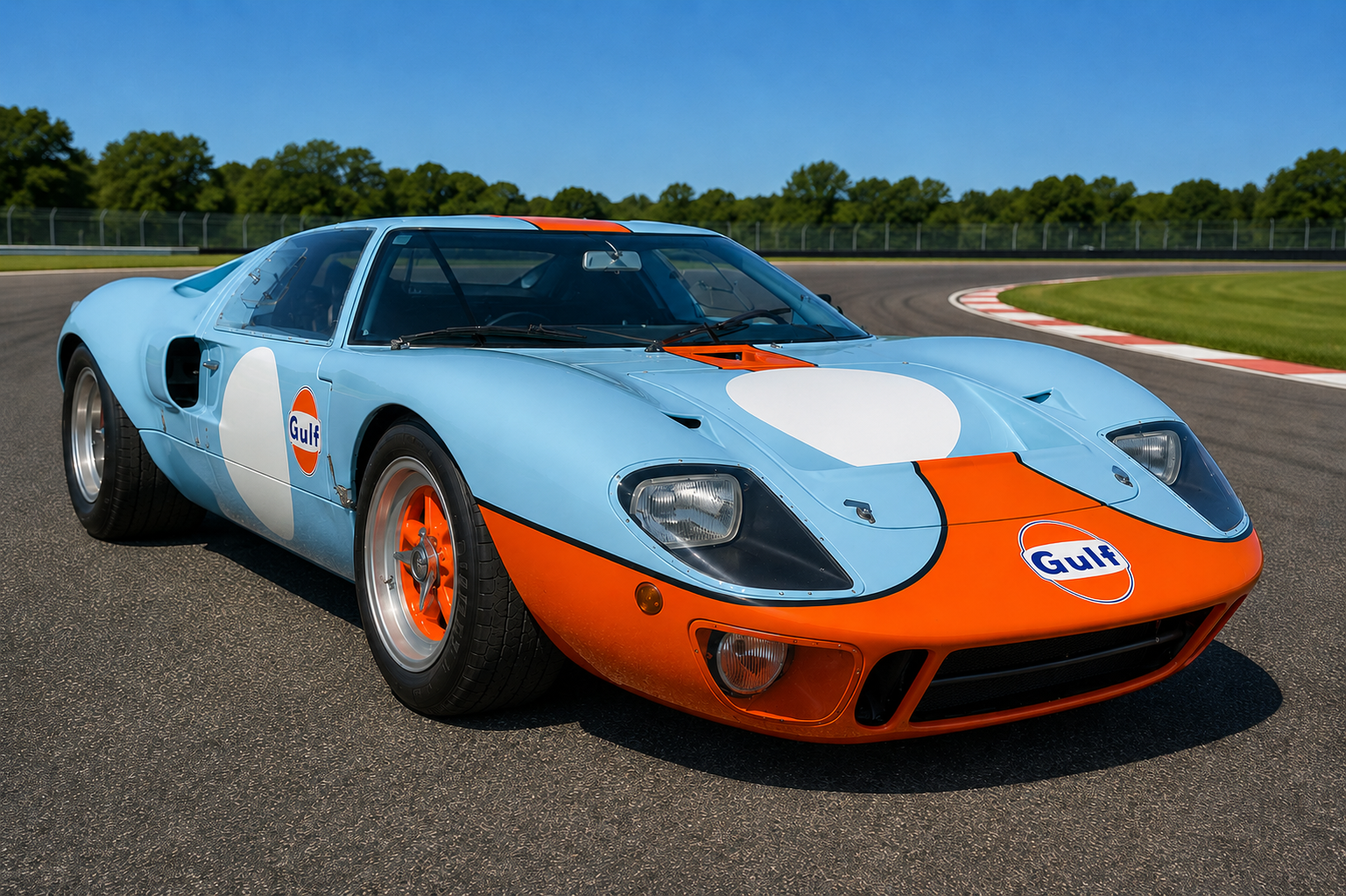
Ford GT40 (original)
Le Mans four-time winner — the original mid-engined Ford that defeated Ferrari at Le Mans from 1966 to 1969.
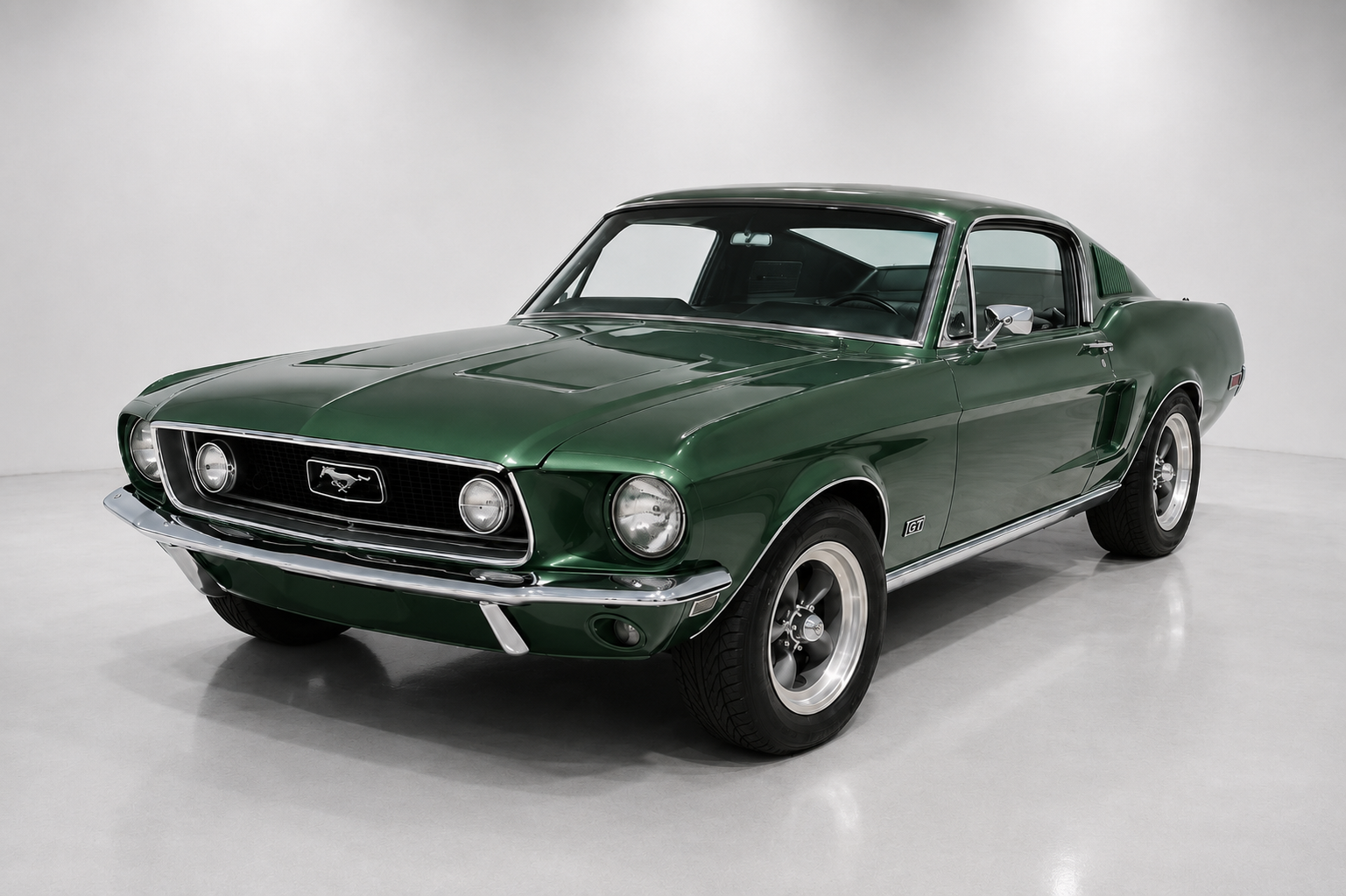
Ford Mustang (Classic 1965–1973)
America's pony car at its peak — from the original 1965 hardtop to the 1969–70 Boss derivatives and the Shelby GT350/GT500.
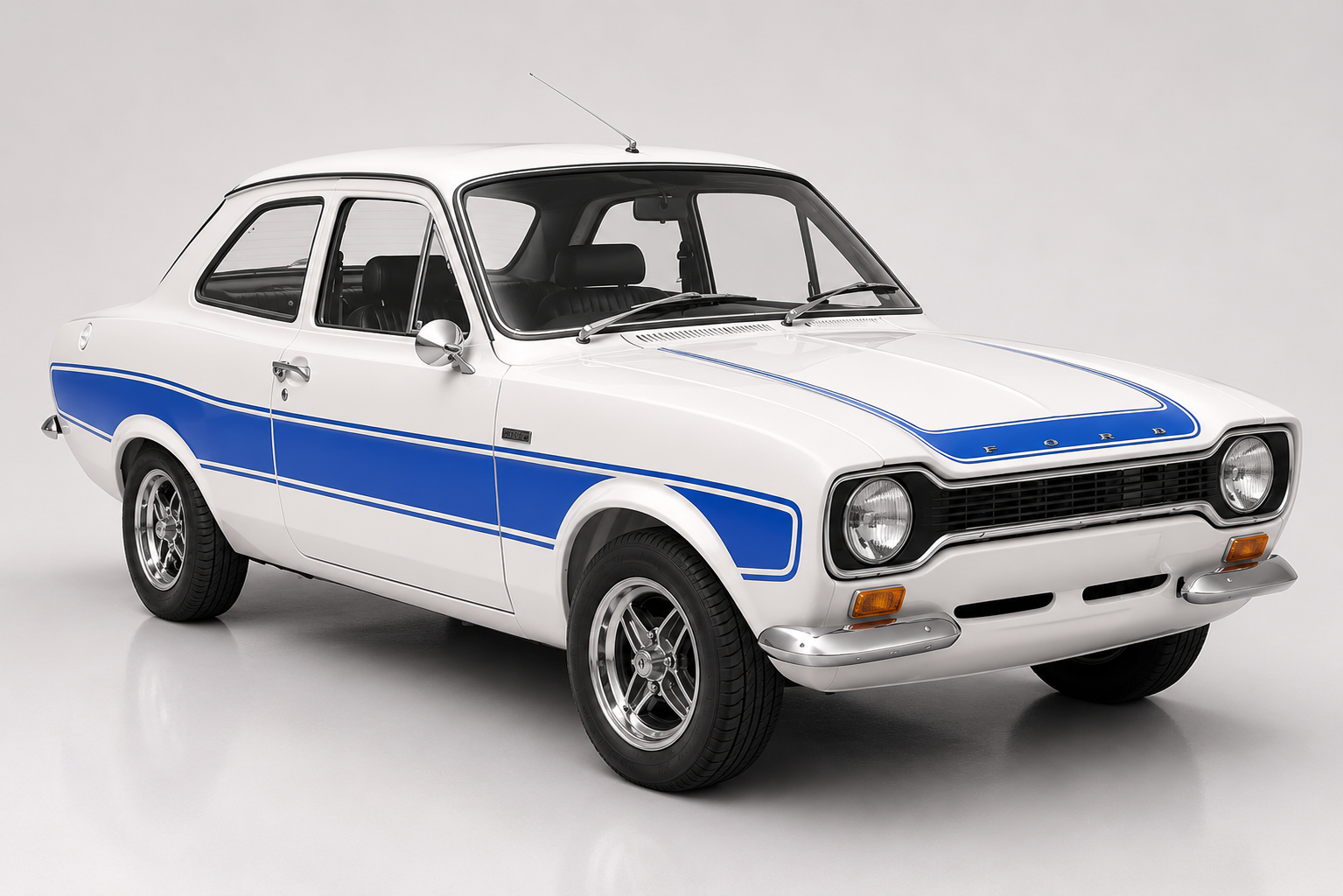
Ford Escort RS2000 (Mk1 & Mk2)
AVO-built Mk1 and droopsnoot Mk2 — Ford's Pinto-powered fast Escort.
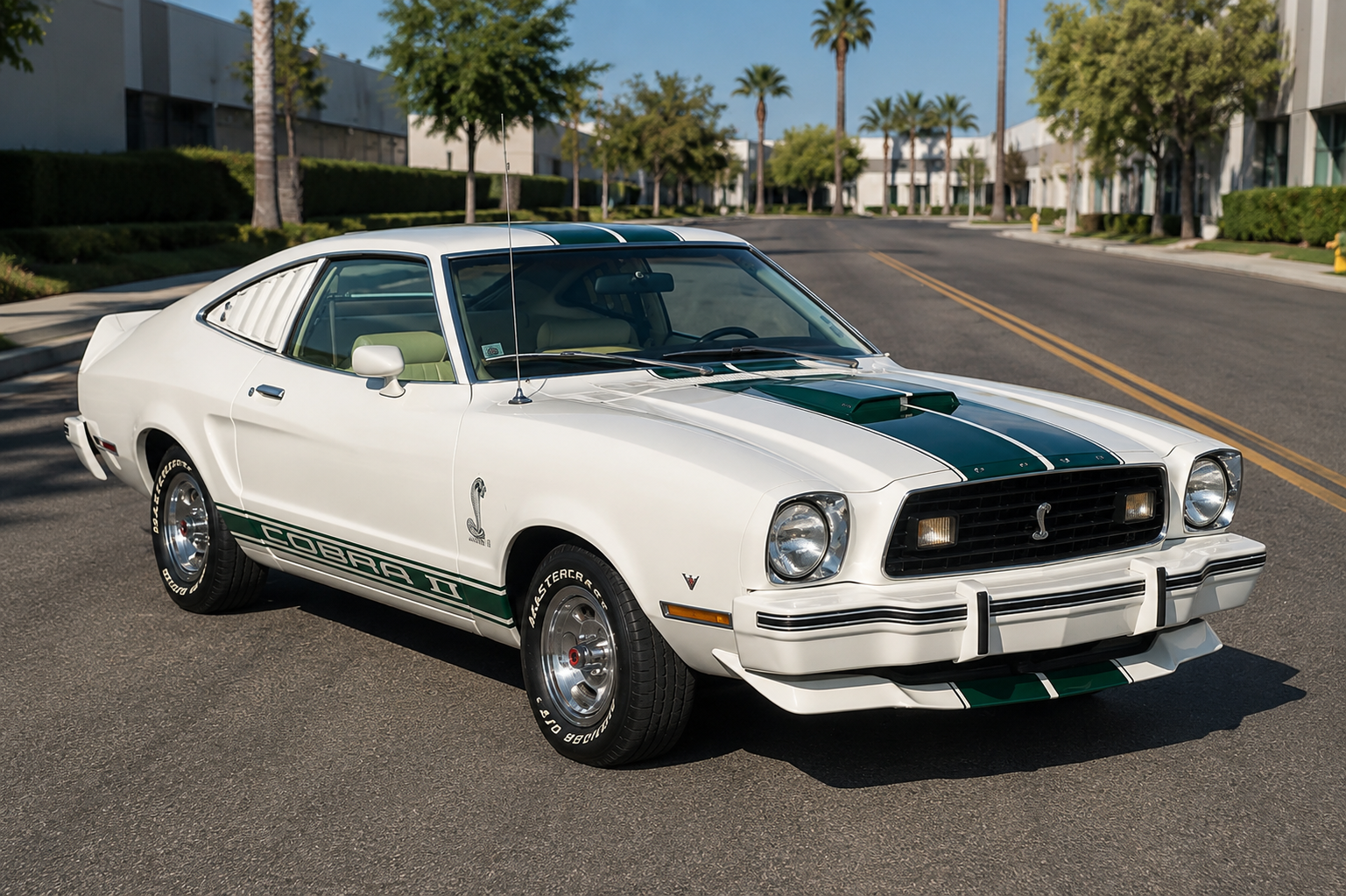
Ford Mustang (Mustang II)
The downsized, Pinto-based Mustang of the malaise era — modest performance, strong sales, and a small collector niche in the Cobra II and 1978 King Cobra.
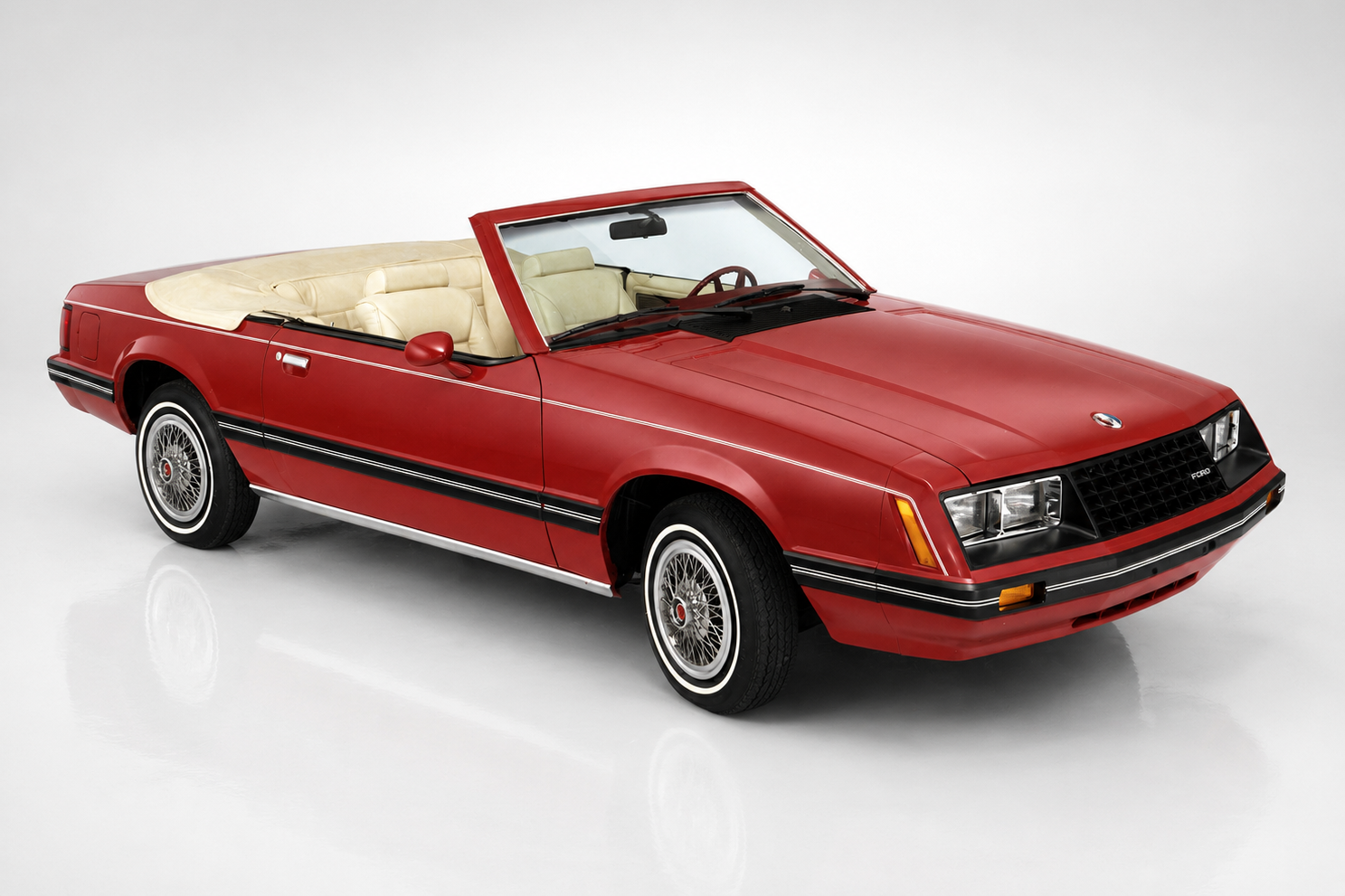
Ford Mustang (Fox Body)
The long-running Fox-platform Mustang — home of the 5.0 LX, the SVO turbo four, and the 1993 SVT Cobra and Cobra R.
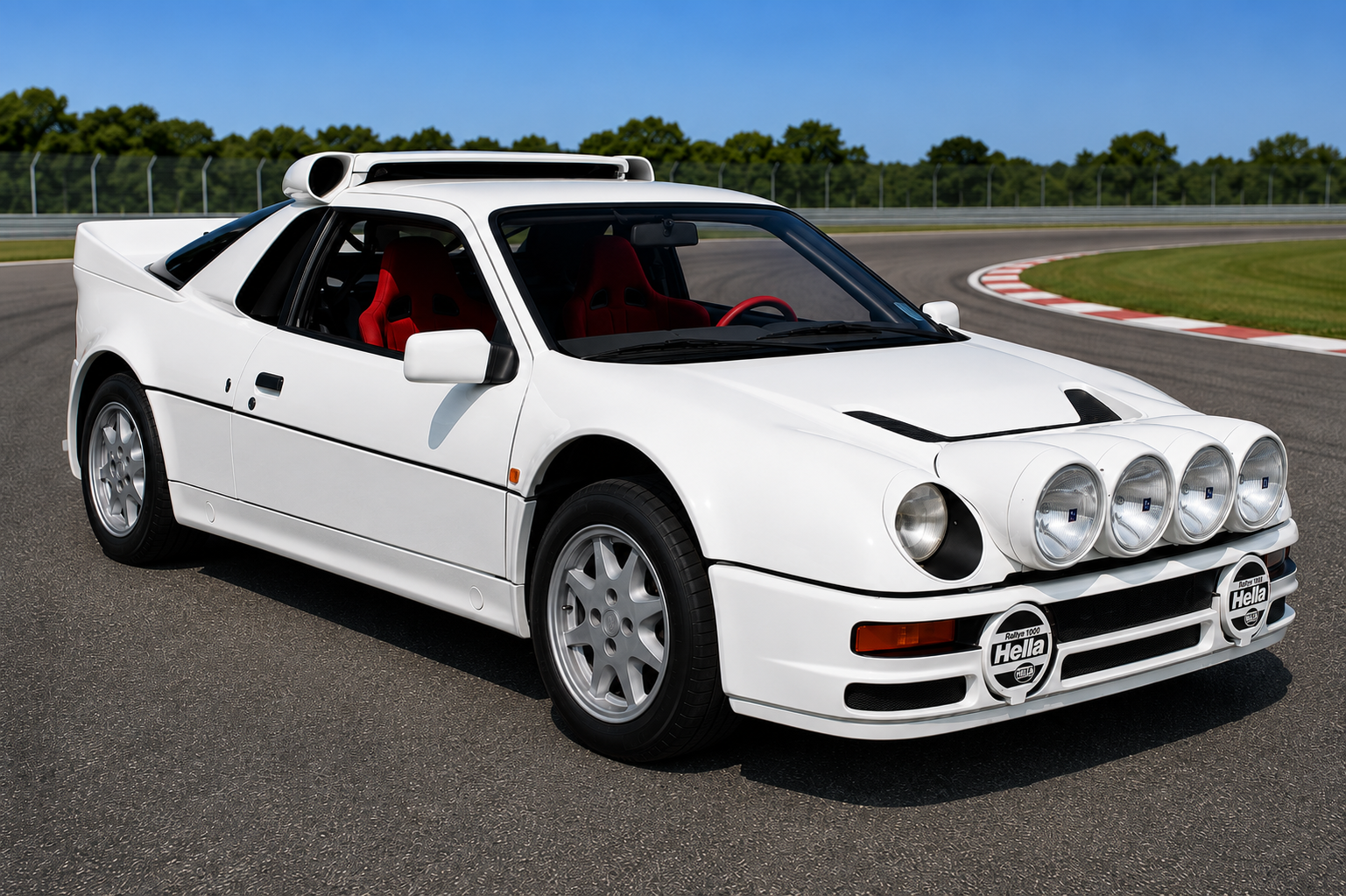
Ford RS200
Group B homologation Ford — mid-engined, four-wheel-drive, composite-bodied, around 250 bhp in road trim.
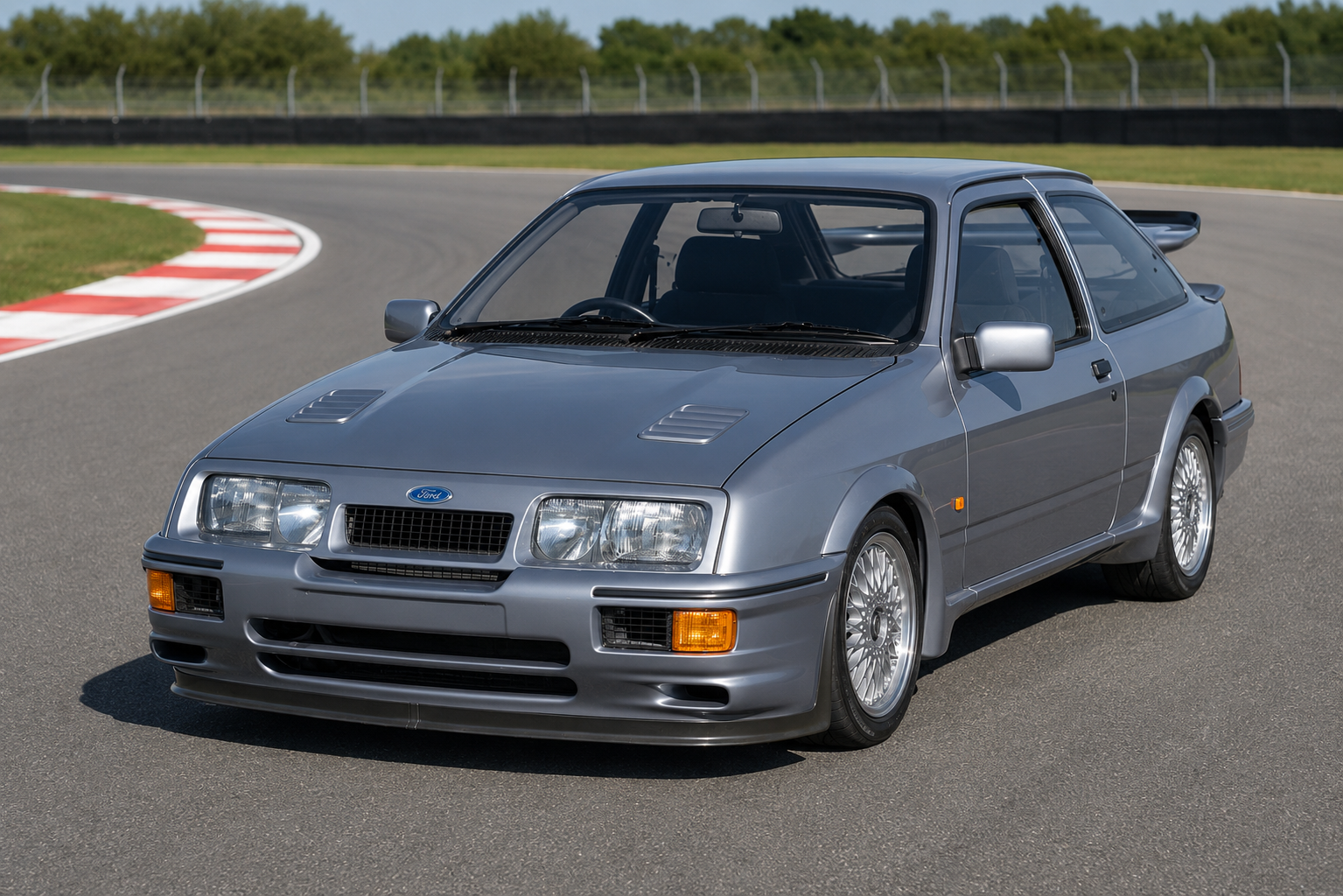
Ford Sierra RS Cosworth
Ford's whale-tail Group A homologation hatch — turbocharged Cosworth YB power, 5,545 three-door Cosworths plus 500 RS500s, and the foundation of fast-Ford collecting.
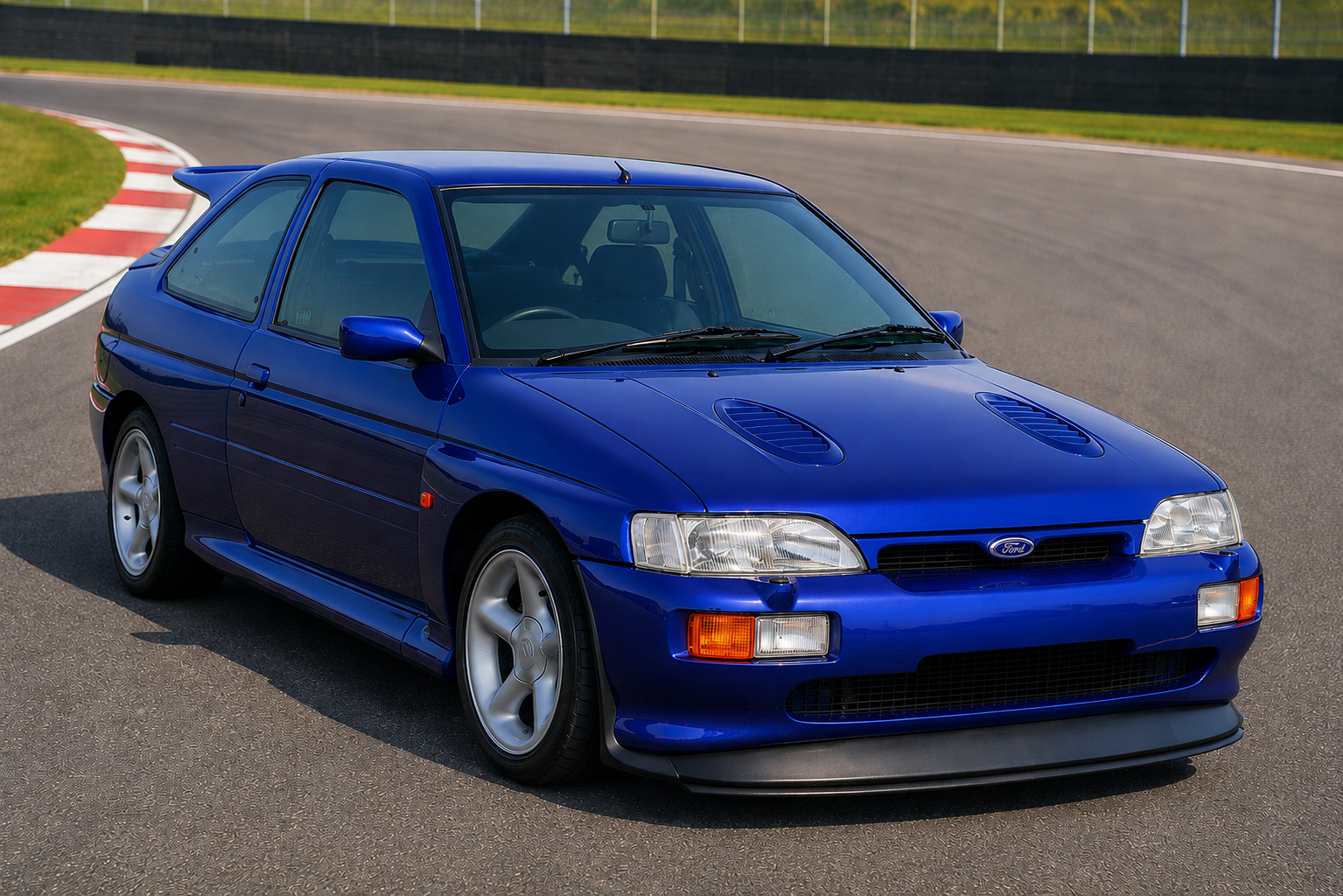
Ford Escort RS Cosworth
Group A homologation Ford — turbocharged, four-wheel drive, twin-element rear wing.
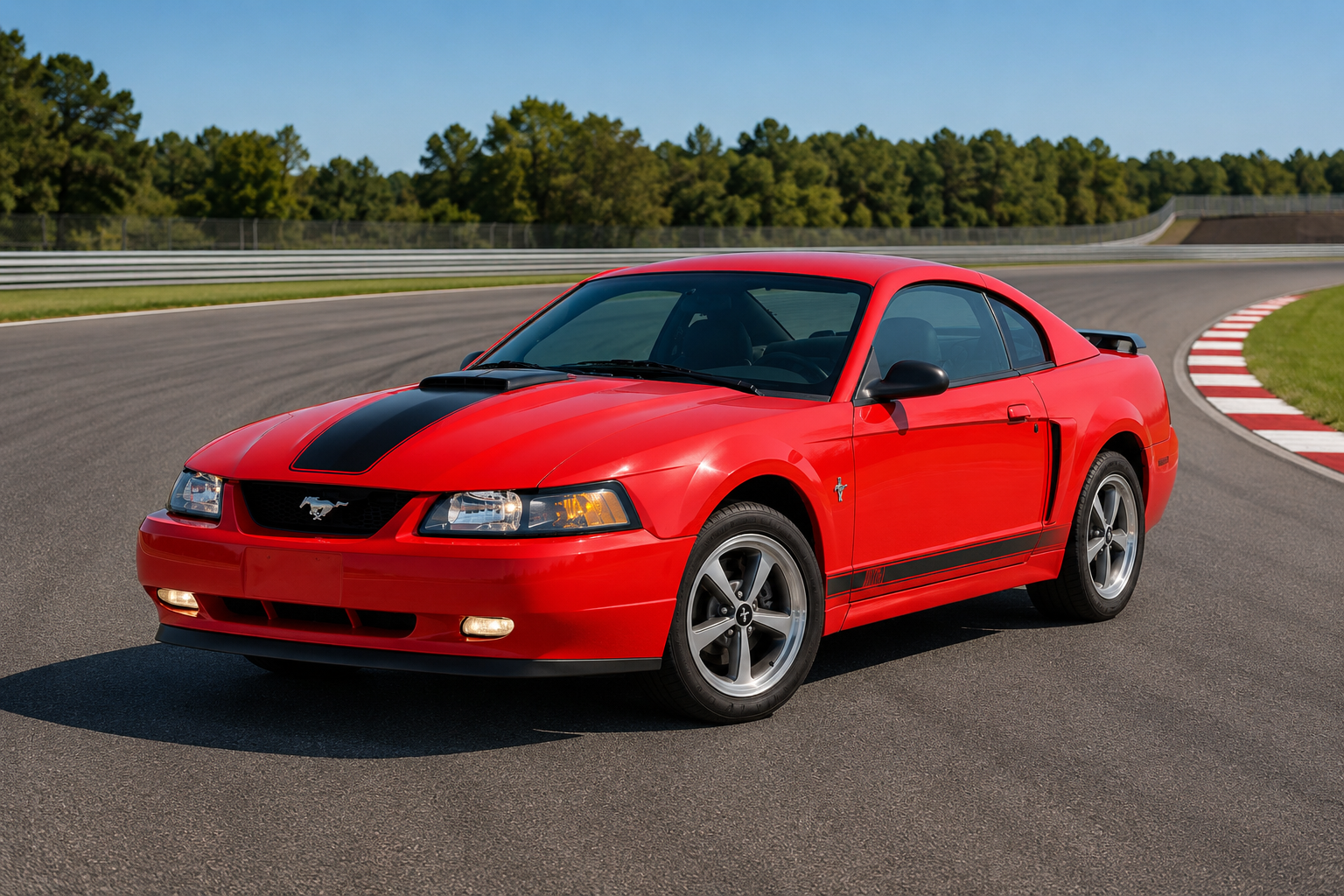
Ford Mustang (SN95 / New Edge)
The SN95 Mustang from the 1994 relaunch through the 1999 New Edge facelift — home of the 2000 Cobra R, the Bullitt, the Mach 1 and the supercharged 2003–04 Terminator Cobra.
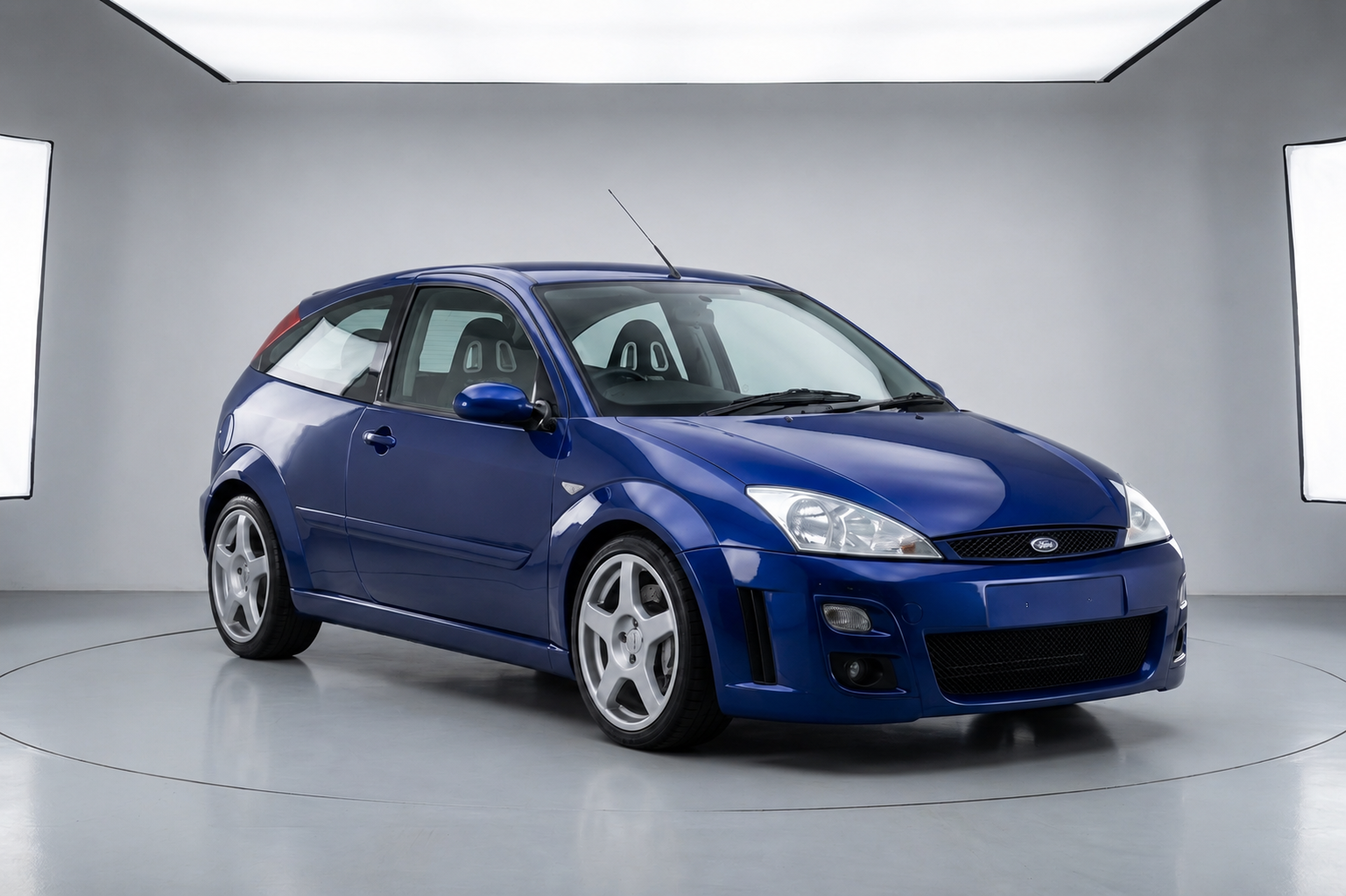
Ford Focus RS
The road-car Focus RS across three distinct generations — 2002–2018 — from the 4,501-unit Mk1 to the 500-unit Mk2 RS500 and the final AWD Mk3 with its Drift Mode and 50-car UK Heritage Edition send-off.
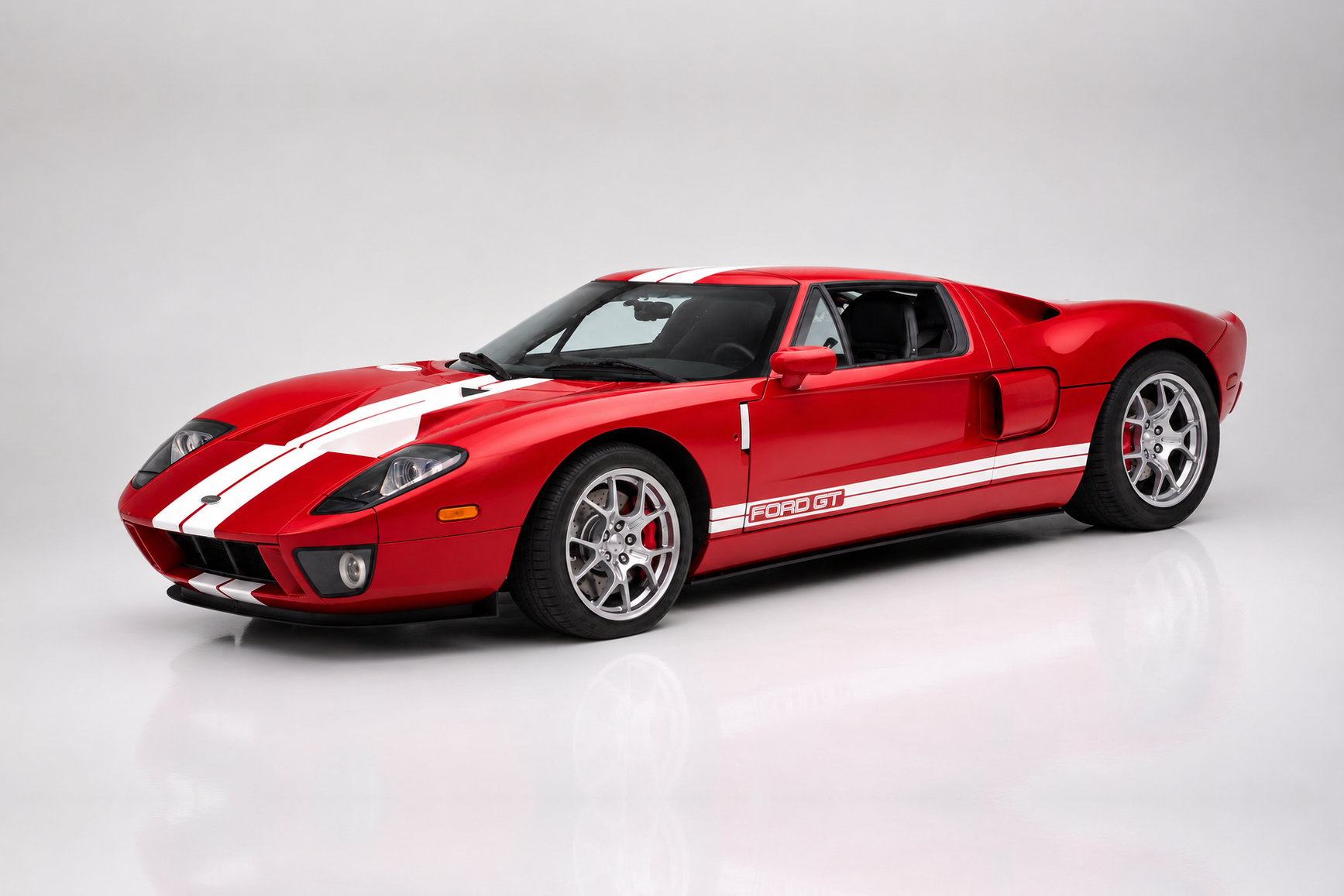
Ford GT (2005–2006)
Modern reinterpretation of the GT40 — a supercharged 5.4-litre, 550 bhp mid-engined American supercar.
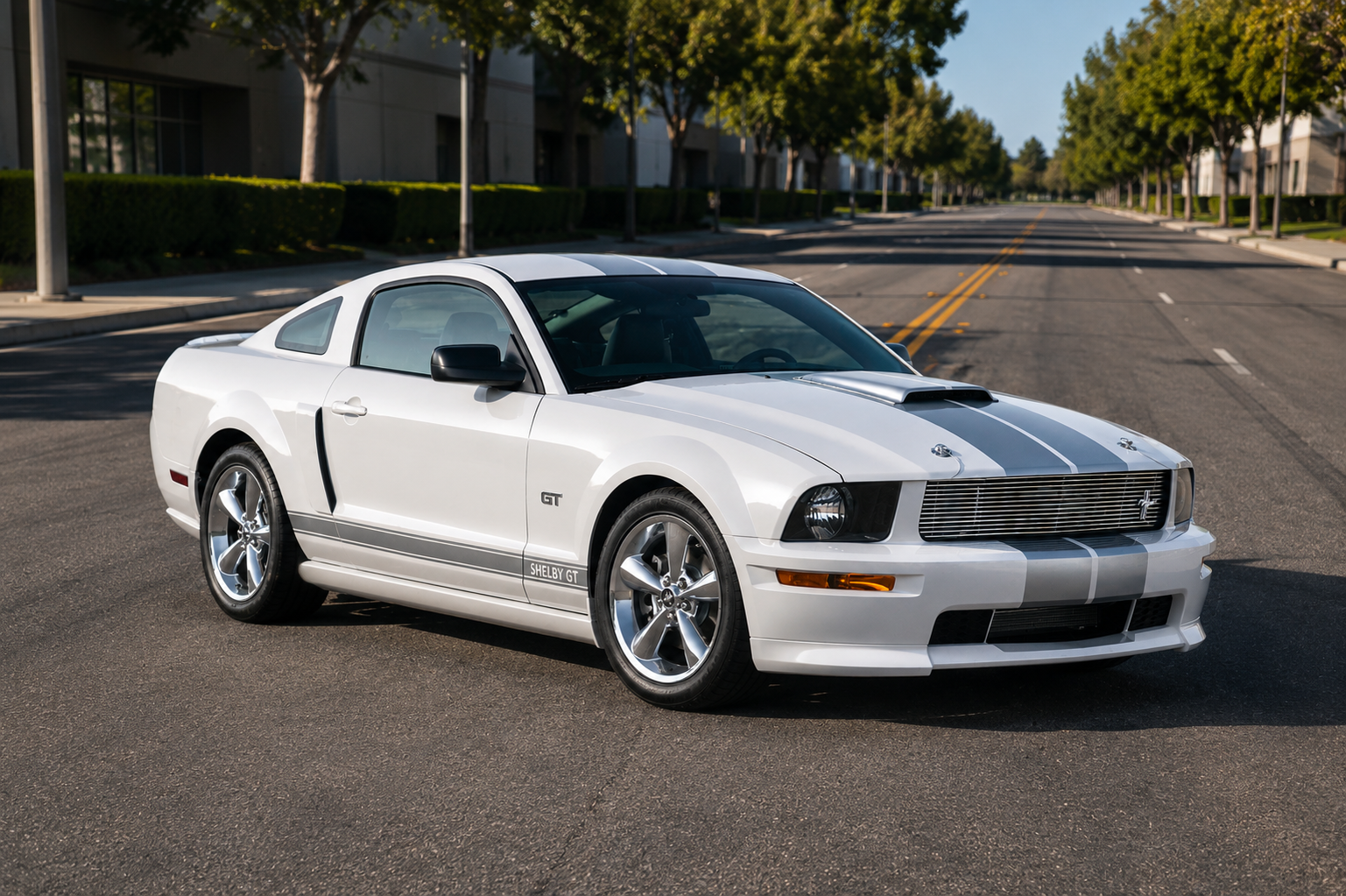
Ford Mustang (S197)
The retro-styled S197 Mustang — from the 4.6 GT to the Coyote-powered 5.0, the Boss 302 and the 662 hp Shelby GT500 'Trinity'.
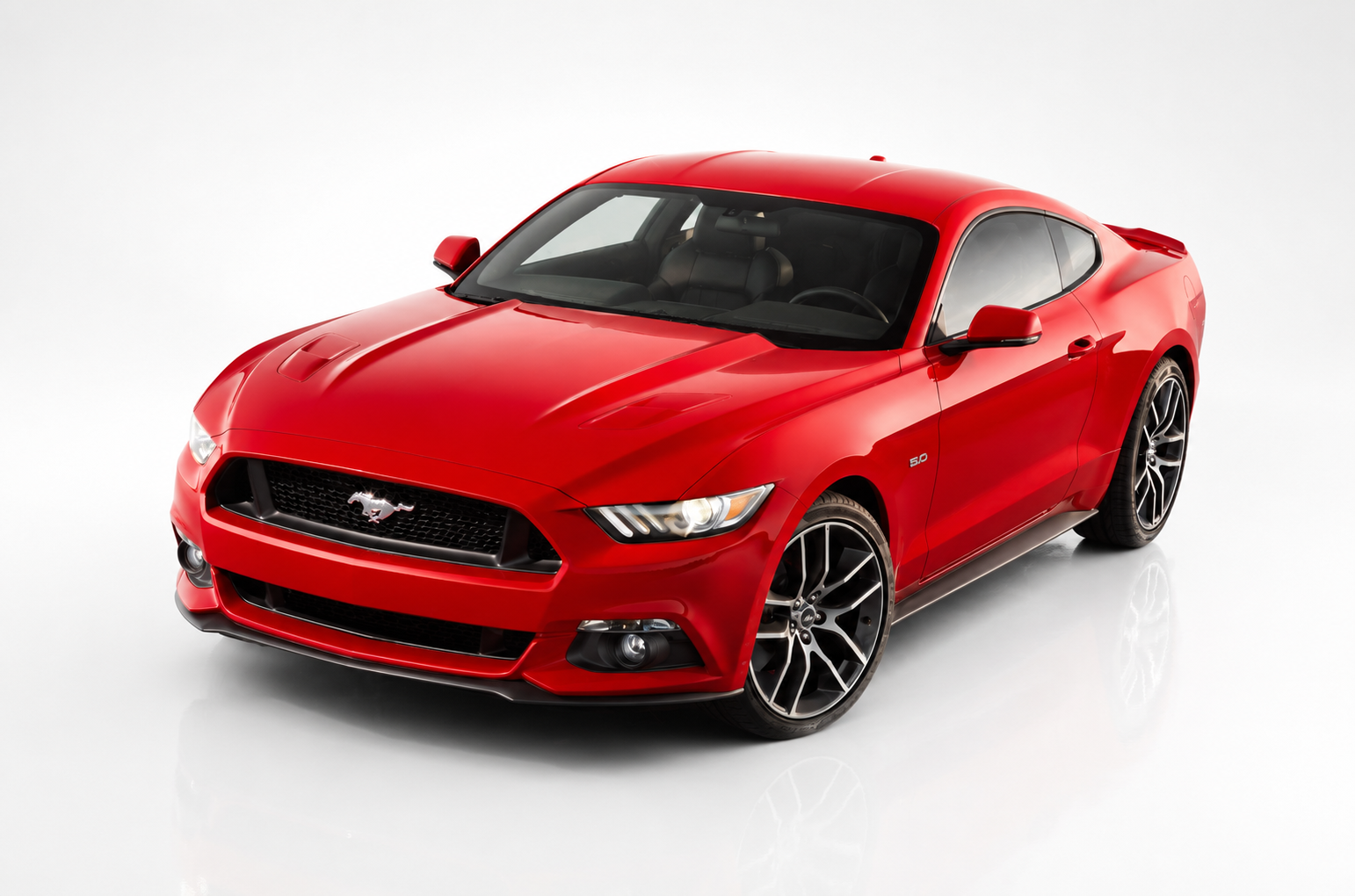
Ford Mustang (S550)
The first independent-rear-suspension Mustang — from the EcoBoost four to the flat-plane Voodoo GT350 and the 760 hp Predator GT500.
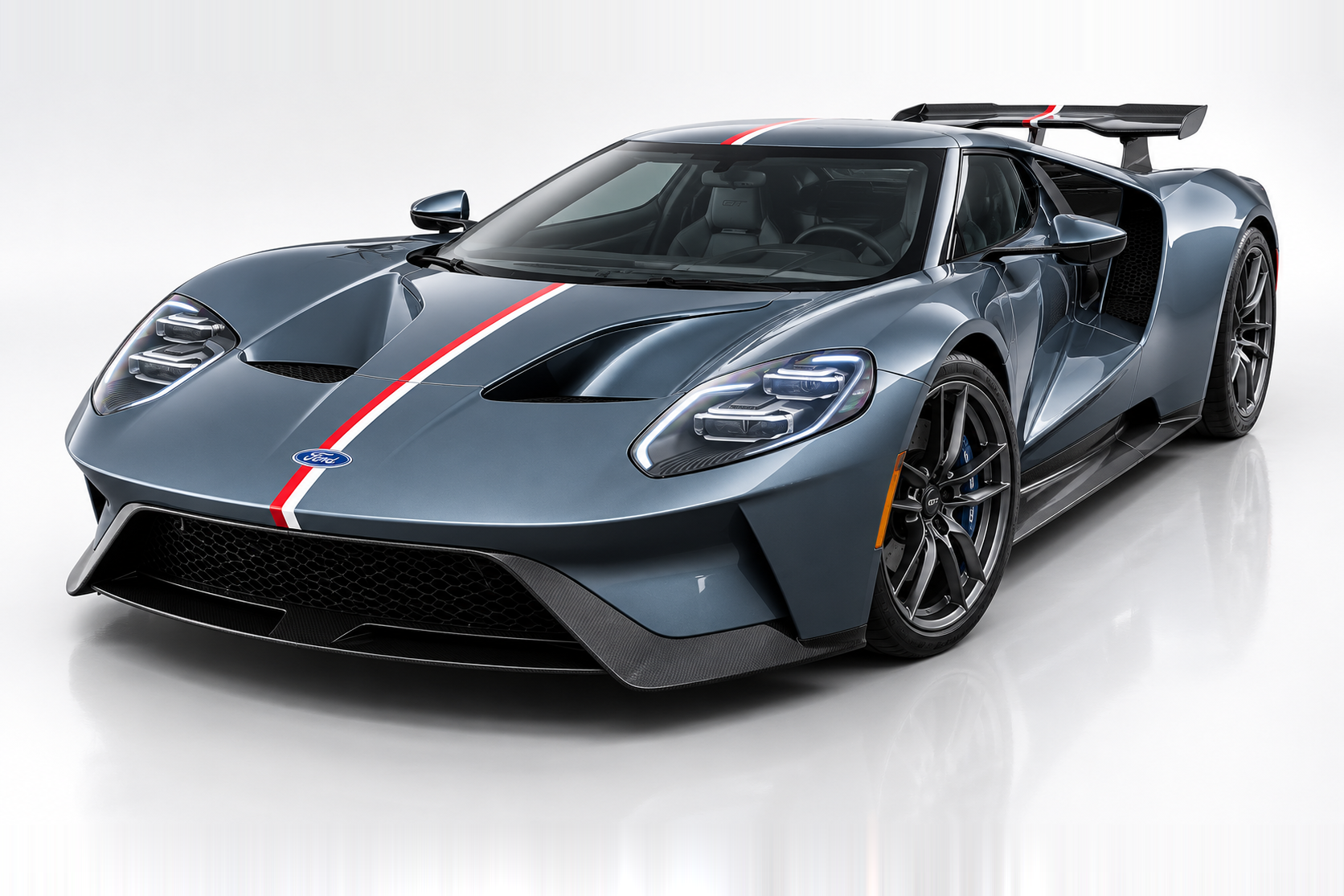
Ford GT (2017–2022)
Second-generation Ford GT, built by Multimatic — Le Mans GTE Pro class winner 2016.
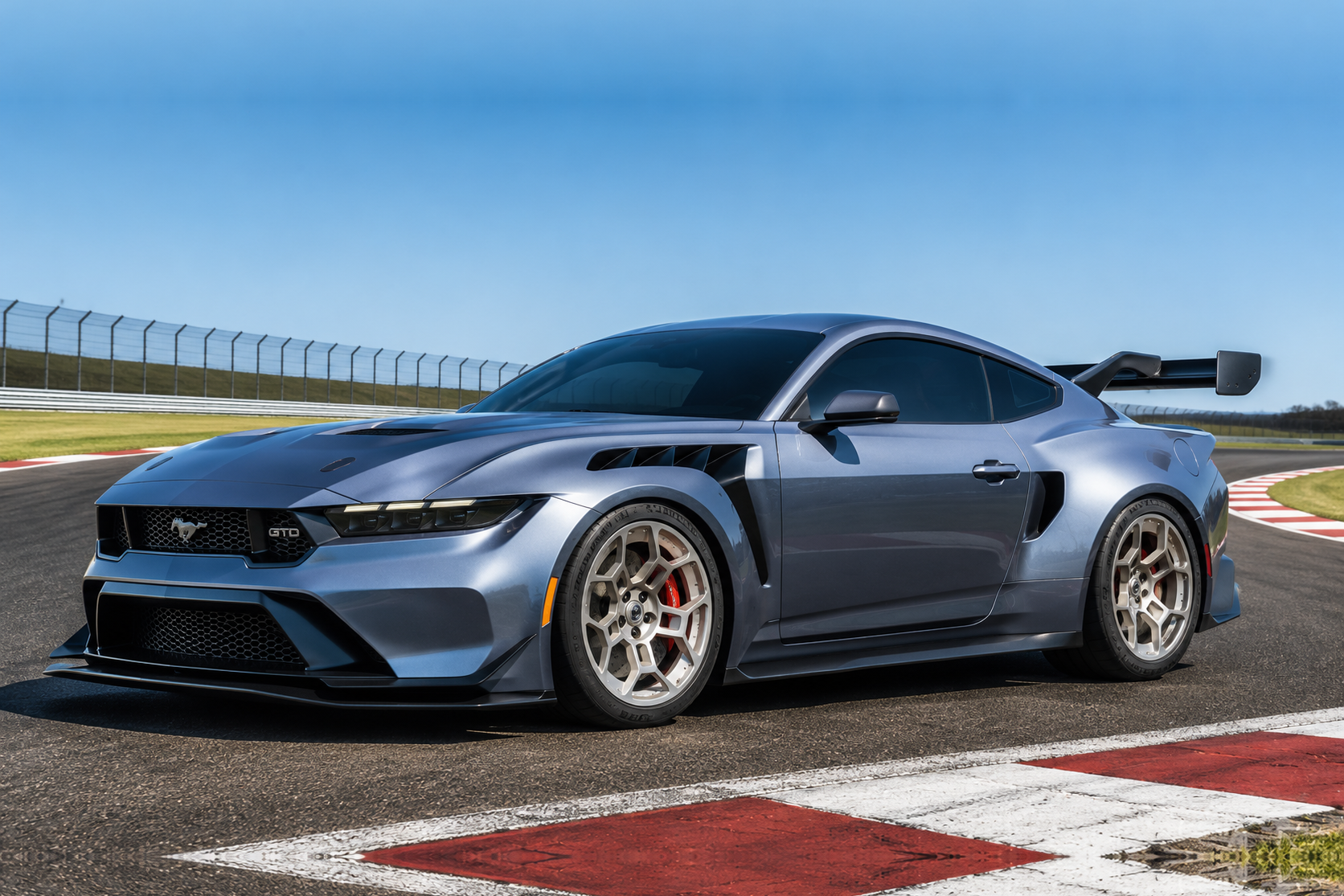
Ford Mustang (S650)
The current S650 Mustang — EcoBoost, GT, Dark Horse, and the Multimatic-built GTD street-legal race car.
Frazer Nash
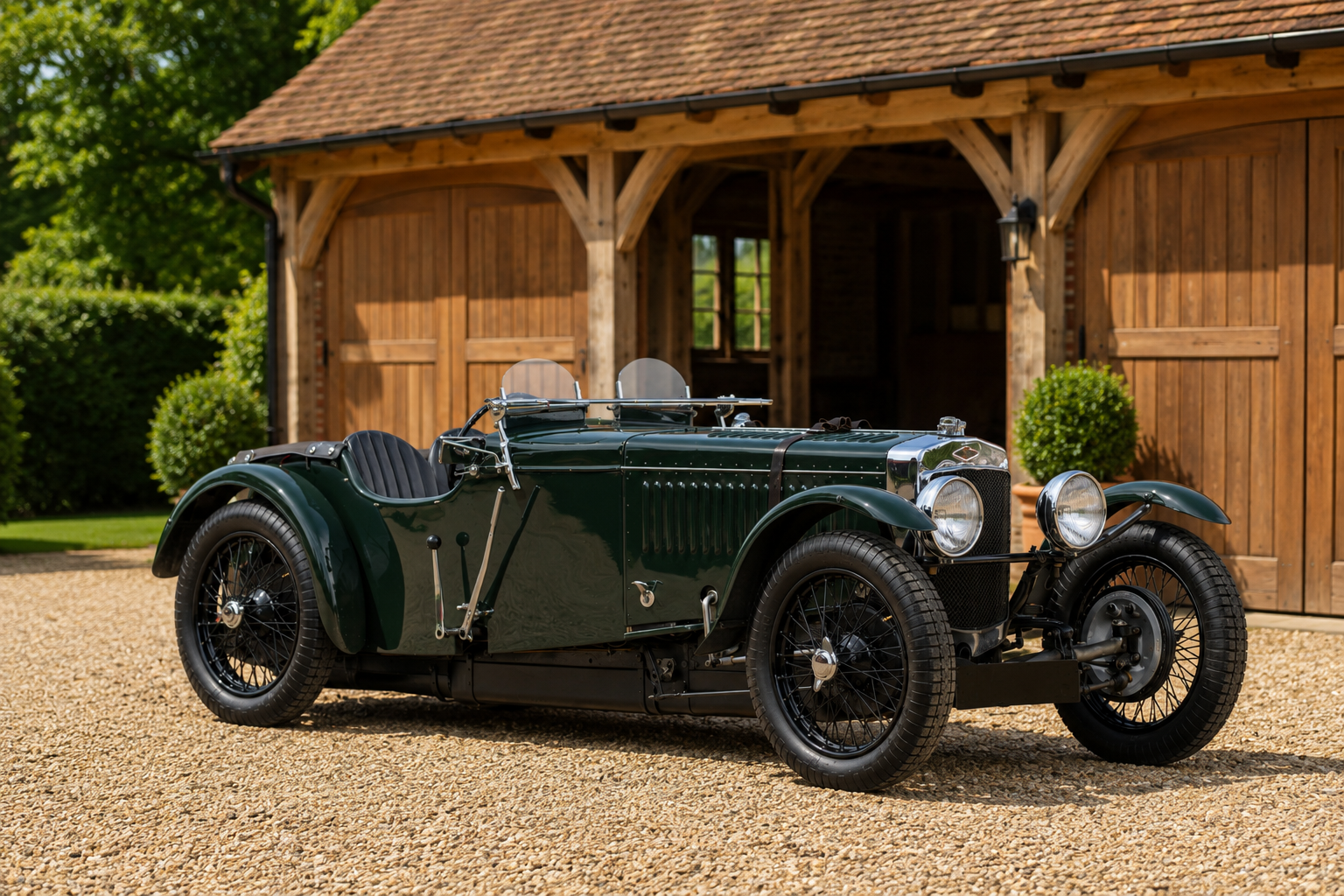
Frazer Nash TT Replica
Chain-drive in the most literal sense — light, raw and astonishingly effective at vintage events.
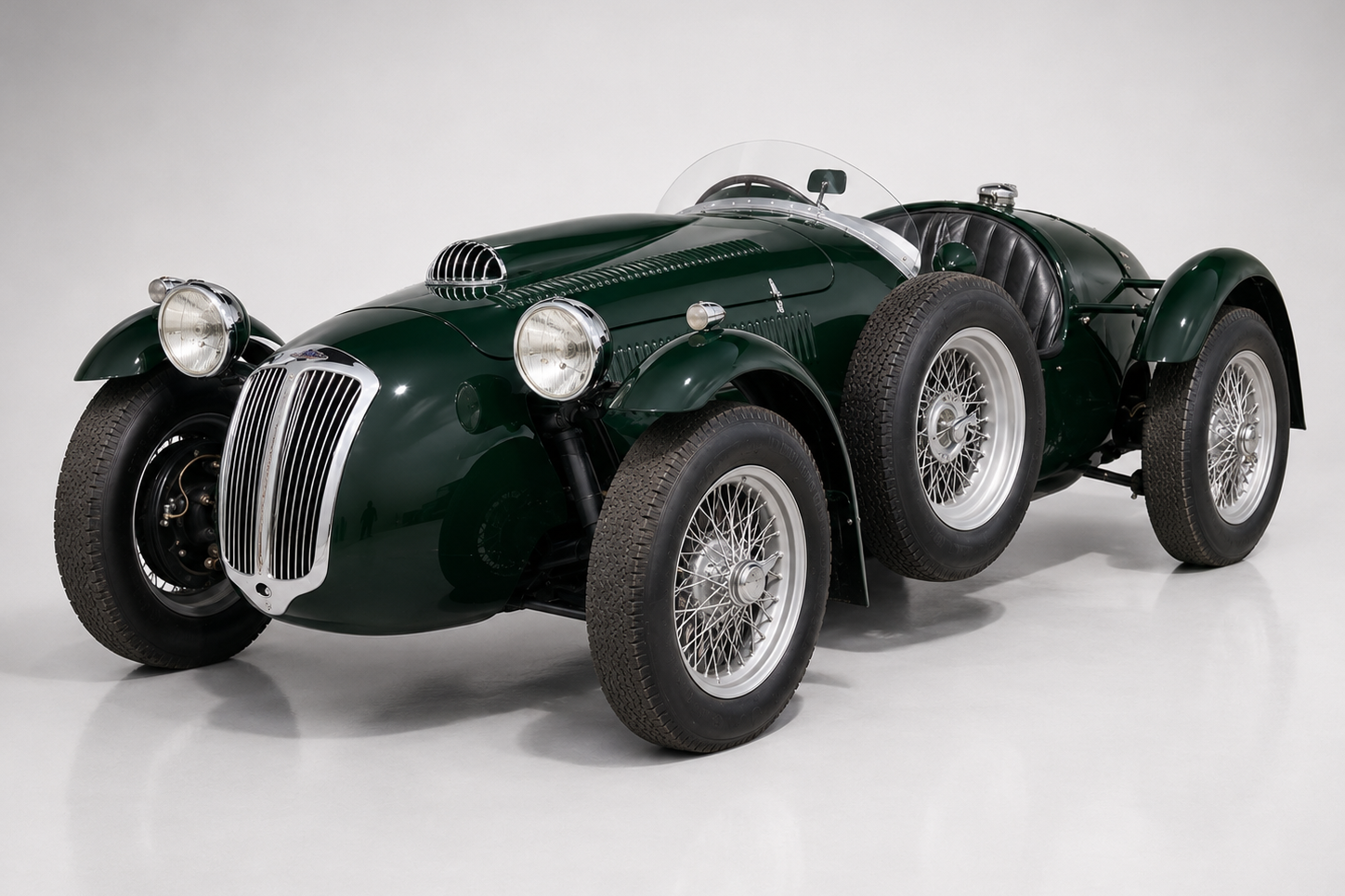
Frazer Nash Le Mans Replica
The road-legal sports-racer that carried Frazer Nash to third at Le Mans in 1949 — light, purposeful and every inch a proper post-war competition car.
Gordon Murray Automotive
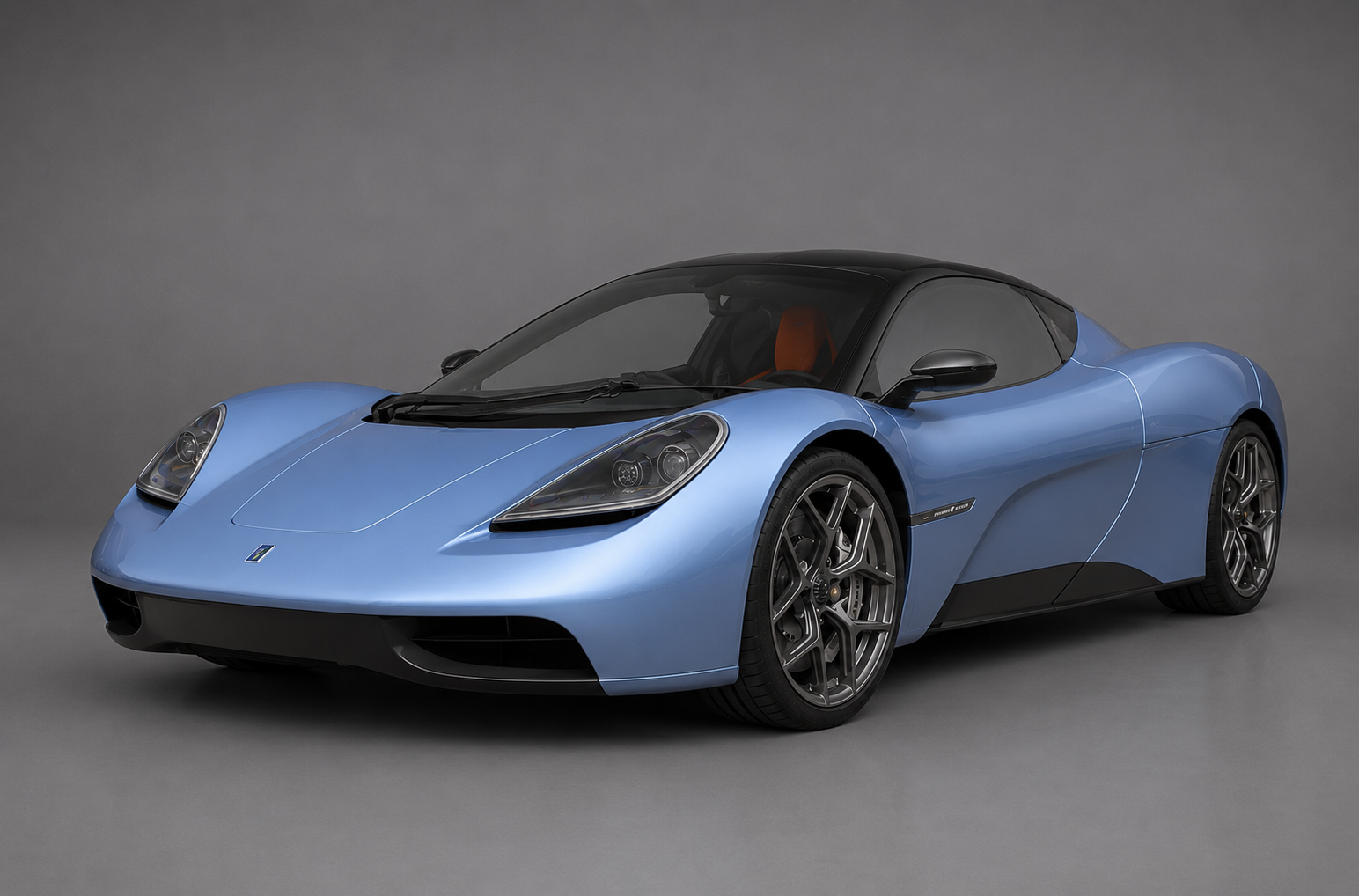
Gordon Murray Automotive T.50
Three-seat, central-driver V12 supercar from the designer of the F1 — naturally aspirated, manual, and built to a kerb weight under 1,000 kg.
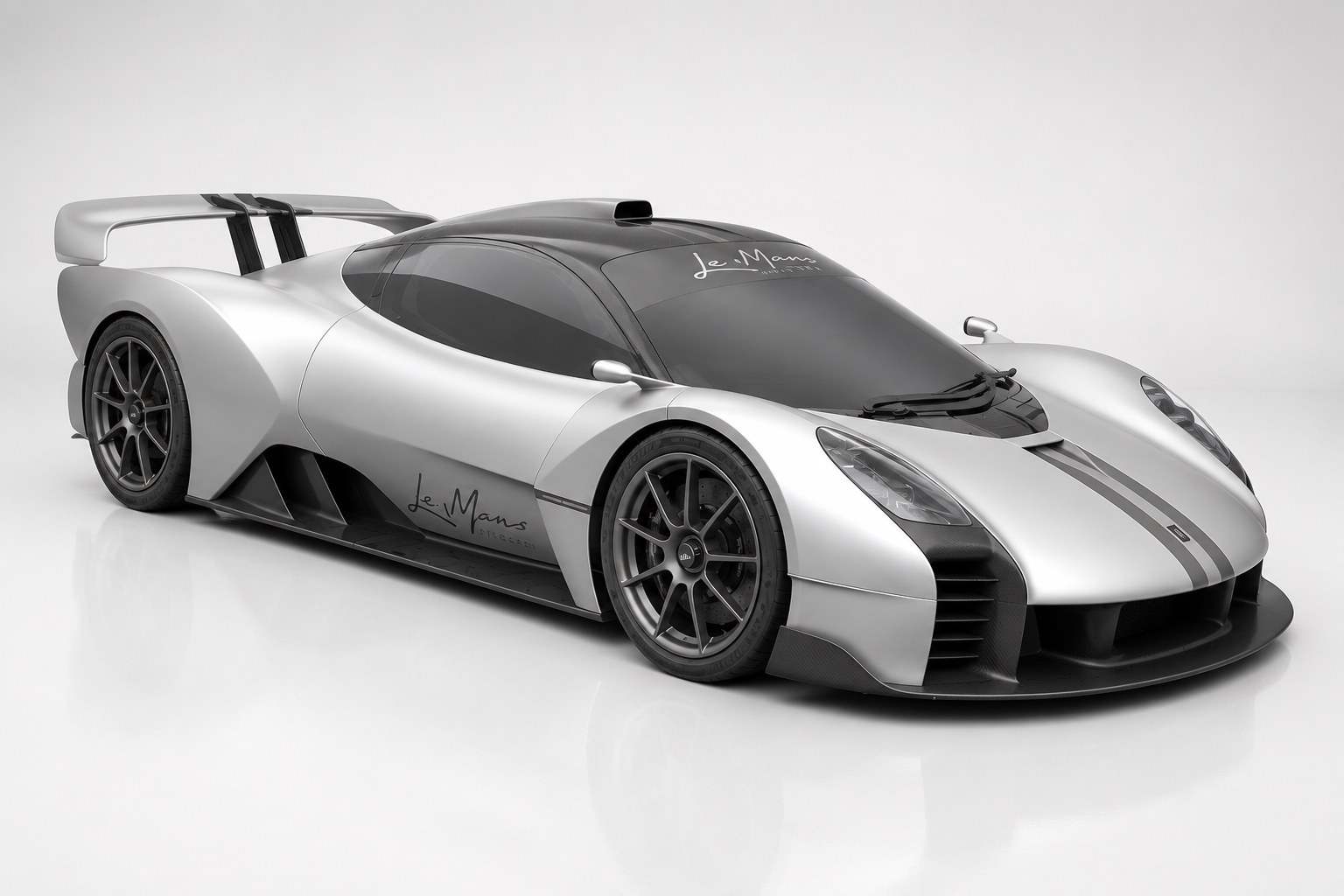
Gordon Murray Automotive Le Mans GTR
First model from GMSV's SV Design pillar — longtail three-seater on T.50 / T.50s architecture.
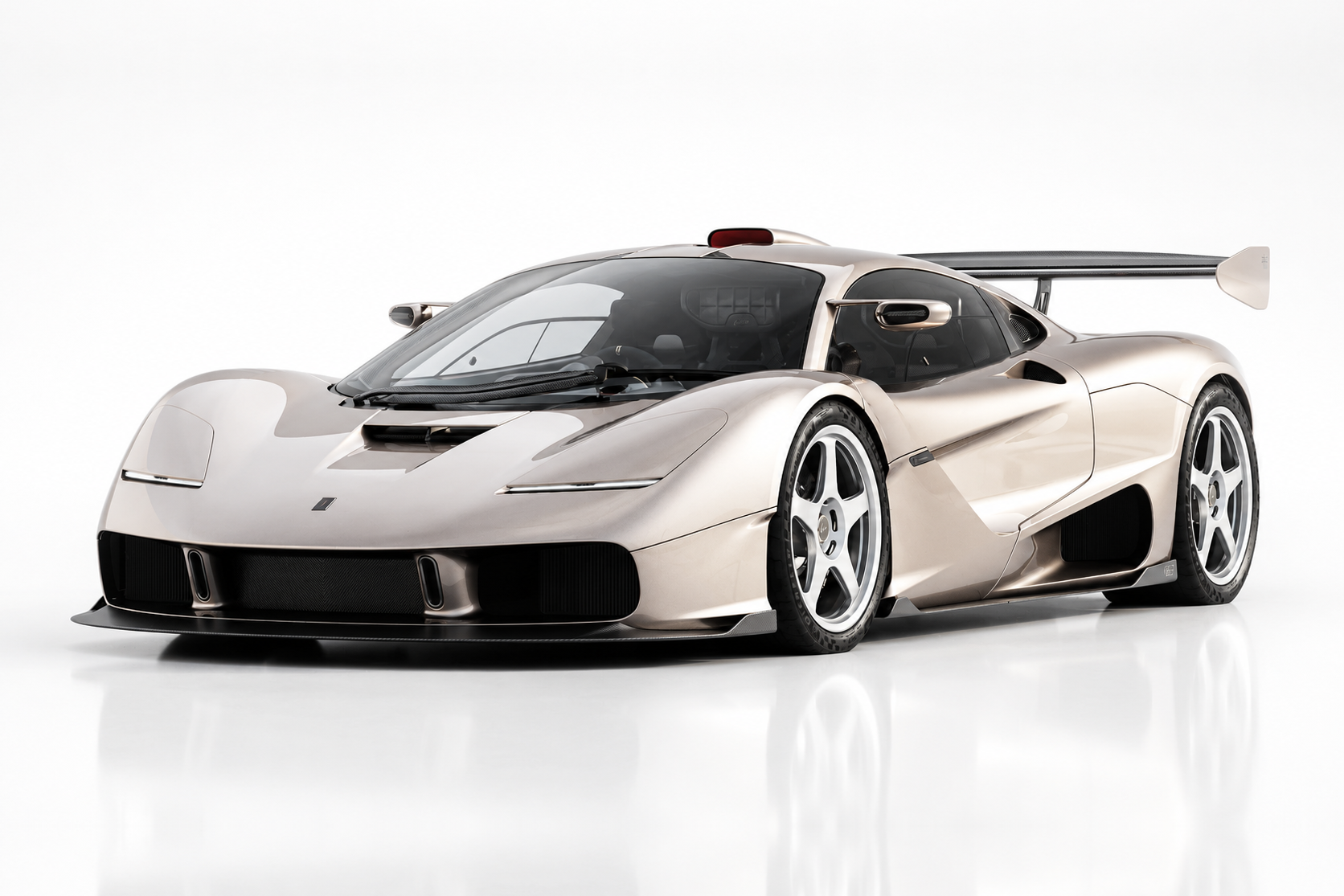
Gordon Murray Automotive S1 LM
First fully bespoke commission from GMSV's Bespoke pillar — tribute to the 1995 Le Mans-winning McLaren F1 GTR.
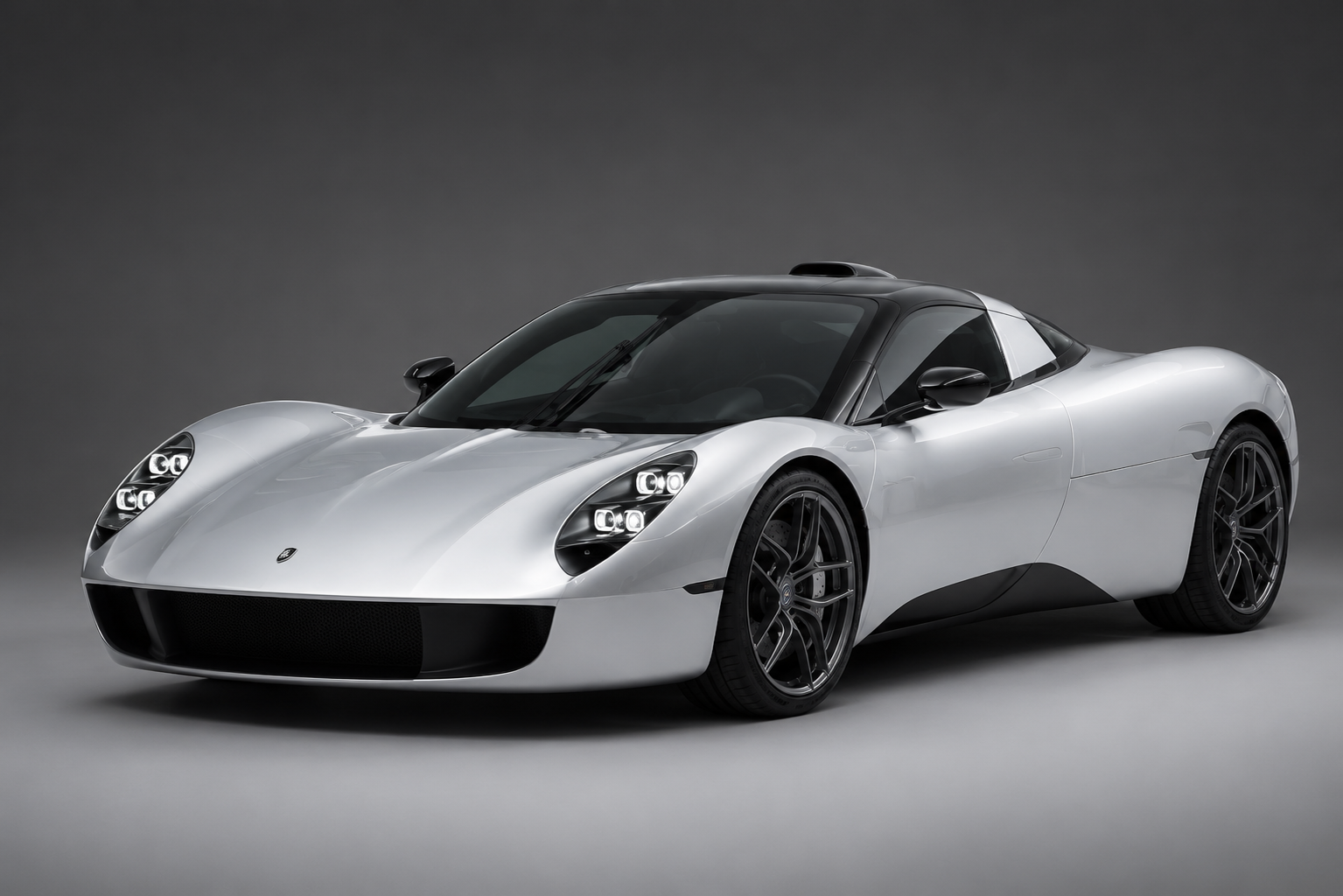
Gordon Murray Automotive T.33
Two-seat, mid-engined Cosworth V12 supercar — Gordon Murray's classically proportioned counterpart to the T.50, offered as Coupe or targa-roofed Spider.
Hispano-Suiza
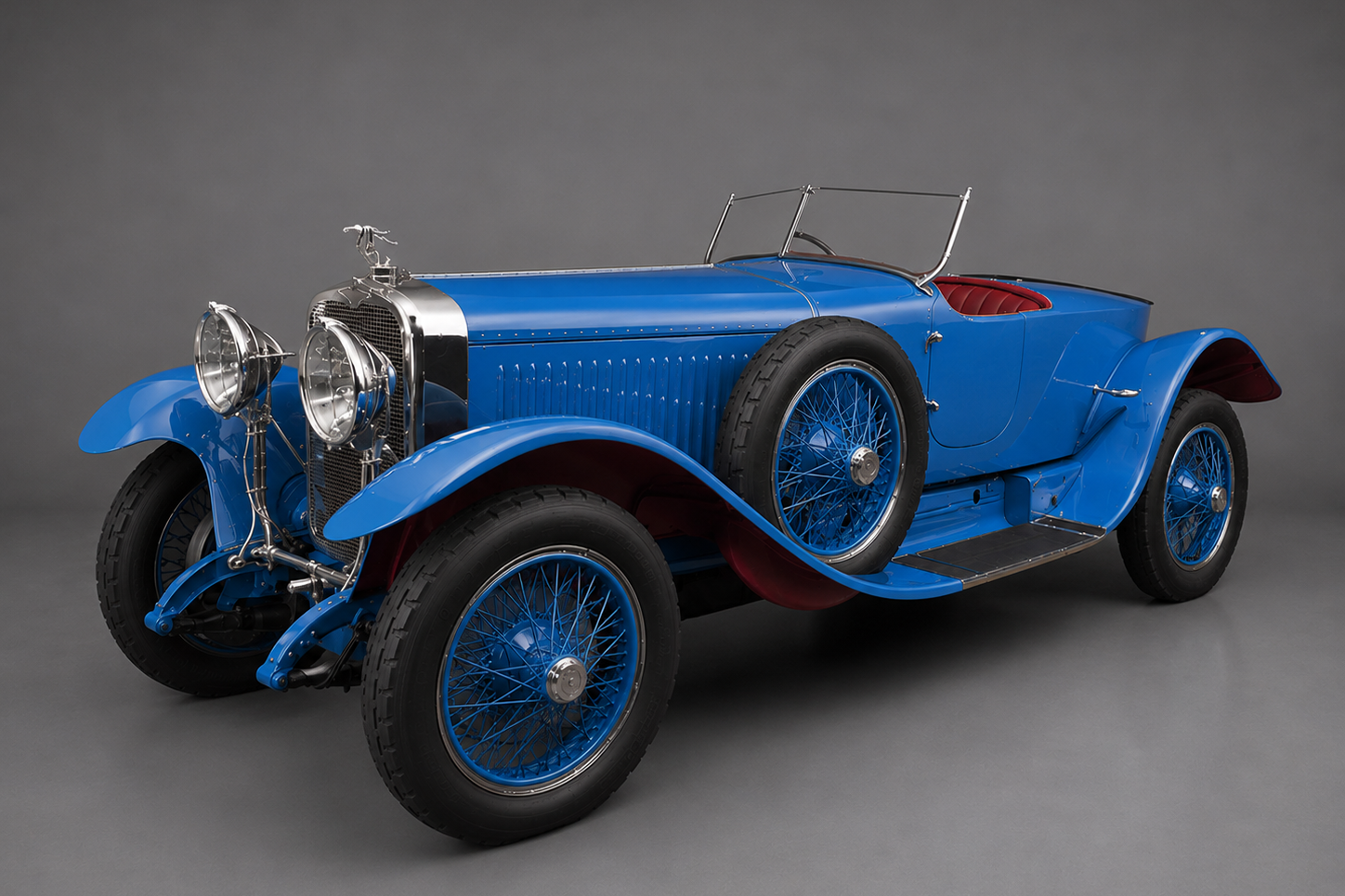
Hispano-Suiza H6
Marc Birkigt's 1919 masterpiece — the Boulanger straight-six that set the standard for inter-war luxury.
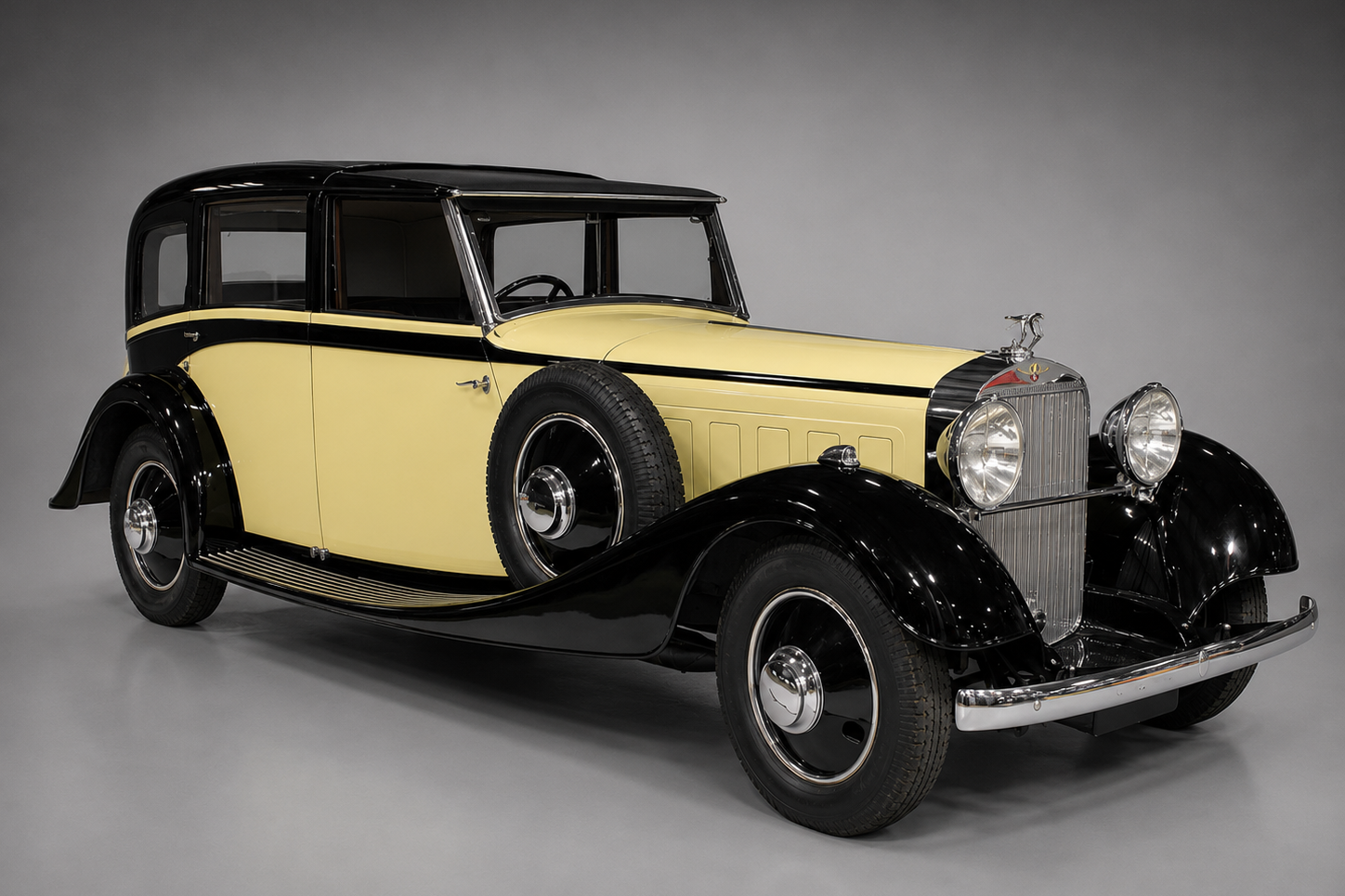
Hispano-Suiza J12
The V12 successor to the H6 — 9.4 litres of refined French aero-derived engineering for the world's wealthiest owners.
Honda
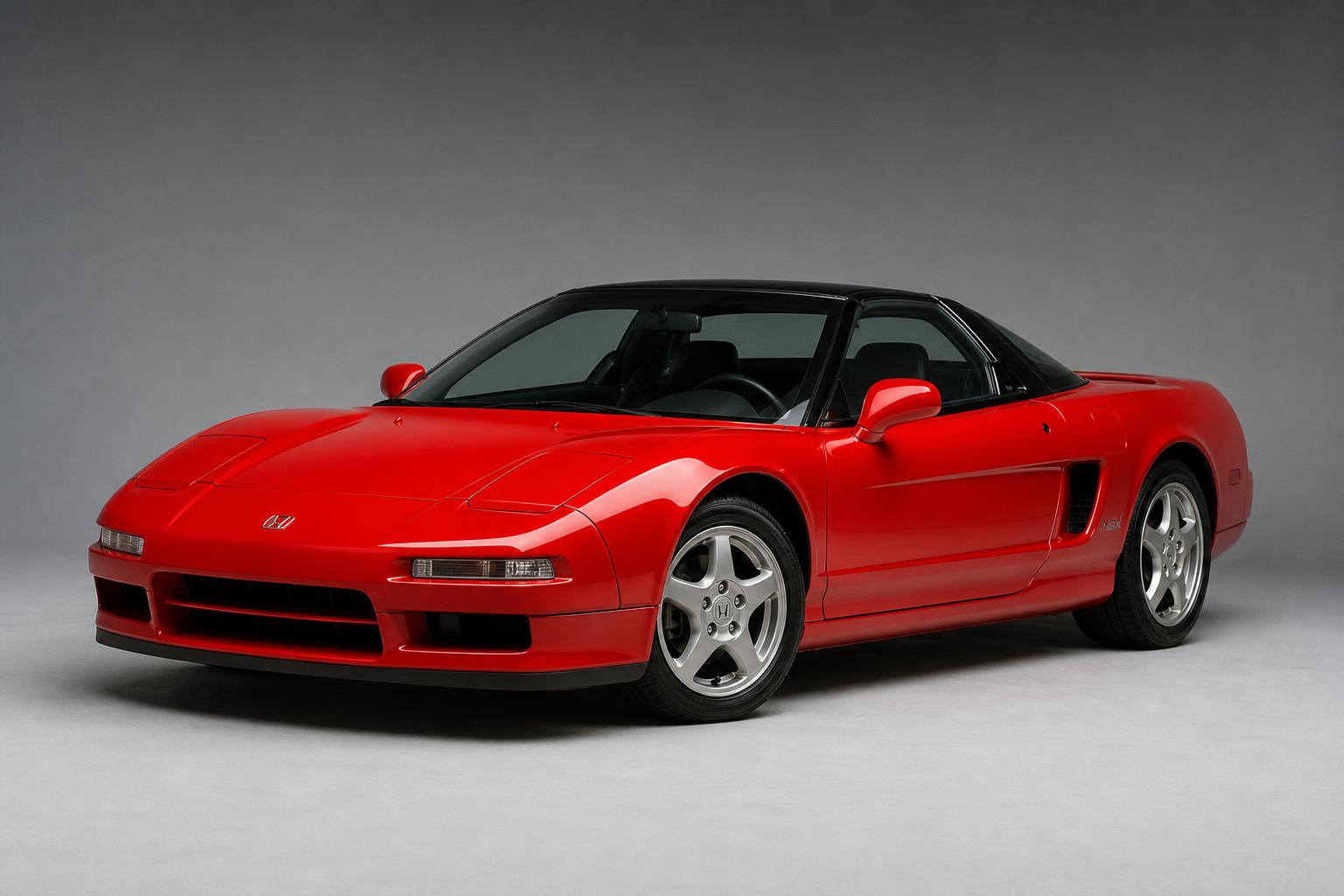
Honda NSX (NA1/NA2)
The everyday supercar that rewrote the rulebook in 1990.
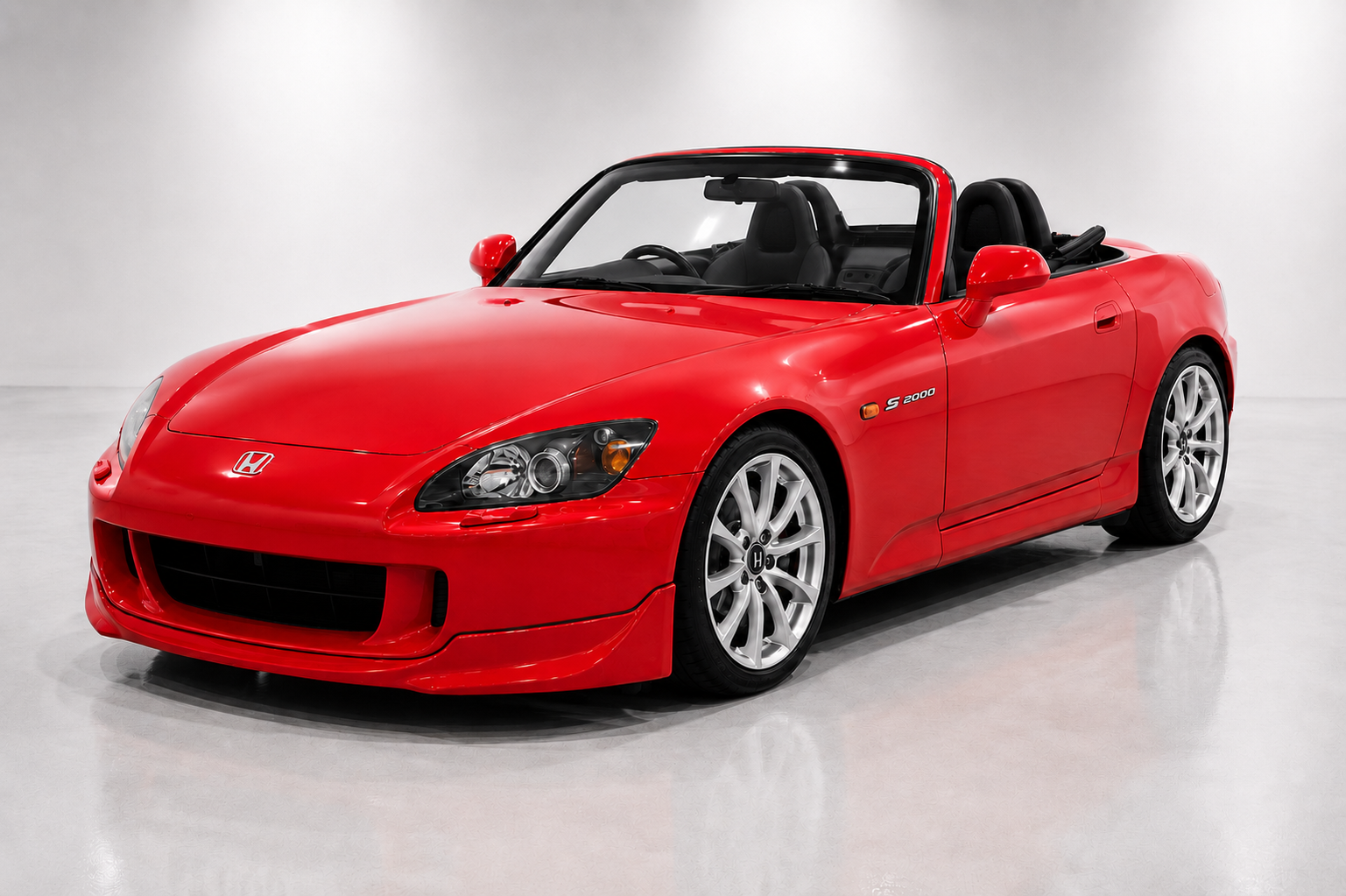
Honda S2000
Honda's 9,000 rpm roadster: light, precise and increasingly prized in original condition.
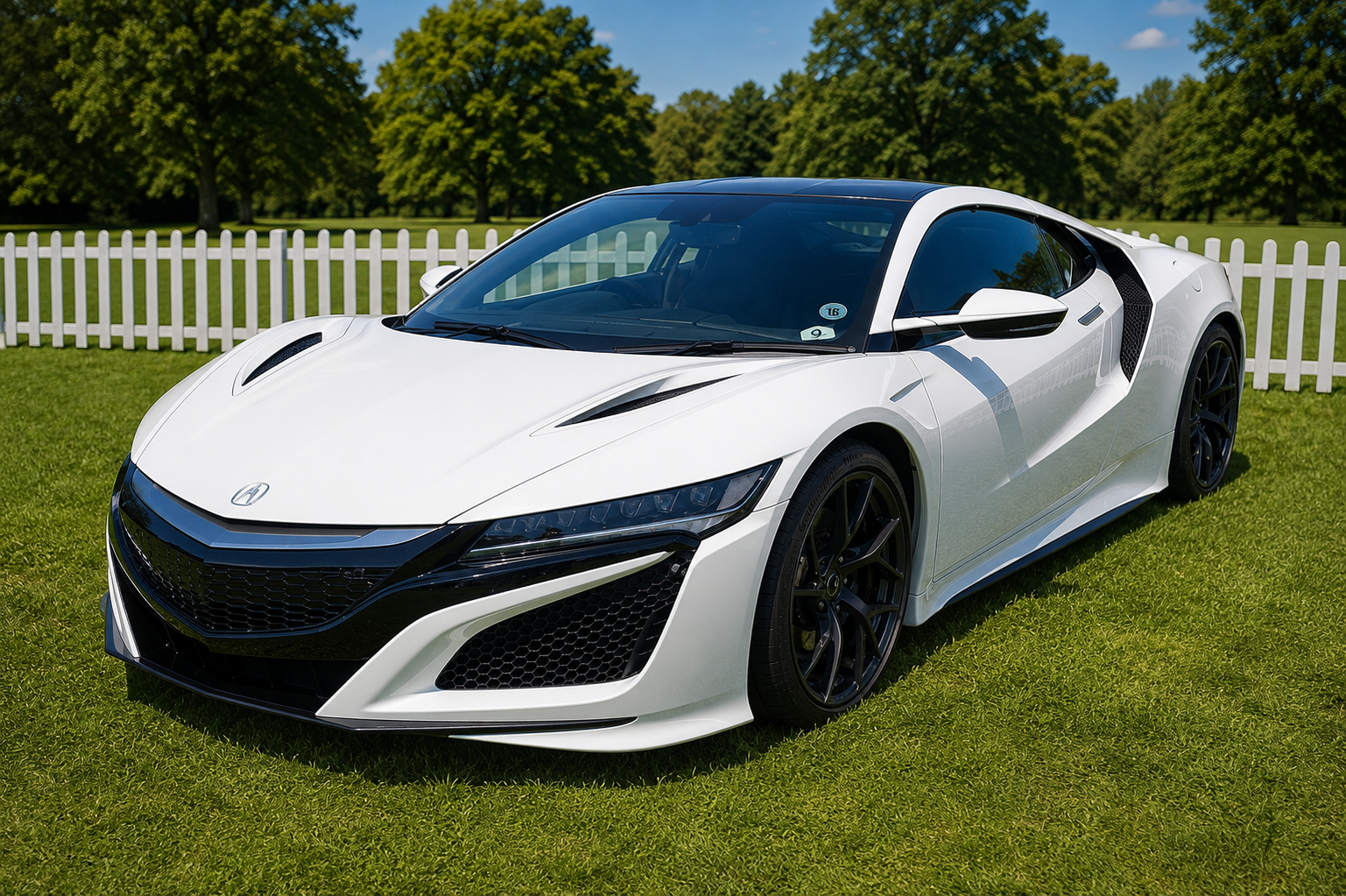
Honda NSX (NC1)
Second-generation NSX — twin-turbo V6 hybrid, all-wheel drive, built at the Performance Manufacturing Center in Marysville, Ohio.
Jaguar
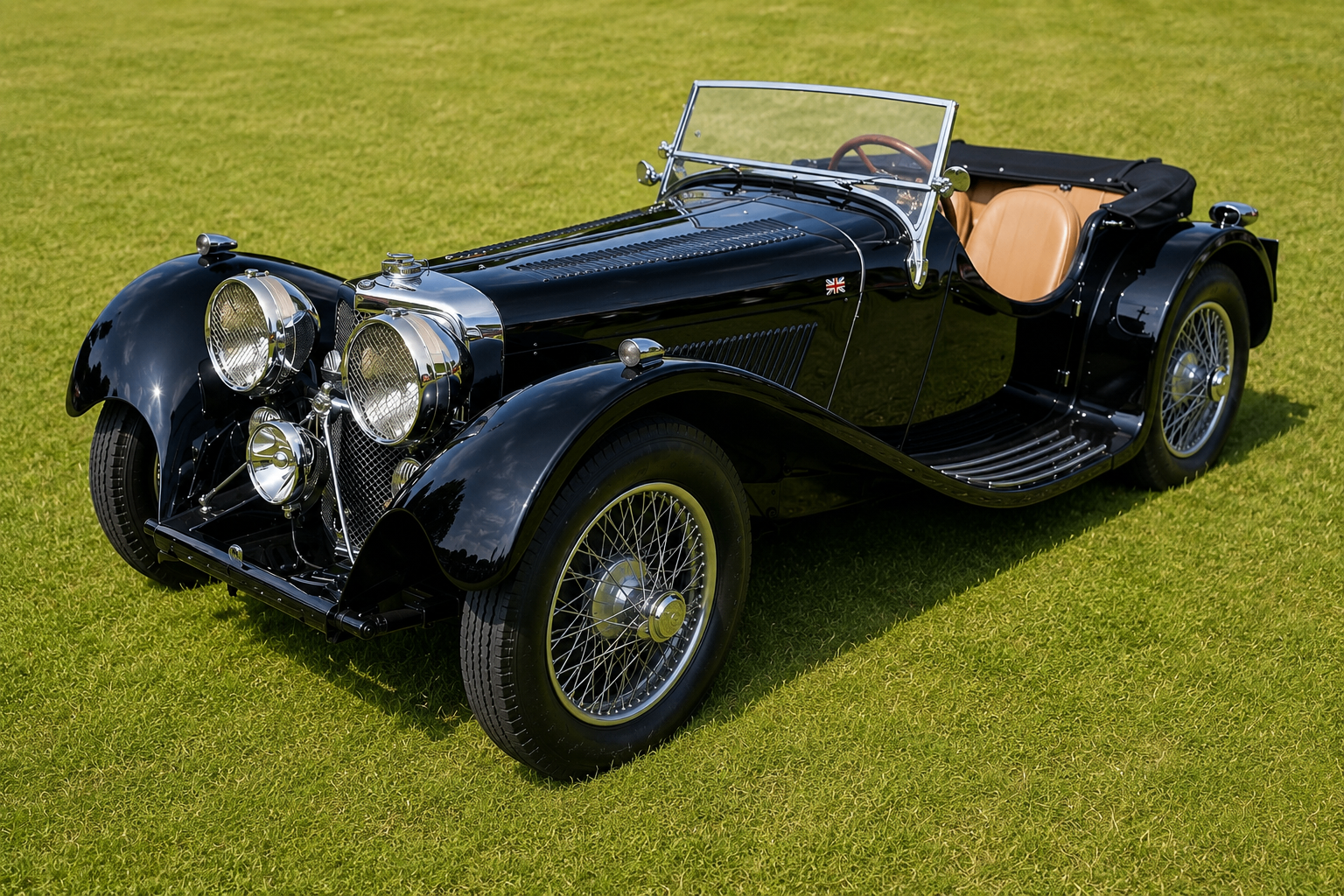
Jaguar SS 100
The pre-war Jaguar — a short-chassis two-seat open roadster on a 104-inch wheelbase, built by SS Cars Ltd. of Coventry between 1936 and 1940 in 2½-Litre and (from 1938) 3½-Litre form; the direct forebear of every Jaguar sports car that followed and the definitive British pre-war open sports car.
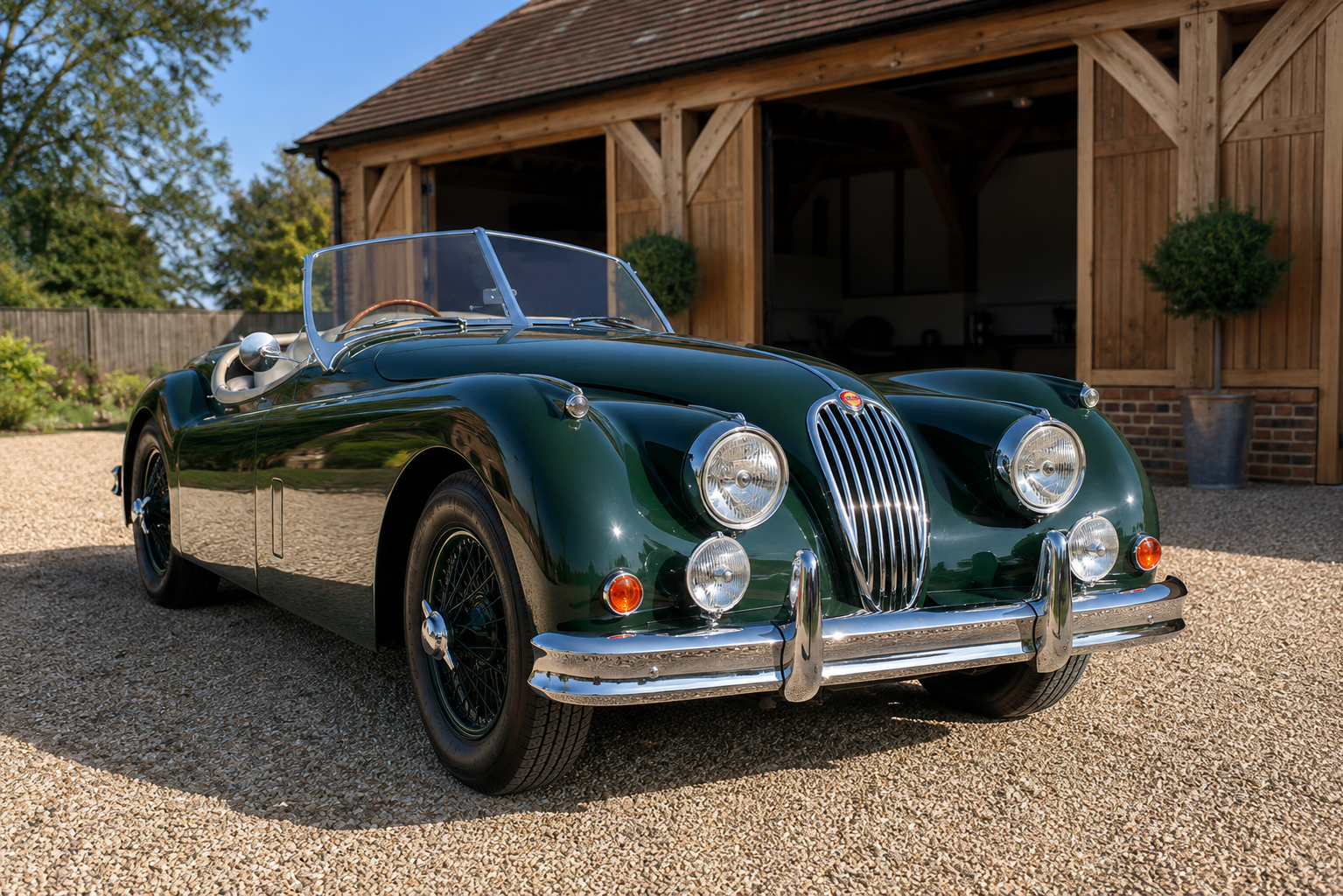
Jaguar XK
Jaguar's post-war sports car dynasty — the XK120, XK140 and XK150, built around the twin-cam XK inline-six.
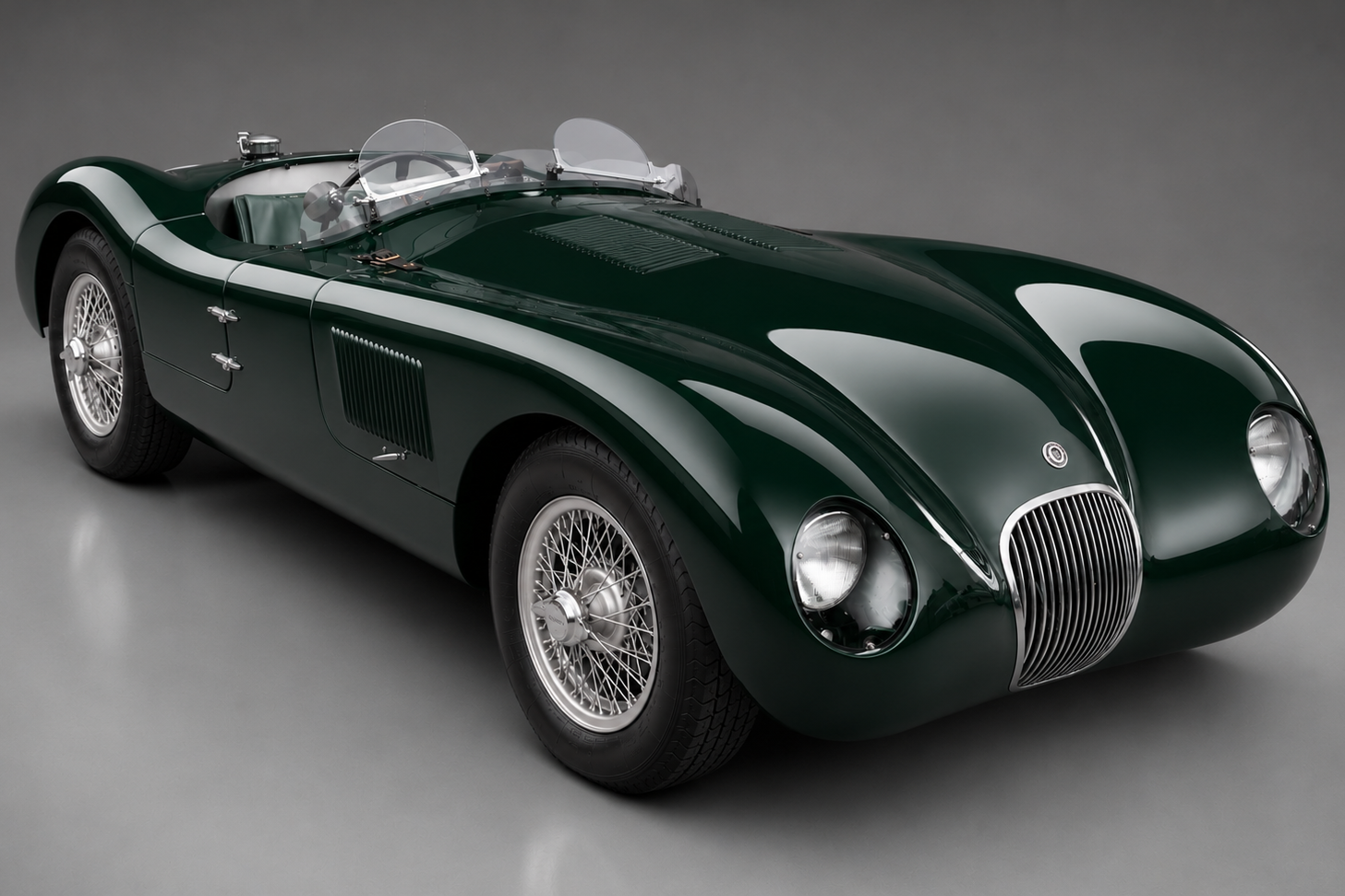
Jaguar C-Type
Jaguar's first purpose-built competition car — two Le Mans wins in three years, and the first car to win the race on disc brakes.
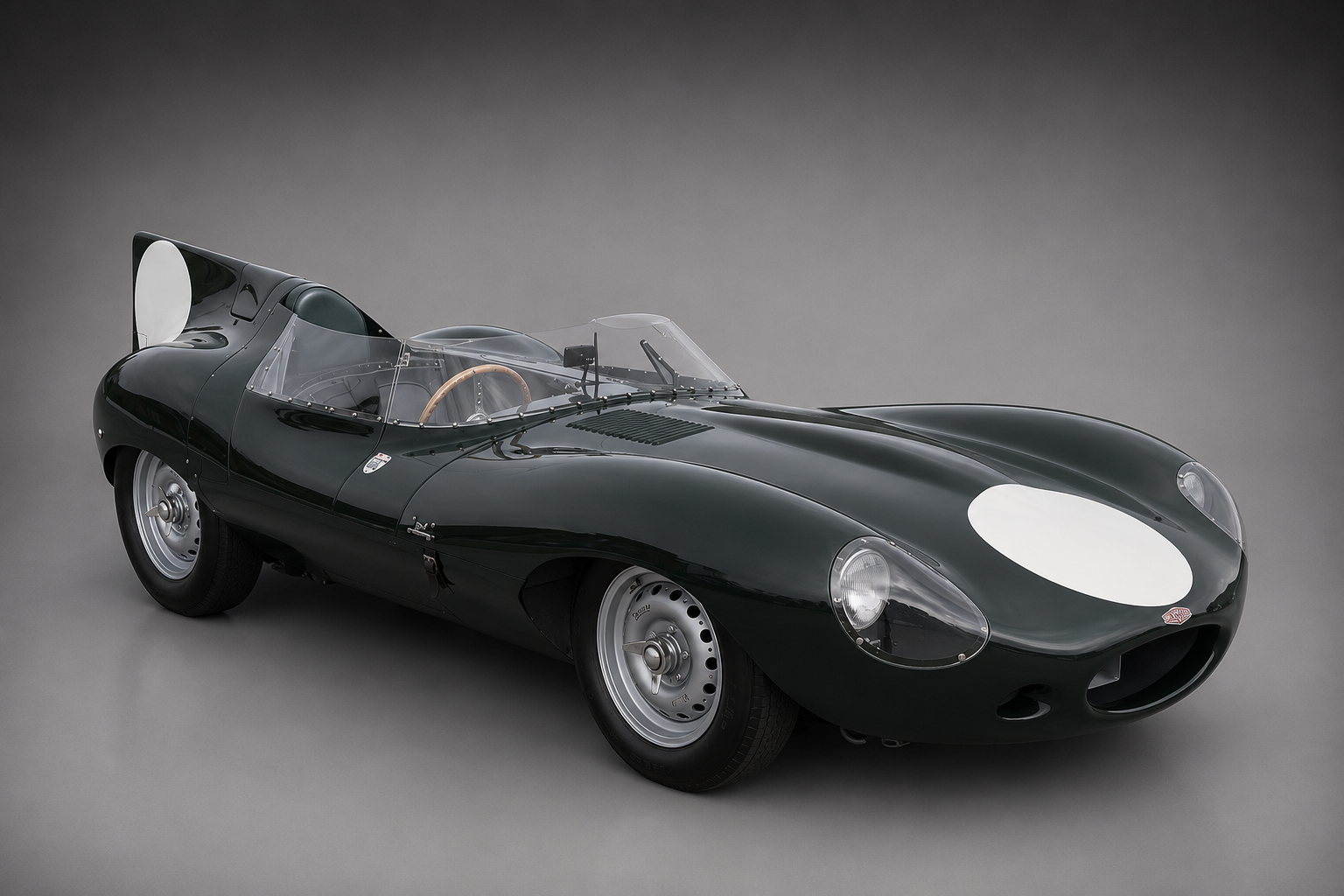
Jaguar D-Type
Le Mans-winning, monocoque-construction Jaguar racing car — three consecutive Le Mans victories and the basis of the XKSS.
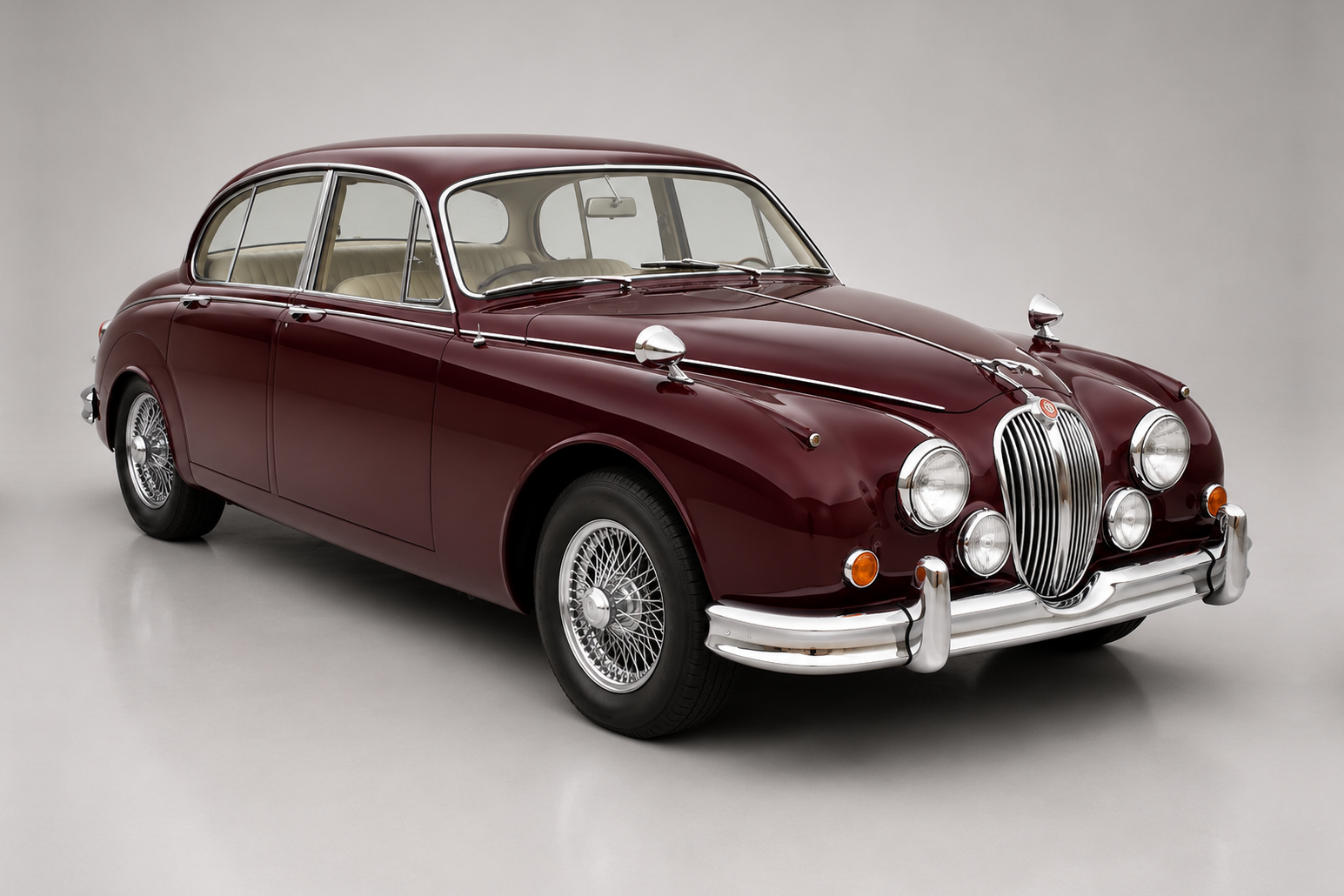
Jaguar Mk2 (incl. 240/340)
Lyons' 'grace, pace and space' sports saloon — in 3.8 form, the fastest production saloon in the world in its day.
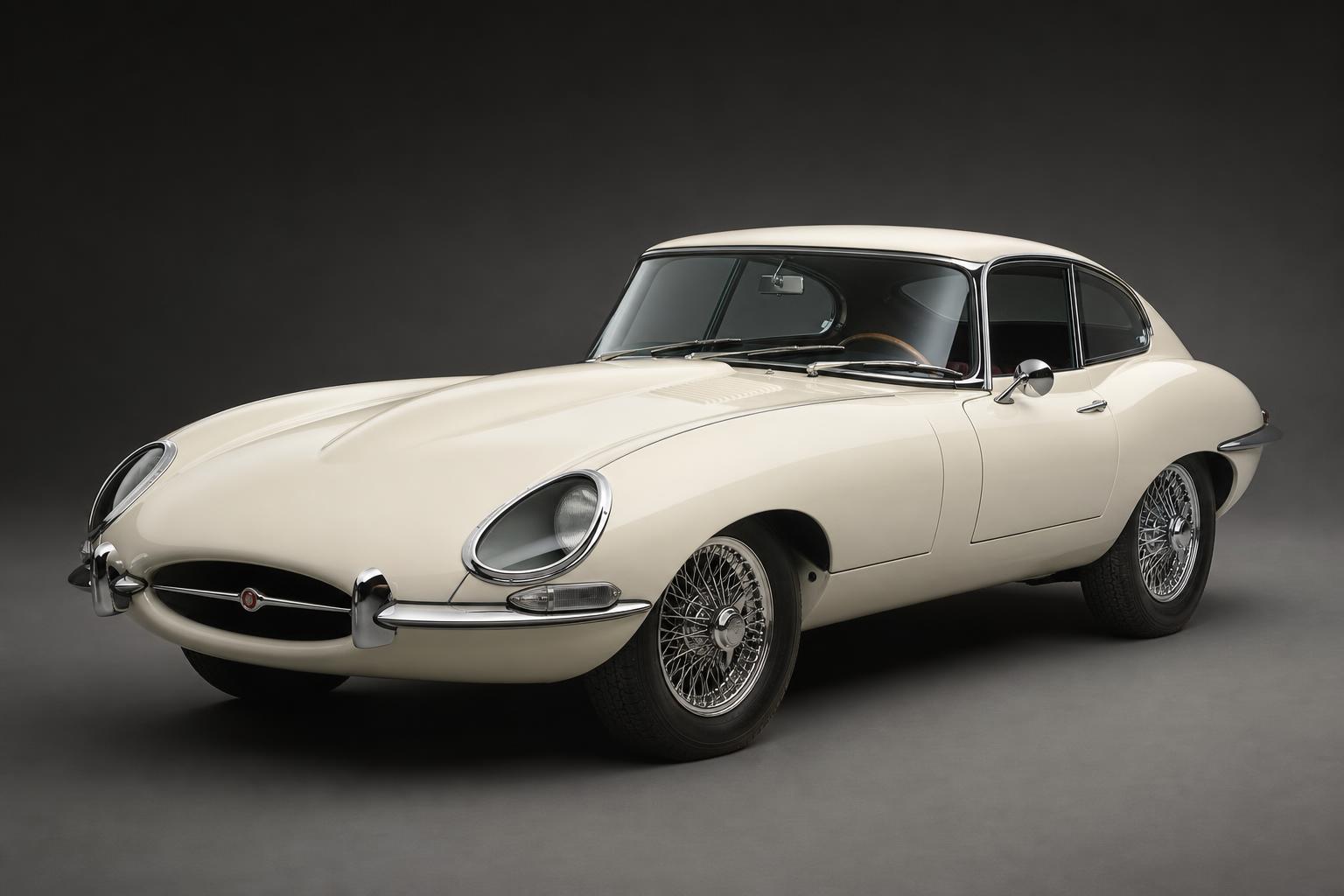
Jaguar E-Type
The car Enzo Ferrari reportedly called the most beautiful ever made — and the defining British sports car of the 1960s and early 1970s.
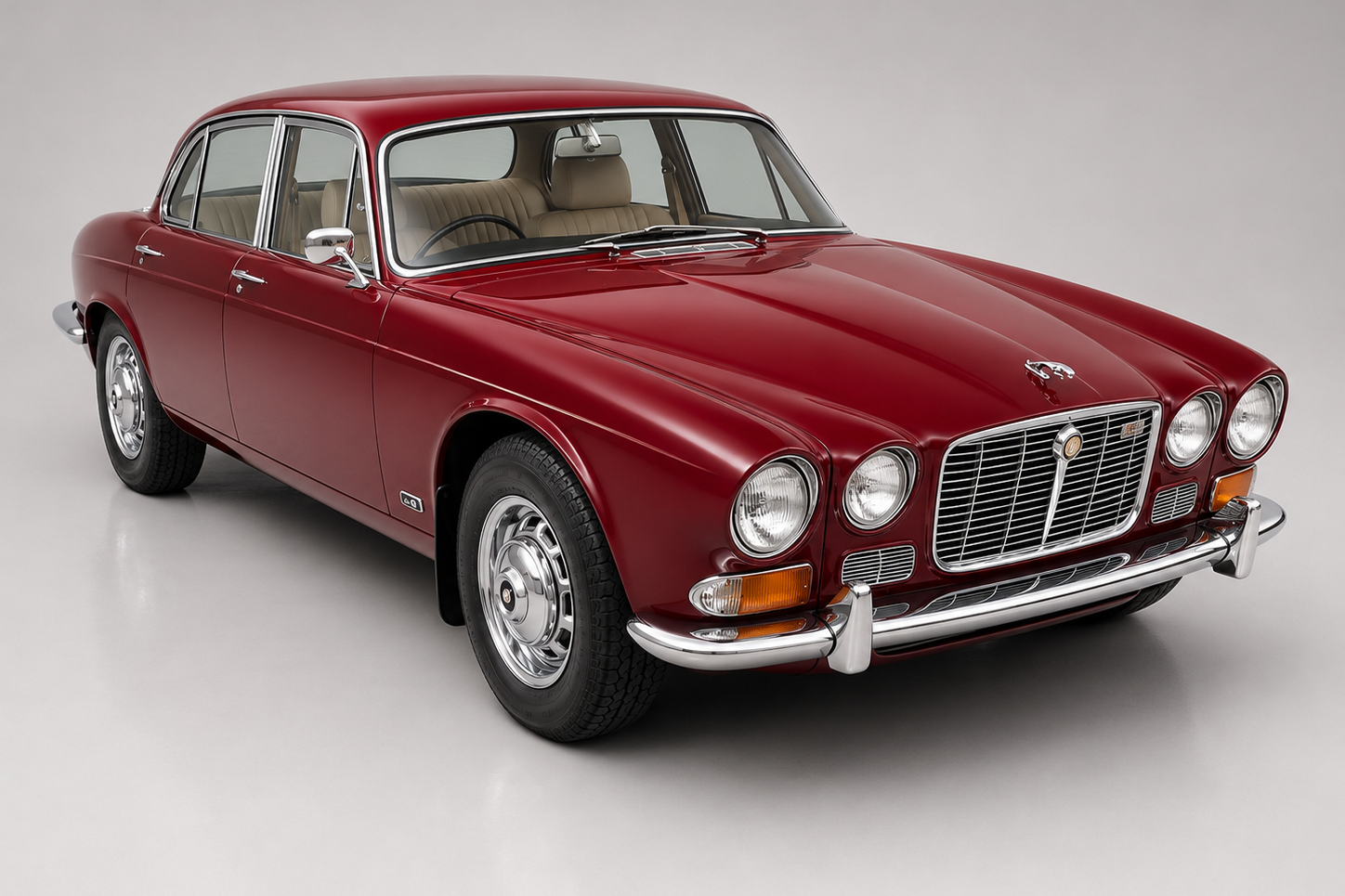
Jaguar XJ6 Series 1
The last saloon developed under Sir William Lyons — 'the finest Jaguar ever'.
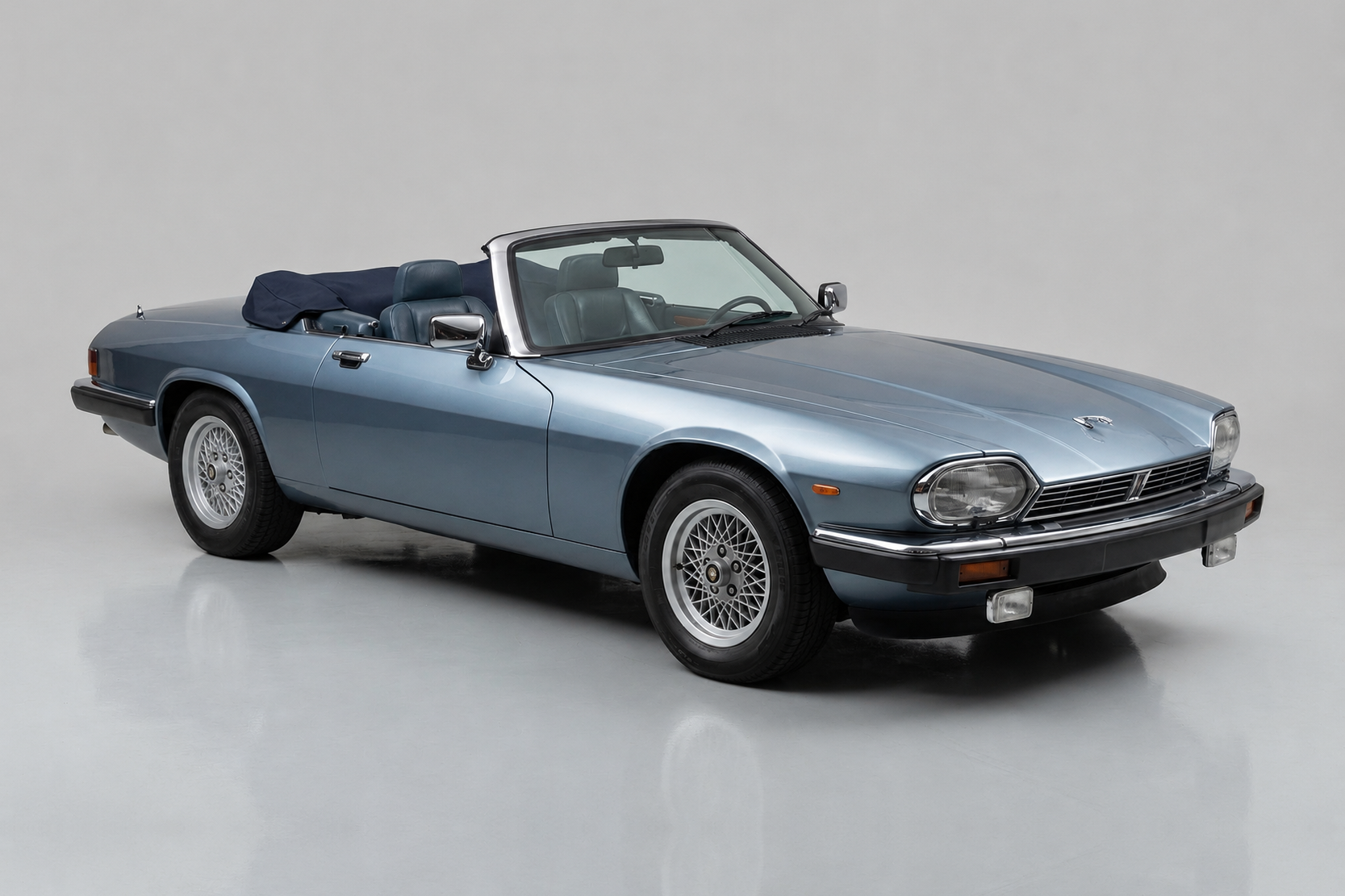
Jaguar XJS
The E-Type's controversial successor — outlived its critics across twenty years and seven months.
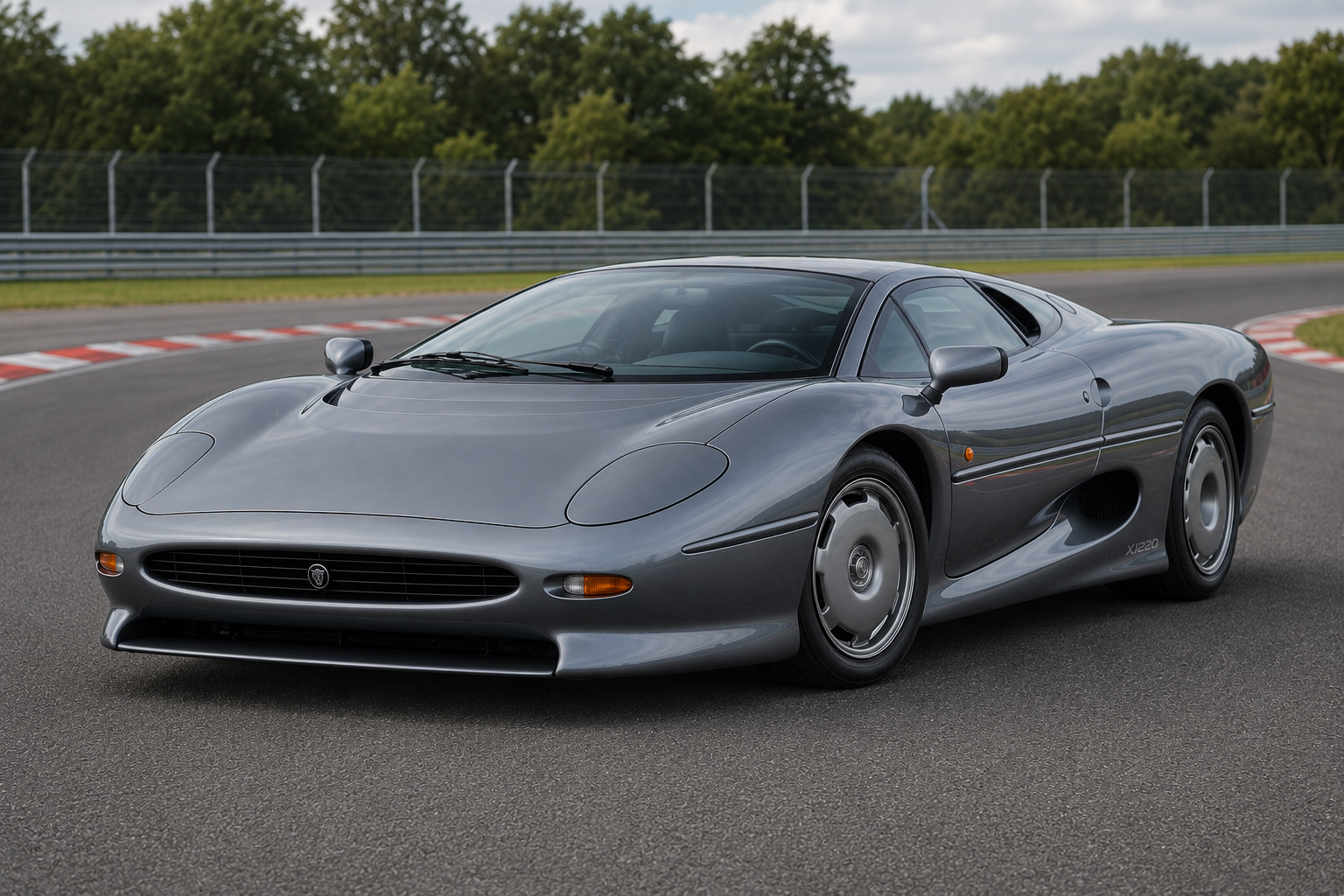
Jaguar XJ220
Jaguar's 1990s 217 mph supercar: controversial when new, increasingly respected now.
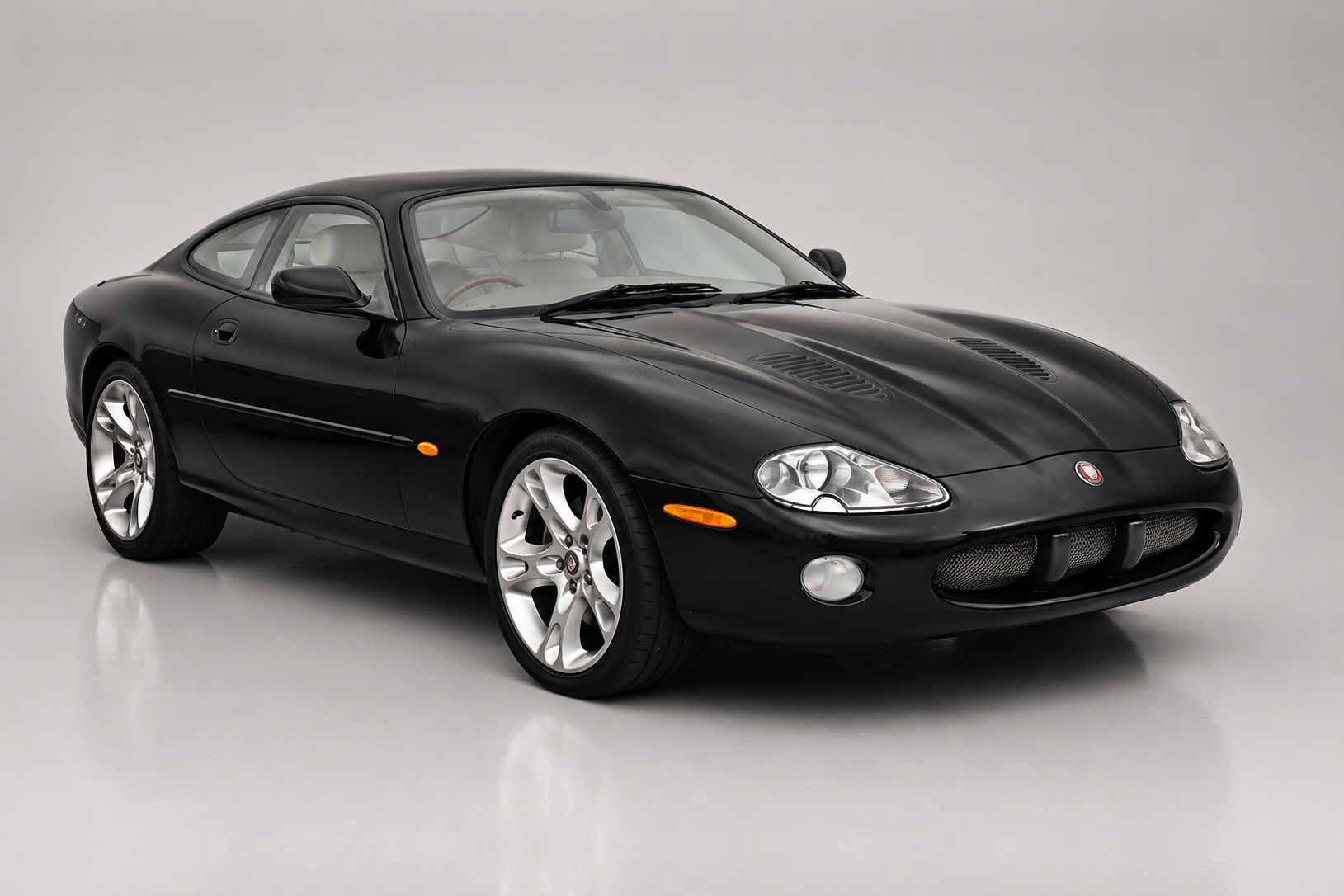
Jaguar XK8 / XKR (X100)
Jaguar's first V8 road car — Geneva debut 5 March 1996; XJS-derived platform shared with the Aston Martin DB7.
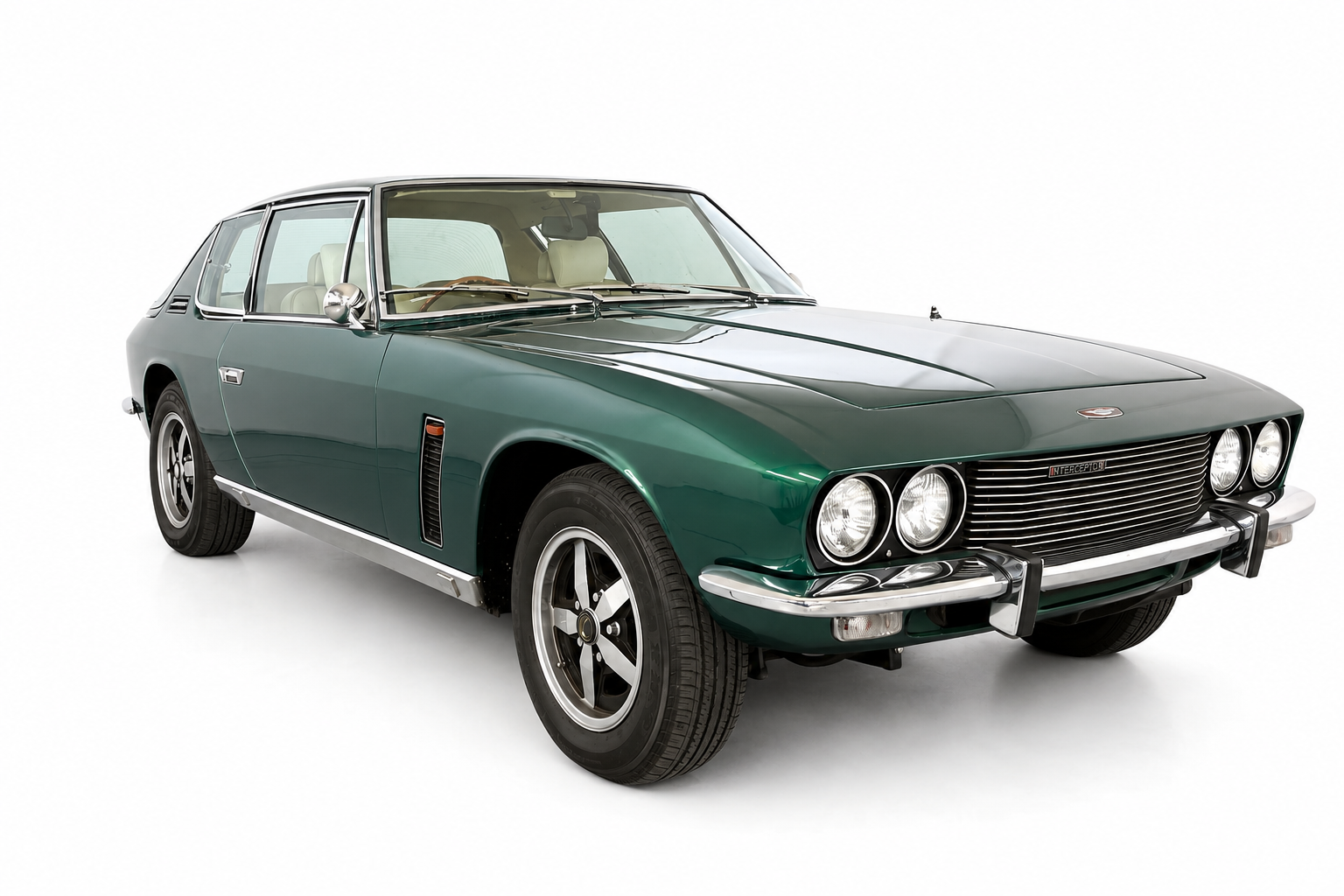
Kimera
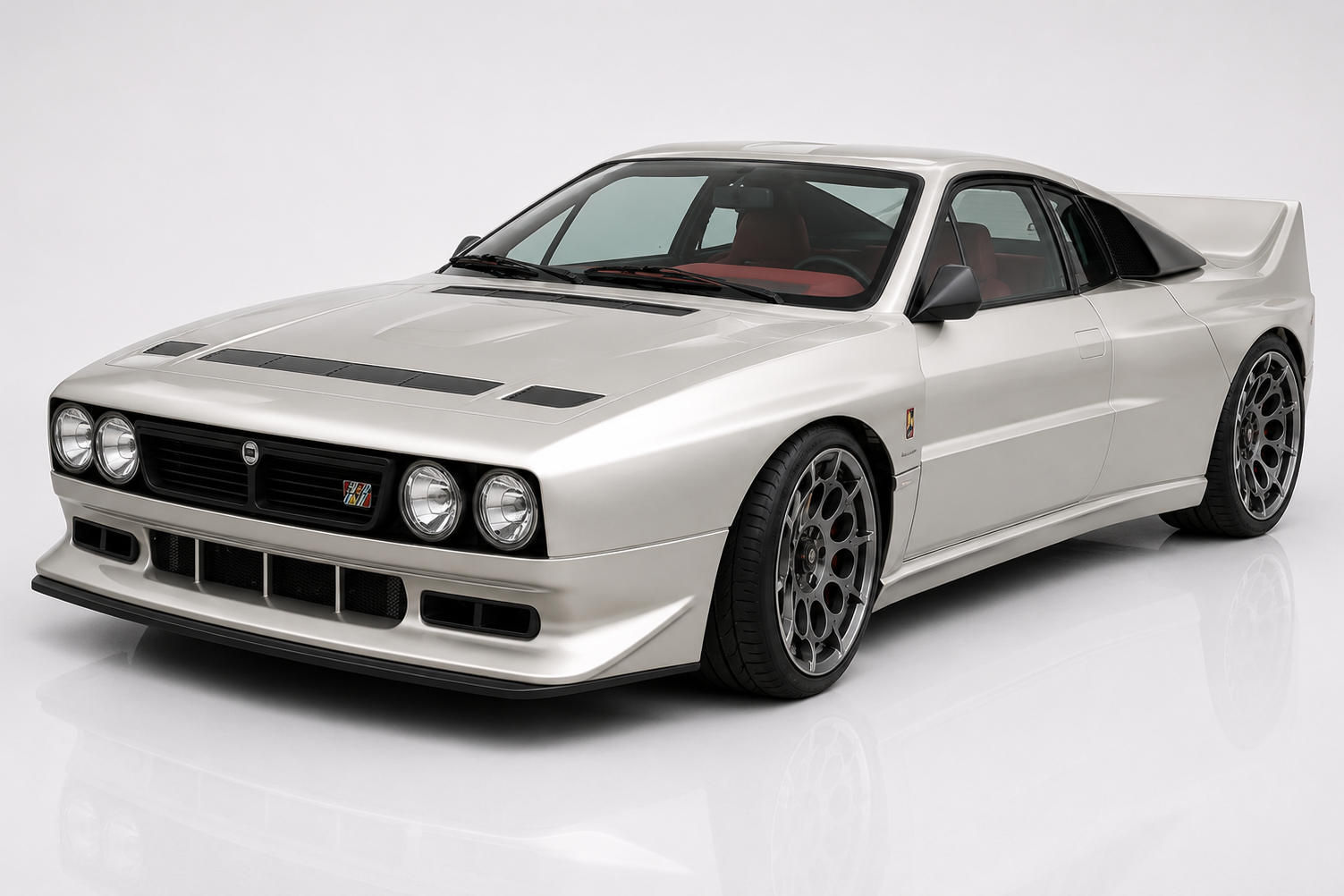
Kimera Evo37
The analog restomod that beat modern hypercars — a rear-wheel-drive tribute to the last RWD WRC champion.
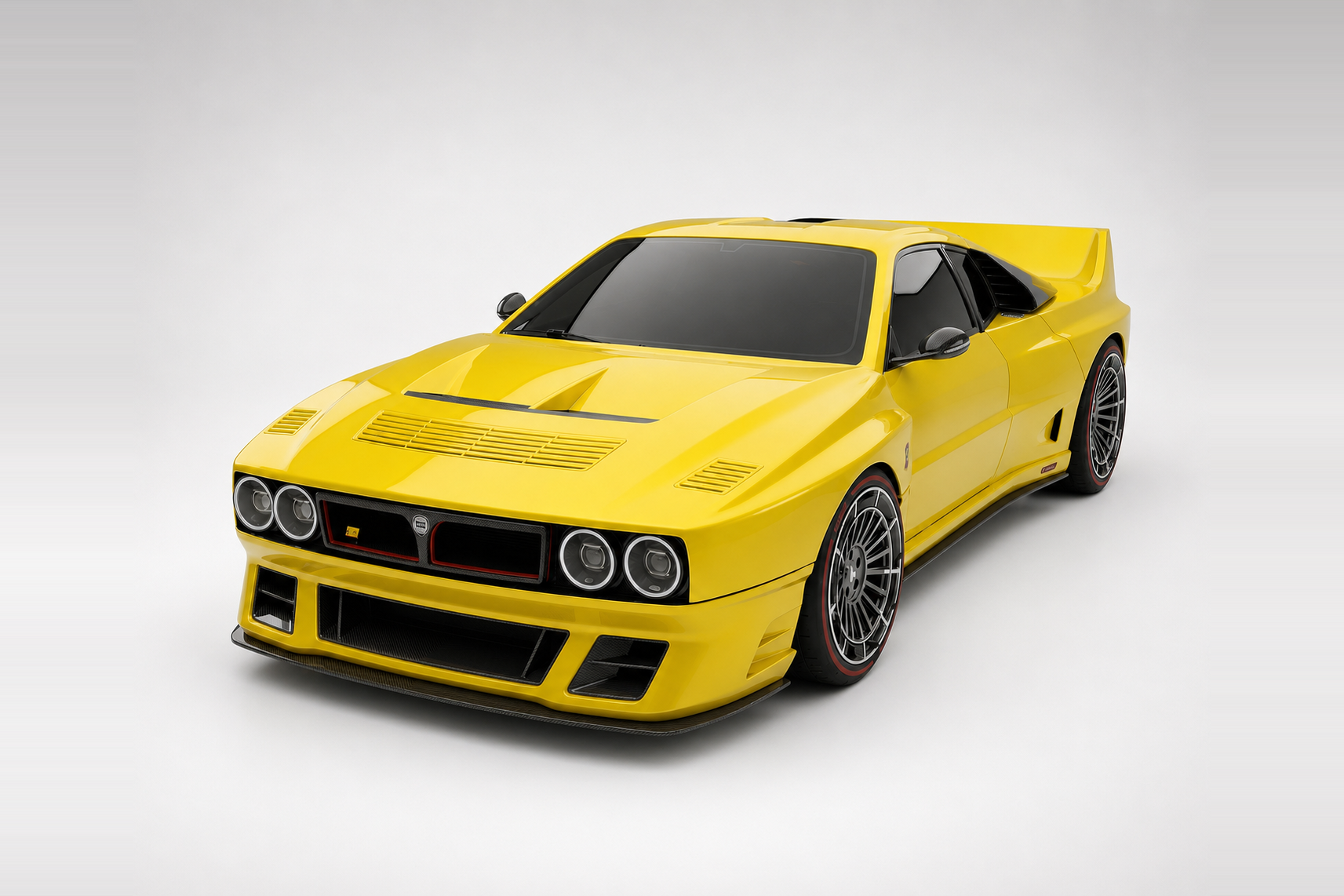
Kimera Evo38
The Group B what-if — 037 looks, Integrale 4WD, and a bespoke twin-charged four.
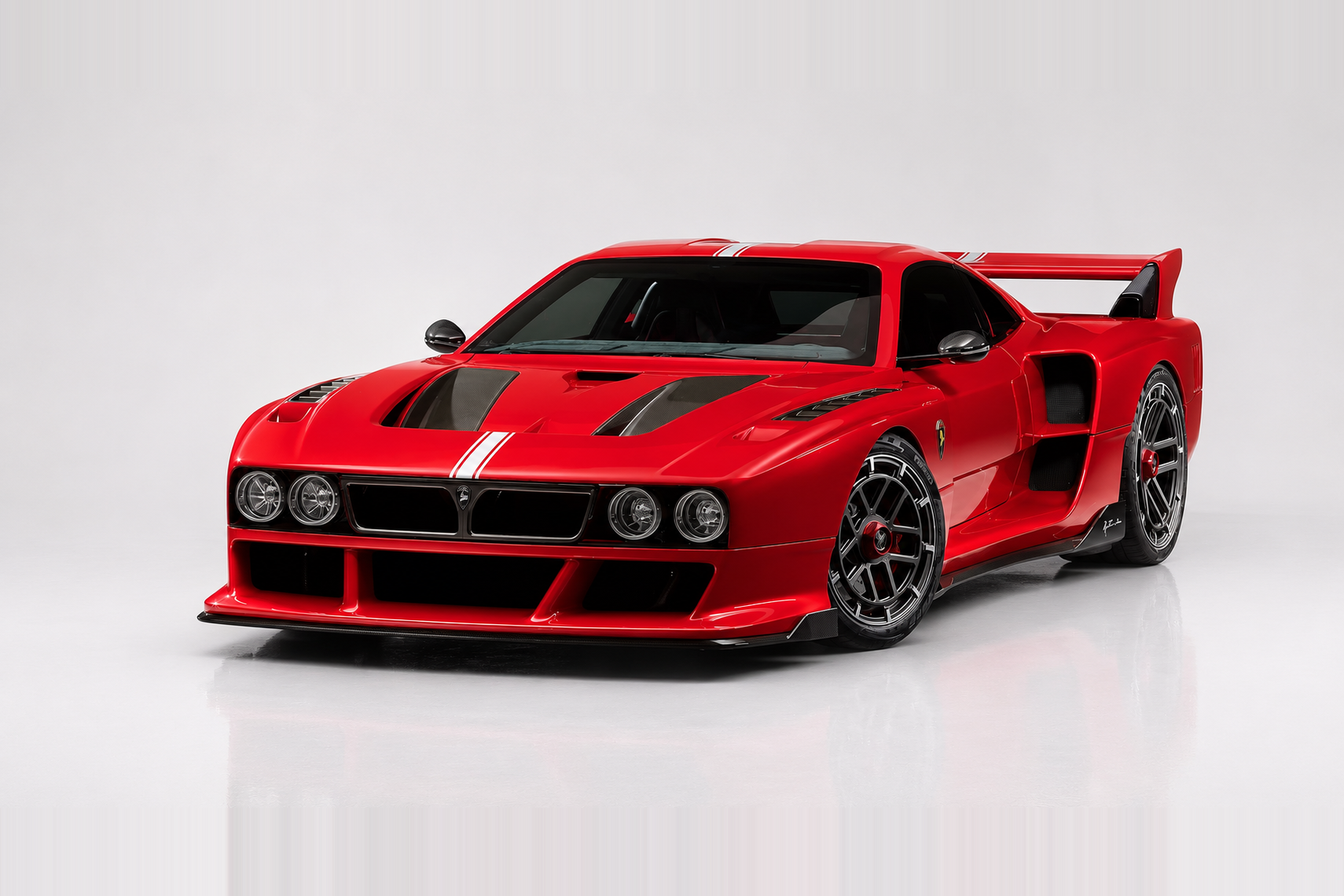
Kimera K39
The restomod house goes clean-sheet — with a Koenigsegg V8 and a manual gearbox.
Koenigsegg
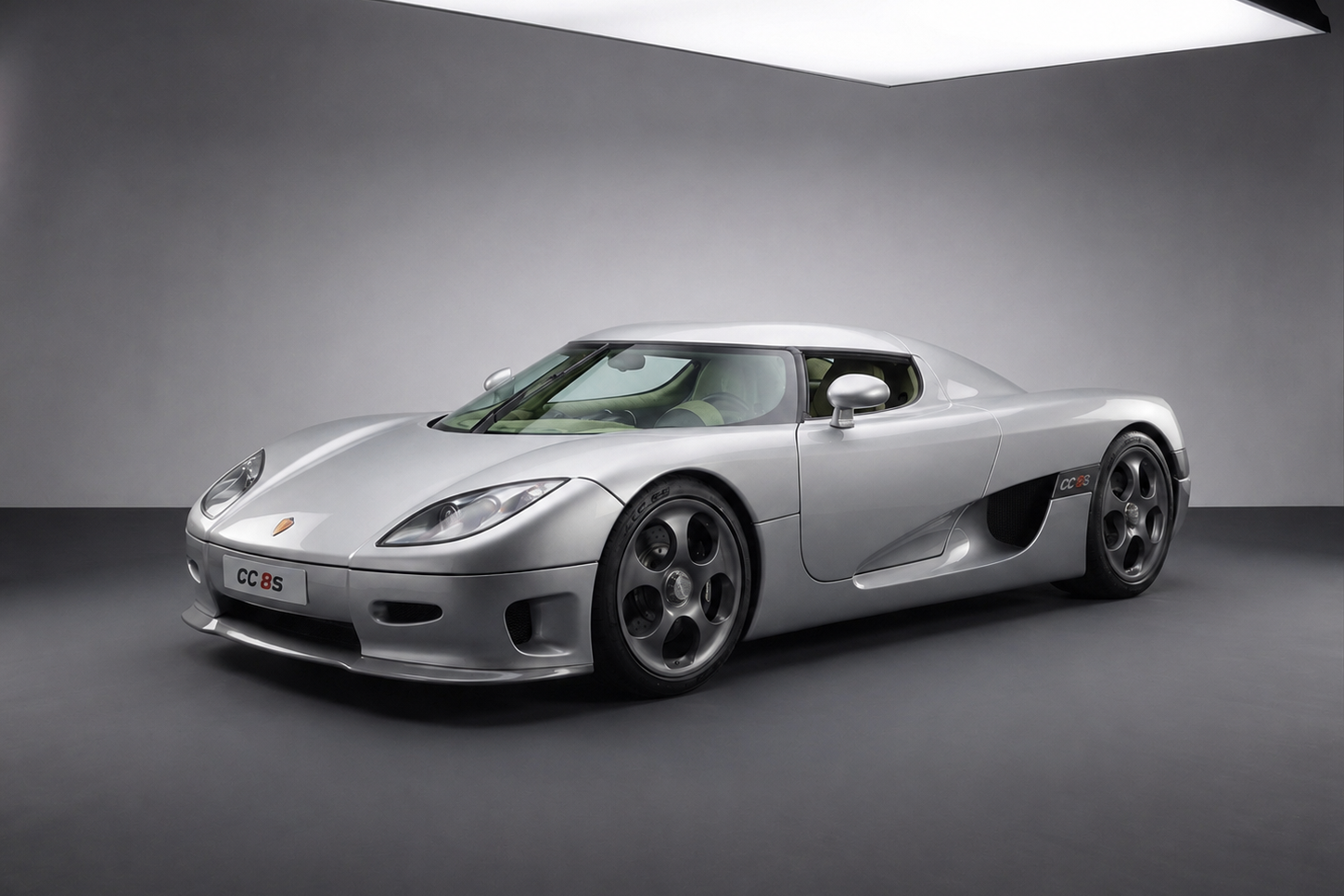
Koenigsegg CC8S
The founding production Koenigsegg — six cars from Ängelholm, a supercharged V8 in a carbon tub, and the engineering template every later Koenigsegg descends from.
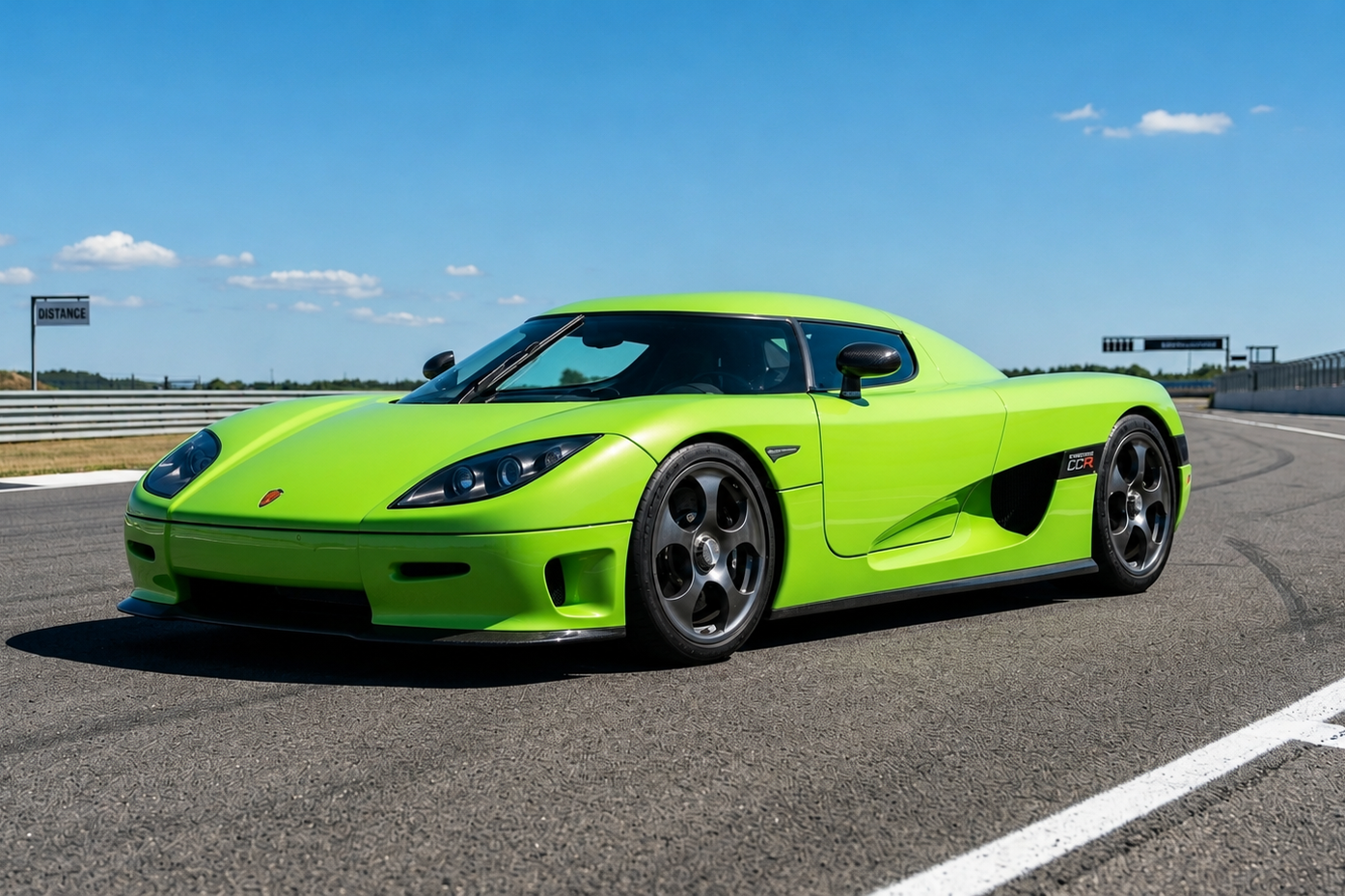
Koenigsegg CCR
The 14-car second-generation CC — twin-supercharged, 806 bhp, and the car that took the production top-speed world record from the McLaren F1 at Nardò in February 2005.
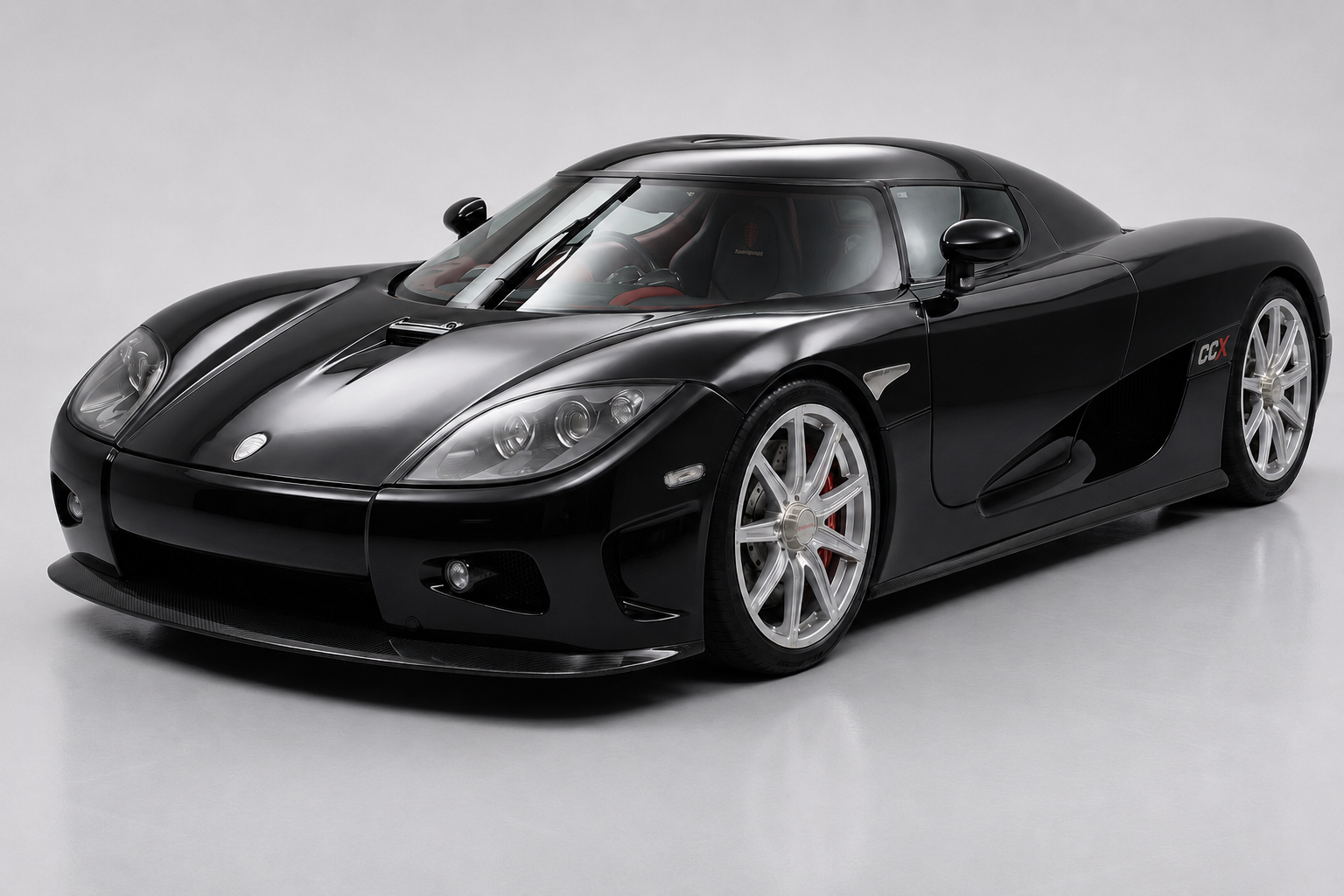
Koenigsegg CCX
The first in-house-V8 Koenigsegg and the first US-legal Koenigsegg — a small CC-generation family that includes the two-car Trevita, one of the rarest factory Koenigseggs ever built.
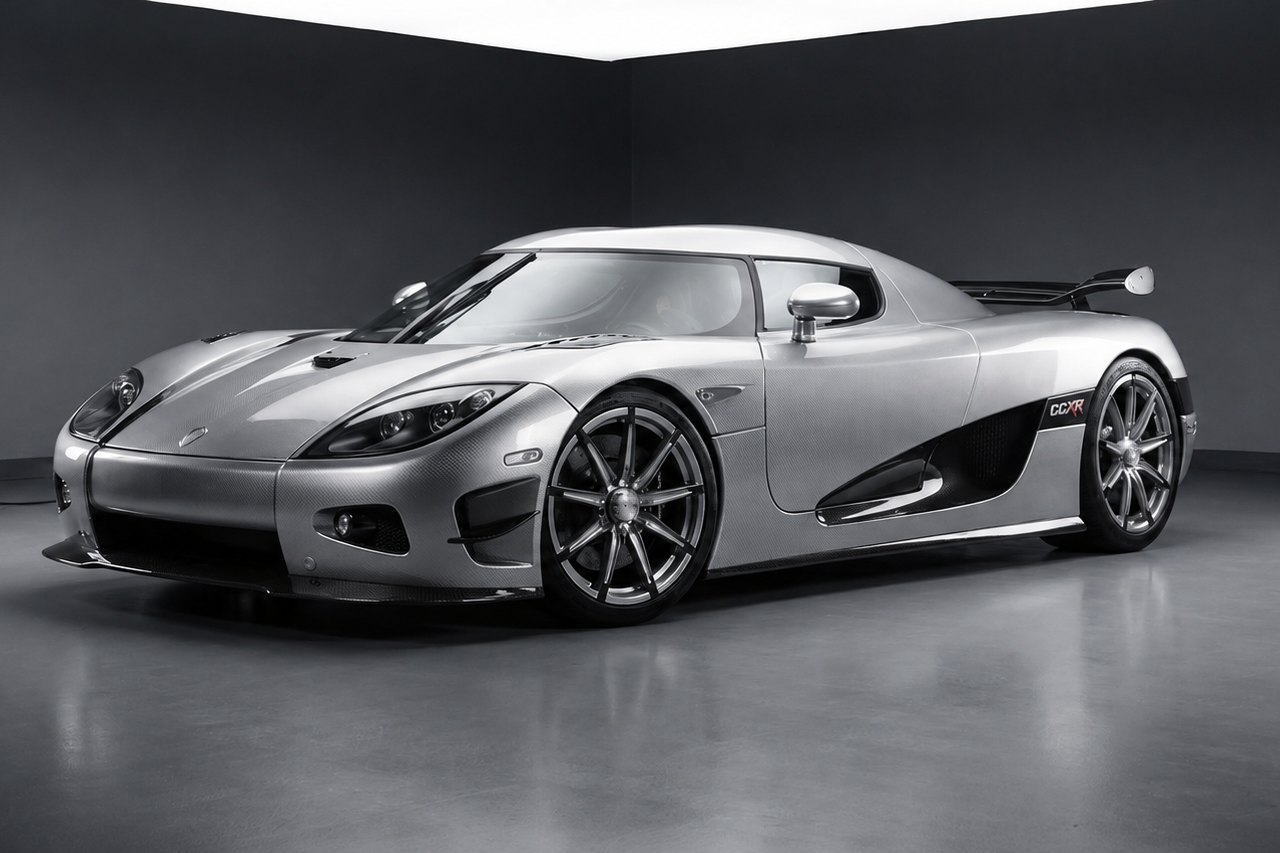
Koenigsegg CCXR
Biofuel-capable CCX — 1,004 bhp / 1,018 PS twin-supercharged V8, the highest-power production Koenigsegg of the CCX era.
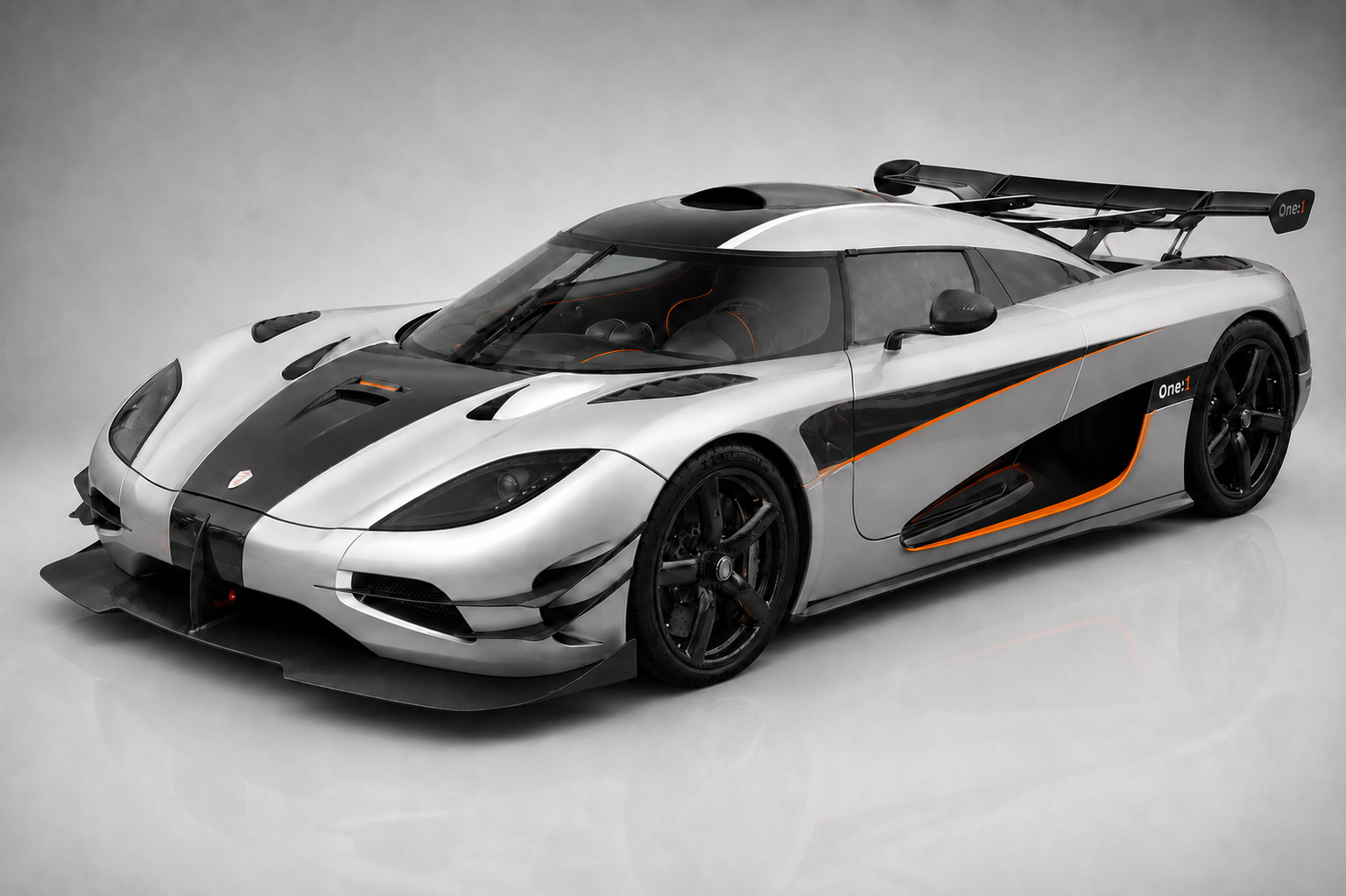
Koenigsegg One:1
Koenigsegg's one-megawatt hypercar — 1,341 hp / 1,360 PS, 1,360 kg, six road-spec chassis plus the prototype.
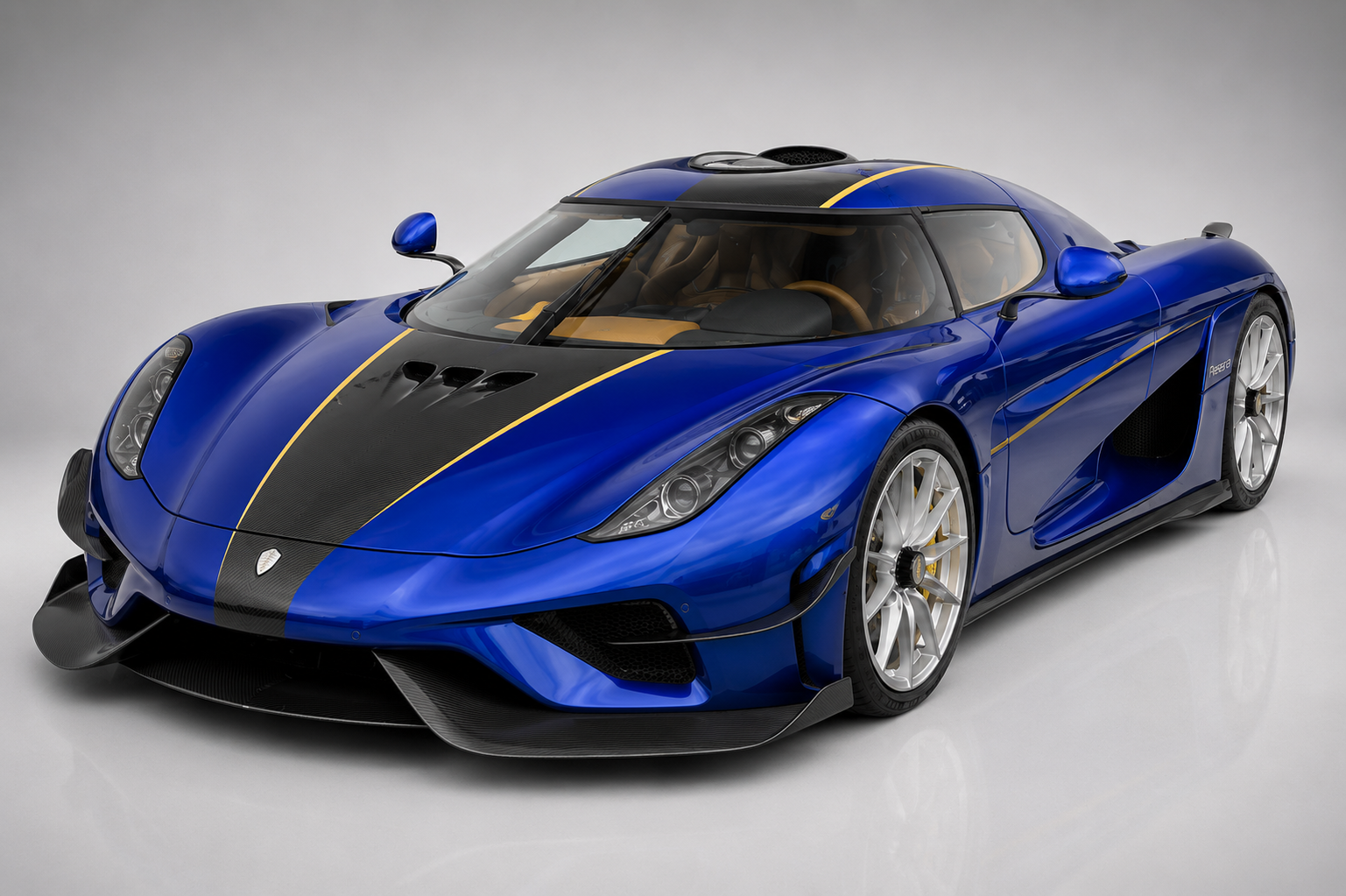
Koenigsegg Regera
Direct-drive hybrid hypercar — no conventional gearbox, 1,500 PS and holder of the 0–400–0 km/h record at 31.49 seconds in 2019.
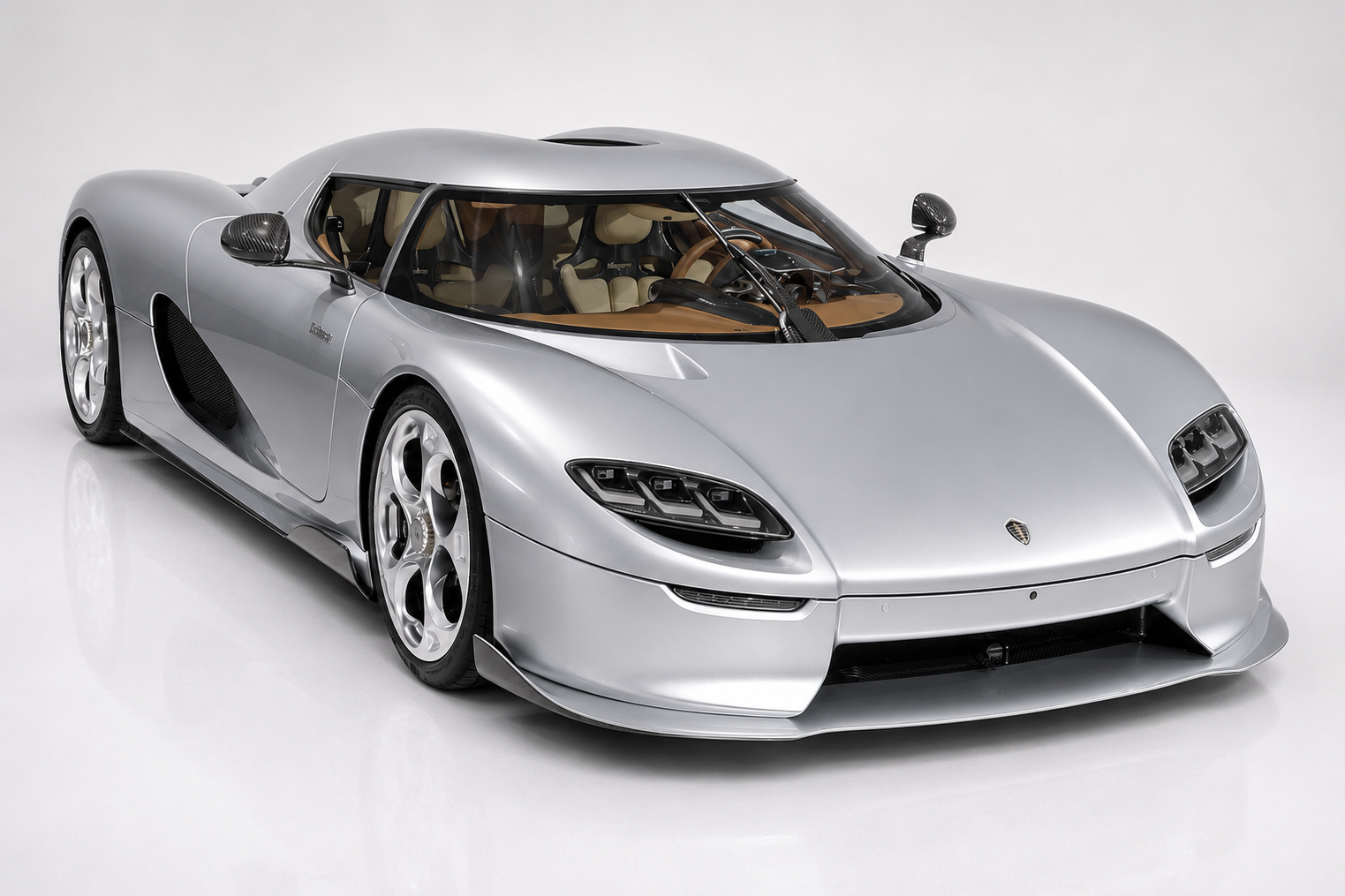
Koenigsegg CC850
The analogue answer to the megacar era — a real clutch pedal and a gated shifter, at up to 1,385 hp.
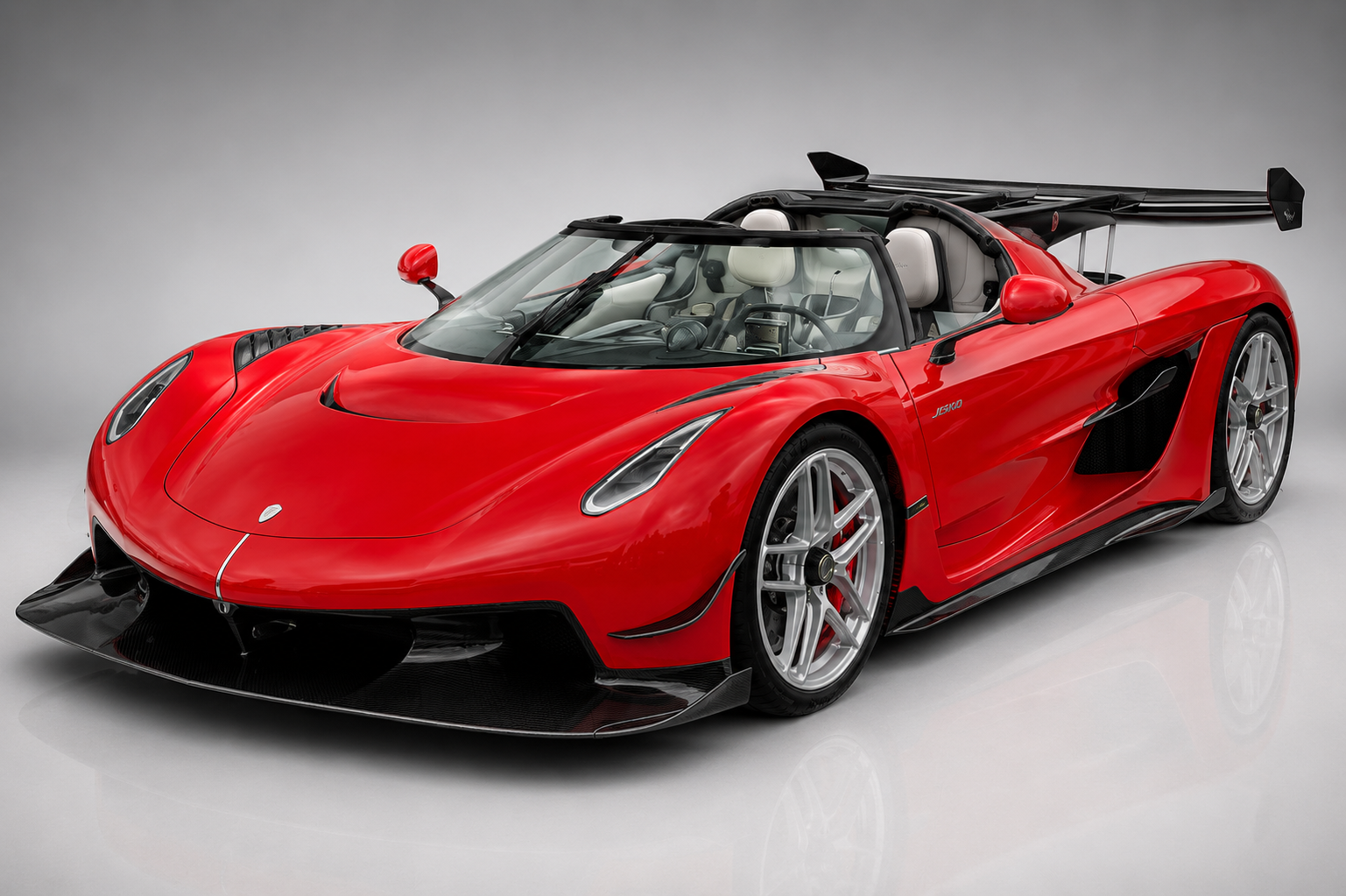
Koenigsegg Jesko
Twin-turbo V8 hypercar with the nine-speed Light Speed Transmission — built in track-focused 'Attack' and top-speed 'Absolut' forms.
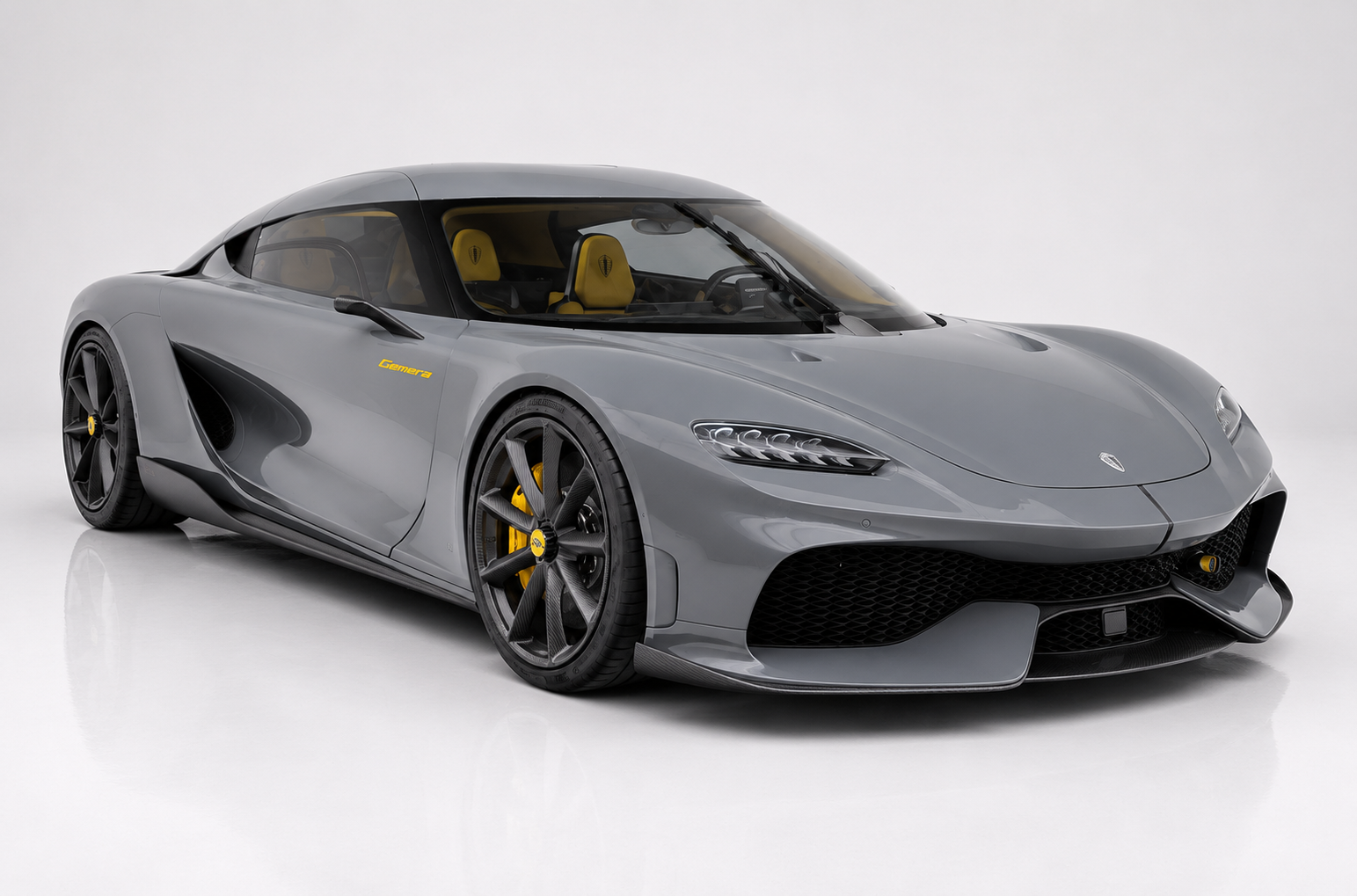
Koenigsegg Gemera
Four seats, two huge doors, eight cup holders — and up to 2,300 hp.
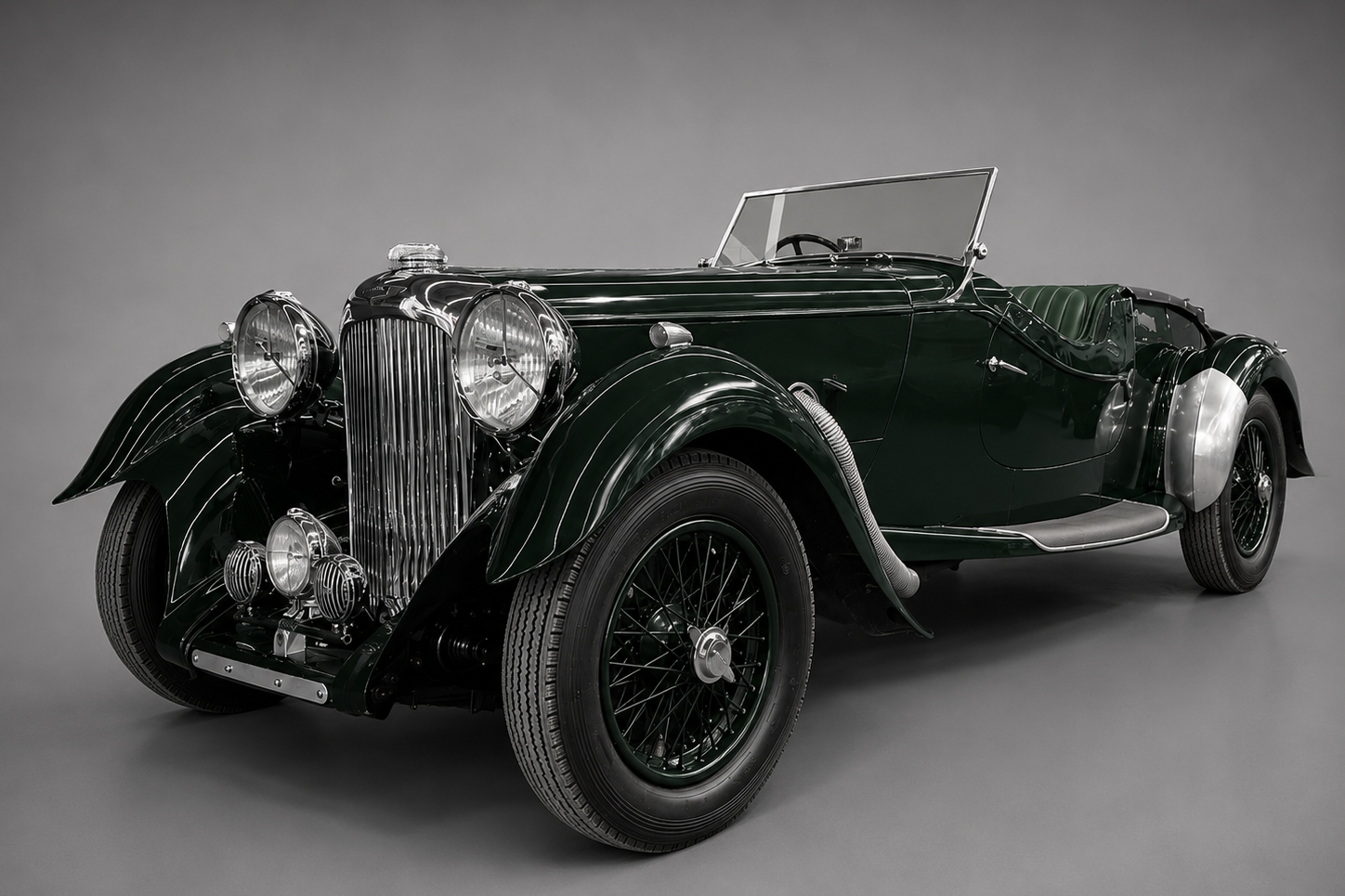
Lamborghini
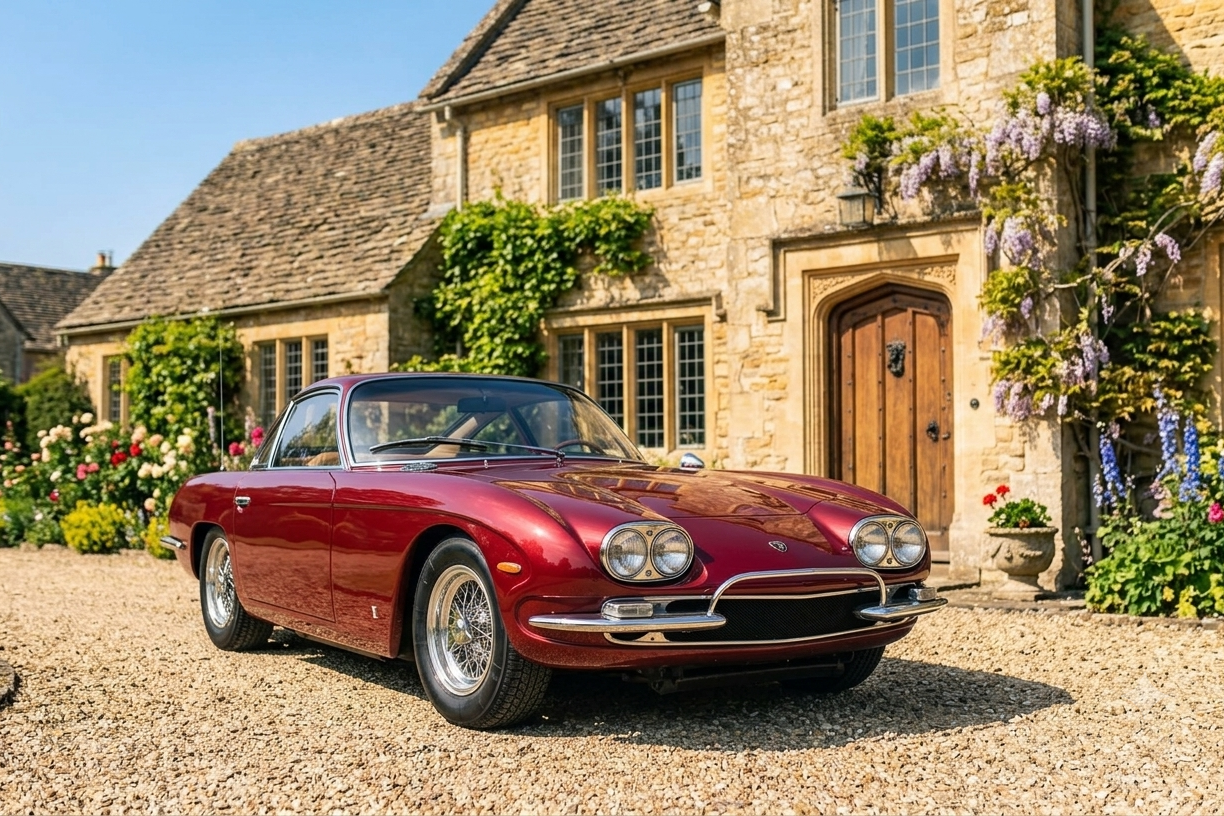
Lamborghini 400 GT
Touring-bodied, front-engined V12 Lamborghini — Sant'Agata's second production model and the founding chassis of the Islero–Jarama V12 GT line.
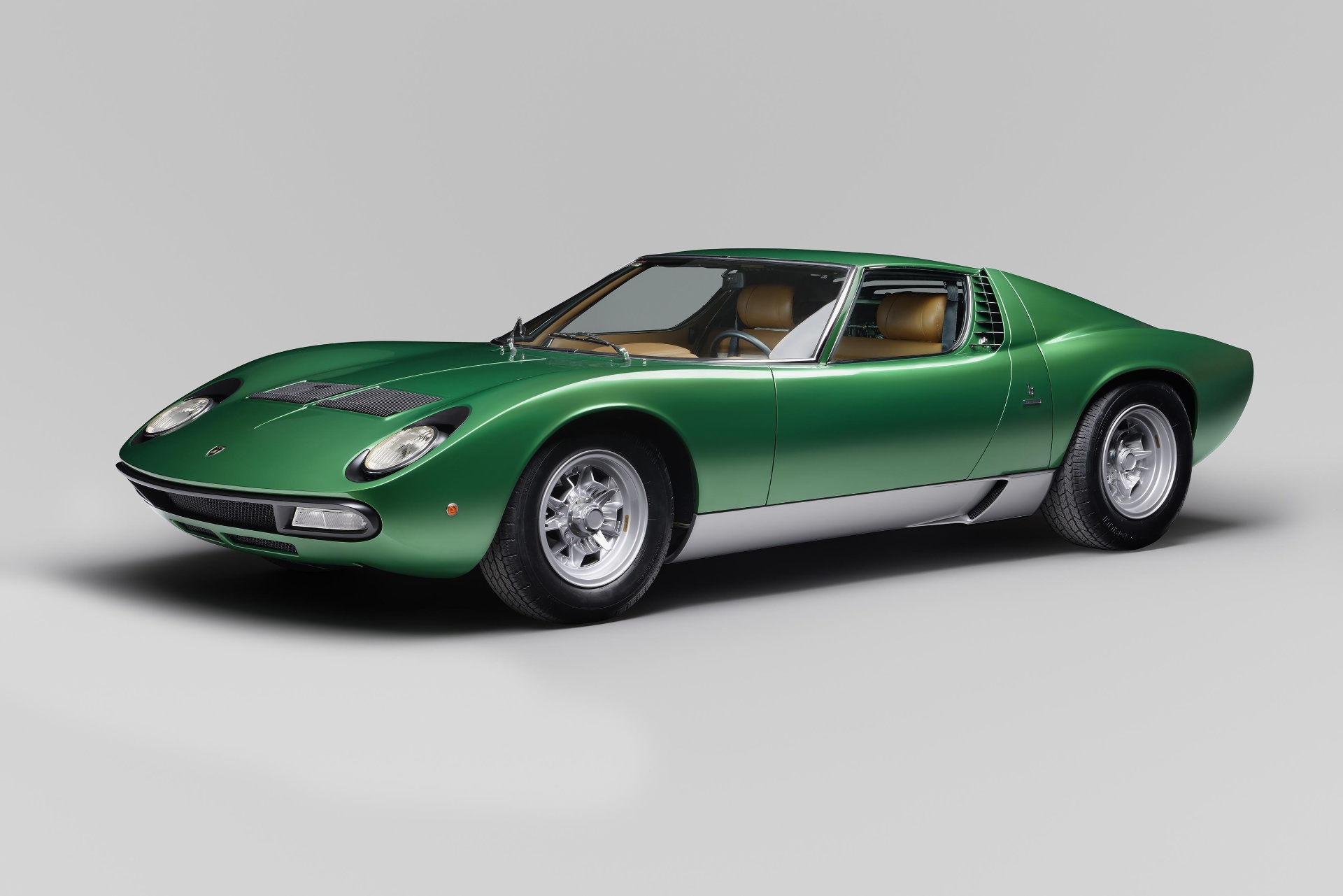
Lamborghini Miura
The mid-engined V12 Bertone Berlinetta that defined the modern supercar.
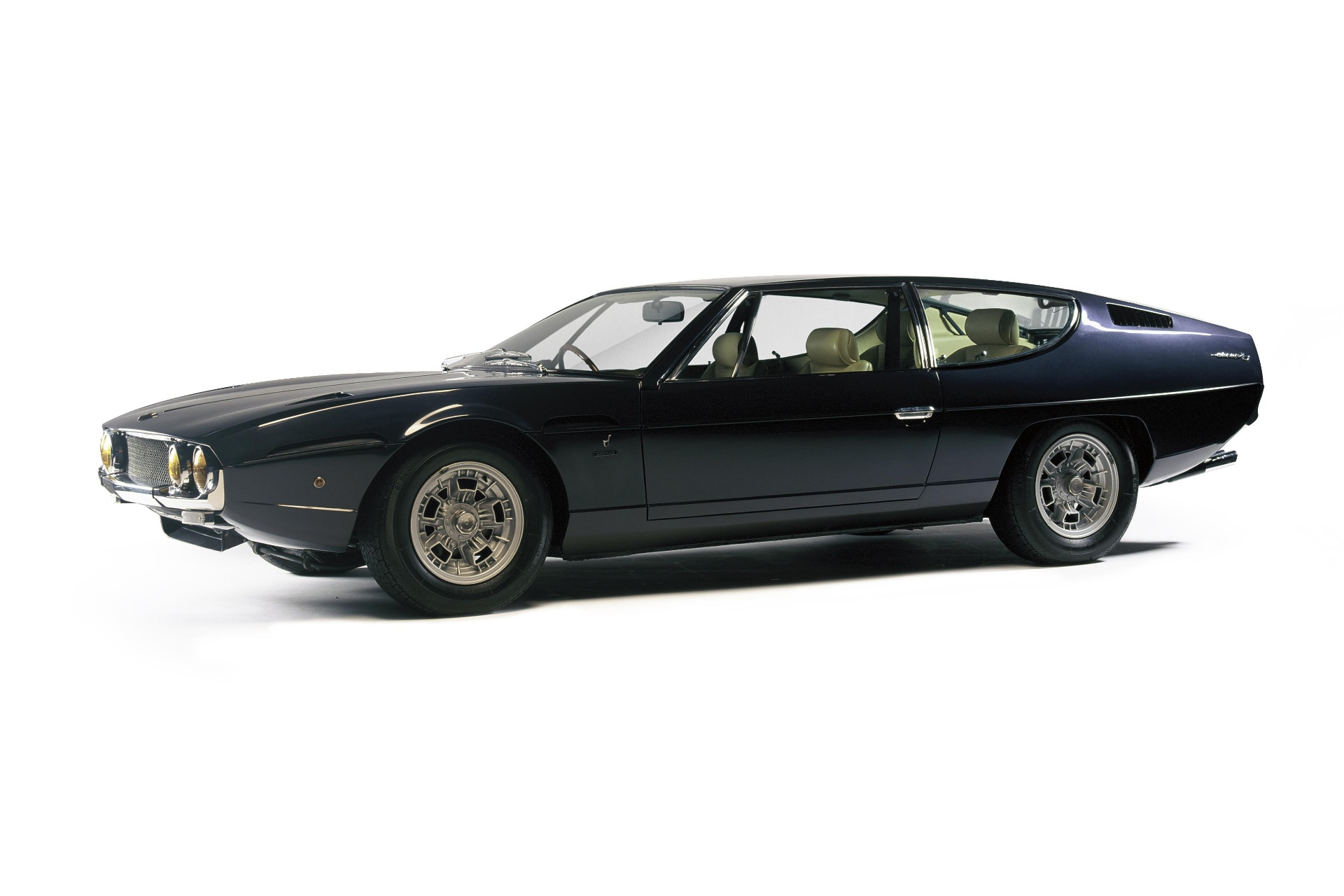
Lamborghini Espada
Lamborghini's four-seat V12 grand tourer — Marcello Gandini's low, wide and unmistakable answer to the GT 2+2.
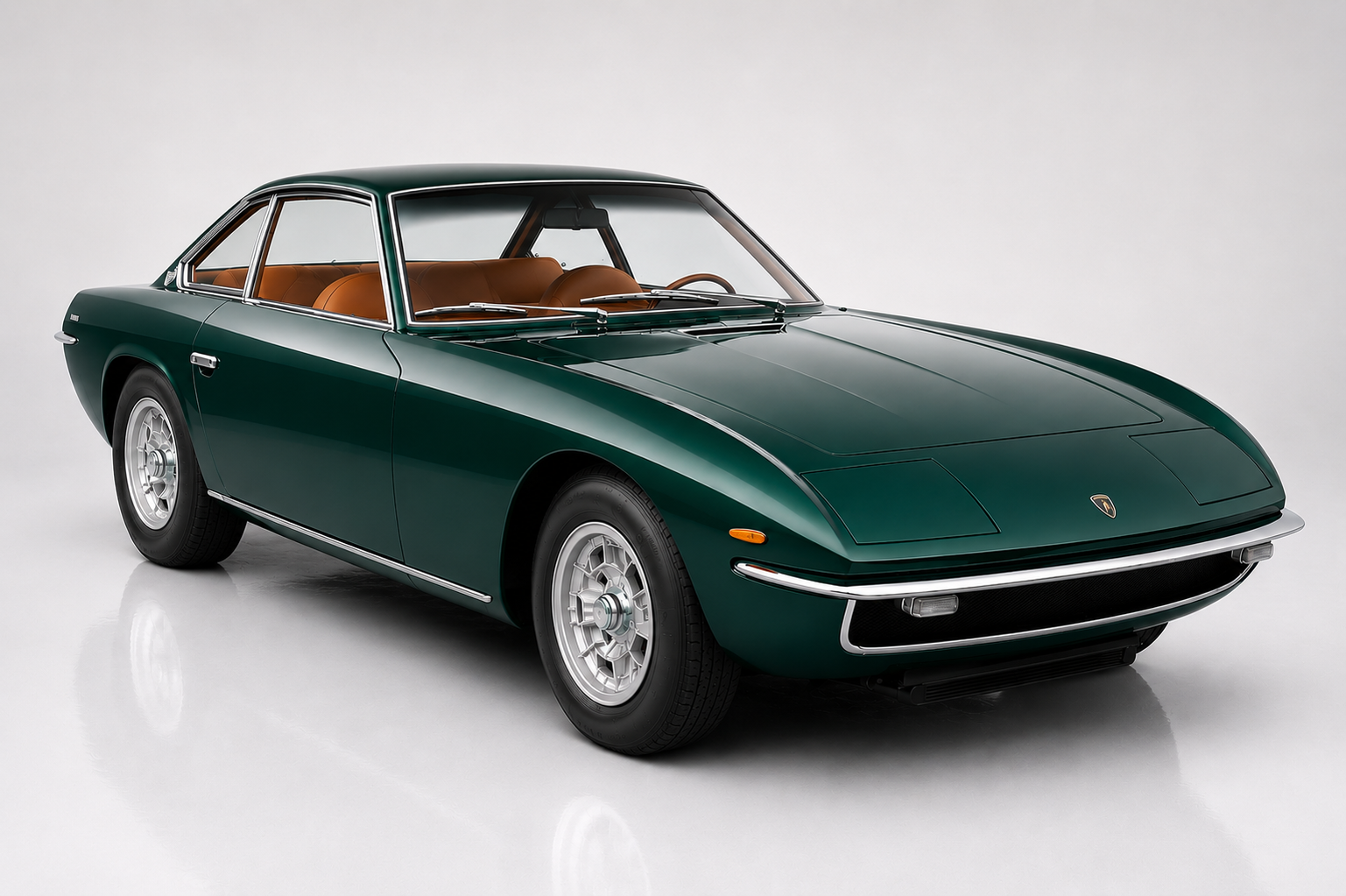
Lamborghini Islero
The conservative 400 GT replacement — Marazzi's clean-lined coupe and Ferruccio's own daily driver.
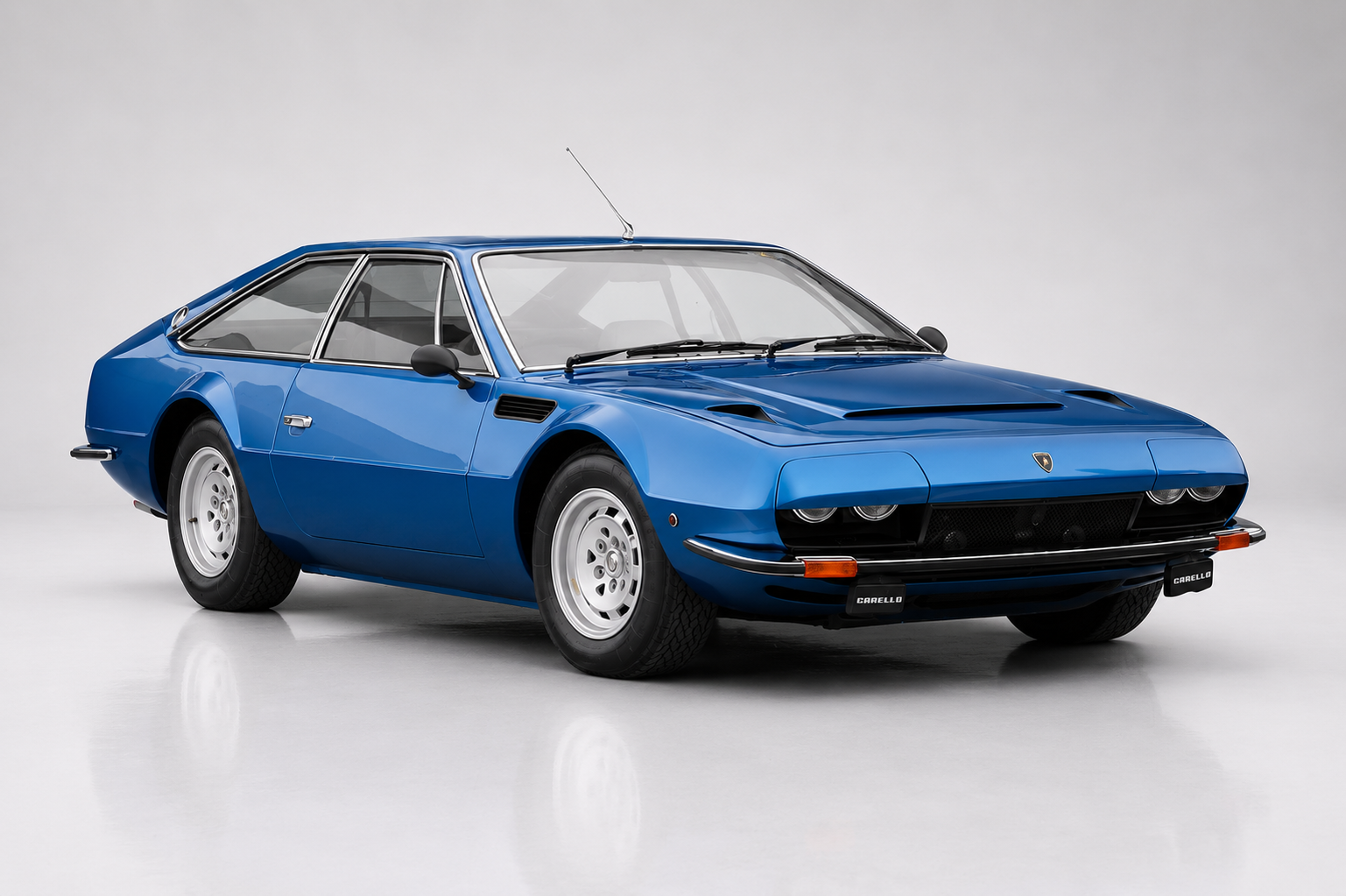
Lamborghini Jarama
Gandini's angular Islero replacement on a shortened Espada platform — the last front-engined V12 Lamborghini road car.
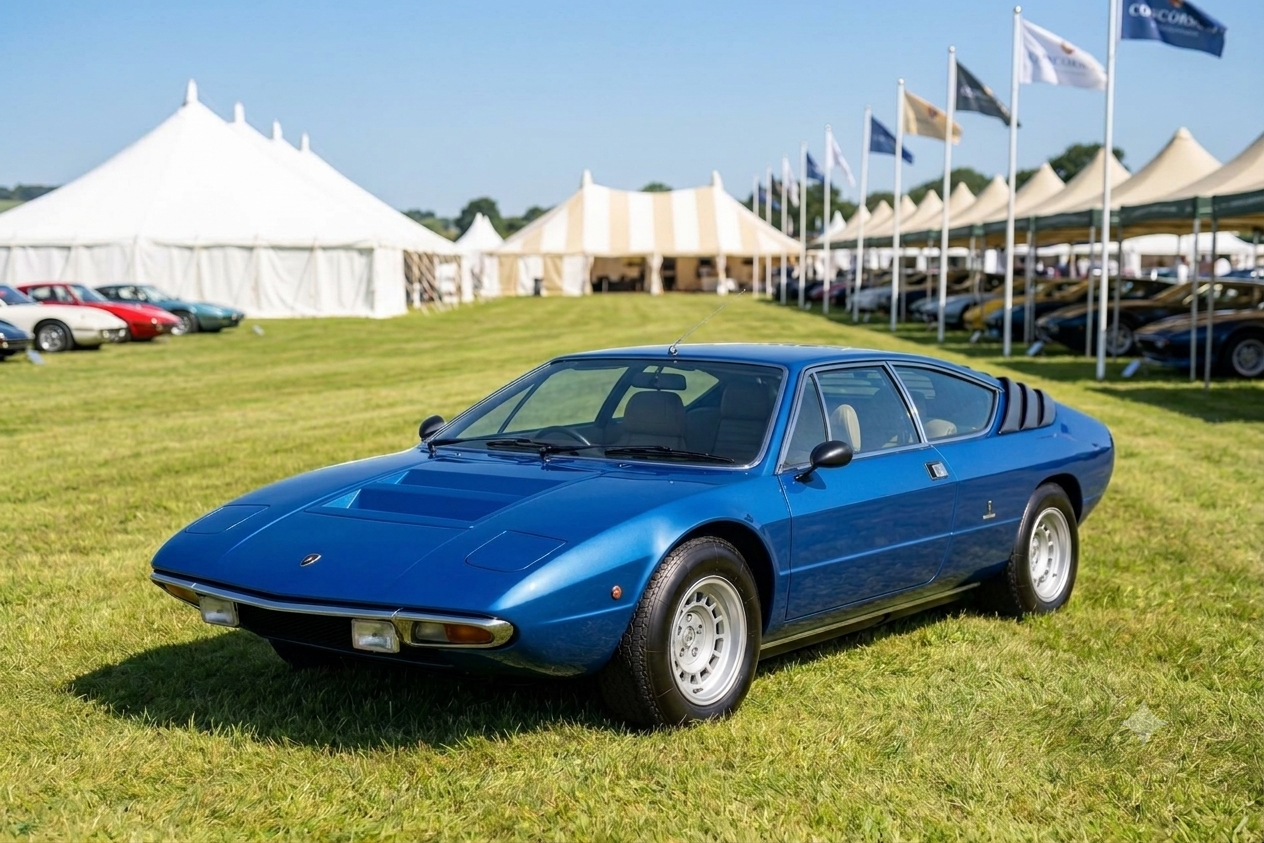
Lamborghini Urraco
Gandini's mid-engined V8 Lamborghini 2+2 — the Sant'Agata answer to the Dino, and the founding chassis of the Silhouette / Jalpa V8 line.
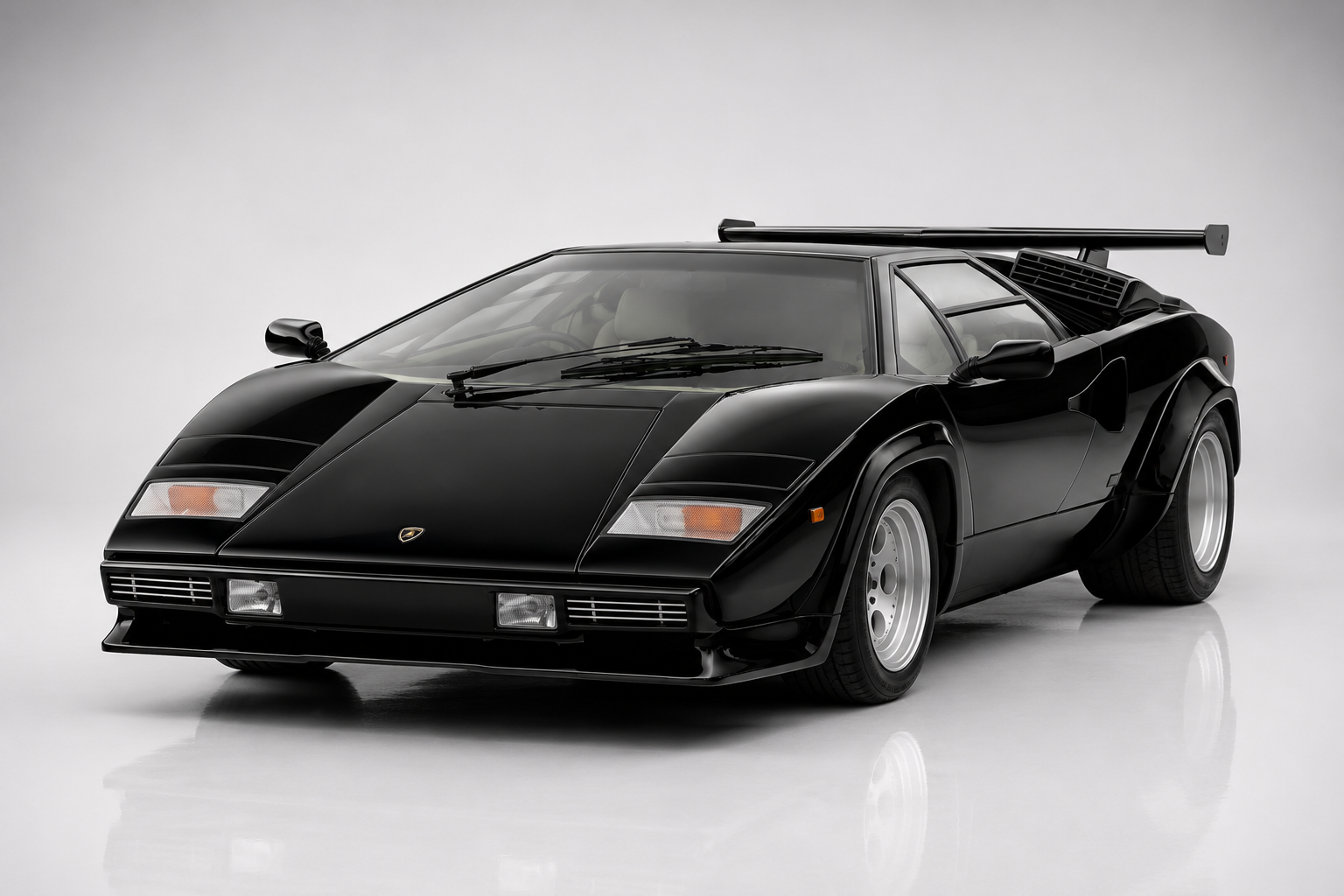
Lamborghini Countach
The wedge-shaped Lamborghini icon that defined the supercar as theatre.
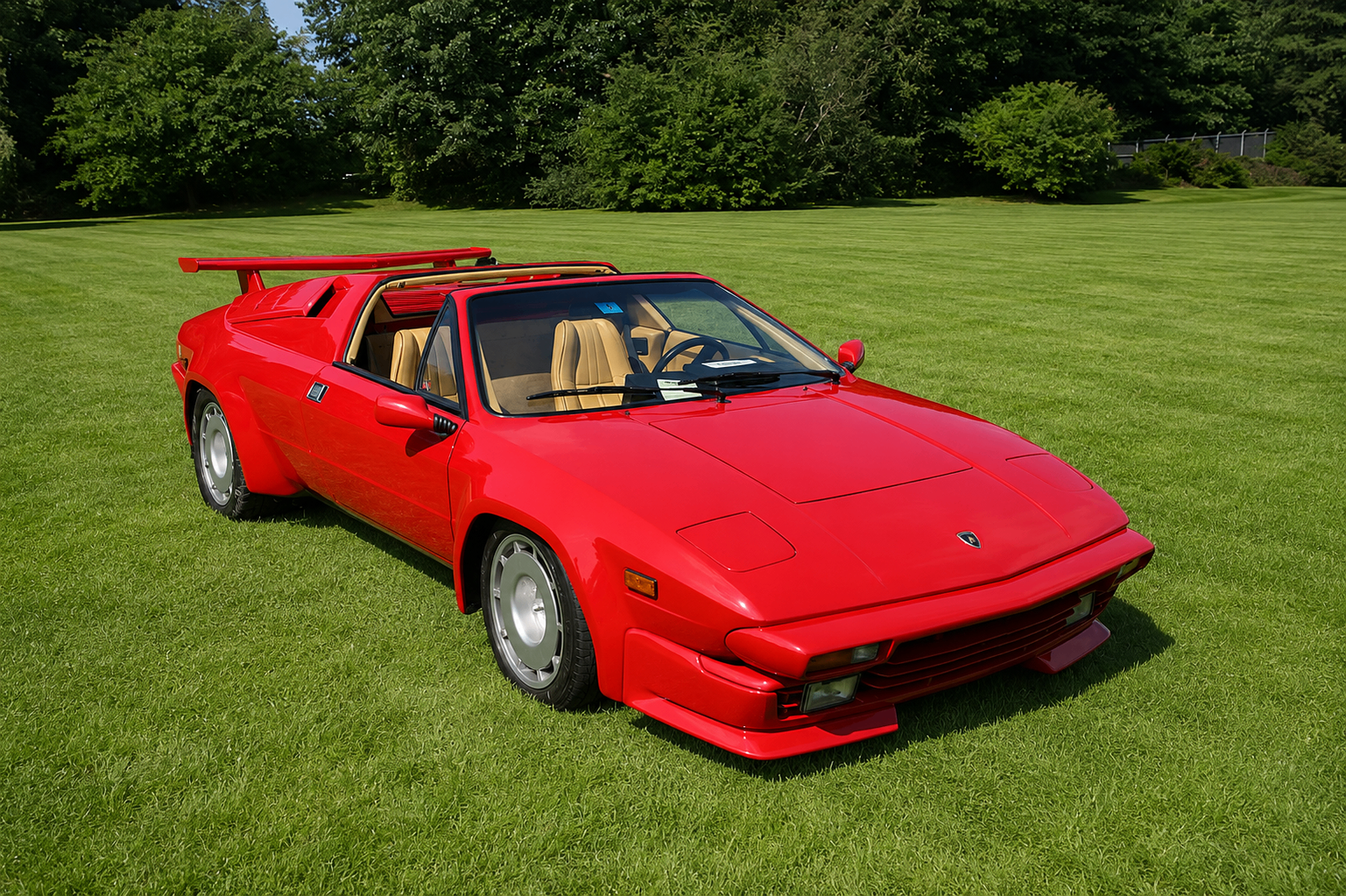
Lamborghini Jalpa
Sant'Agata's transverse-V8 targa — the Silhouette's US-legal successor and the last of the small Lamborghinis before the Chrysler era.
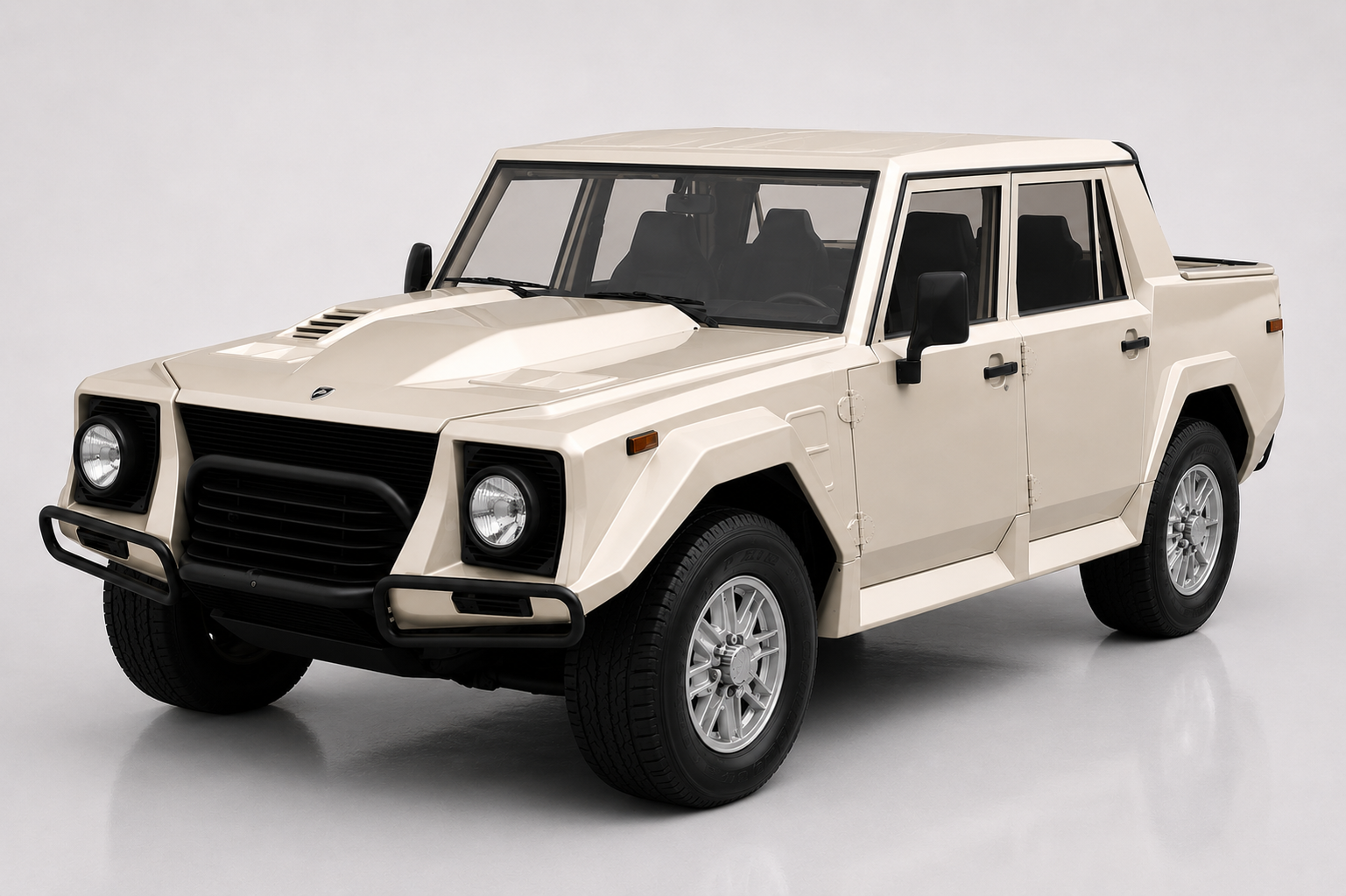
Lamborghini LM002
The 'Rambo Lambo' — a Countach-engined luxury off-roader with genuine desert capability, years before the luxury-SUV era.
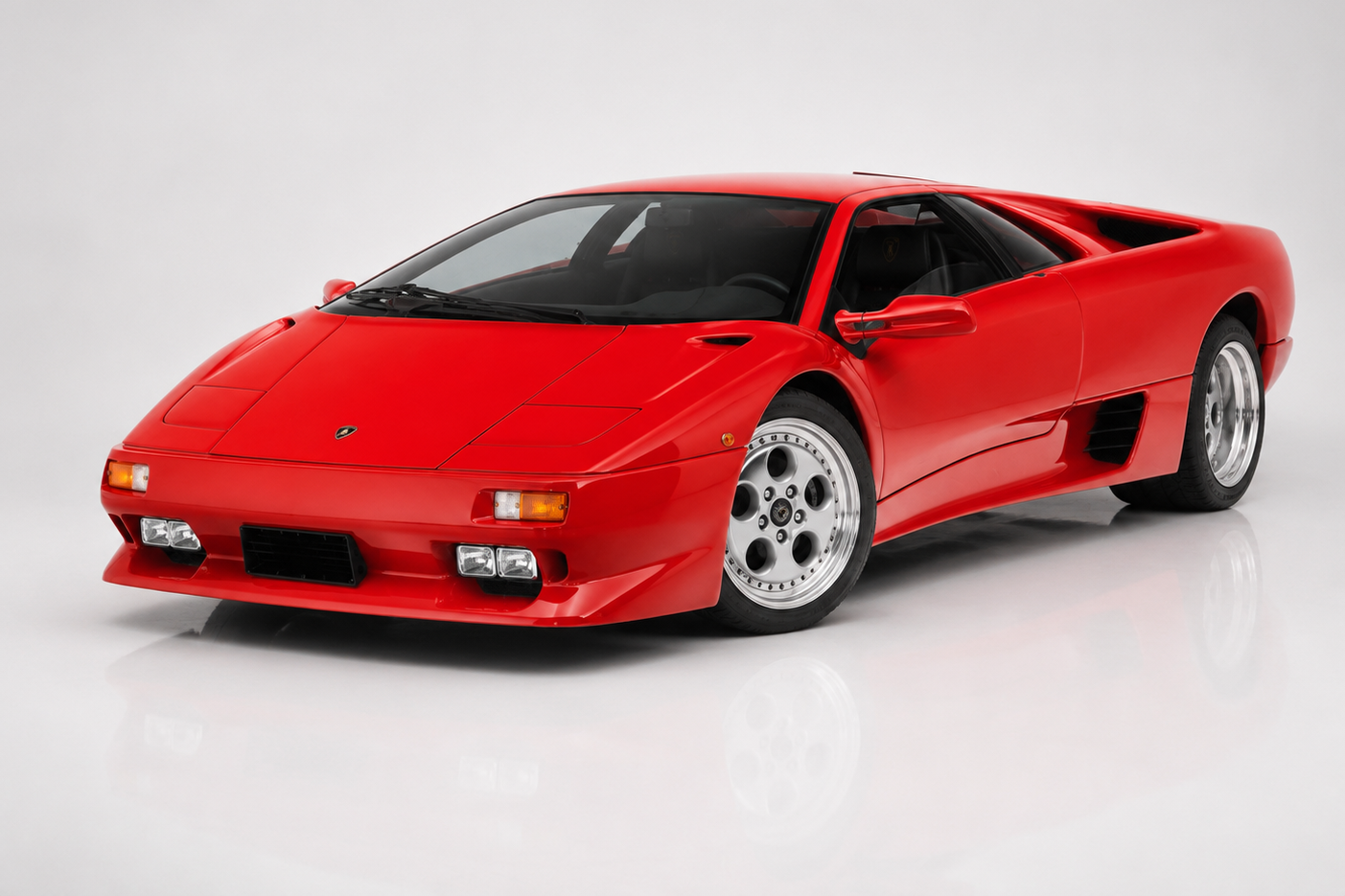
Lamborghini Diablo
The last fully analogue Lamborghini flagship — a 200 mph V12 supercar built before electronics softened the breed.
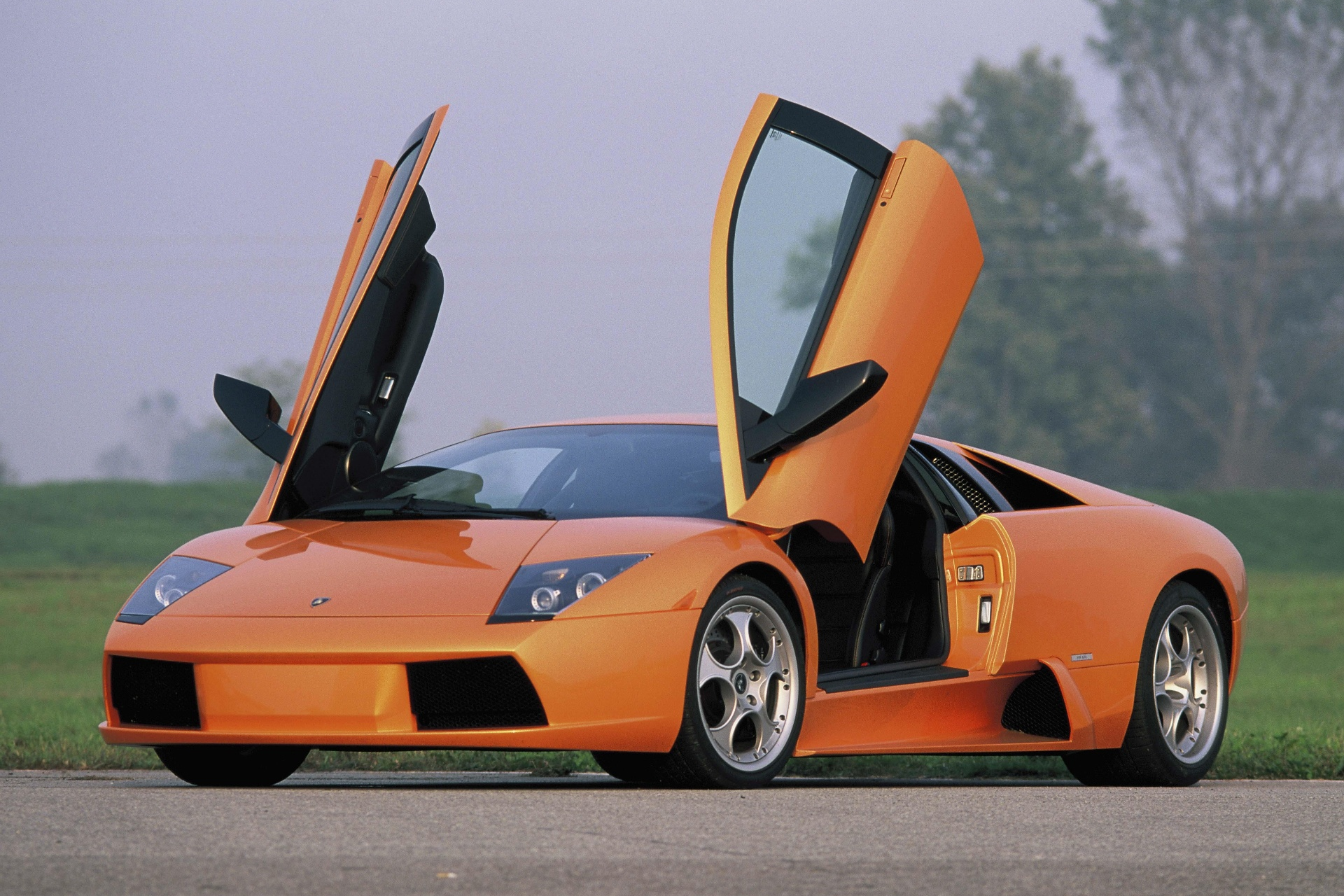
Lamborghini Murciélago
The Audi-era V12 flagship that bridged Diablo analogue charm with modern hypercar reliability — and ended with the magnificent LP670-4 SV.
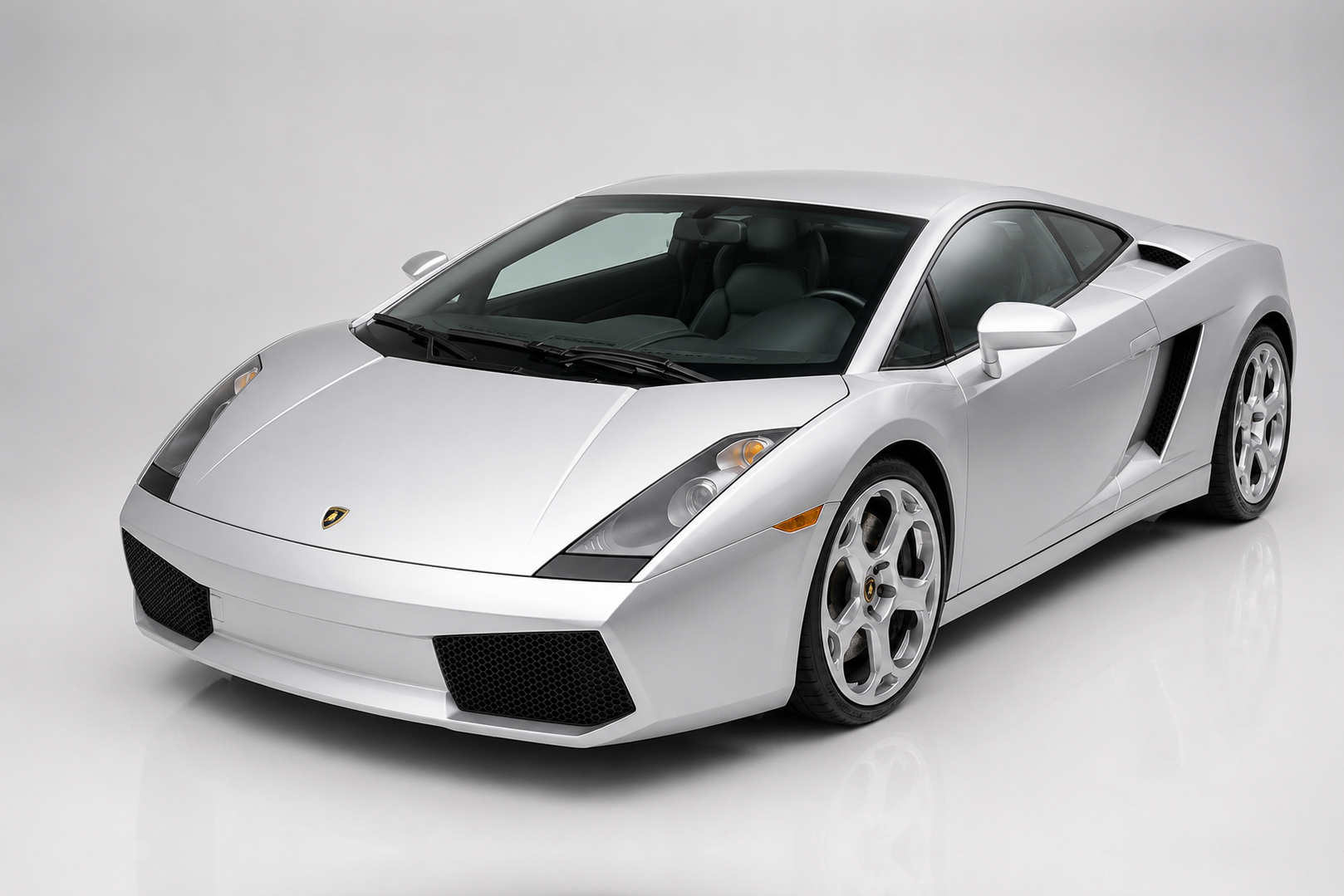
Lamborghini Gallardo
The usable V10 Lamborghini that brought Sant'Agata into the modern era.
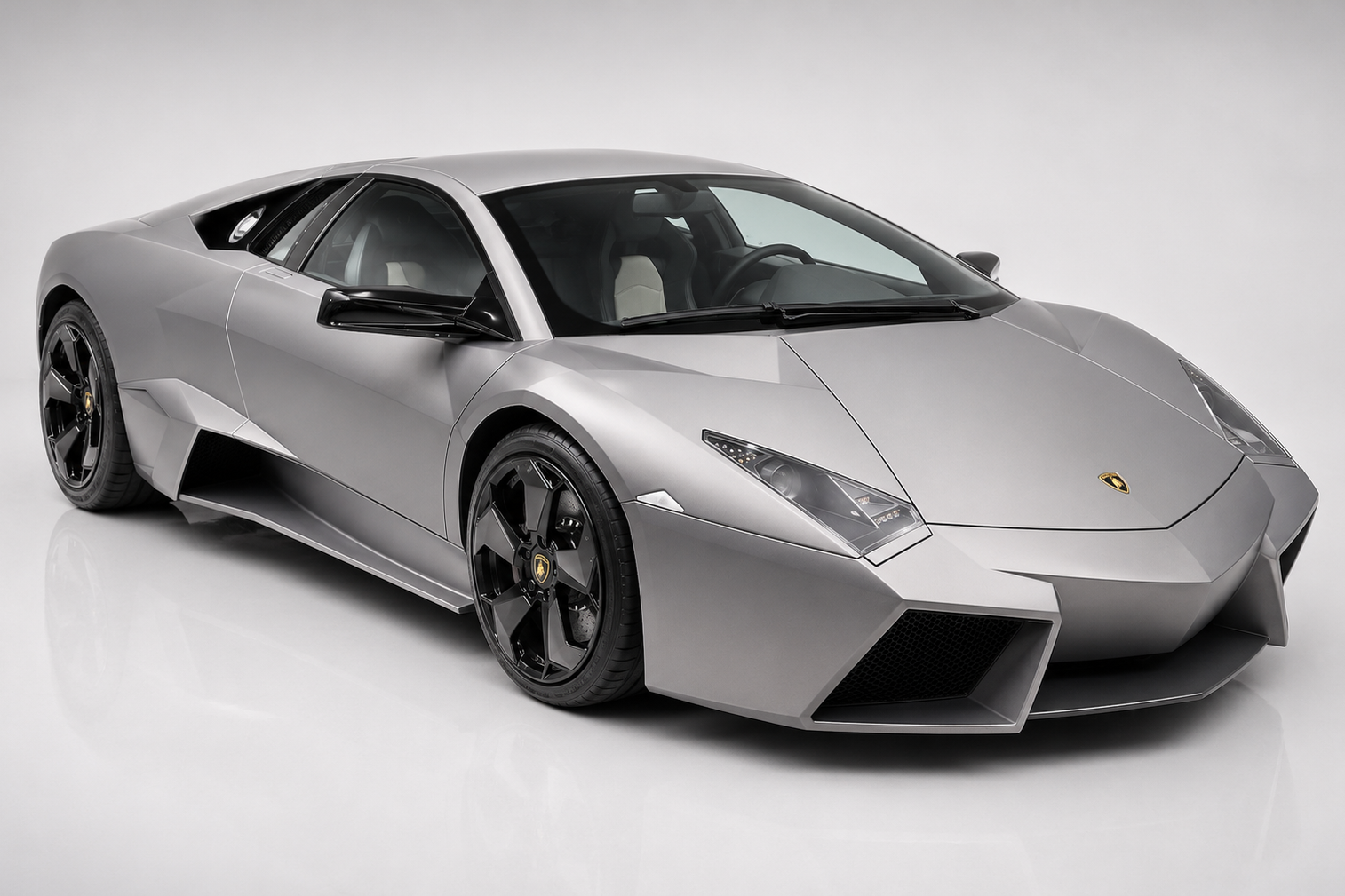
Lamborghini Reventón
Lamborghini's first modern limited-edition halo car — a 20-unit Murciélago-based design statement.
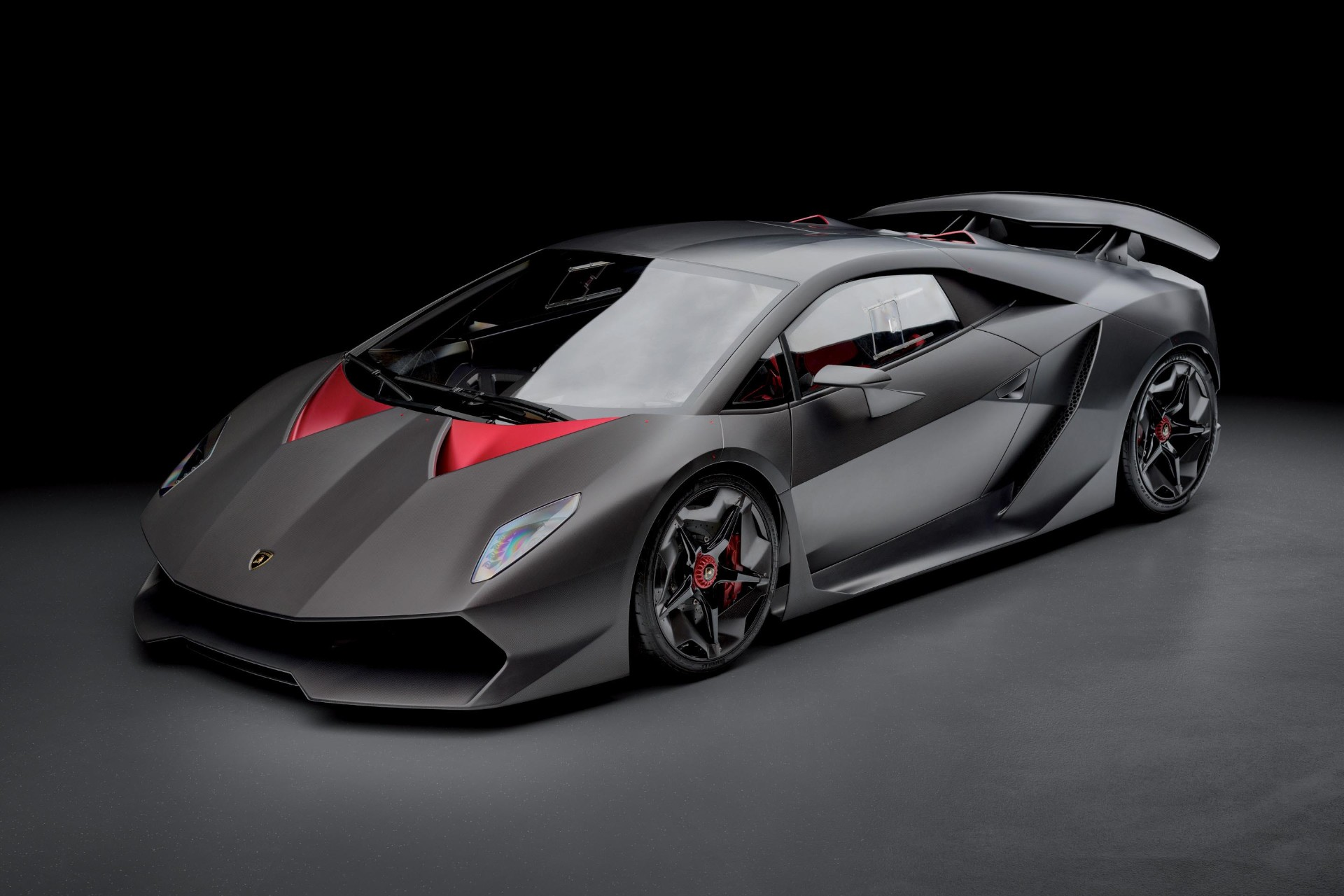
Lamborghini Sesto Elemento
Track-only carbon-fibre Lamborghini — Gallardo V10, 999 kg dry, 20 cars.
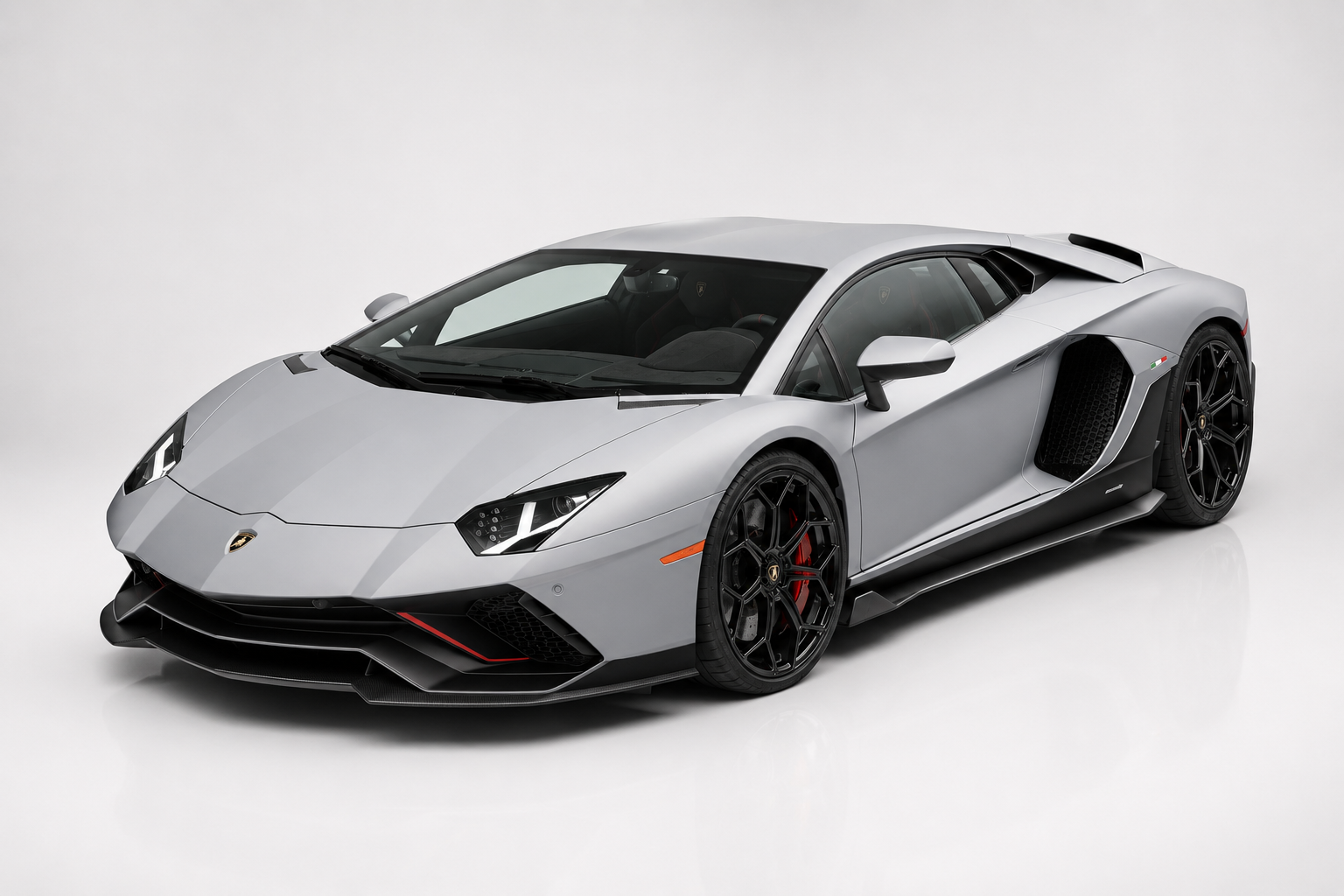
Lamborghini Aventador
The last naturally aspirated V12 Lamborghini flagship — carbon monocoque, single-clutch ISR gearbox, eleven-year production run.
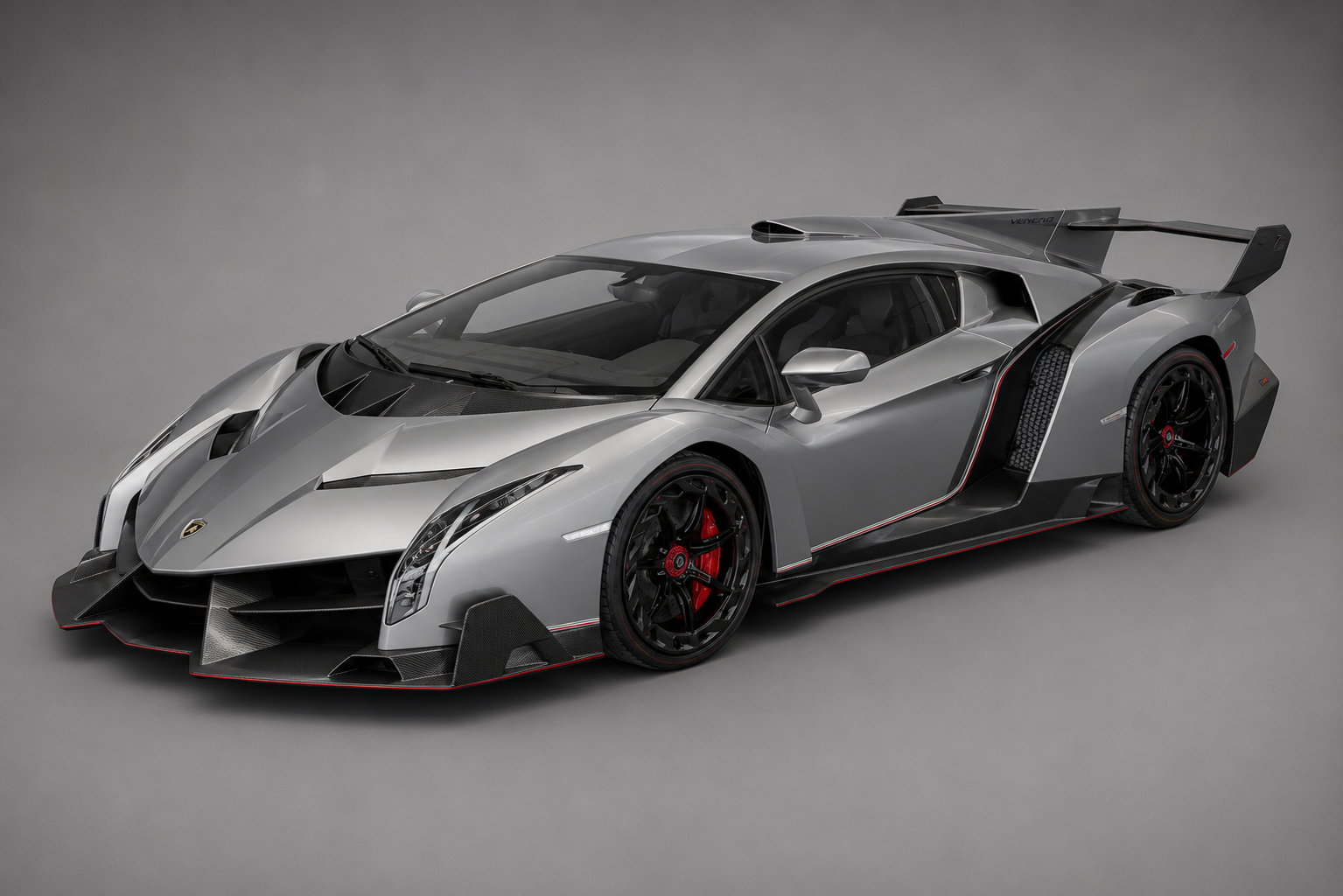
Lamborghini Veneno
Aventador-based 50th-anniversary Lamborghini — three customer coupés, nine roadsters, full carbon bodywork.
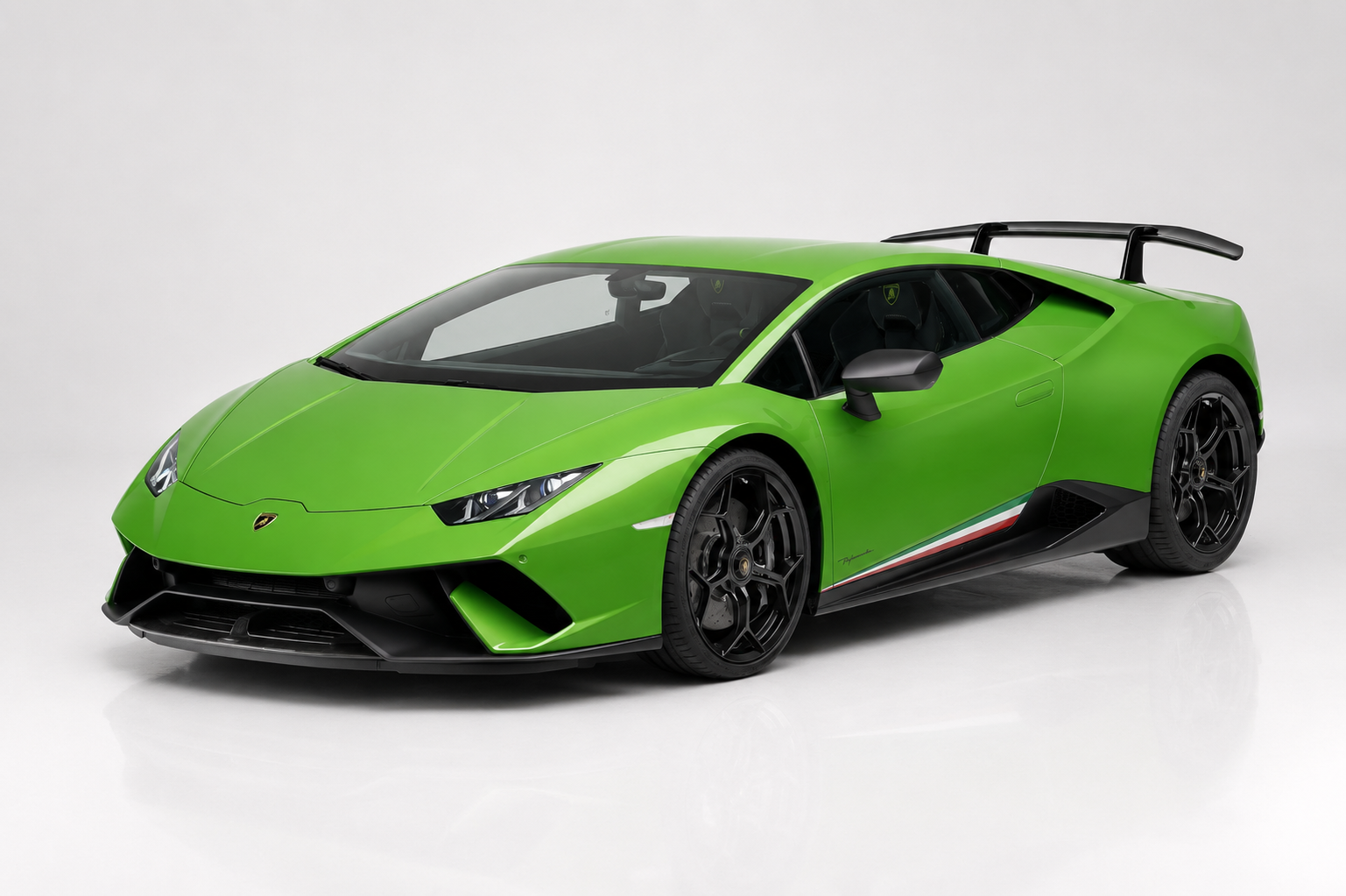
Lamborghini Huracán
The last naturally aspirated V10 mid-engined Lamborghini — Coupe, Spyder, Performante, EVO, STO and the final Tecnica and Sterrato derivatives.
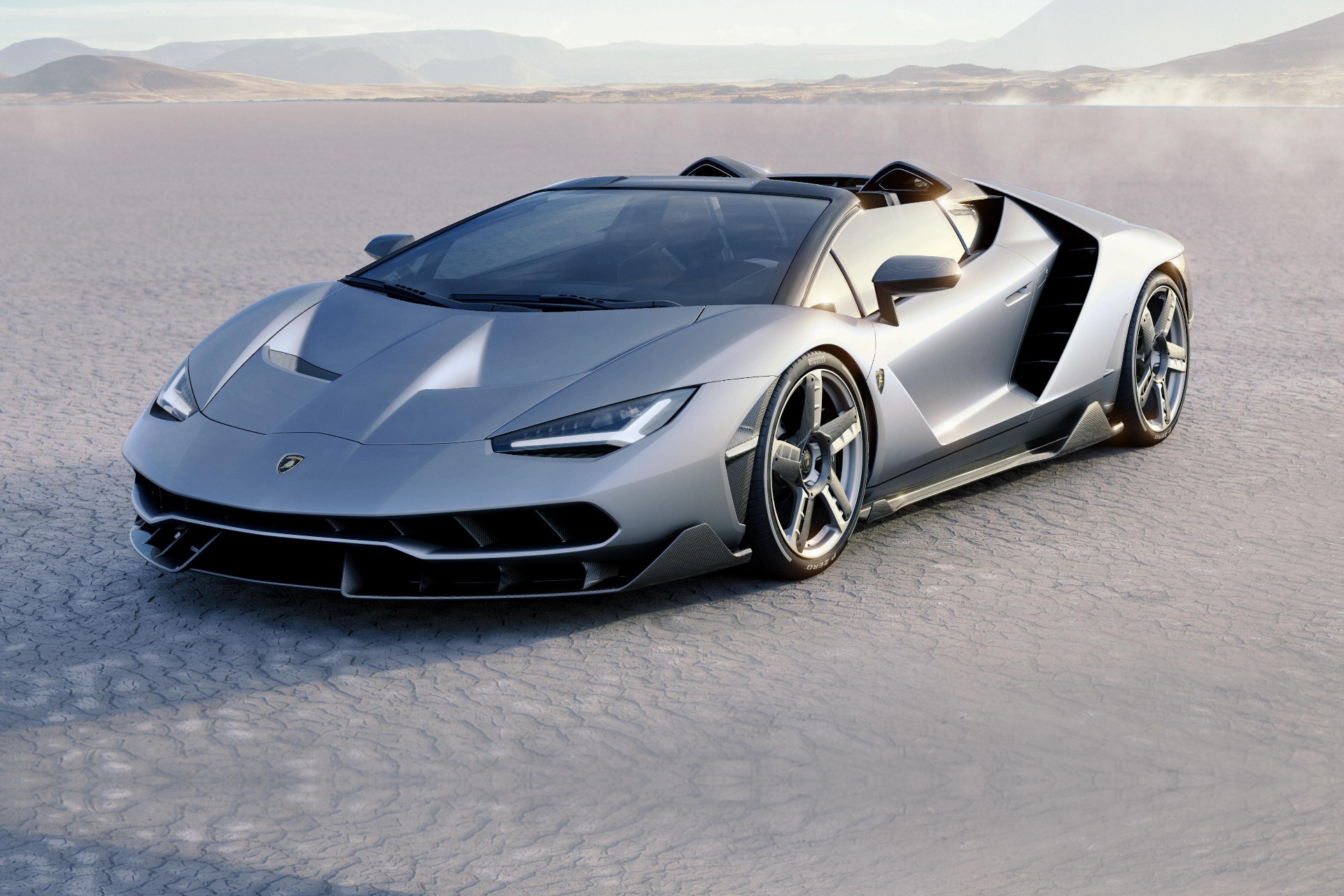
Lamborghini Centenario
Ferruccio Lamborghini centenary tribute — 20 coupes, 20 roadsters, 770 CV (759 hp) Aventador-based hypercar.
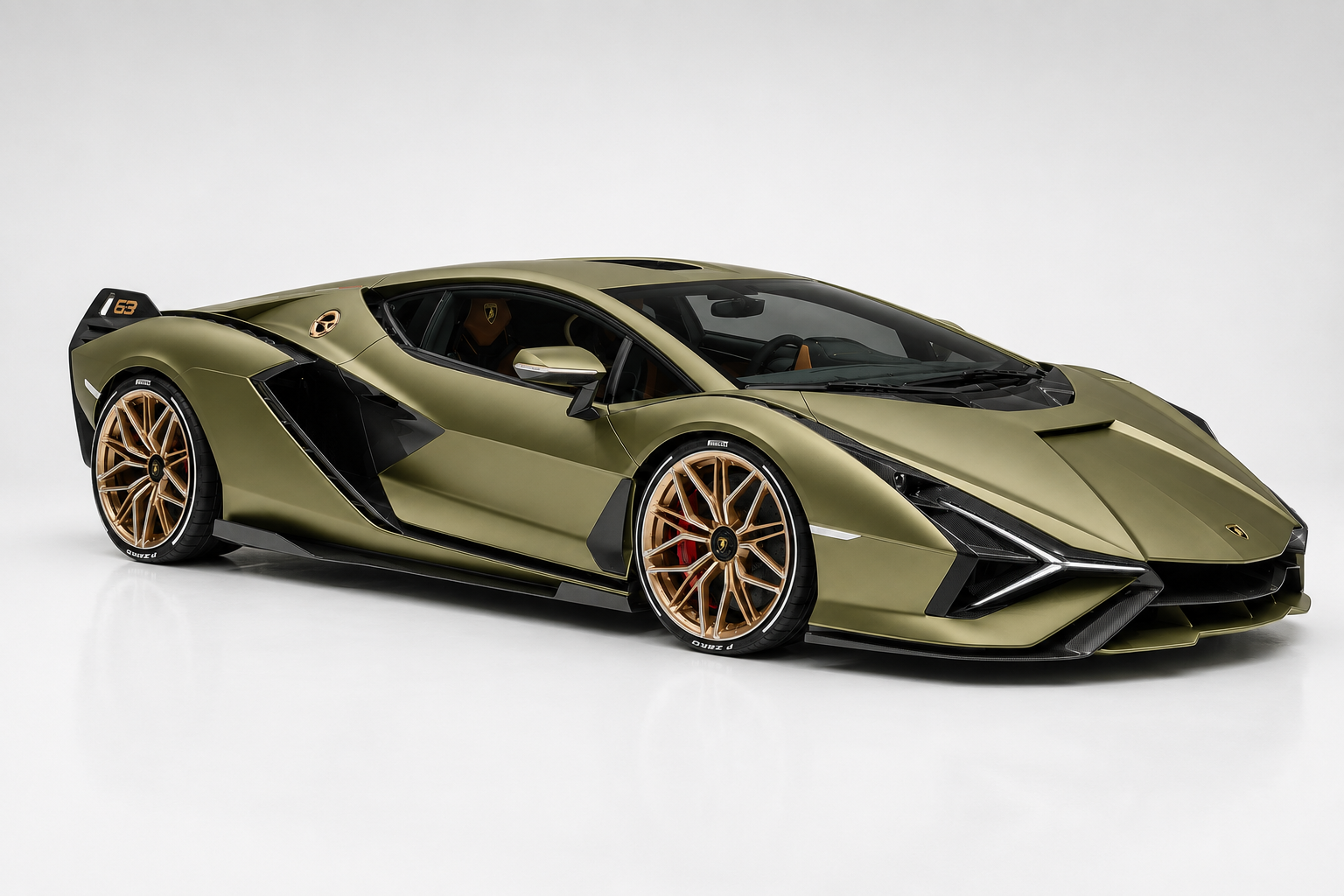
Lamborghini Sián
Lamborghini's first hybrid hypercar — a V12 supercapacitor-assisted limited edition.
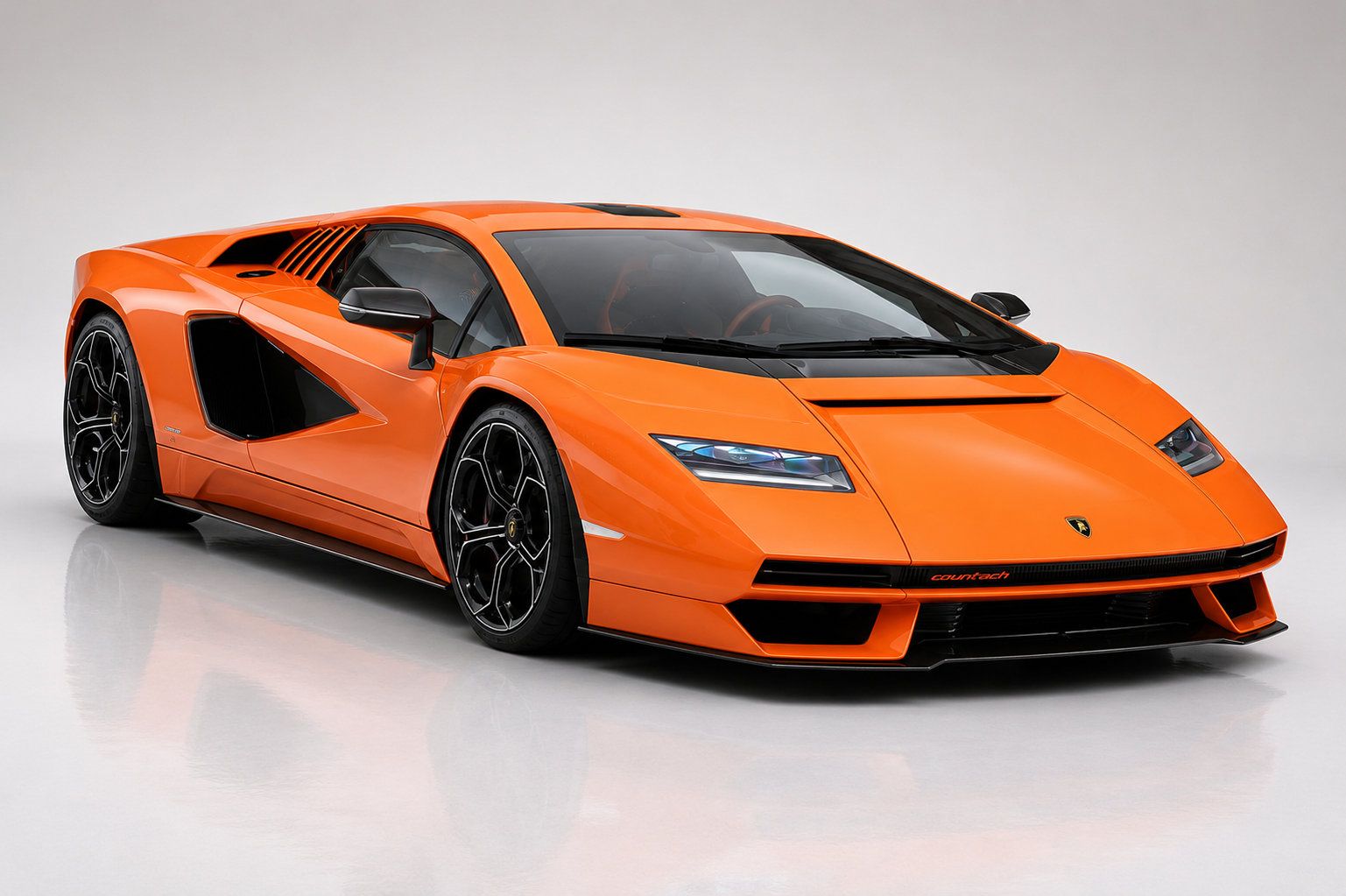
Lamborghini Countach LPI 800-4
The 112-car Sián-derived homage to the original — 814 CV / 803 hp of hybrid V12 in a modern Countach silhouette.
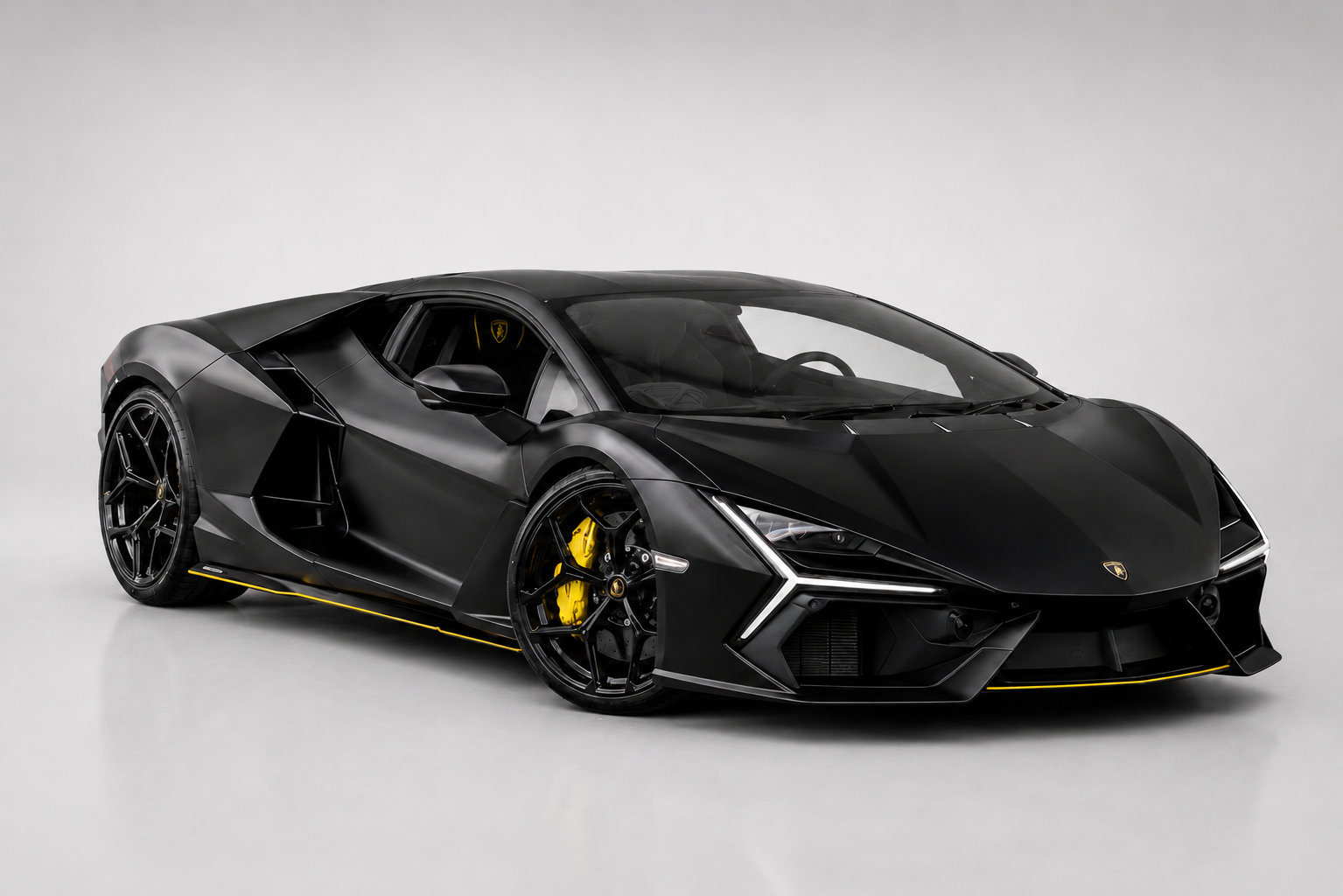
Lamborghini Revuelto
Lamborghini's plug-in hybrid V12 flagship — successor to the Aventador and Sián.
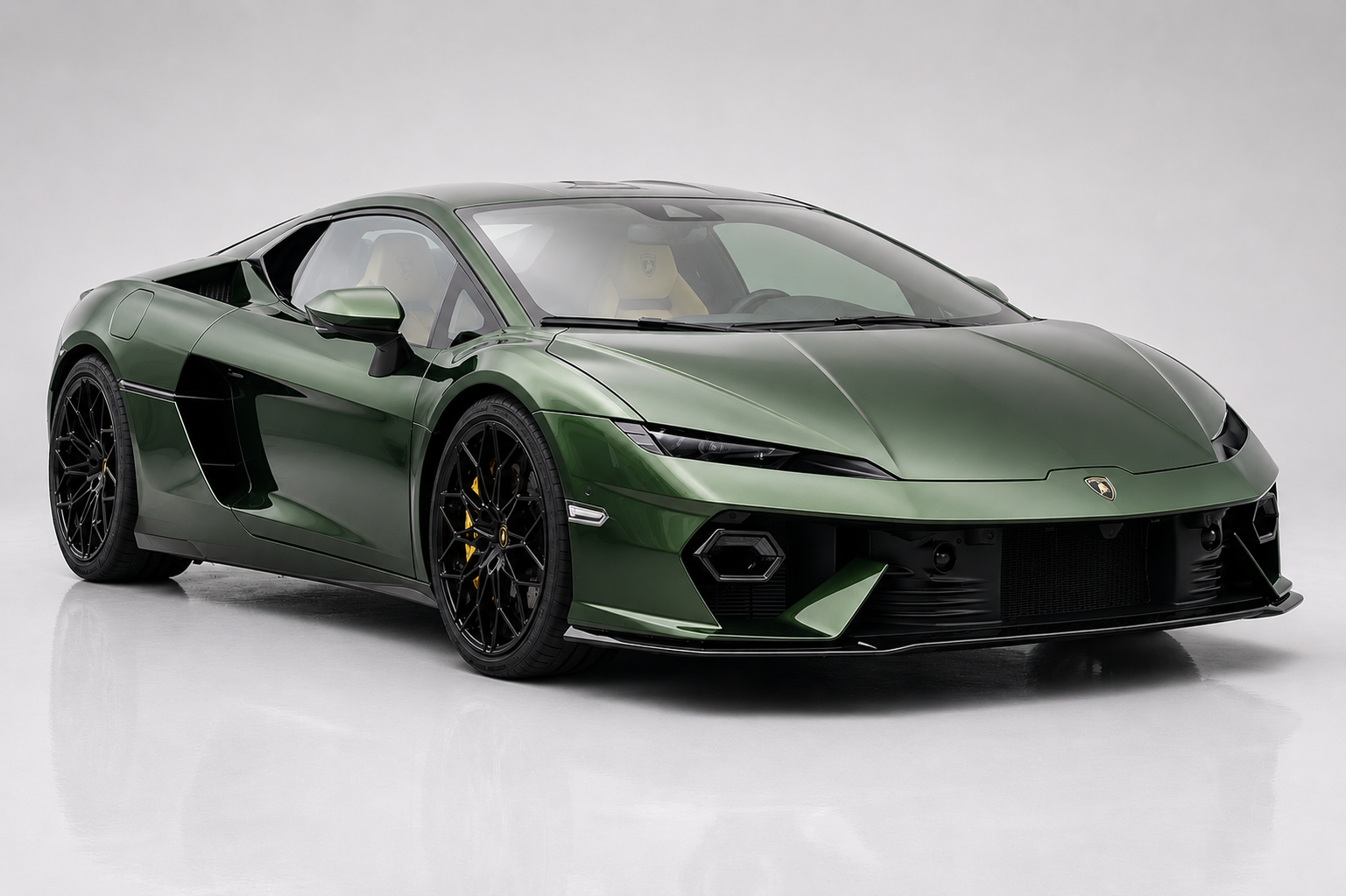
Lamborghini Temerario
Lamborghini's first twin-turbo V8 super sports car — a 10,000 rpm hot-V twin-turbo V8 with three axial-flux motors.
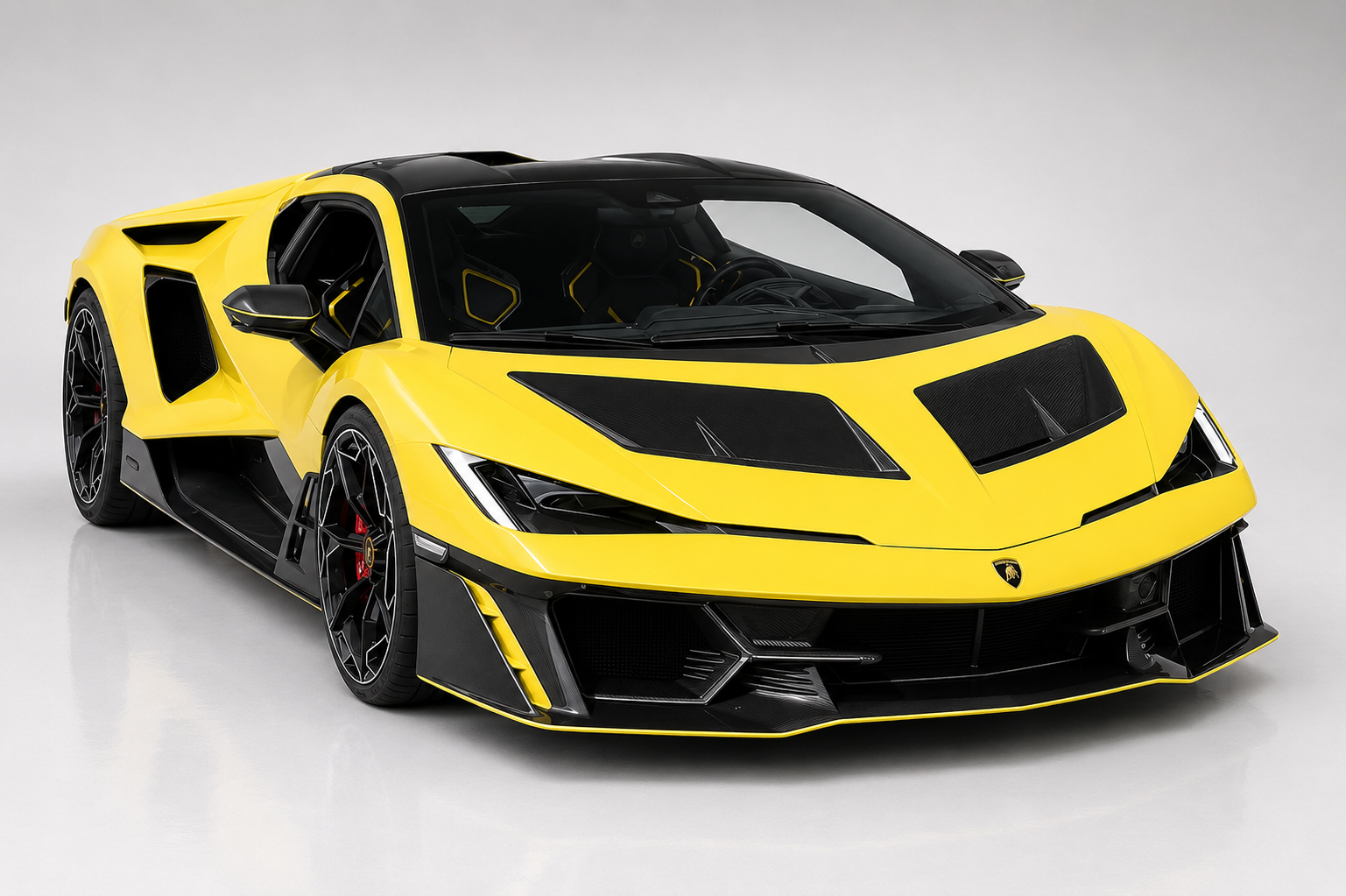
Lamborghini Fenomeno
The Revuelto-based Few-Off — 29 cars at ~€3M for Centro Stile's 20th anniversary.
Lancia
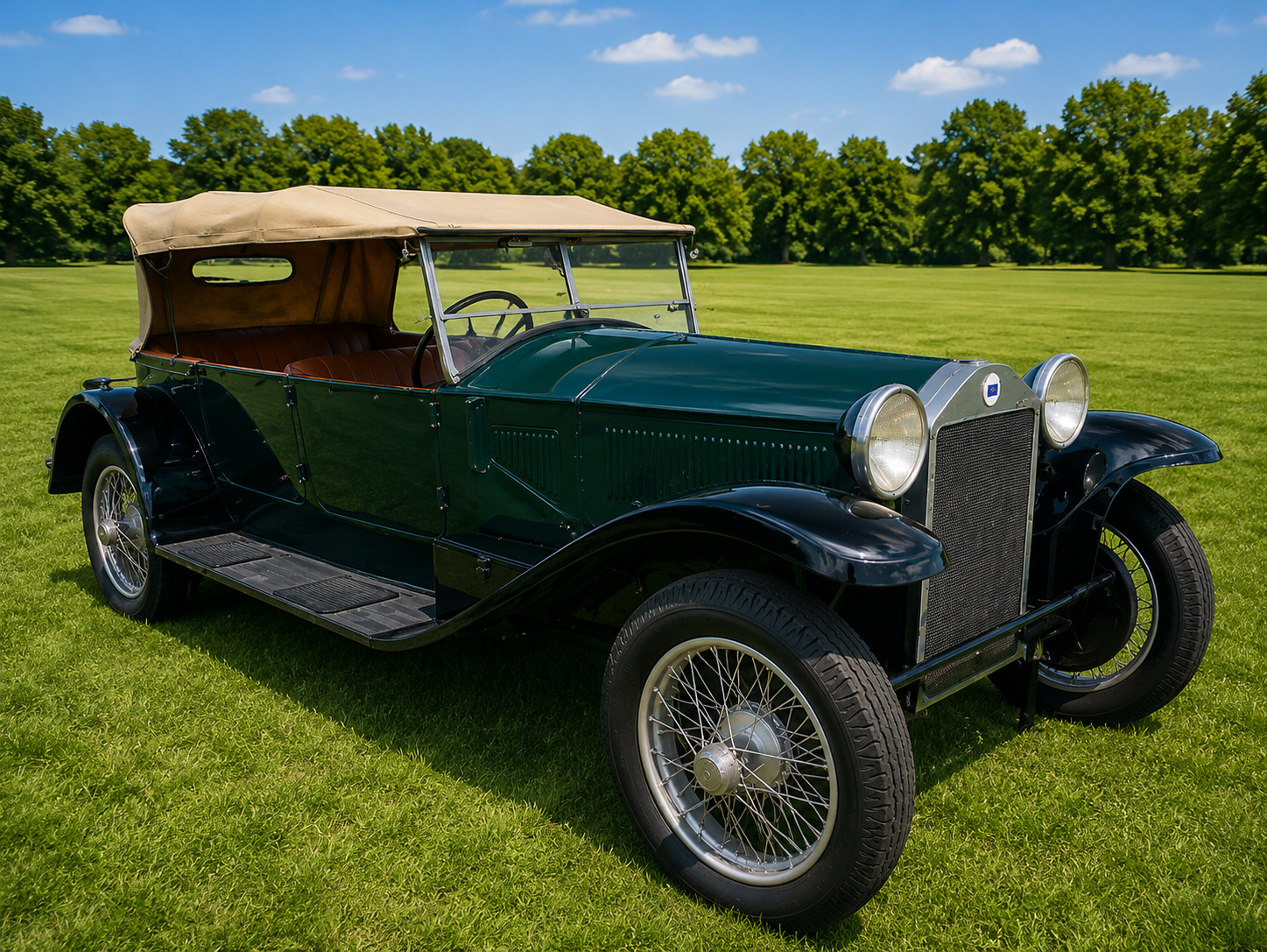
Lancia Lambda
Vincenzo Lancia's revolutionary monocoque — unitary construction, independent front suspension and a narrow-angle V4 in 1922.
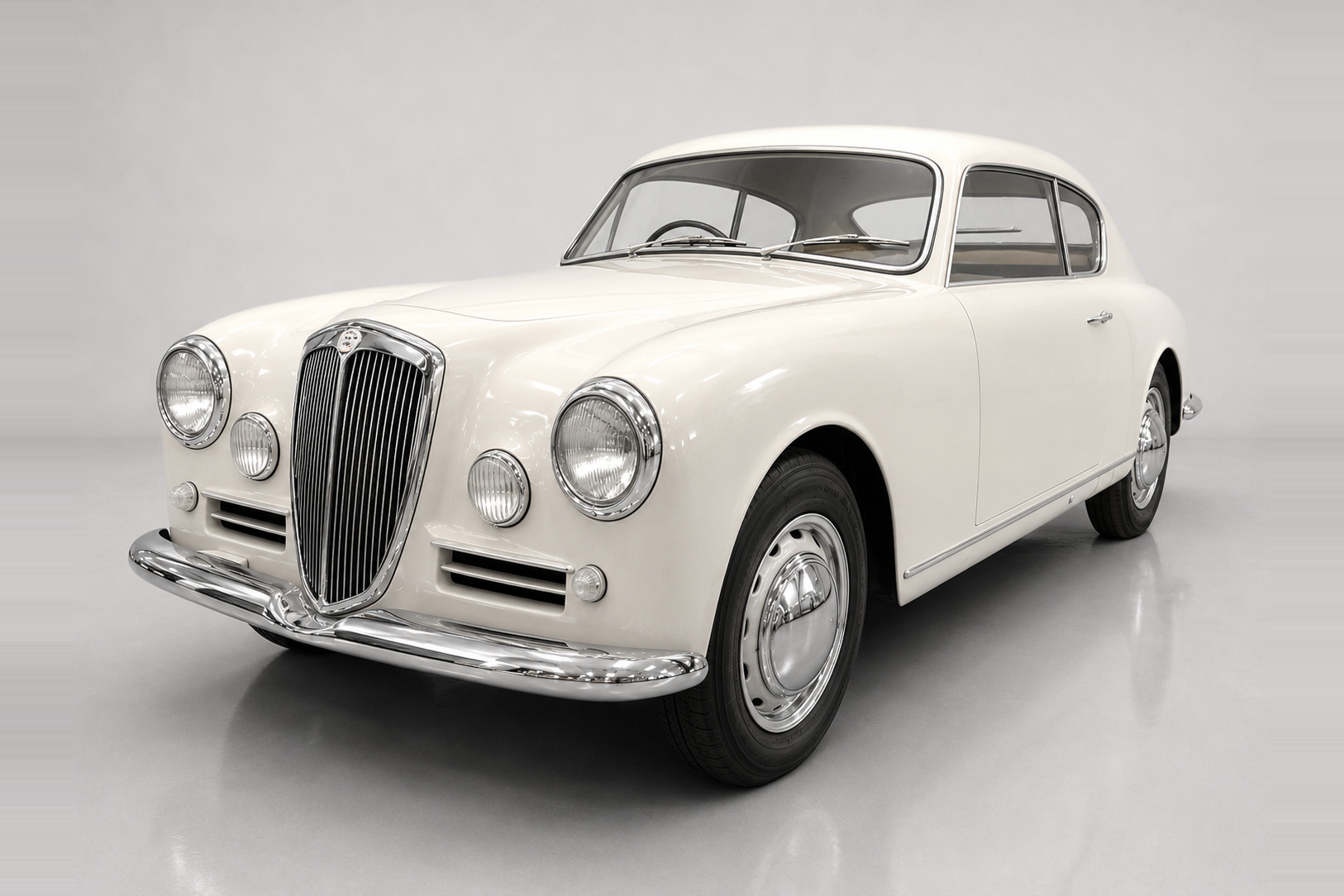
Lancia Aurelia B20 GT
Widely regarded as the first modern grand tourer — a Pininfarina-built coupé on Vittorio Jano's Aurelia.
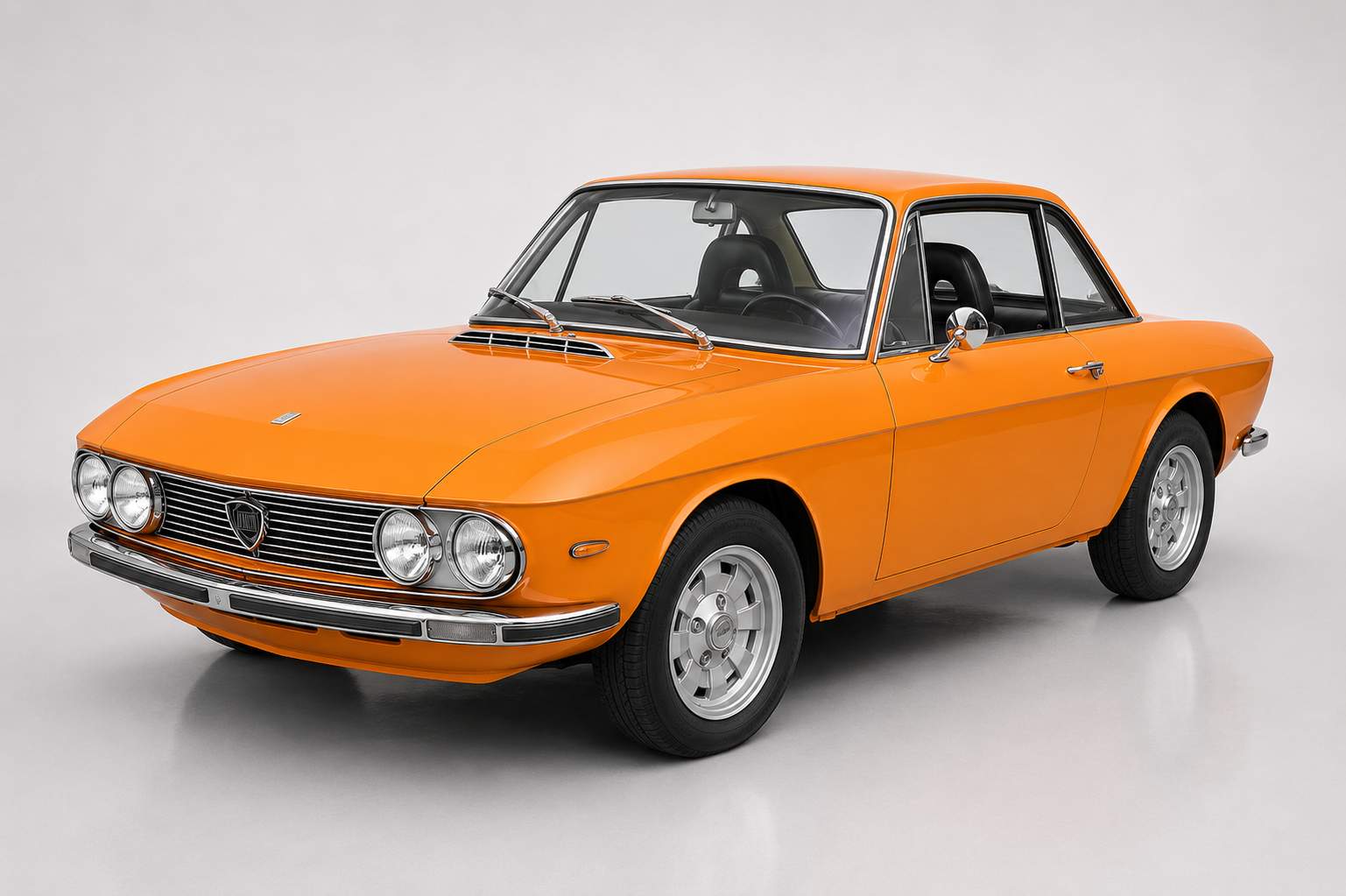
Lancia Fulvia Coupé
A jewel-like front-wheel-drive coupé on a narrow-angle V4 — and the car that took Lancia rallying.
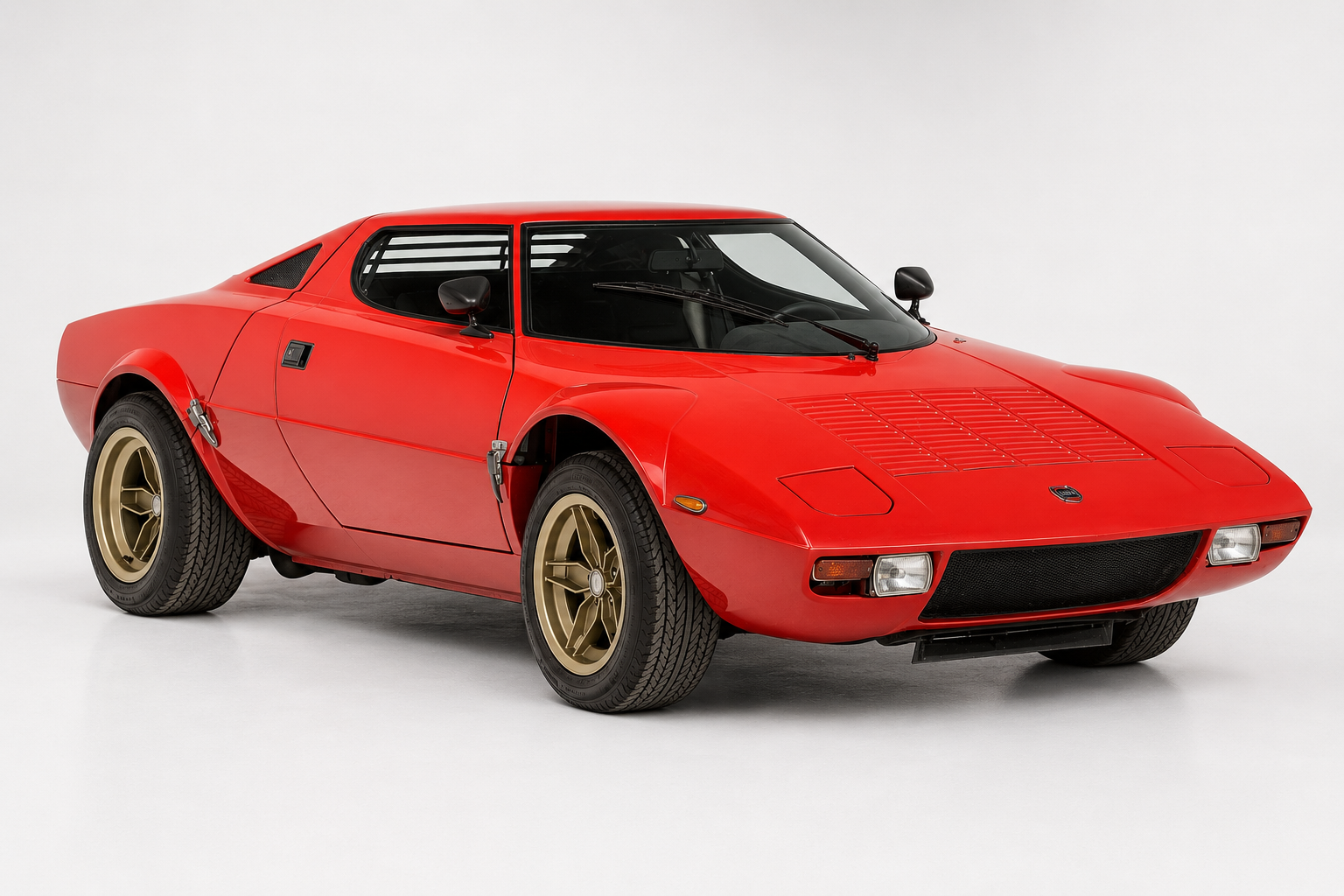
Lancia Stratos HF
Bertone's three-time WRC champion — the first car designed from a blank sheet to win the World Rally Championship.
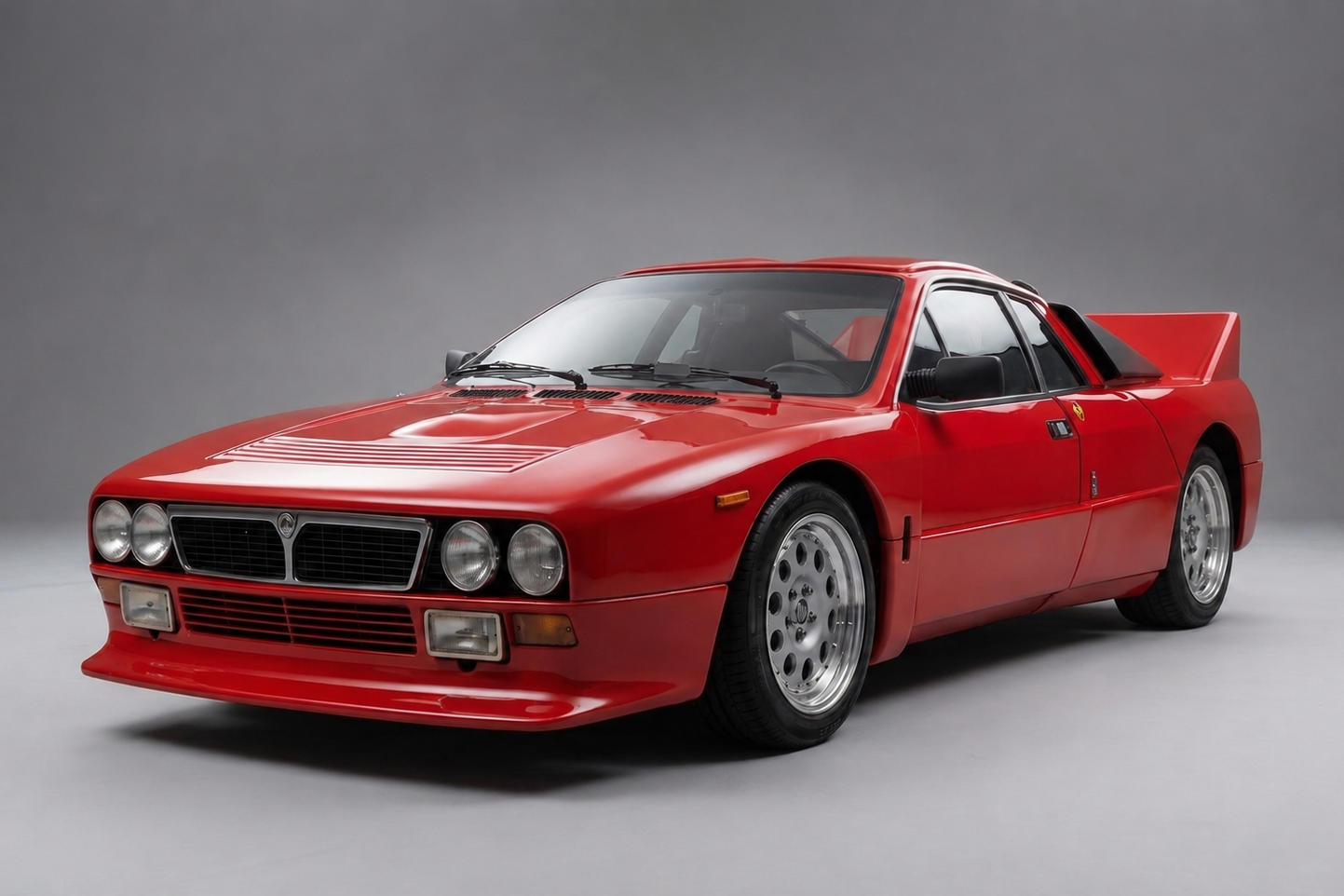
Lancia Rally 037 Stradale
Abarth-built homologation for Lancia's Group B rally programme and the last rear-wheel-drive car to win the World Rally Championship — a Pininfarina-bodied, Volumex-supercharged mid-engined coupé produced in tiny numbers.
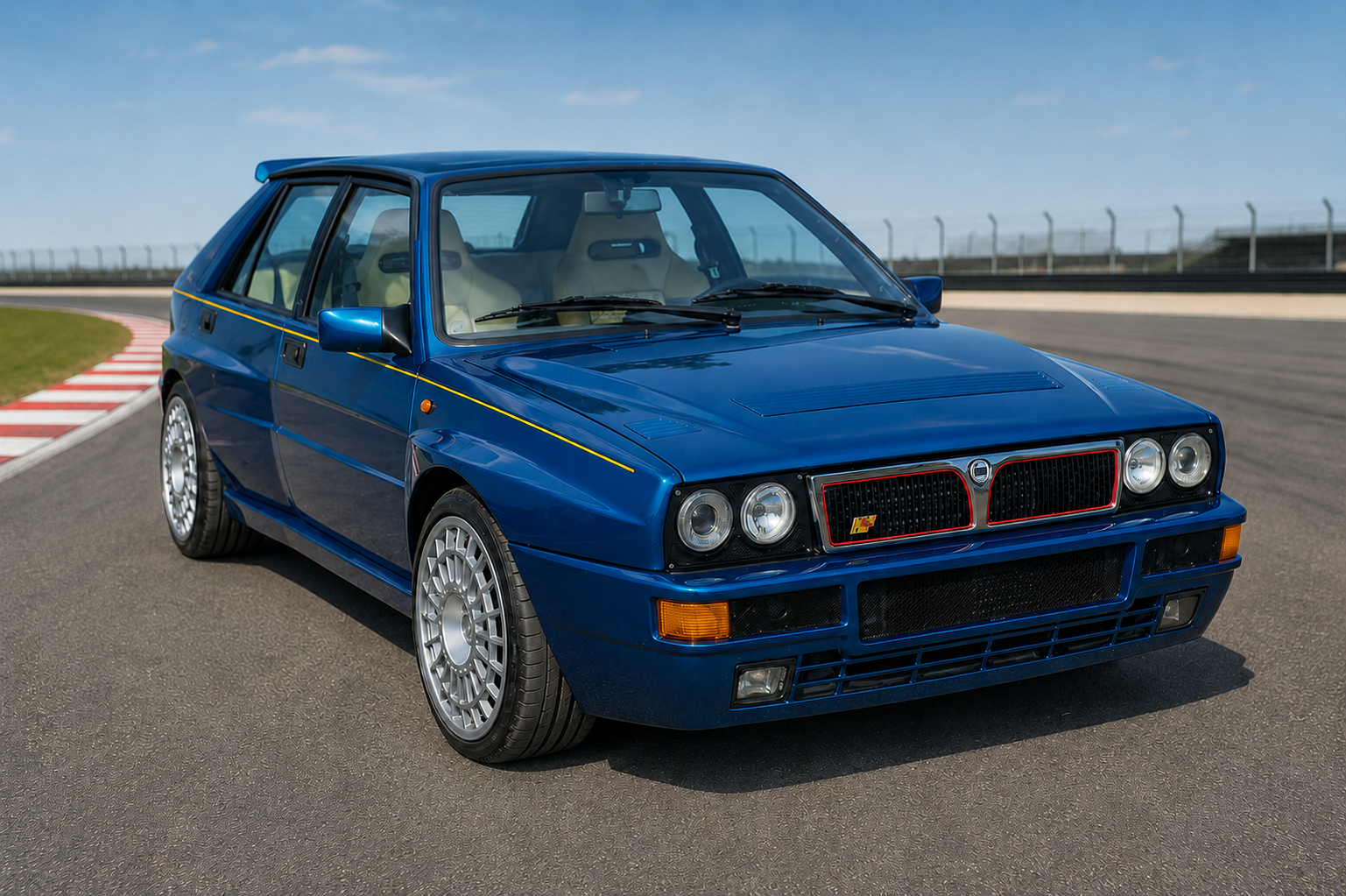
Lancia Delta Integrale
The homologation hot hatch that won six consecutive World Rally Championships and now anchors the analogue performance market.
Land Rover
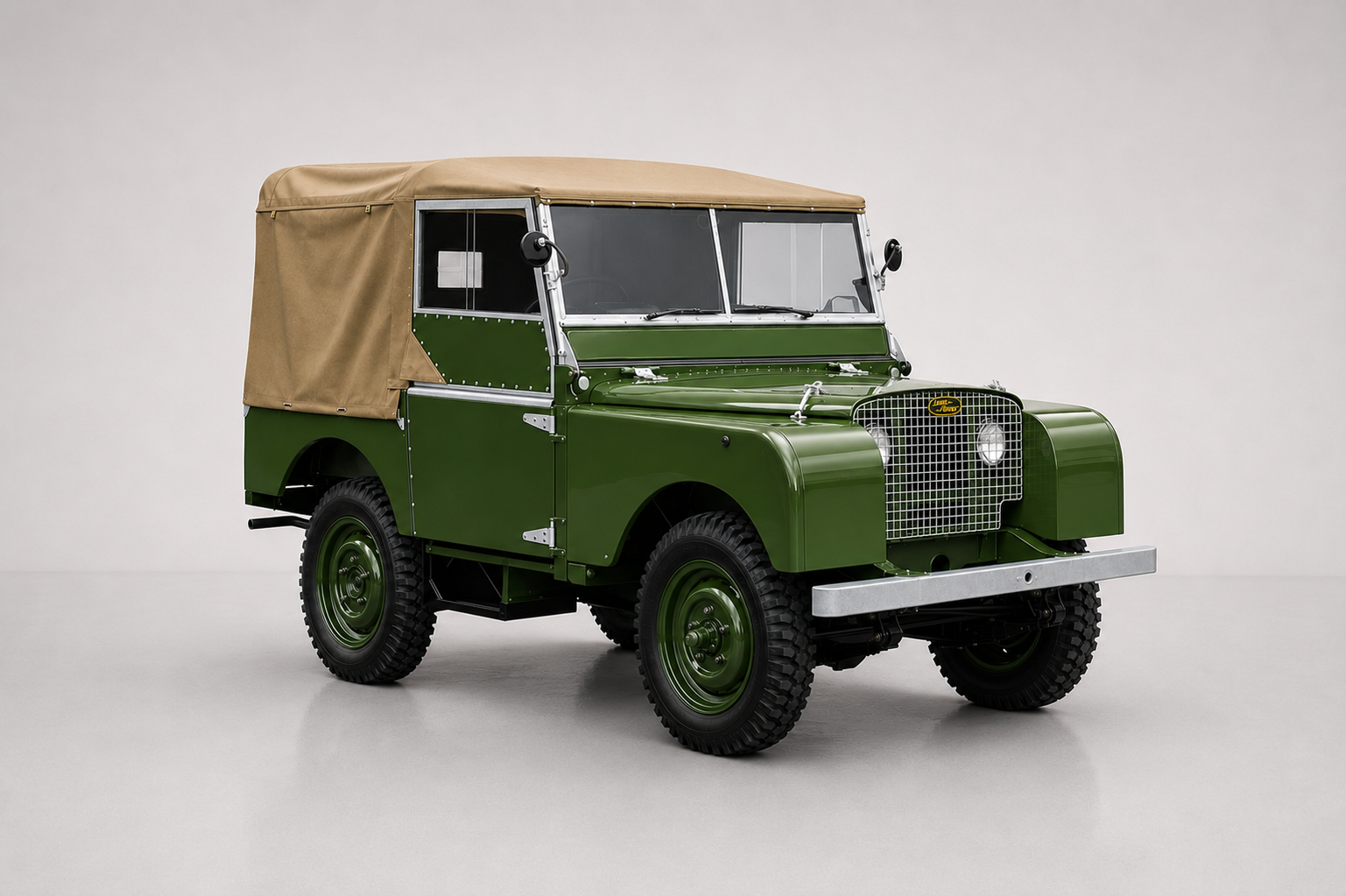
Land Rover Series I
The original Land Rover, launched at the 1948 Amsterdam Motor Show — an aluminium-bodied 4x4 that founded a legendary off-road bloodline.
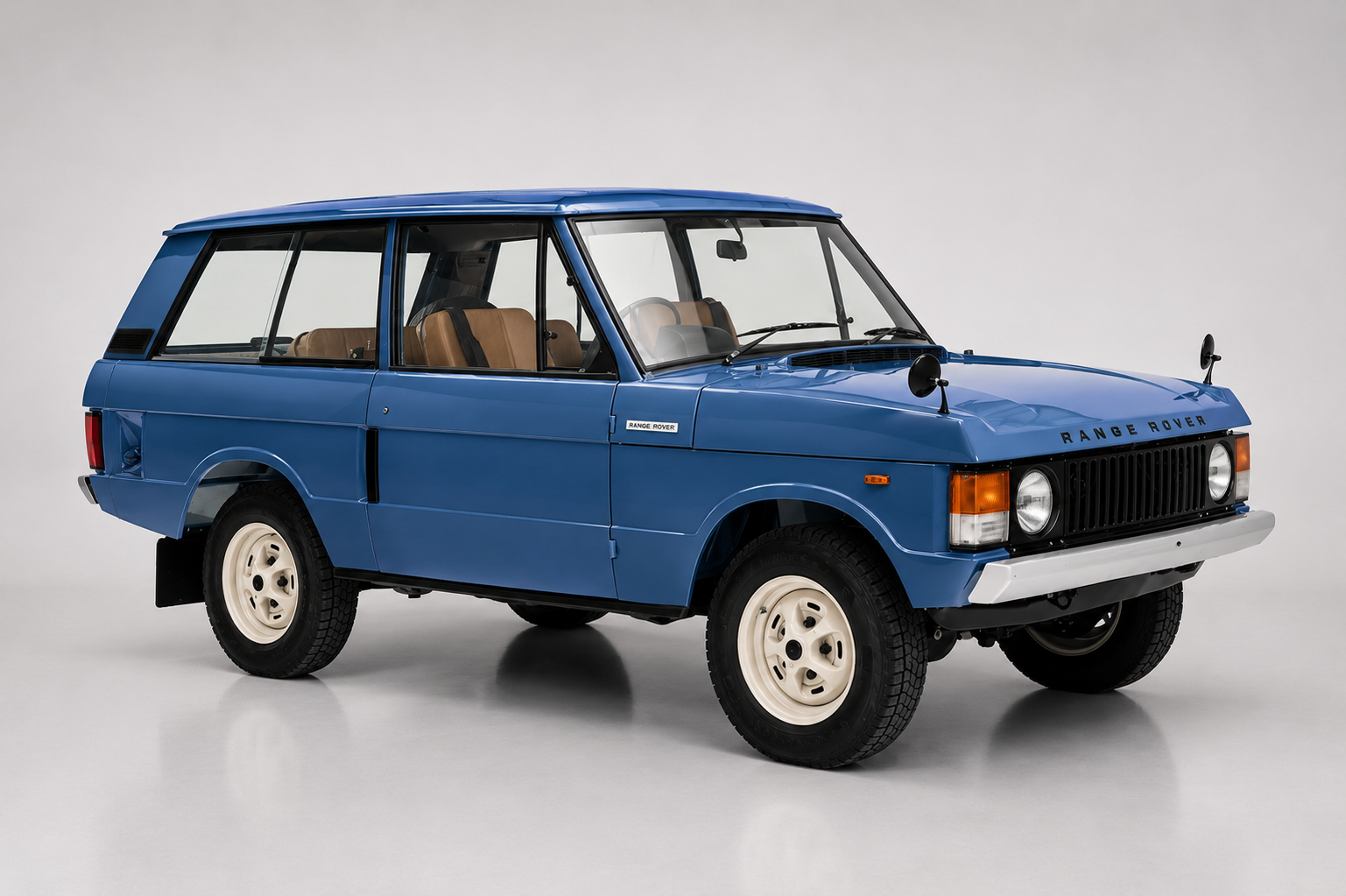
Land Rover Range Rover Classic
The original Range Rover — a Rover-V8, coil-sprung, permanent-4WD design that effectively created the luxury 4x4.
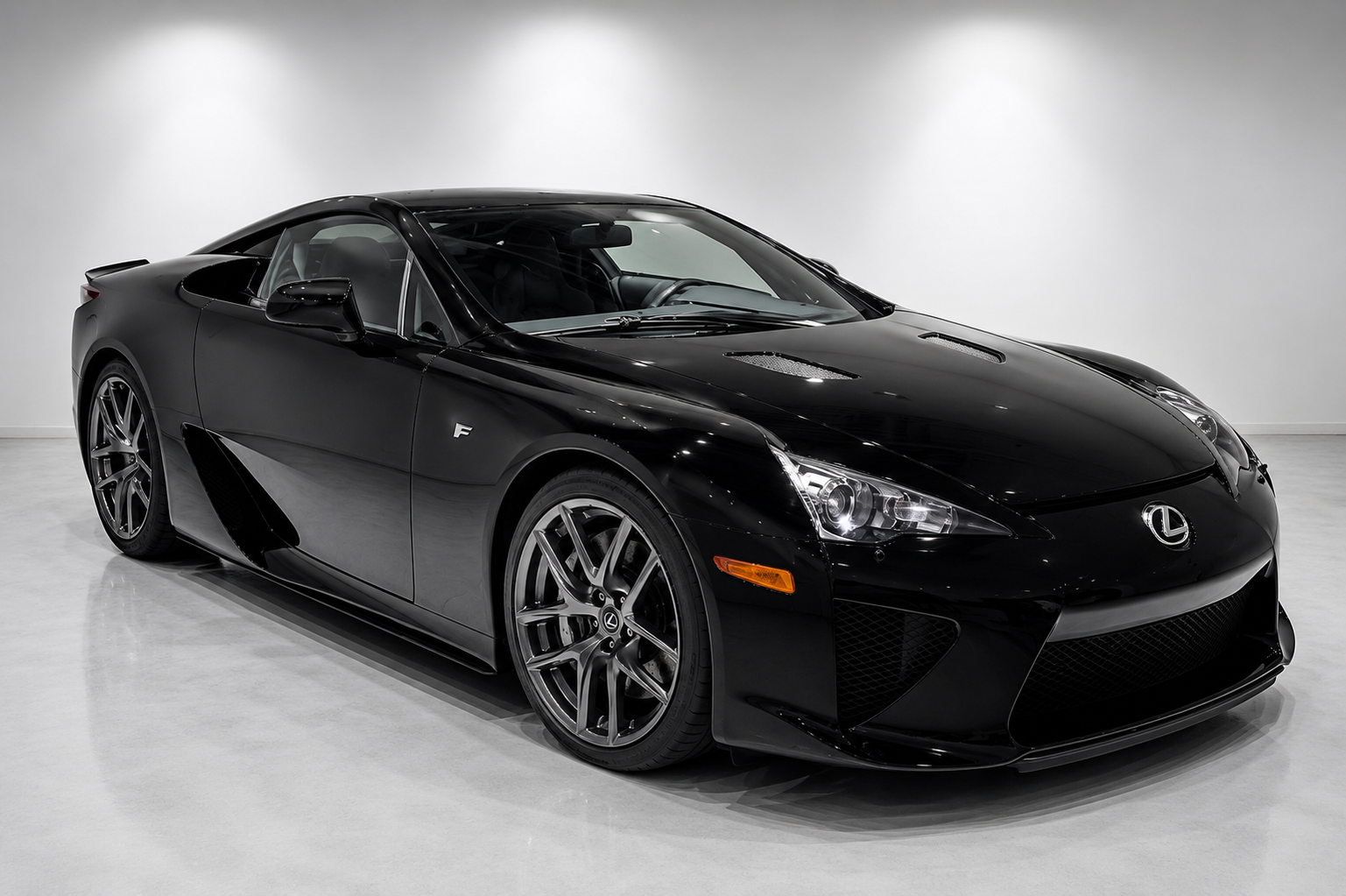
Lotus
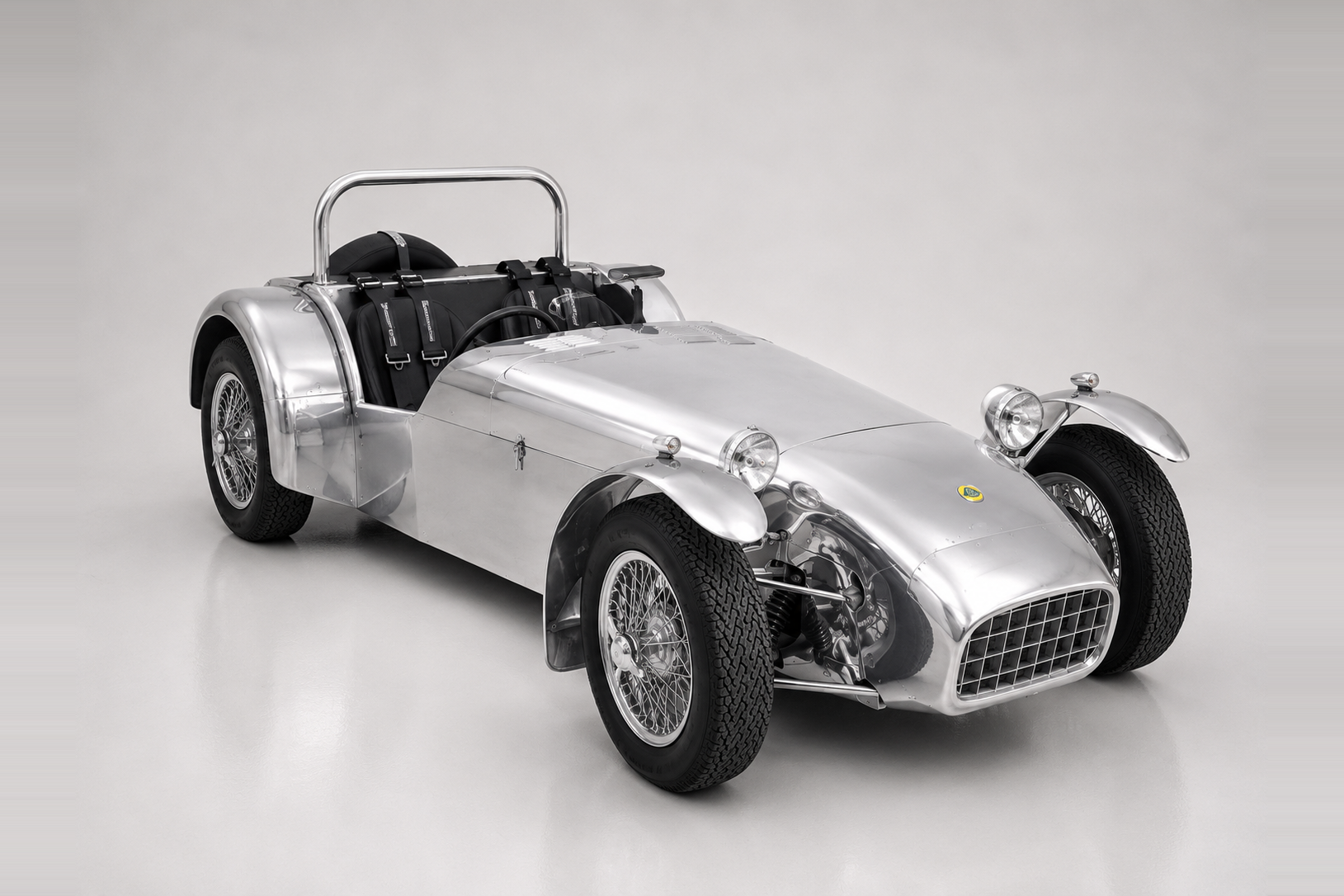
Lotus Seven
Colin Chapman's purest expression of 'simplify and add lightness' — a featherweight spaceframe roadster whose design lives on as the Caterham Seven.
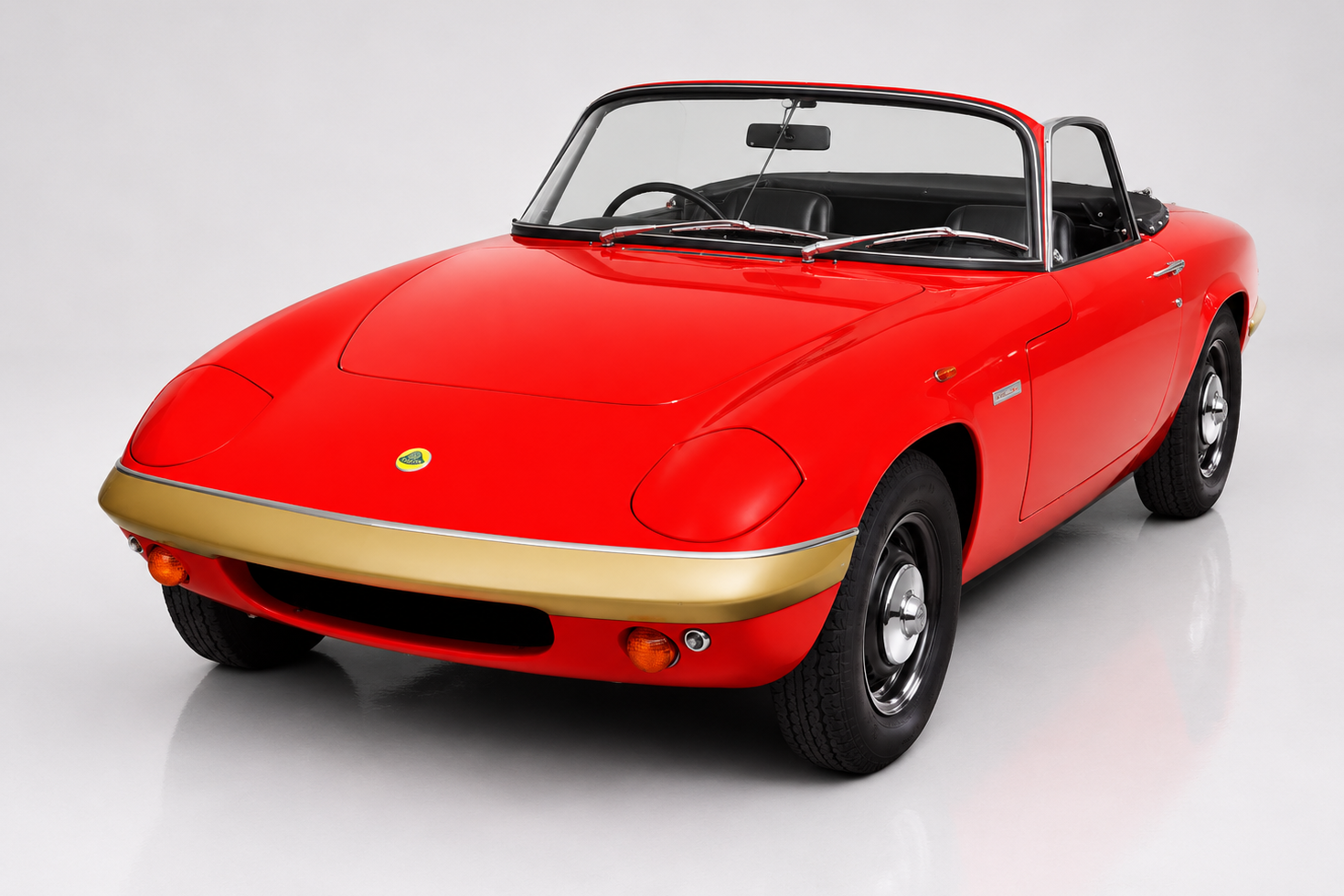
Lotus Elan
Chapman's masterpiece — the car that funded a decade of Grand Prix wins.
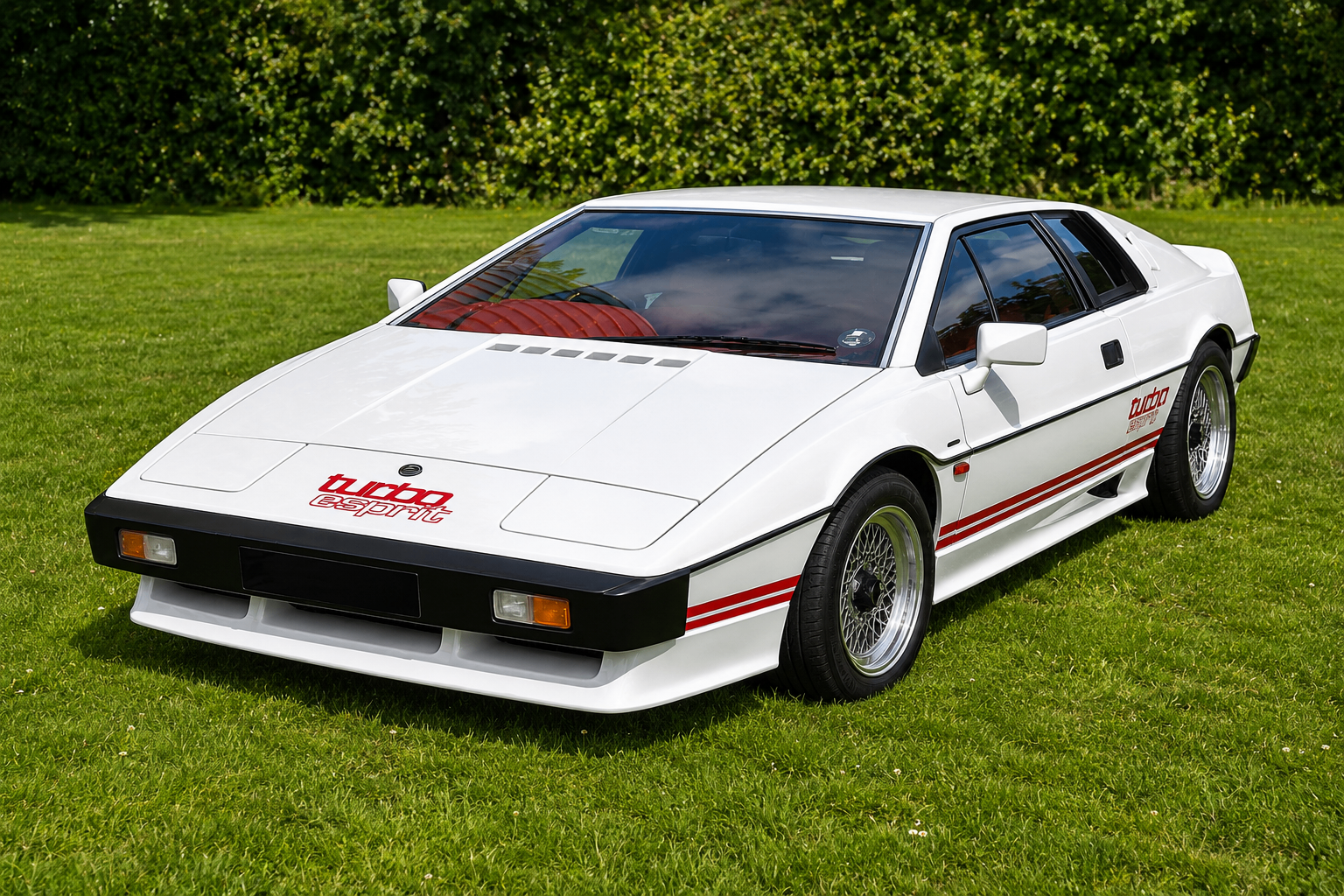
Lotus Esprit
Giugiaro's folded-paper wedge — Britain's home-grown mid-engined supercar across four generations, from the 1976 naturally-aspirated S1 to the 2004 twin-turbo V8.
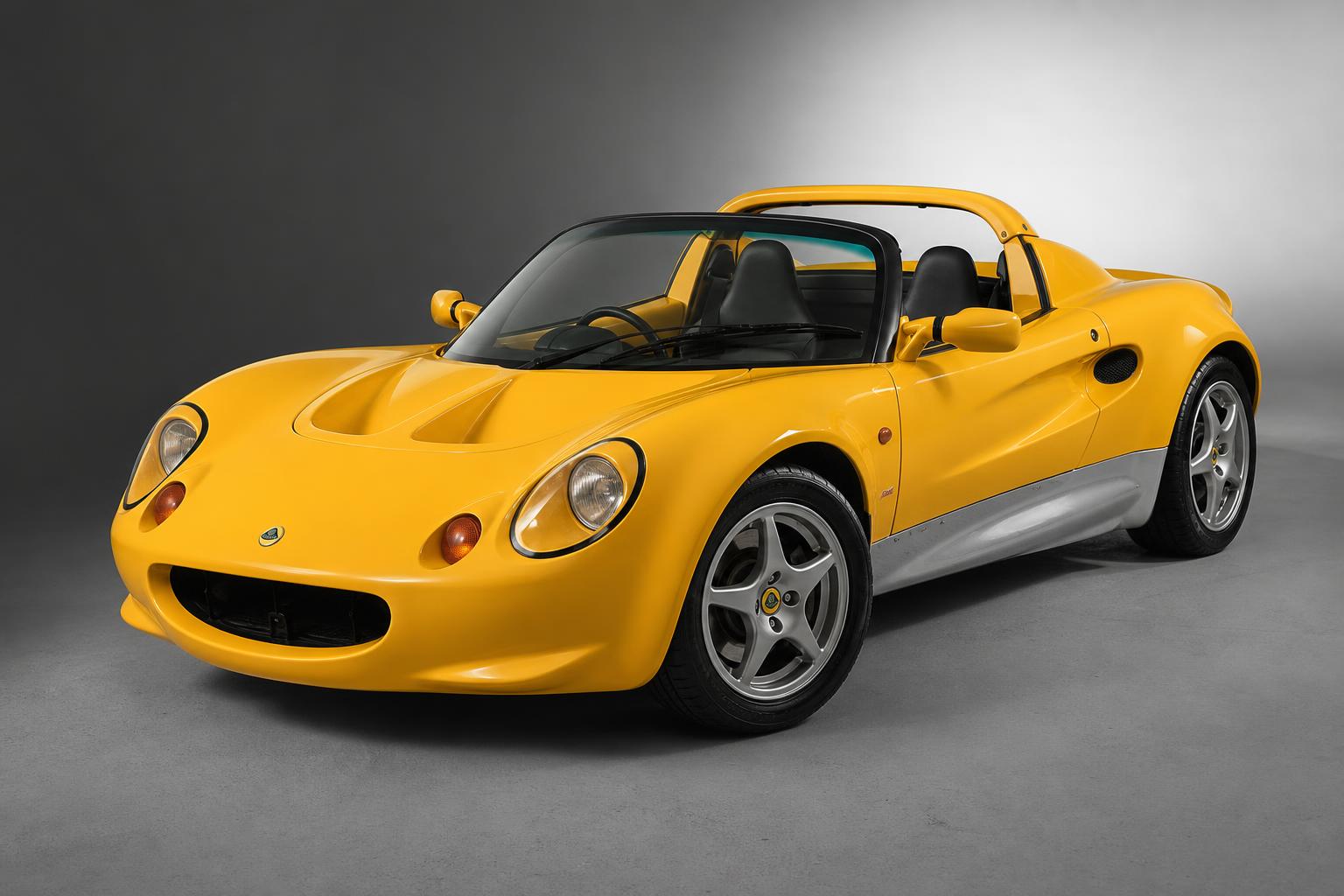
Lotus Elise (S1)
The bonded-aluminium roadster that redefined the modern sports car.
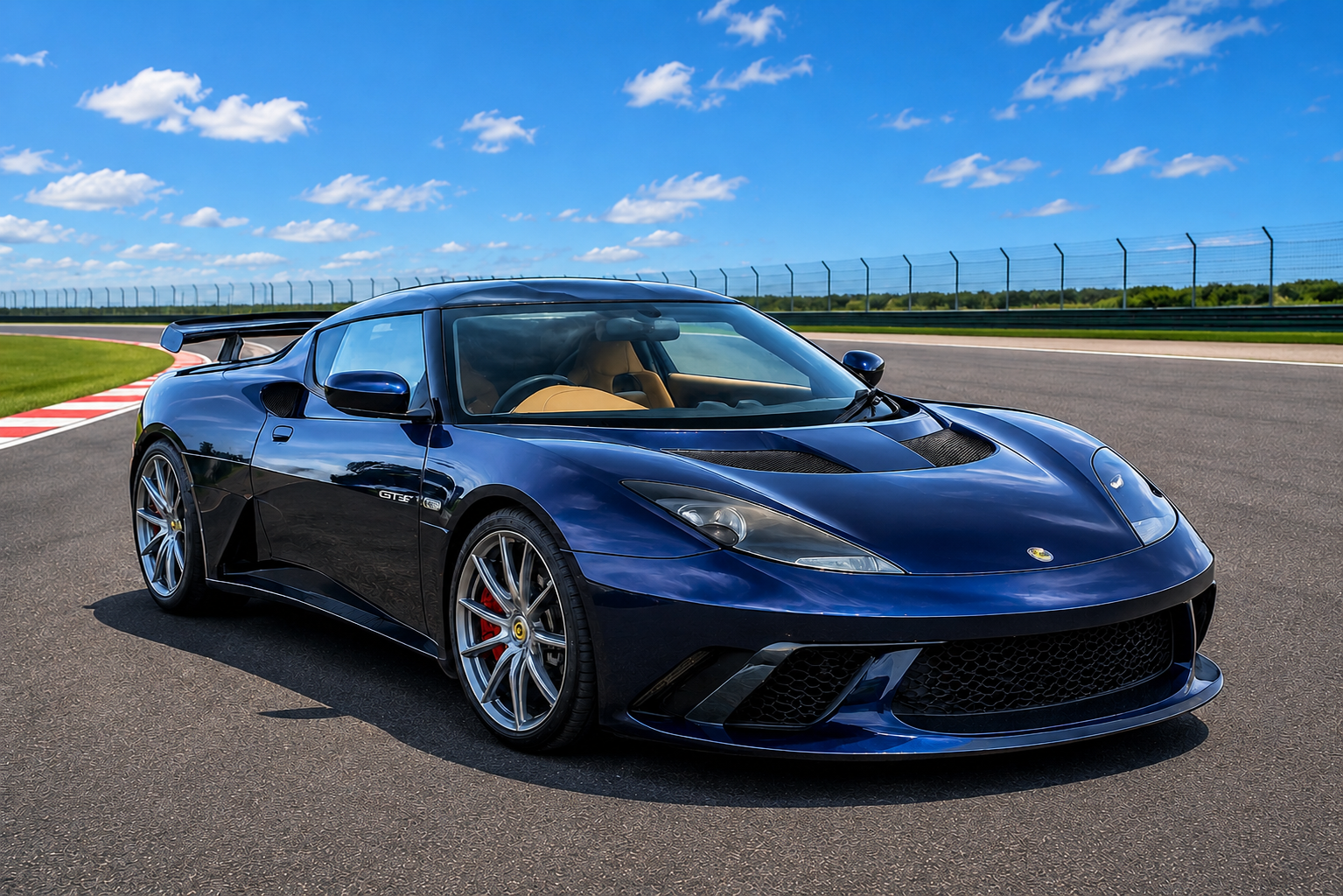
Lotus Evora
The first all-new Lotus since the Elise — a Toyota-V6-powered, mid-engined 2+2 that became the brand's last analogue supercar.
Maserati
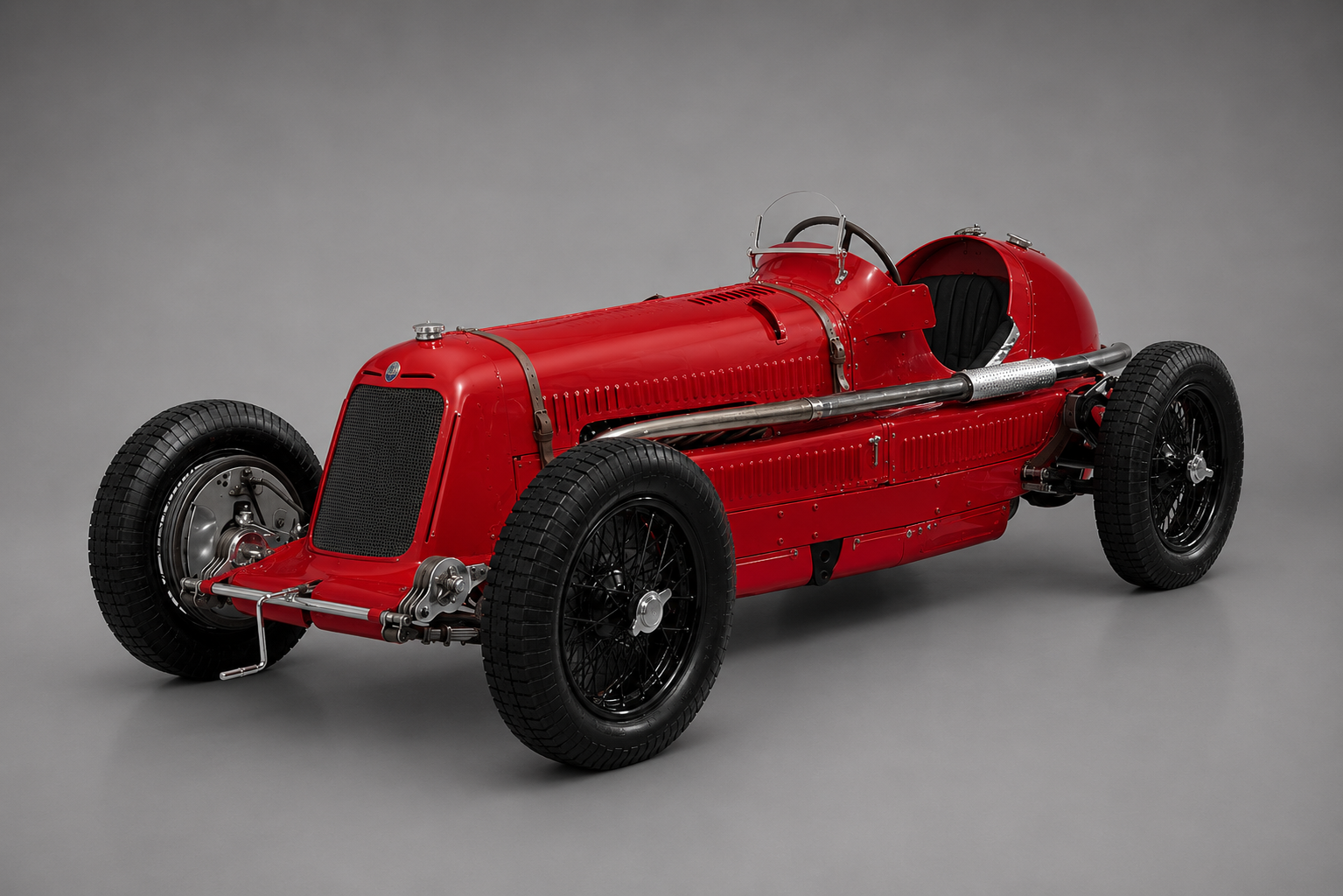
Maserati 8CM / 8CTF
The Maserati straight-eights that won two consecutive Indianapolis 500s (1939, 1940).
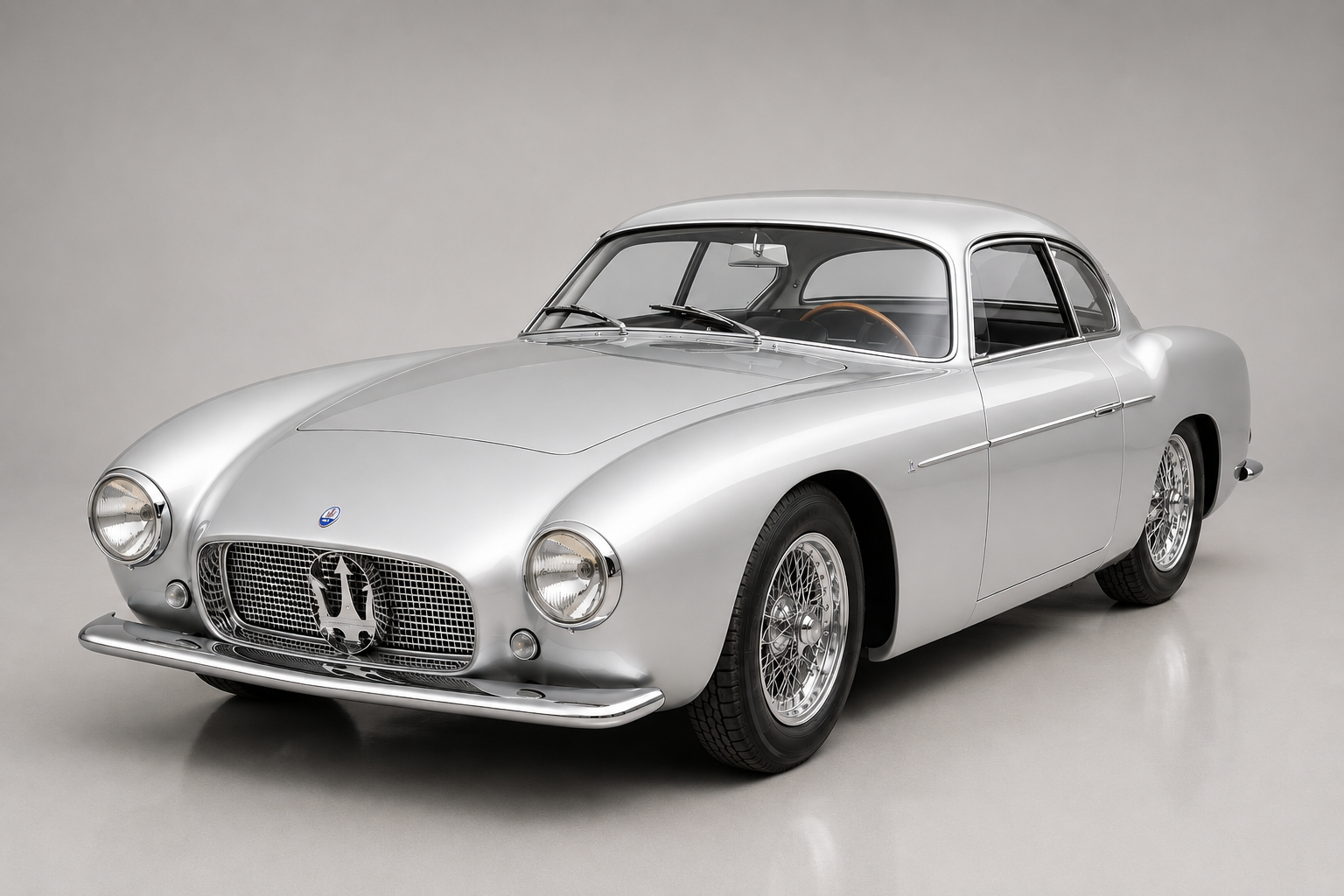
Maserati A6 (1500 / G 2000 / G/54)
Maserati's first road cars — built after the brothers' departure under Orsi ownership; A6 1500, A6G 2000 and A6G/54.
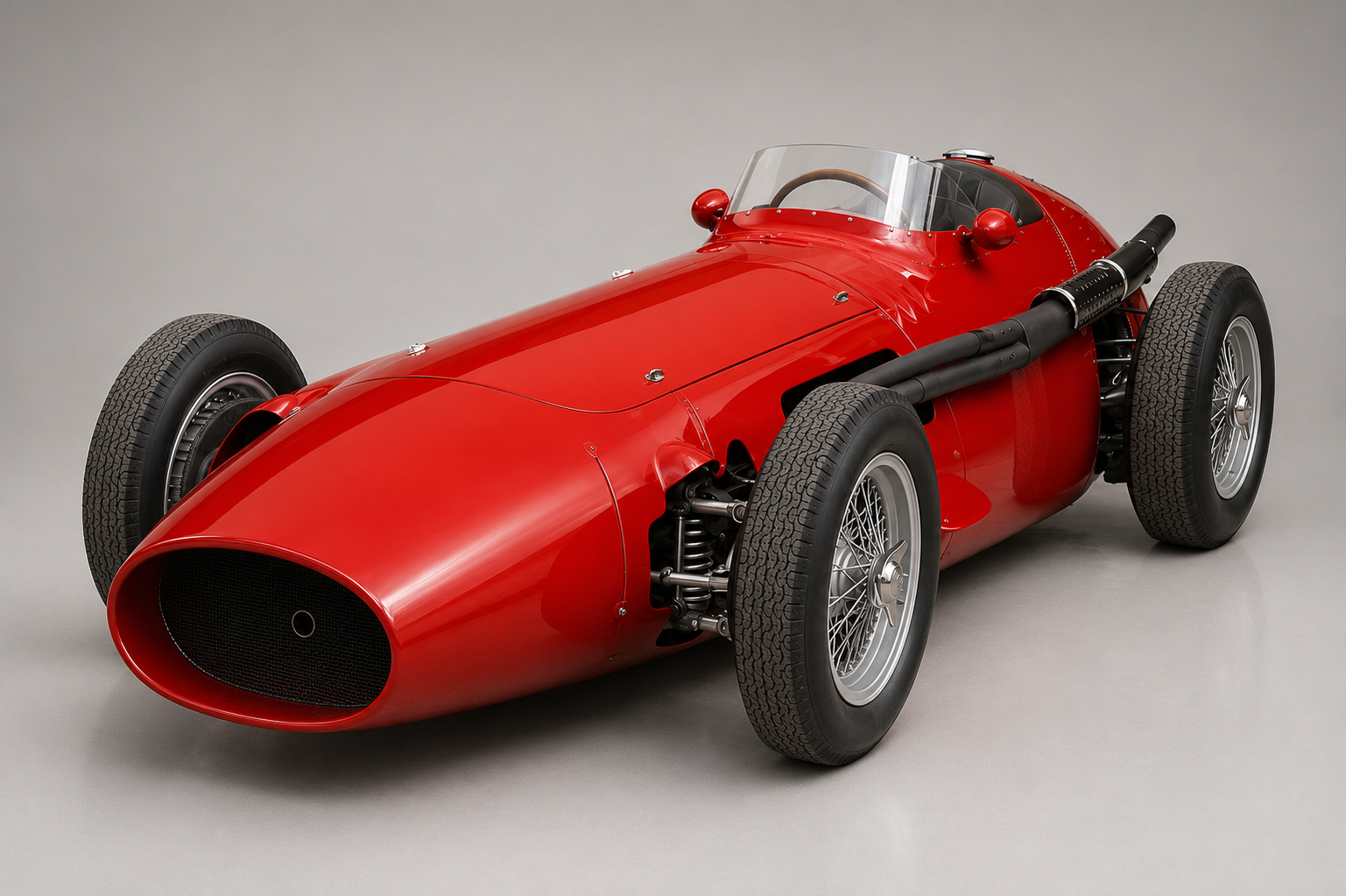
Maserati 250F
The definitive front-engined Grand Prix car — Fangio's fifth World Championship, the 1957 Nürburgring drive, and 46 GPs of history.
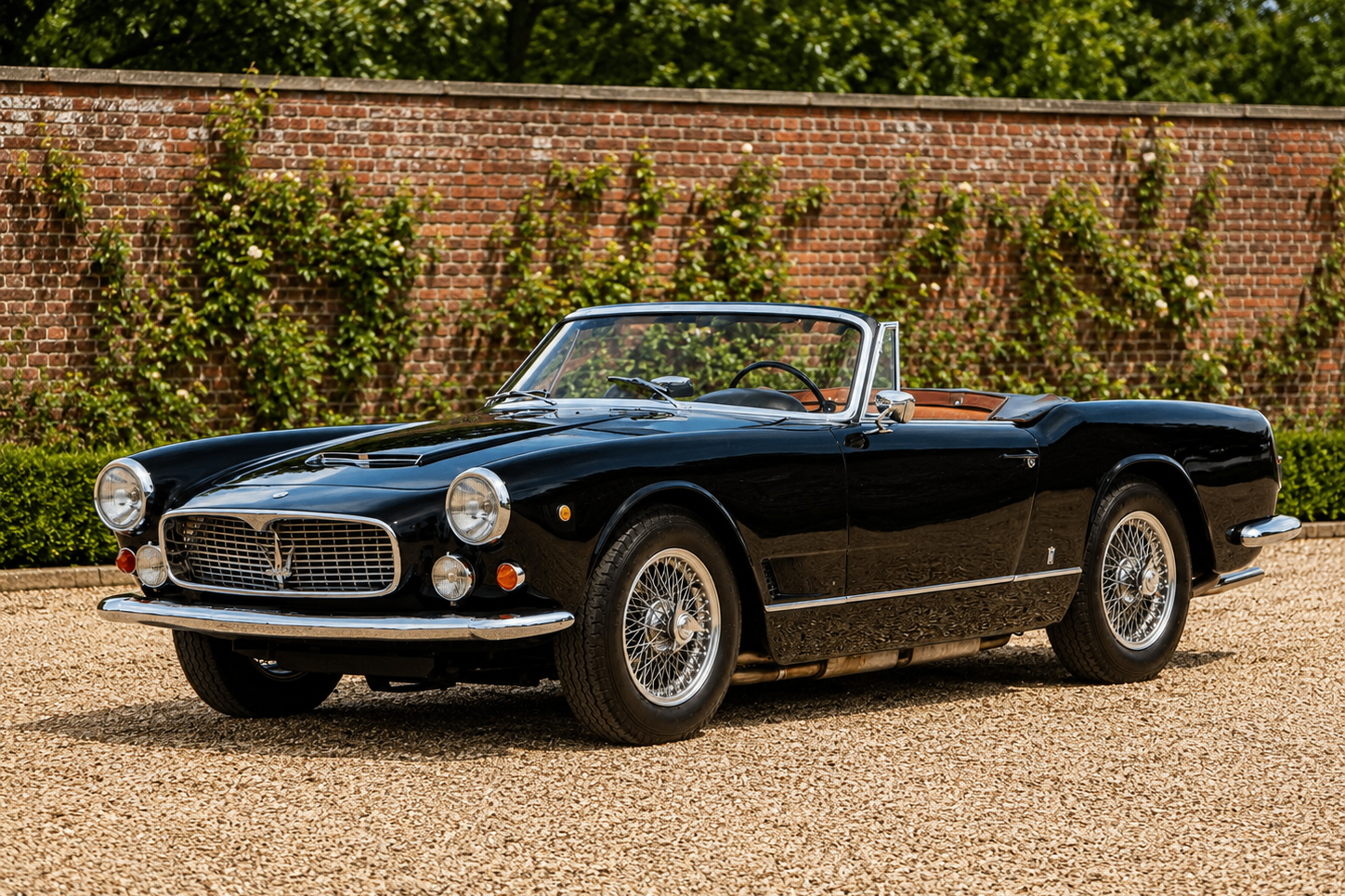
Maserati 3500 GT
Maserati's first series-production road car — a hand-built Modenese GT with a detuned 350S-derived twin-cam 3.5-litre six, produced 1957–1964 in Touring Superleggera coupé, Vignale Spyder and a handful of coachbuilt one-off forms; the car that transitioned Maserati from a boutique racing constructor into a viable road-car manufacturer.
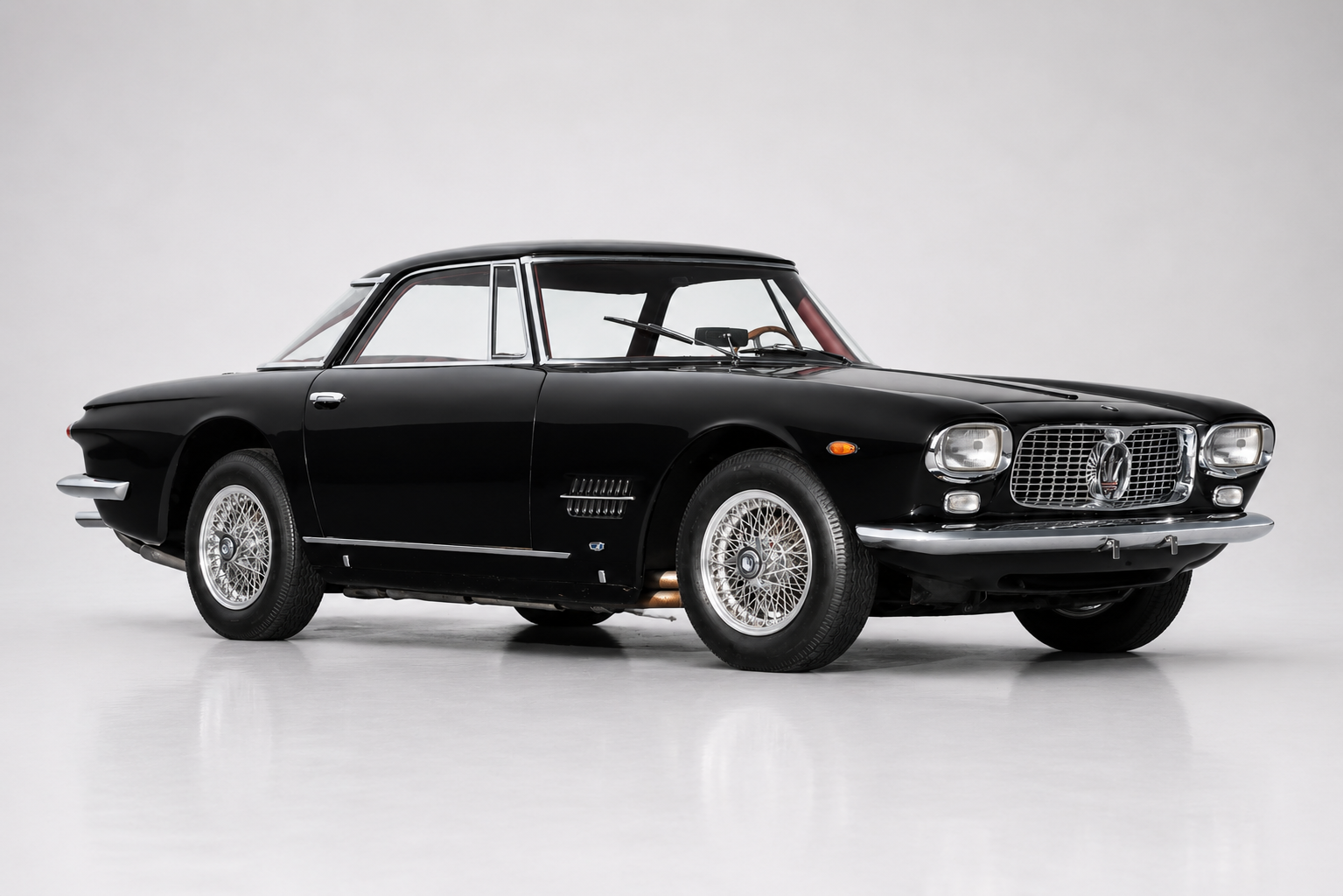
Maserati 5000 GT
The Shah of Persia's commission — Alfieri's 450S racing V8 in a reinforced 3500 GT chassis; 34 built across eight coachbuilders.
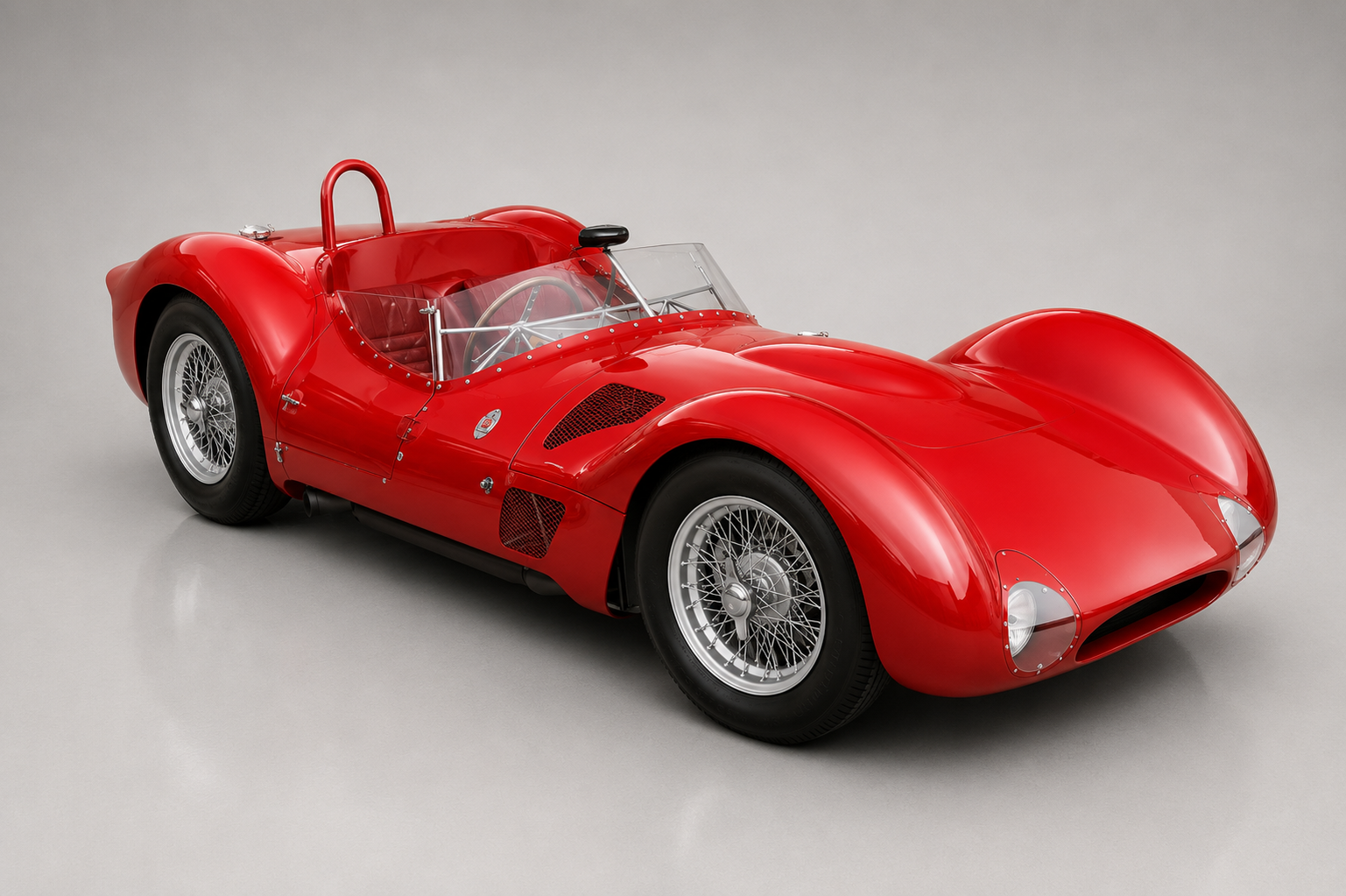
Maserati Tipo 60/61 "Birdcage"
Alfieri's spaceframe masterpiece — ~200 small-diameter tubes at 36 kg, engine canted 45°, Moss on debut at Reims 1959.
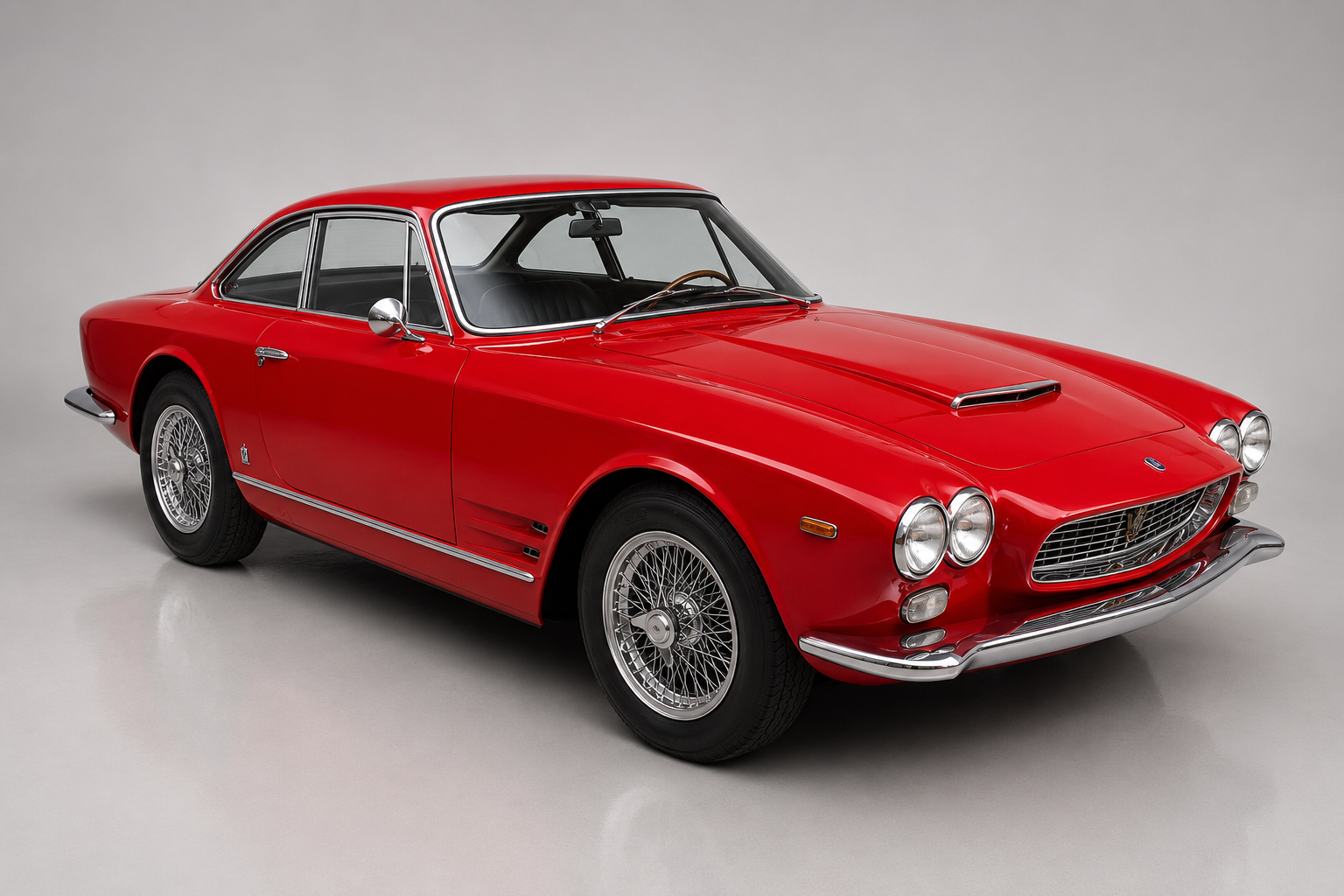
Maserati Sebring
The shortened-wheelbase 3500 GTI development for the American market — Michelotti at Vignale, named for Maserati's Sebring wins.
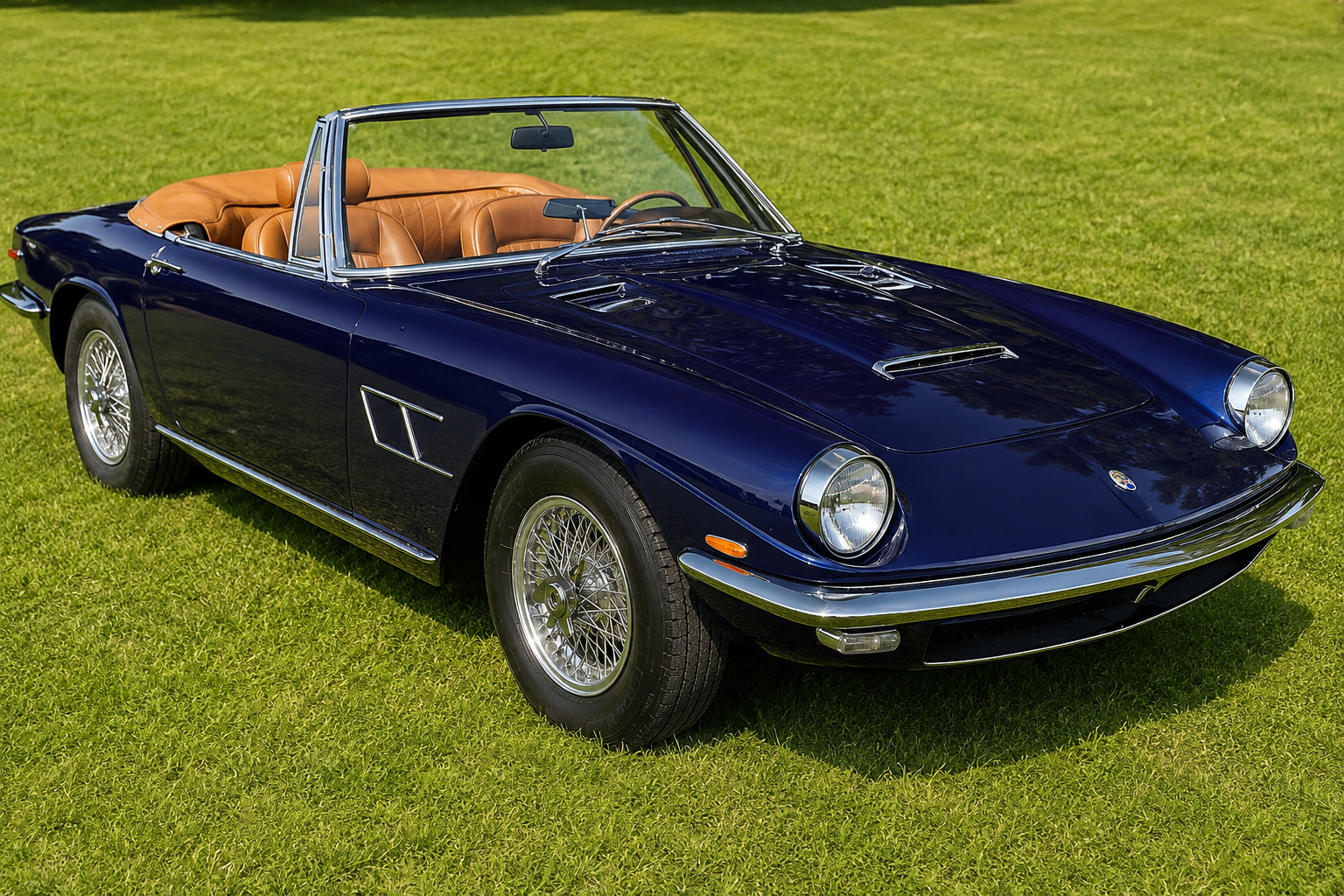
Maserati Mistral
The last Maserati road car to run the twin-plug DOHC six derived from the 350S sports-racer — a Frua-designed, Maggiora-bodied two-seat GT built 1963–1970 in coupé and small-production Spyder form; the direct successor to the 3500 GT / Sebring and immediate predecessor of the V8-powered Ghibli.
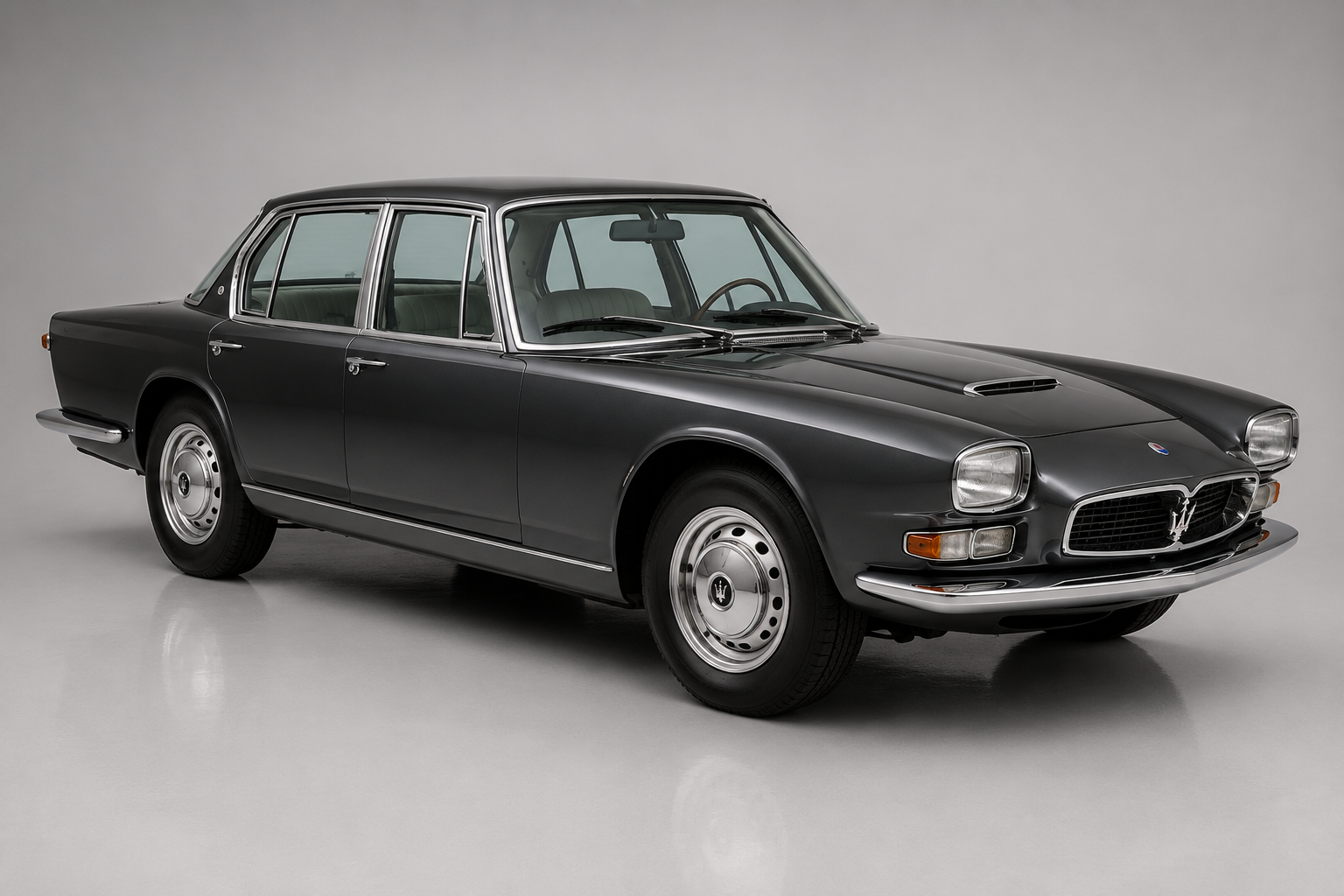
Maserati Quattroporte I
The world's template for the super-saloon — Frua design, Vignale build, Turin October–November 1963.
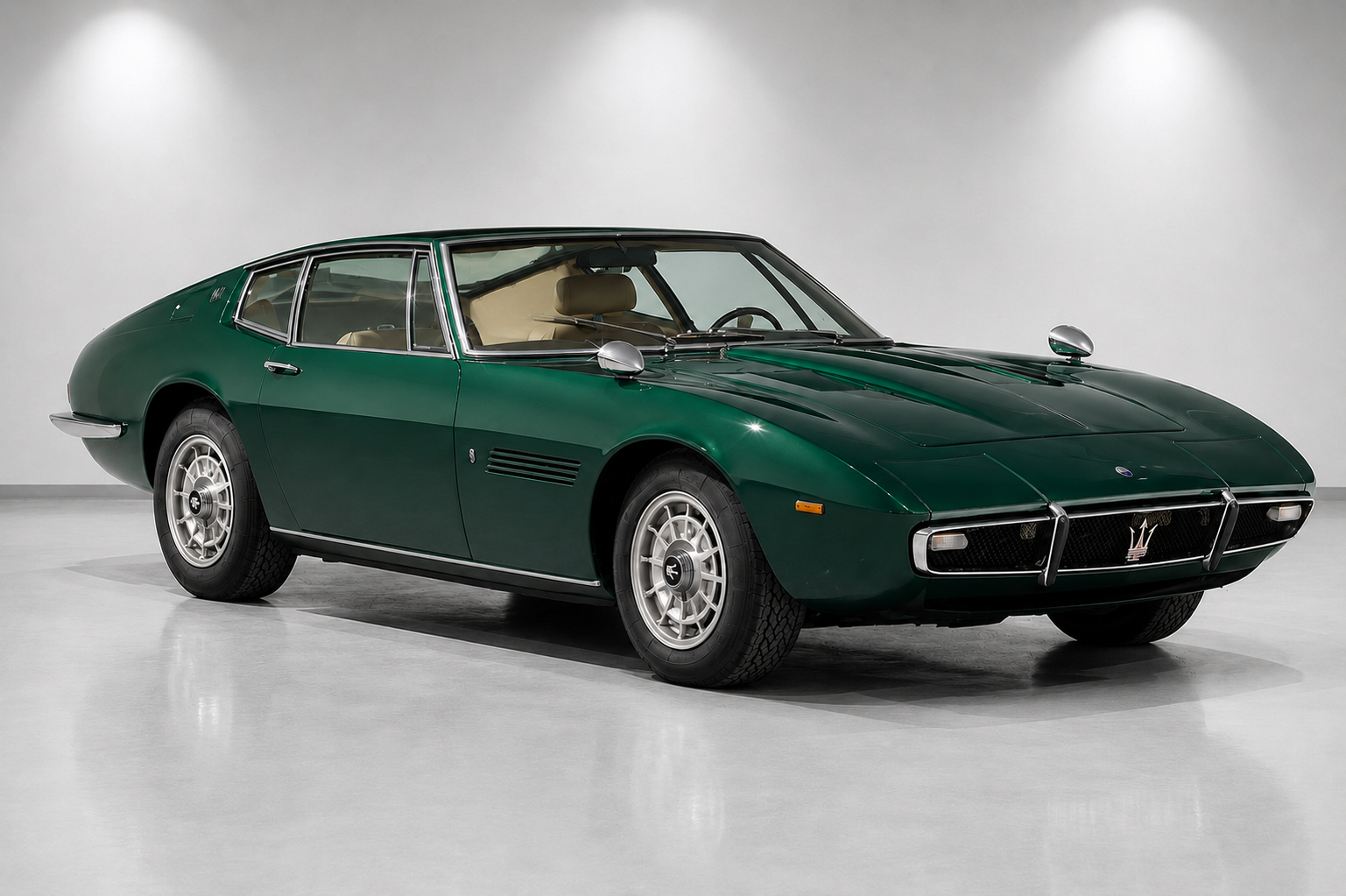
Maserati Ghibli (Tipo 115)
Giorgetto Giugiaro at Ghia — the long-bonneted Maserati V8 GT, in 4.7- and 4.9-litre SS form.
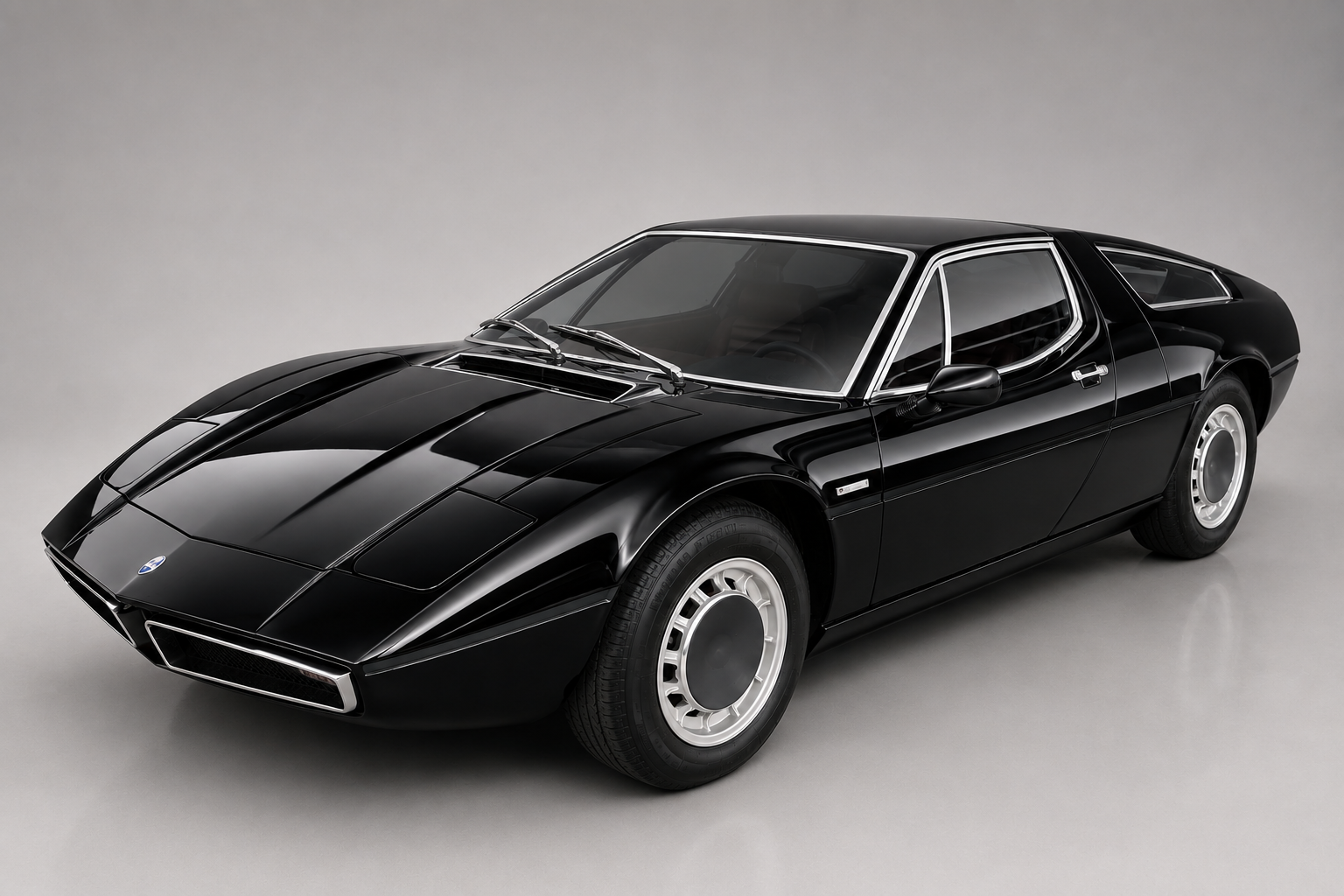
Maserati Bora
Maserati's first mid-engined road car and first monocoque — Giugiaro at Italdesign, Geneva 1971.
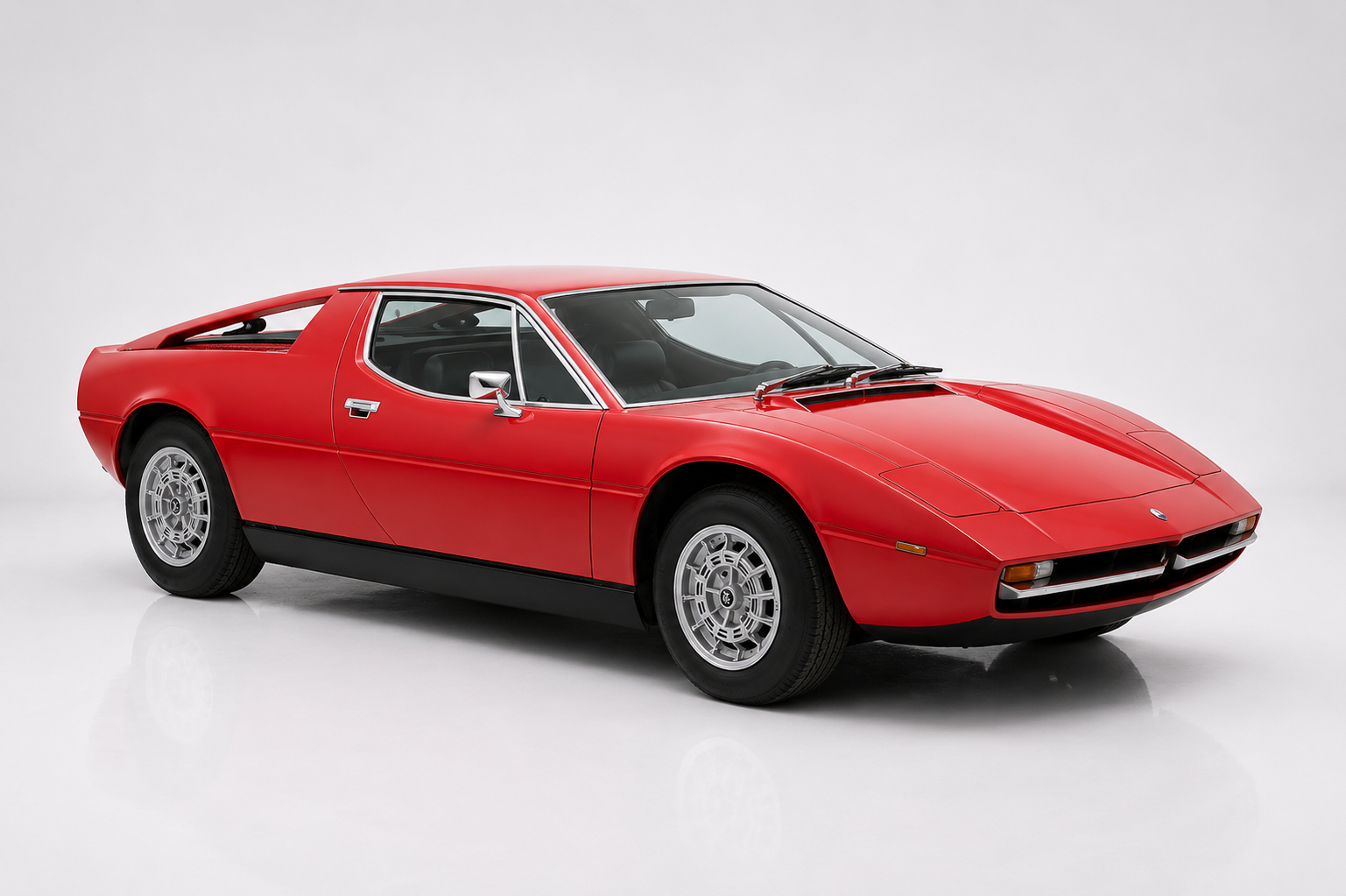
Maserati Merak
The under-the-radar mid-engine Maserati — Giugiaro-designed, Citroën-derived V6, and the attainable Ferrari 308 alternative.
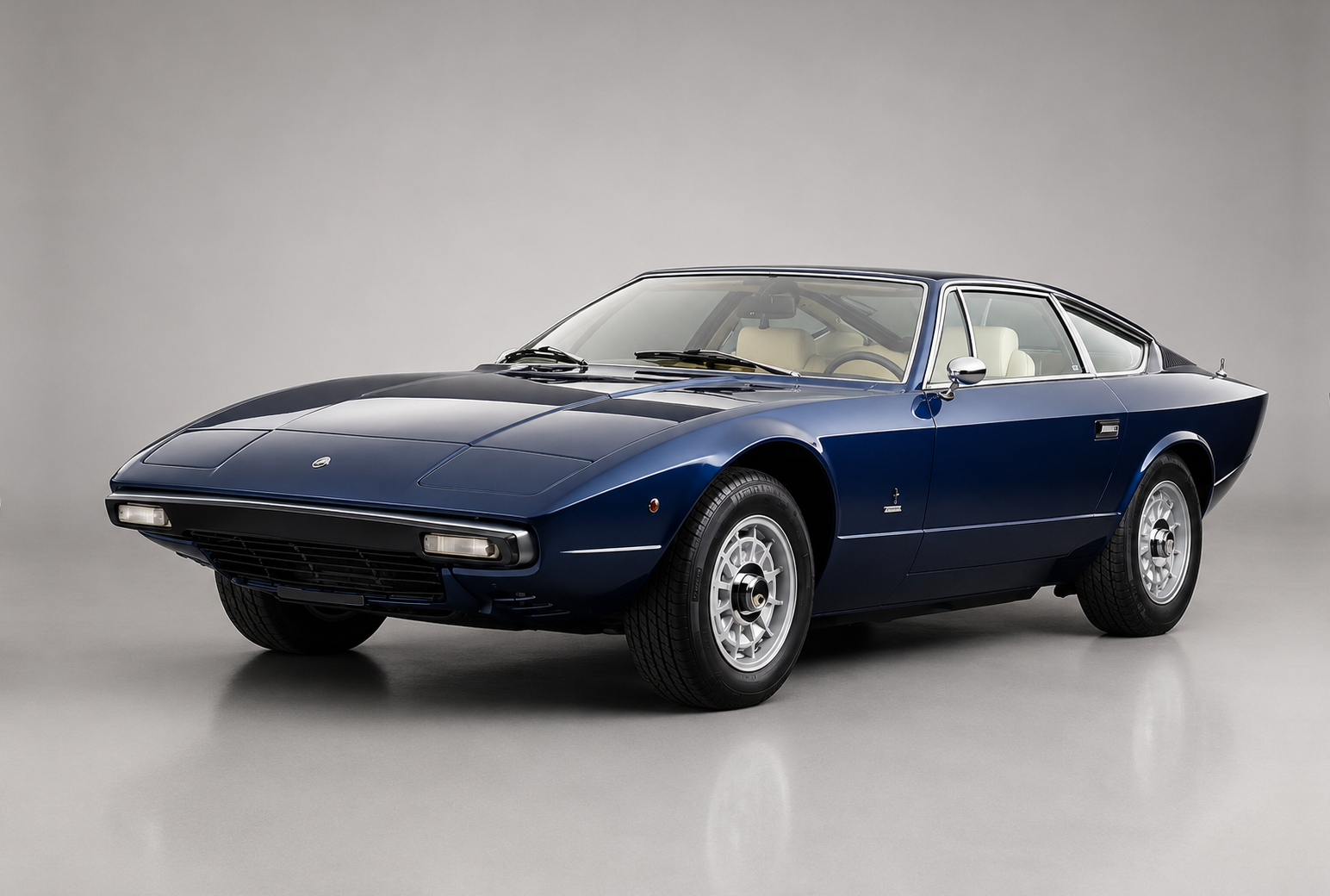
Maserati Khamsin
The Ghibli's true successor — Bertone by Gandini, developed under Citroën ownership for traditionalists who wanted a front-engined V8 GT.
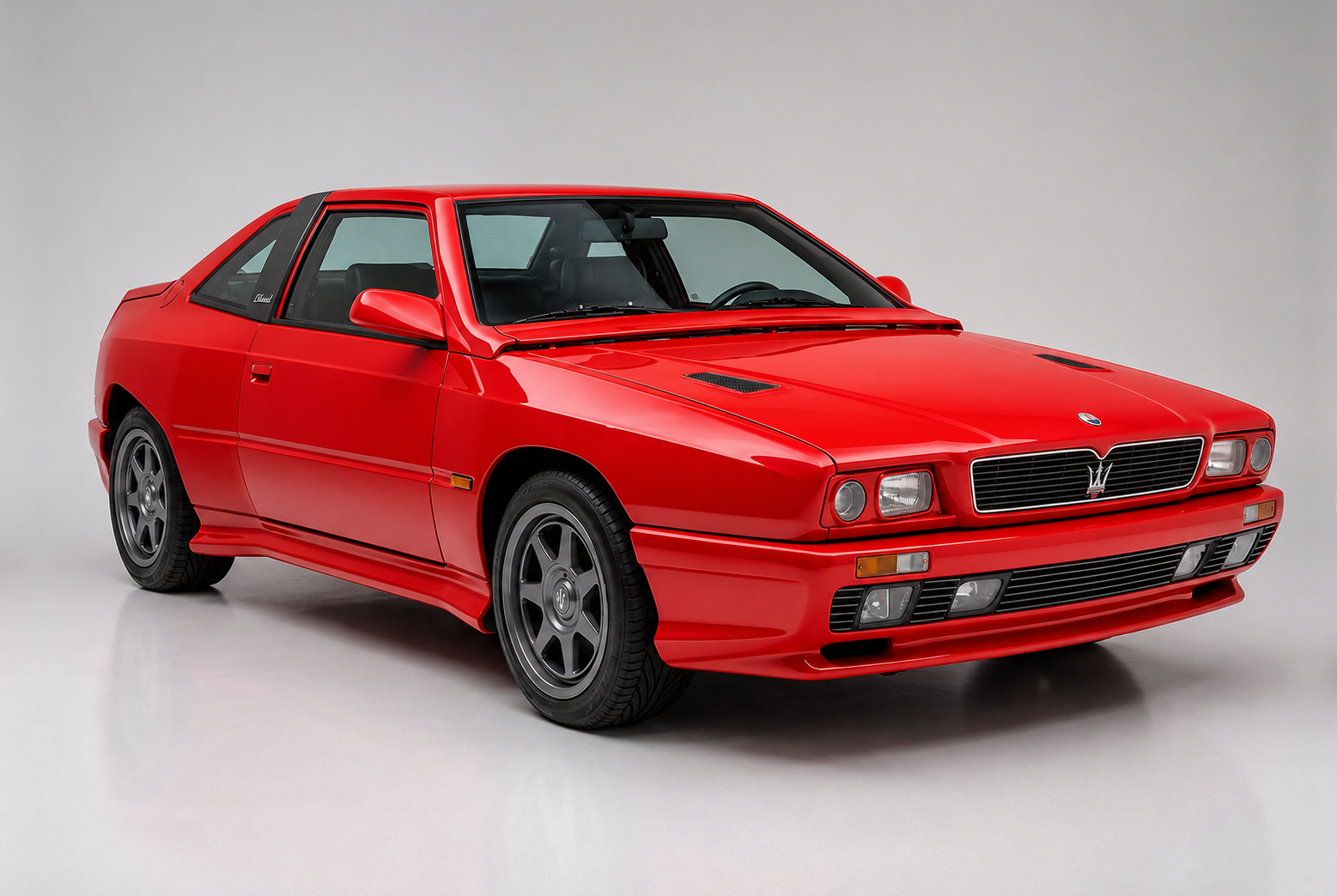
Maserati Shamal
Tipo AM339 — Gandini's Biturbo-era flagship, twin-turbo V8, Getrag six-speed; named for a desert wind.
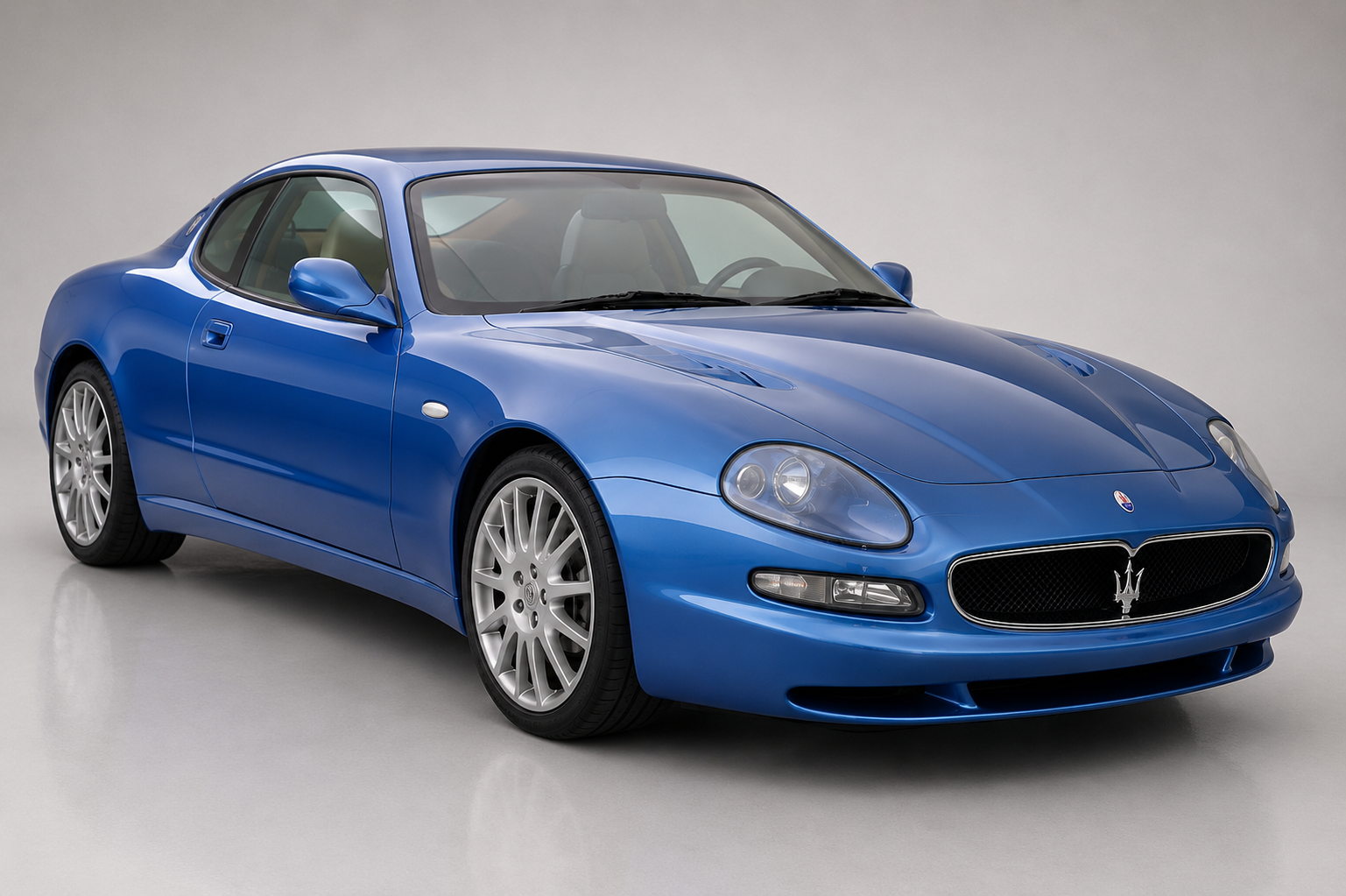
Maserati 3200 GT
Tipo 338 — Giugiaro's return to Maserati, twin-turbo V8, and the boomerang LED tail lights.
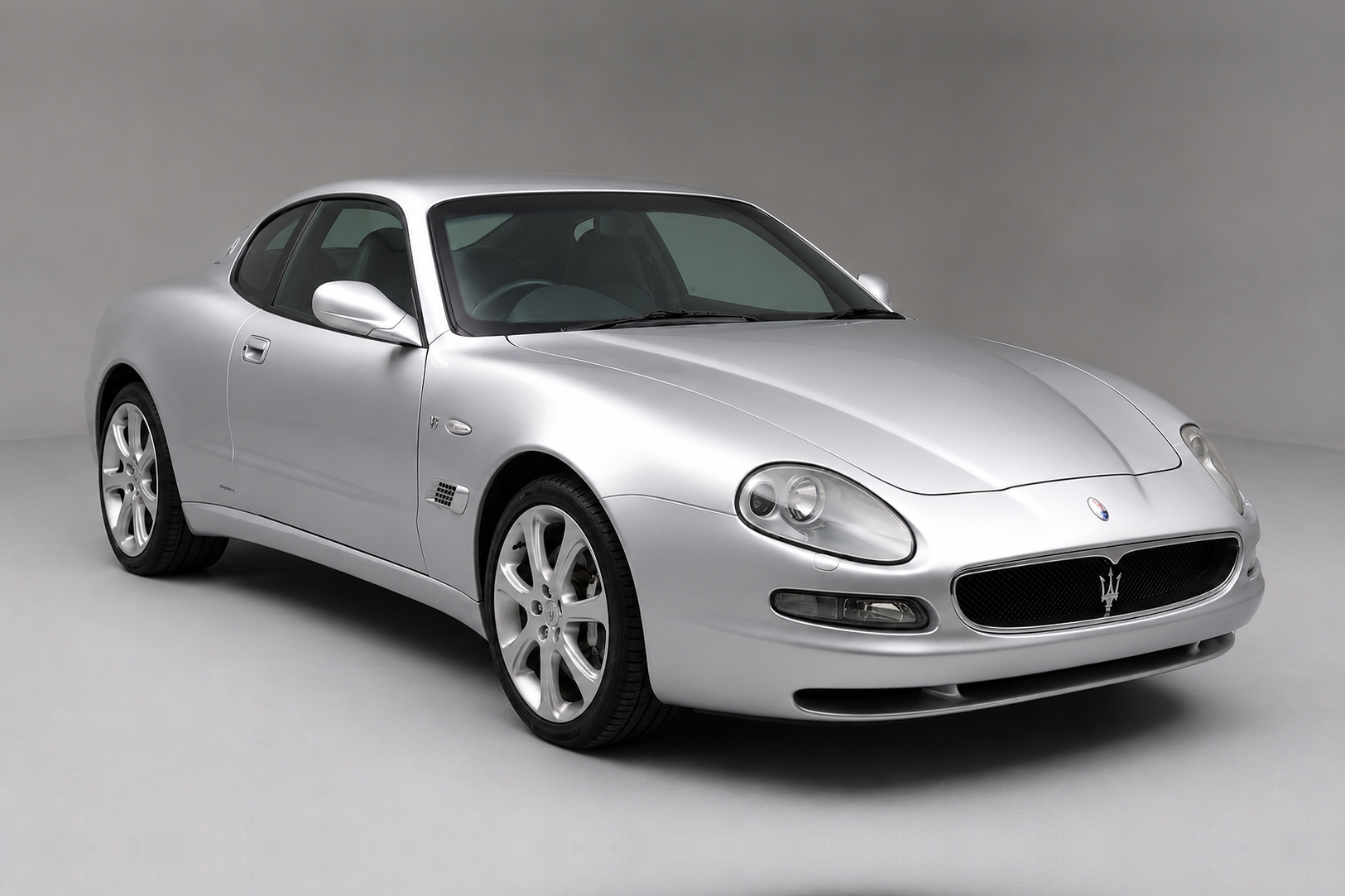
Maserati 4200 / Coupé & Spyder
Tipo M138 — Giugiaro again, Ferrari-Maserati F136R V8, Cambiocorsa the dominant choice; Maserati's American return.
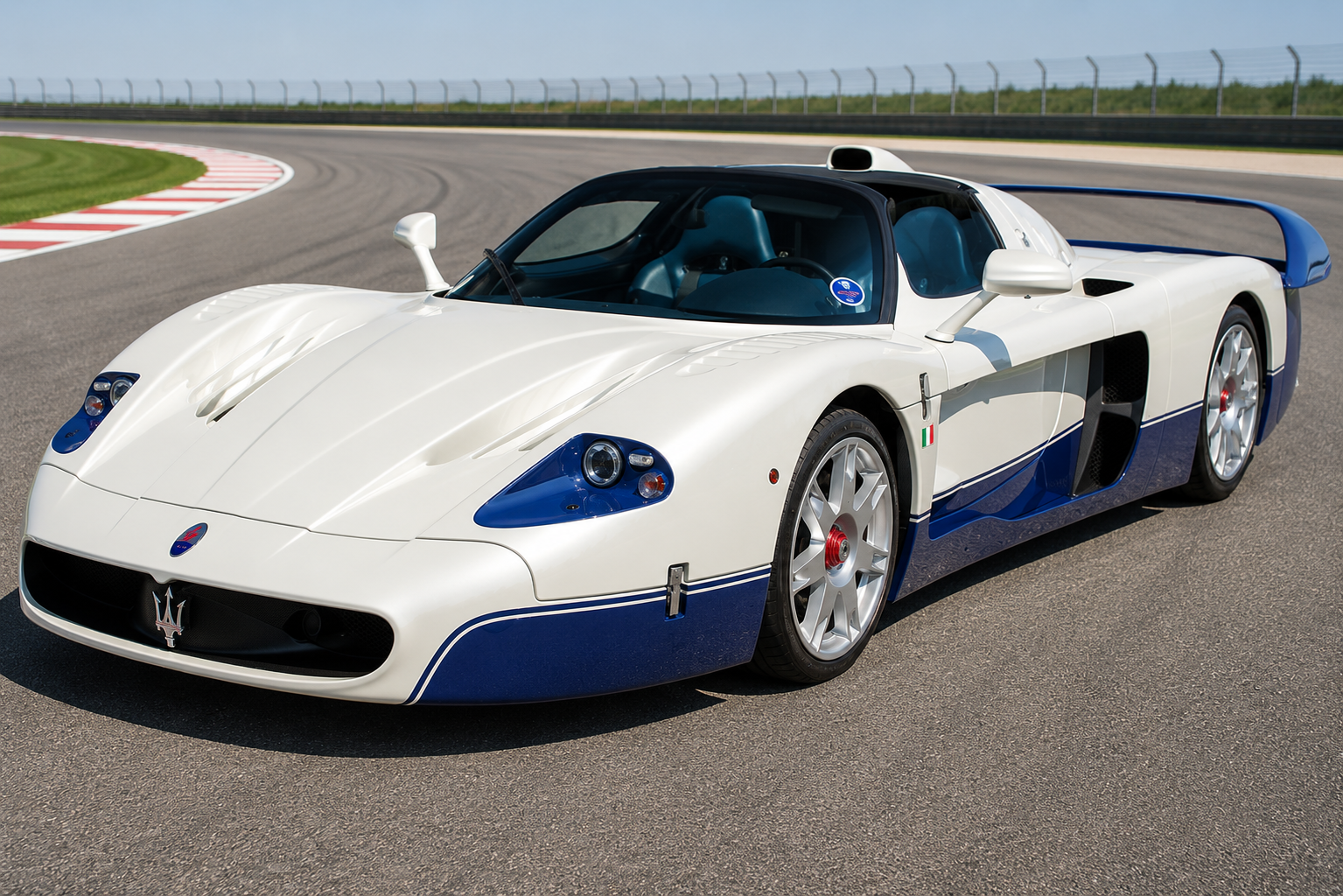
Maserati MC12
Ferrari Enzo-derived homologation hypercar — the GT1-bred Maserati supercar built in fifty cars.
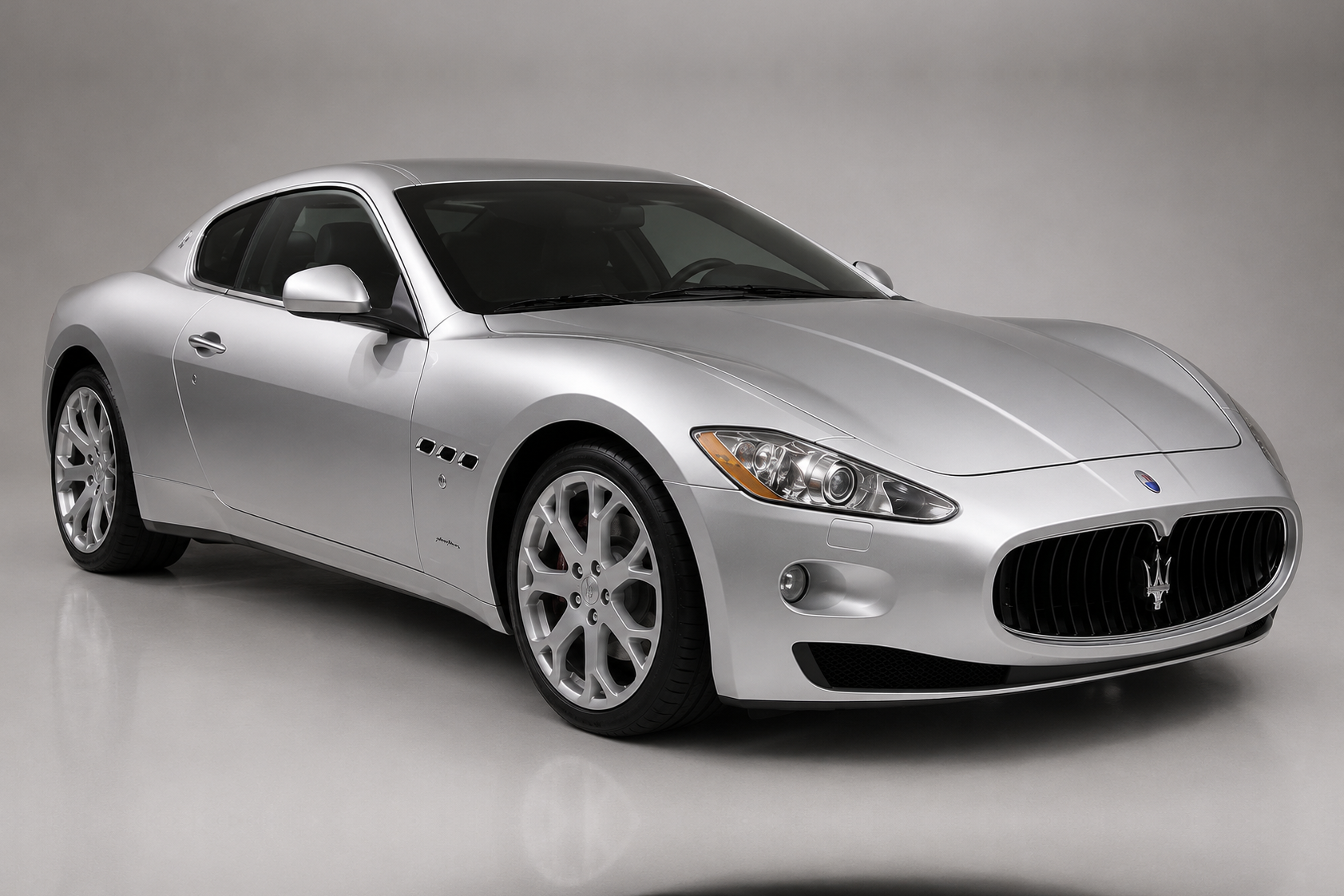
Maserati GranTurismo & GranCabrio (2007–2019)
Tipo M145 — Pininfarina's Castriota-penned 2+2 on a shortened Quattroporte V platform; Geneva 2007 after a record nine-month development.
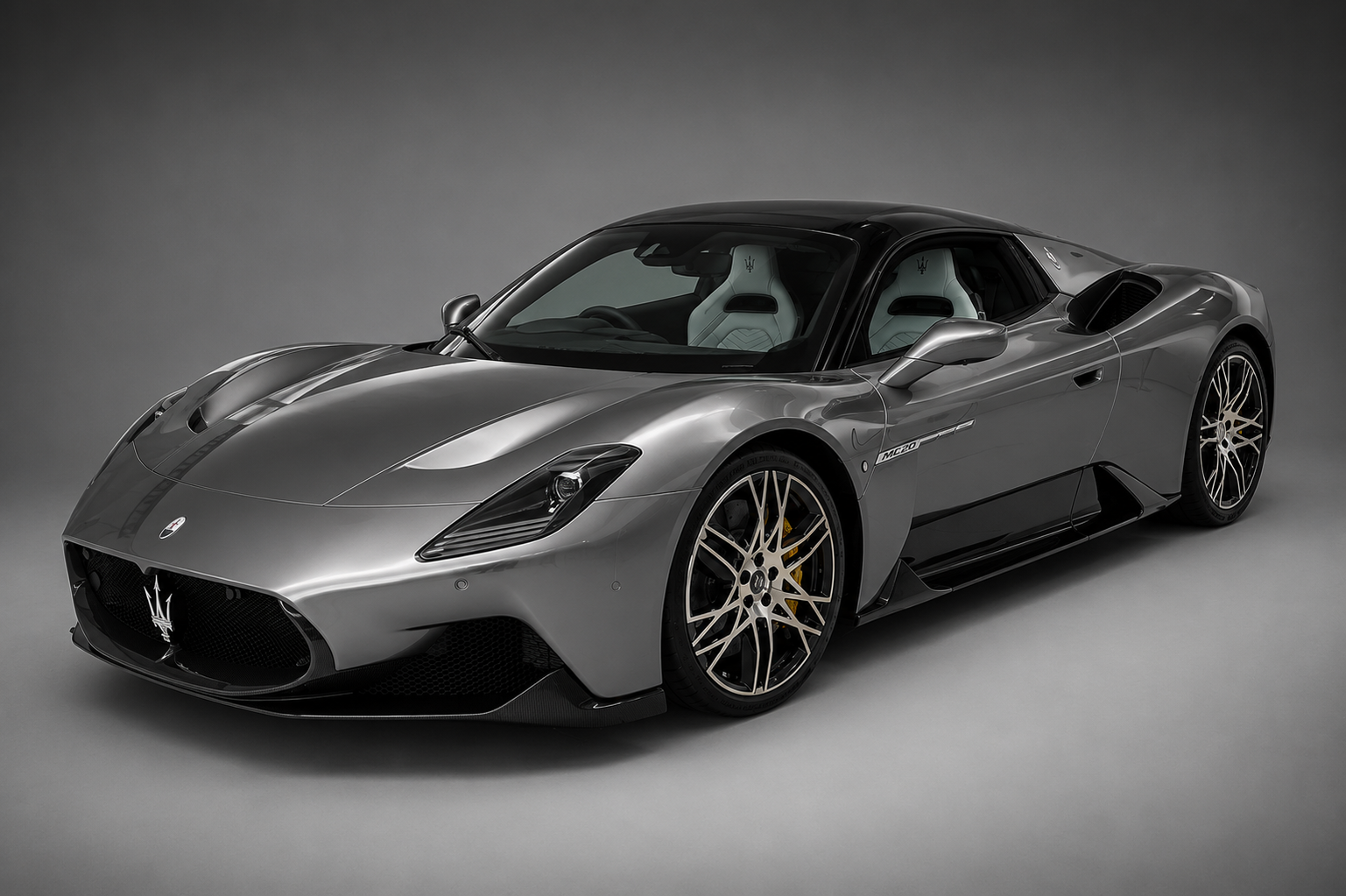
Maserati MC20 / MCPura
Maserati's return to the front rank — a Modena-built carbon-tub mid-engined supercar with a 621 bhp / 630 PS pre-chamber twin-turbo V6, produced 2020–2026 in Coupé and Cielo form and continued for 2026 as the MCPura.
McLaren
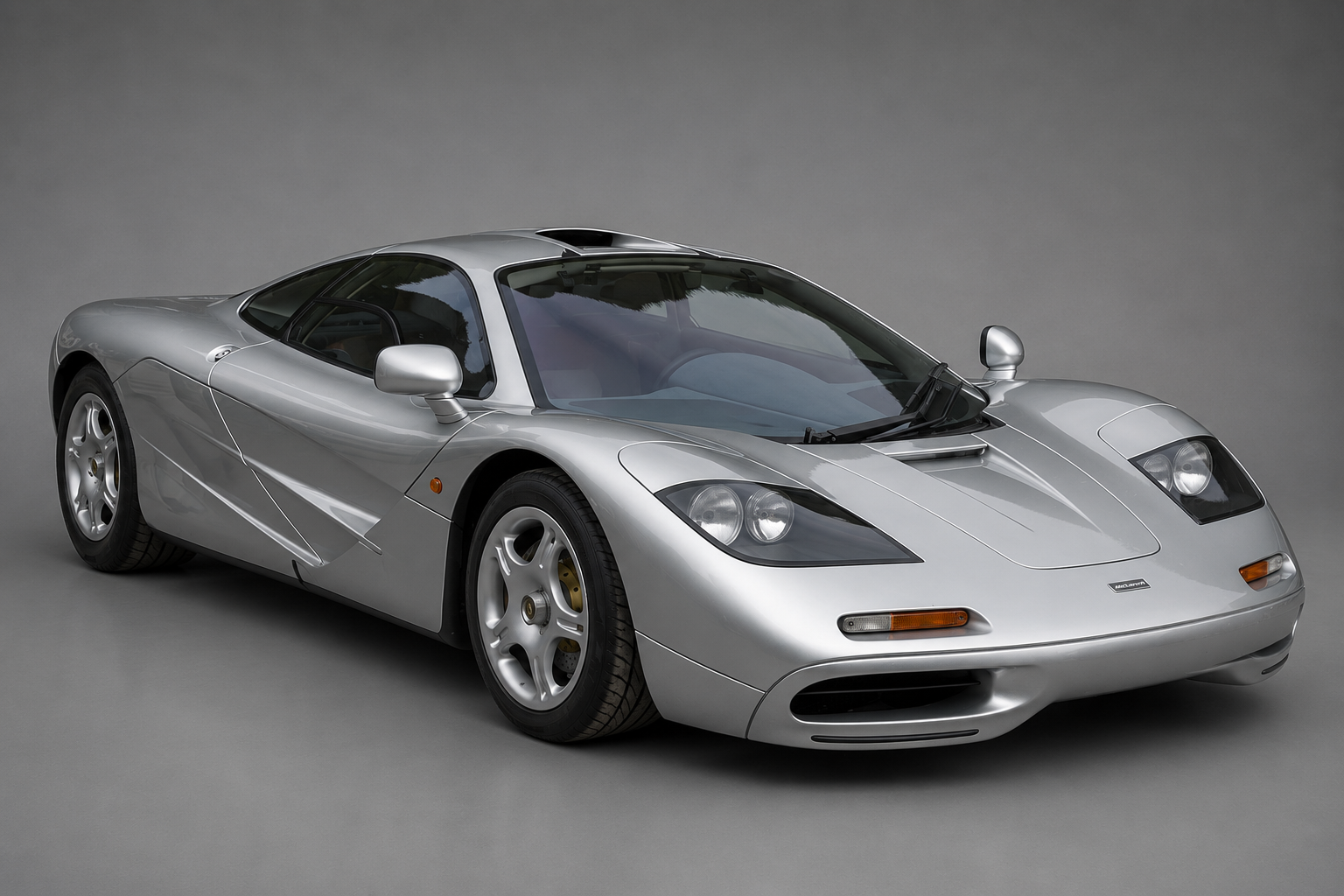
McLaren F1
Gordon Murray's no-compromise three-seat road car — for many, the greatest road-going supercar ever built.
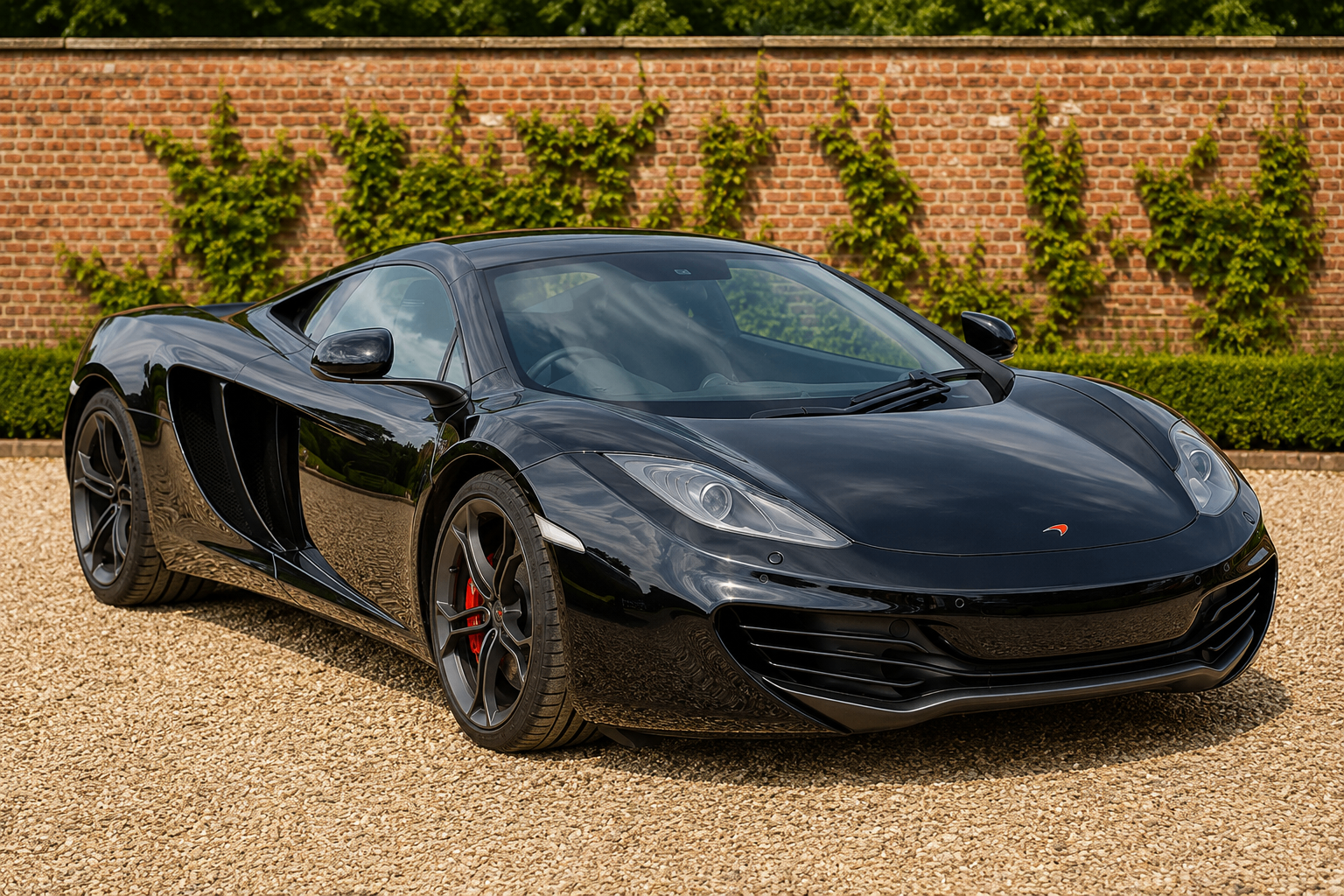
McLaren MP4-12C
McLaren Automotive's first production car after the F1 — a 2011–2014, ~3,400-unit carbon-MonoCell mid-engined supercar with a 3.8-litre M838T twin-turbo V8, designed by Frank Stephenson at Woking; rebranded '12C' in 2012 and immediate predecessor to the 650S.
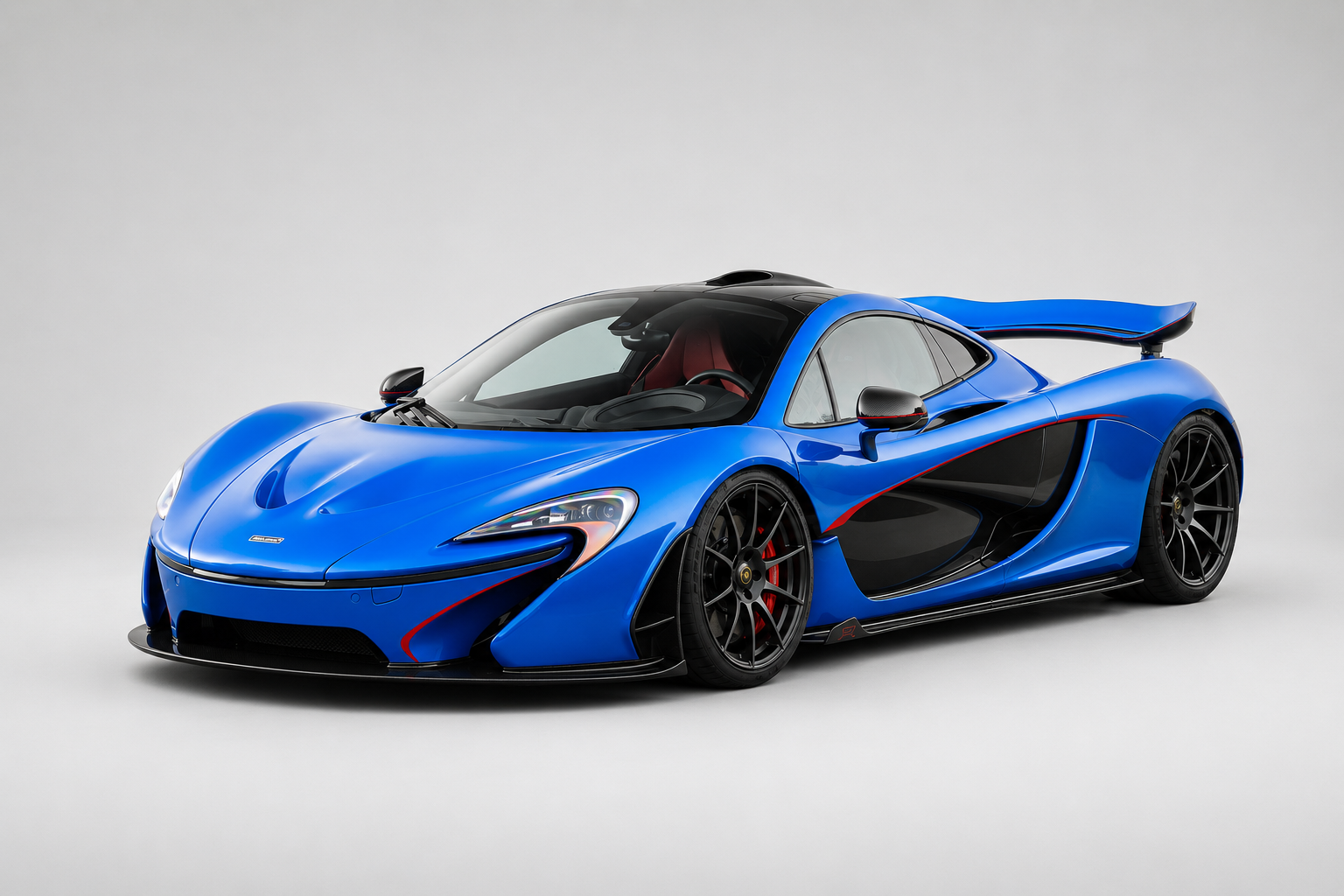
McLaren P1
McLaren's modern hybrid hypercar — 3.8 twin-turbo V8 plus electric motor, active aero, 375 cars worldwide.
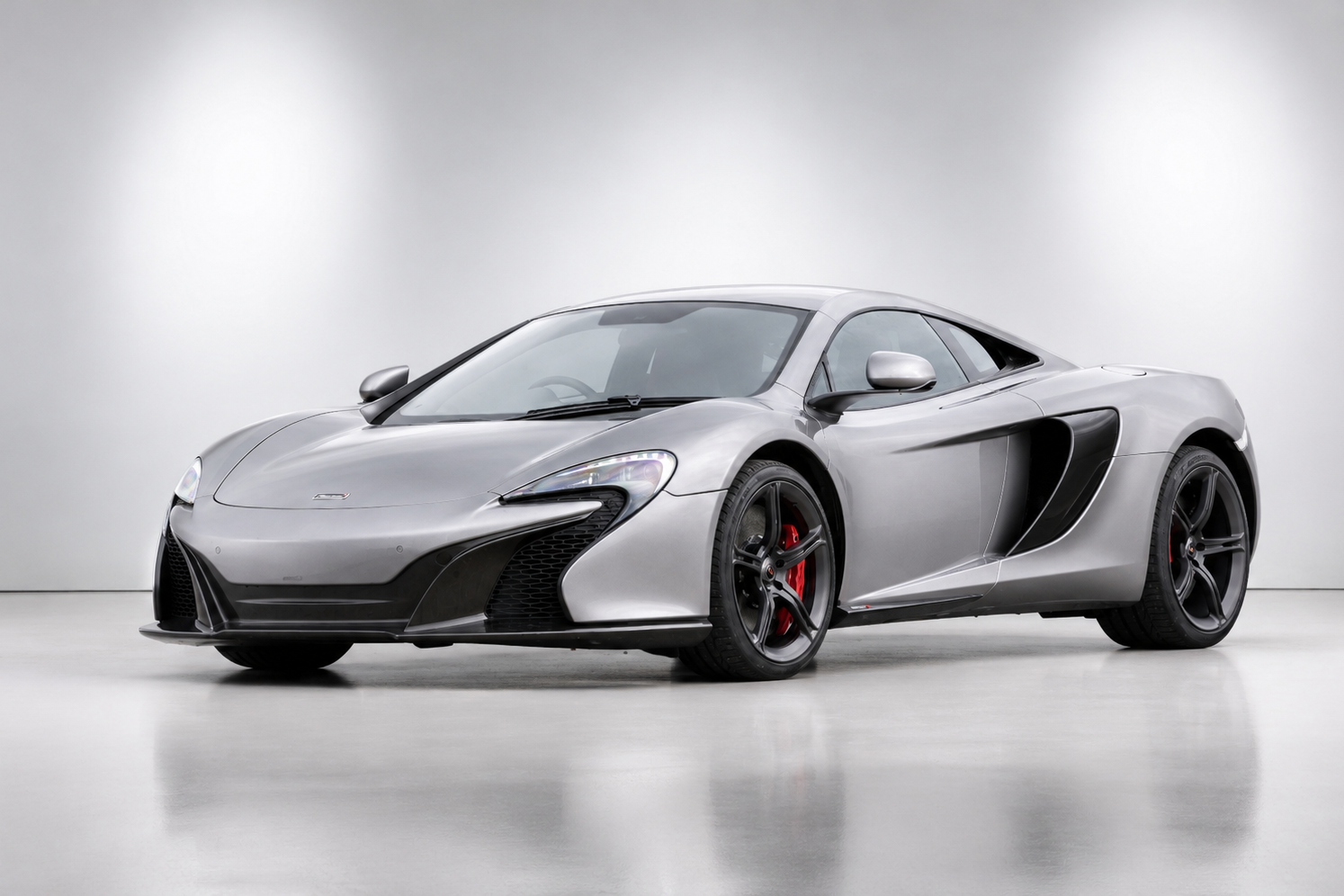
McLaren 650S
McLaren's Super Series 12C follow-up — P1-derived front end, 641 bhp M838T V8, and the coupé/Spider pairing that defined Woking's mid-2010s supercar era.
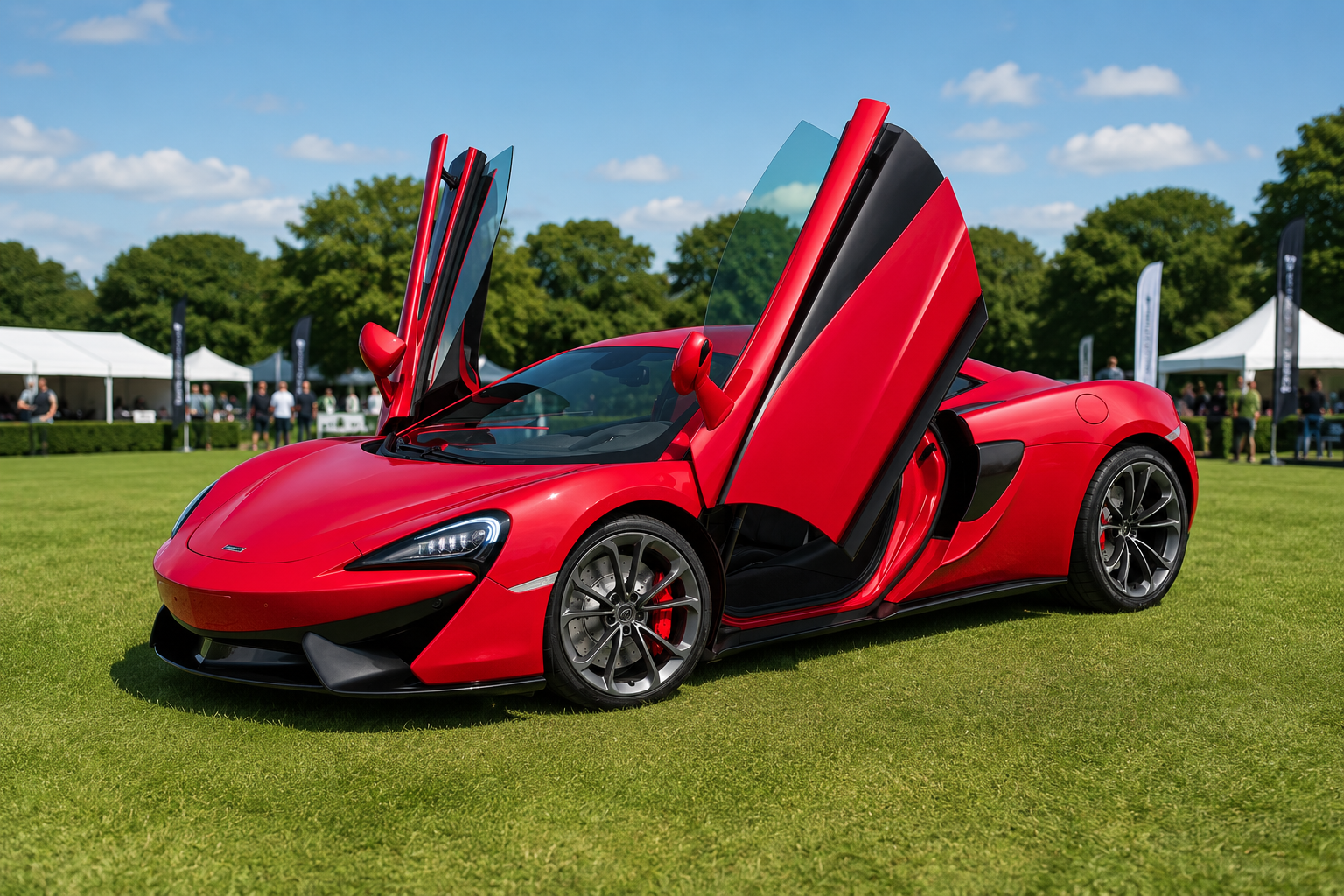
McLaren 540C
McLaren's entry Sports Series — the approachable carbon-tub, dihedral-door coupé that brings 570S drama in a softer, day-usable tune.
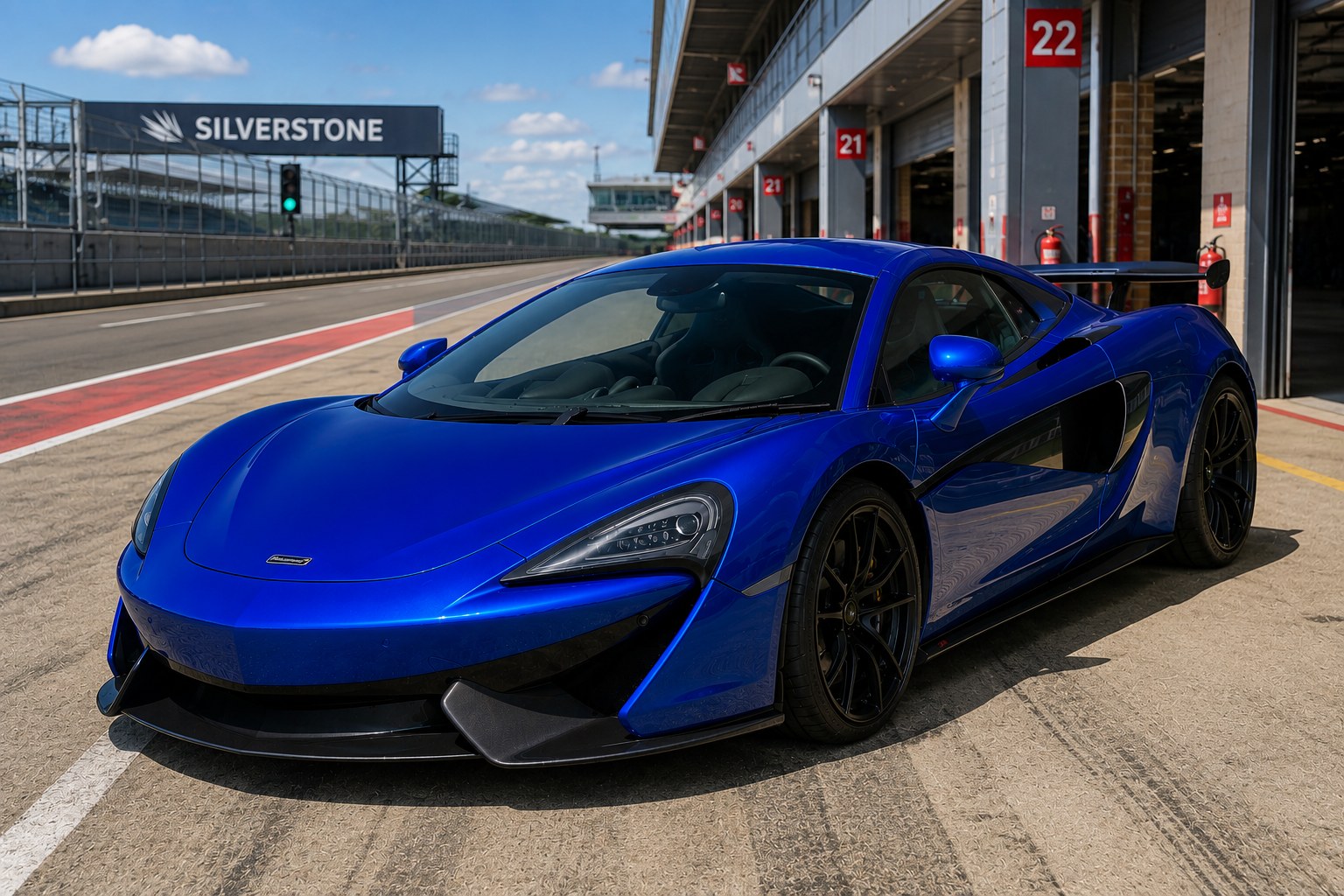
McLaren 570S
McLaren's Sports Series entry — the carbon-tubbed everyday supercar that brought Woking engineering below £150,000.
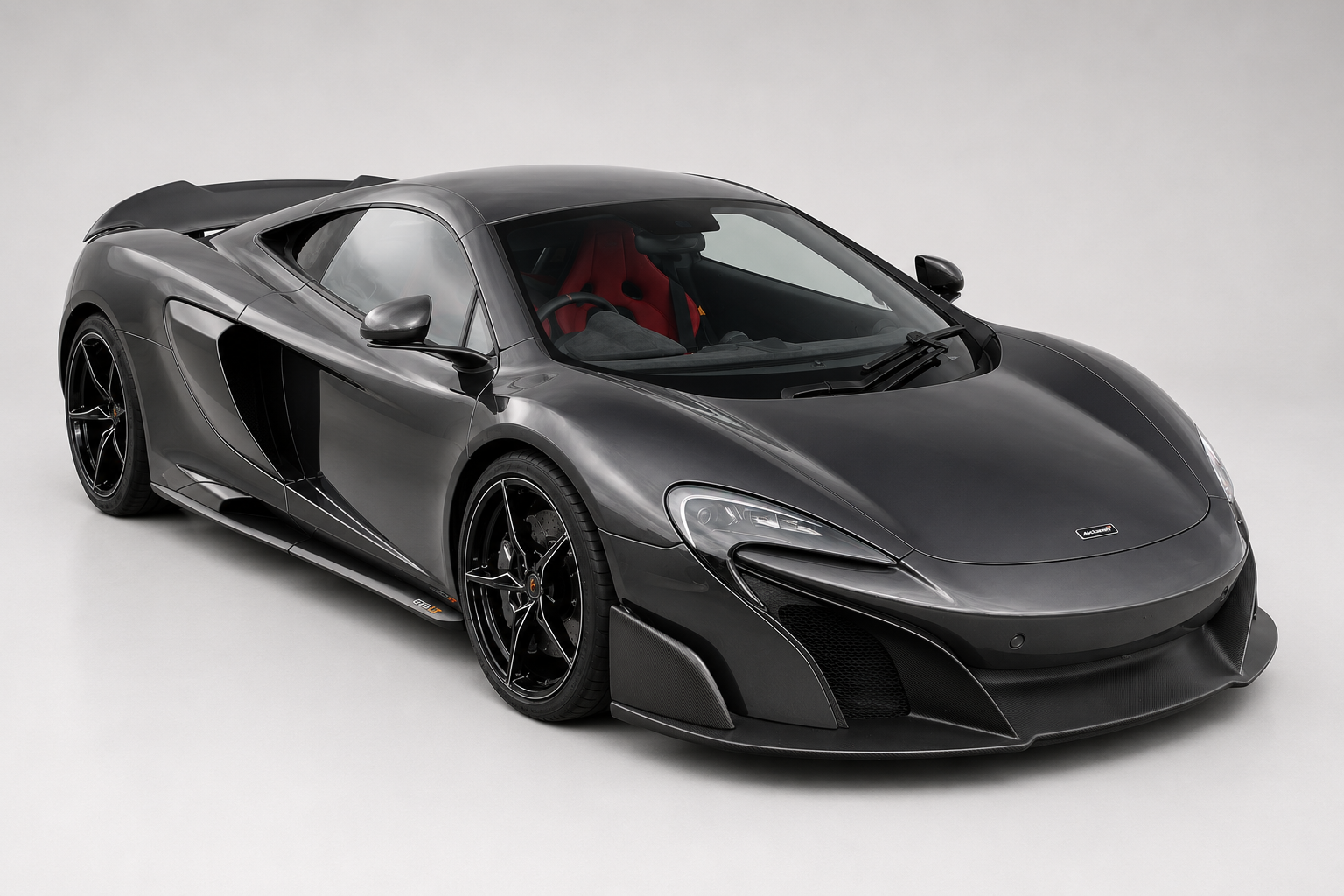
McLaren 675LT
Super Series Longtail revival — extreme aero, 666 bhp and a deliberately tiny production run.
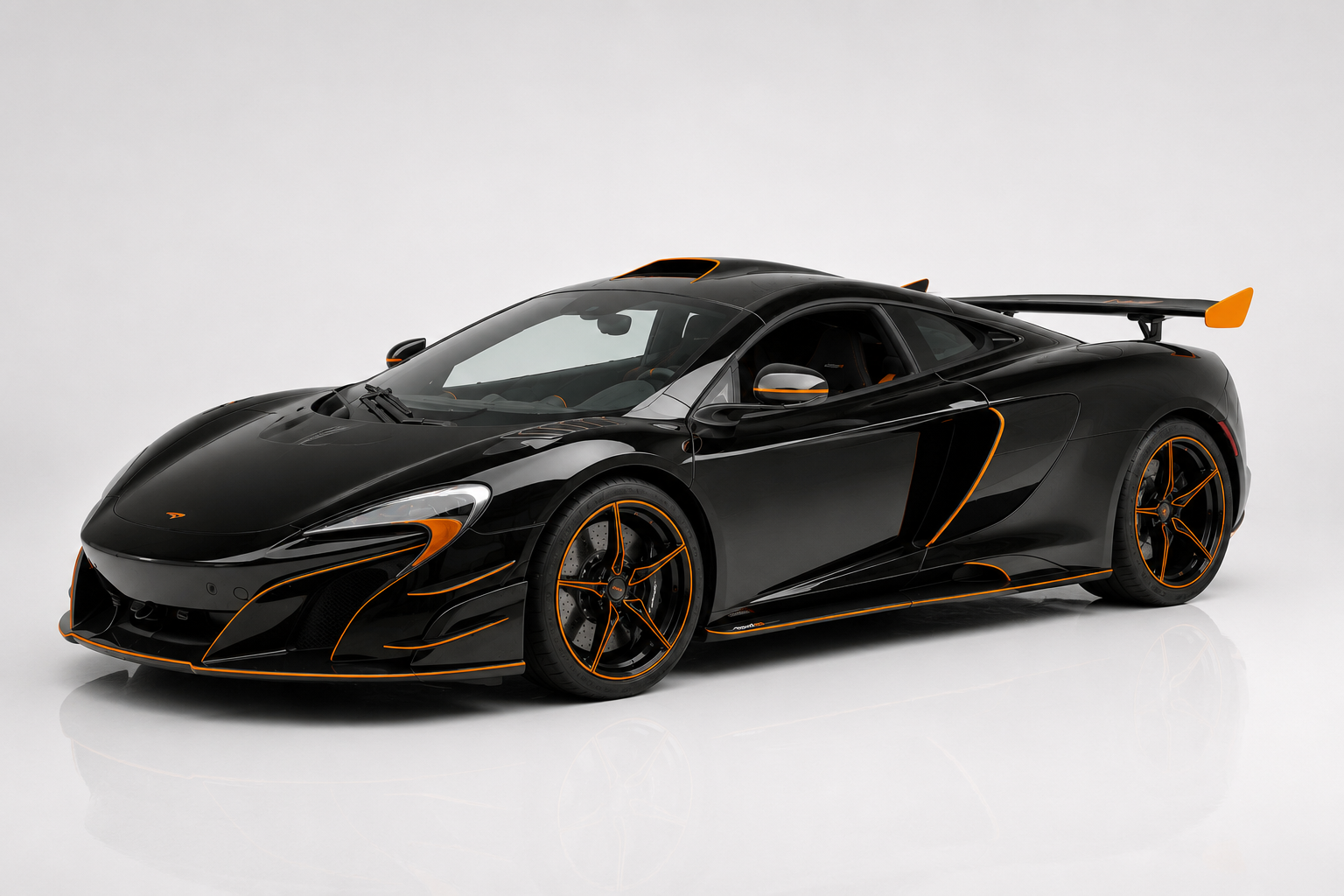
McLaren 688 MSO HS
McLaren's secret 675LT-based MSO commission — 25 units, invitation-only, 688 PS from the M838TL twin-turbo V8, and an estimated 205 mph top speed.
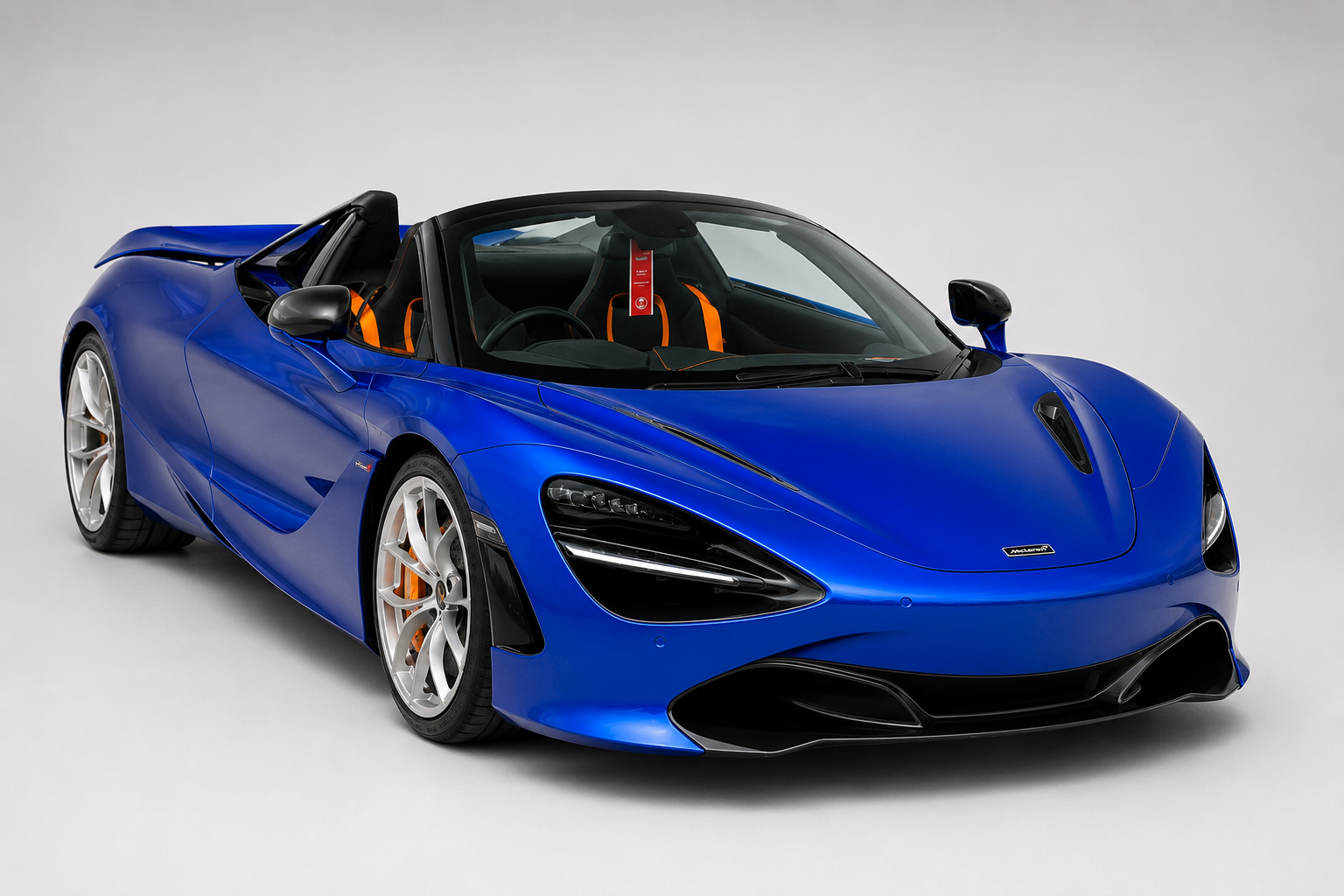
McLaren 720S
The carbon-tub supercar that reset modern performance expectations — now entering collector scrutiny.
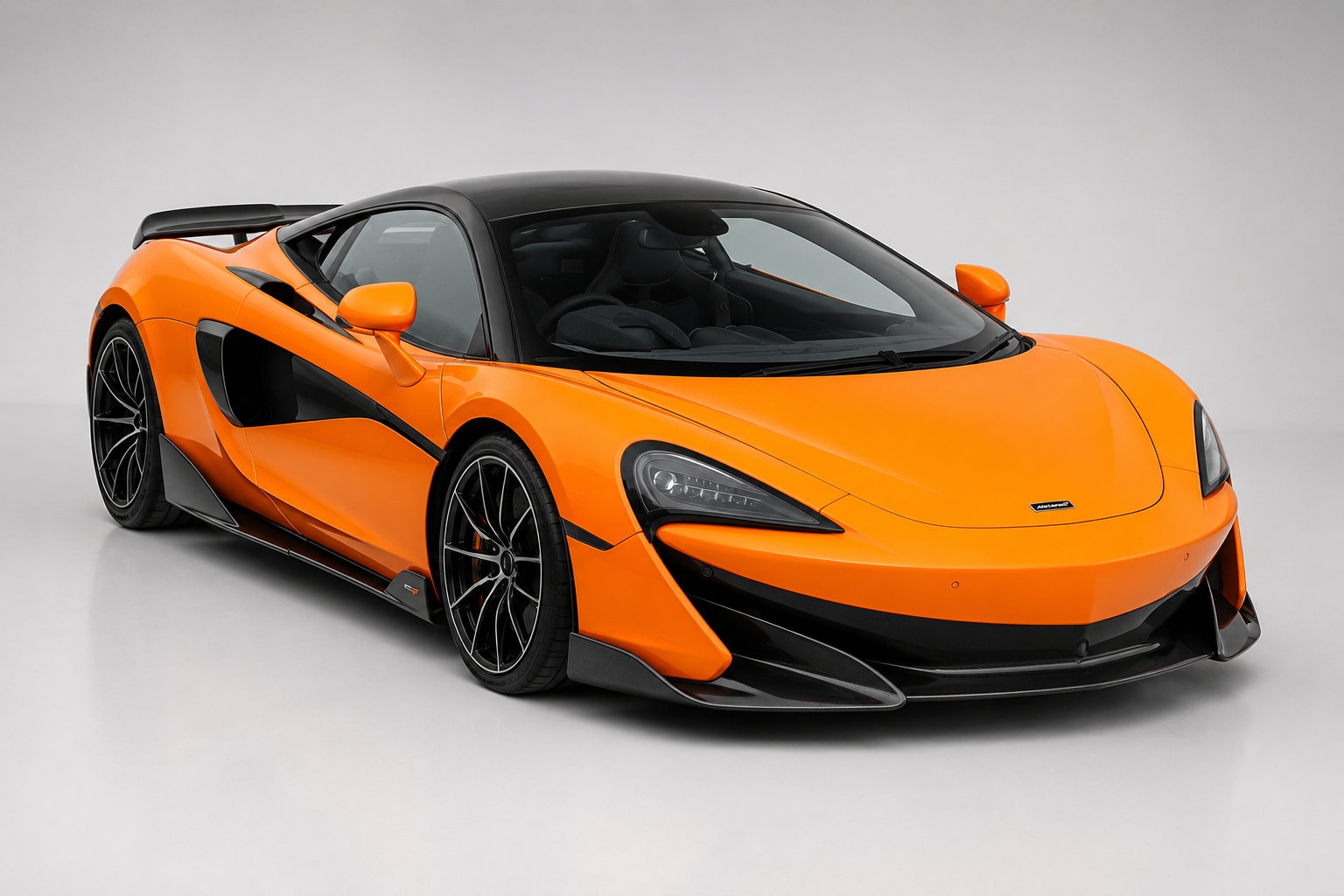
McLaren 600LT
Sports Series 'Longtail' — lighter, sharper and louder, with top-exit exhausts and a track-focused brief.
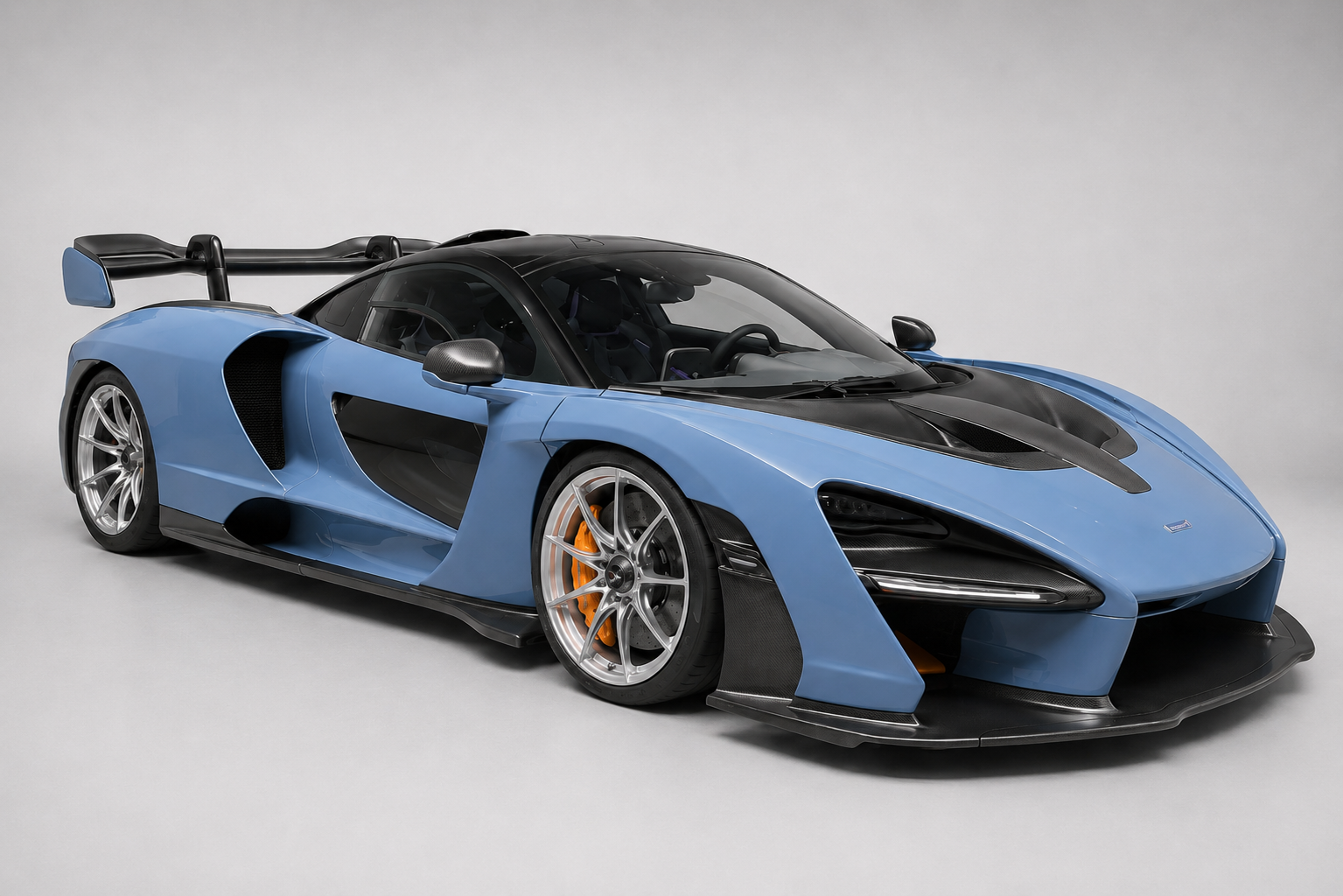
McLaren Senna
McLaren's track-focused road hypercar — 4.0 twin-turbo V8, active aerodynamics, named for Ayrton Senna; 500 cars worldwide.
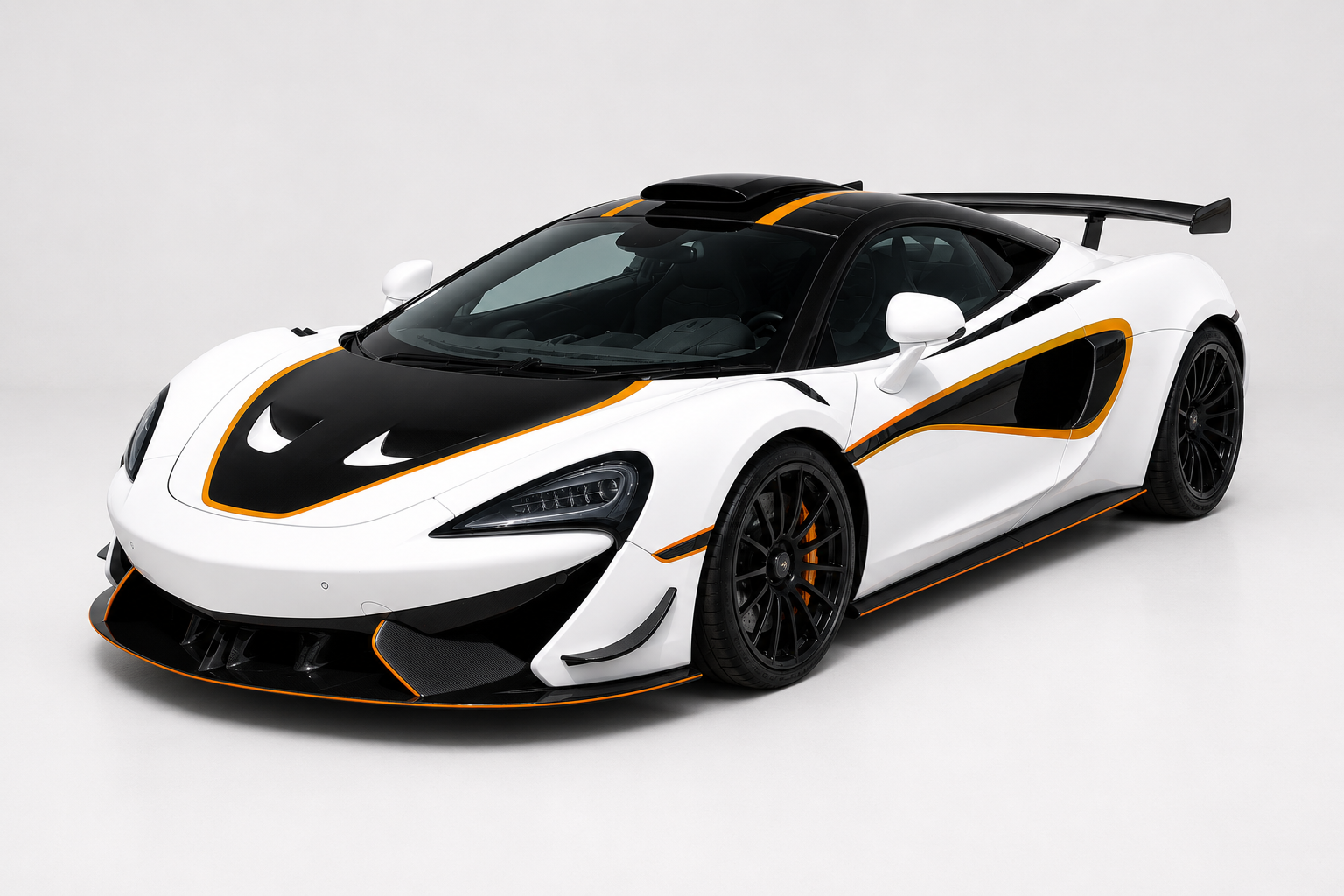
McLaren 620R
McLaren's road-legal 570S GT4 — a numbered Sports Series track refugee with GT4 aero, motorsport coilovers and a stripped racing cabin.
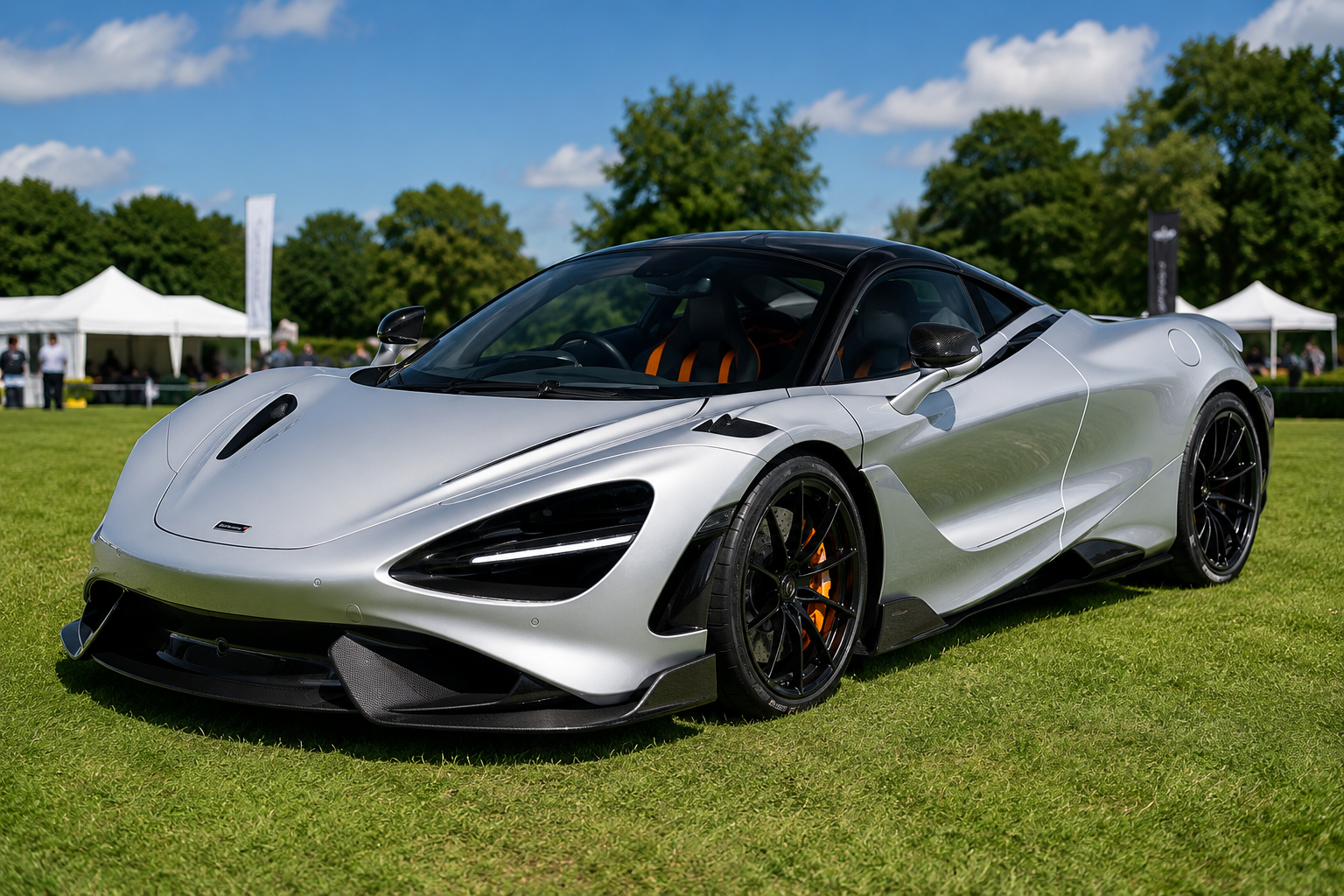
McLaren 765LT
McLaren's fourth Longtail — a sharper, lighter Super Series flagship with Senna-derived internals, quad-exit theatre and serious track intent.
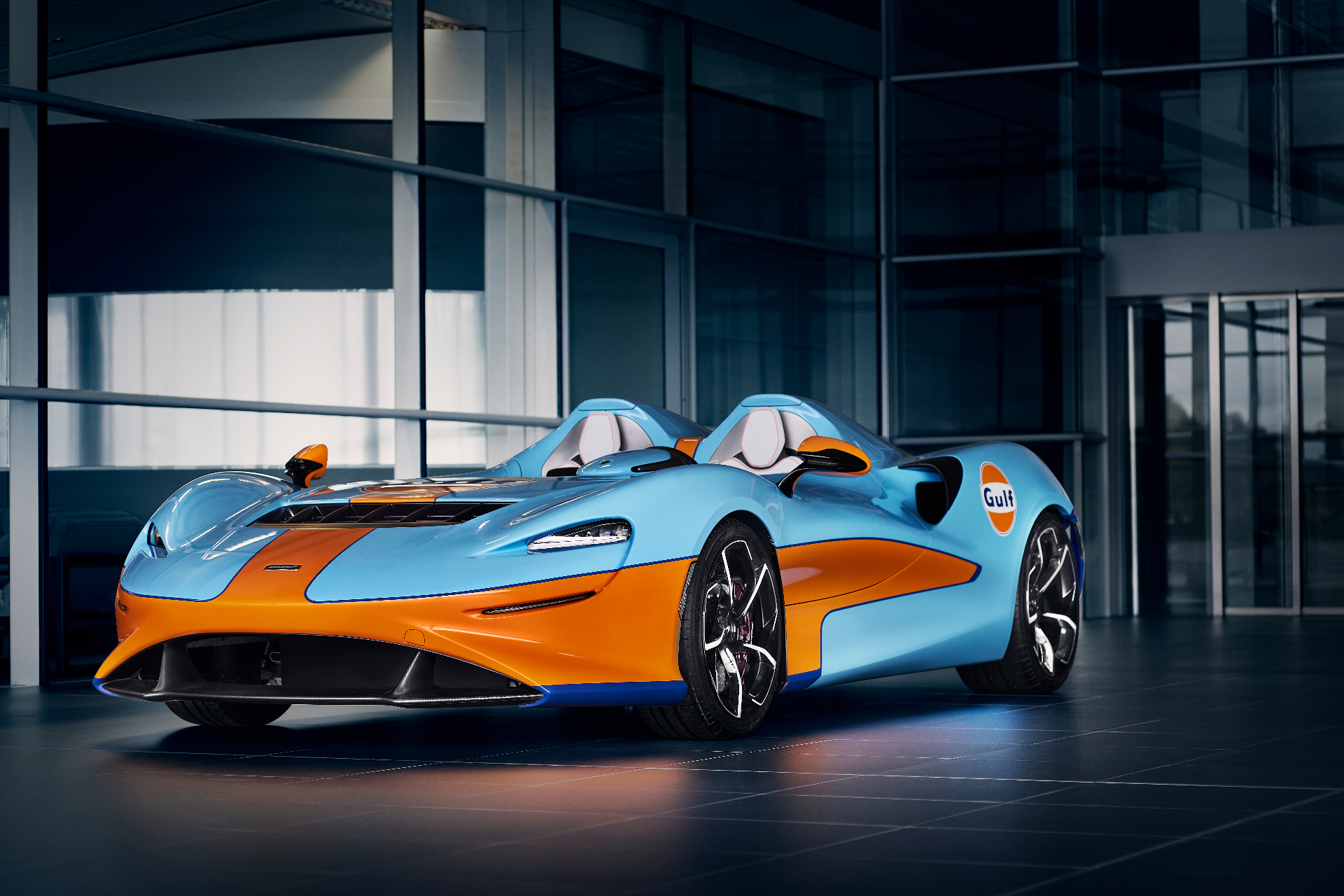
McLaren Elva
McLaren's Ultimate Series open-cockpit roadster — 804 bhp M840TR V8, bespoke carbon-fibre monocoque (an evolution of McLaren's Monocage architecture), and the lightest road car McLaren has ever built, in a final run of 149.
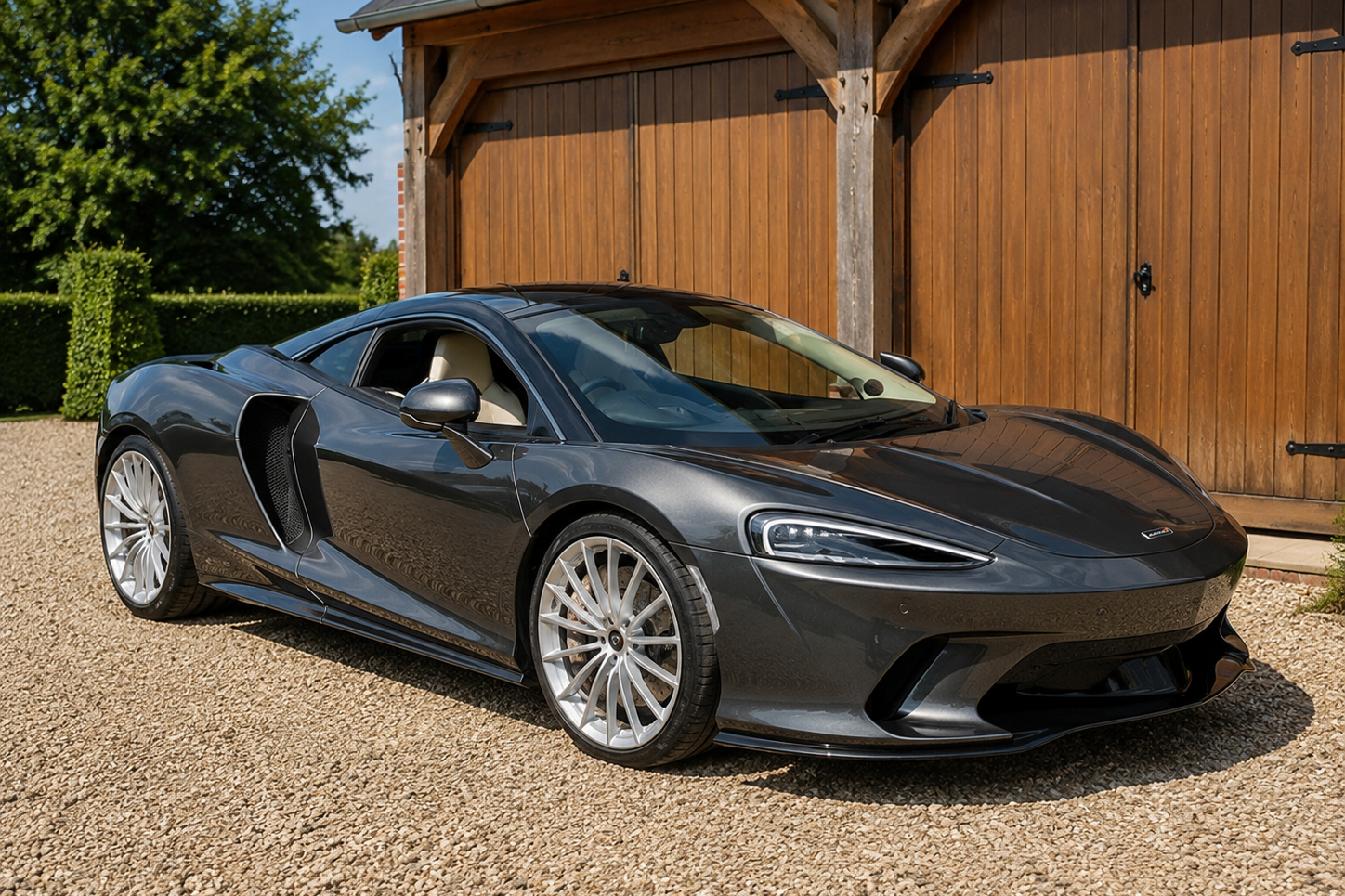
McLaren GT / GTS
McLaren's dedicated grand tourer — the carbon-tub, butterfly-door coupé across both generations, GT (2020–2023) and the facelifted GTS (2024–).
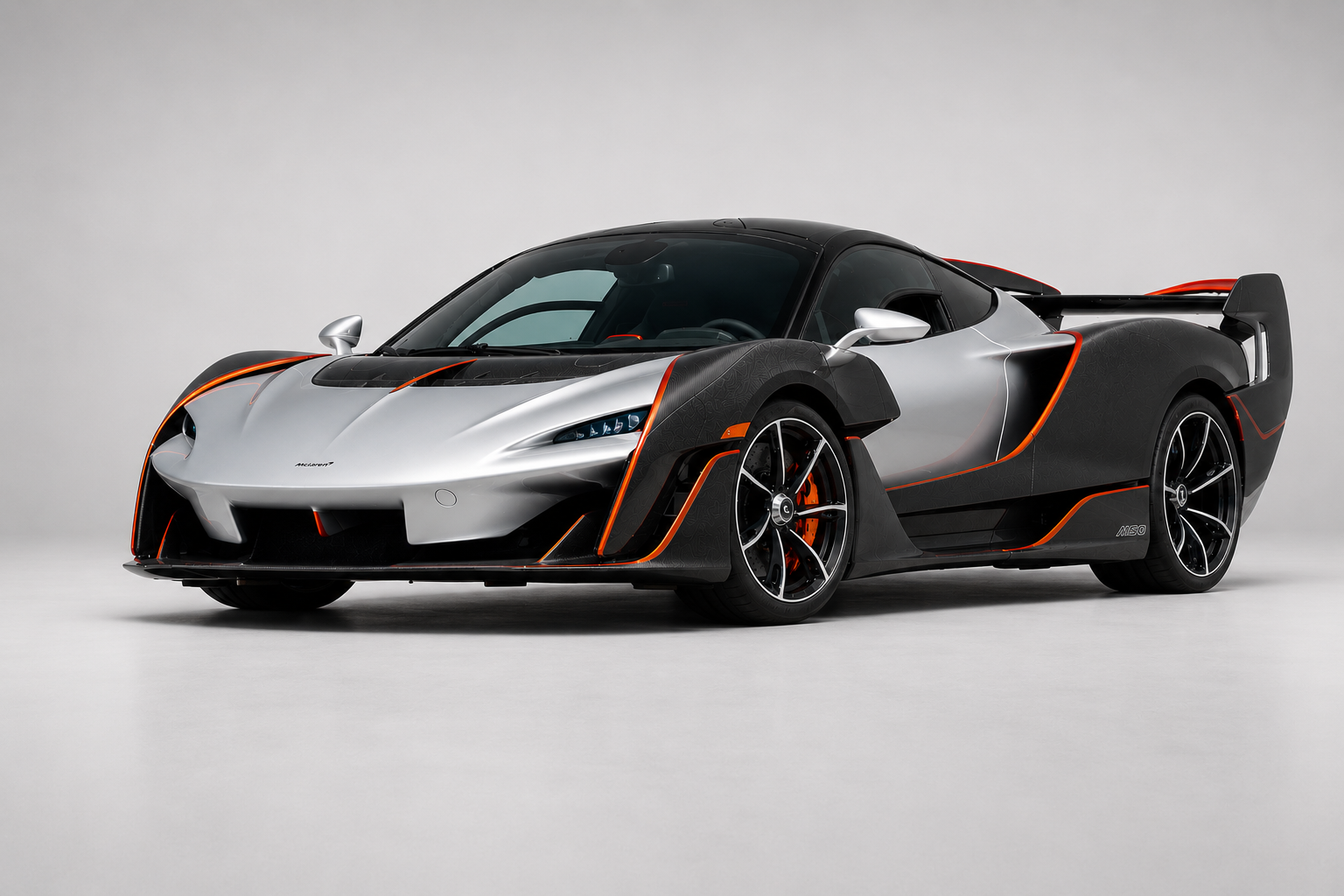
McLaren Sabre
MSO's US-only 15-unit hypercar — 824 bhp M840TR V8, Senna-derived carbon architecture, and the fastest two-seat McLaren ever built.
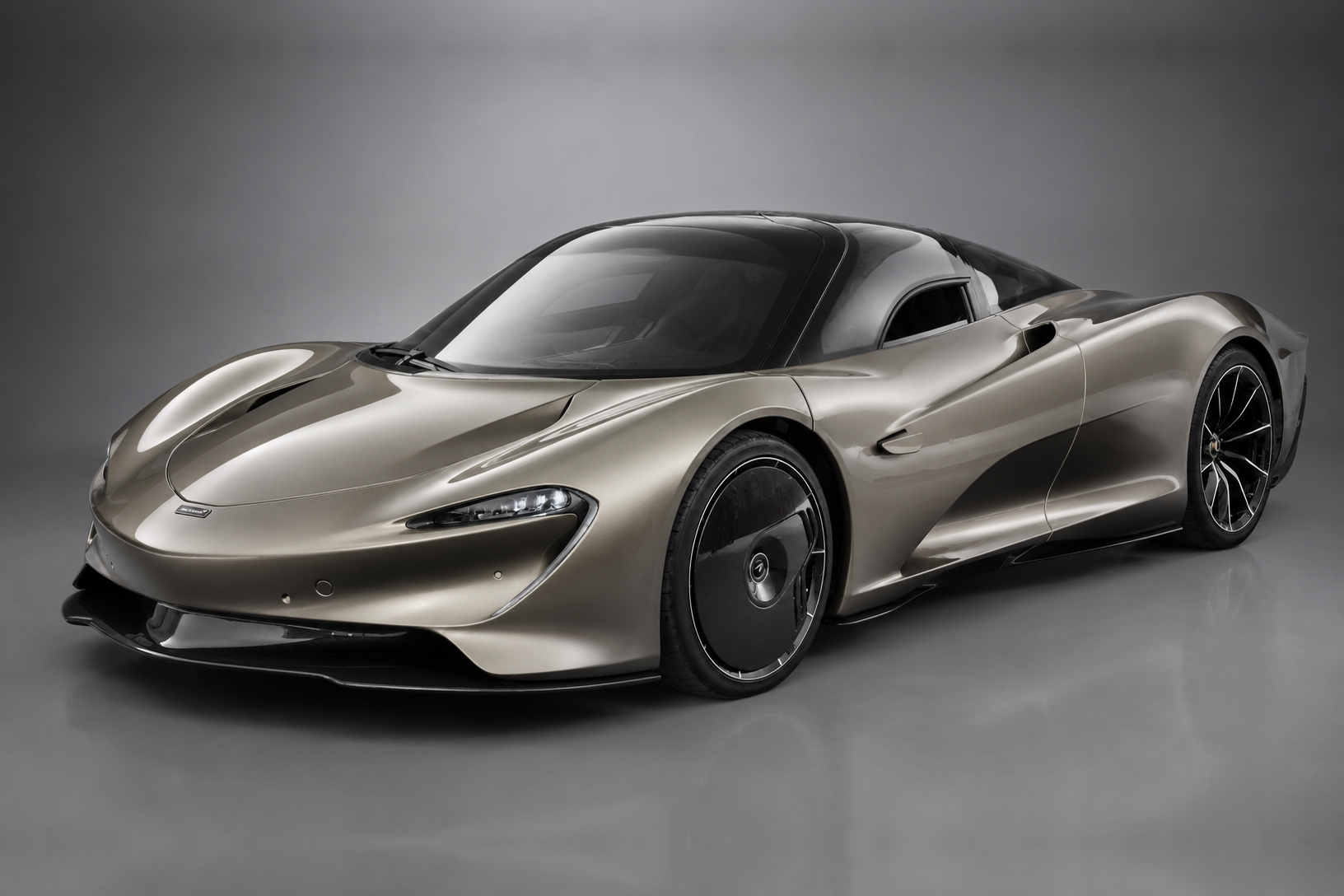
McLaren Speedtail
Three-seat hybrid hyper-GT and McLaren's nominal F1 successor — 1,055 bhp and a 250 mph top speed.
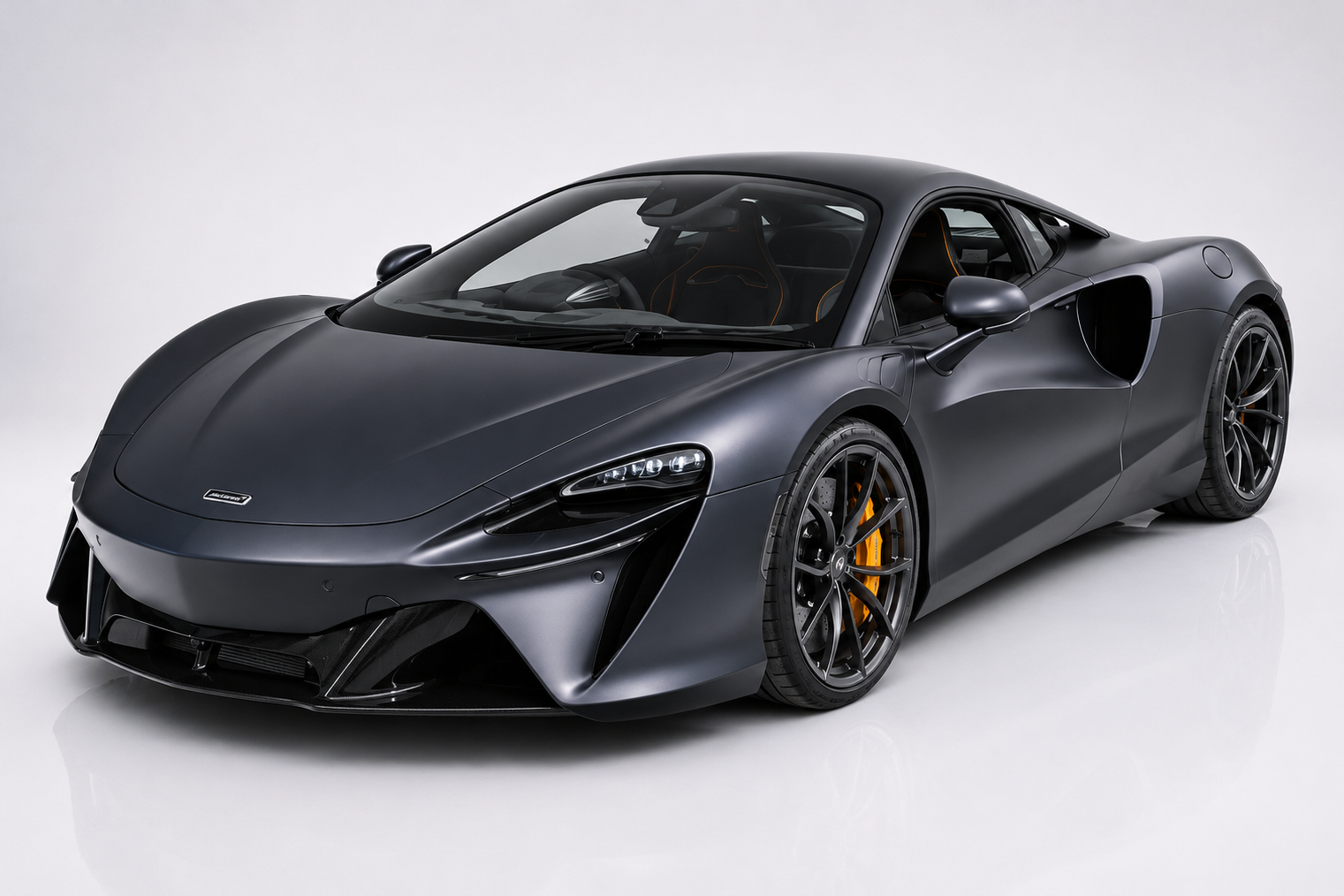
McLaren Artura
The electrified turning point — McLaren's V6 hybrid and the start of the MCLA platform era.
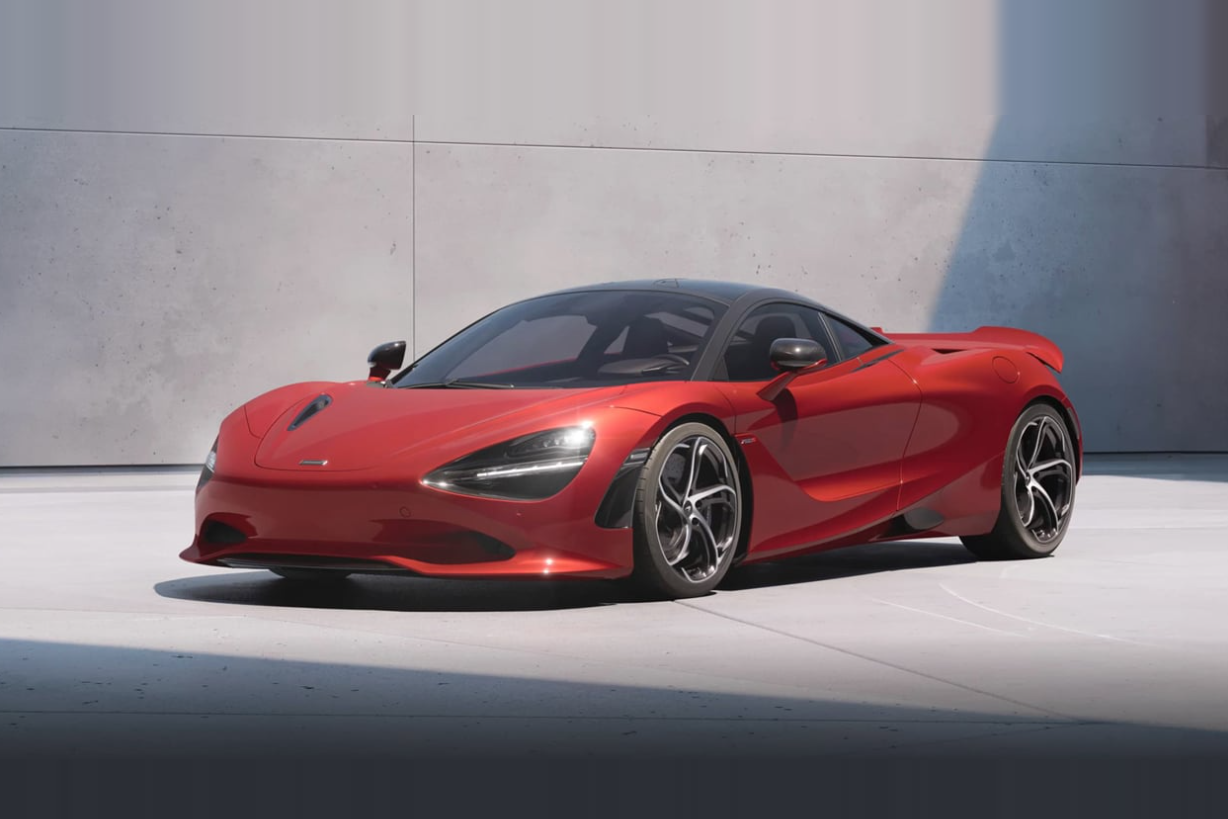
McLaren 750S
The sharpened send-off — McLaren's combustion Super Series V8, evolved.
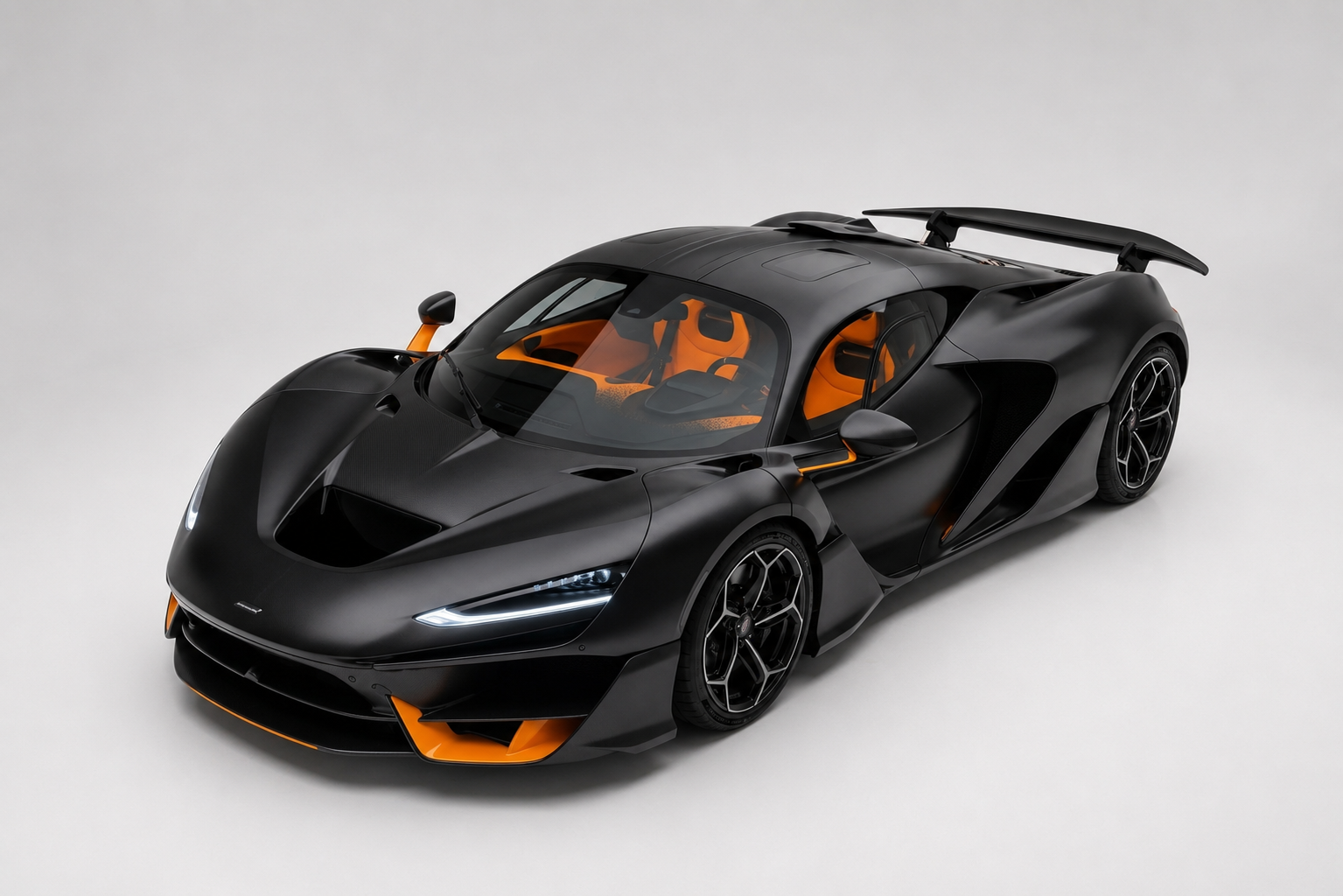
McLaren W1
McLaren's flagship 'Ultimate Series' hybrid V8 hypercar — the announced successor to the P1.
Mercedes-Benz
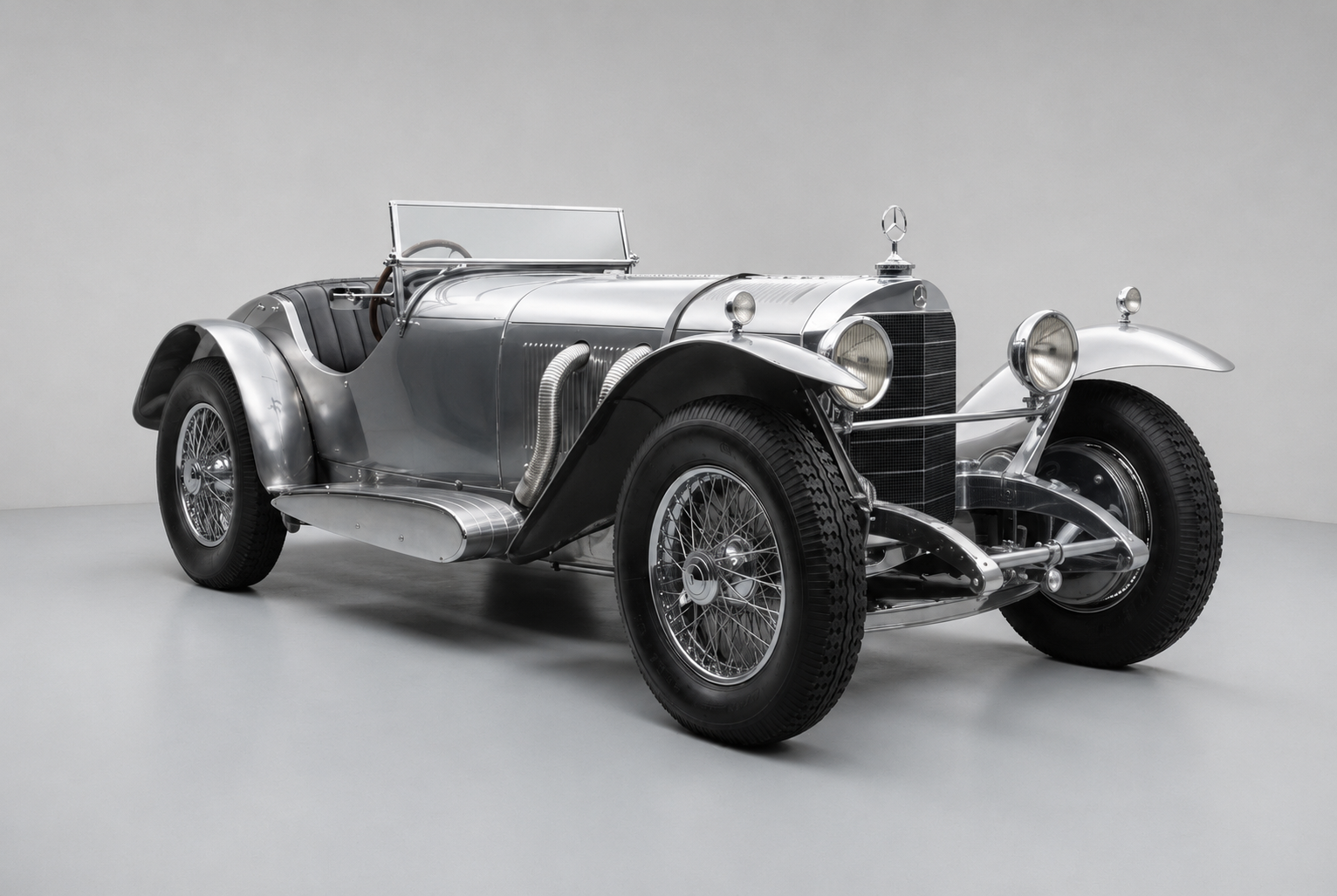
Mercedes-Benz SSK
Ferdinand Porsche's supercharged short-chassis monster — the most fearsome sports car of the late 1920s.
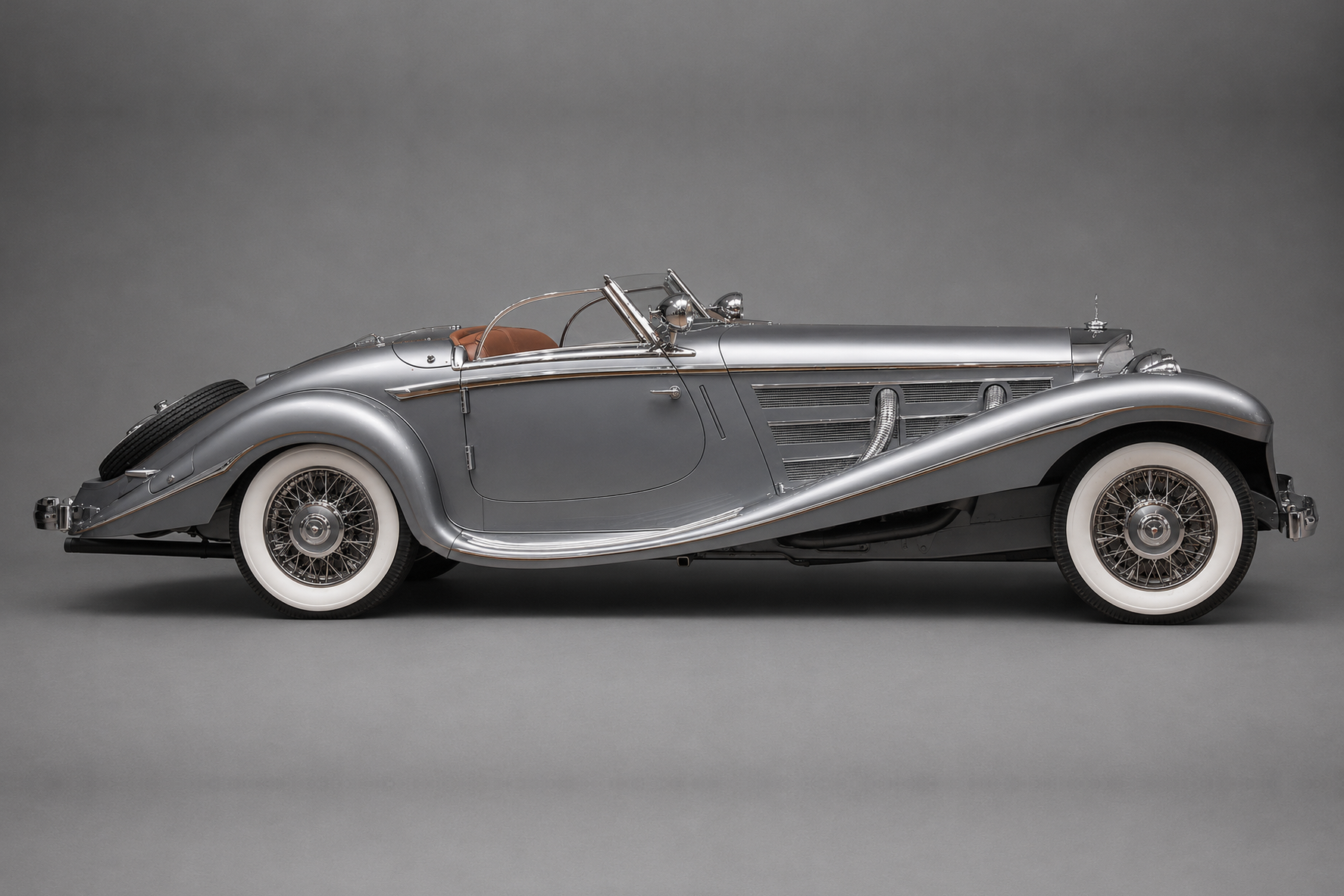
Mercedes-Benz 500K / 540K
The pre-war German grand tourer — supercharged straight-eight luxury with Sindelfingen-built coachwork of unmatched theatre.
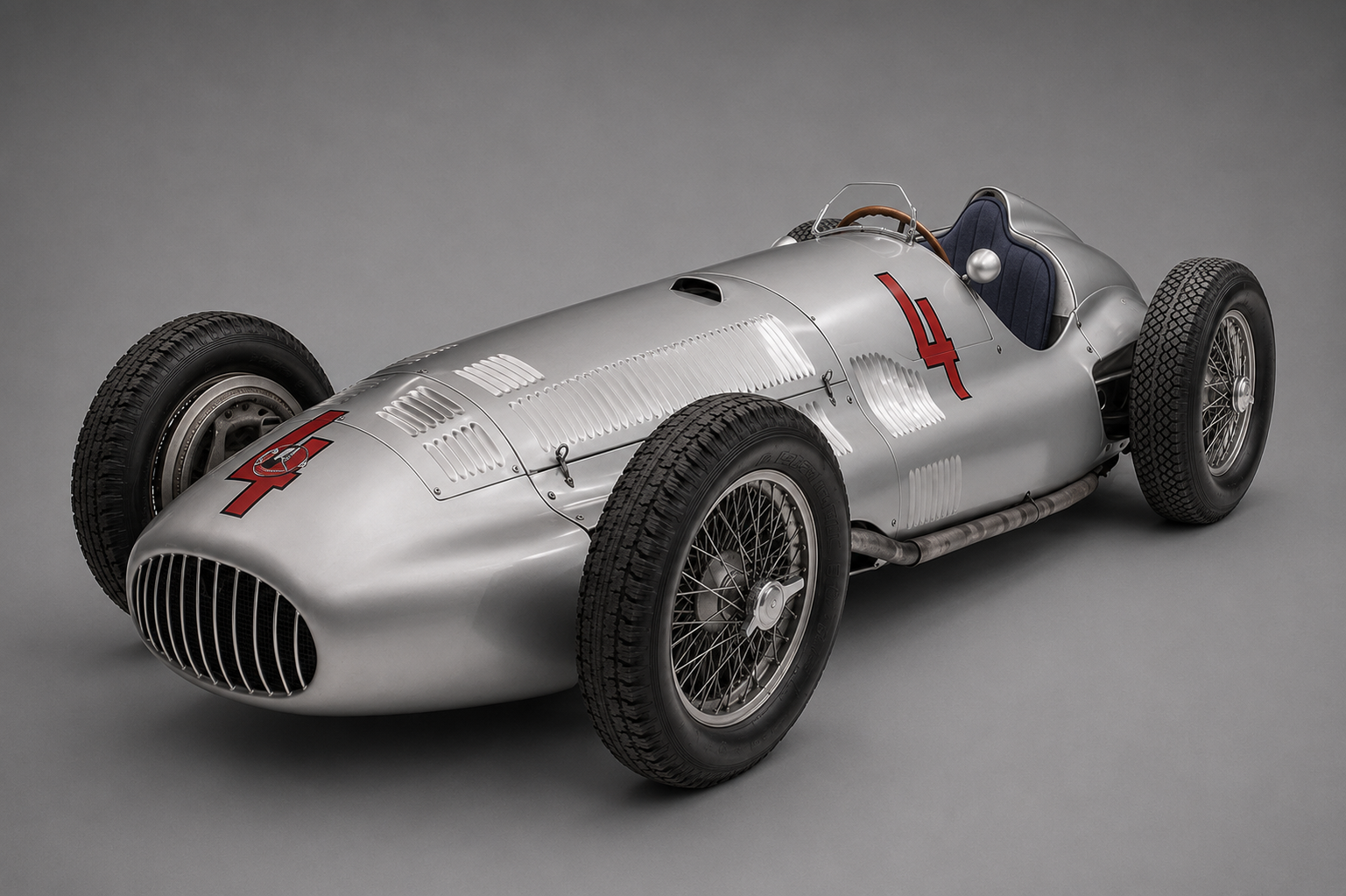
Mercedes-Benz W25 / W125 / W154
The Silver Arrows — Mercedes-Benz's state-backed Grand Prix machines that defined the most extreme era of pre-war racing.
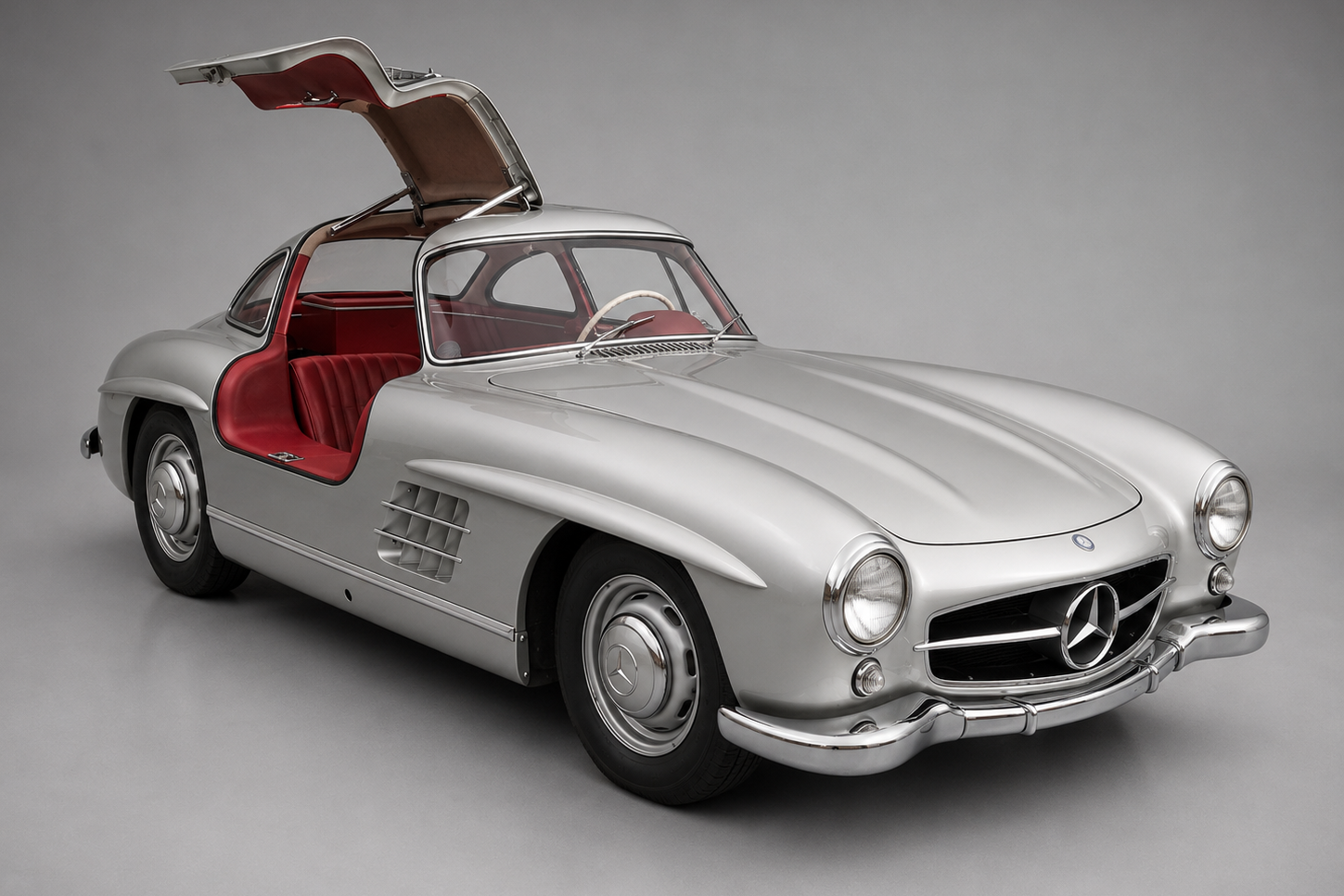
Mercedes-Benz 300 SL Gullwing
Mercedes-Benz's post-war icon in coupe form: gullwing doors, spaceframe chassis and permanent blue-chip status.
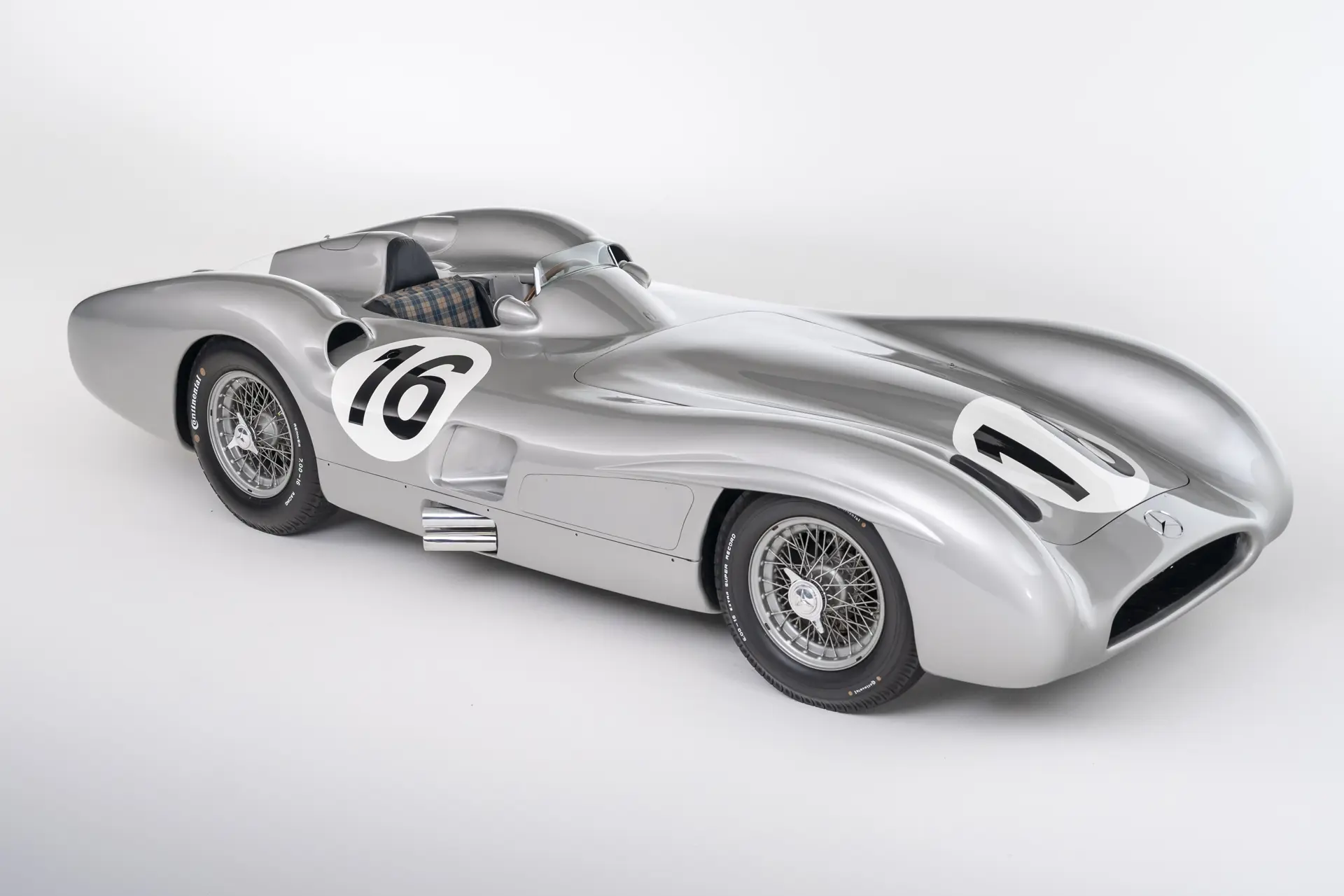
Mercedes-Benz W196
The 2.5-litre Silver Arrow — Fangio's 1954 and 1955 titles, Moss's first GP win at Aintree, 9 wins from 12 GPs.
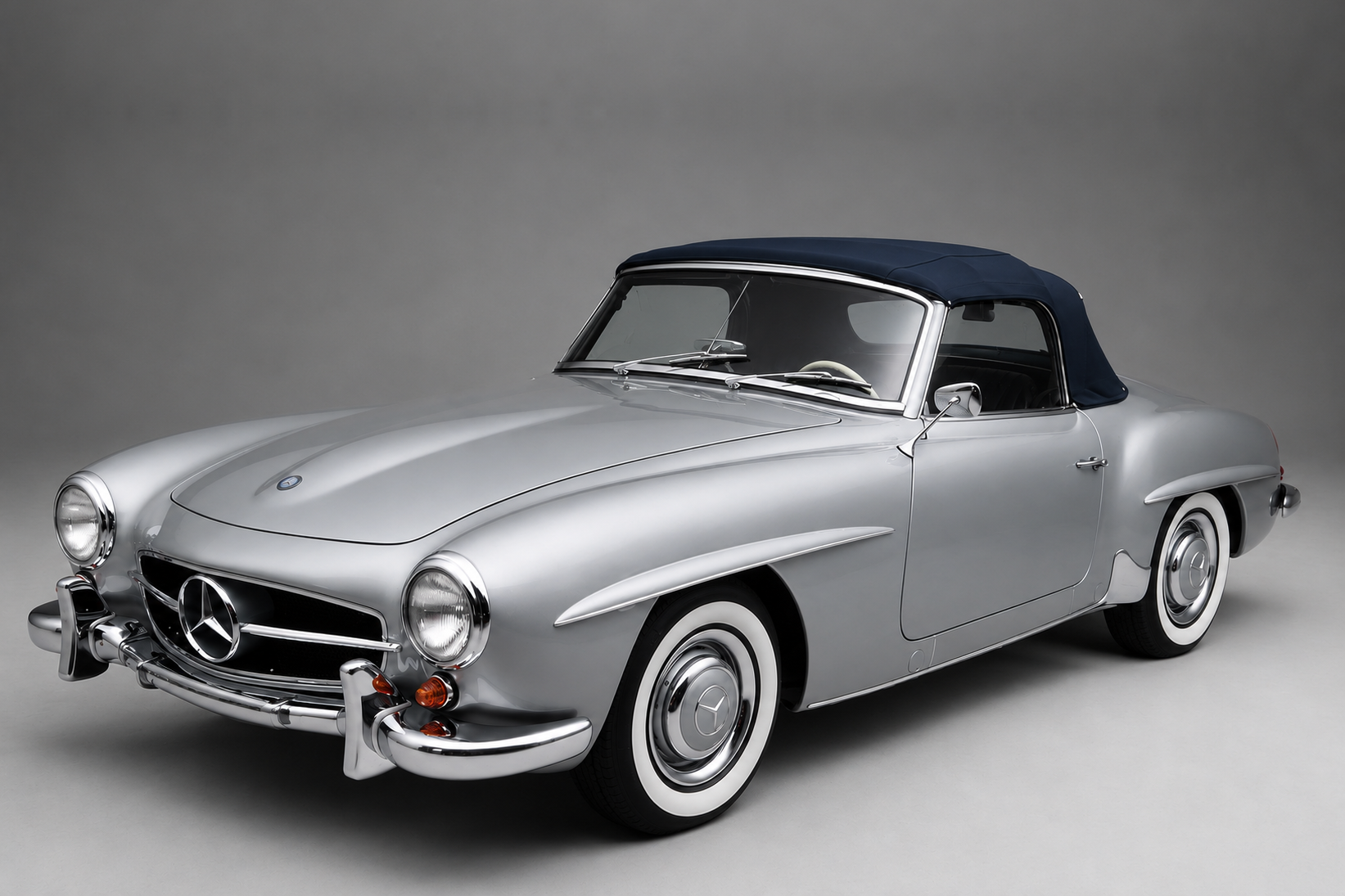
Mercedes-Benz 190 SL
Postwar Mercedes roadster styled in lockstep with the 300 SL — a 1.9-litre, four-cylinder elegance over performance.
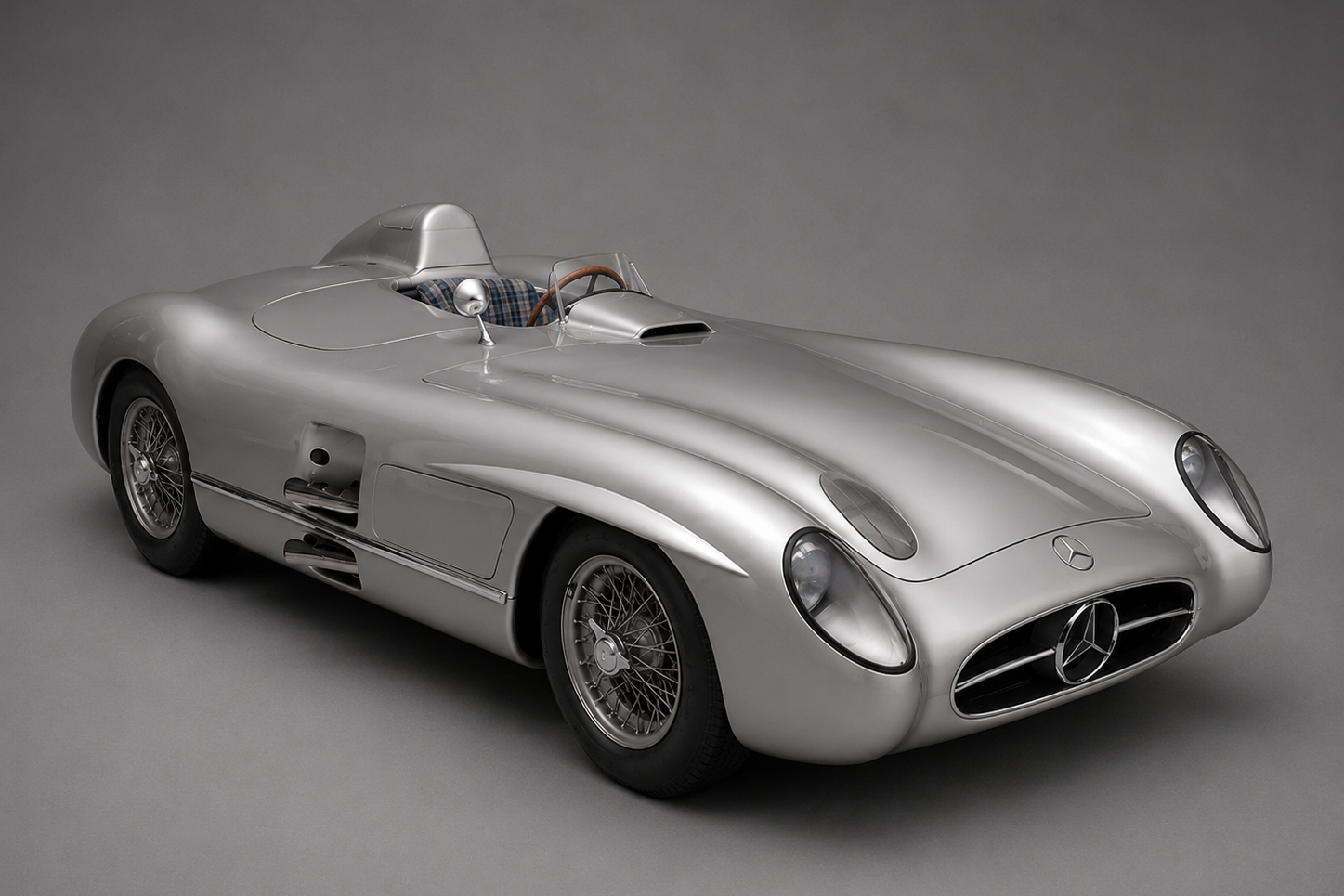
Mercedes-Benz 300 SLR
Mercedes-Benz's 1955 World Sportscar Championship car — 2.98-litre desmodromic straight-eight, ten built including the two Uhlenhaut Coupés.
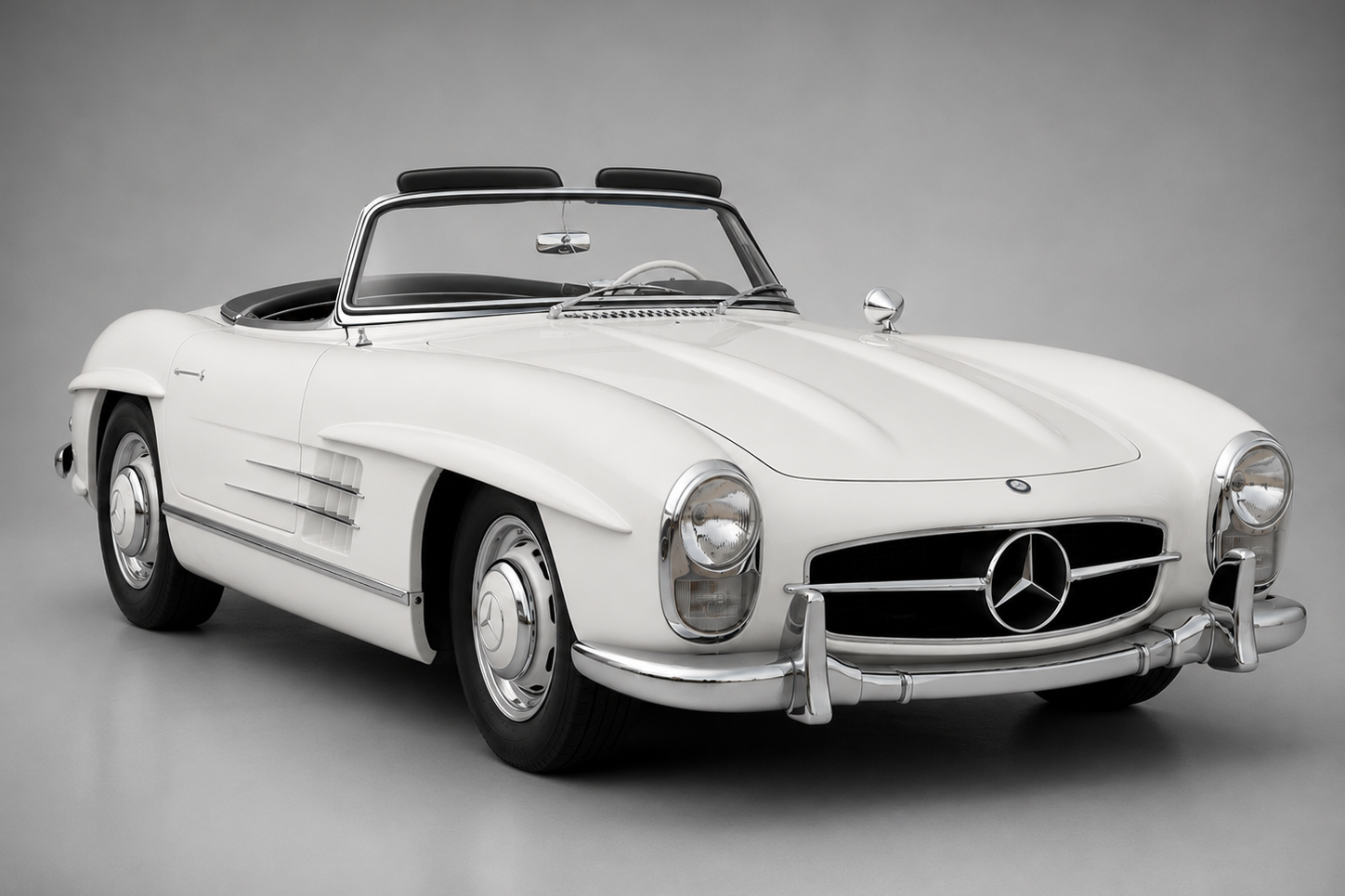
Mercedes-Benz 300 SL Roadster
The open, more usable W198: same fuel-injected straight-six, softer chassis, and a more forgiving ownership proposition than the Gullwing.
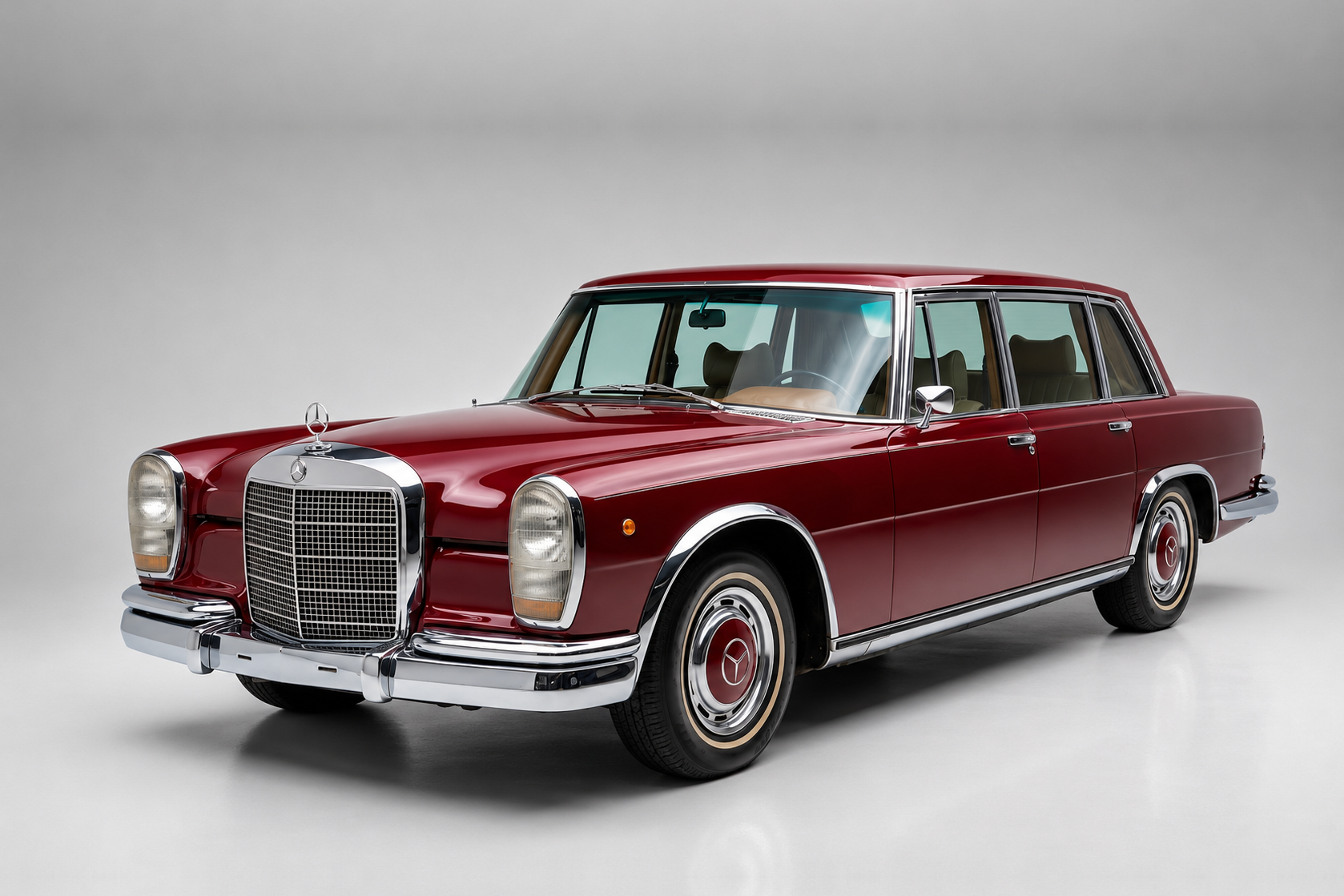
Mercedes-Benz 600 'Grosser' (W100)
The ultimate post-war state limousine — Geiger and Bracq's W100, the M100 6.3 V8 and hydraulic everything.
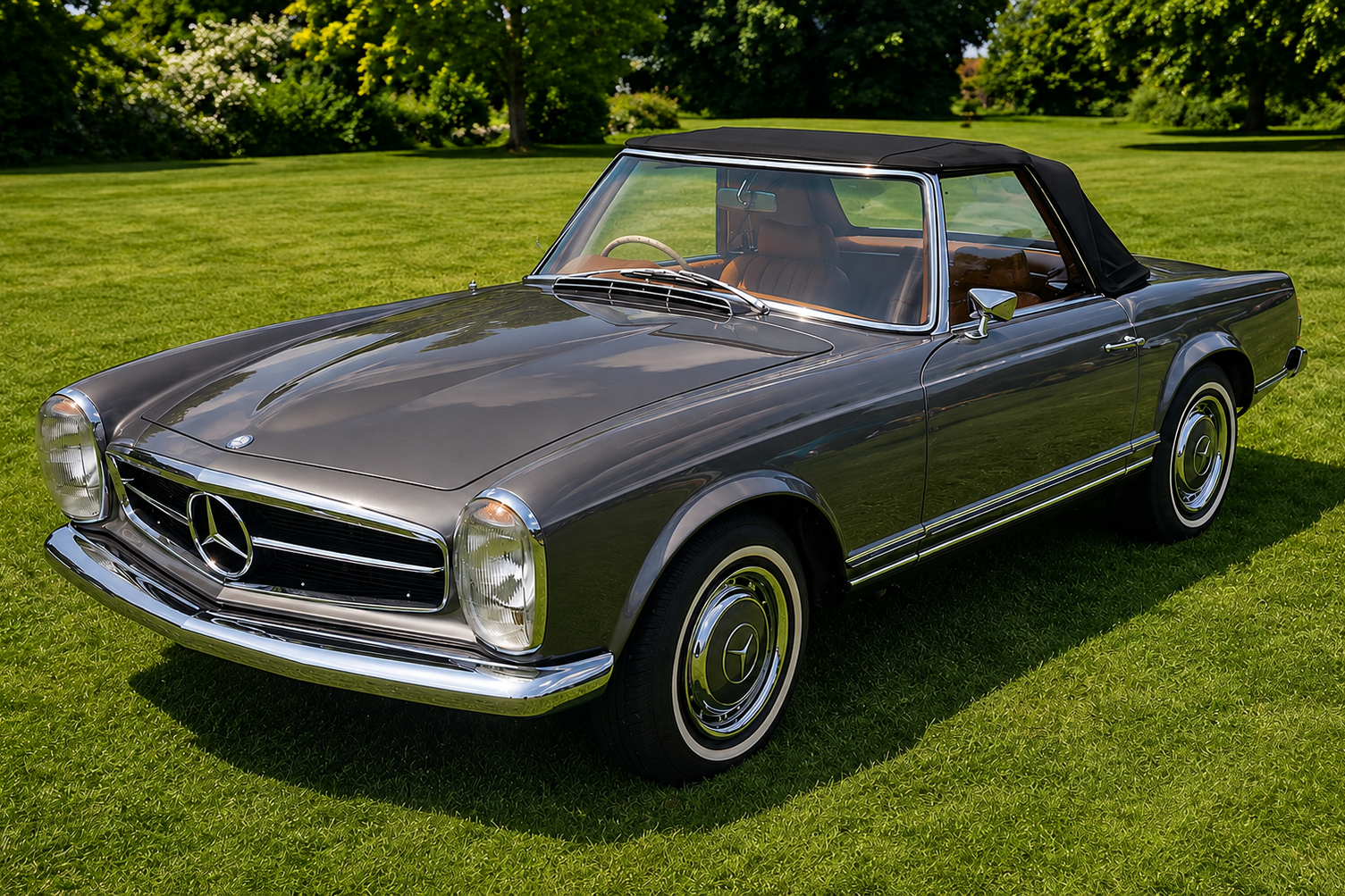
Mercedes-Benz Pagoda (W113) 230/250/280 SL
Paul Bracq's concave-roof masterpiece — the elegantly proportioned SL of the 1960s, in three displacements.
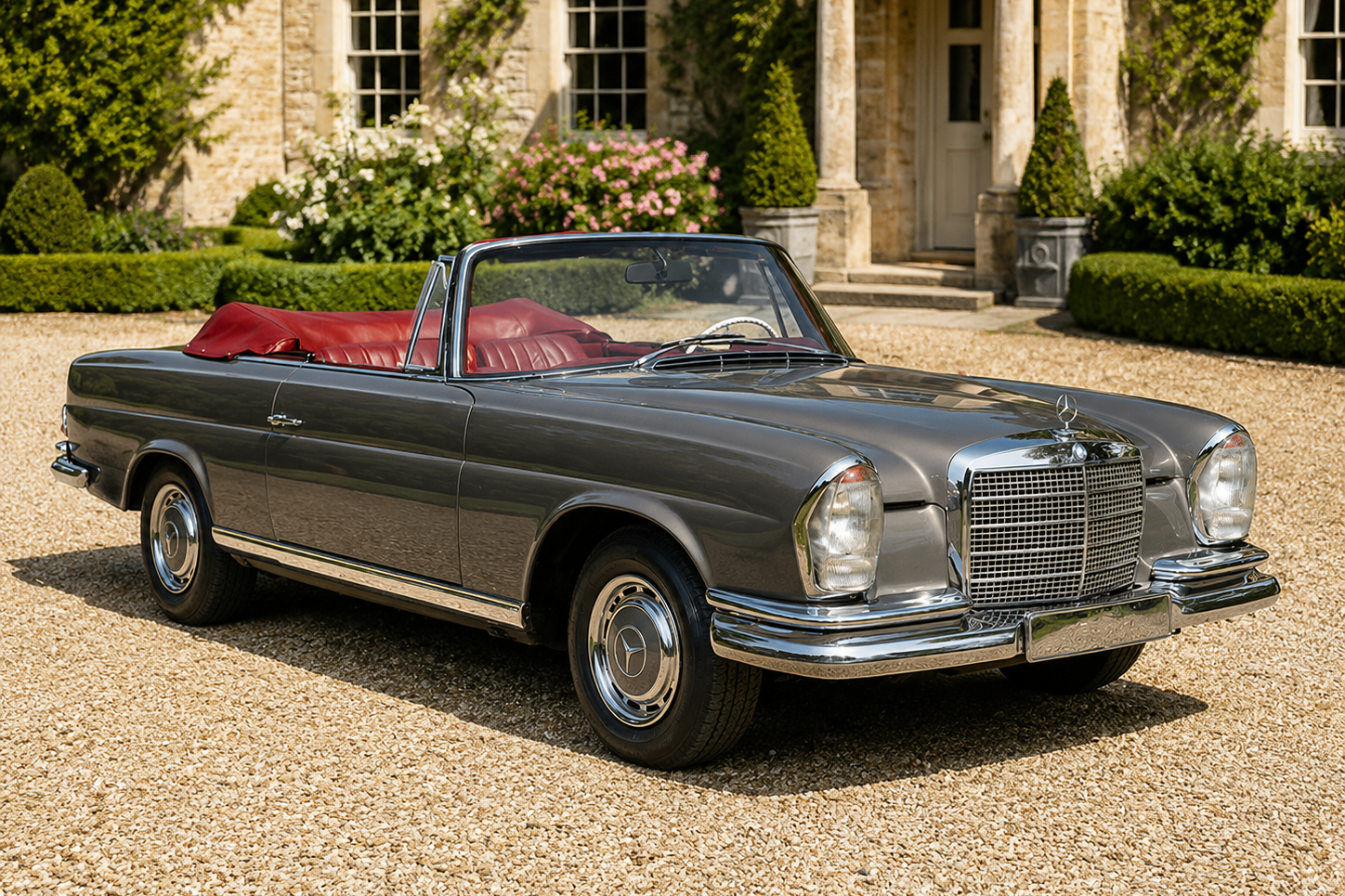
Mercedes-Benz 280 SE 3.5 Cabriolet
Mercedes-Benz's last truly hand-built cabriolet — the 1969–1971 W111 with the new M116 3.5-litre V8, of which only 1,232 were completed across three years (RM Sotheby's Monterey 2024 catalogue).
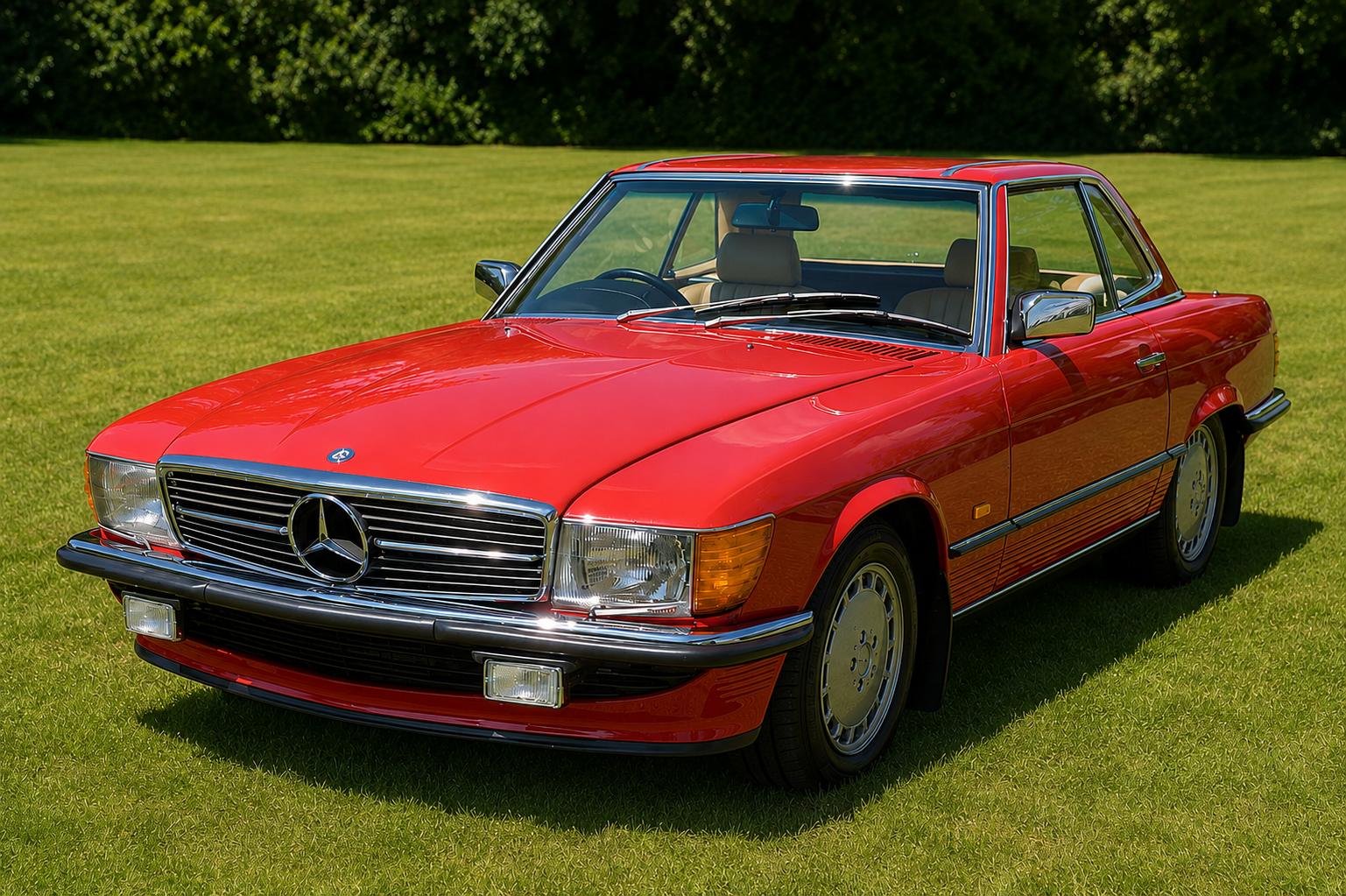
Mercedes-Benz R107 SL (350/450/560)
Eighteen years of definitive Mercedes grand tourer — from early 350 SL through V8 360 / 380 / 420 / 450 / 500 / 560 derivatives.
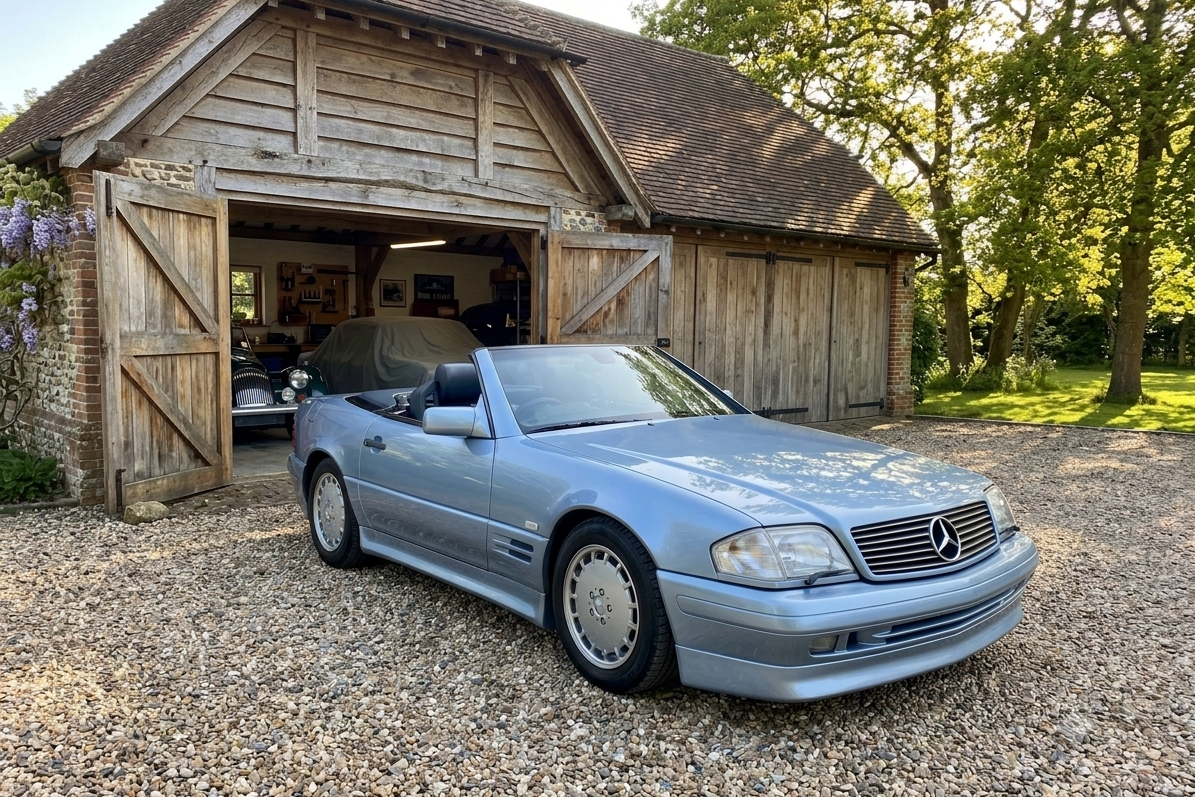
Mercedes-Benz SL (R129)
The fourth-generation Mercedes-Benz SL, produced from 1989 to 2001 in six-cylinder, V8, V12 and AMG forms — one of the most rigid, most over-engineered convertibles Mercedes-Benz has ever built, and the platform for the hand-built AMG V12 catalogue cars culminating in the SL 73 AMG.
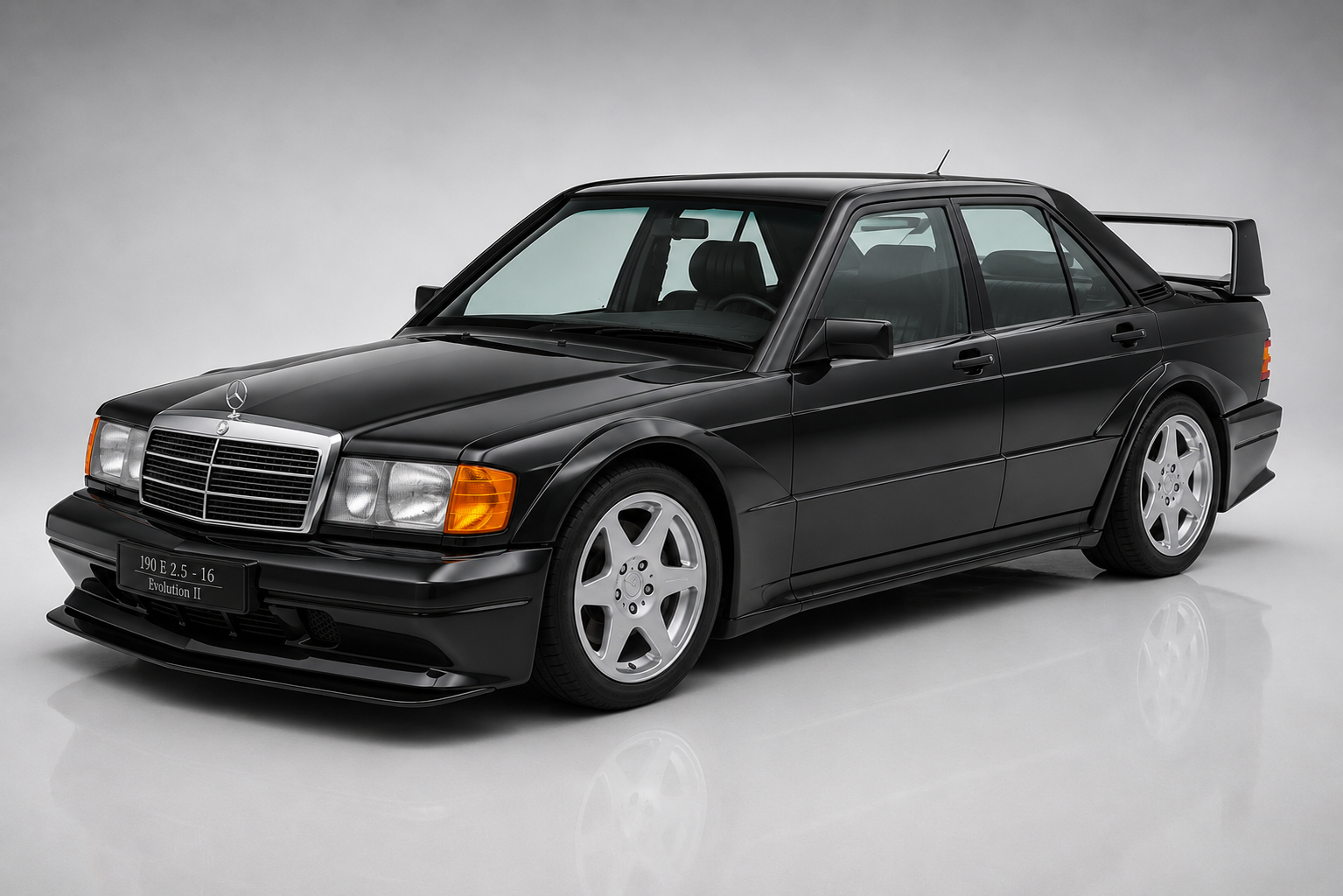
Mercedes-Benz 190E 2.5-16 Evolution II
DTM homologation special — the wild-winged W201 that turned the compact Mercedes into a four-door icon.
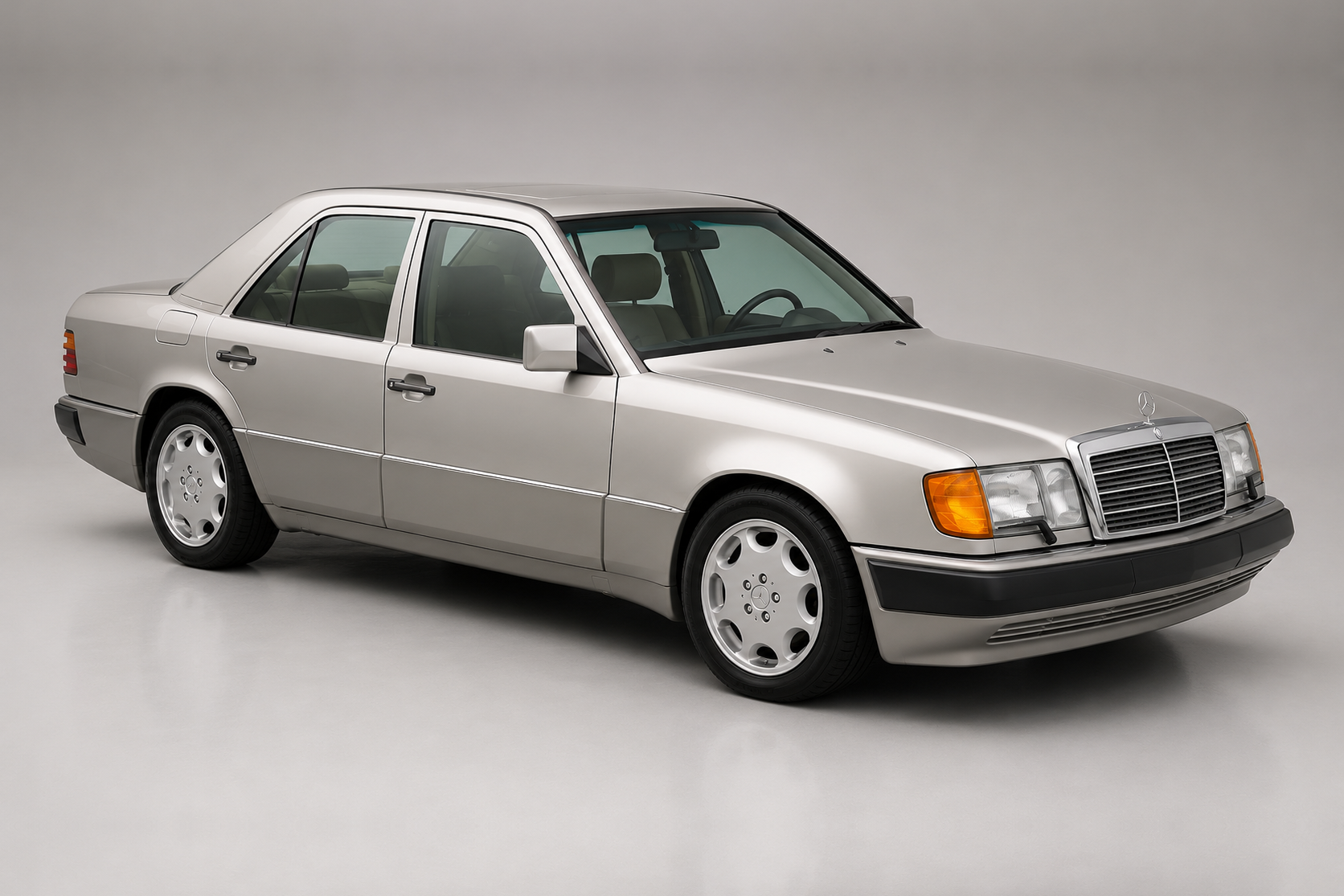
Mercedes-Benz 500 E (W124)
The W124 super-saloon co-developed and hand-built with Porsche — conceived as the E34 BMW M5's rival.
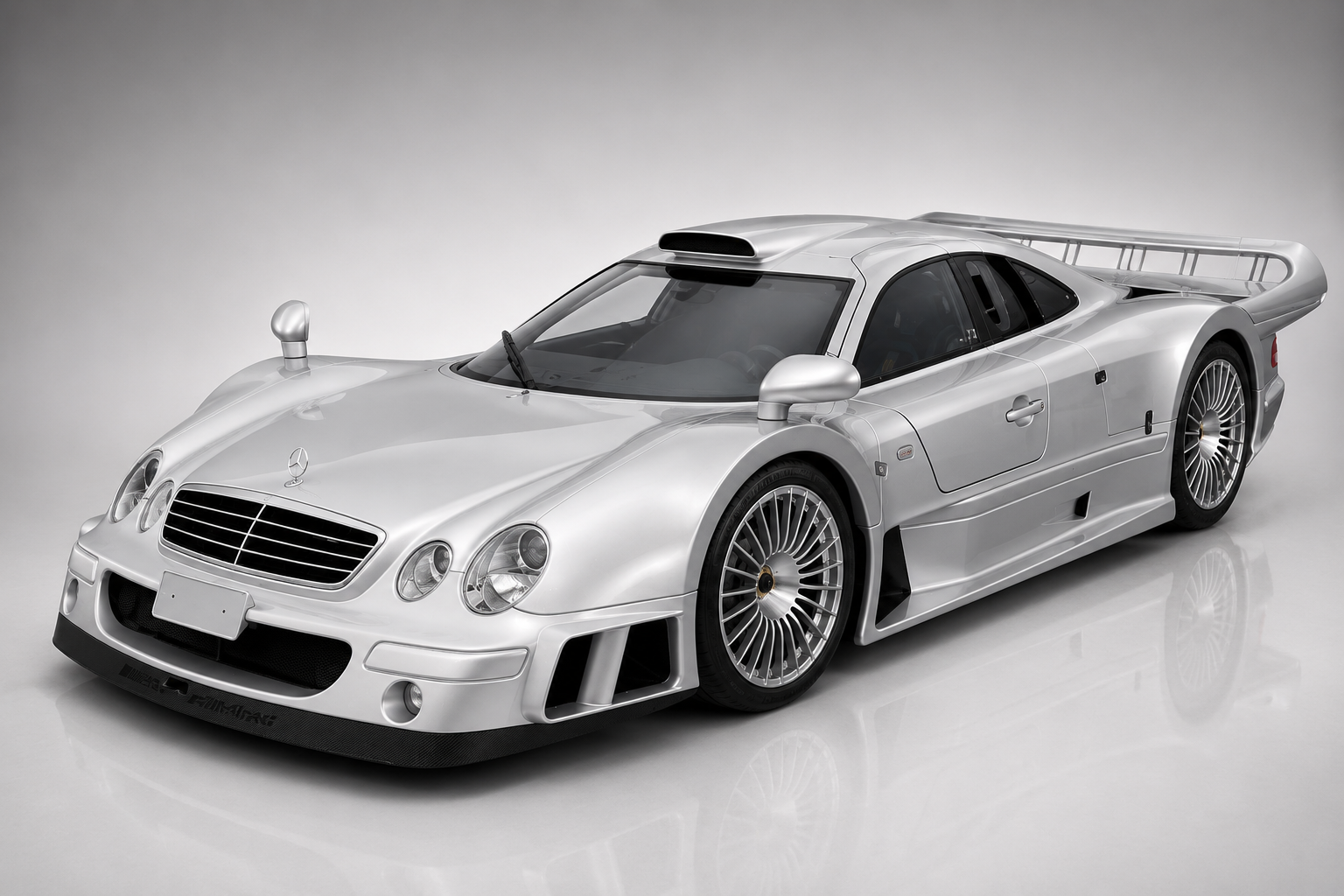
Mercedes-Benz CLK GTR
FIA GT1 homologation Mercedes — V12, carbon tub, 25 road cars (20 coupes + 6 roadsters).
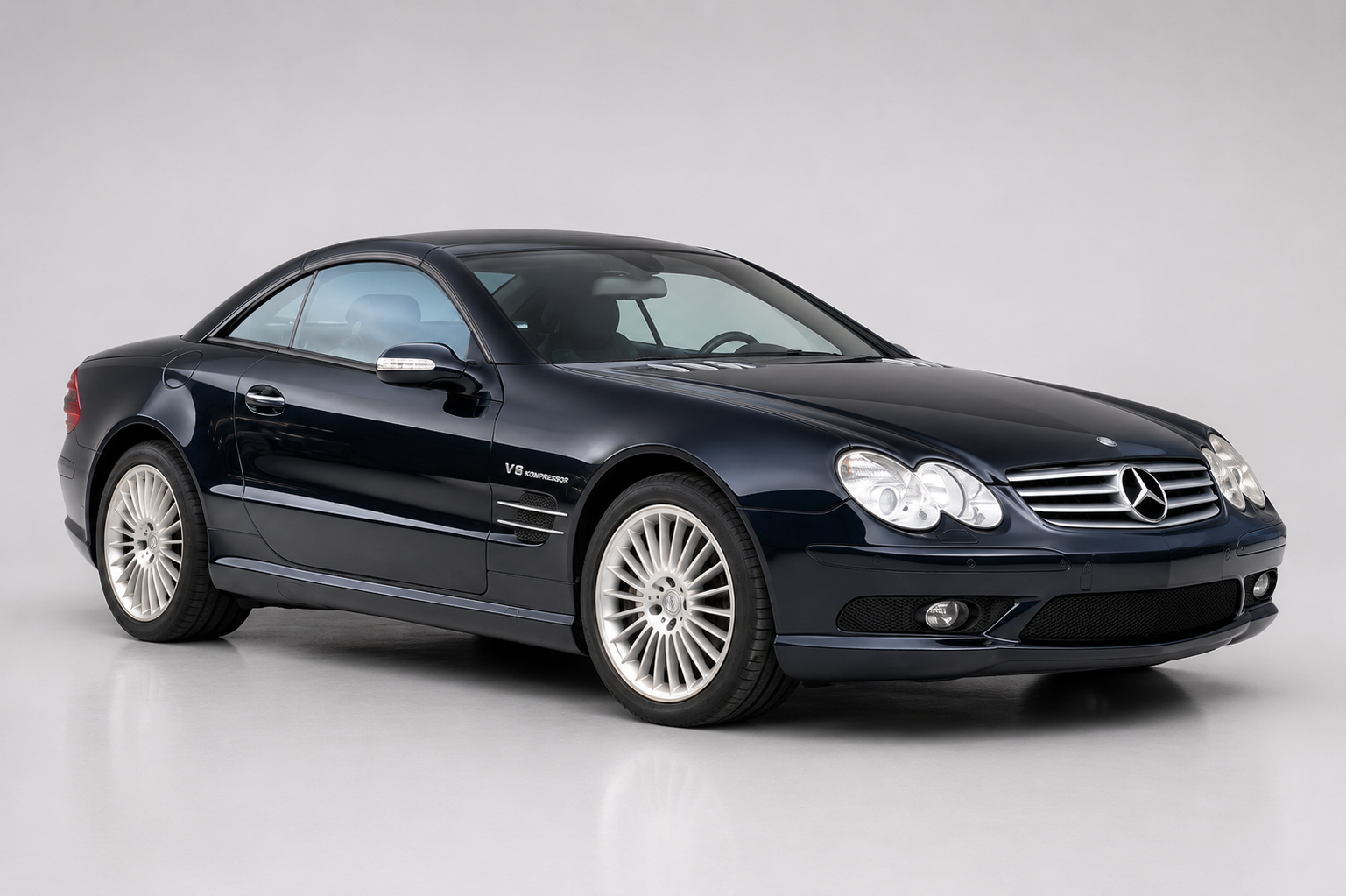
Mercedes-Benz SL 55 / SL 63 AMG (R230)
Folding-hardtop AMG SL — the supercharged M113 and the naturally-aspirated M156 V8 in Mercedes's grand-touring roadster.
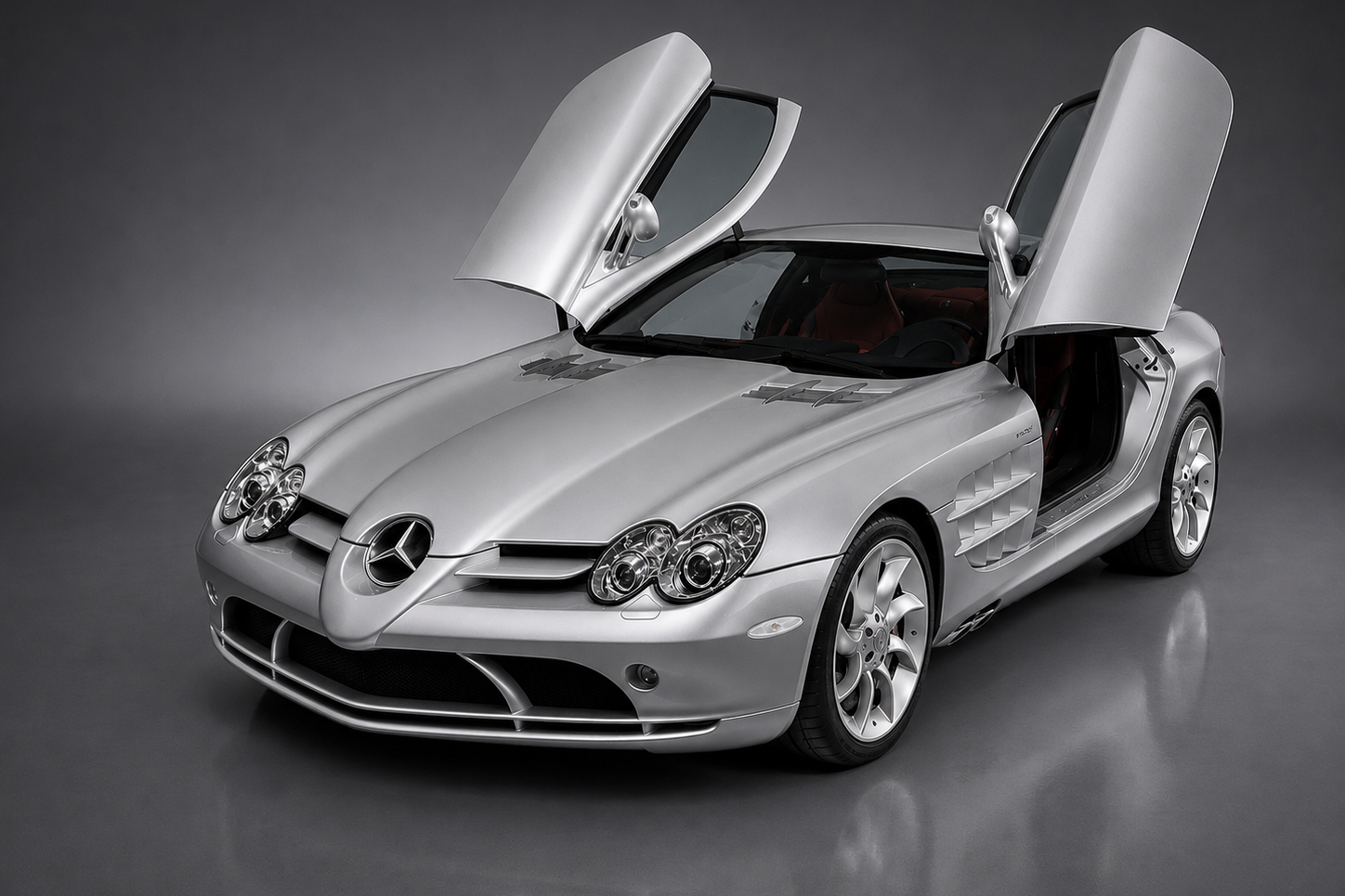
Mercedes-Benz SLR McLaren
Mercedes-McLaren collaboration grand tourer — supercharged V8, carbon construction and the rarefied Stirling Moss roadster.
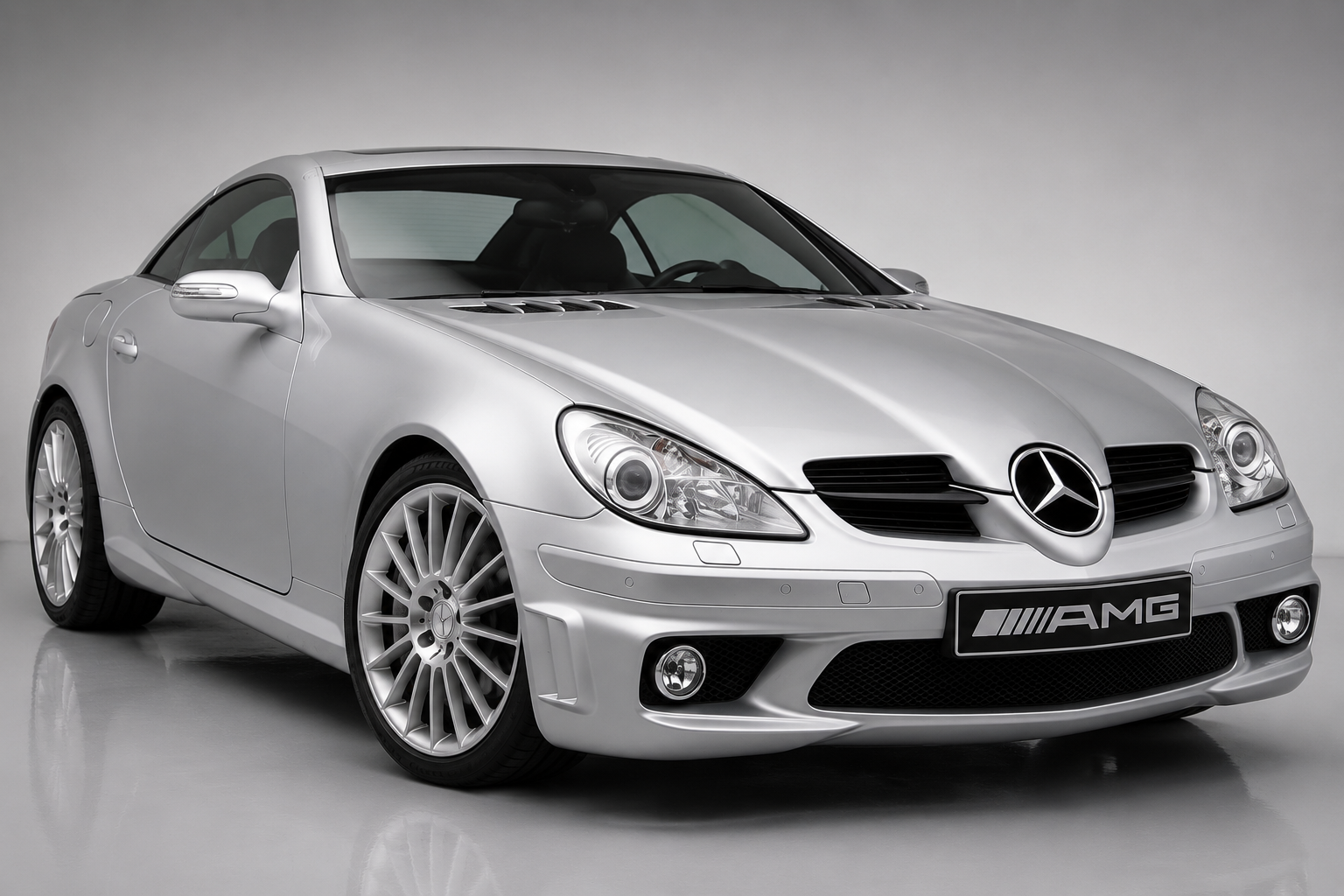
Mercedes-Benz SLK 55 AMG
The naturally aspirated AMG V8 SLK — folding-hardtop roadster with the M113 5.4-litre in the R171 and the M152 5.5-litre in the R172.
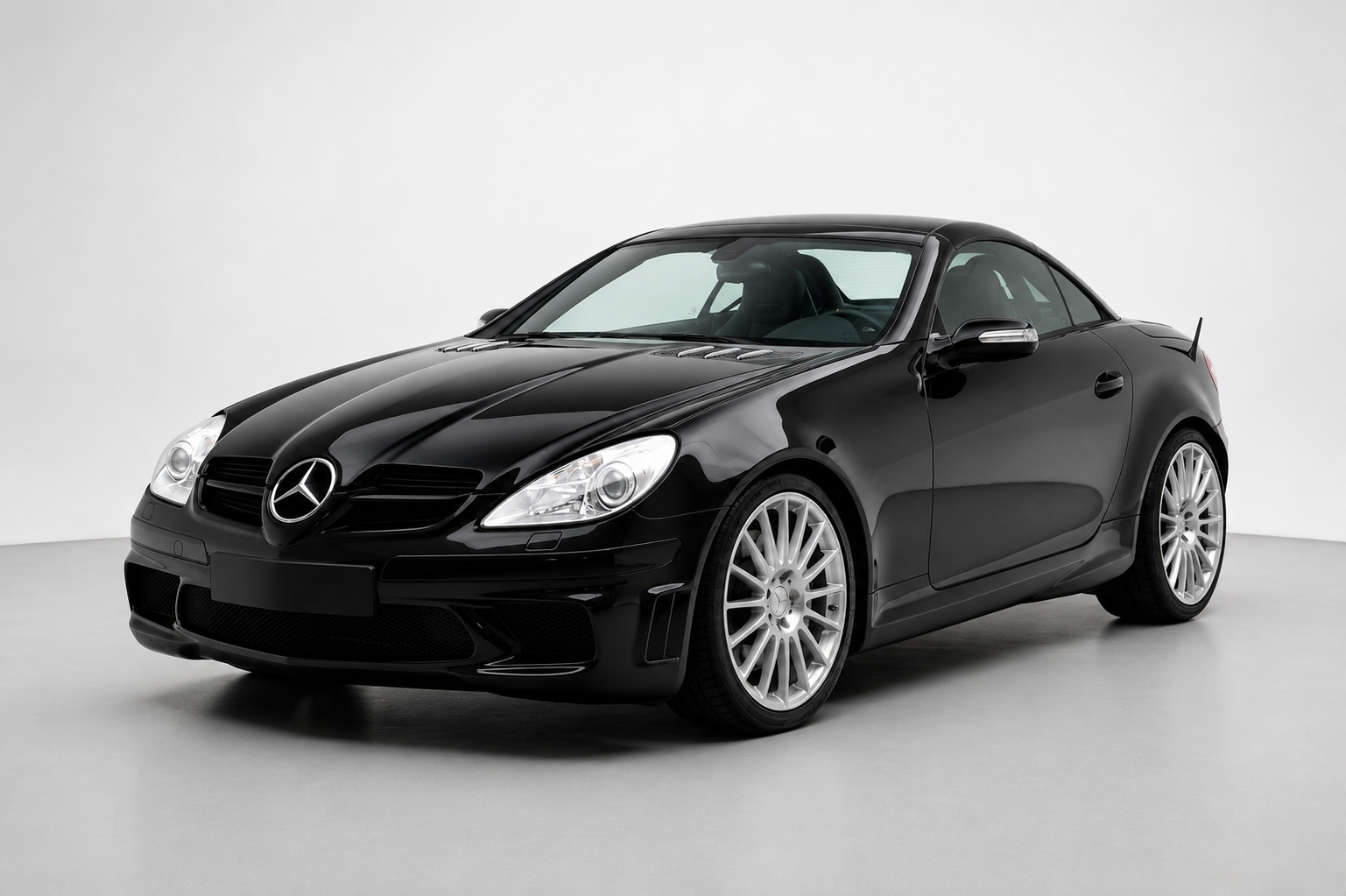
Mercedes-Benz SLK 55 AMG Black Series
The first-ever AMG Black Series — R171, folding roof deleted, M113 5.4 NA V8 at 400 PS.
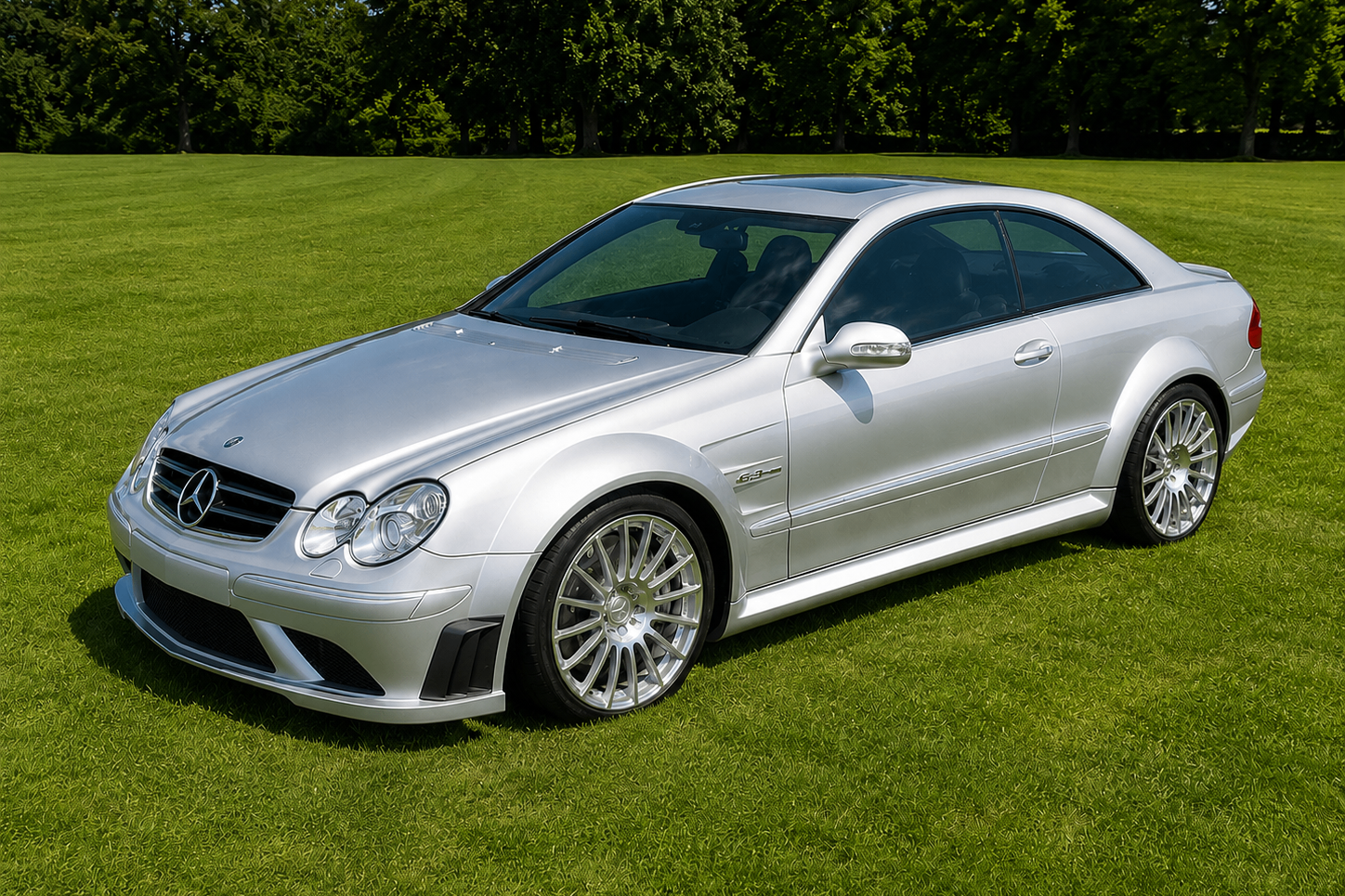
Mercedes-Benz CLK 63 AMG Black Series
Wide-arched, naturally-aspirated M156 V8 coupe — the most analogue and arguably the purest of the AMG Black Series cars.
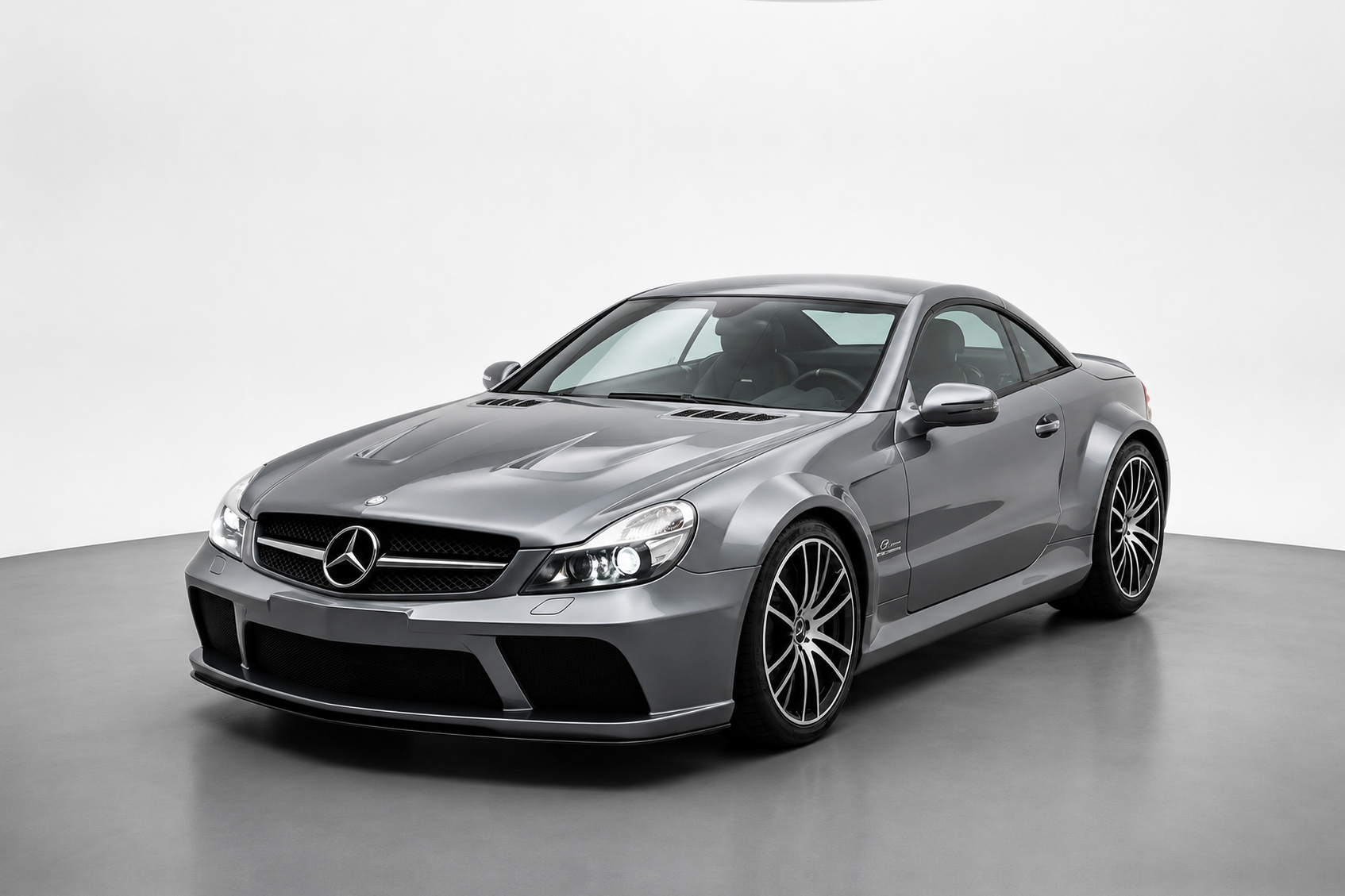
Mercedes-Benz SL 65 AMG Black Series
R230, twin-turbo V12, fixed carbon roof — 661 hp, torque electronically capped at 1,000 Nm, ~250 kg lighter than the standard SL 65.
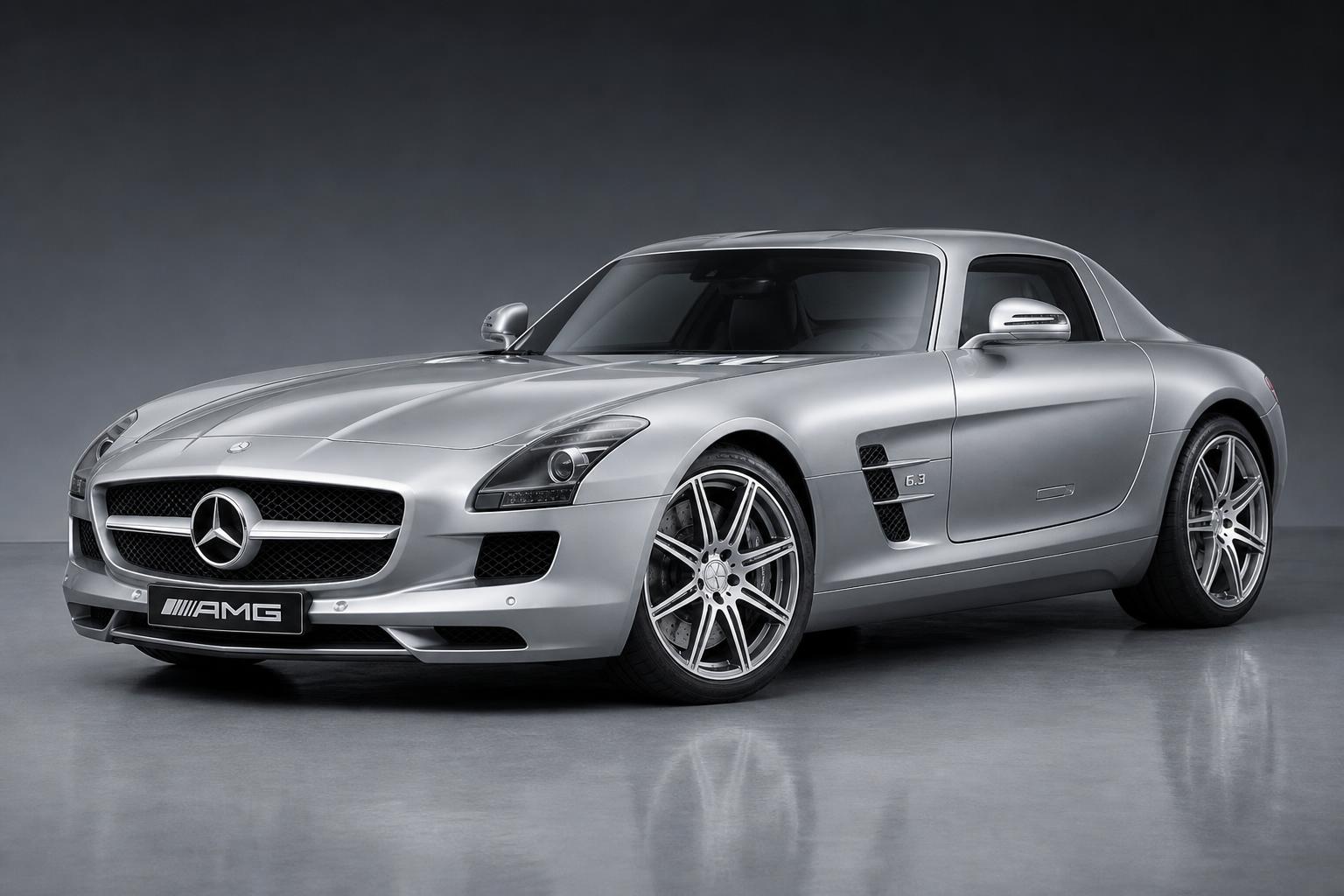
Mercedes-Benz SLS AMG
AMG's first ground-up supercar — gullwing doors, a naturally aspirated 6.2-litre V8 and the spiritual successor to the 300 SL.
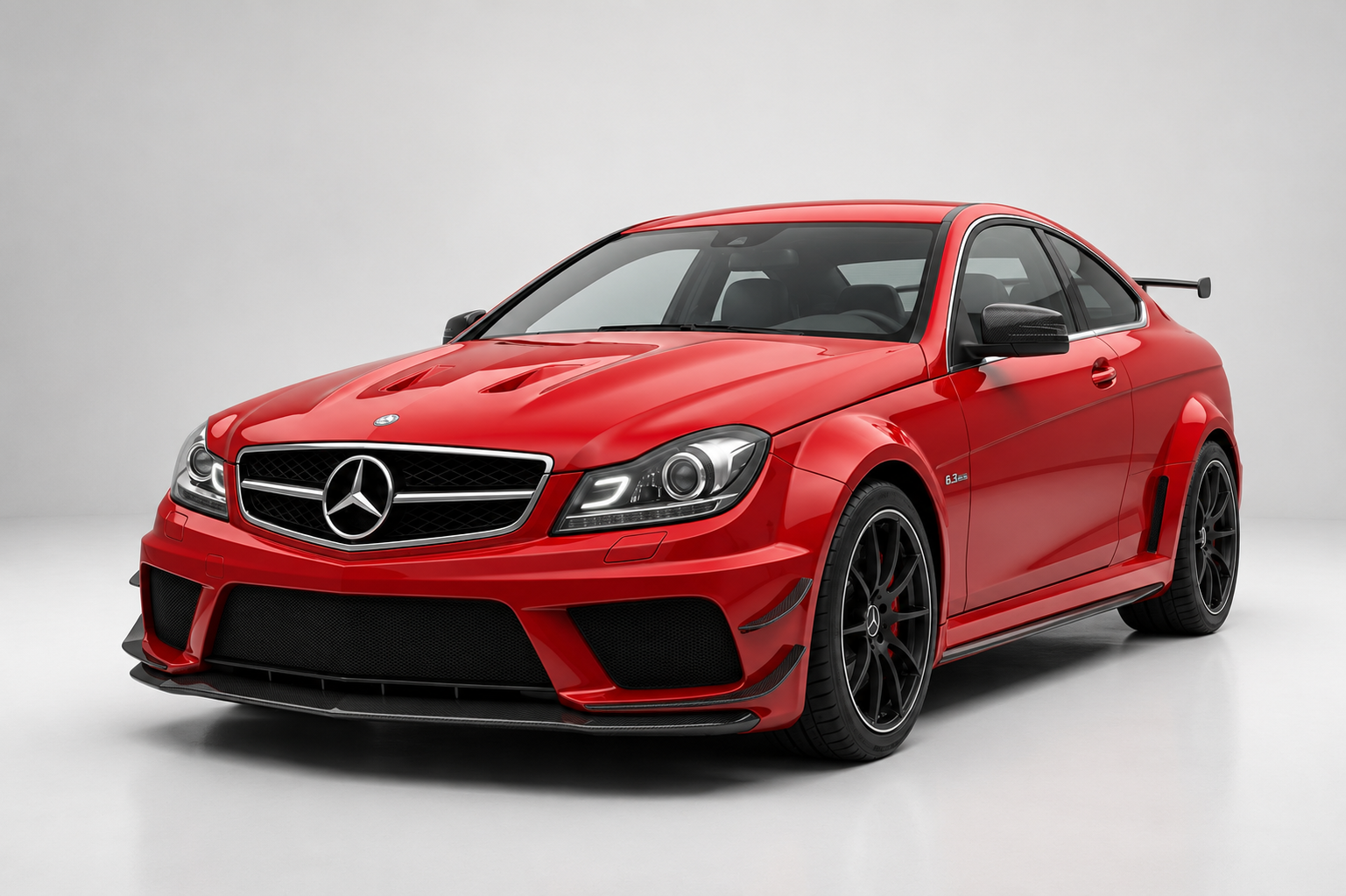
Mercedes-Benz C 63 AMG Coupé Black Series
W204 coupé only, 2012 — SLS AMG GT3-inspired widebody, M156 6.2 NA V8 at 517 PS.
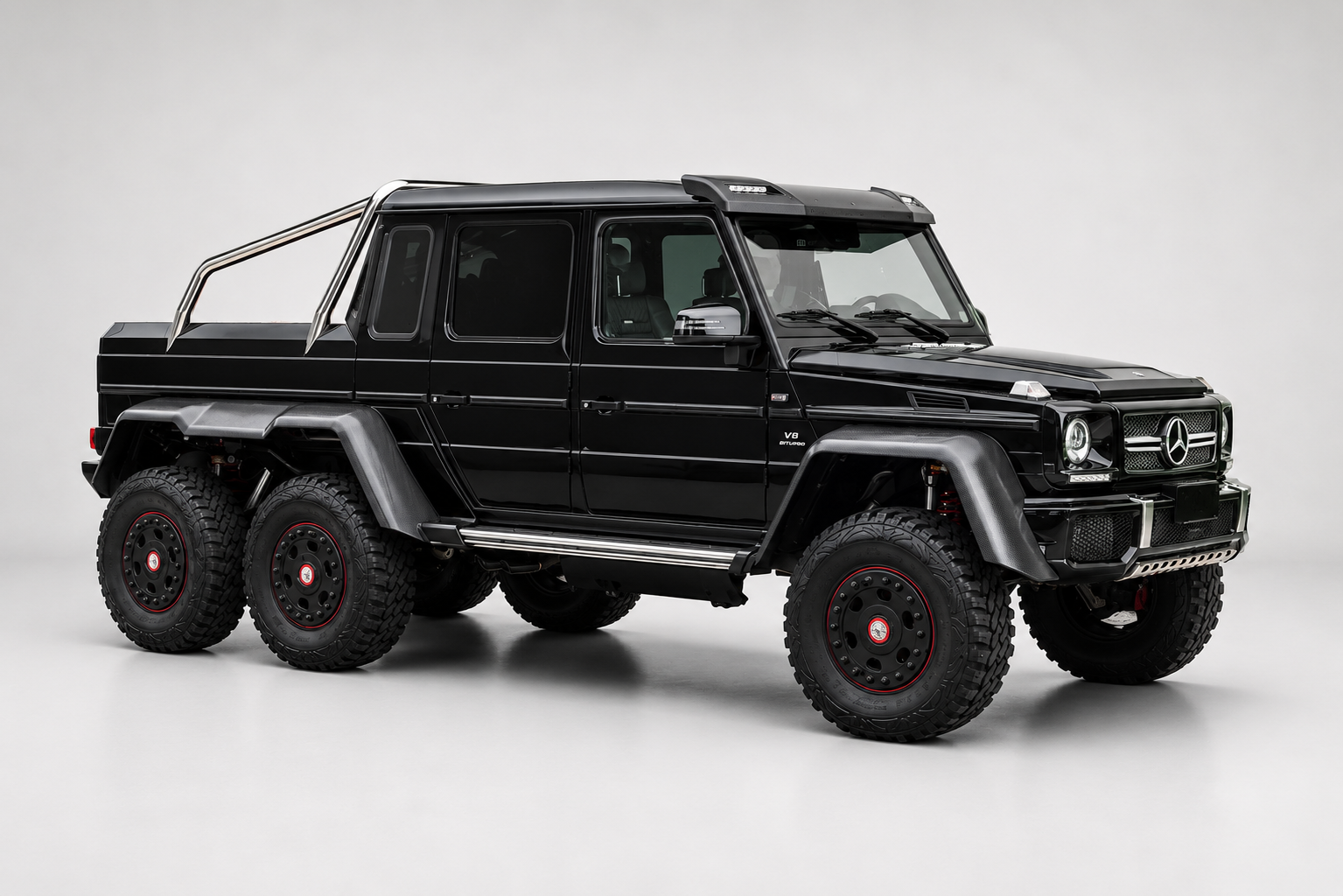
Mercedes-Benz G 63 AMG 6×6
The definitive factory six-wheeler — W463-based, Magna Steyr, portal axles derived from the military G 6×6, and the M157 5.5 twin-turbo V8.
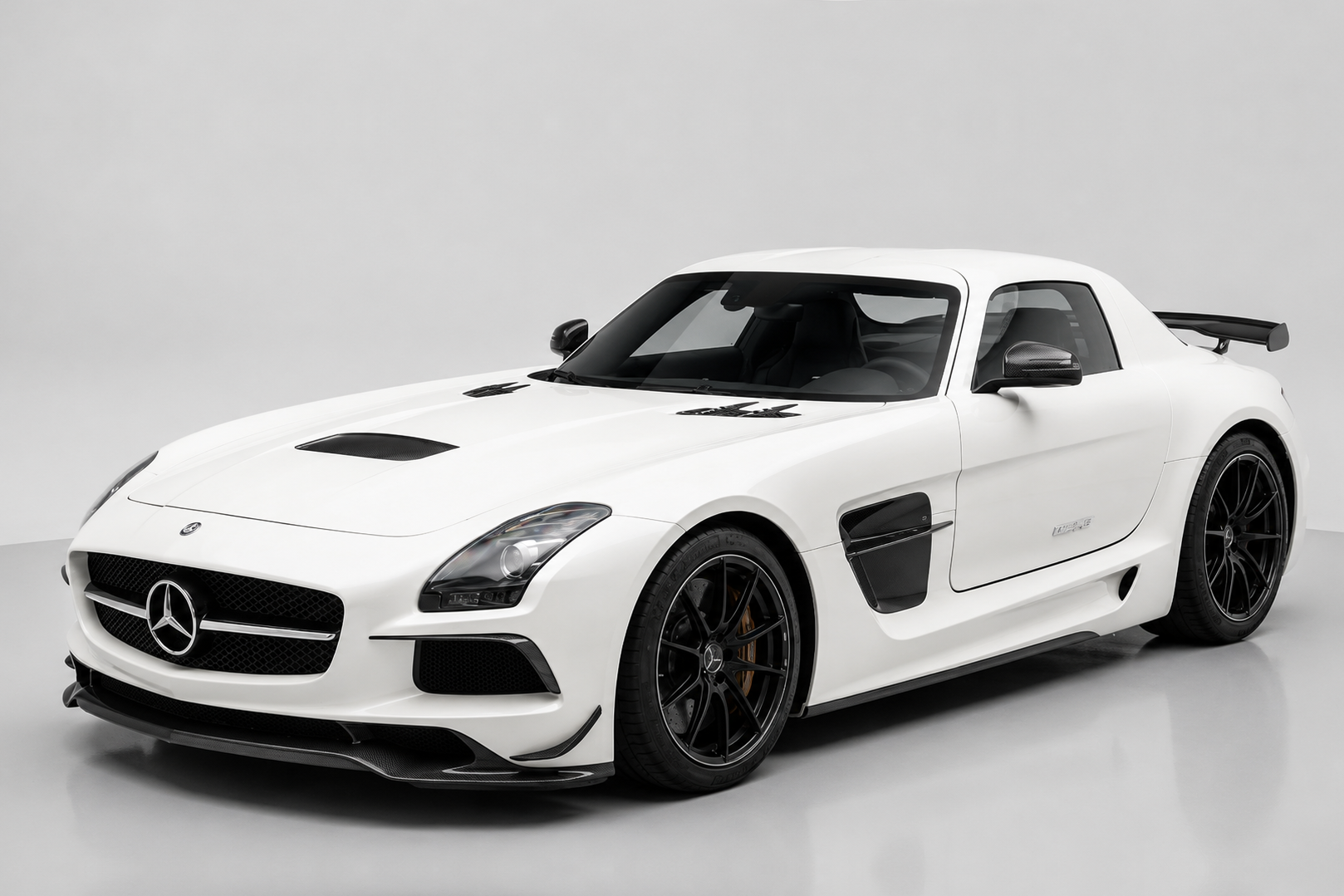
Mercedes-Benz SLS AMG Black Series
C197 — the final SLS and the only gullwing Black Series; M159 6.2 NA V8 at 622 hp with an 8,000 rpm redline.
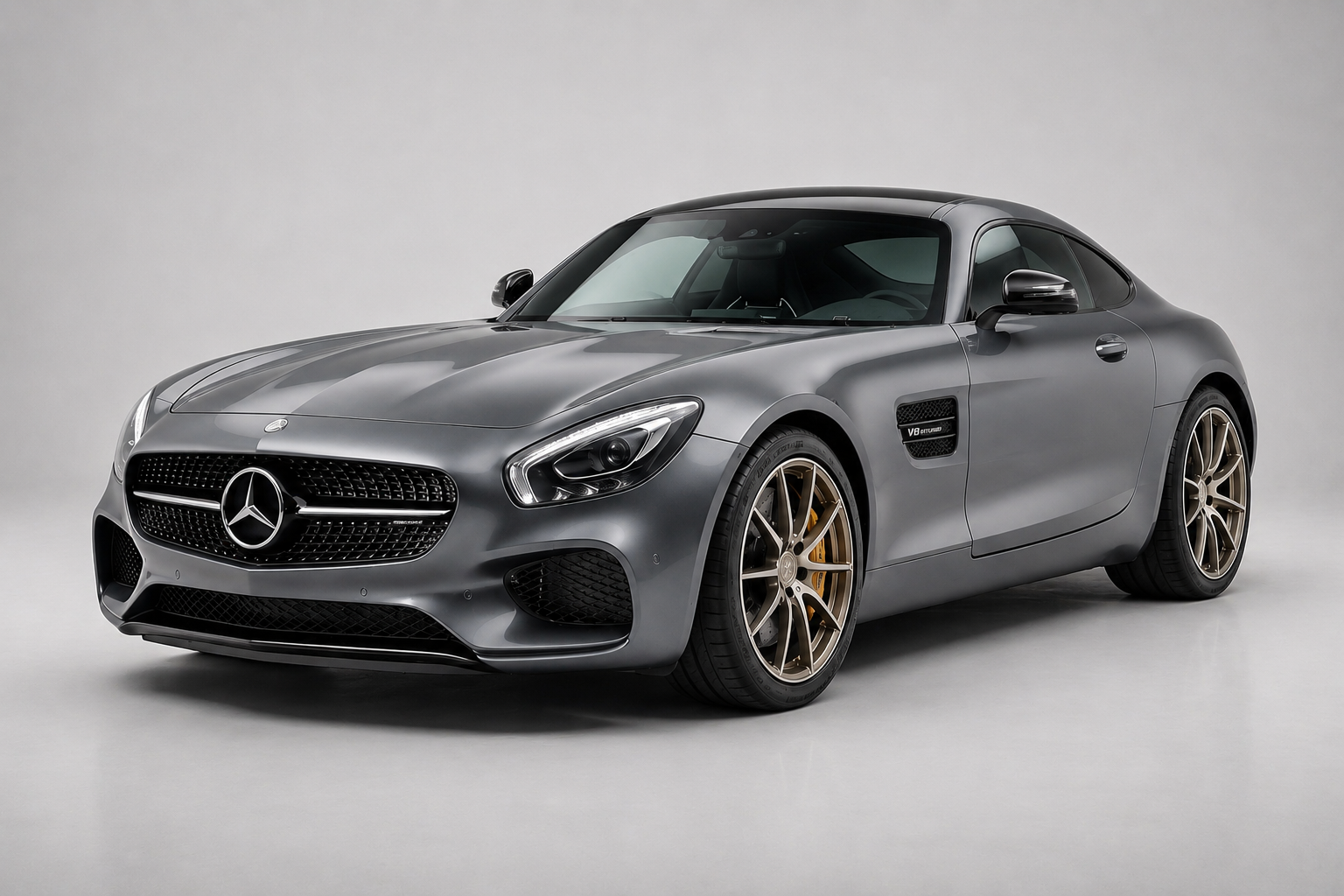
Mercedes-Benz AMG GT (C190/R190)
AMG's first ground-up two-seat sports car — front-mid engine 4.0 twin-turbo V8, spanning base GT to the 750-unit GT R Pro across a single generation.
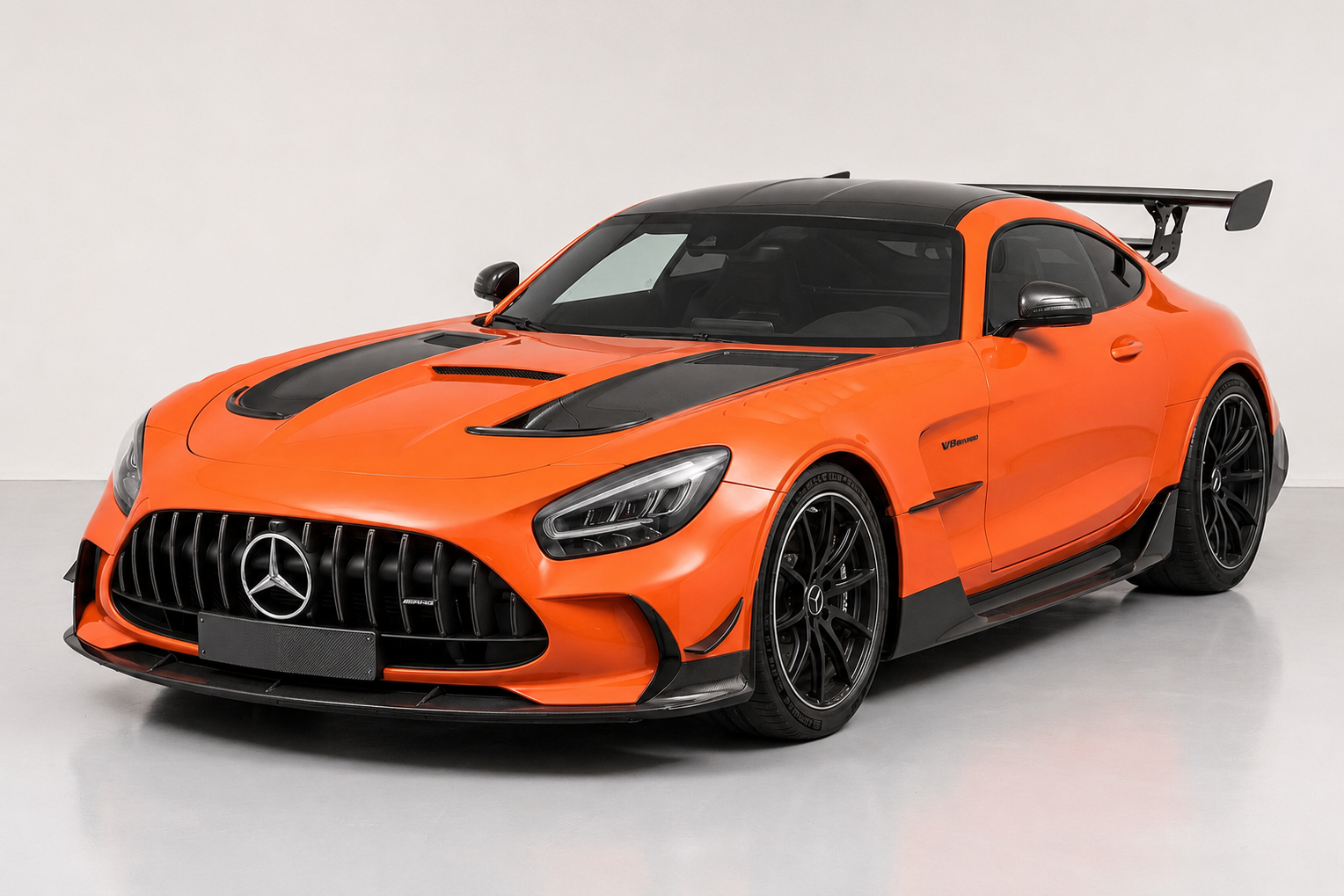
Mercedes-Benz AMG GT Black Series
Record-setting swansong of the C190 — flat-plane M178-derived 4.0 twin-turbo V8, the most powerful AMG V8 production engine at launch.
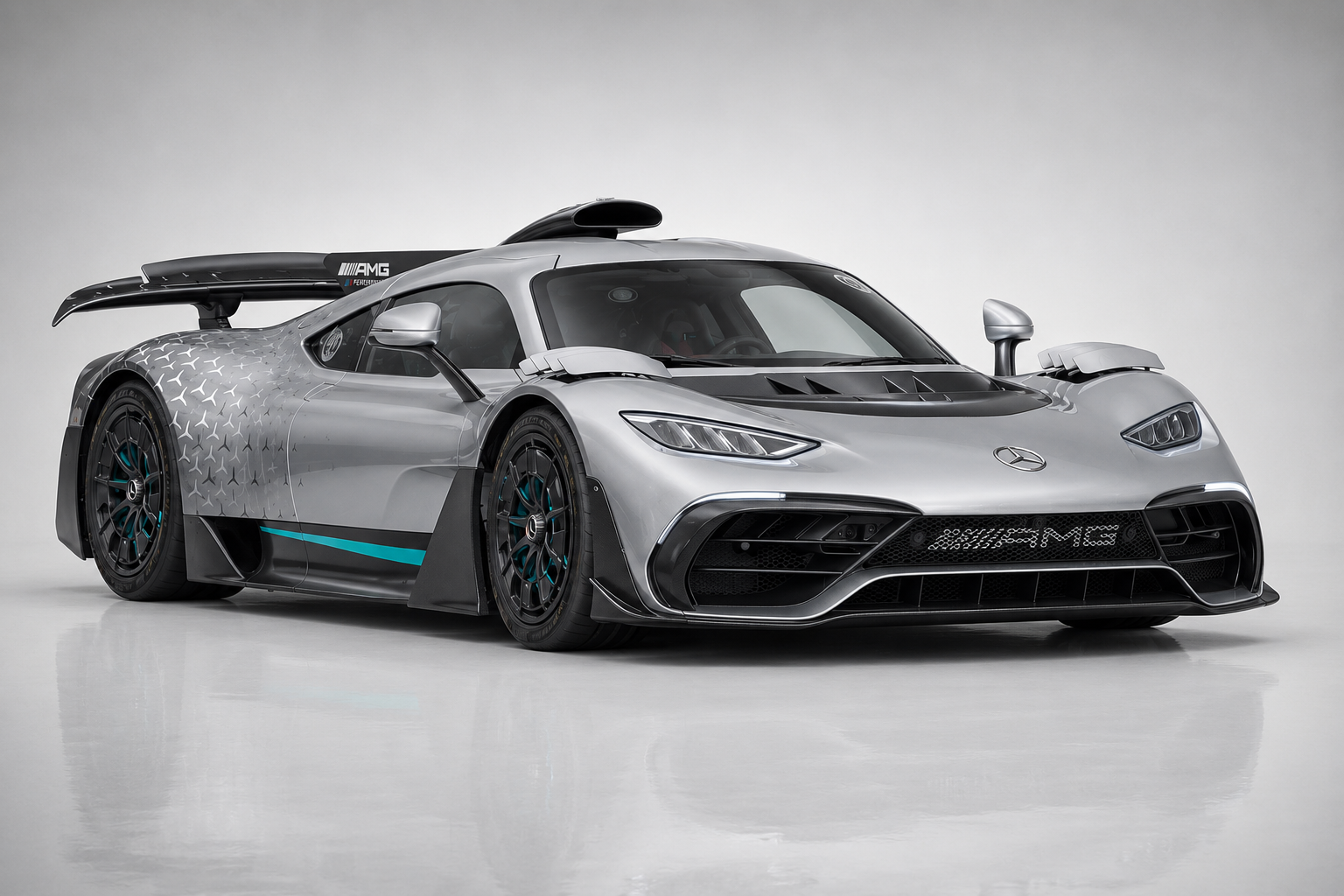
Mercedes-Benz AMG ONE
Formula 1 powertrain in a road car — 1.6-litre turbo V6 hybrid producing 1,063 PS, capped at 275 units.
MG
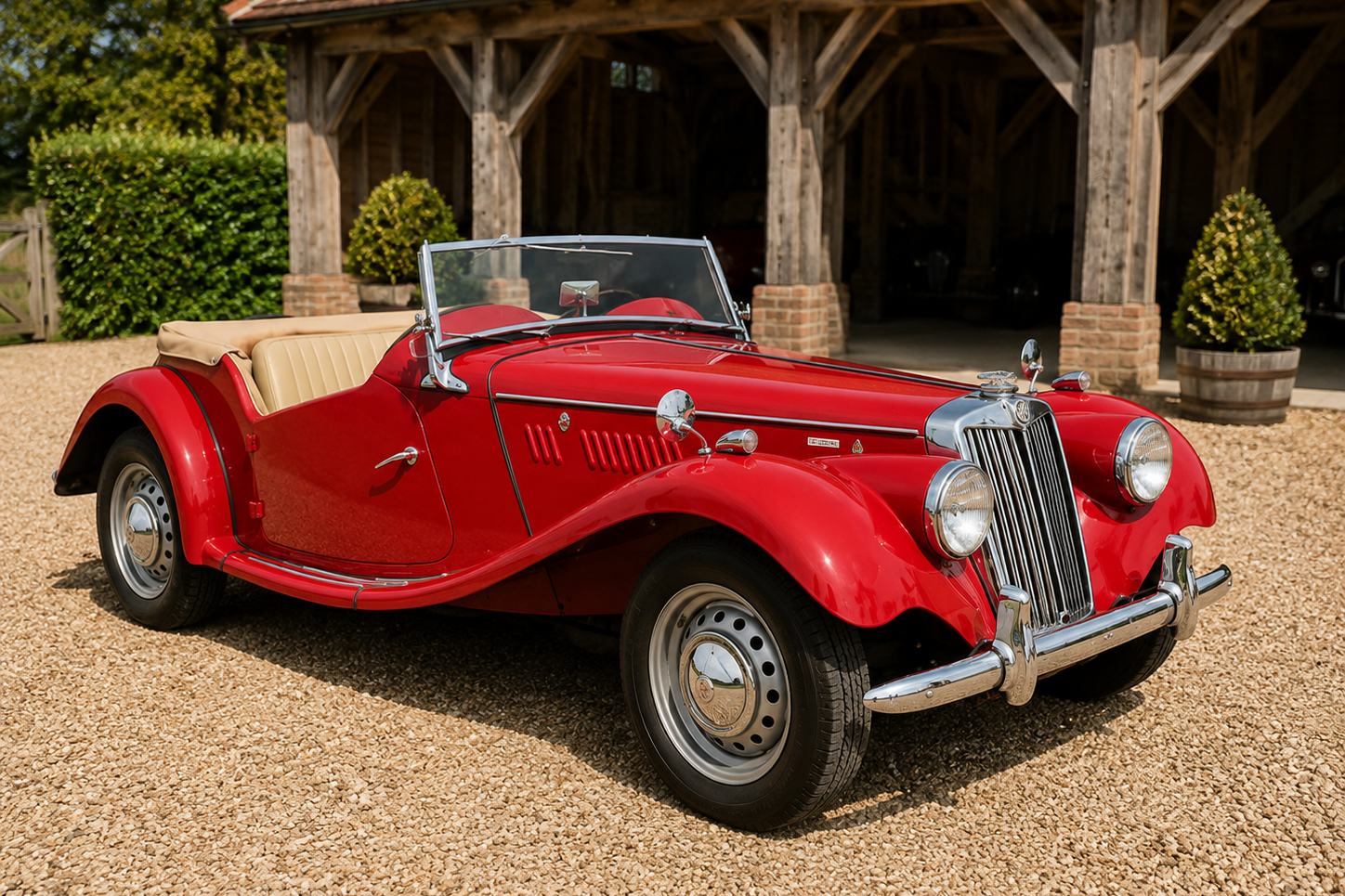
MG TF
The last of the T-Series MGs — a hand-built, ash-framed roadster whose sloping radiator and faired-in headlights bridged pre-war MG to the MGA.
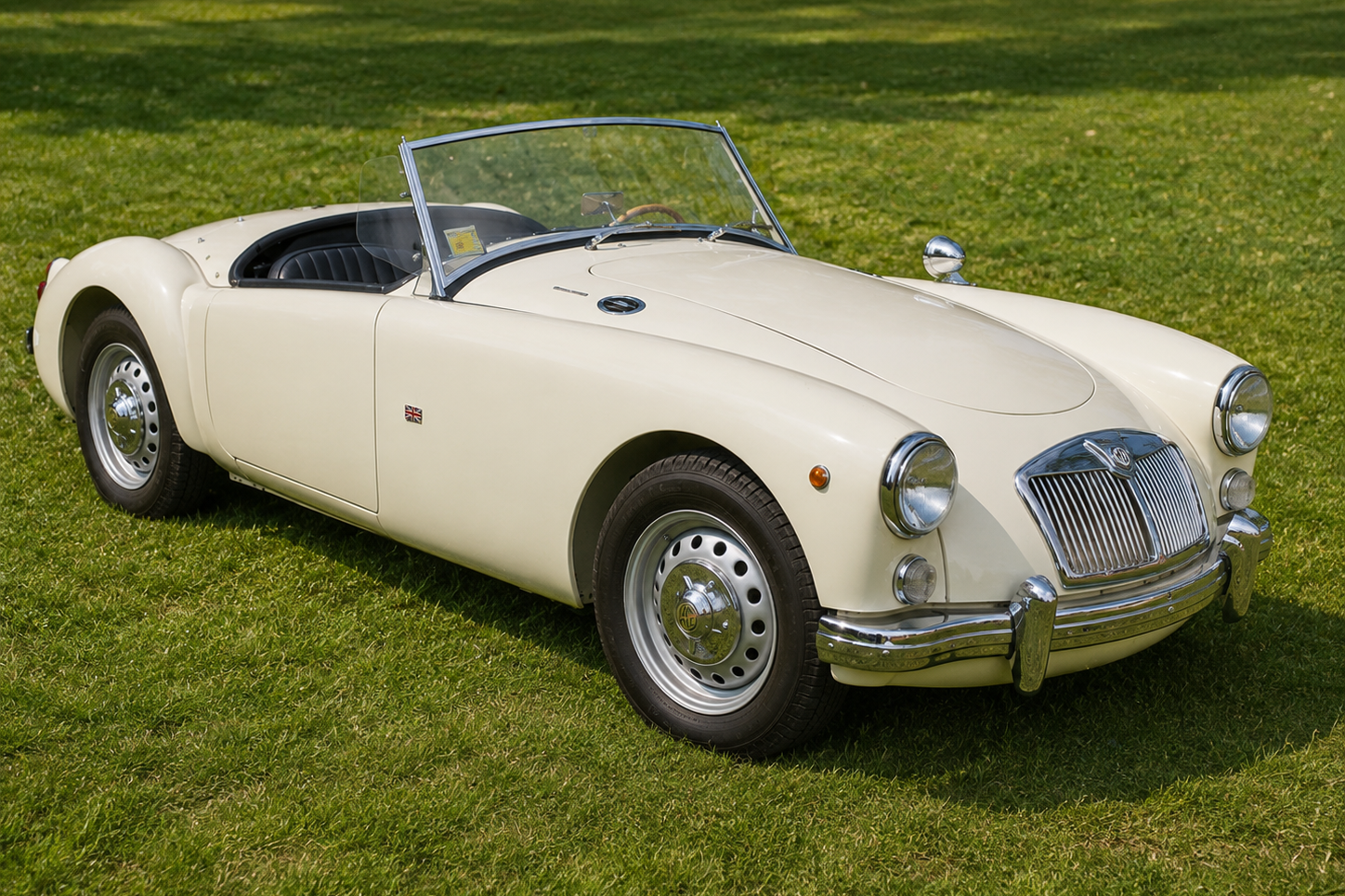
MG MGA
MG's first modern post-war sports car — a clean-sheet, full-envelope roadster and coupé whose sweetest collector stories are the Twin Cam and Mk II Deluxe.
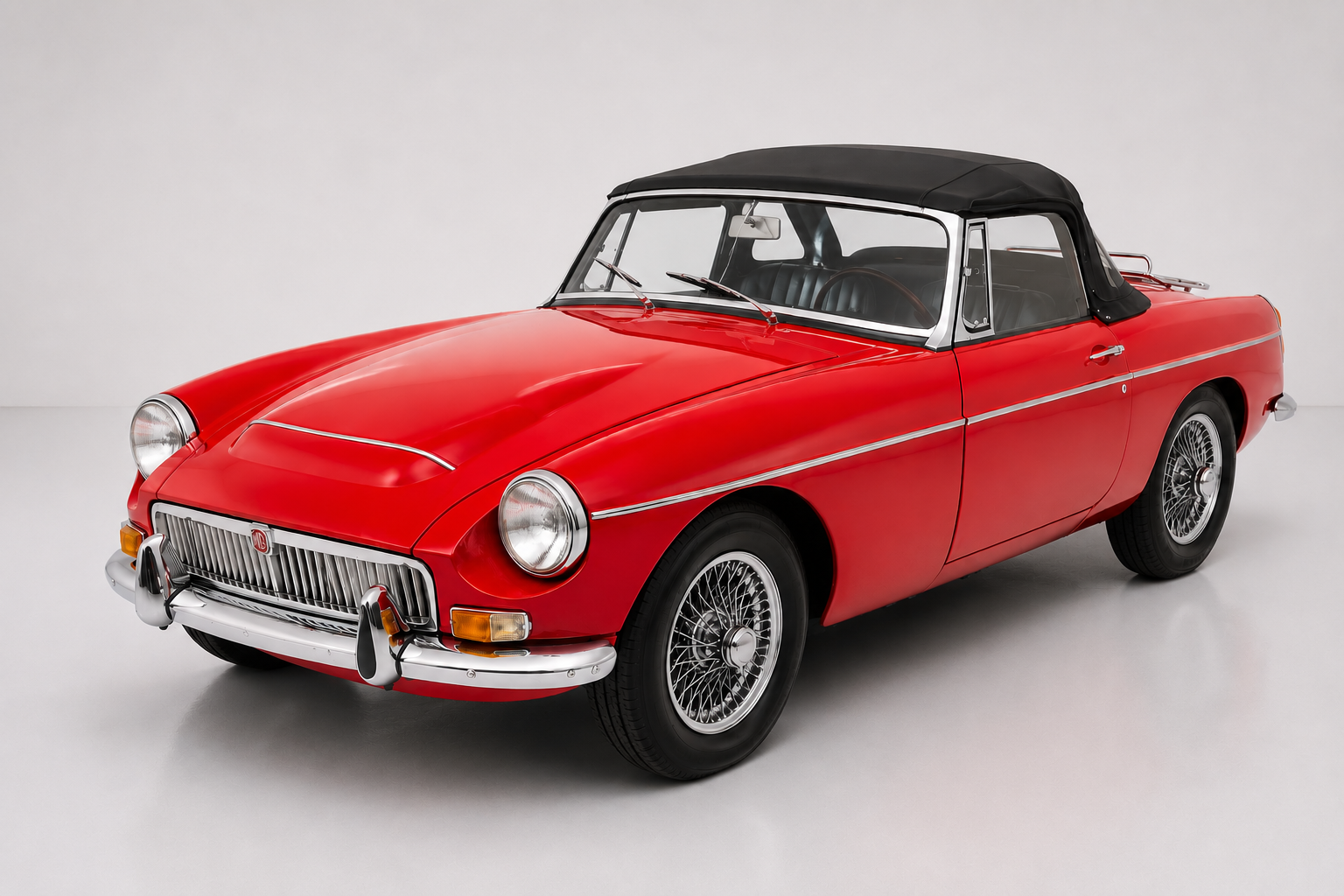
MG MGC (Roadster & GT)
ADO52 — the six-cylinder MGB, unveiled at the 1967 Earls Court Motor Show as the most powerful MG sports car yet built.
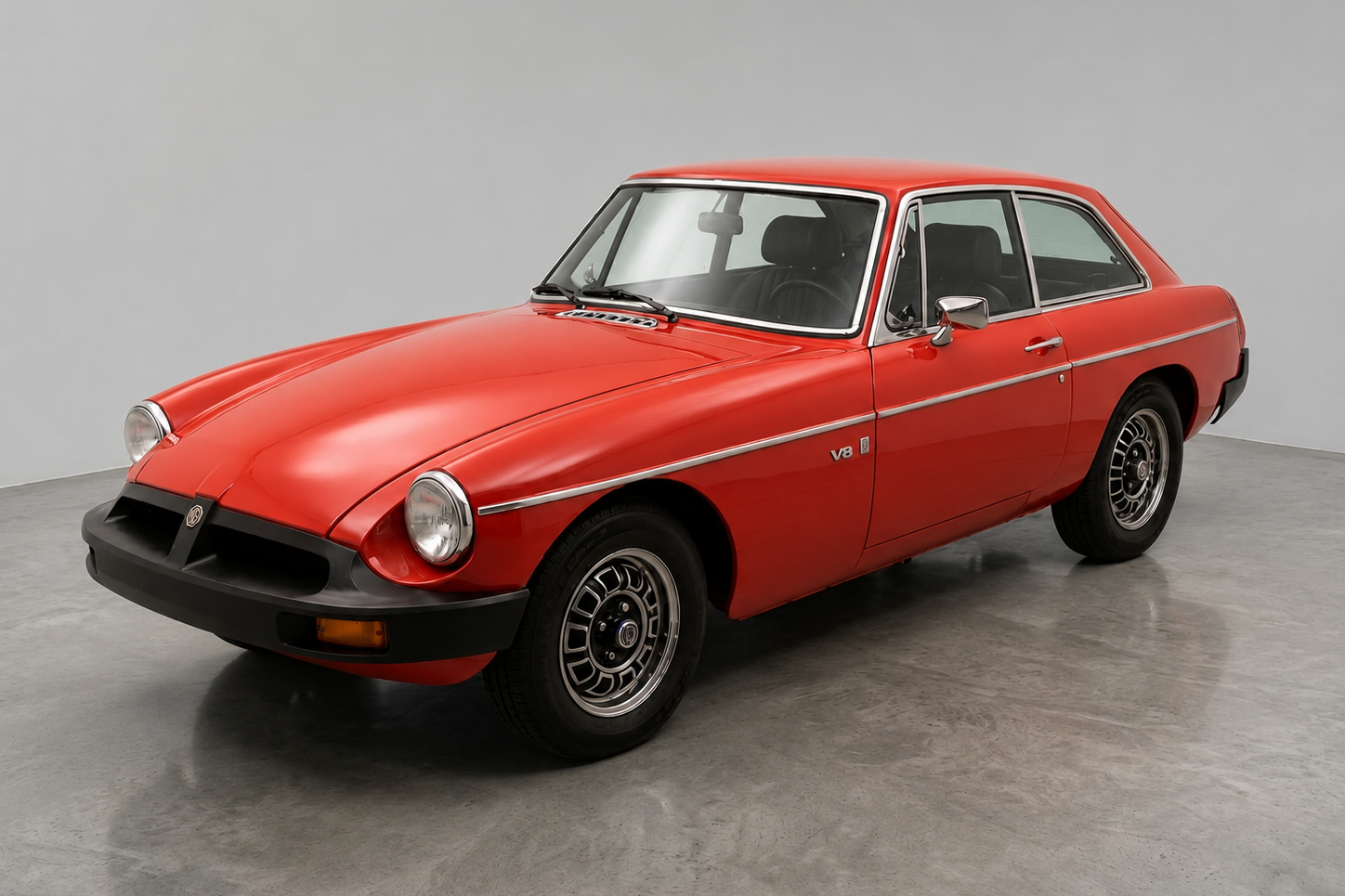
MG MGB GT V8
Factory Rover 3.5 V8 in the Pininfarina-influenced GT bodyshell — chrome-bumper cars lead the market.
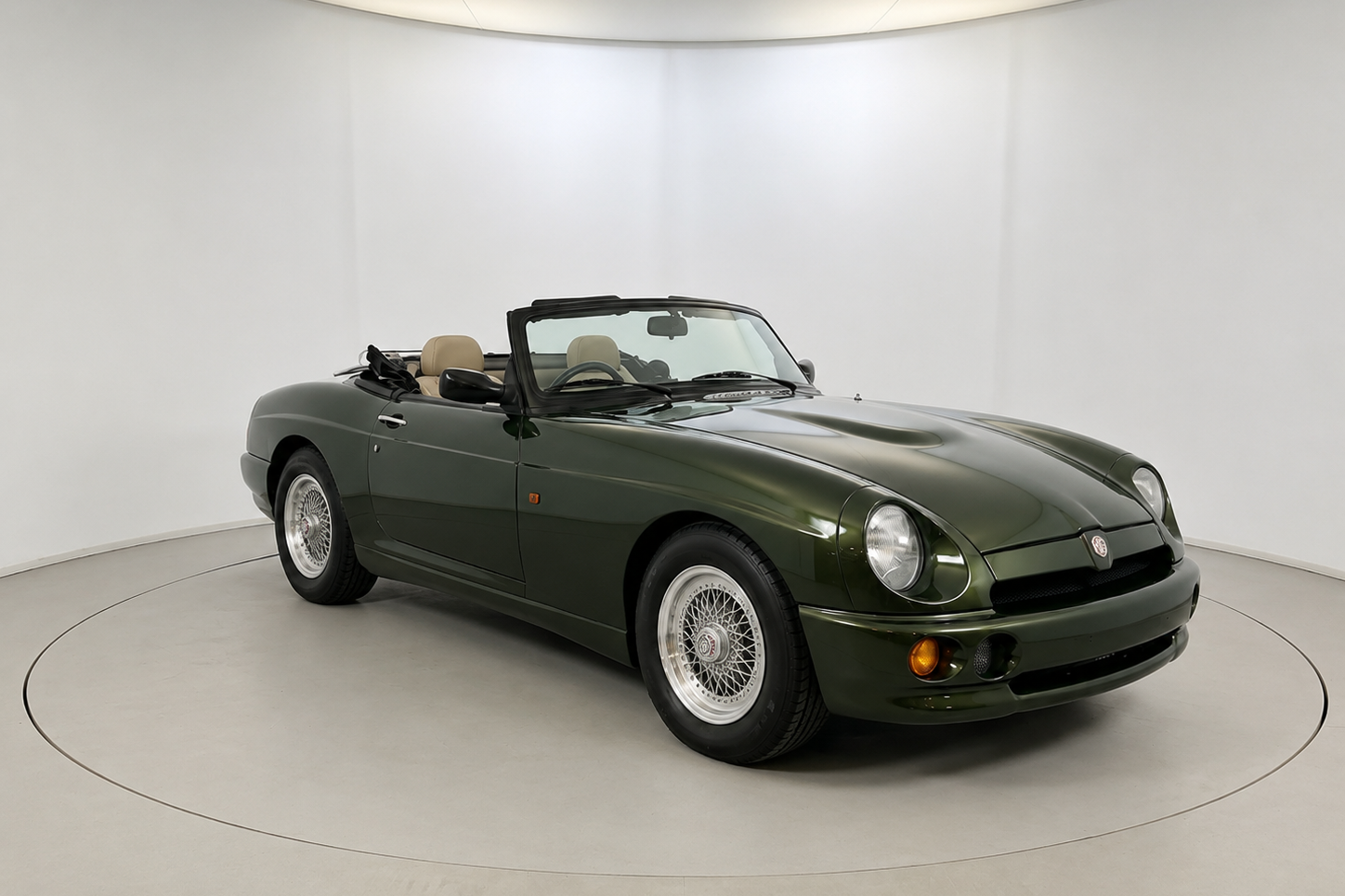
MG RV8
Rover Group's revival of the MGB bodyshell — fuel-injected 3.9 Rover V8, built at Cowley to 1995 and sold only in the UK and Japan.
Mini
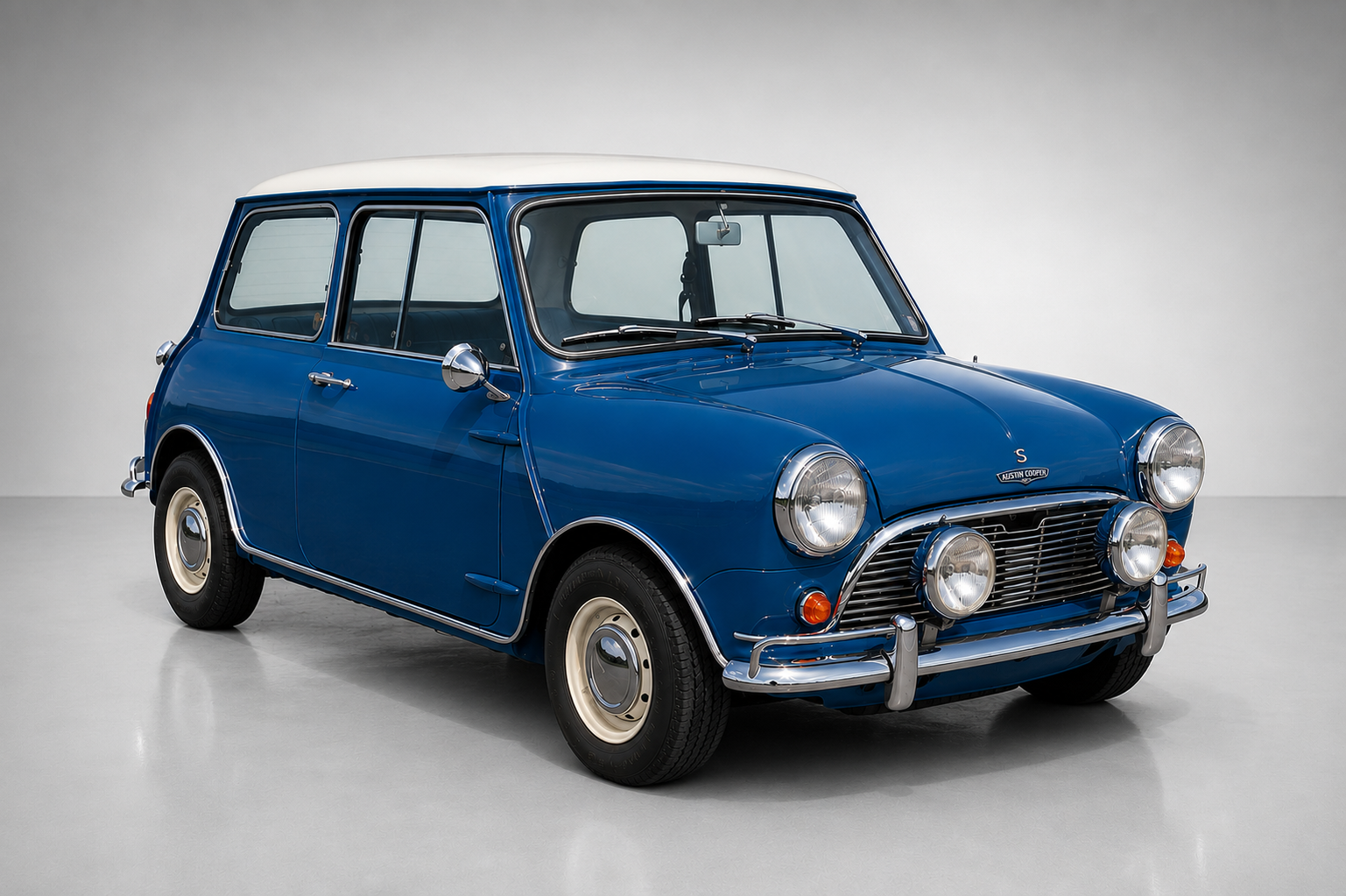
Mini Cooper S (Classic)
The giant-killing Issigonis saloon that won Monte Carlo three times and rewrote small-car performance.
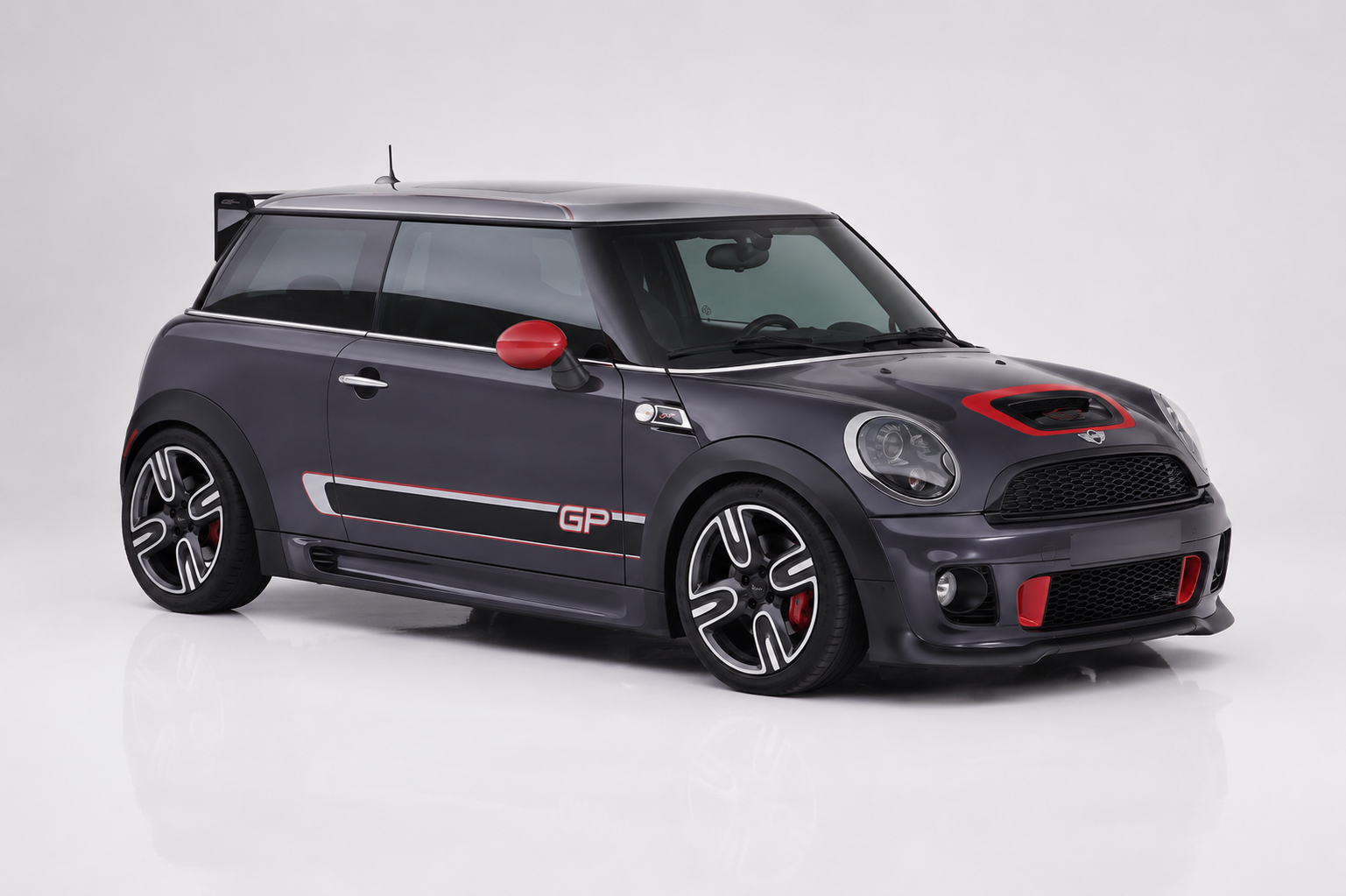
Mini John Cooper Works GP (GP1 / GP2 / GP3)
The cult hot-hatch trilogy — supercharged raw (GP1), track-honed (GP2), brute-force (GP3).
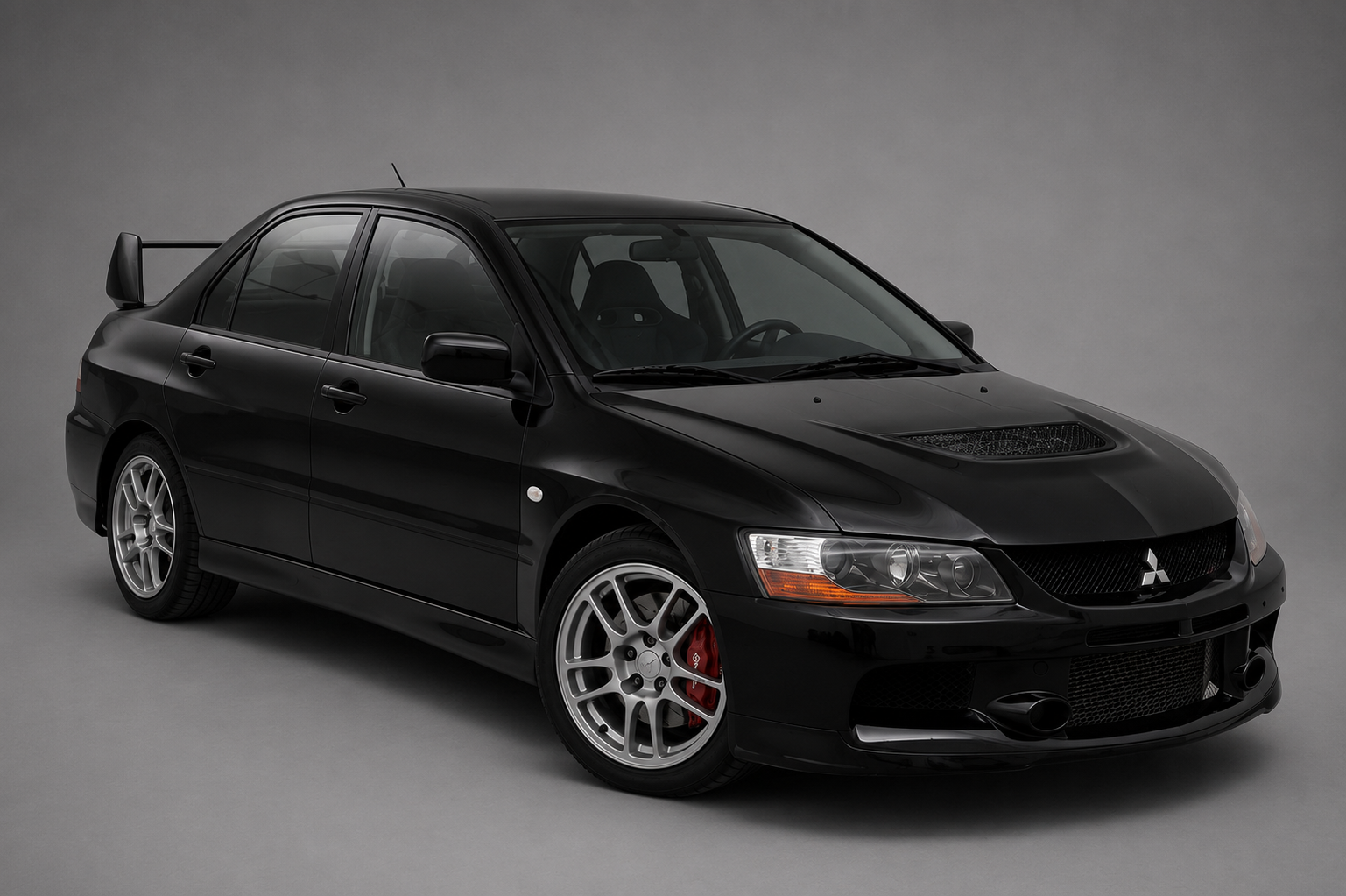
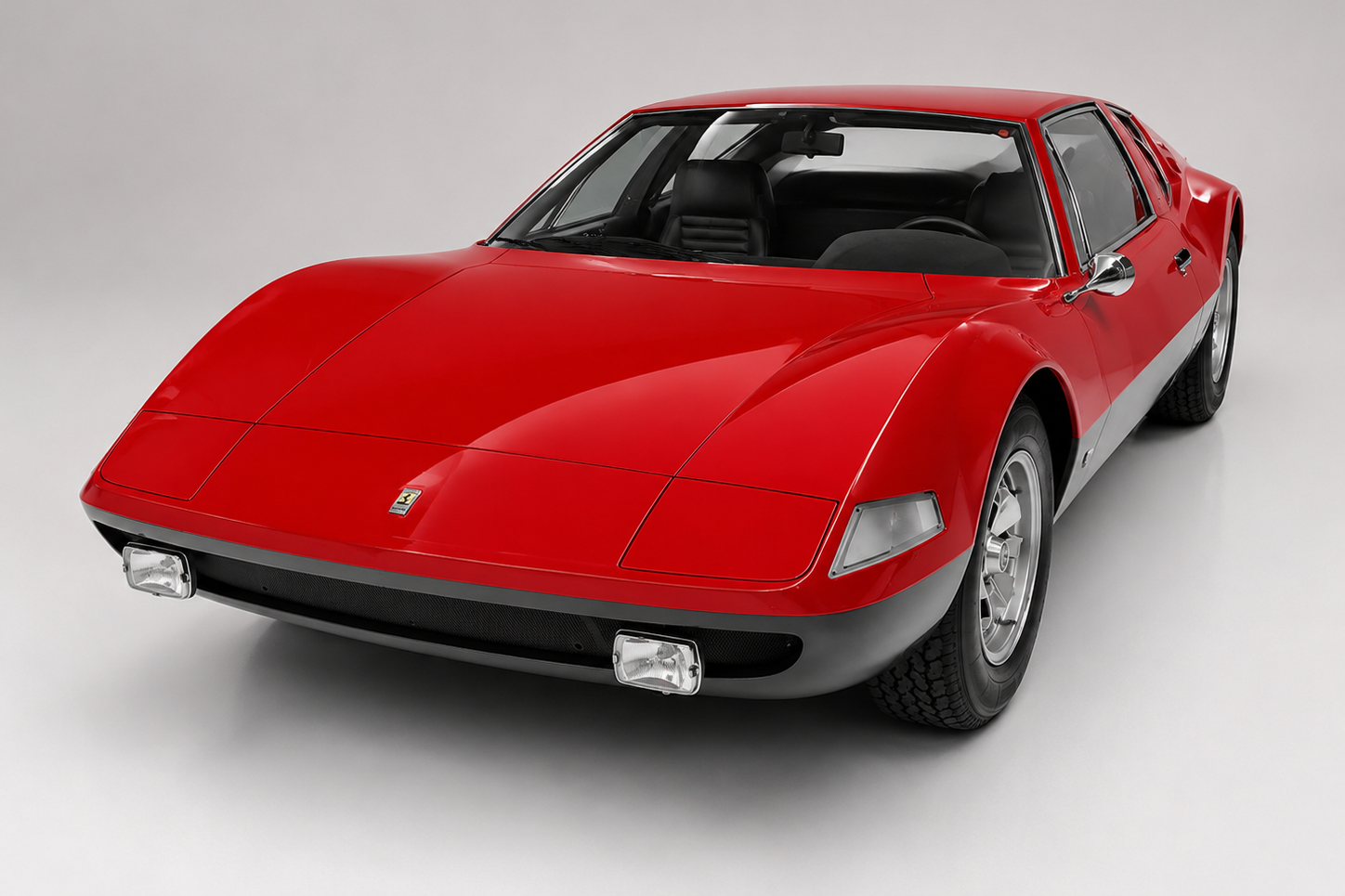
Monteverdi
Morgan
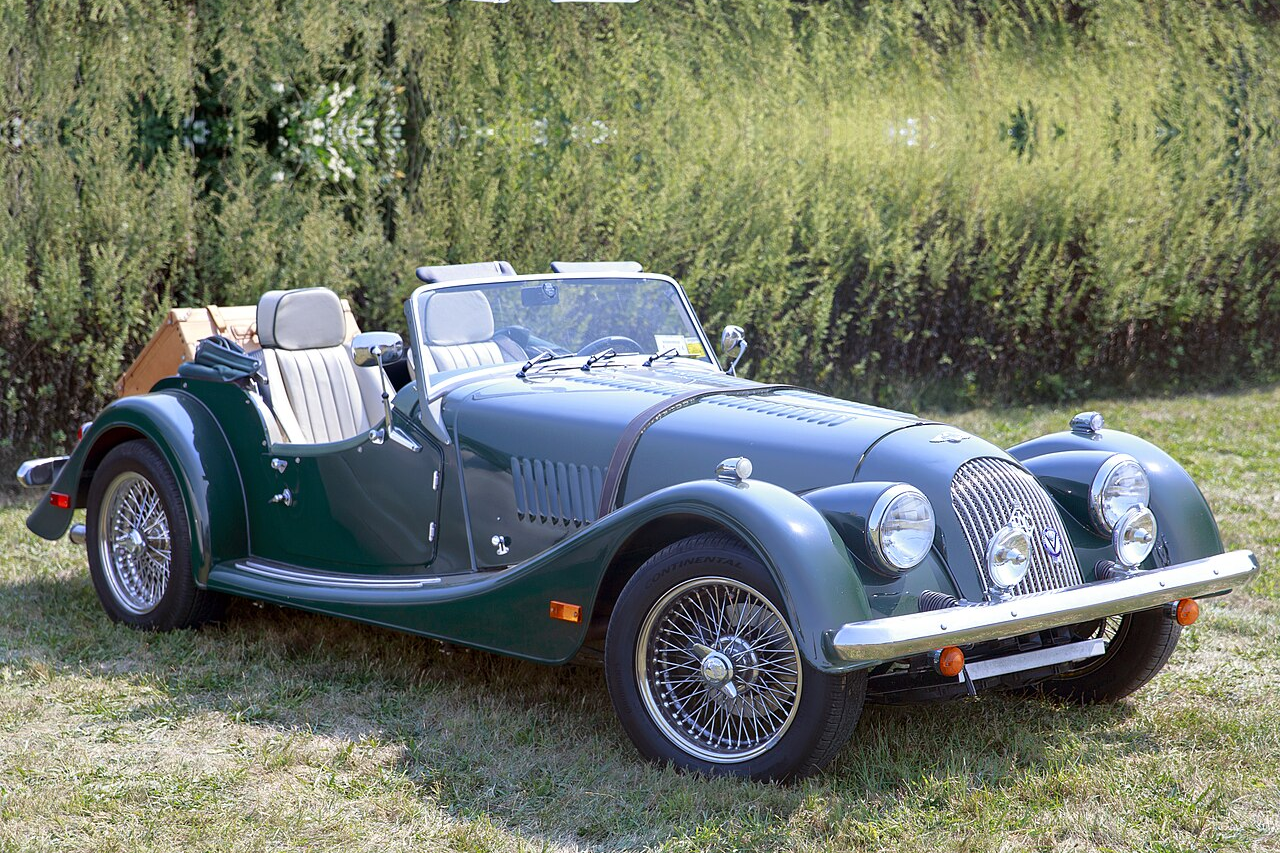
Morgan Plus 8
The Rover-V8 Morgan that outlived every rival ash-framed sports car — thirty-six years of hand-built, unfashionable, defiantly analogue engineering.
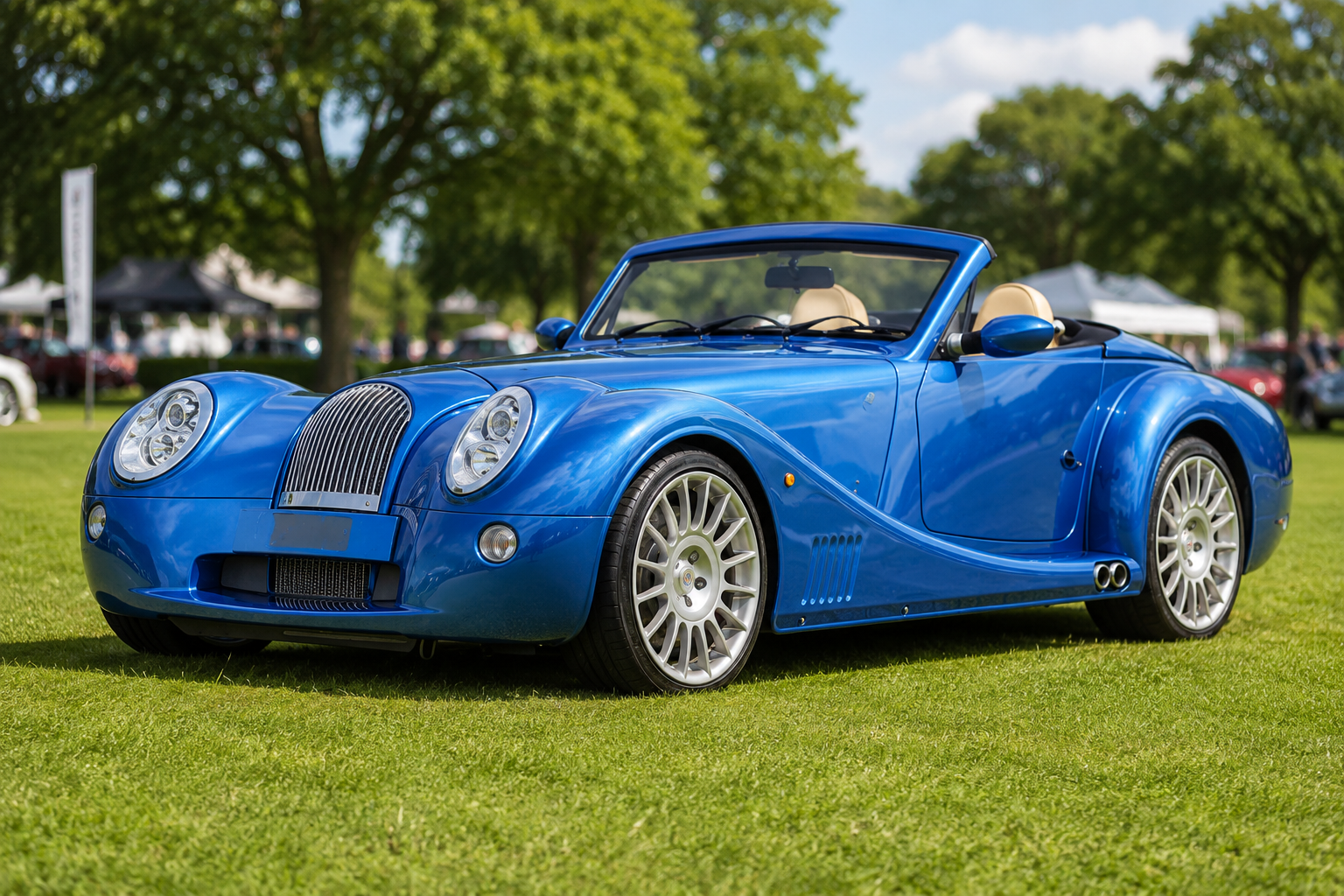
Morgan Aero 8
Morgan's first modern supercar — a hand-built Malvern wide-body with bonded aluminium bones, BMW V8 power and a wonderfully eccentric collector arc.
Nissan
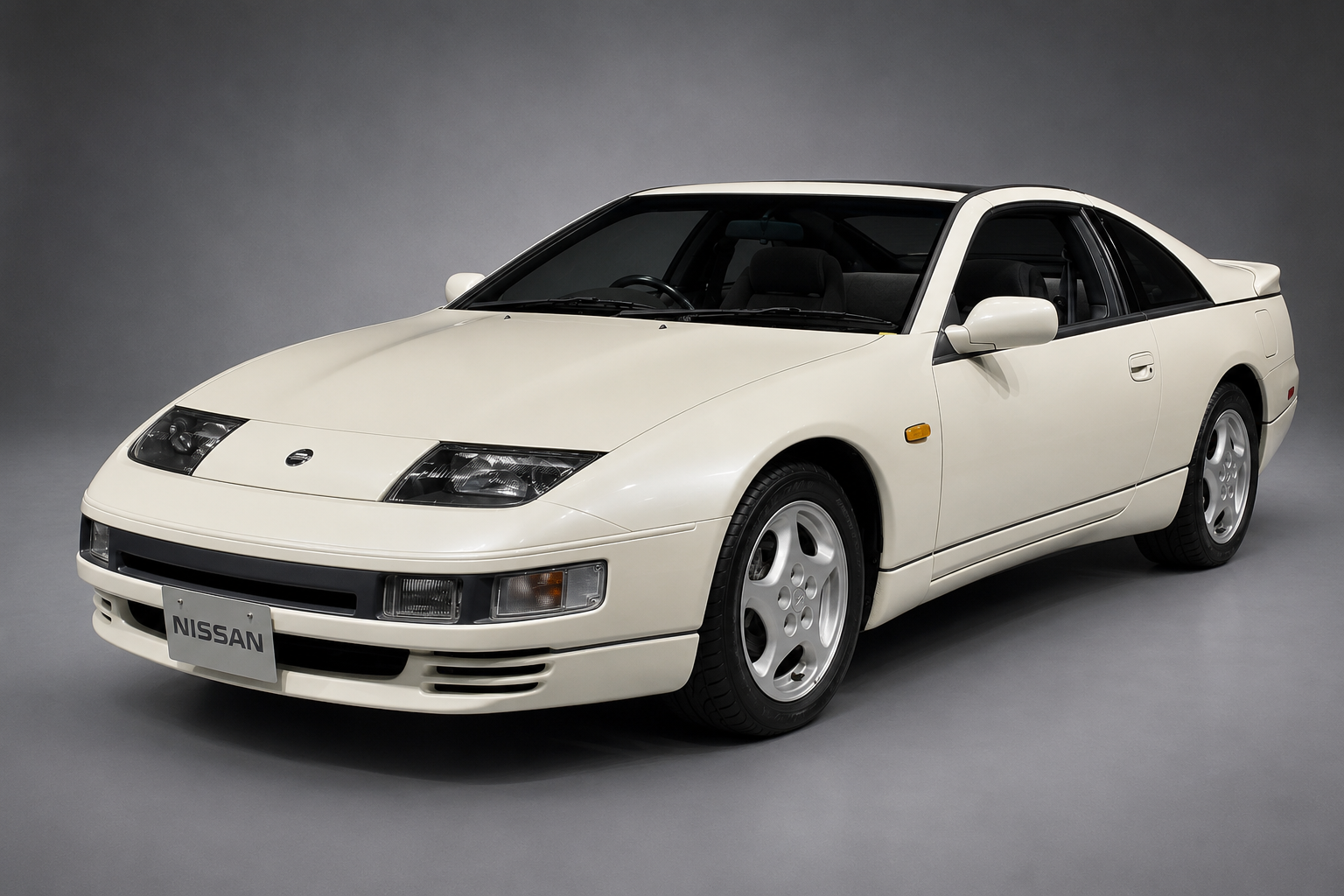
Nissan 300ZX Twin Turbo (Z32)
Twin-turbo VG30DETT V6, multi-link suspension and the Z car's late-1980s technical leap.
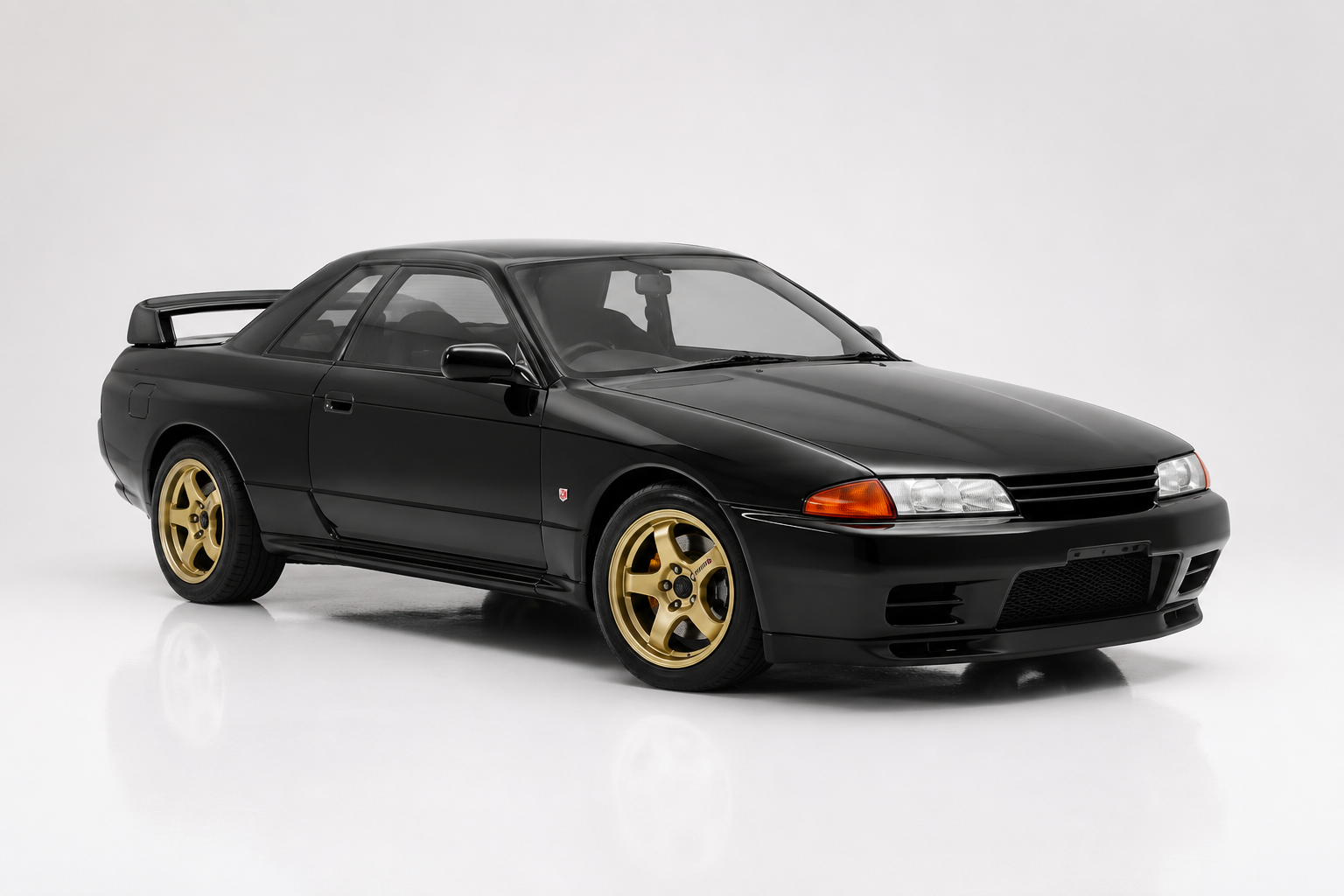
Nissan Skyline GT-R (R32)
'Godzilla' — the car that revived the GT-R badge and dominated Group A and JTCC.
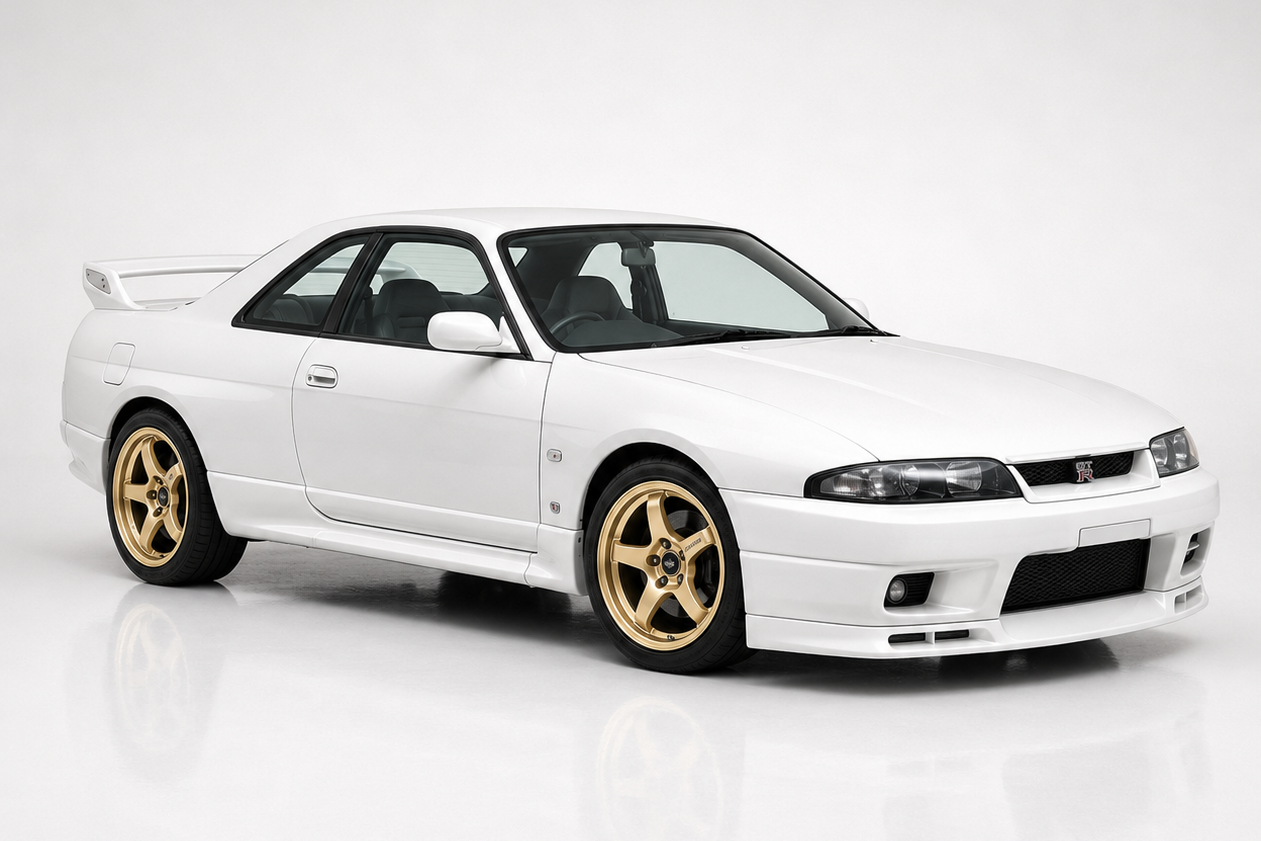
Nissan Skyline GT-R (R33)
The 'middle child' GT-R — the first production car under eight minutes at the Nürburgring.
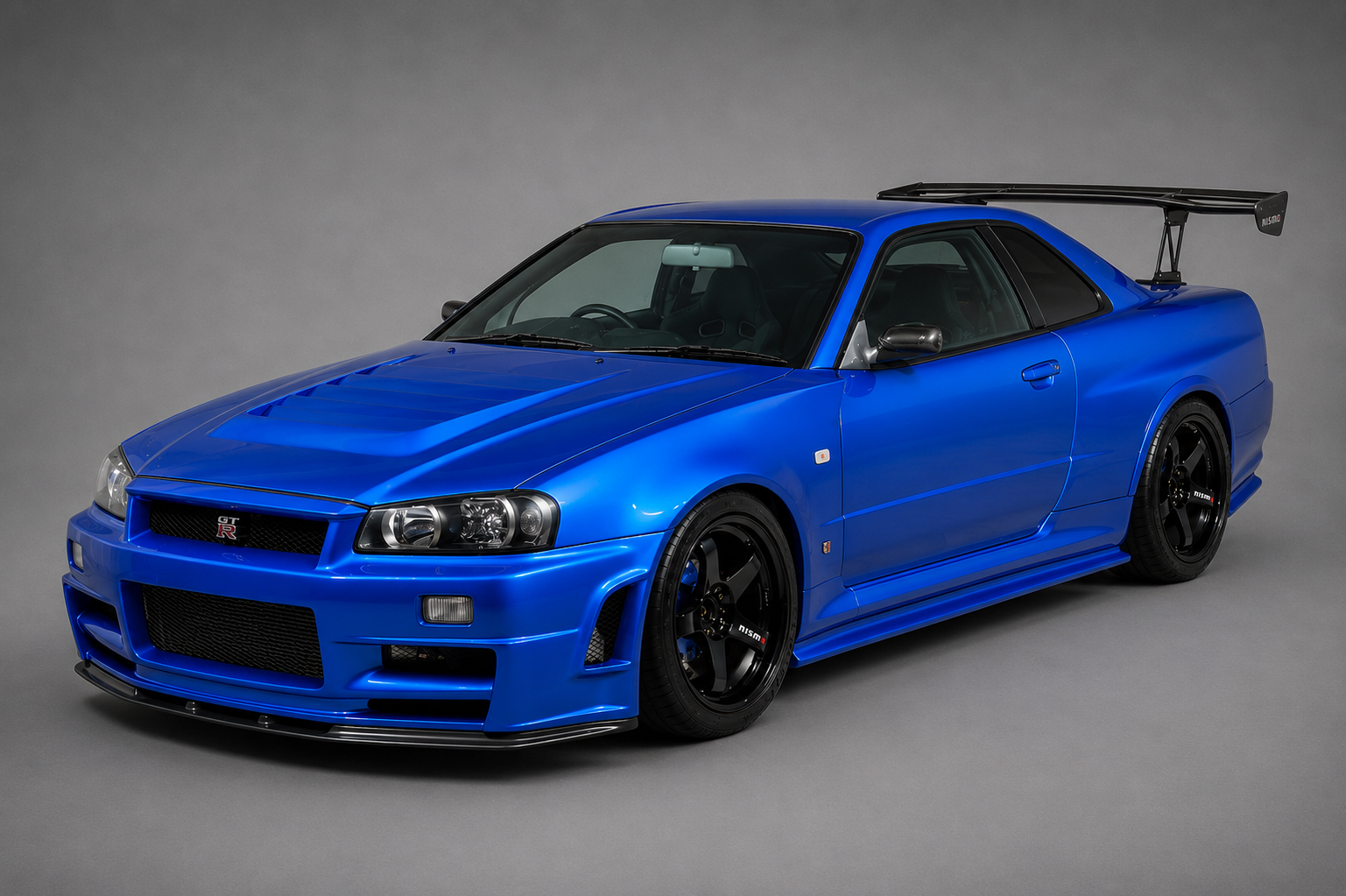
Nissan Skyline GT-R (R34)
The final Skyline GT-R — the analogue Japanese supercar that became a global blue chip.
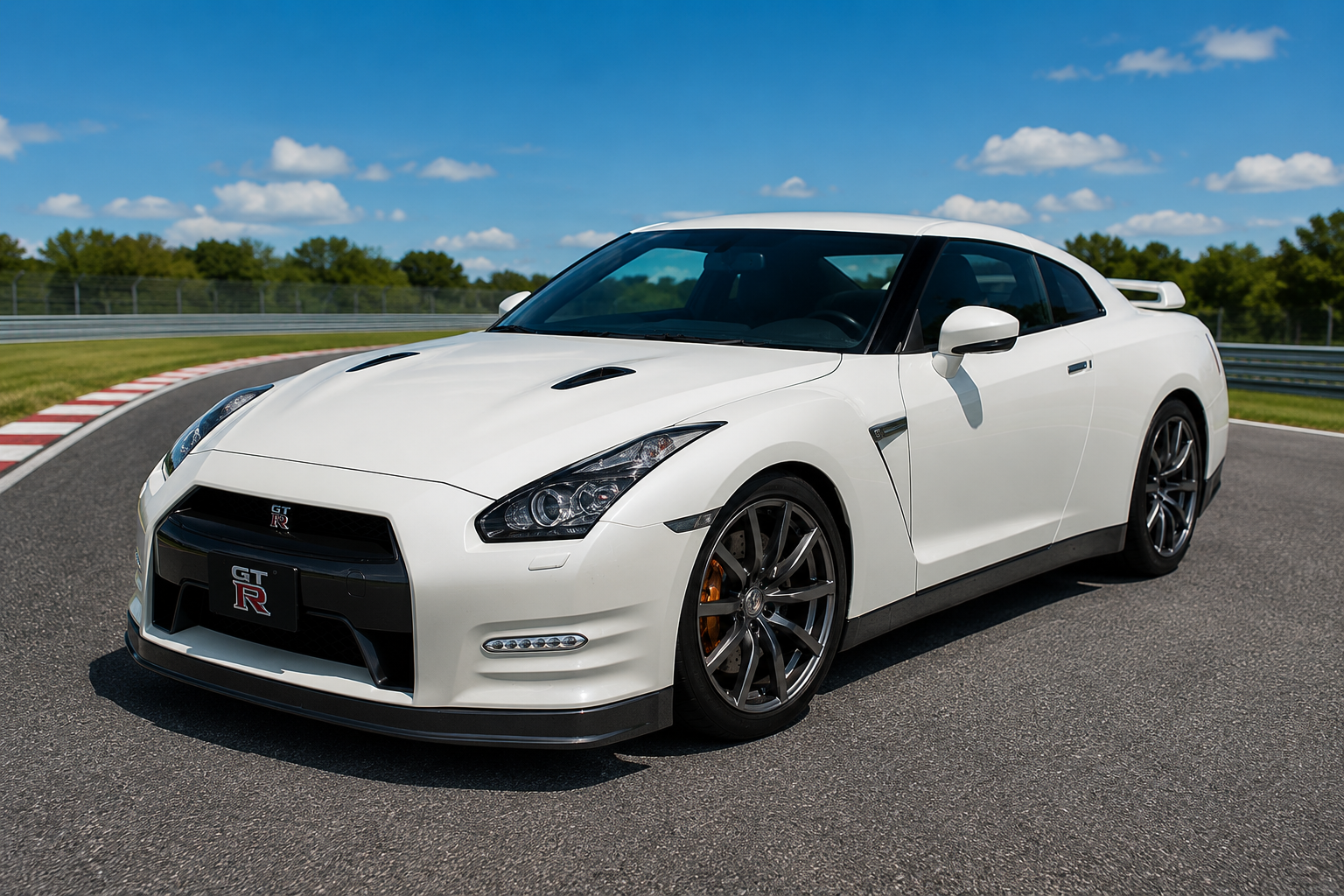
Nissan GT-R (R35)
Japan's all-conquering supercar — twin-turbo VR38, all-wheel drive, 17 years of continuous evolution.
Noble
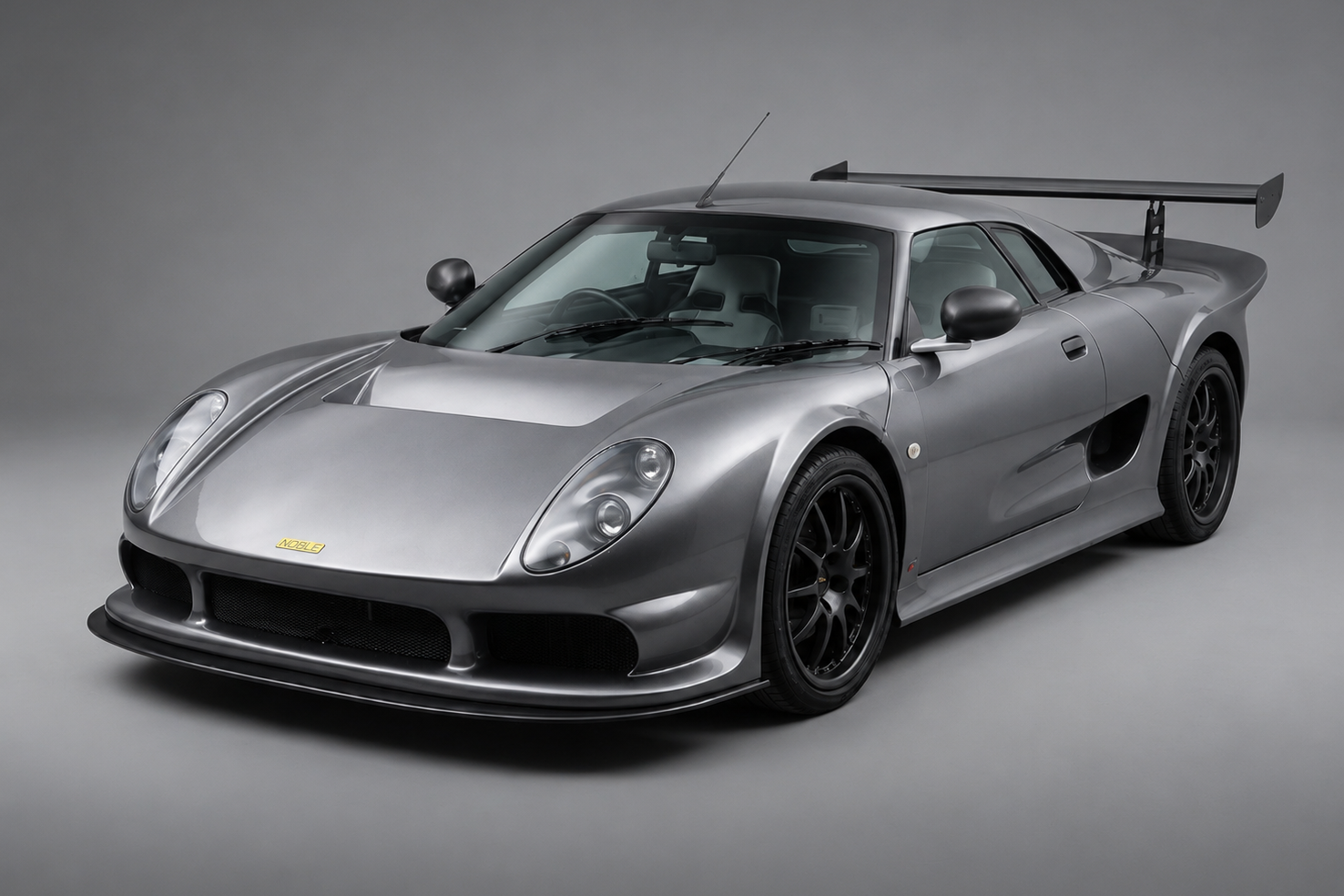
Noble M12 (GTO, GTO-3 & GTO-3R)
Analogue British mid-engined sports car — twin-turbo Ford Duratec V6 over a steel spaceframe.
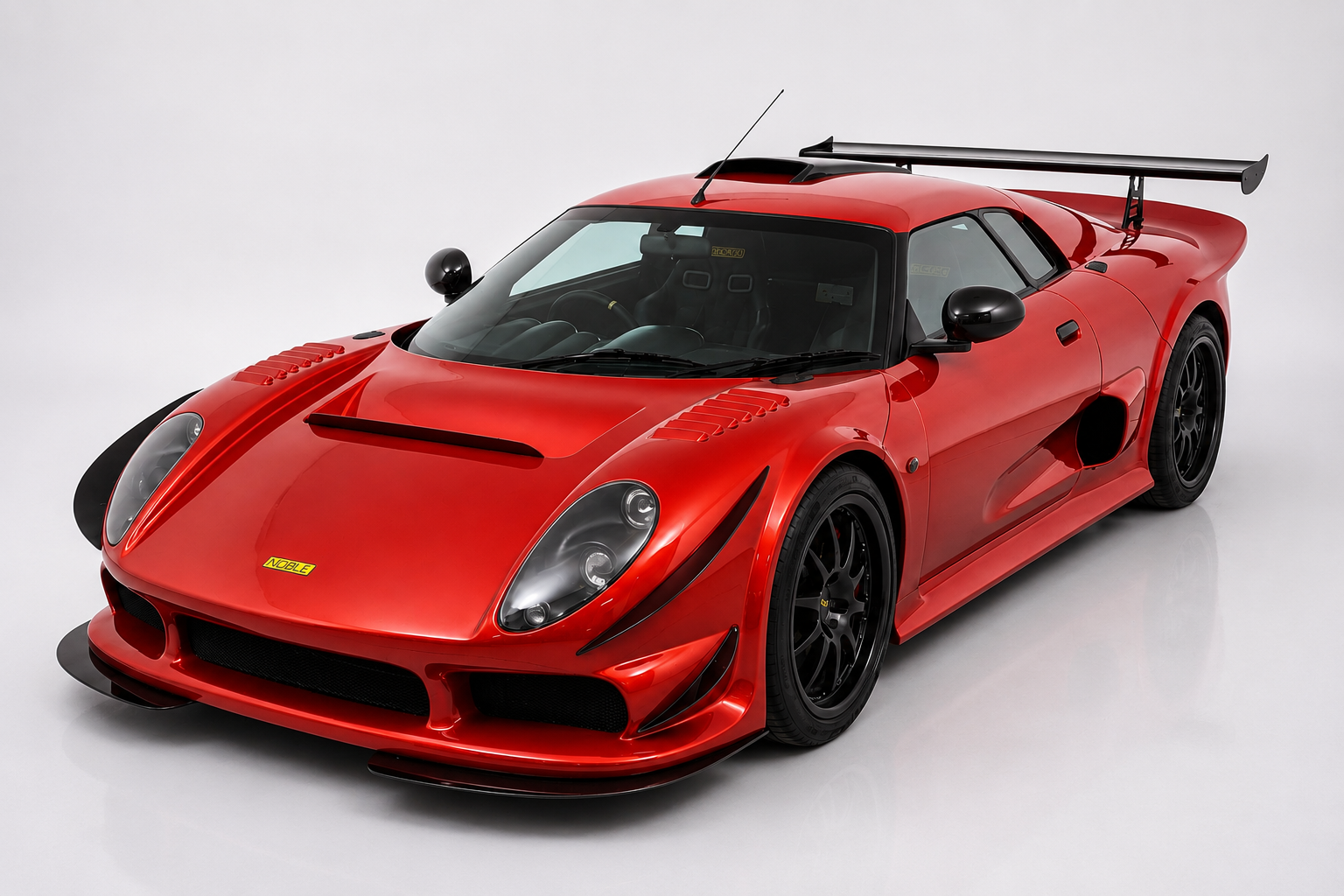
Noble M400
The track-focused pinnacle of the M12 line — 400 bhp-per-tonne, no ABS, no traction control.
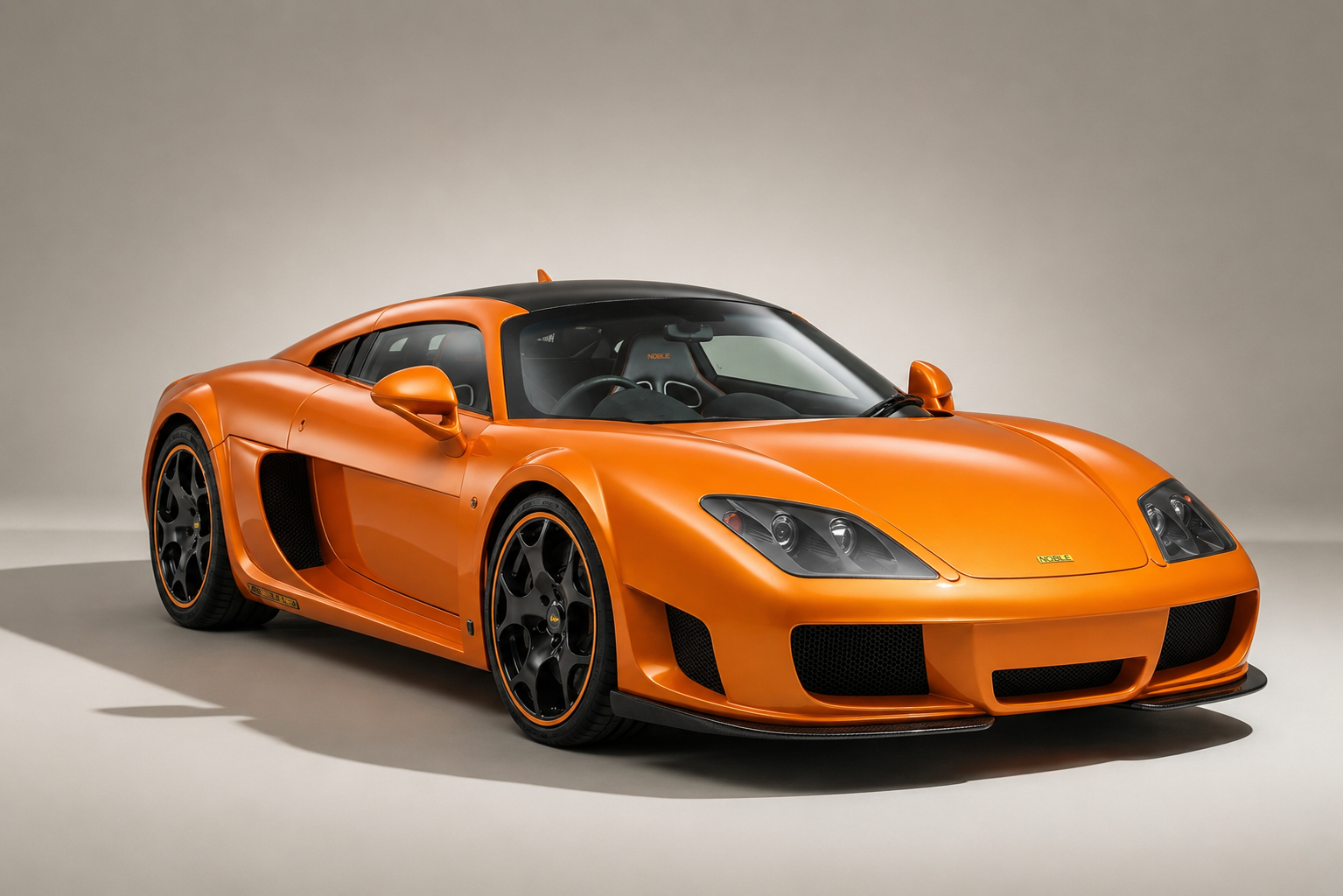
Noble M600
One of the last pure analogue supercars — three-mode 450/550/650 hp twin-turbo V8 and a Graziano manual transaxle.
Pagani
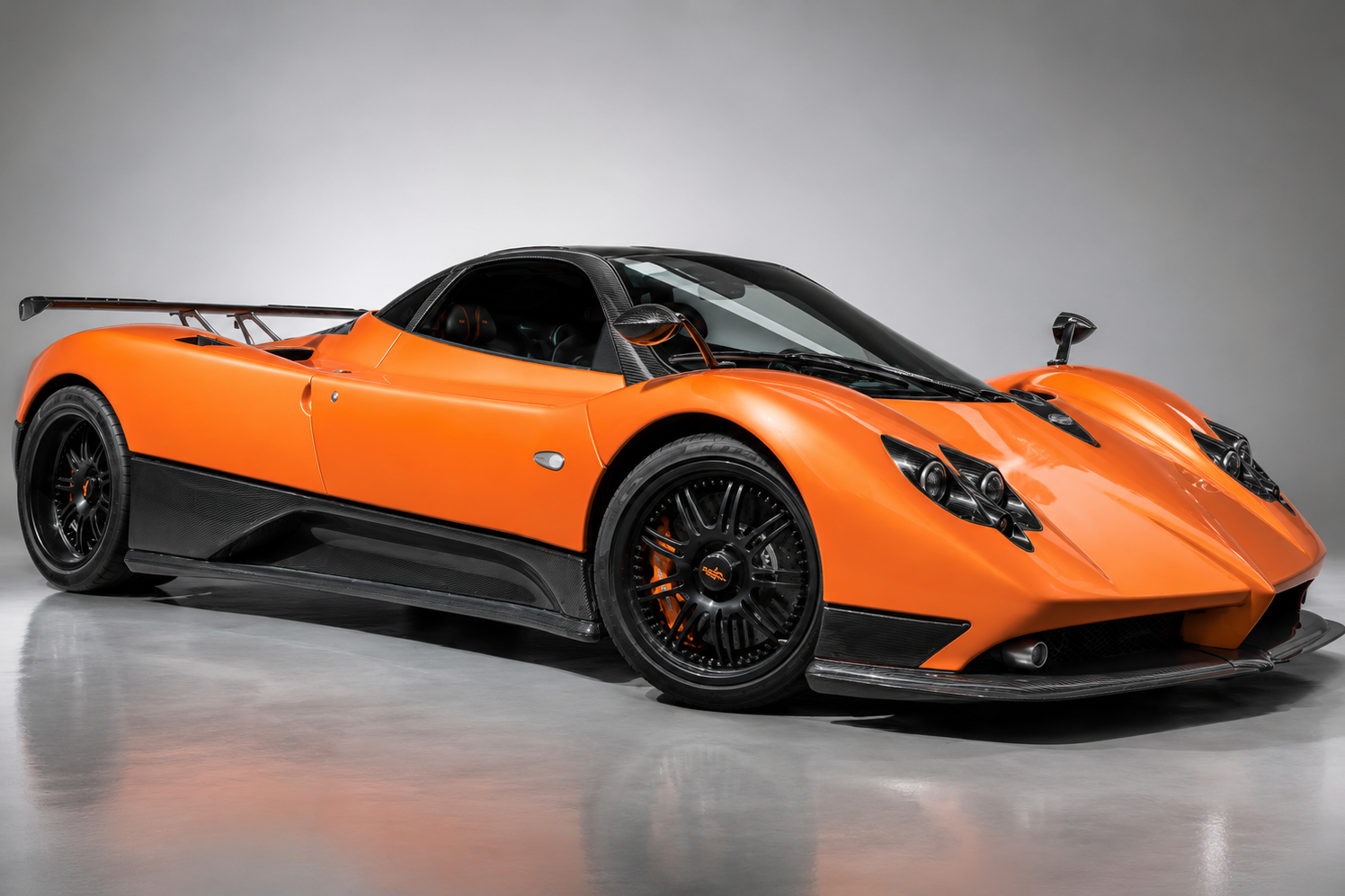
Pagani Zonda
Horacio Pagani's bespoke, AMG V12 hypercar — a near-coachbuilt approach that produced a long succession of one-offs.
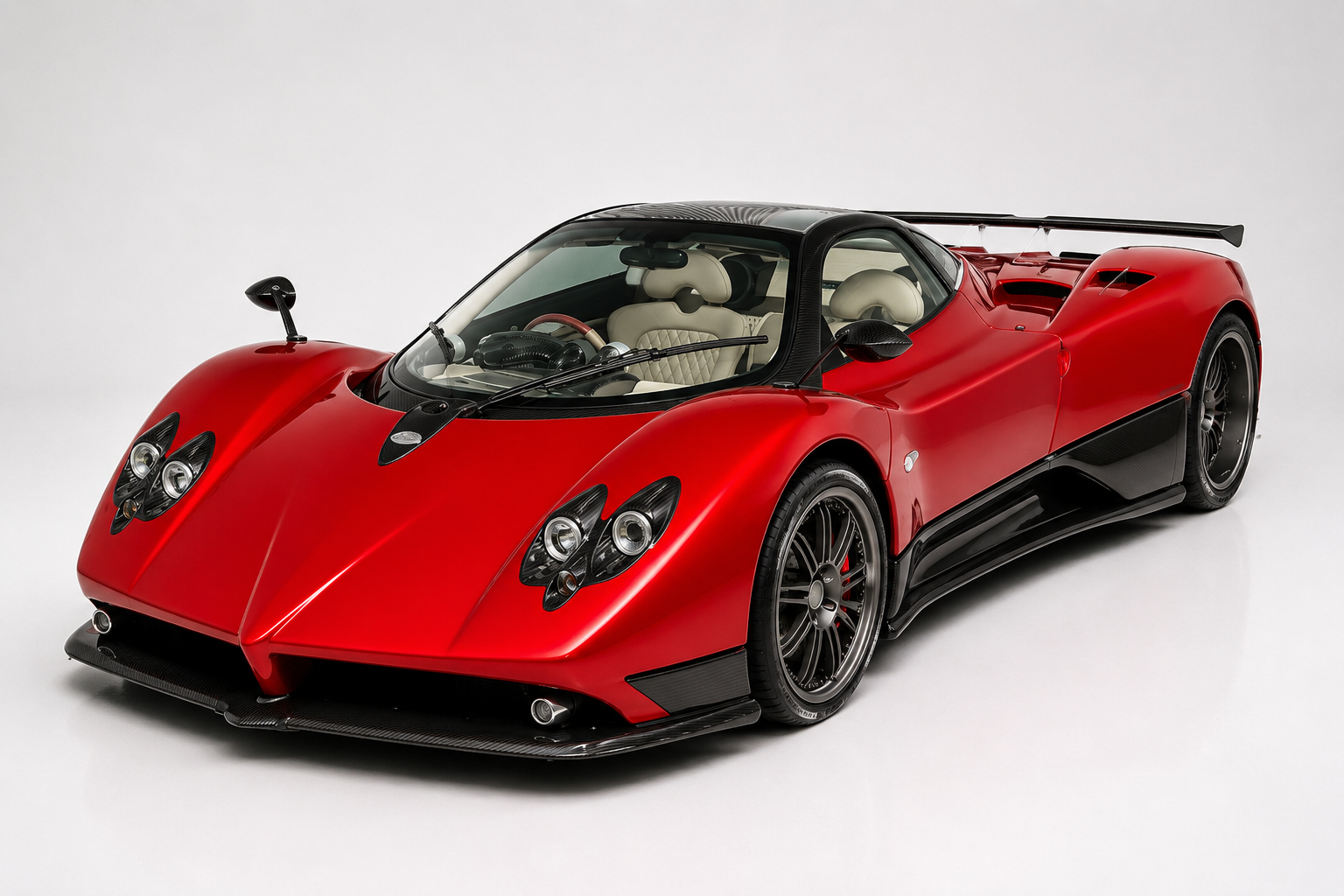
Pagani Zonda F
The definitive road-going Zonda — the tribute to Juan Manuel Fangio.
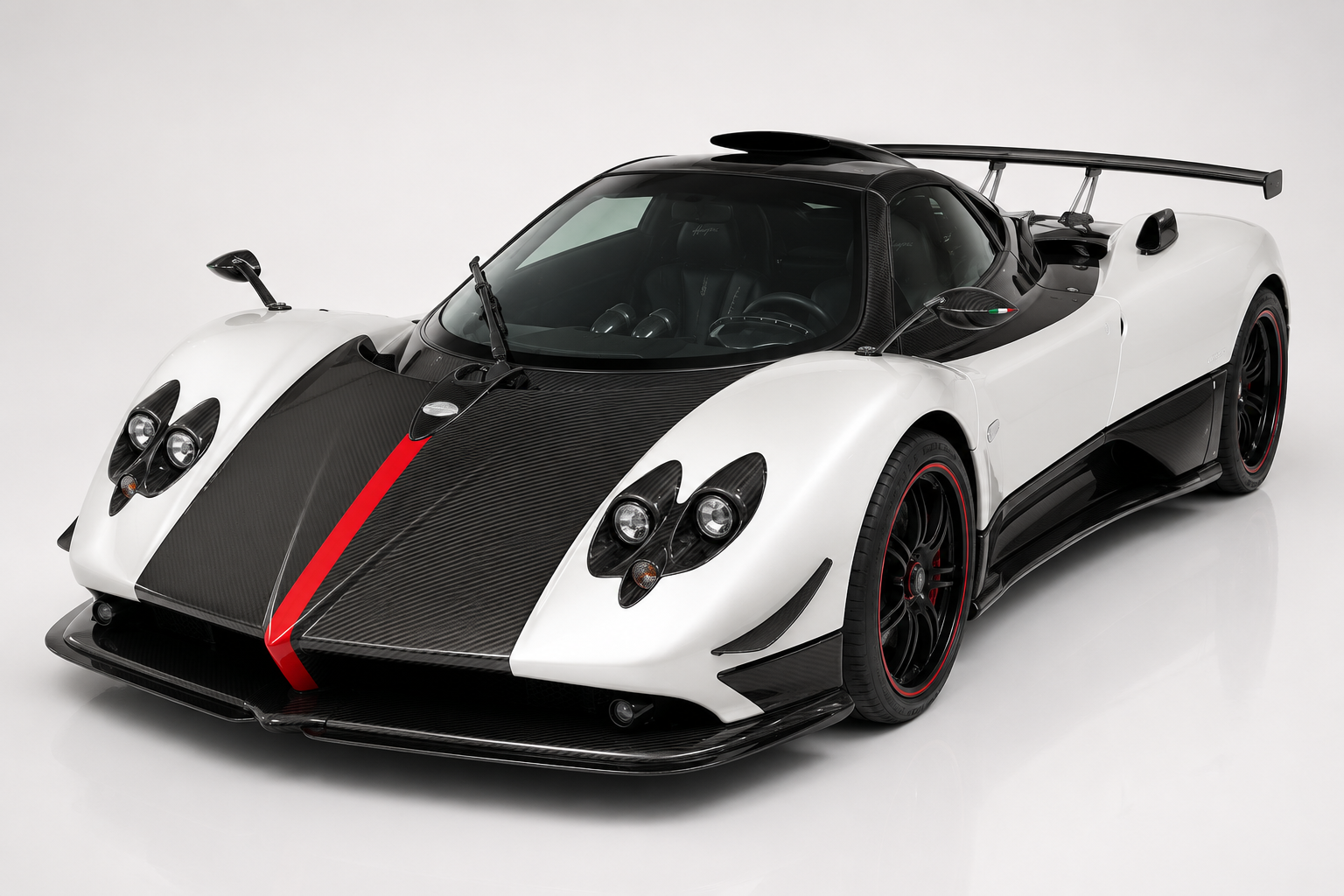
Pagani Zonda Cinque
Road-legal distillation of the Zonda R — the halo Zonda that spawned the later specials.
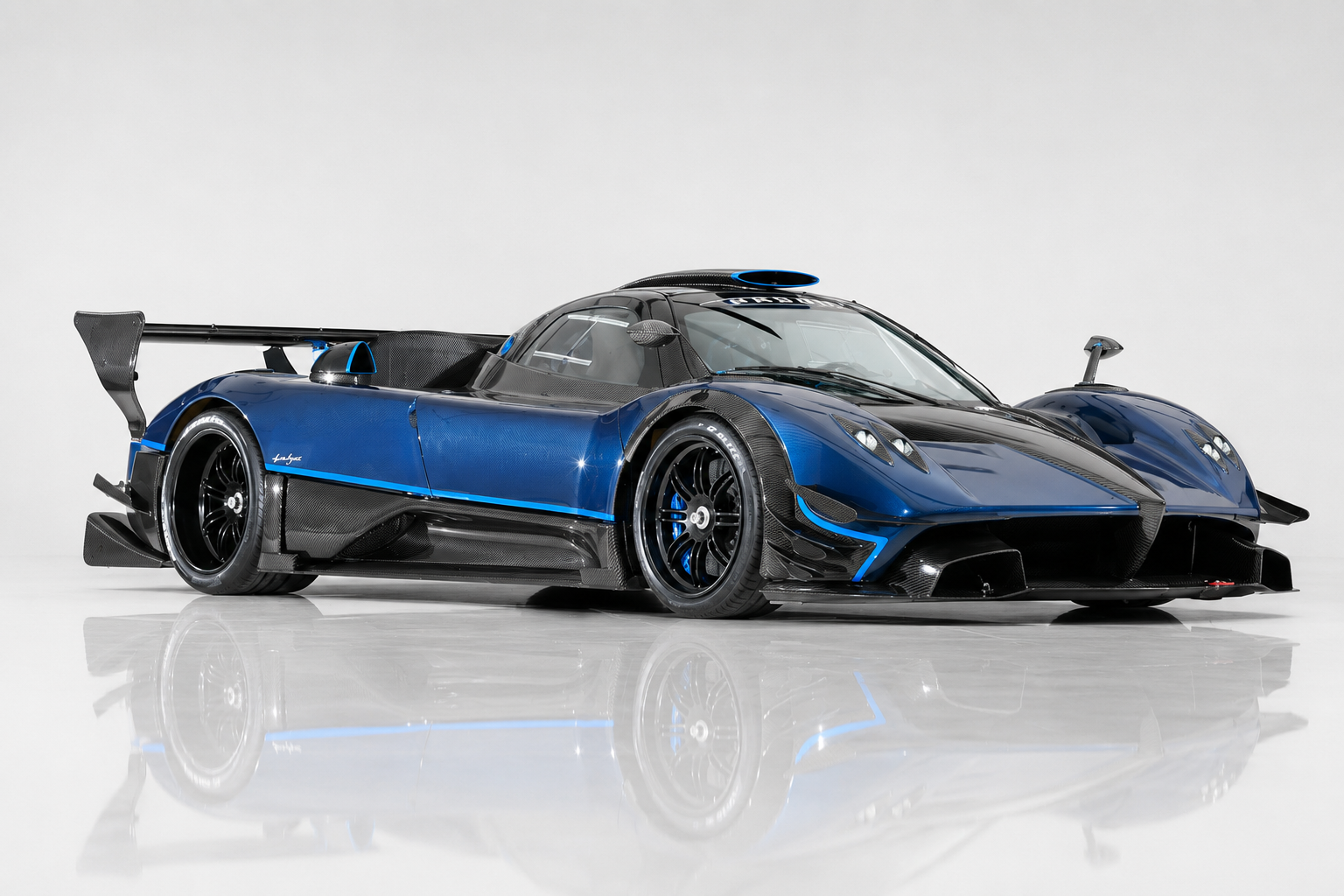
Pagani Zonda R
Pagani's uncompromised track weapon — a different car under the Zonda skin.
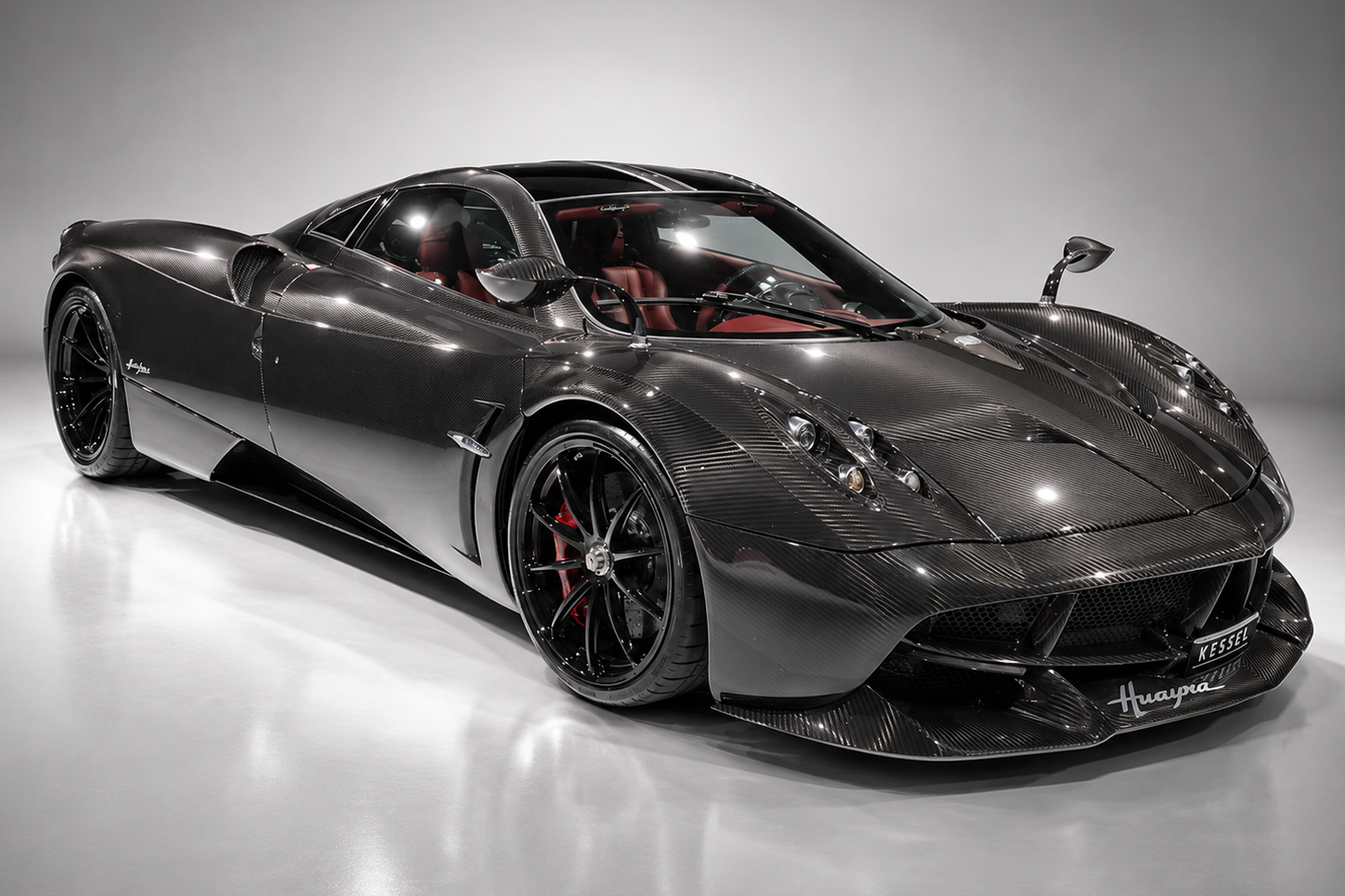
Pagani Huayra
Pagani's twin-turbo AMG V12 successor to the Zonda — active aerodynamics, carbo-titanium structure, near-jewellery interior.
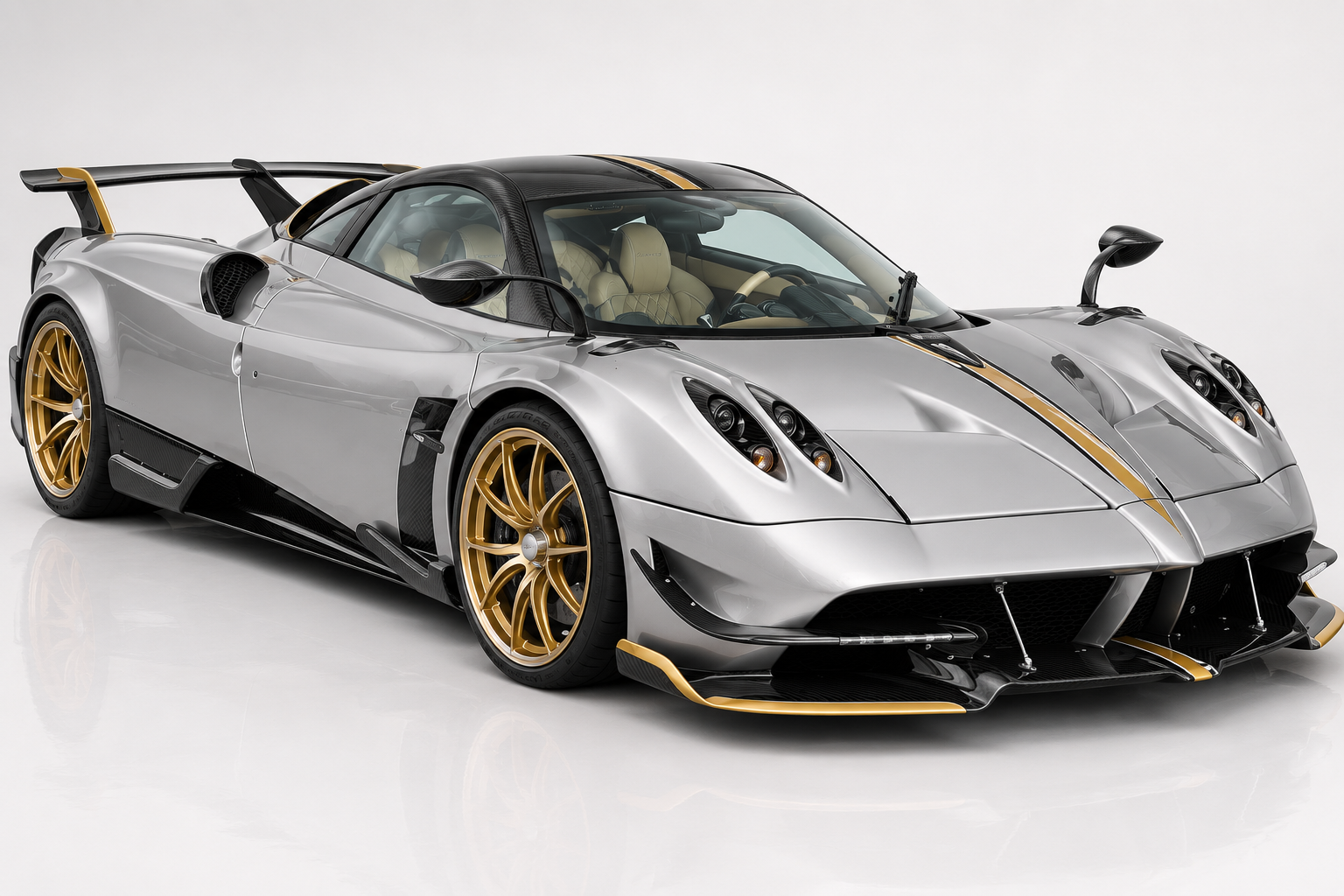
Pagani Huayra BC
The track-focused Huayra — heir to the Zonda R and Cinque ethos.
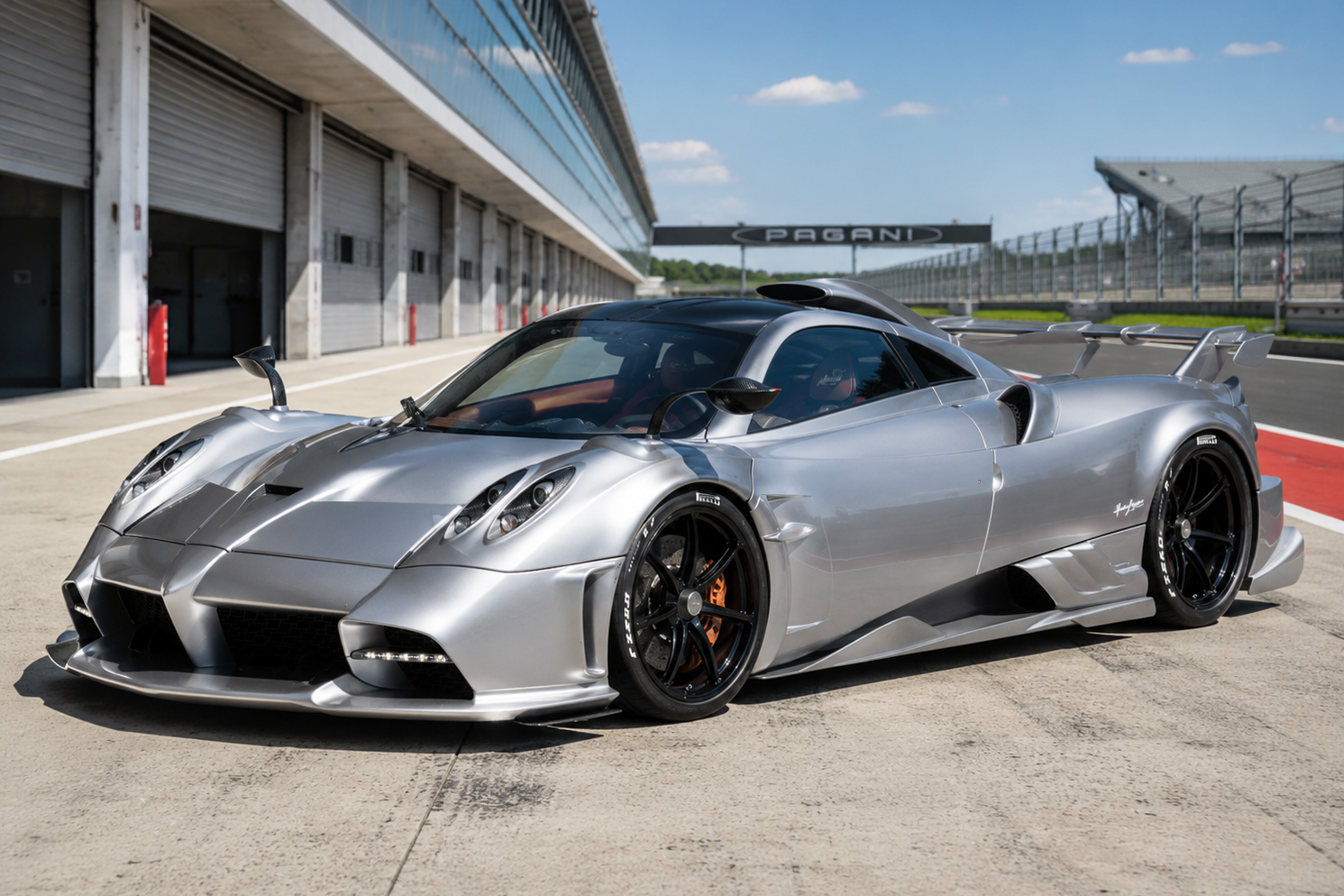
Pagani Huayra Imola
Track-focused Huayra — 827 bhp AMG twin-turbo V12, comprehensive bespoke aero, 5 cars built.
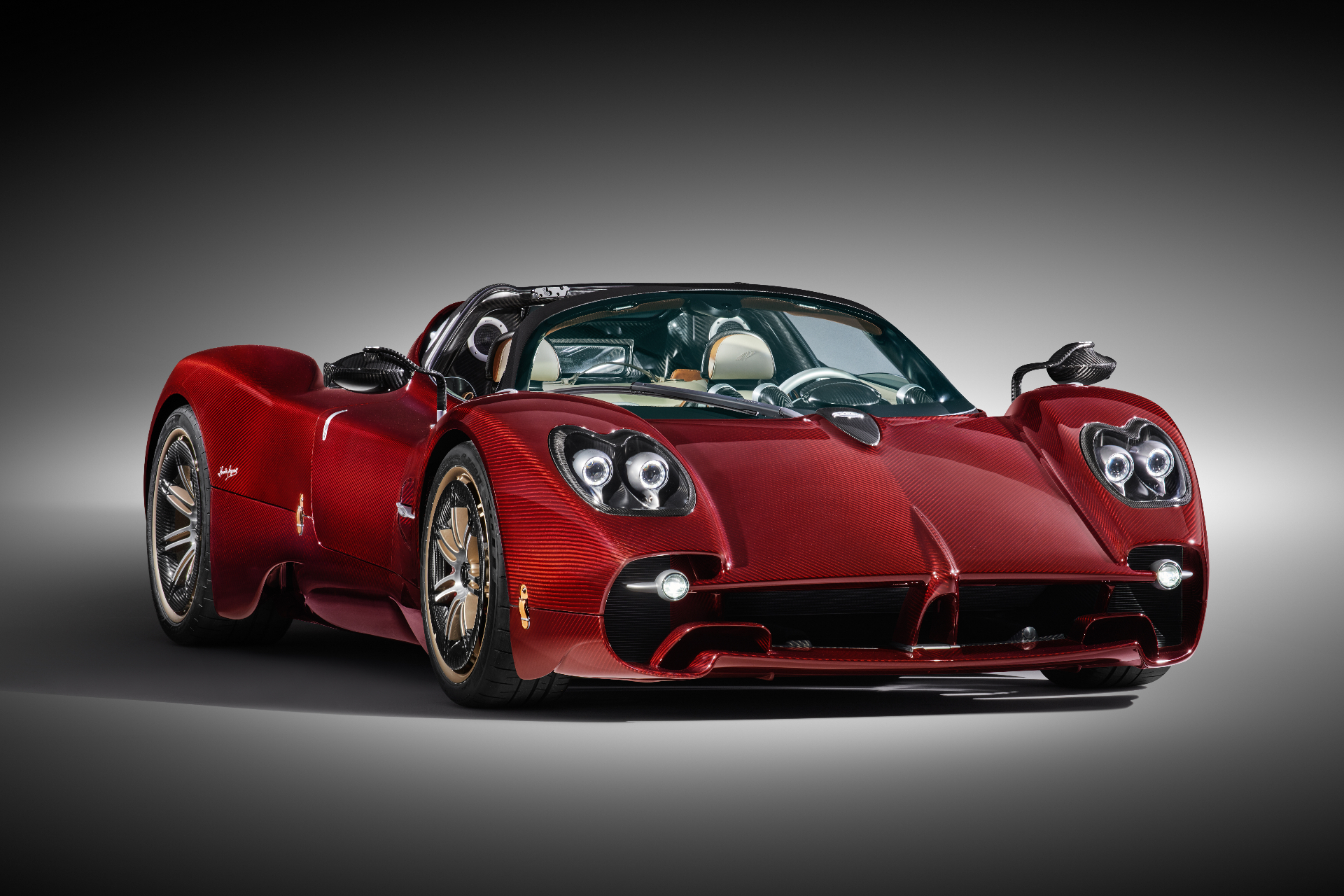
Pagani Utopia
Third-generation Pagani — Mercedes-AMG twin-turbo V12 paired with a 7-speed manual or automated transmission.
Plymouth
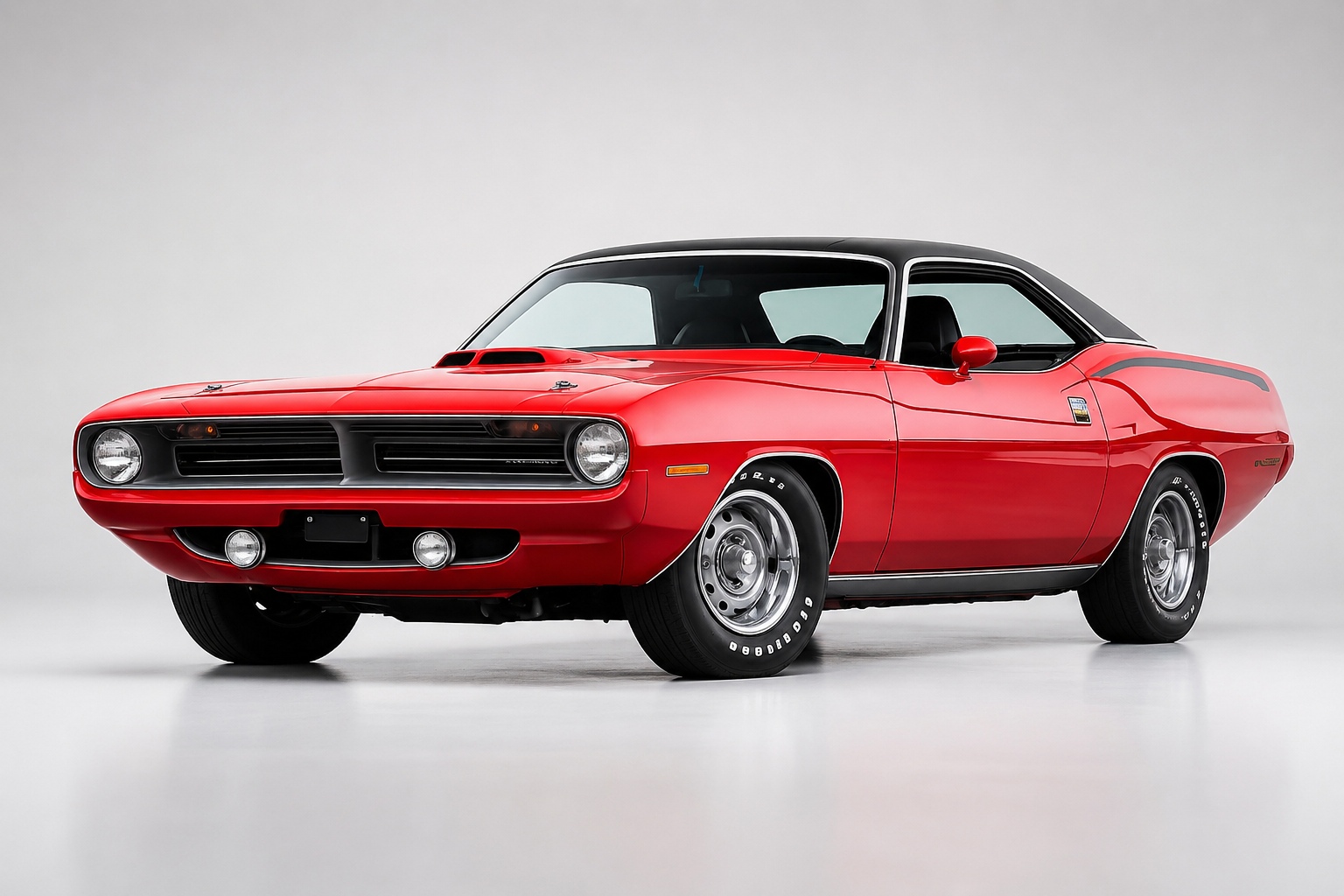
Plymouth Hemi 'Cuda
426 Hemi-powered E-body Barracuda — the most valuable American muscle car at auction and an outright blue-chip.
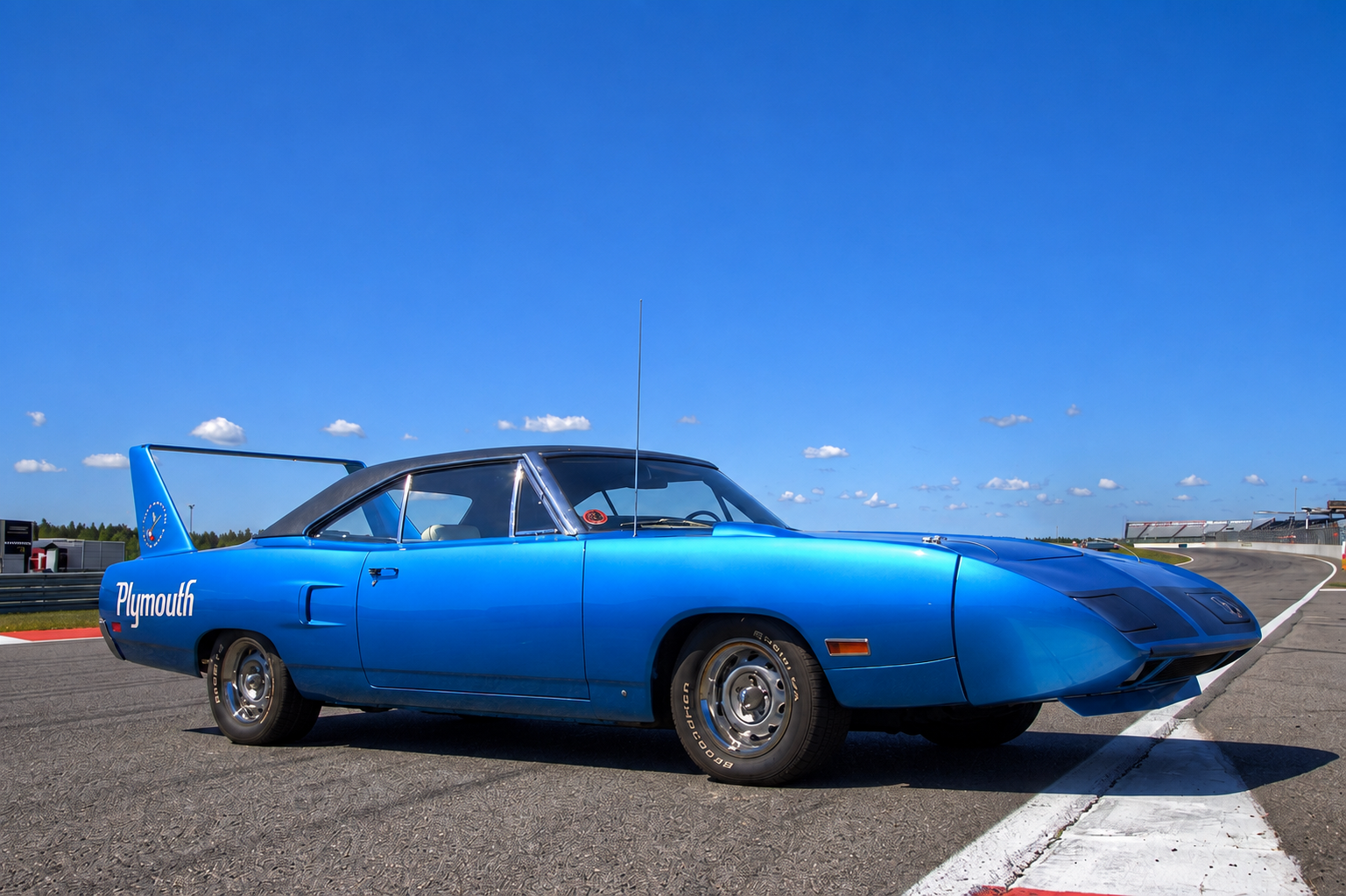
Plymouth Superbird
Chrysler's 1970 NASCAR aero-warrior homologation — a Road Runner fitted from the factory with an extended nose cone and a towering rear wing, built for a single model year to bring Richard Petty back to Plymouth and legislated off the superspeedways after one season.
Porsche
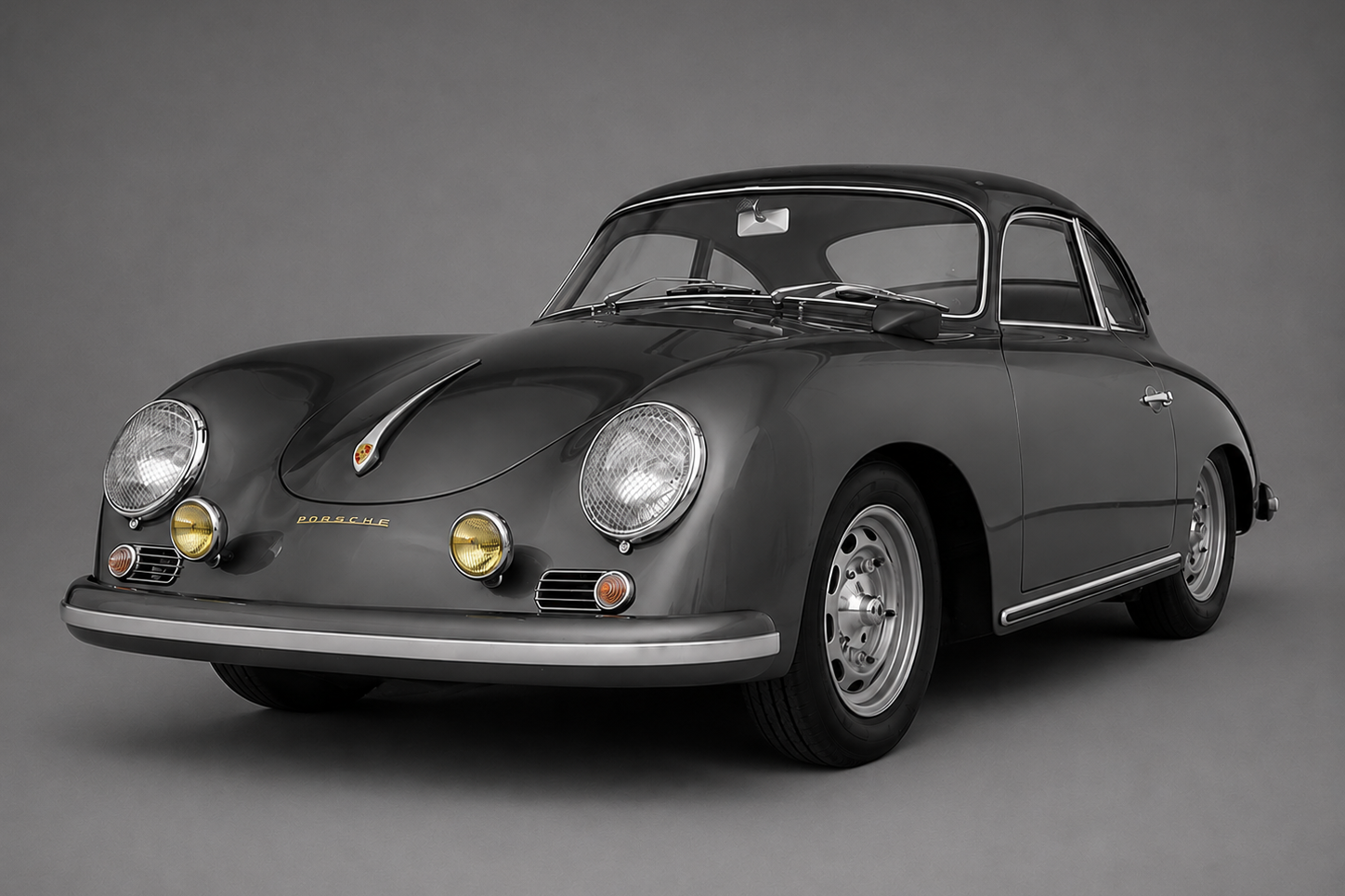
Porsche 356
The first Porsche road car — the design and engineering blueprint for every 911 that followed.
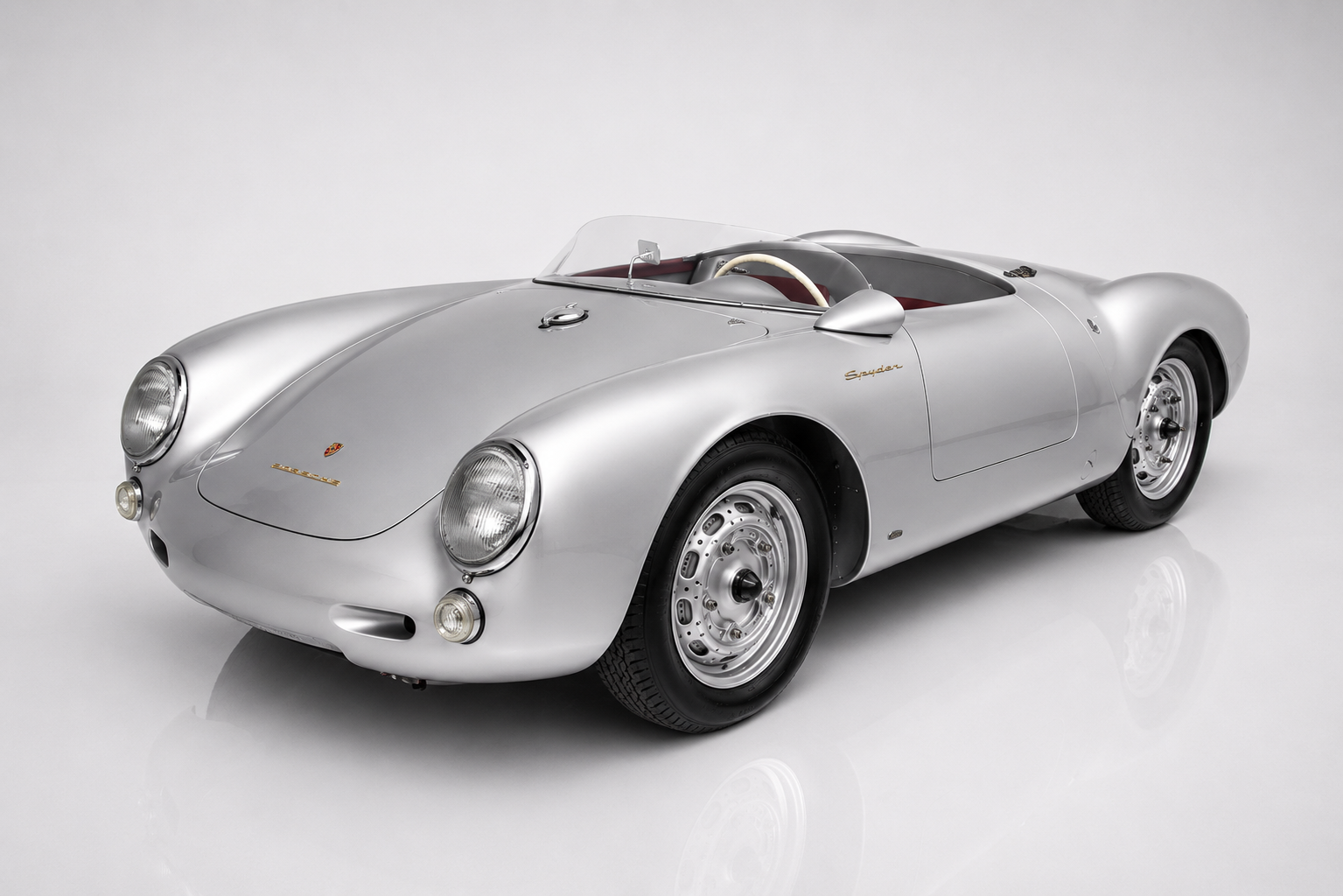
Porsche 550 Spyder
Porsche's first purpose-built racer — the 'Giant Killer', and the car James Dean called Little Bastard.
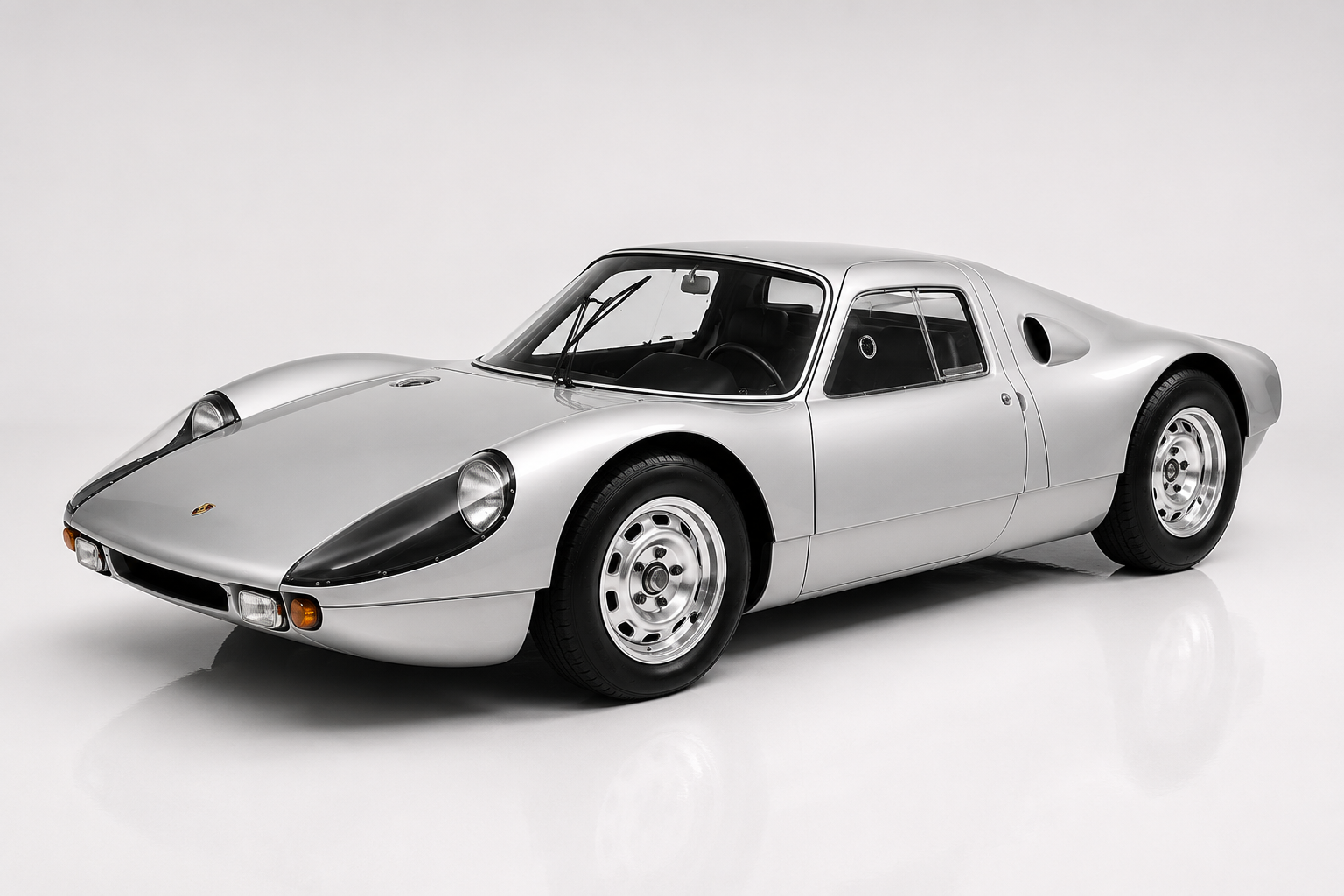
Porsche 904 Carrera GTS
'Giant Killer' — Porsche's first fibreglass road-racer and Butzi Porsche's masterpiece.
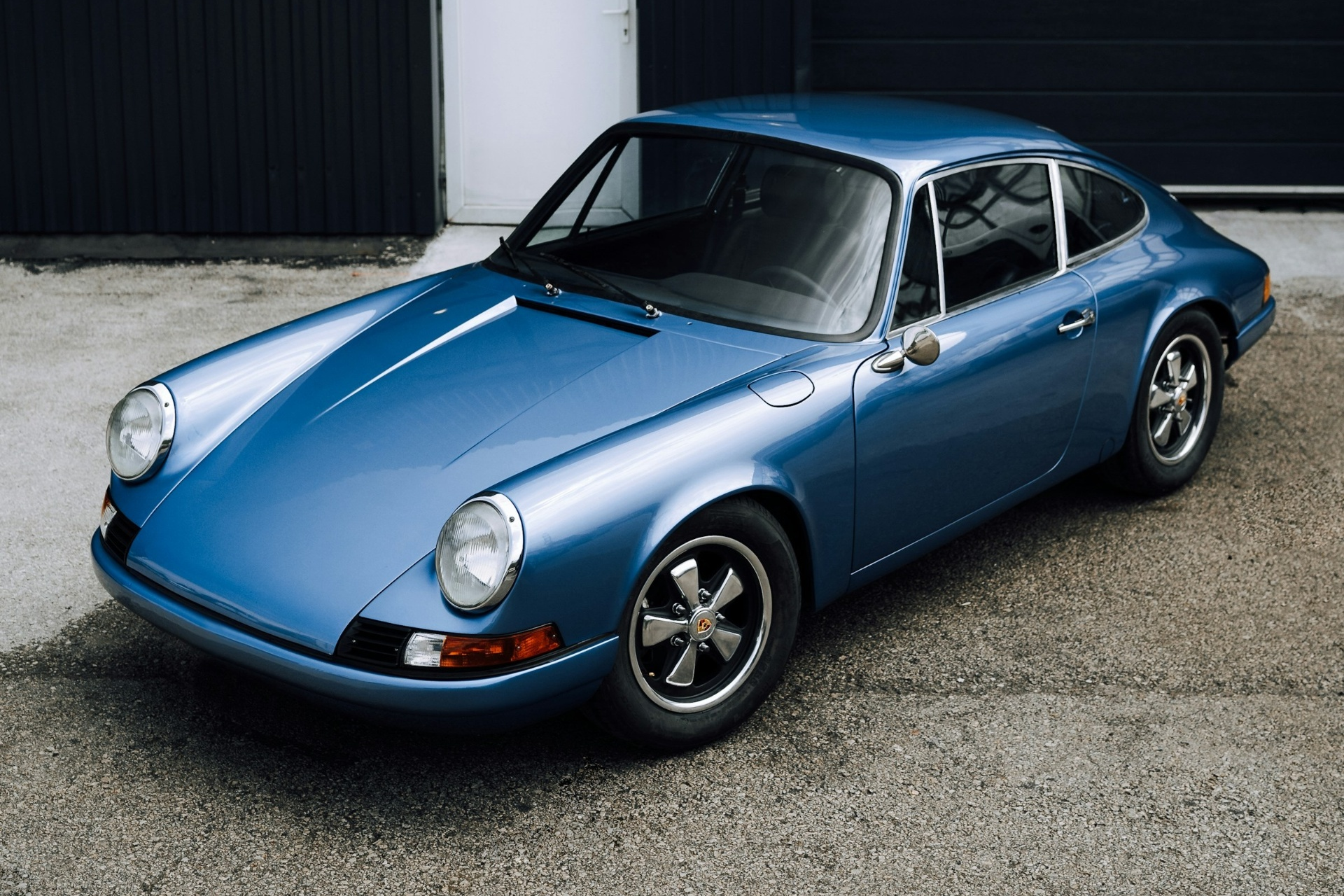
Porsche 911 (Classic Long-Hood)
The original air-cooled 911 — the long-hood, pre-impact-bumper foundation of every later Porsche sports car.
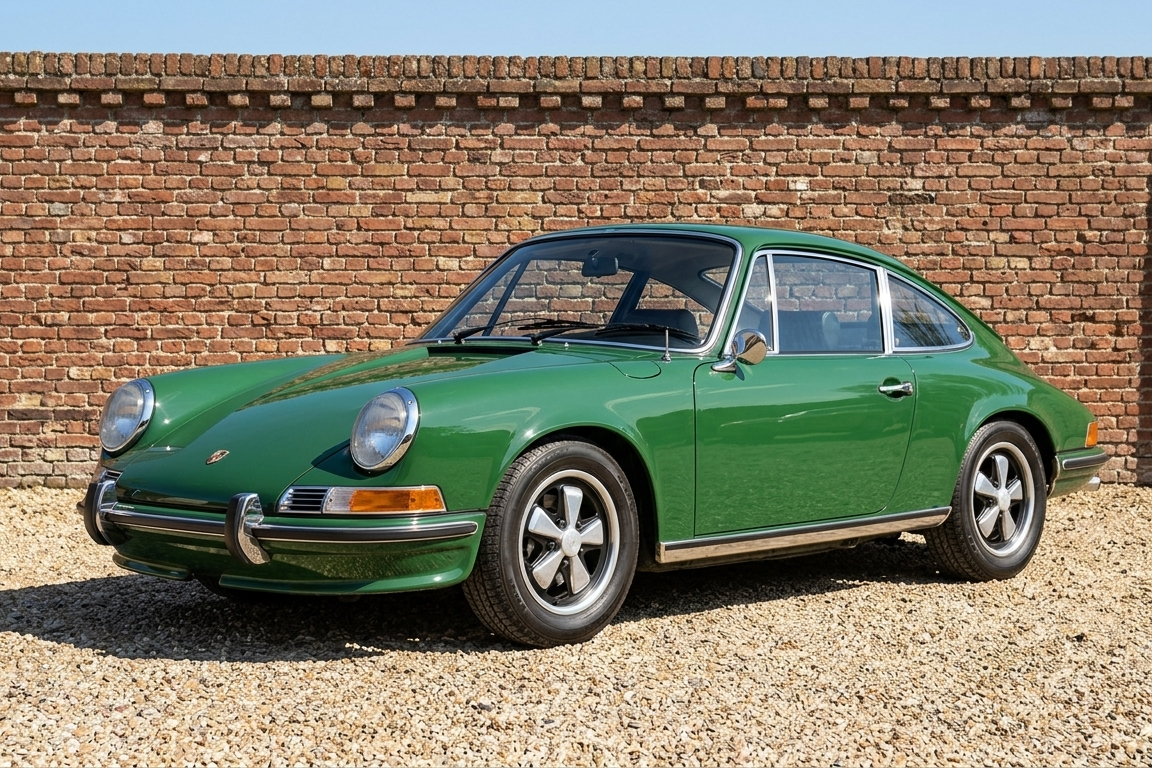
Porsche 912
The four-cylinder 911 — 356 heart, early 911 body, and the balanced-handling secret of the air-cooled world.
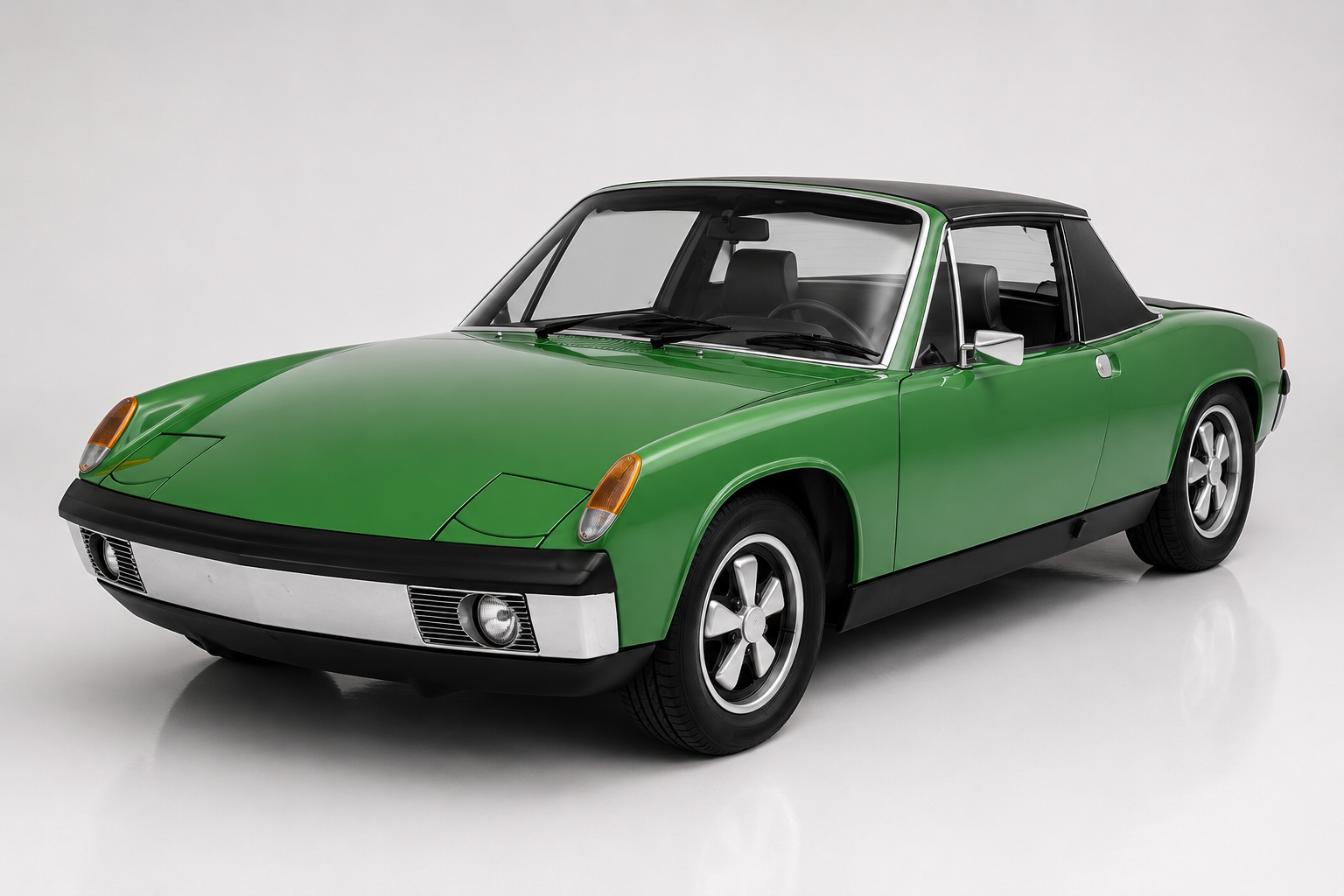
Porsche 914
Porsche's first mid-engine road car — long dismissed as 'the VW-Porsche', now a respected classic.
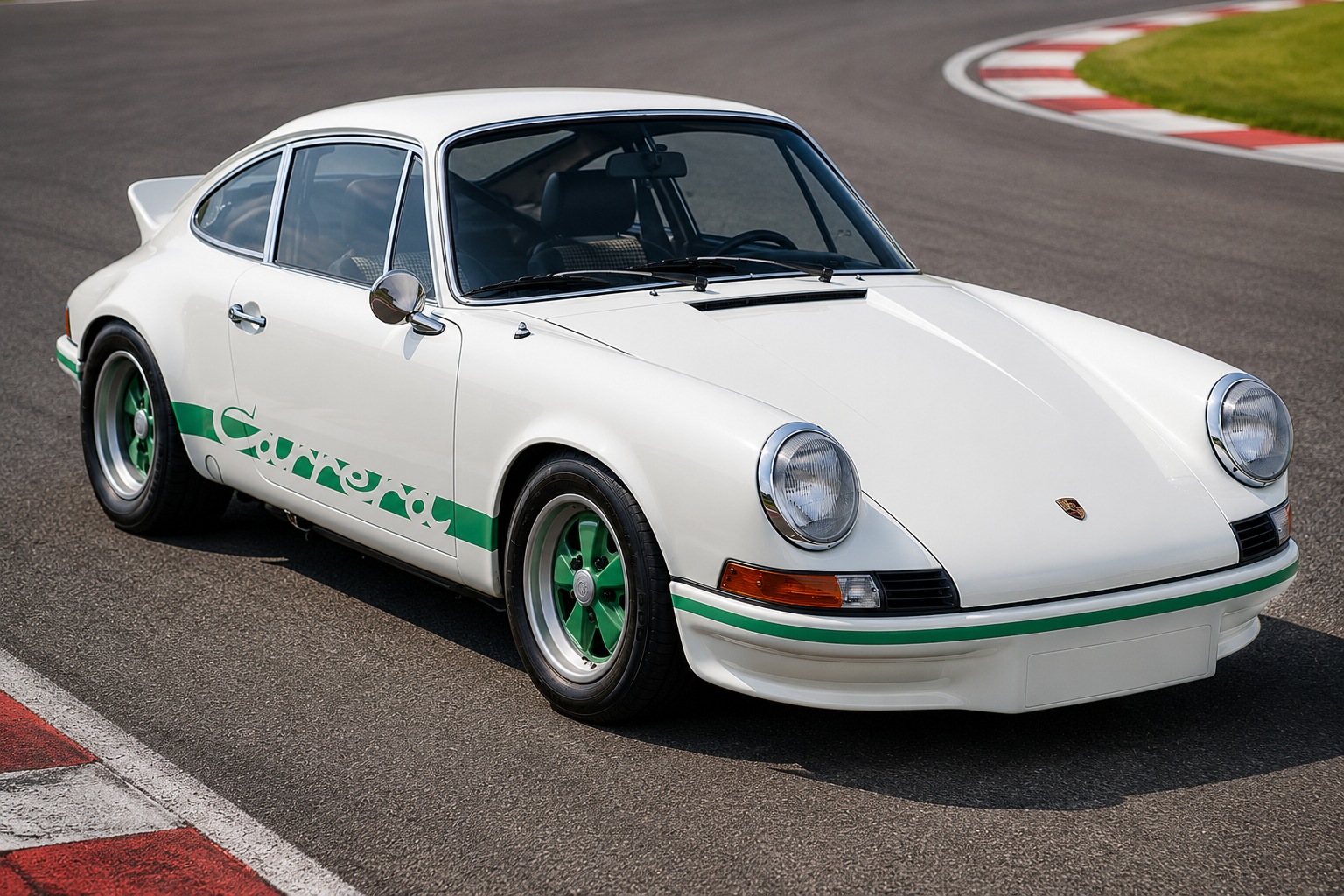
Porsche 911 Carrera RS 2.7
The original lightweight RS — the homologation 911 that gave every later Porsche RS its name.
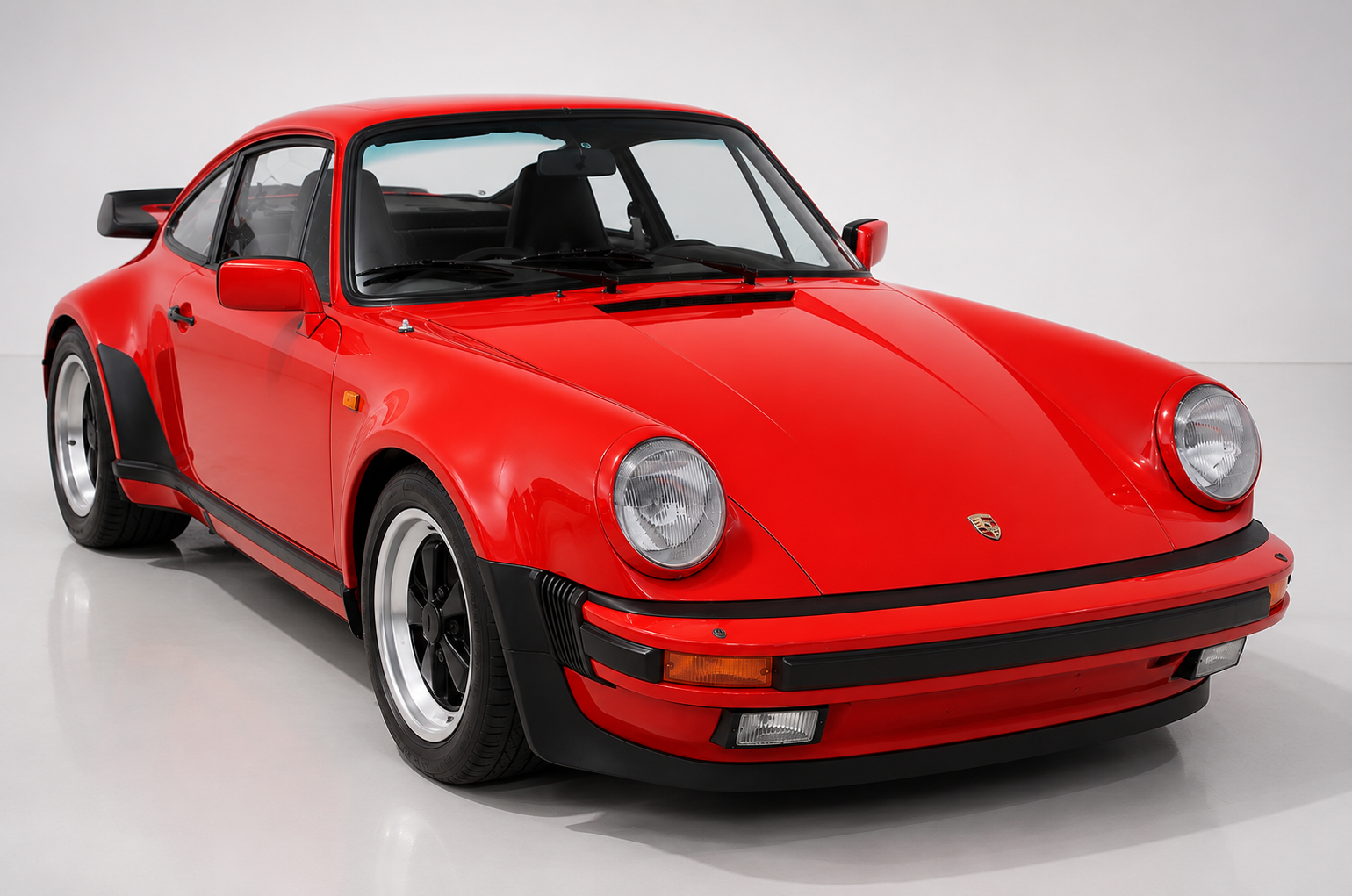
Porsche 911 (G-Series)
Porsche's impact-bumper 911 — five naturally-aspirated sub-generations (911 / Carrera 2.7 MFI / Carrera 3.0 / 911 SC / Carrera 3.2) alongside the 930 Turbo, 1974–1989.
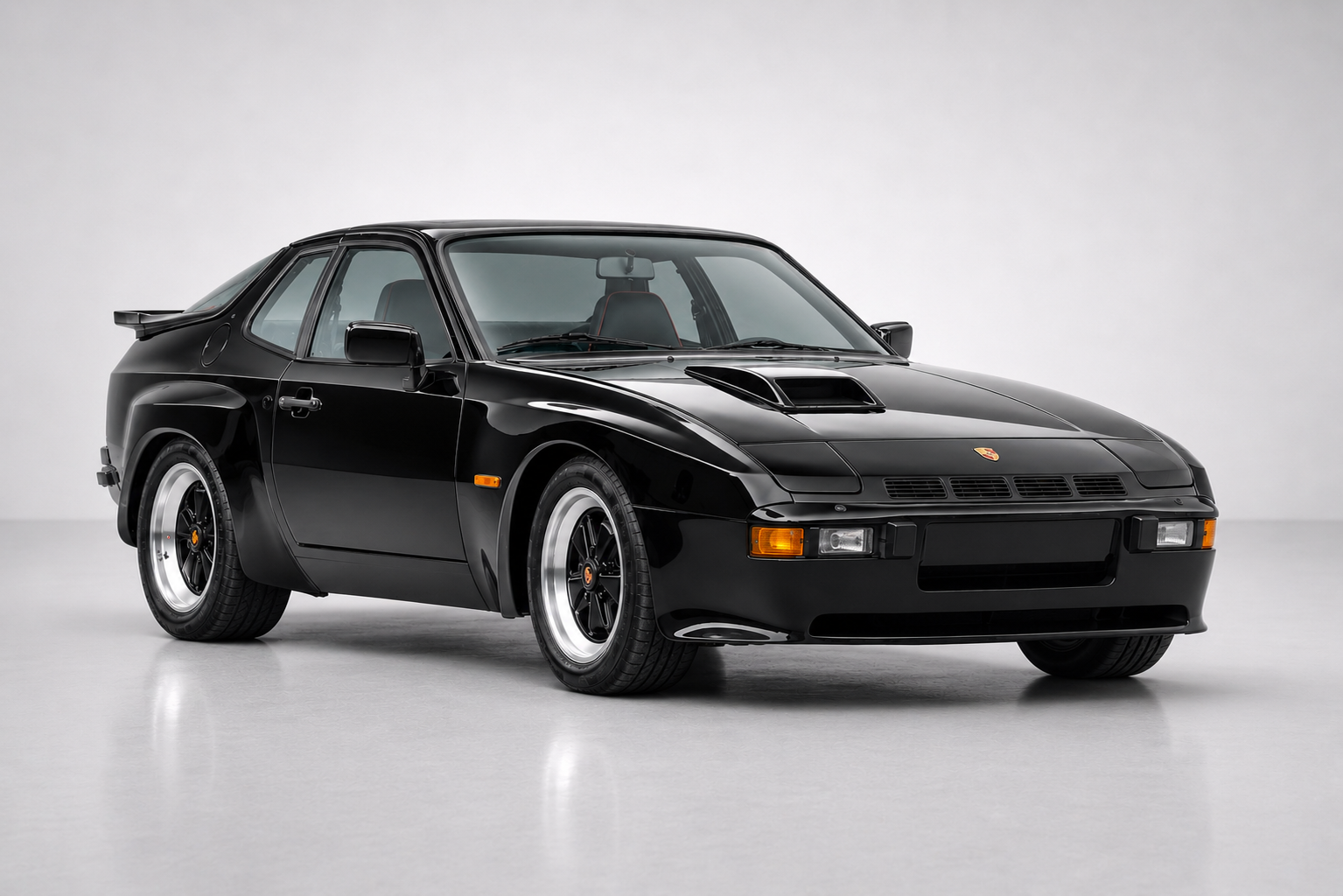
Porsche 924
Porsche's first water-cooled, front-engined production car — the platform that began the transaxle generation and led directly to the 944 and 968.
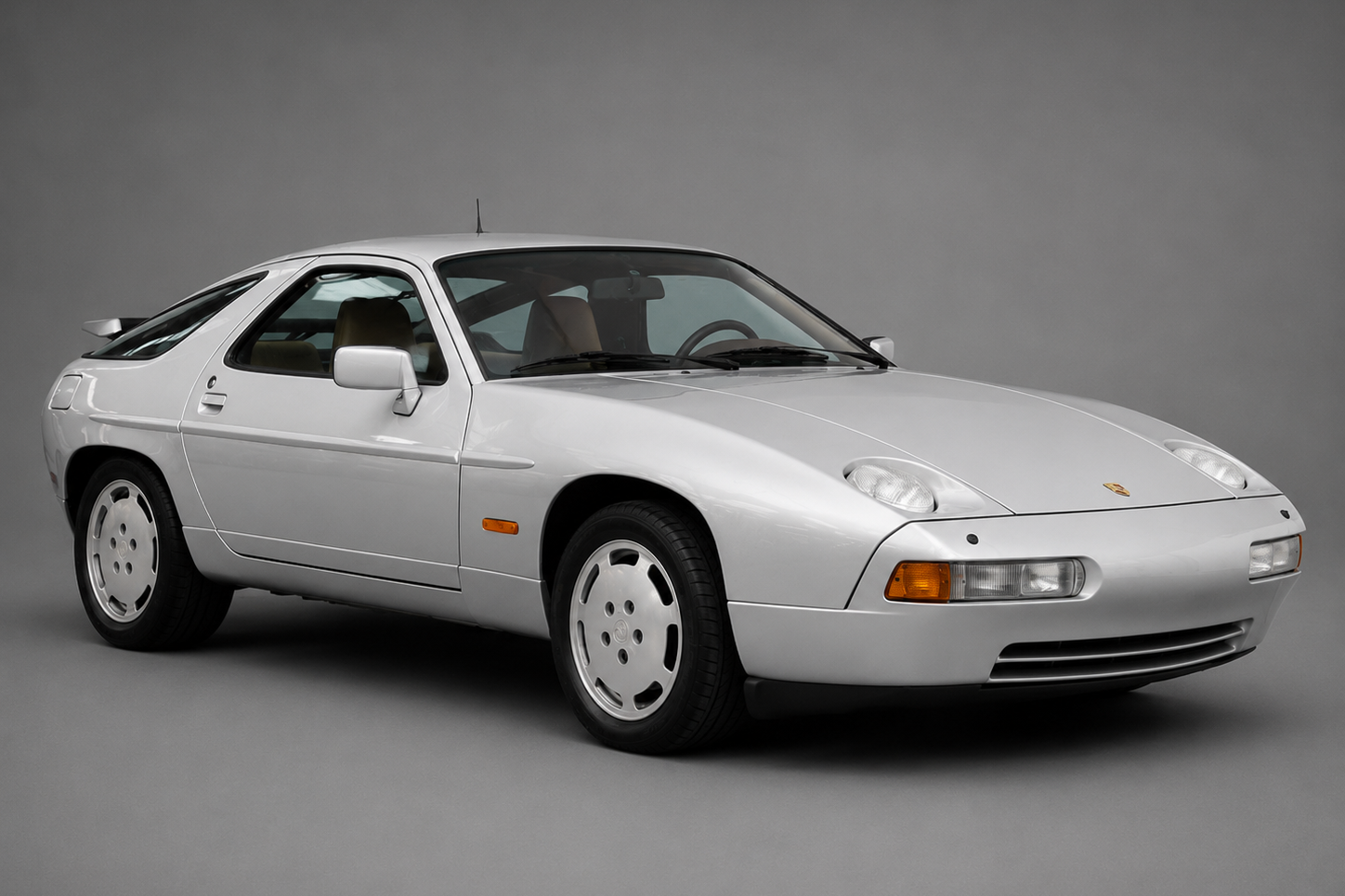
Porsche 928
Porsche's front-engined V8 grand tourer — conceived as a 911 replacement and now the analogue transaxle GT the market took thirty years to re-rate.
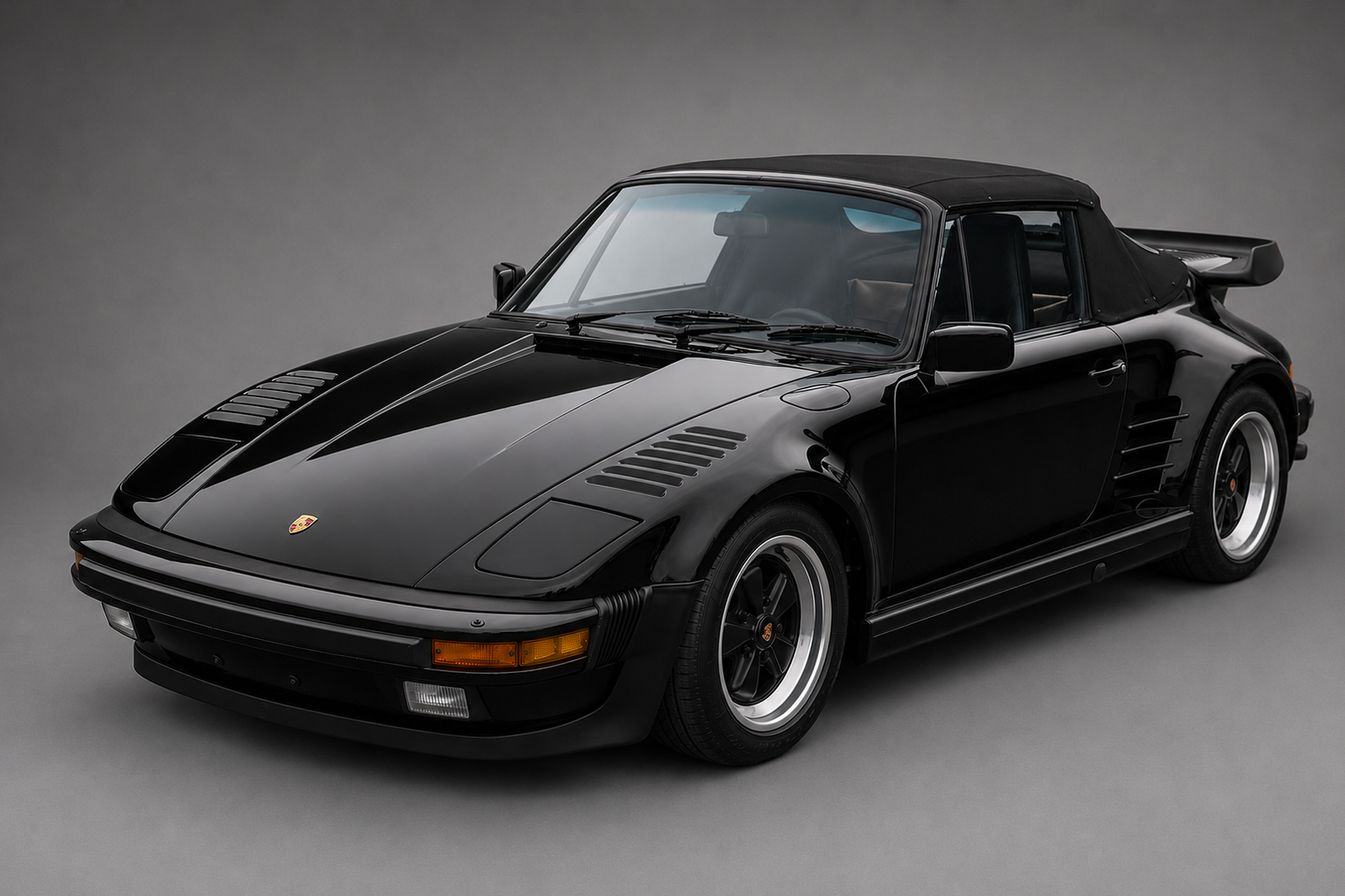
Porsche 911 Turbo Flachbau (930)
The Porsche factory's flat-nose 935-inspired 911 Turbo — built in tiny numbers by the Sonderwunsch programme.
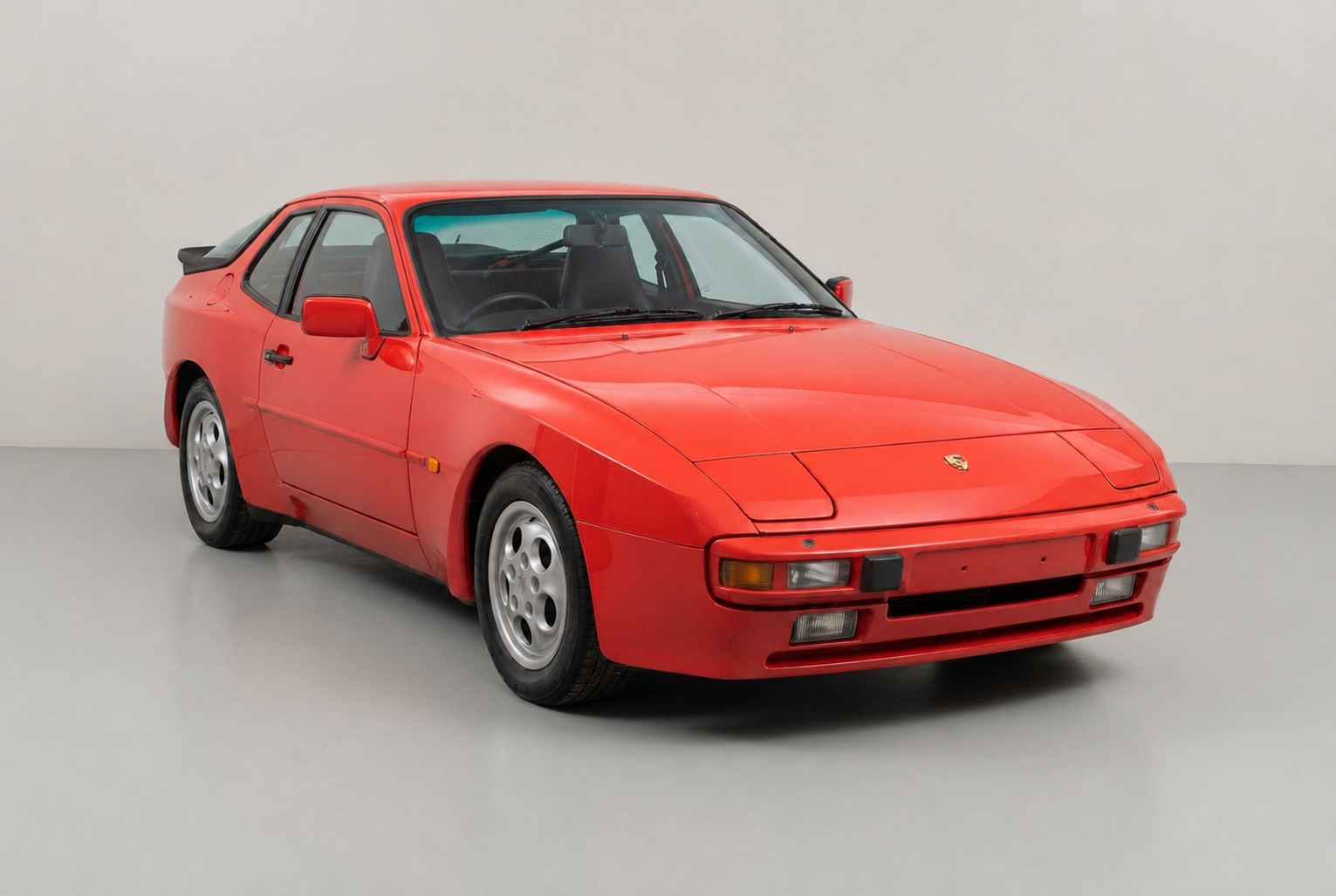
Porsche 944
Porsche's front-engined, transaxle four-cylinder coupe — the family that legitimised the front-engined Porsche idea.
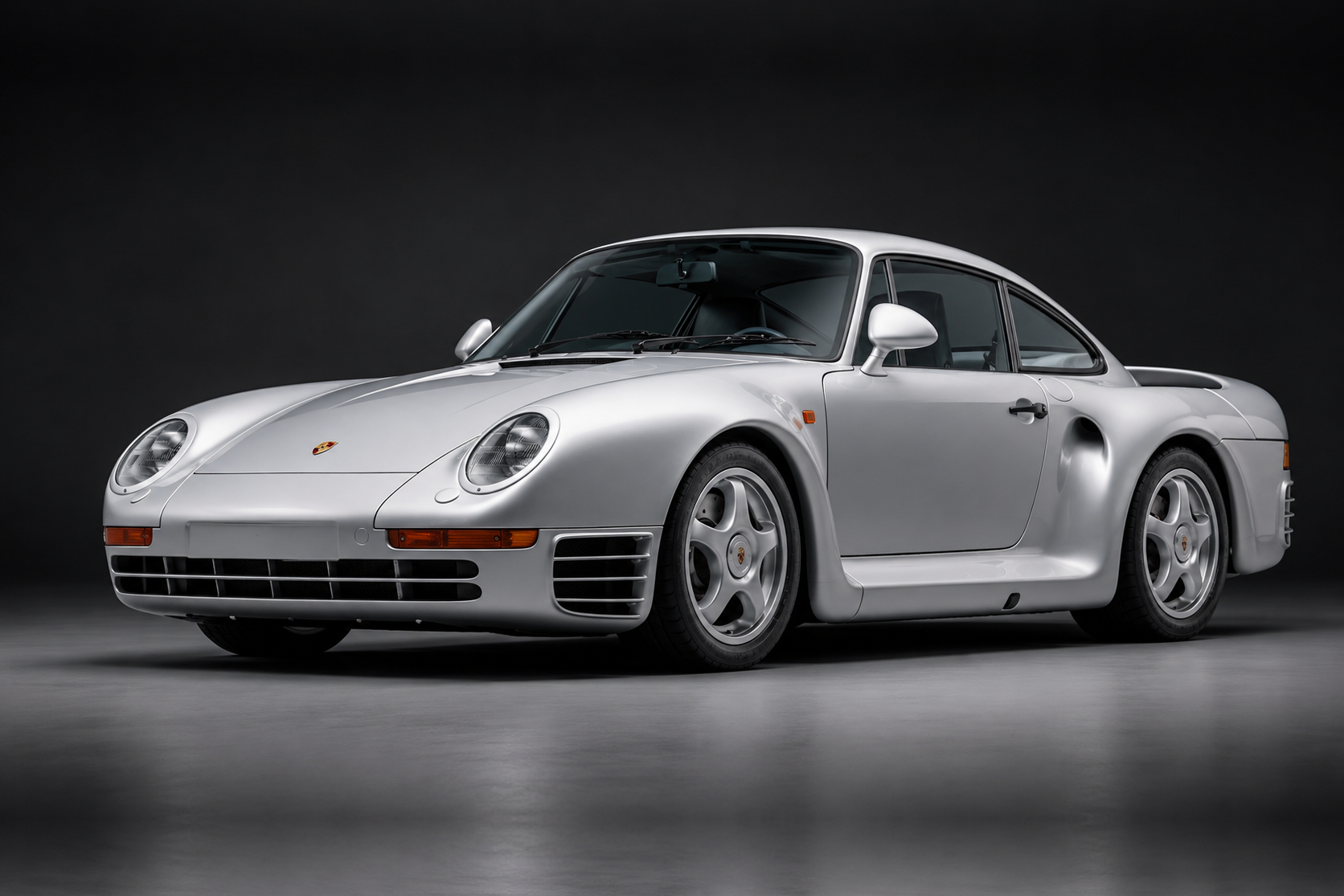
Porsche 959
Porsche's Group B homologation supercar — twin-turbo flat-six, electronically controlled AWD, 197 mph in 1986.
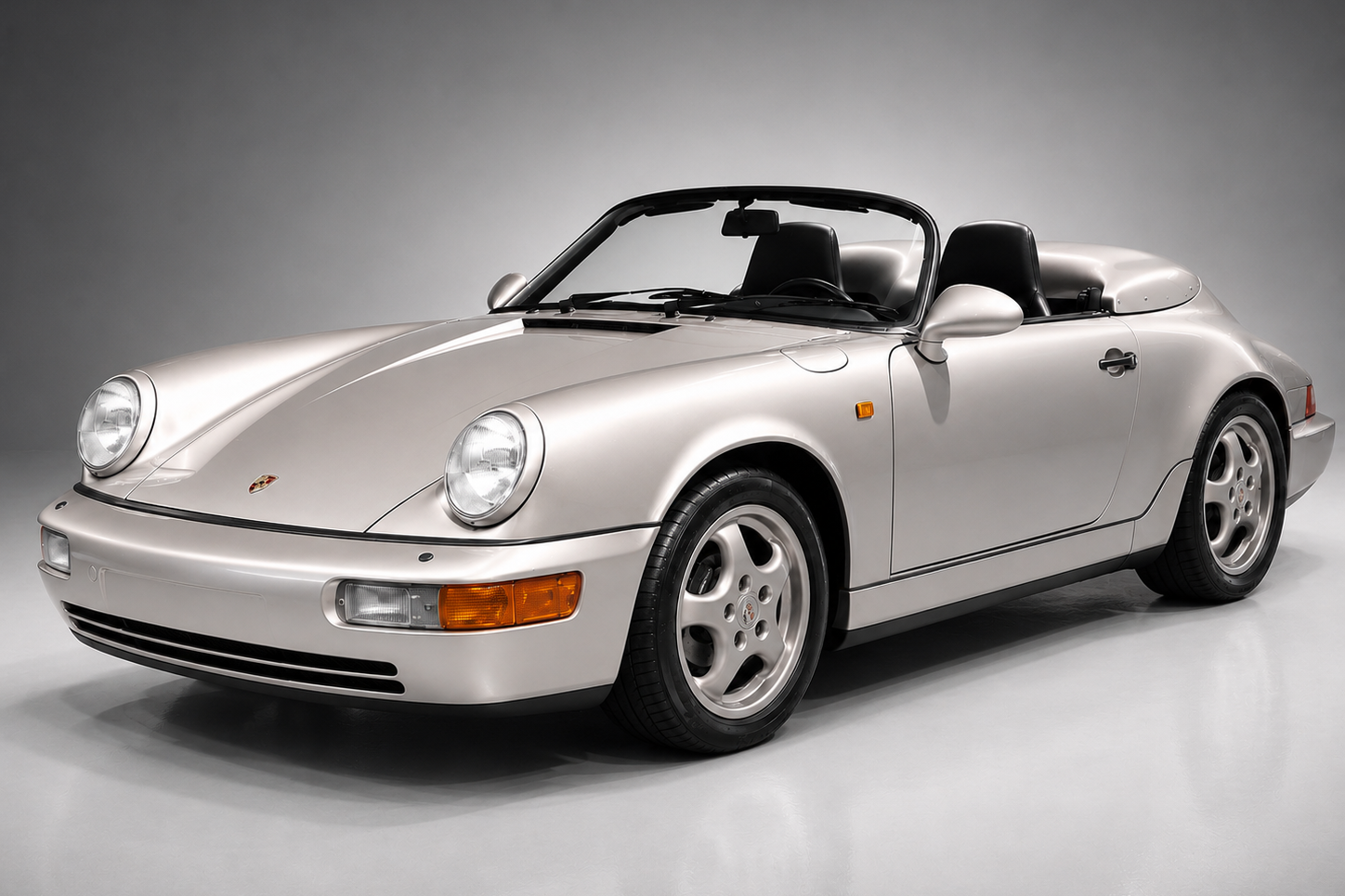
Porsche 911 (964)
The modernised air-cooled 911 that now anchors serious Porsche collections.
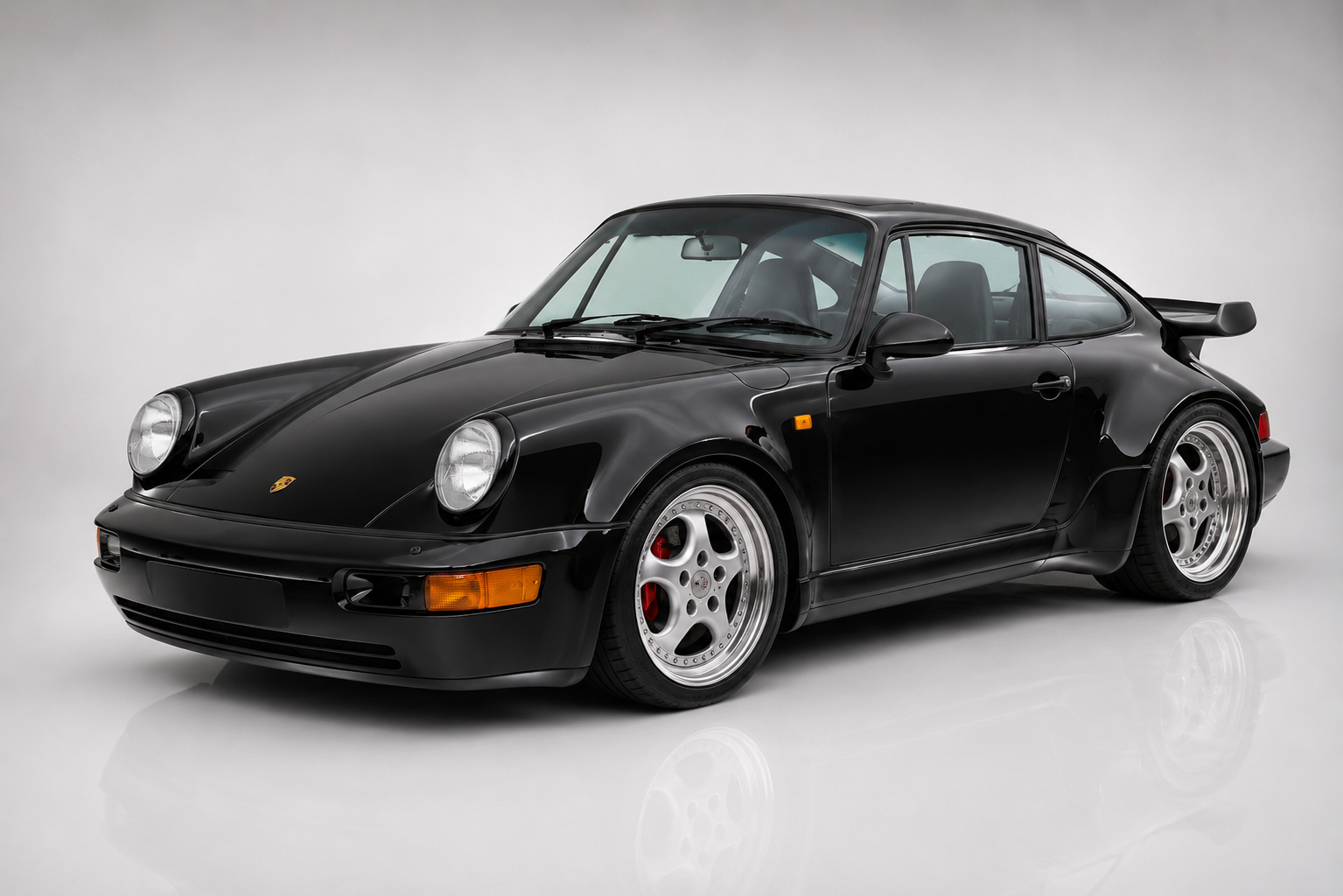
Porsche 911 Turbo (964)
The last rear-drive 911 Turbo — single-turbo, air-cooled and manual only.
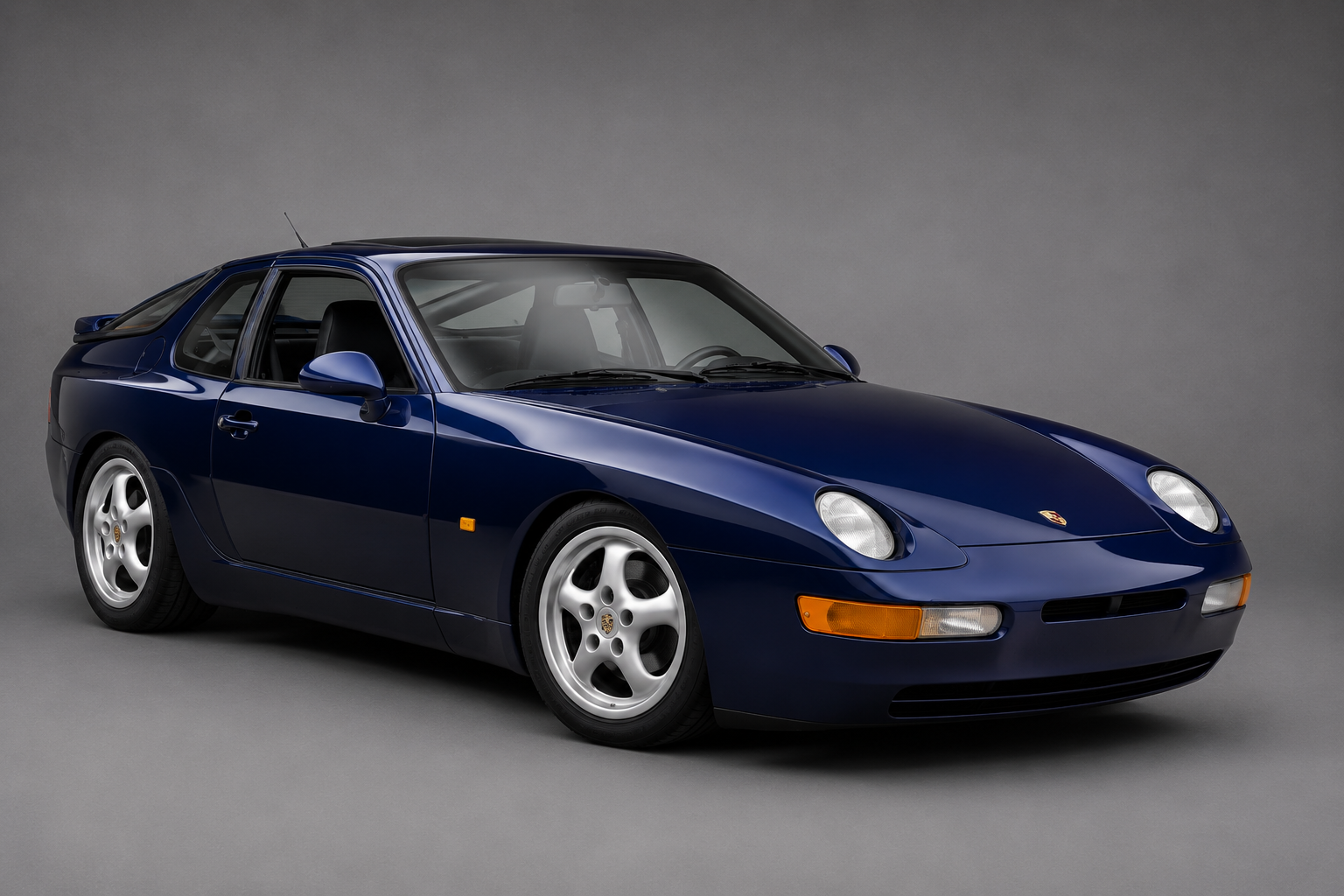
Porsche 968
The final and most developed Porsche transaxle four-cylinder — the closing chapter of the 924/944 line, and the foundation of the Boxster gearbox.
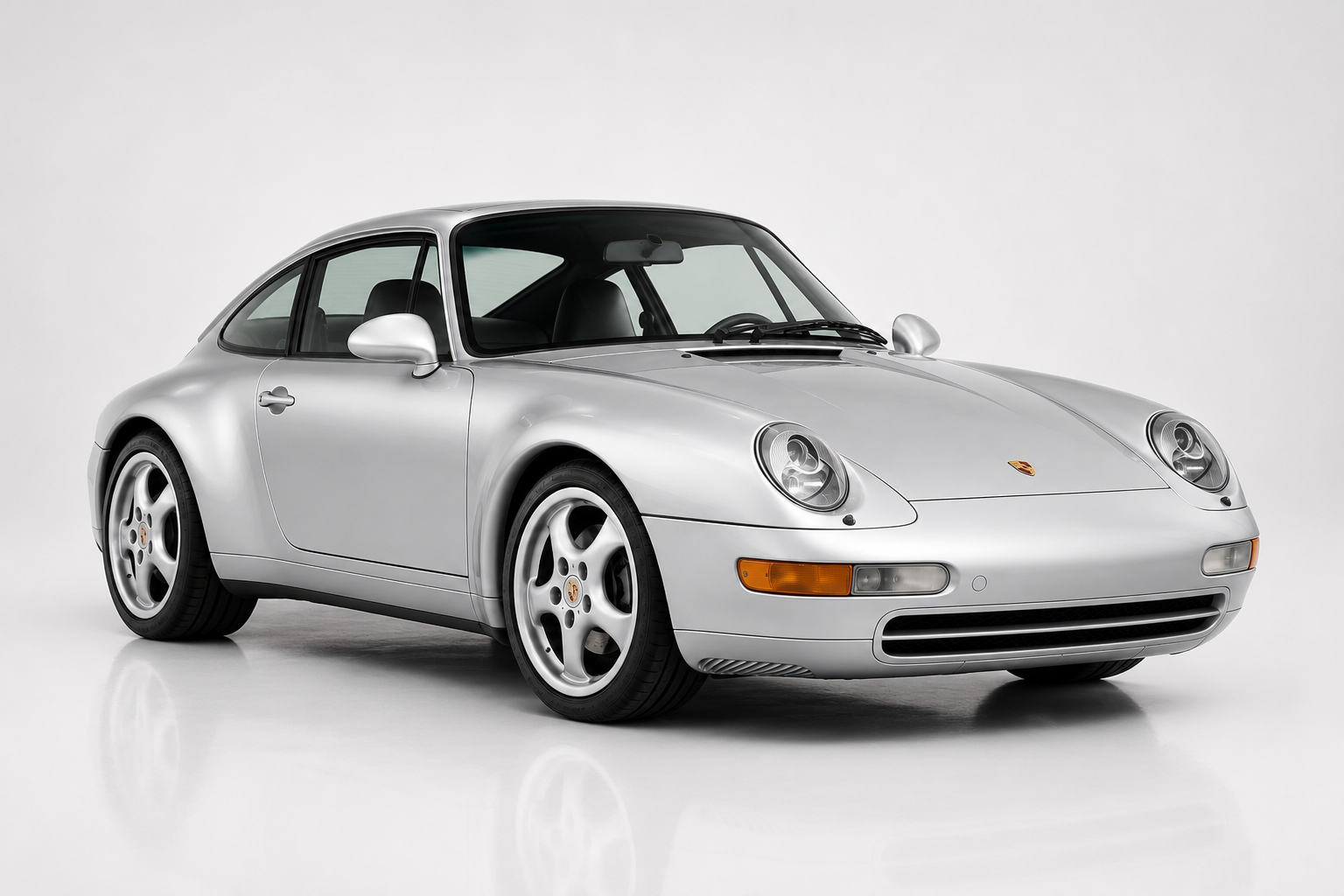
Porsche 911 (993)
The last air-cooled 911 — and arguably the most desirable.
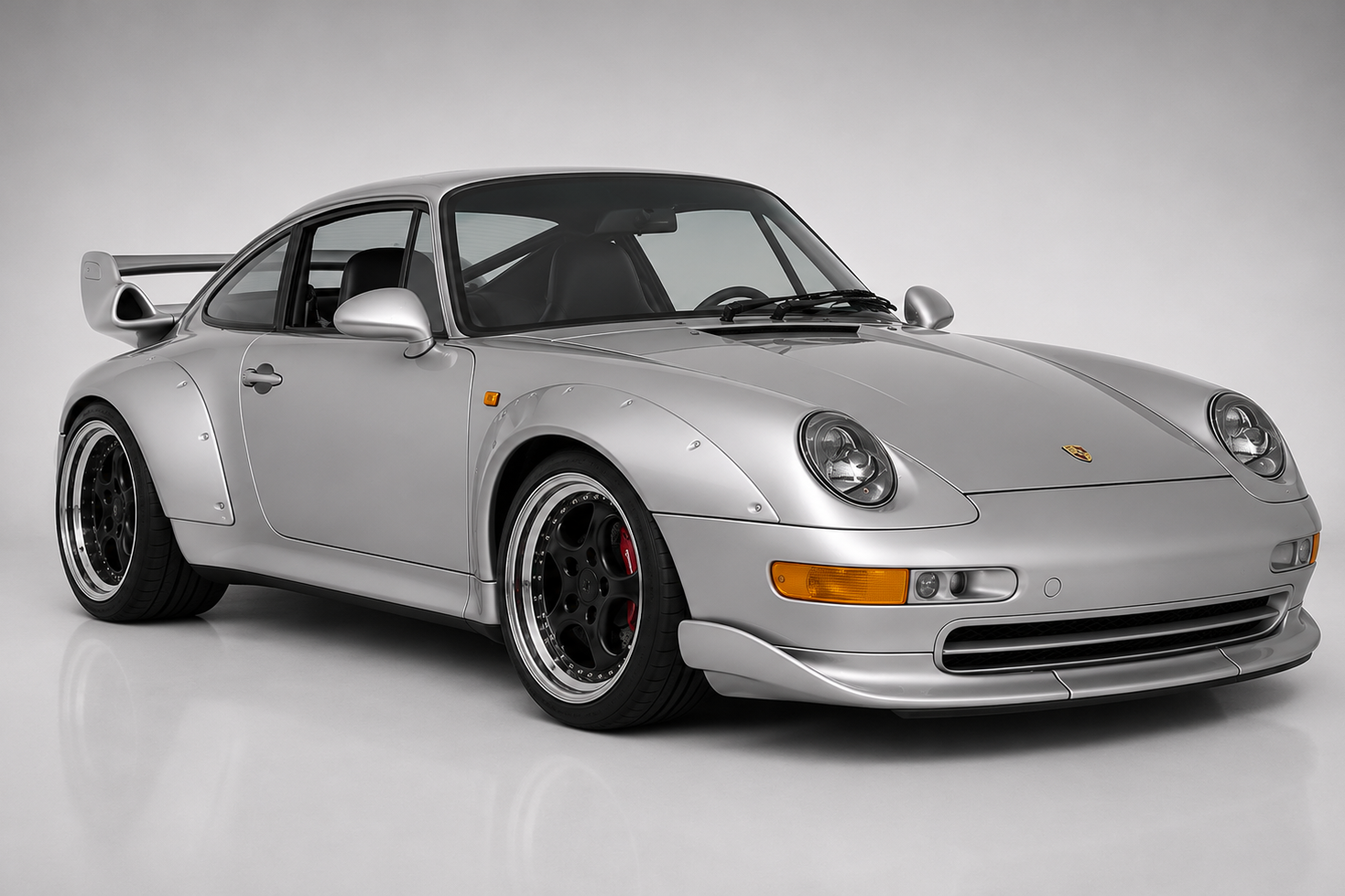
Porsche 911 GT2 (993)
The original GT2 — air-cooled, rear-drive, twin-turbo homologation special; the last competition-derived air-cooled 911.
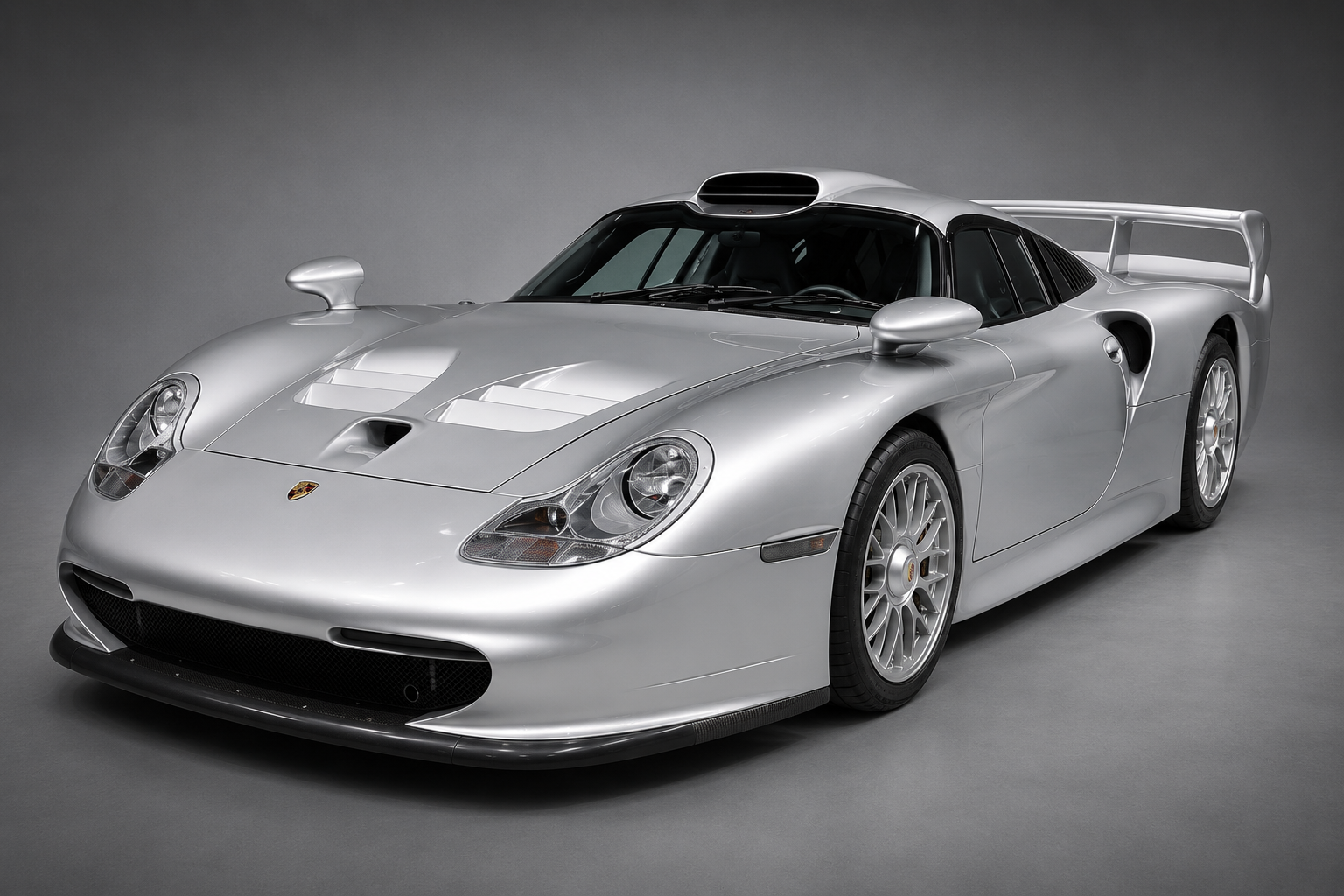
Porsche 911 GT1 Straßenversion
Le Mans GT1 homologation Porsche — water-cooled twin-turbo flat-six, mid-engined, 25 road cars across Evo and 98 specifications.
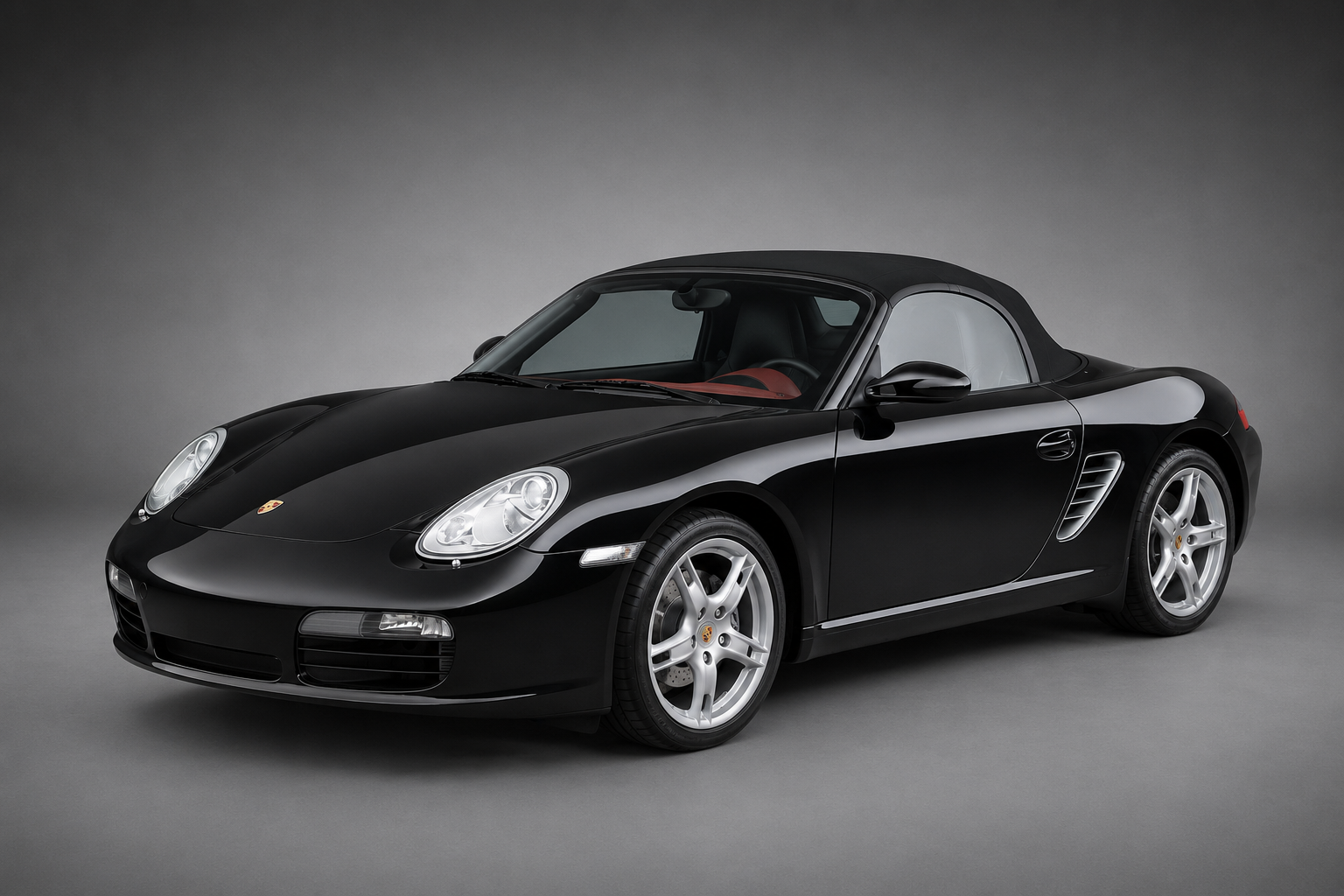
Porsche Boxster
The mid-engined six-cylinder roadster that saved Porsche in the late 1990s.
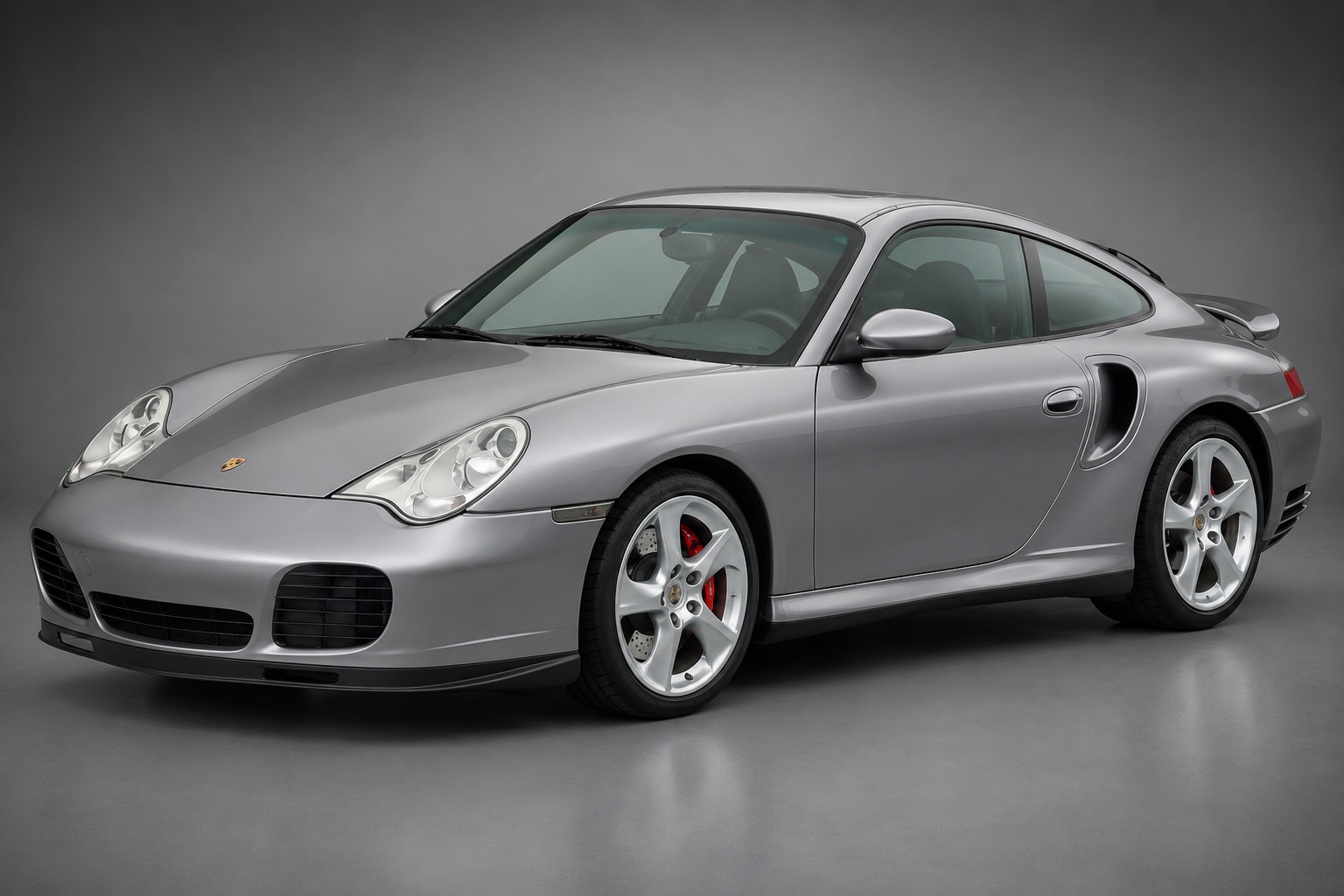
Porsche 911 (996)
The first water-cooled 911 — controversial when new, increasingly collected today, and home to the Mezger-engined GT3 and Turbo.
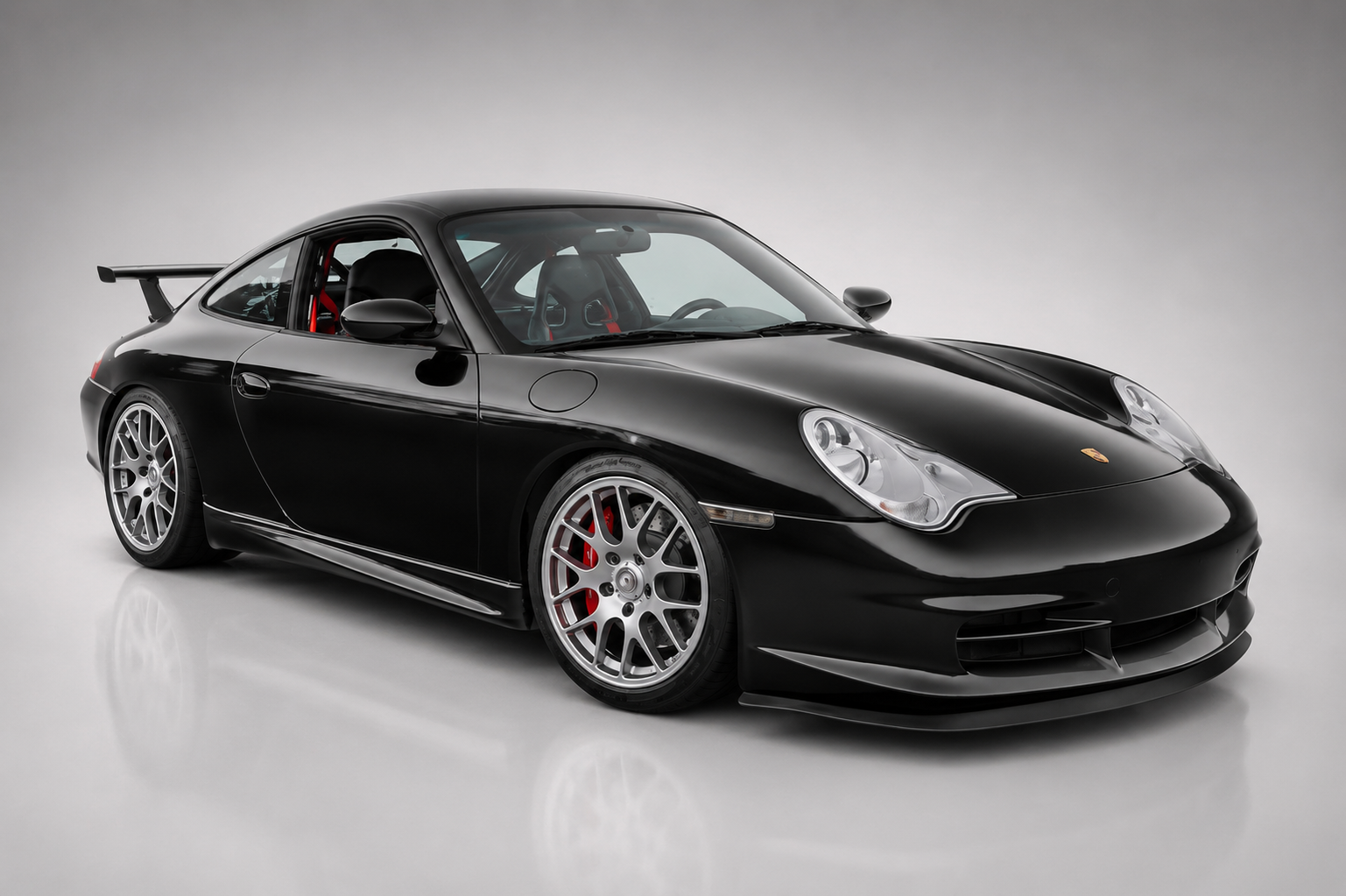
Porsche 911 GT3 (996)
The car that revived the GT3 badge — Mezger flat-six, six-speed manual, hydraulically steered and mechanically pure.
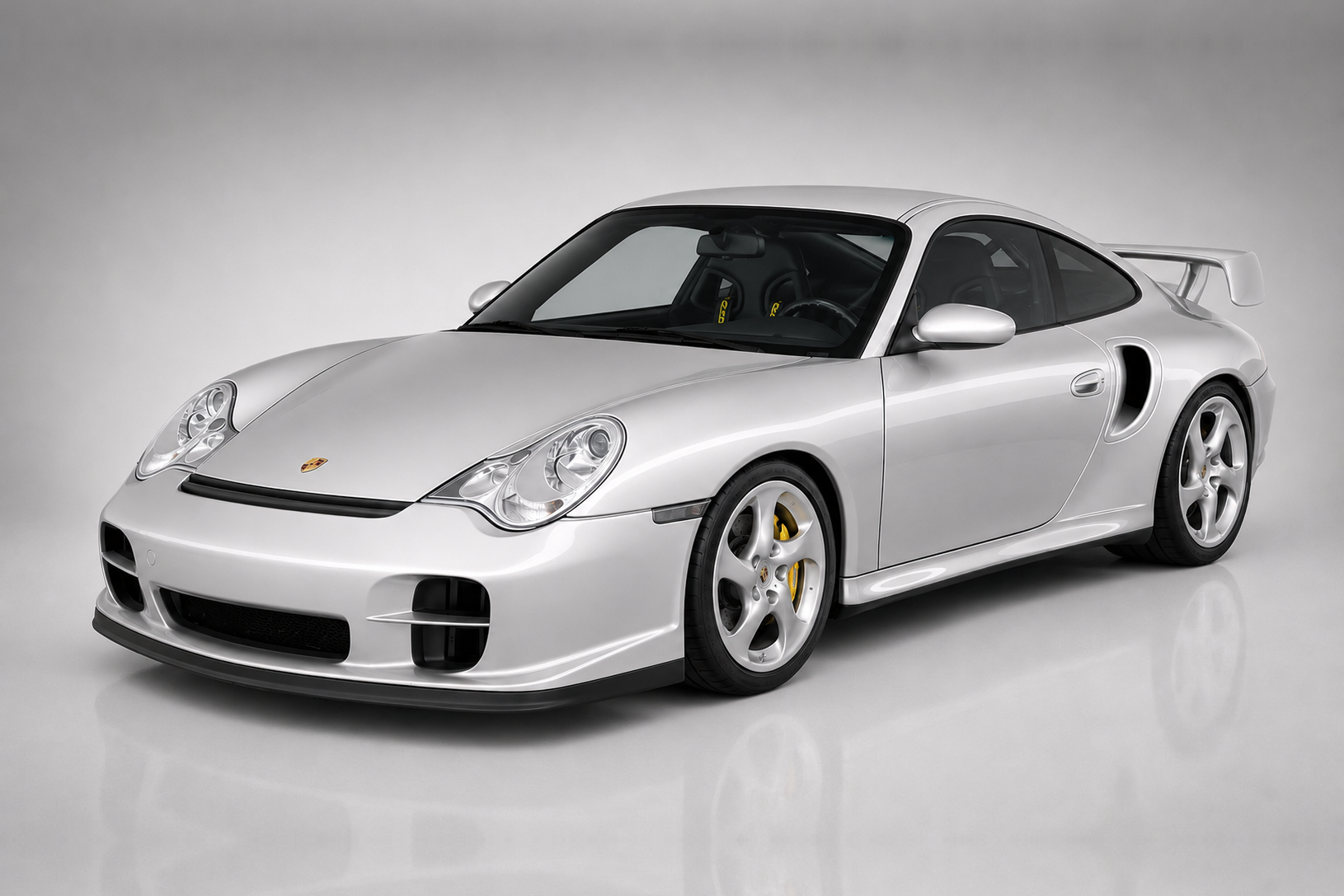
Porsche 911 GT2 (996)
The first water-cooled GT2 — rear-drive, twin-turbo, six-speed manual, and an early adopter of PCCB ceramic brakes.
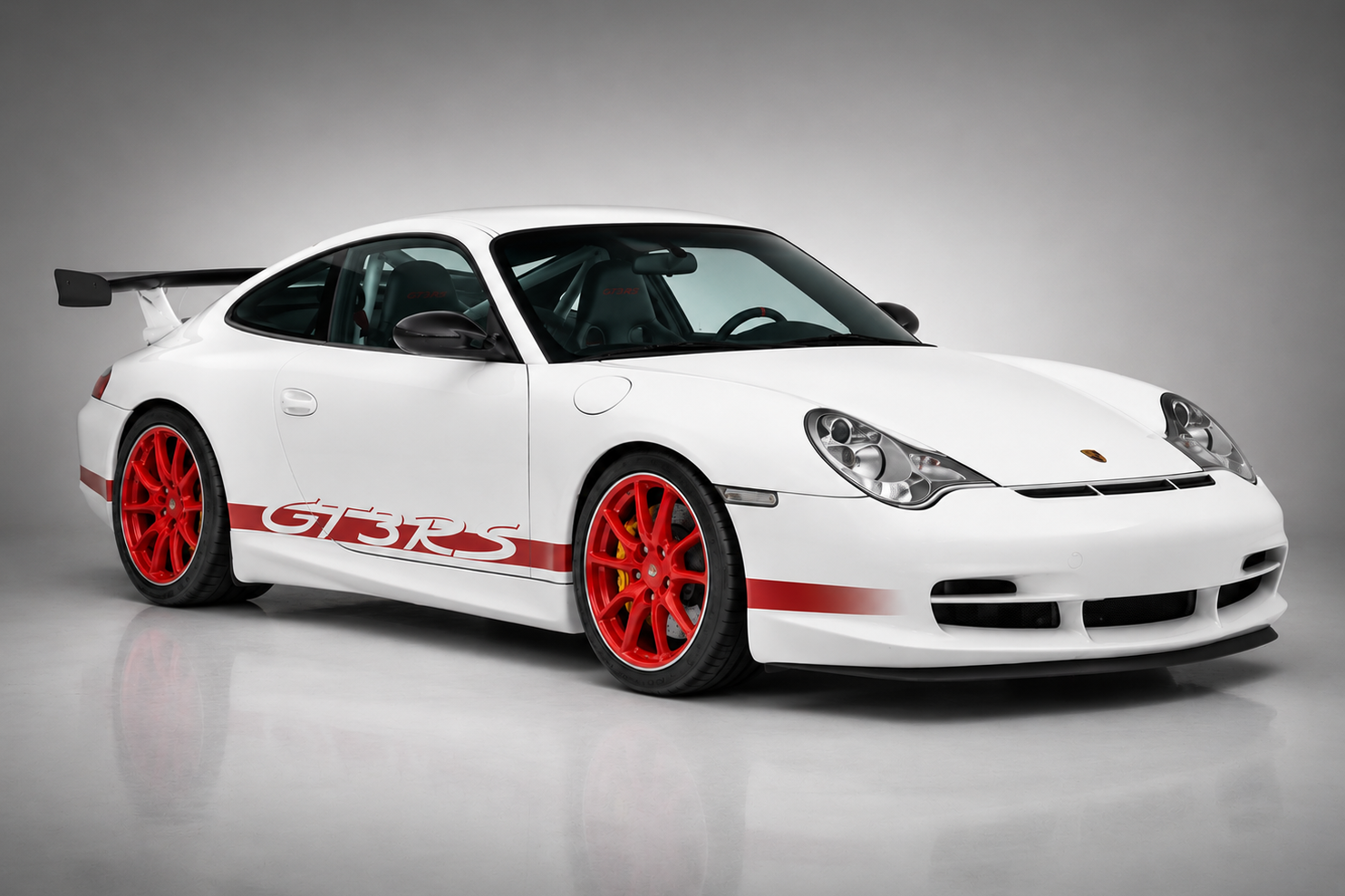
Porsche 911 GT3 RS (996)
The car that put the RS badge back on a road-going 911 — Mezger flat-six, six-speed manual, no compromises.
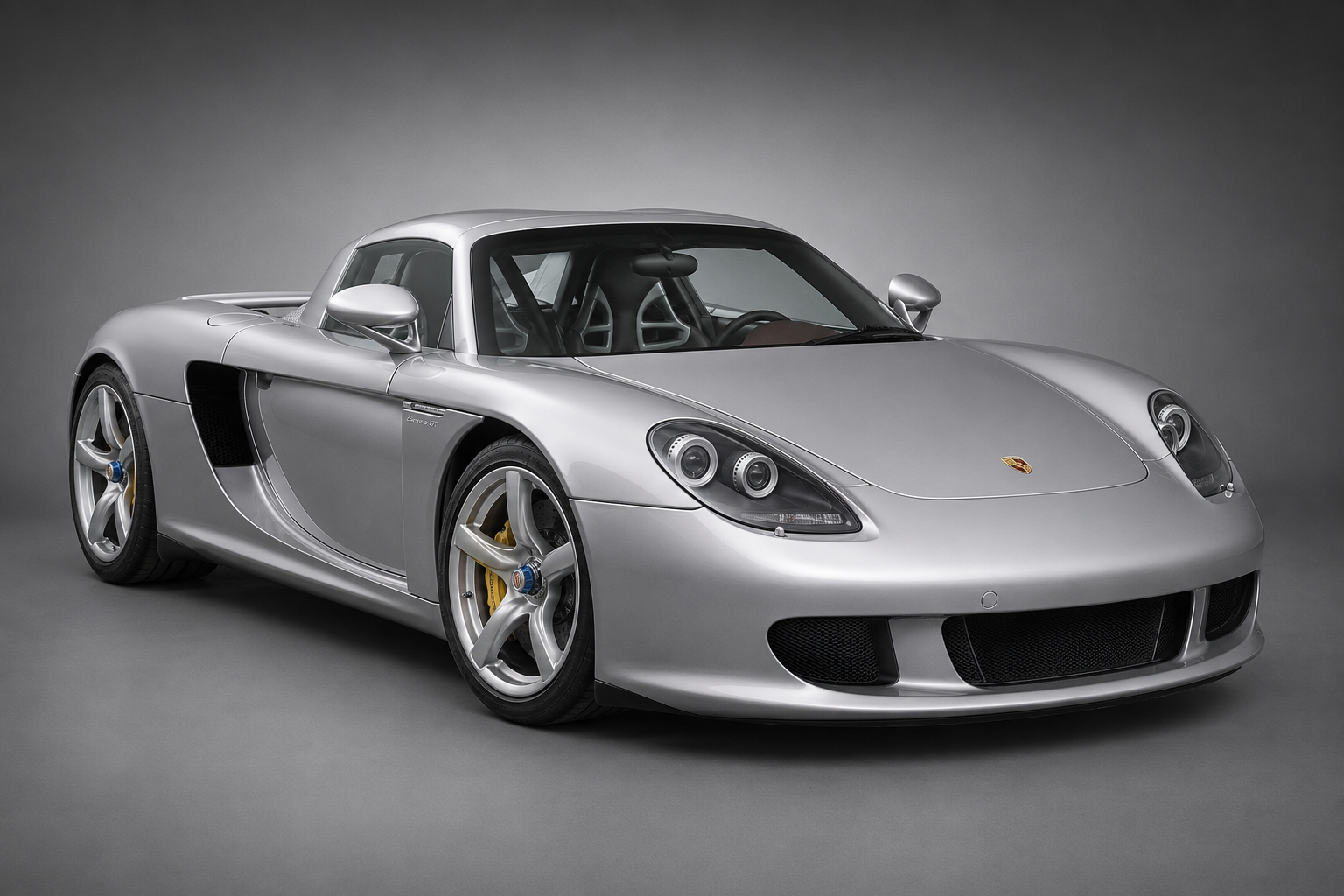
Porsche Carrera GT
Porsche's Le Mans-derived 5.7-litre V10 hypercar with a six-speed manual and a carbon monocoque — analogue, demanding, definitive.
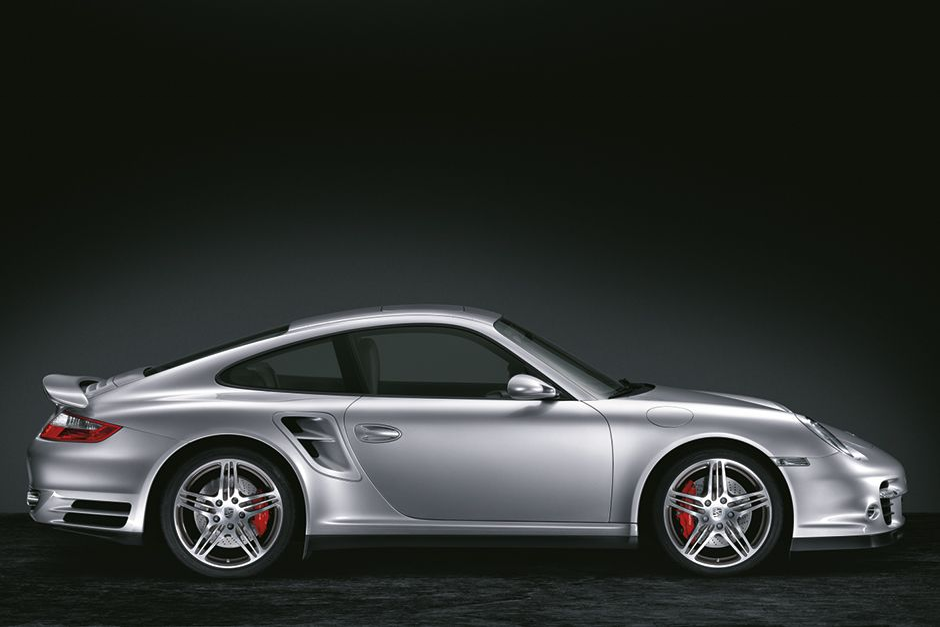
Porsche 911 (997)
The 911 that restored the model's classical look — and the most analogue post-air-cooled generation.
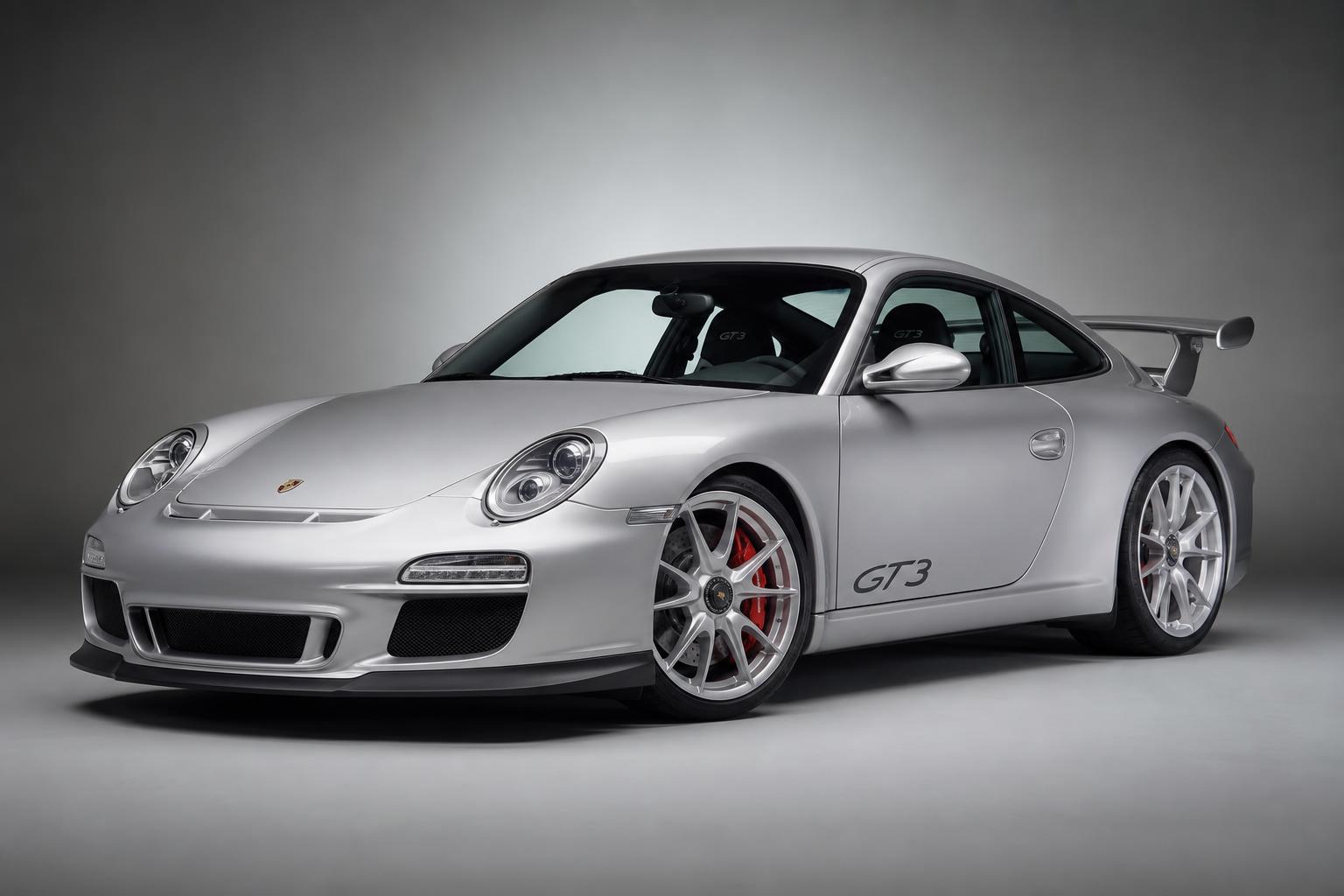
Porsche 911 GT3 (997)
The high-water mark of the naturally-aspirated, hydraulically-steered GT3.
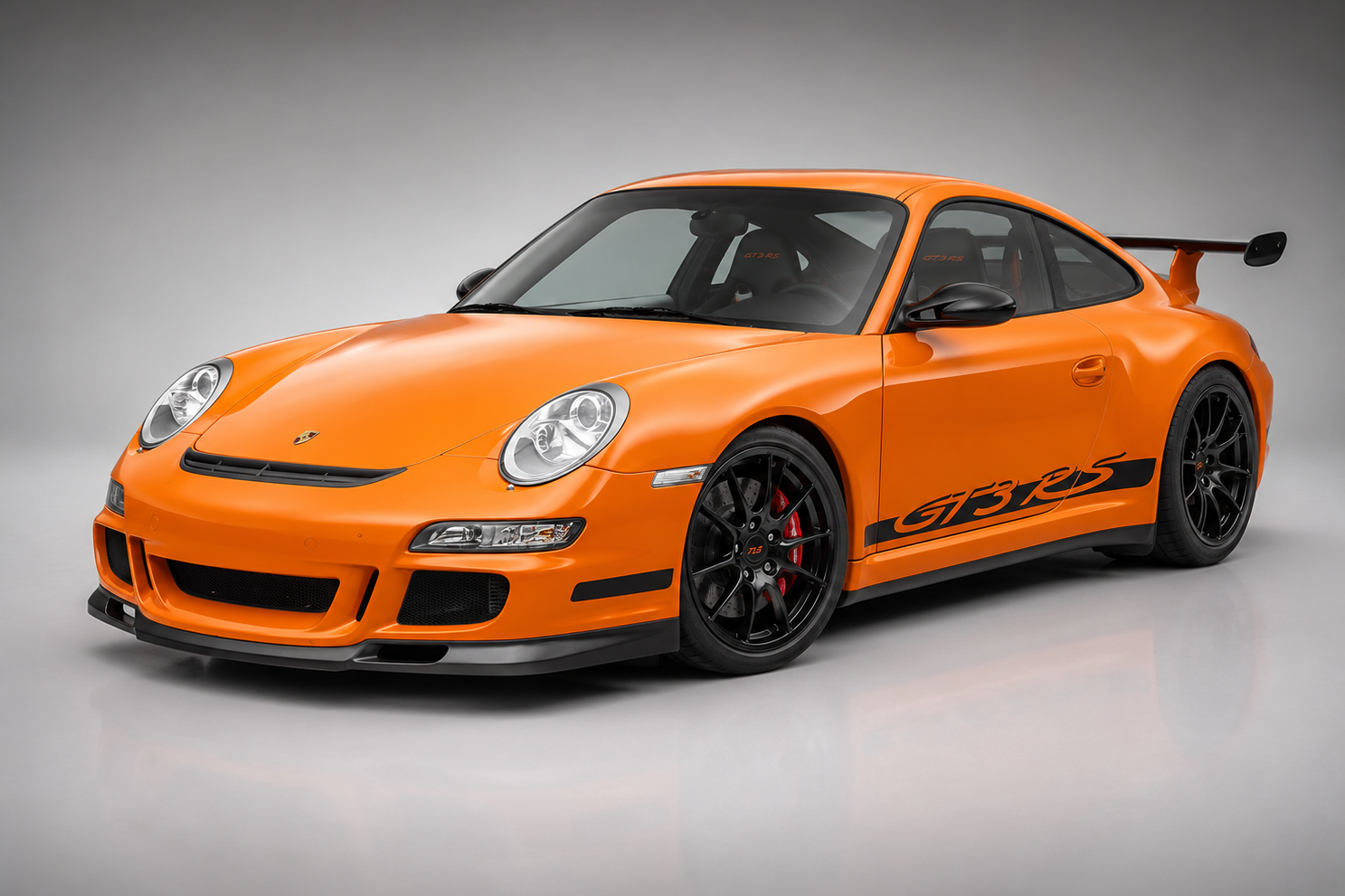
Porsche 911 GT3 RS (997)
The Mezger-engined GT3 RS at its widest range — 997.1 3.6, 997.2 3.8, and the 4.0-litre run-out that closed the Mezger era.
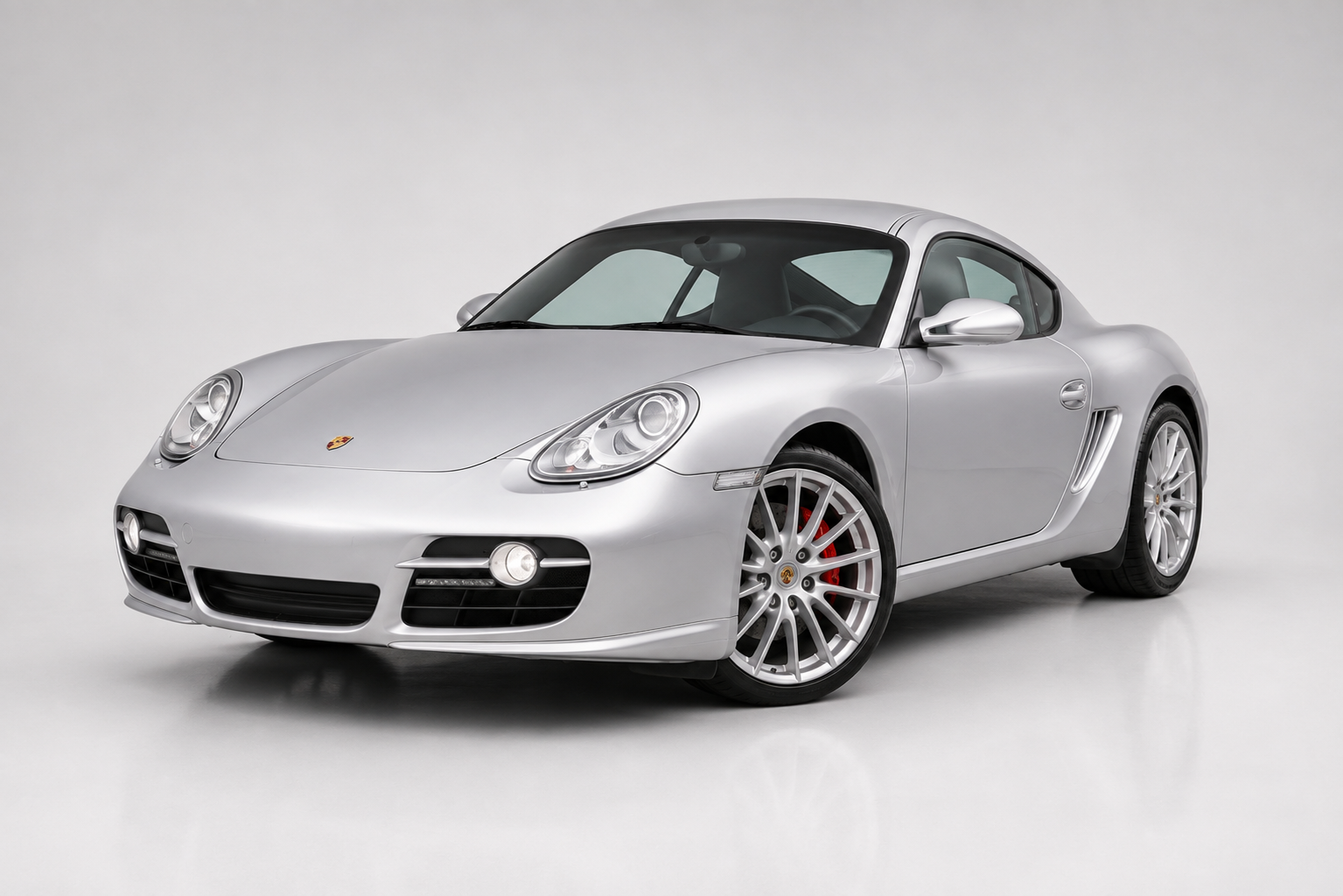
Porsche Cayman
The mid-engined coupe sibling of the Boxster — and the chassis many regarded as the purest modern Porsche.
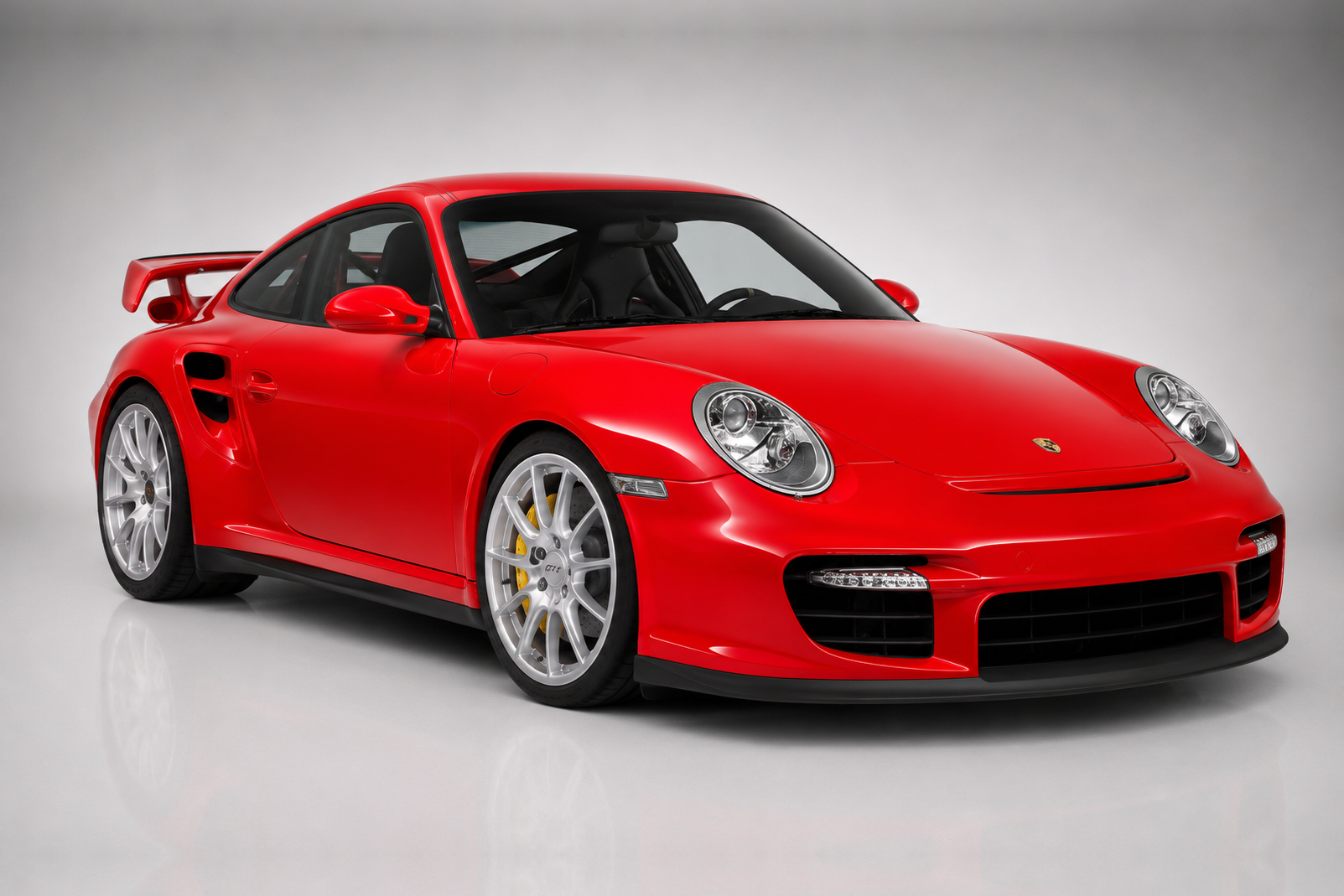
Porsche 911 GT2 (997)
The first factory-quoted 200 mph 911 — variable-geometry twin turbos, rear drive, manual gearbox, and — for the first time on a GT2 — traction and stability control.
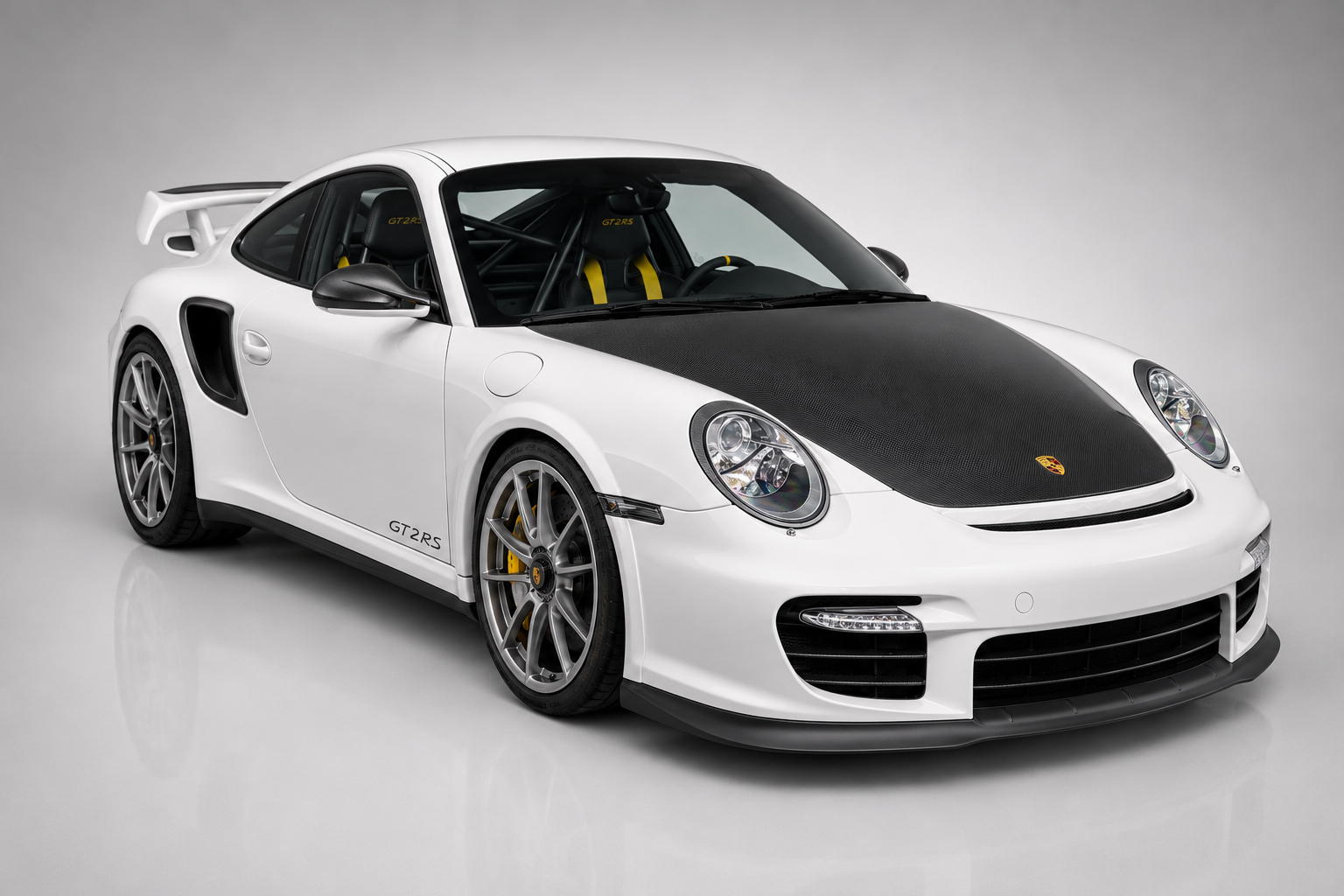
Porsche 911 GT2 RS (997)
The last analogue, manual-gearbox GT2 — the '727' skunkworks project, ~70 kg lighter than the 997 GT2, and one of the fastest 911s ever built.
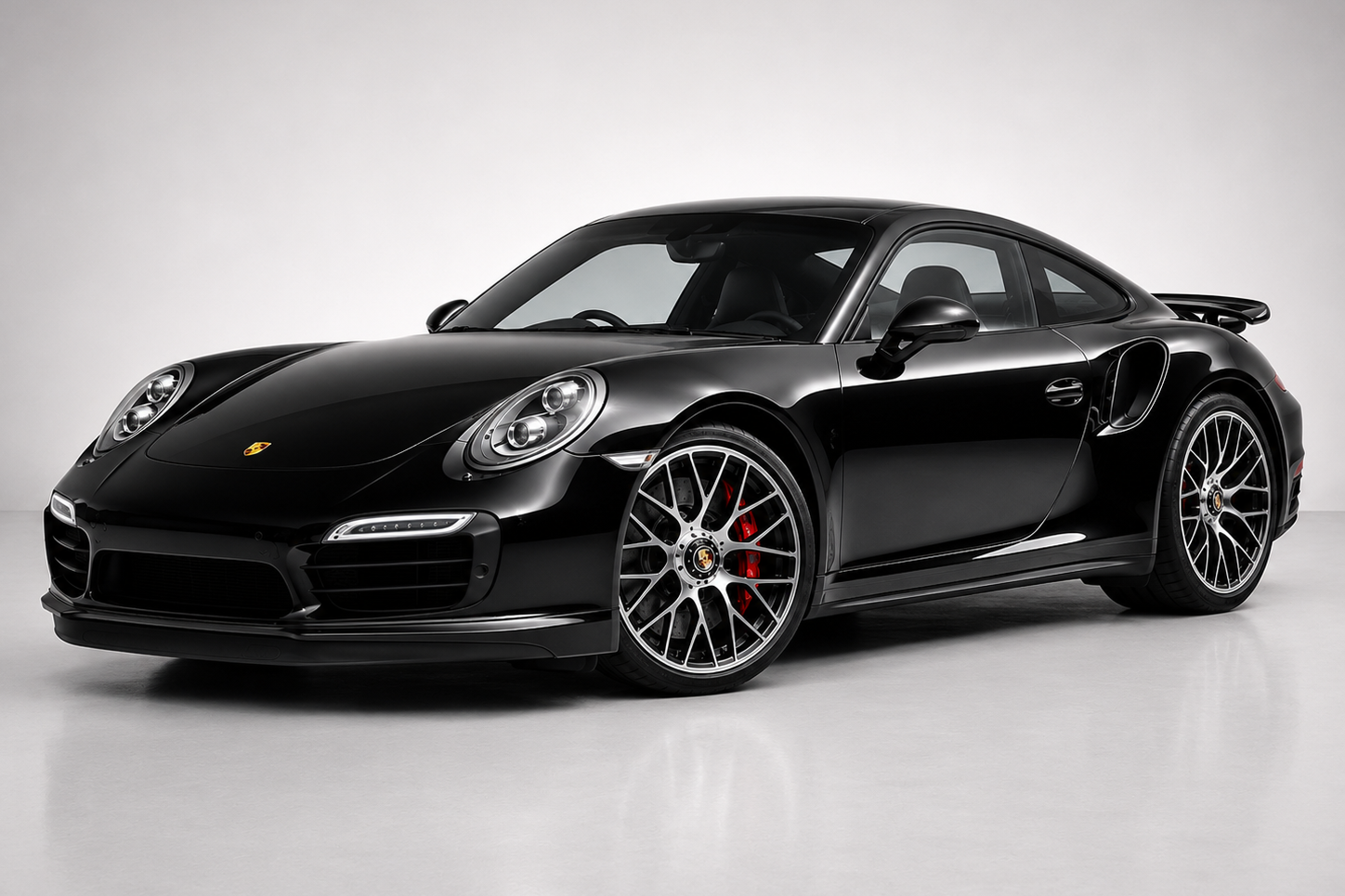
Porsche 911 (991)
The first water-cooled 911 built from a clean sheet — and the generation that proved the 911 could still be the world's everyday supercar.
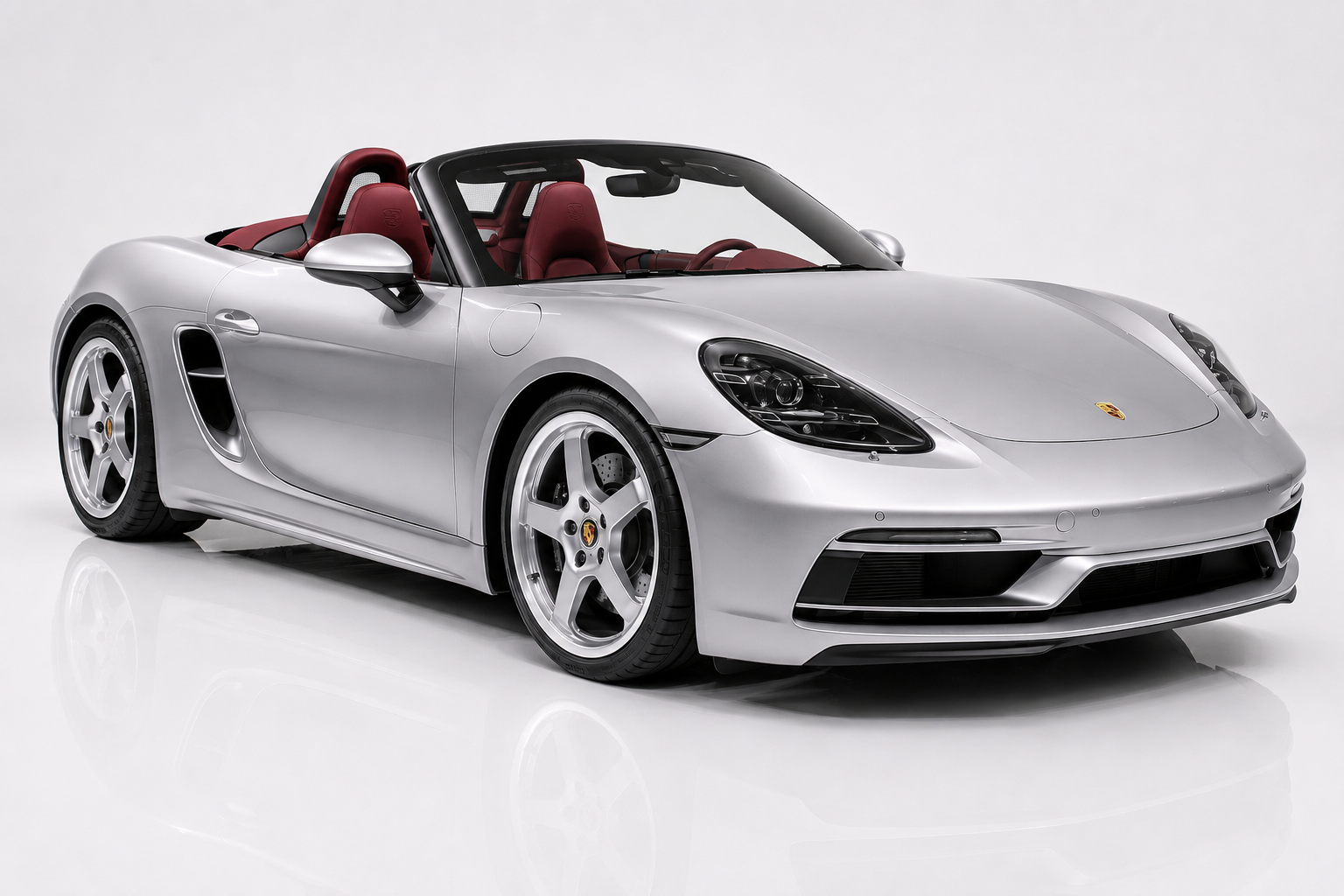
Porsche Boxster / 718 Boxster
The modern mid-engine roadster — from the last naturally aspirated 981 to the end of 718 production.
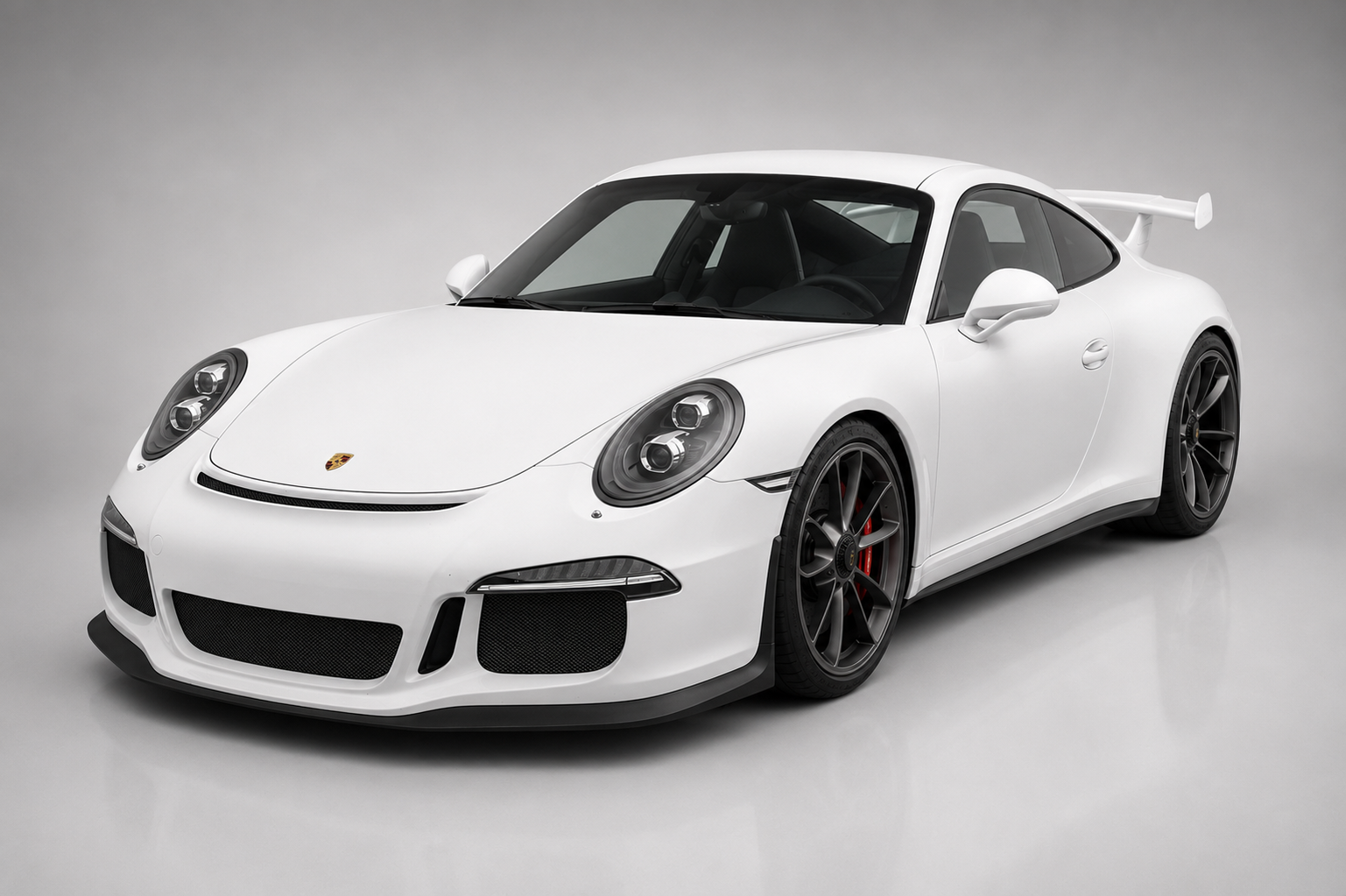
Porsche 911 GT3 (991)
The generation that reinvented the GT3 — new DFI flat-six, first PDK, and — from 2017 — the return of the manual and the arrival of the Touring.
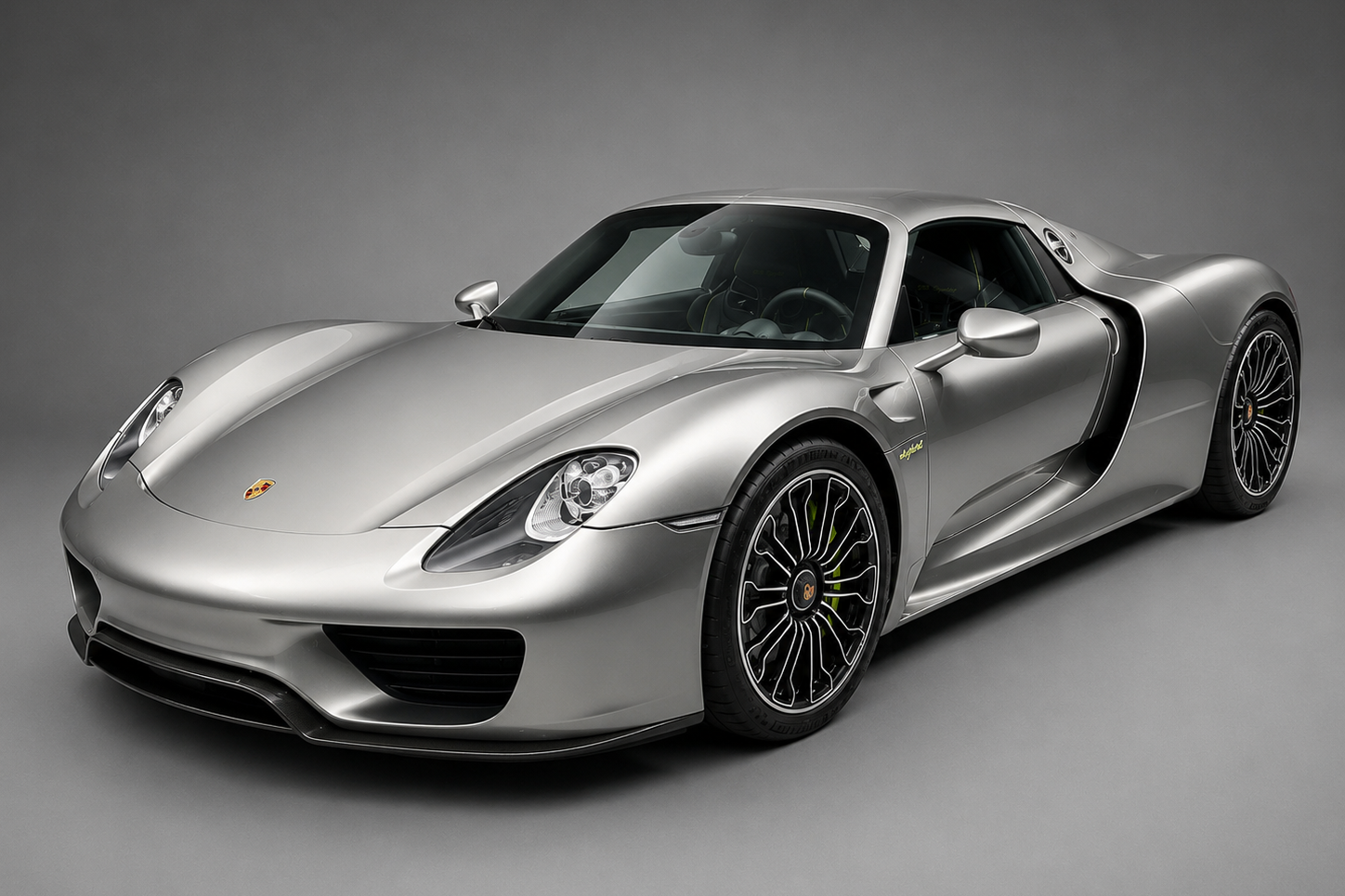
Porsche 918 Spyder
Porsche's plug-in hybrid hypercar — 4.6 V8 plus twin electric motors, carbon monocoque, 887 cars worldwide.
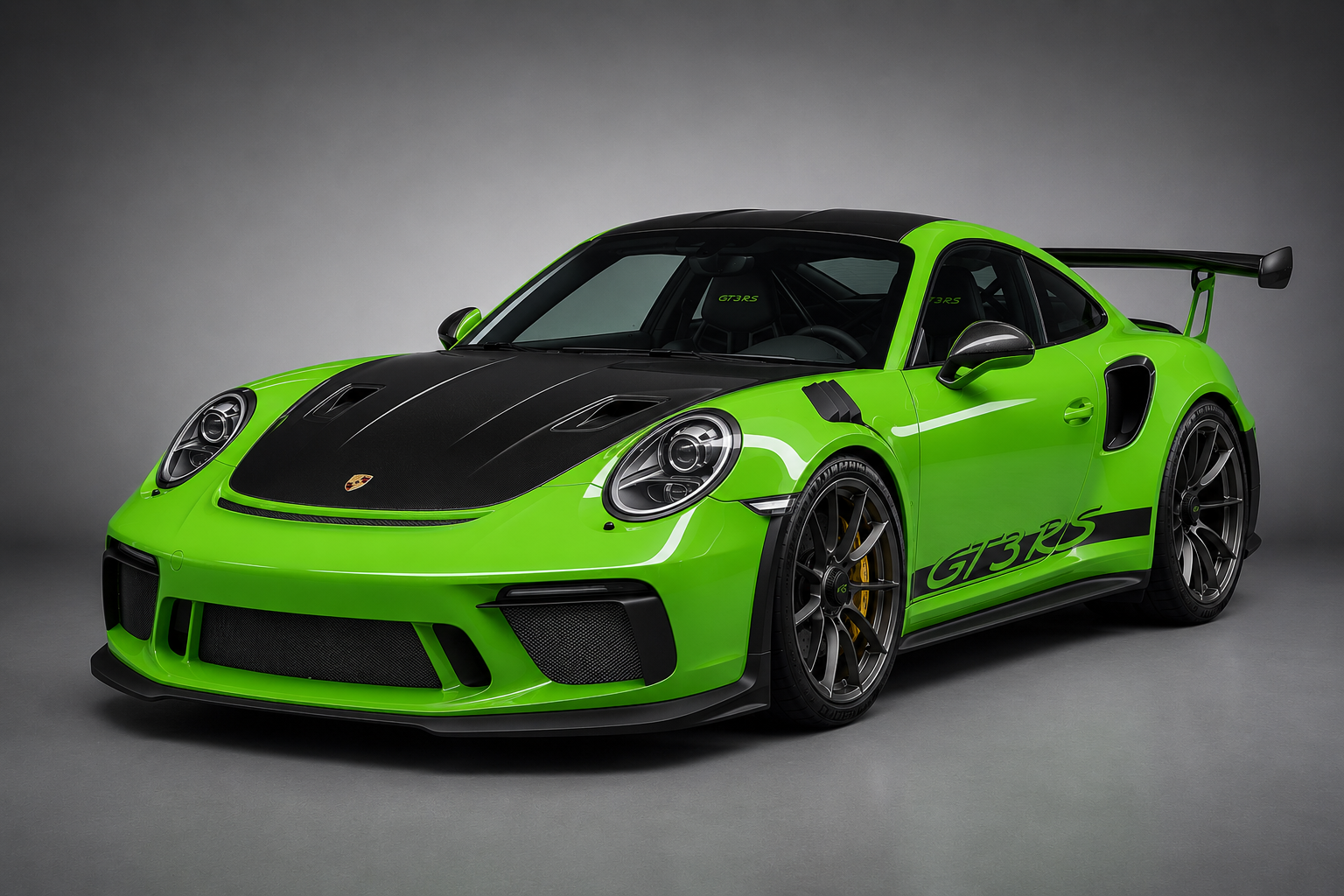
Porsche 911 GT3 RS (991)
The first electrically-steered GT3 RS — 4.0-litre naturally aspirated, PDK-only, wider than any road-going 911 before it.
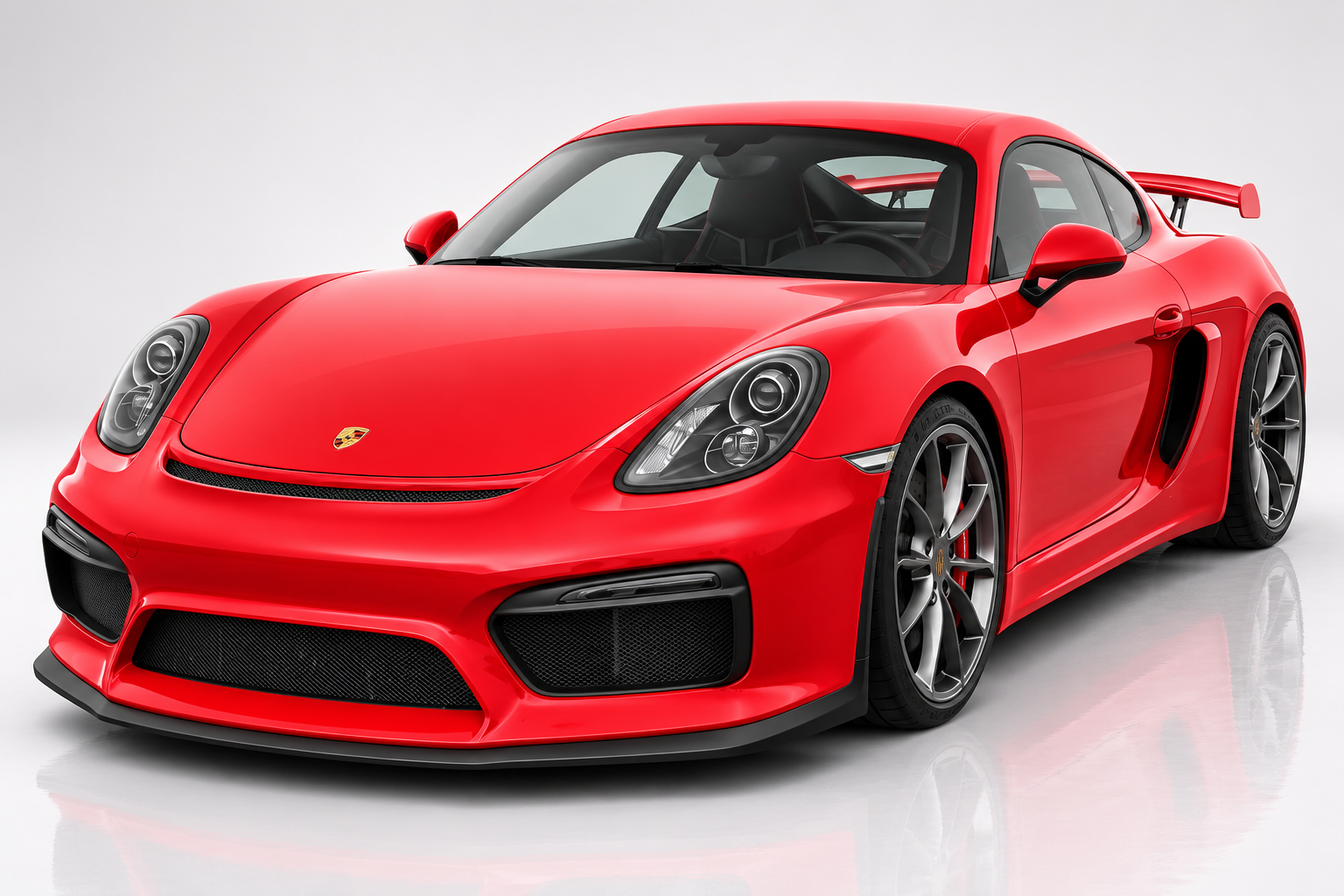
Porsche Cayman GT4 (981 & 718)
The enthusiast's mid-engine Porsche — manual, naturally aspirated, and closer to a 911 GT3 than the badge suggests.
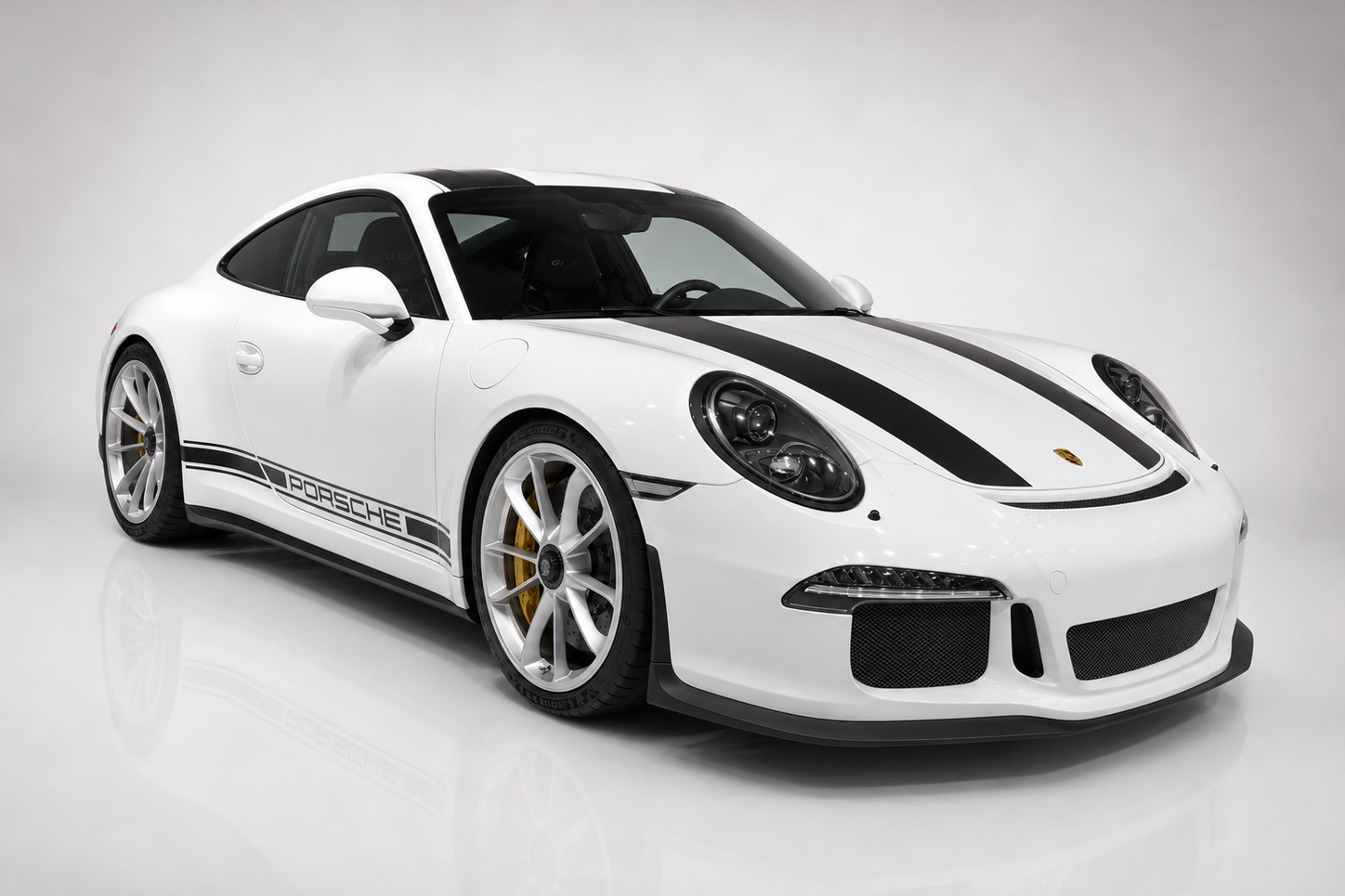
Porsche 911 R
The purist's answer to the PDK-only 991 GT3 — a naturally aspirated, wingless, manual-only 911 in a run of exactly 991 cars.
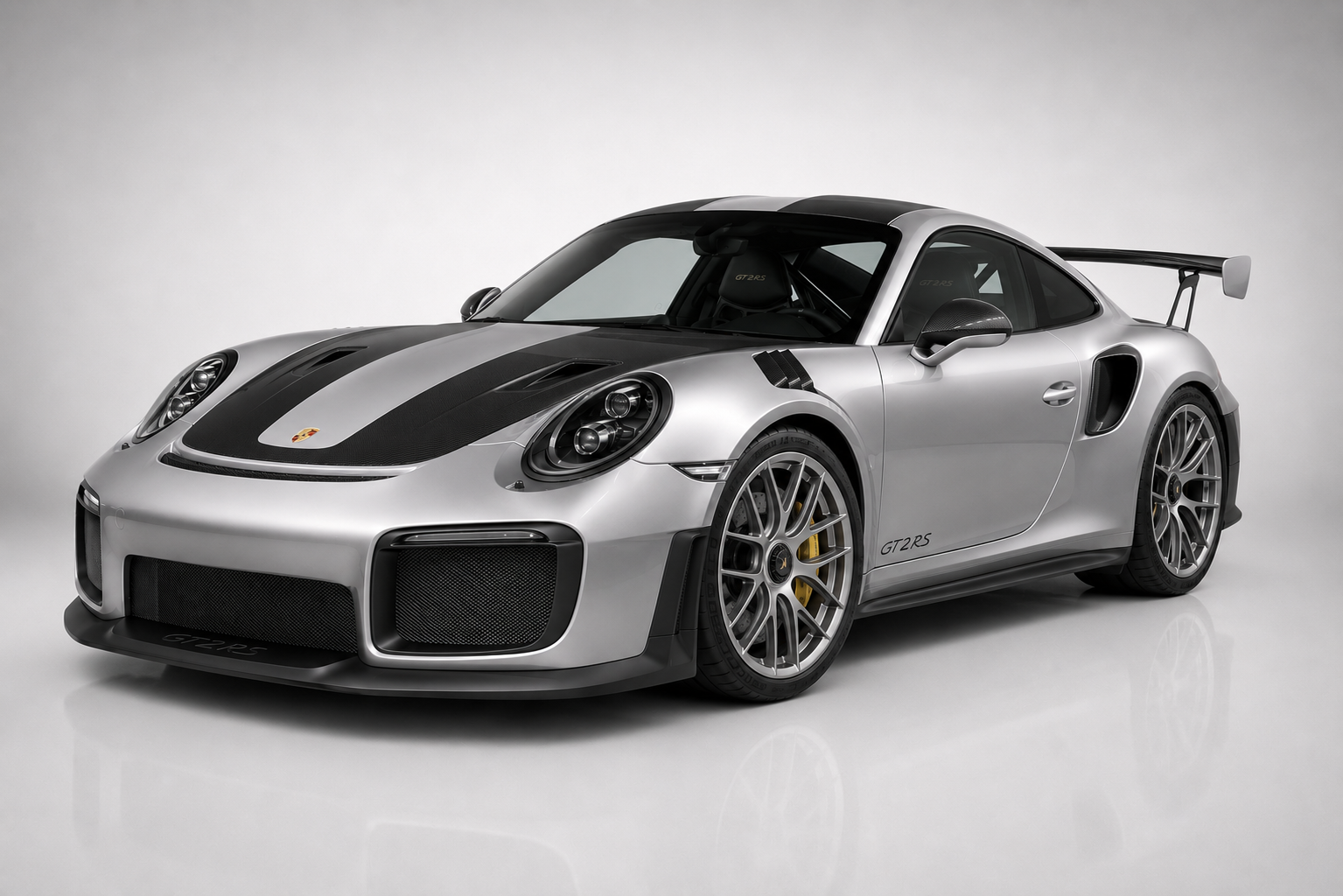
Porsche 911 GT2 RS (991)
The most powerful road-going 911 of its era — 700 PS, PDK-only, rear-wheel drive, with rear-axle steering and an optional Weissach package.
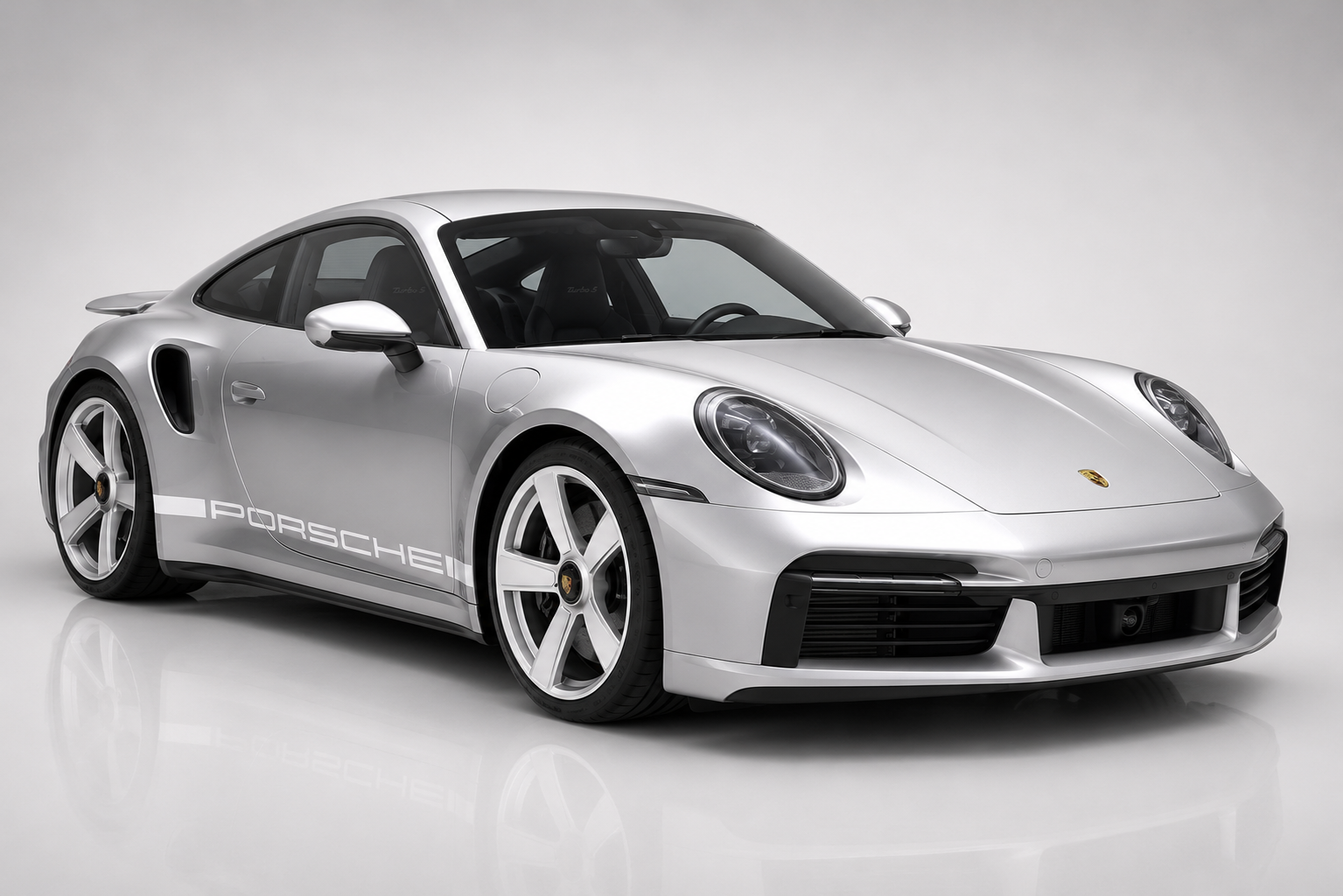
Porsche 911 (992)
The eighth-generation 911 — aluminium-panelled, standard wide-body, and the first 911 offered as a hybrid.
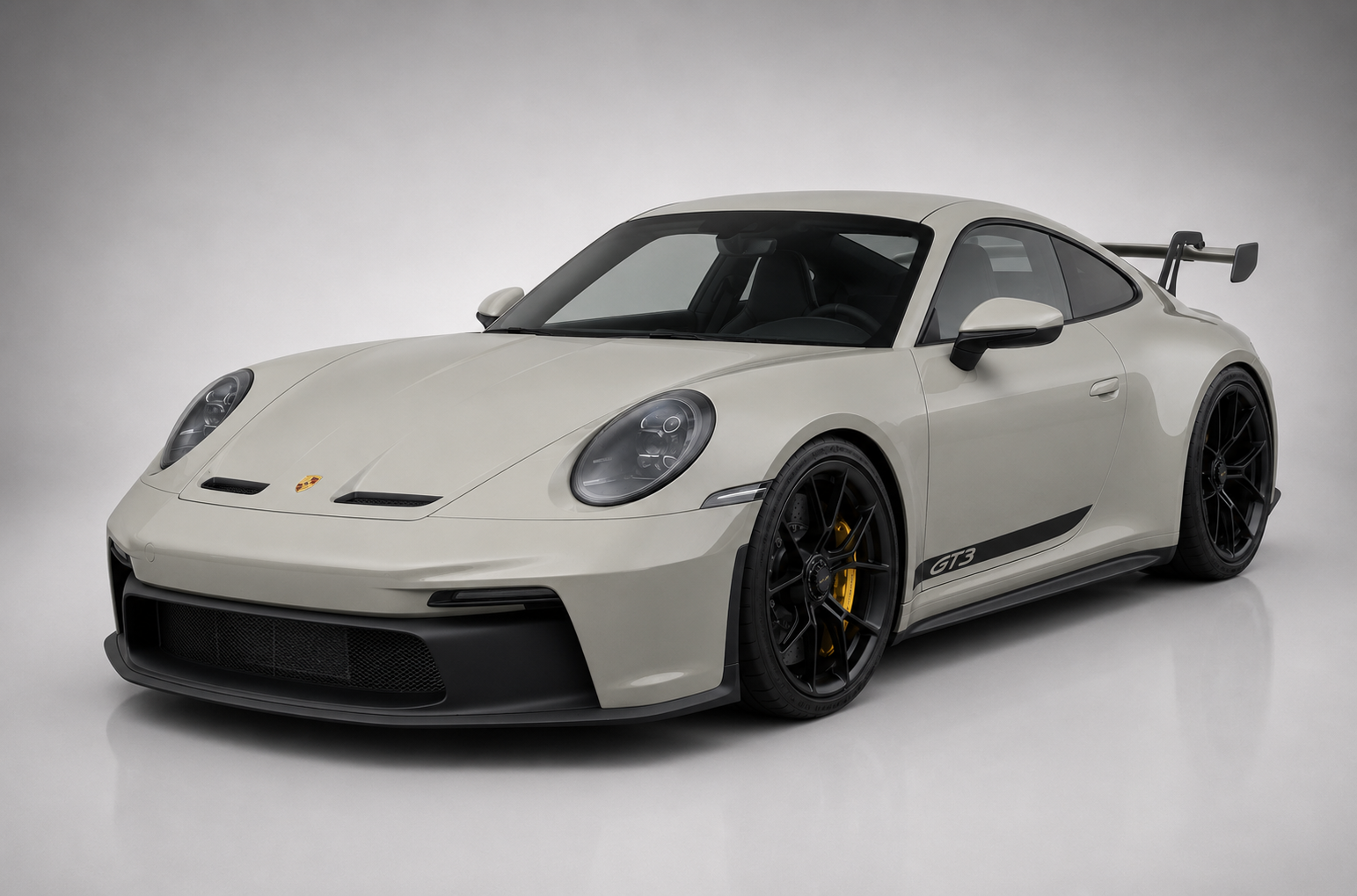
Porsche 911 GT3 (992)
The GT3 with a race-car front end — double-wishbone suspension from the 911 RSR, swan-neck rear wing, and either manual or PDK.
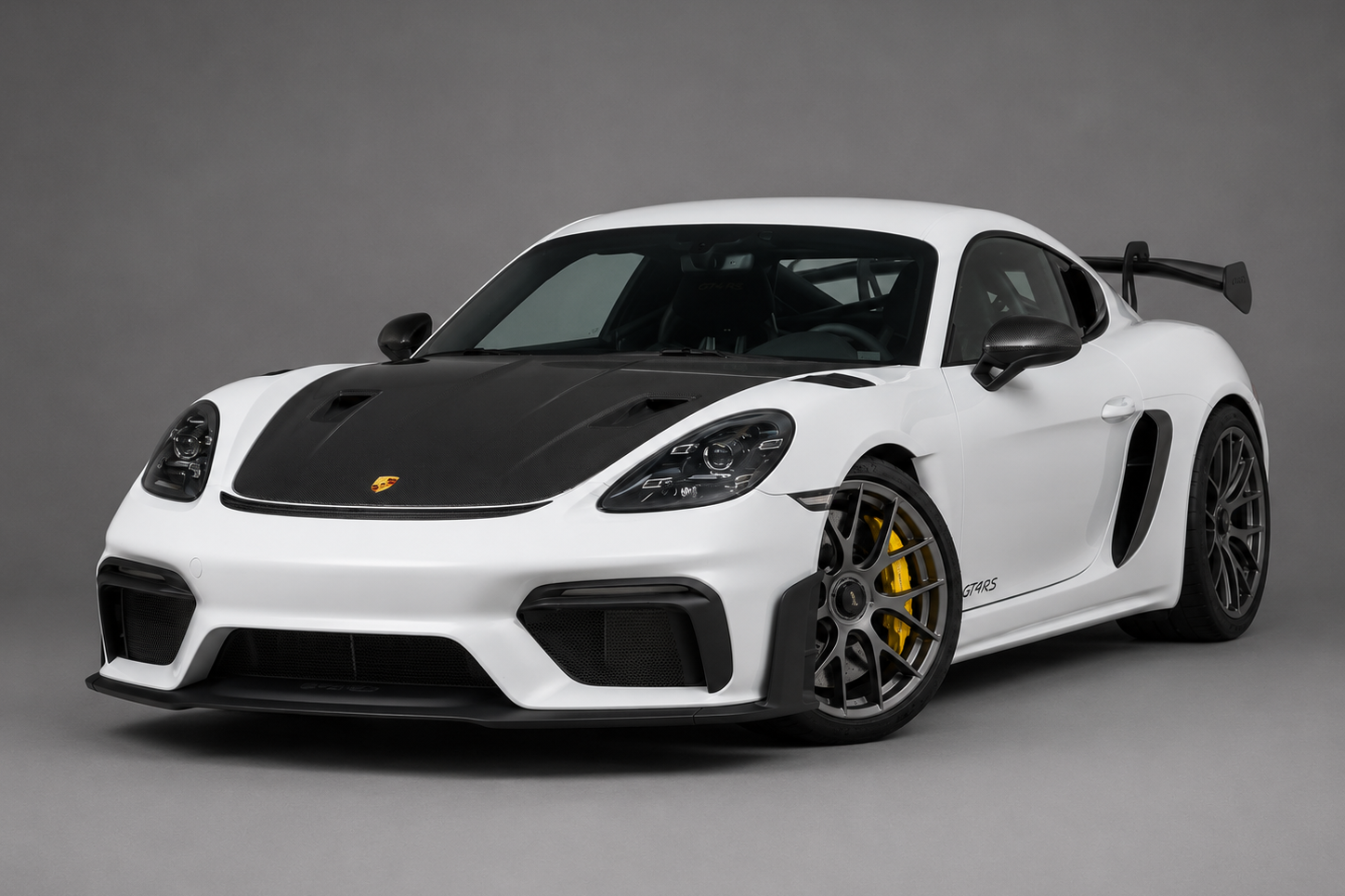
Porsche 718 Cayman GT4 RS
GT3-engined Cayman — 9,000 rpm flat-six, PDK-only, the most extreme mid-engined Porsche short of the GT4 RS Spyder.
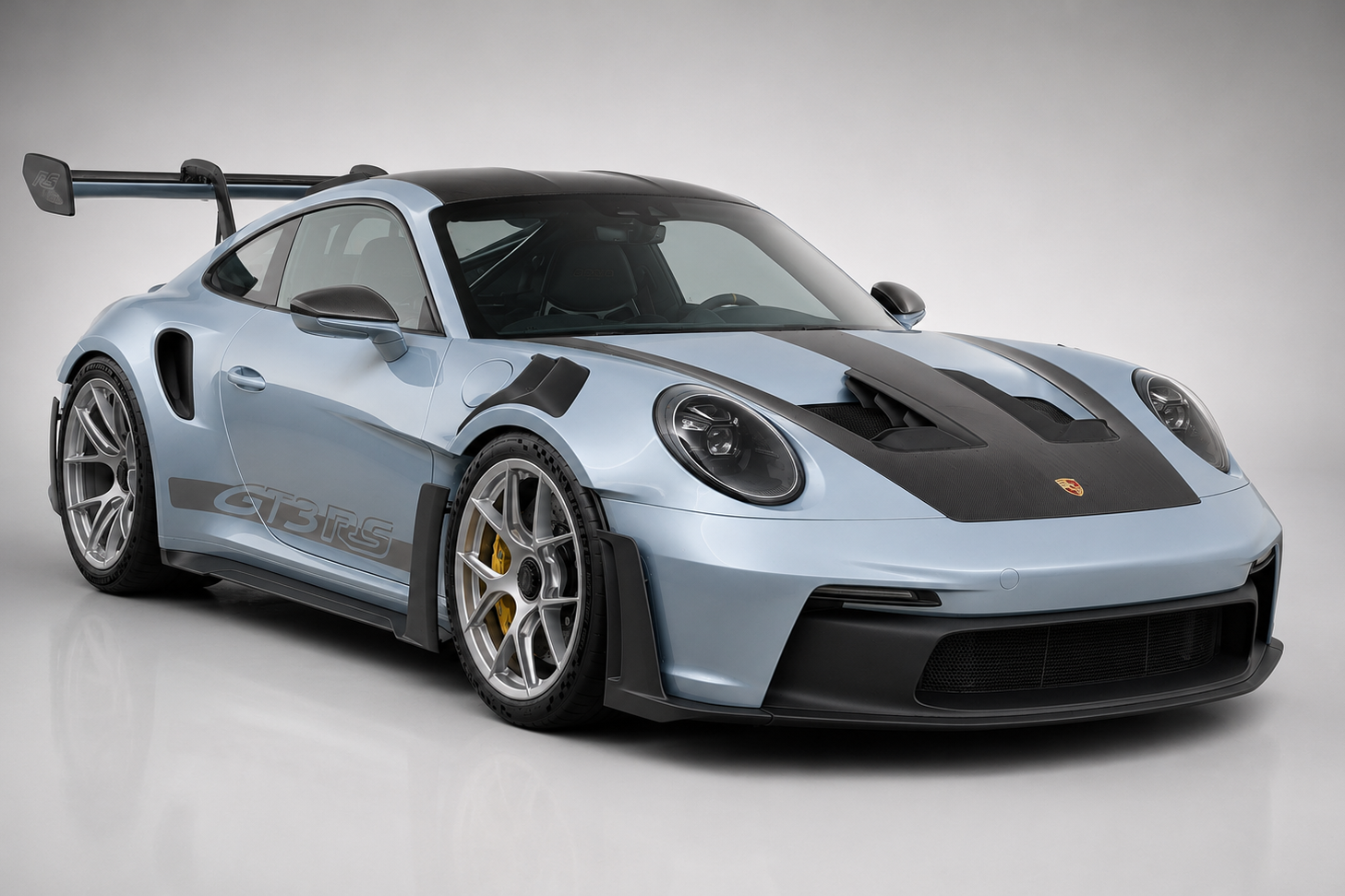
Porsche 911 GT3 RS (992)
The GT3 RS reimagined as an active-aero road car — DRS, adjustable wing, motorsport-style suspension links, and Porsche's most track-focused road 911 to date.
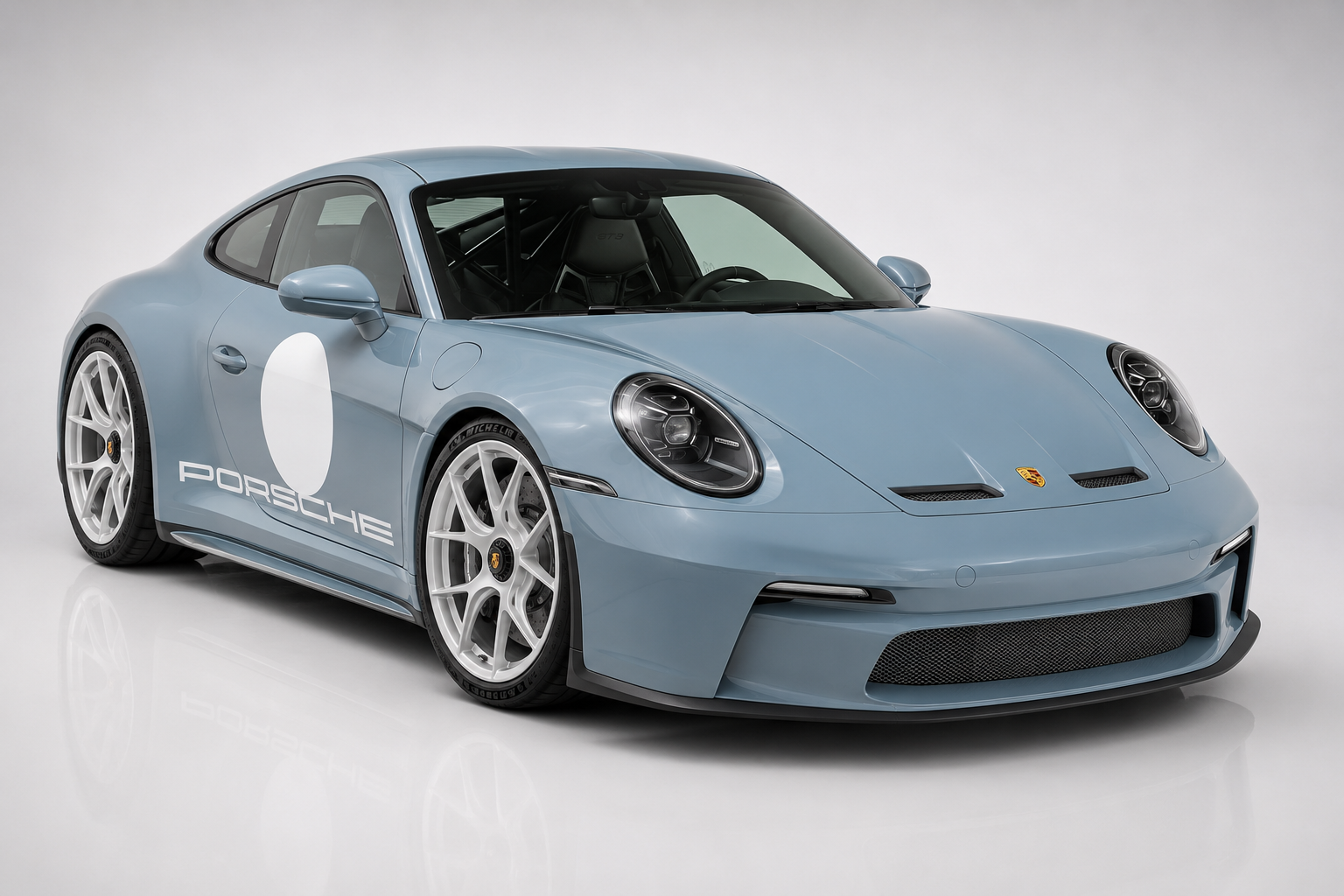
Porsche 911 S/T
The 60th-anniversary 911 — GT3 RS engine, GT3 Touring body, six-speed manual only, in a run of 1,963 cars.
Renault
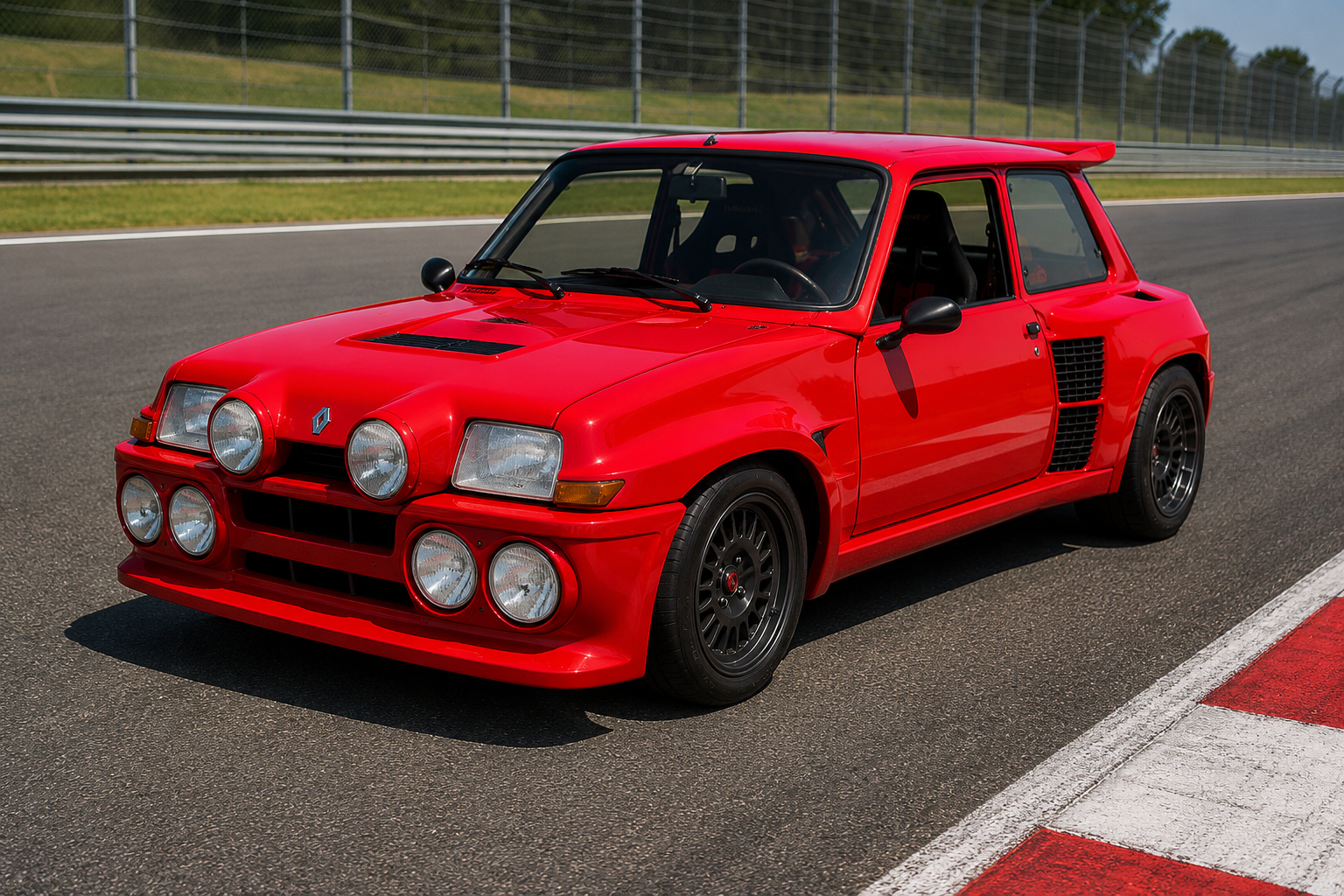
Renault 5 Turbo / Turbo 2
Mid-engined, rear-driven Group 4 homologation special — Renault's wildest hot hatch turned rally weapon.
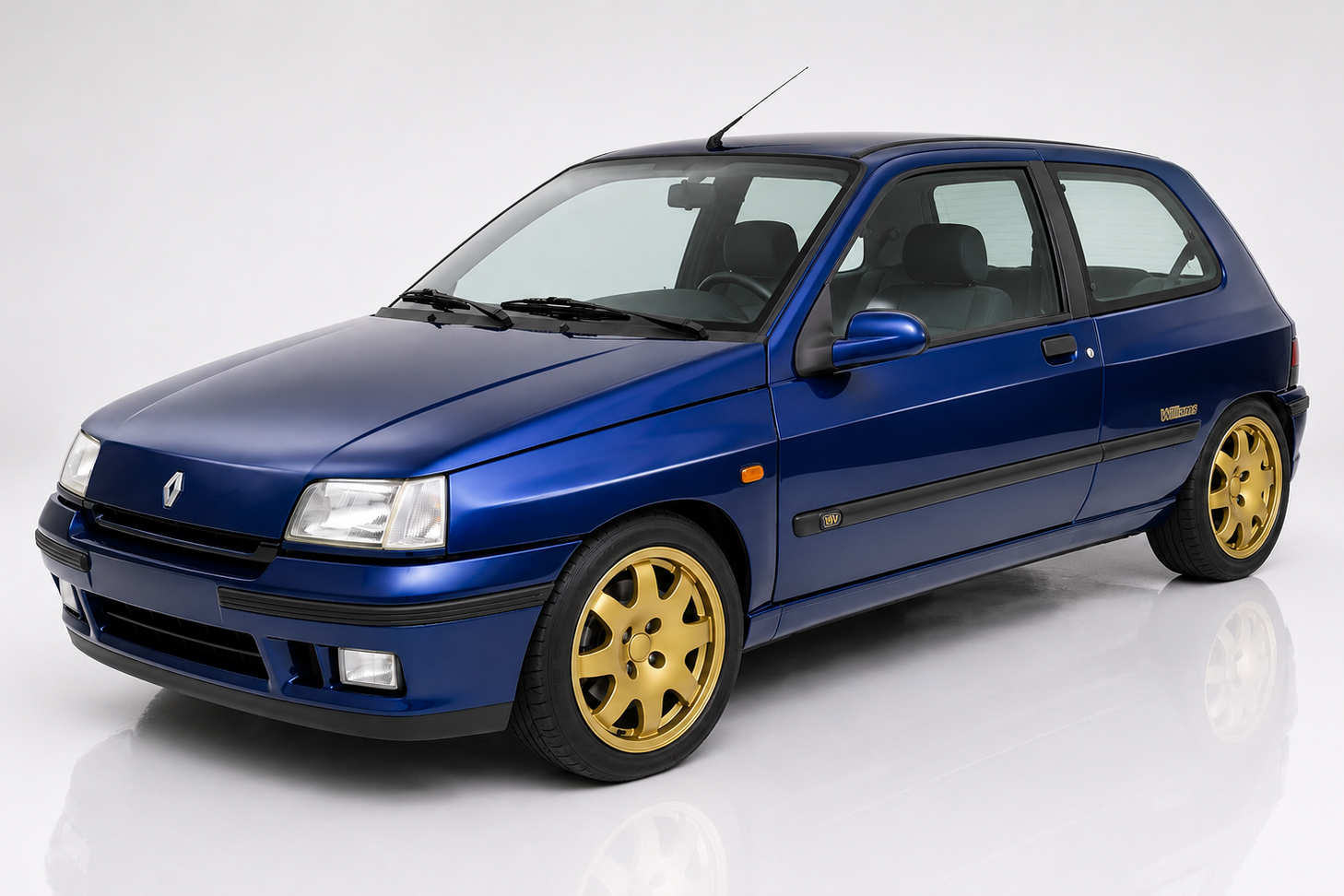
Renault Clio Williams
The benchmark '90s hot hatch — F1-flavoured, rally-bred, and now a rising youngtimer.
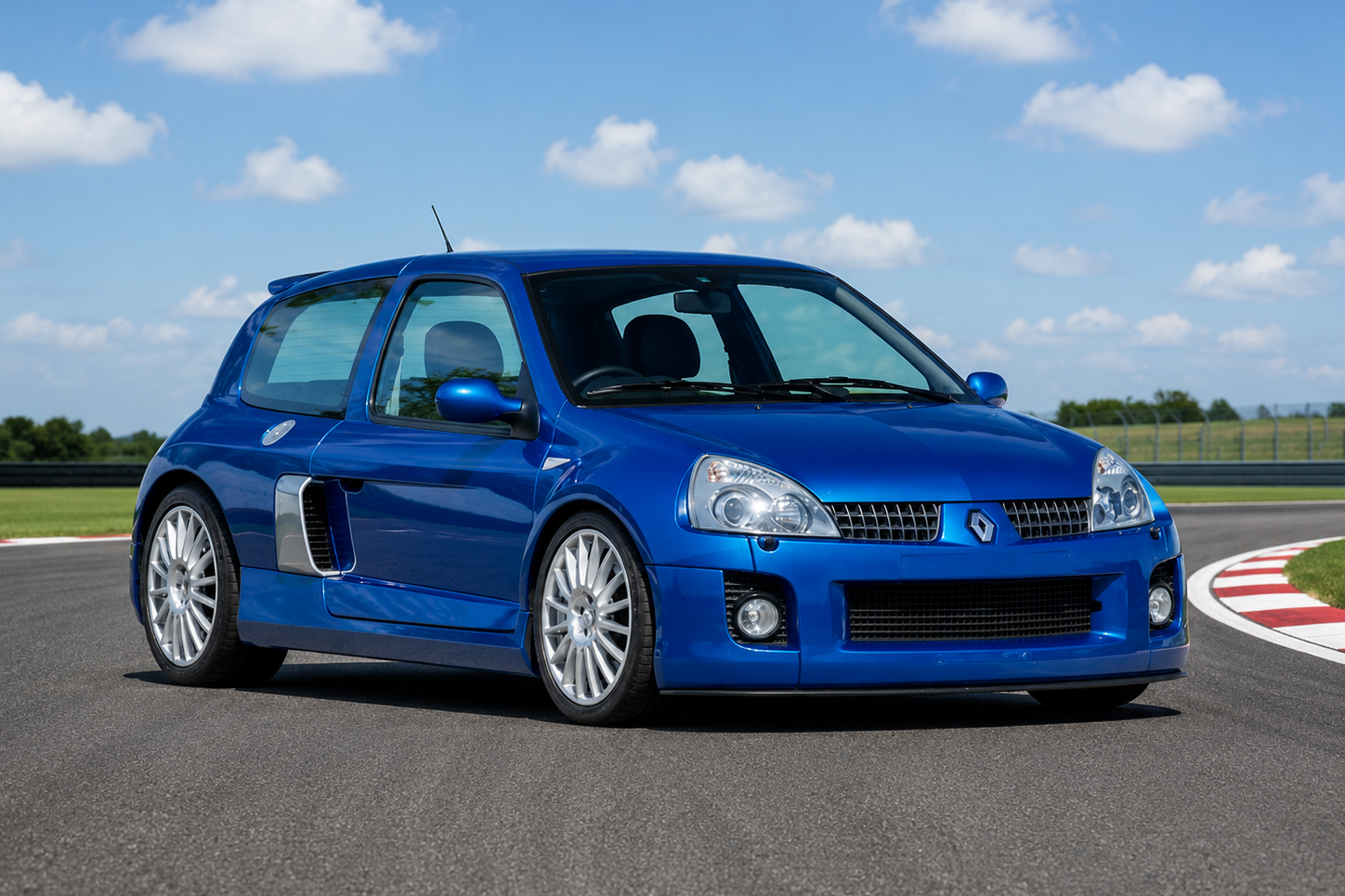
Renault Clio V6
Renault's Clio-shaped homage to the 5 Turbo — a wide-body, rear-mid-engined, rear-drive hot hatch built in two very different phases.
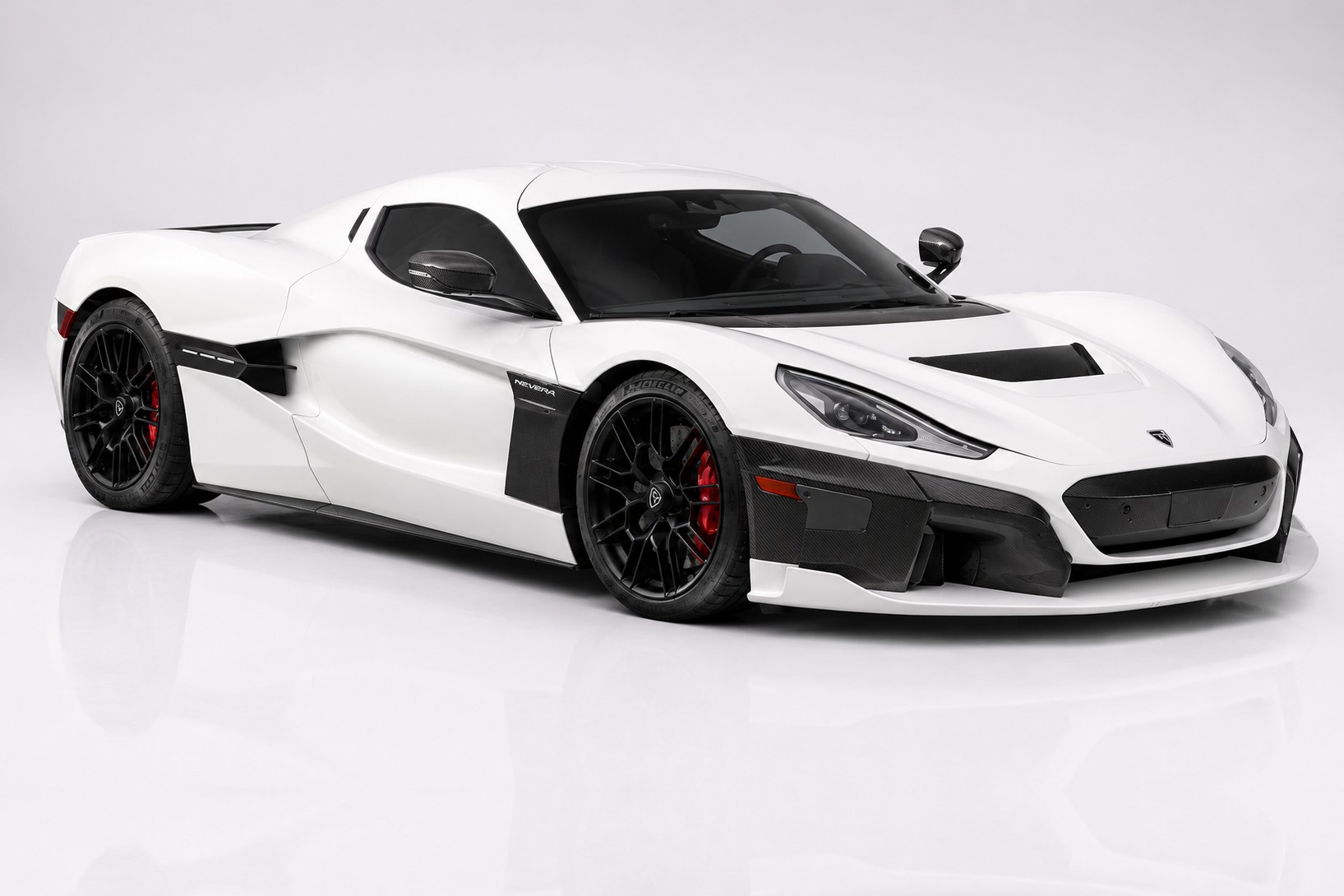
Rolls-Royce
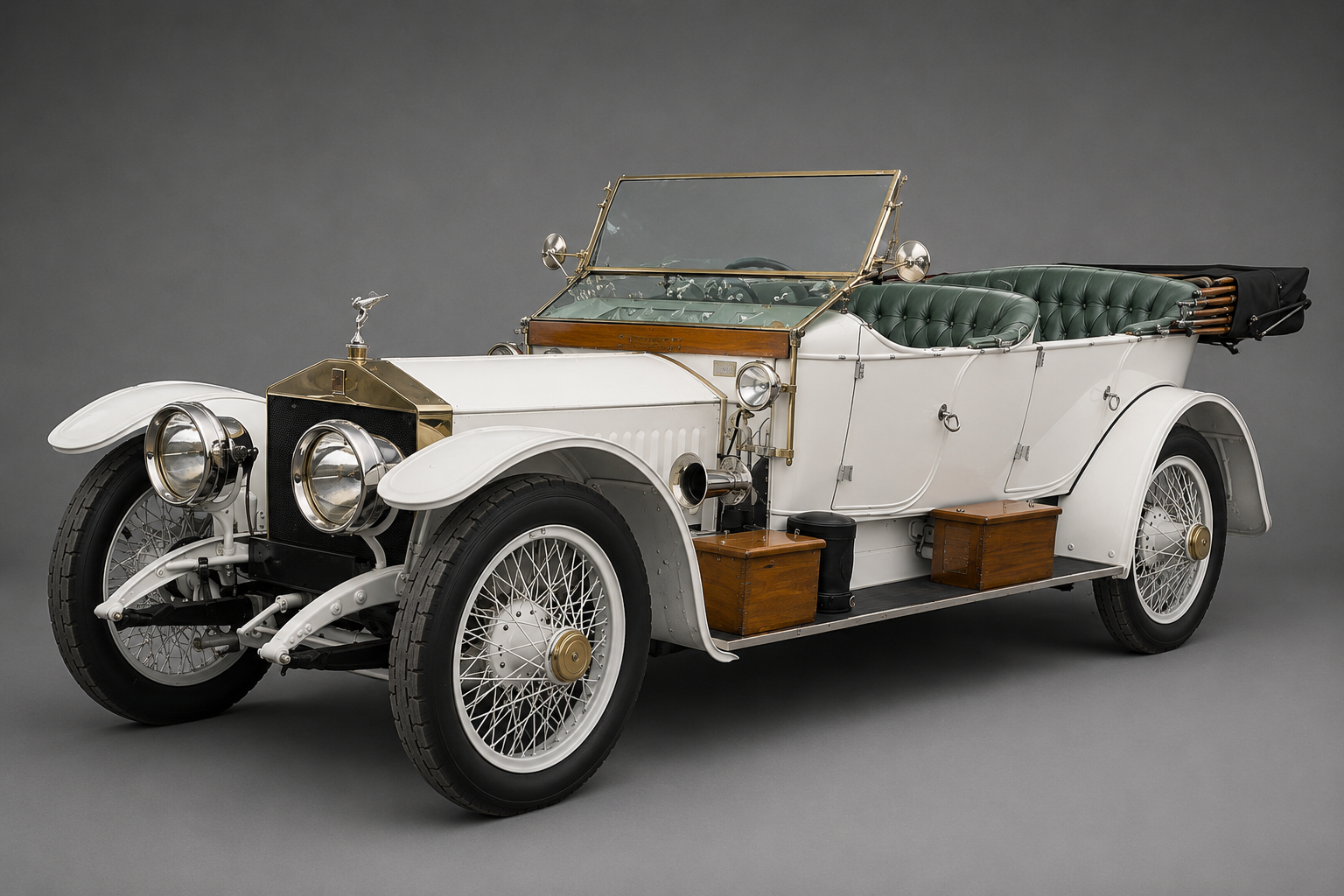
Rolls-Royce Silver Ghost
'The best car in the world' — the chassis that built Rolls-Royce's global reputation and ran continuously for two decades.
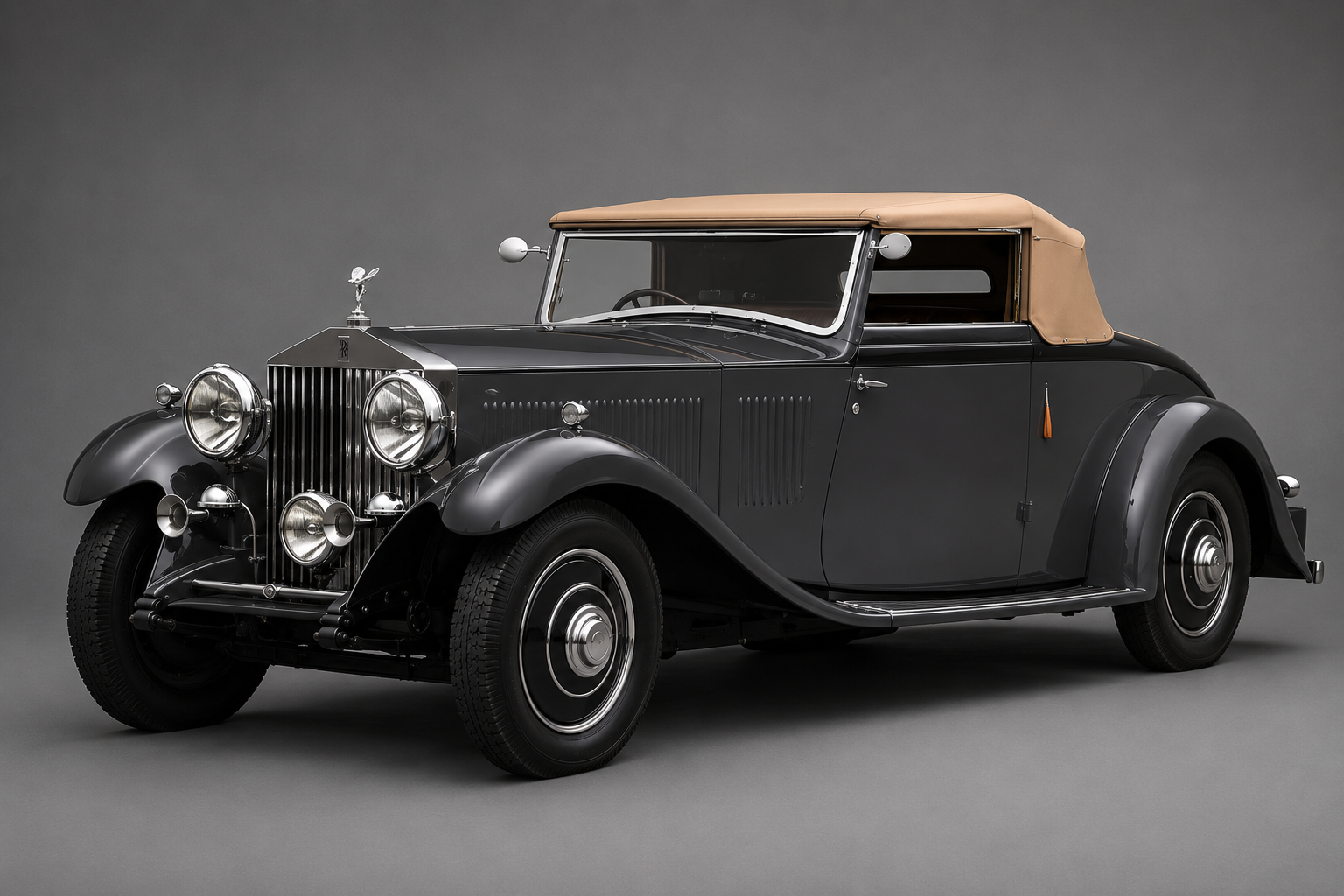
Rolls-Royce Phantom I / II / III
The pre-war Phantom trilogy — overhead-valve six, sporting Continental chassis and finally the legendary V12.
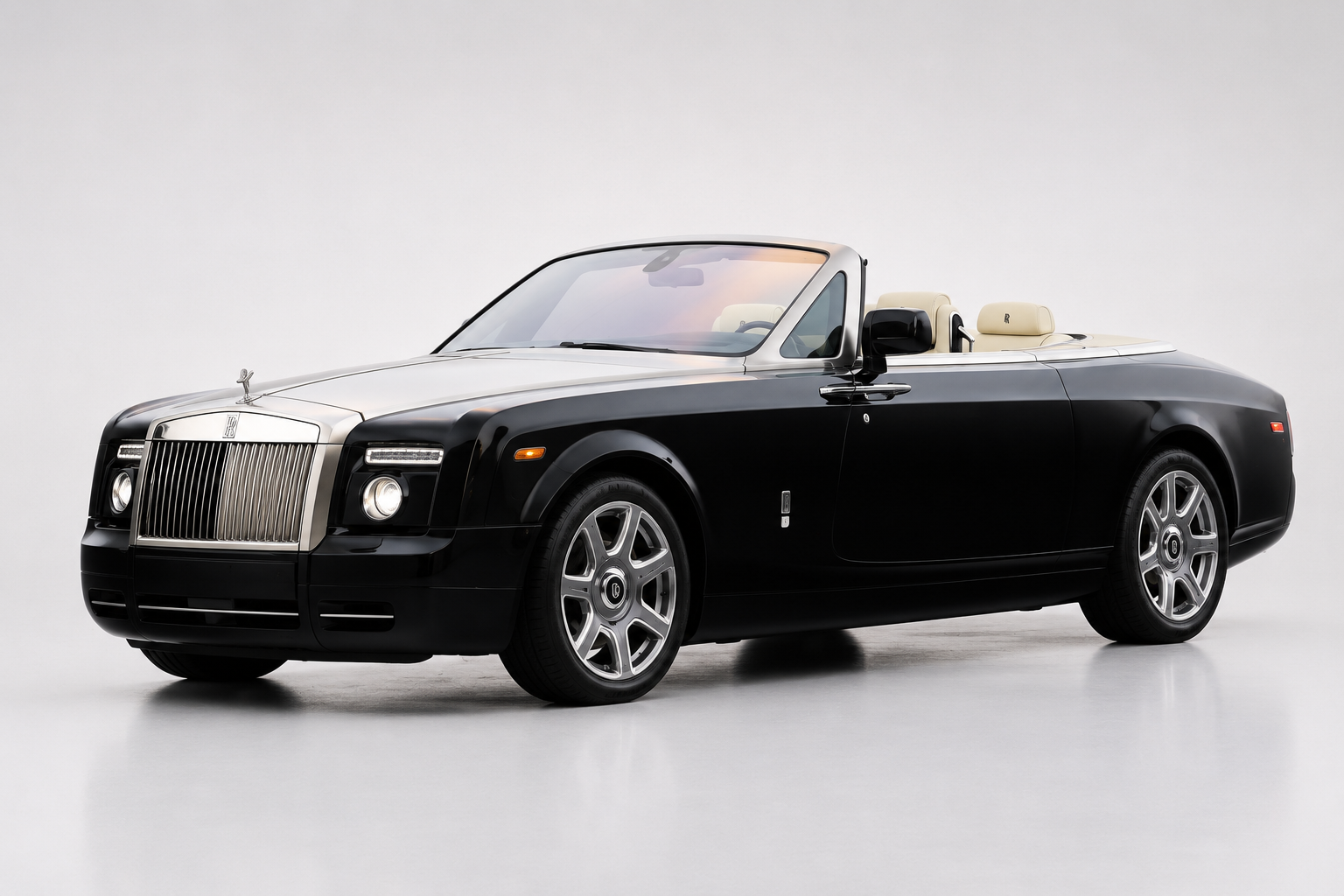
Rolls-Royce Phantom
Sixty-seven years of the top Rolls-Royce model line — from the 18-car royalty-only Phantom IV to the 10,327-unit BMW-era Phantom VII.
RUF
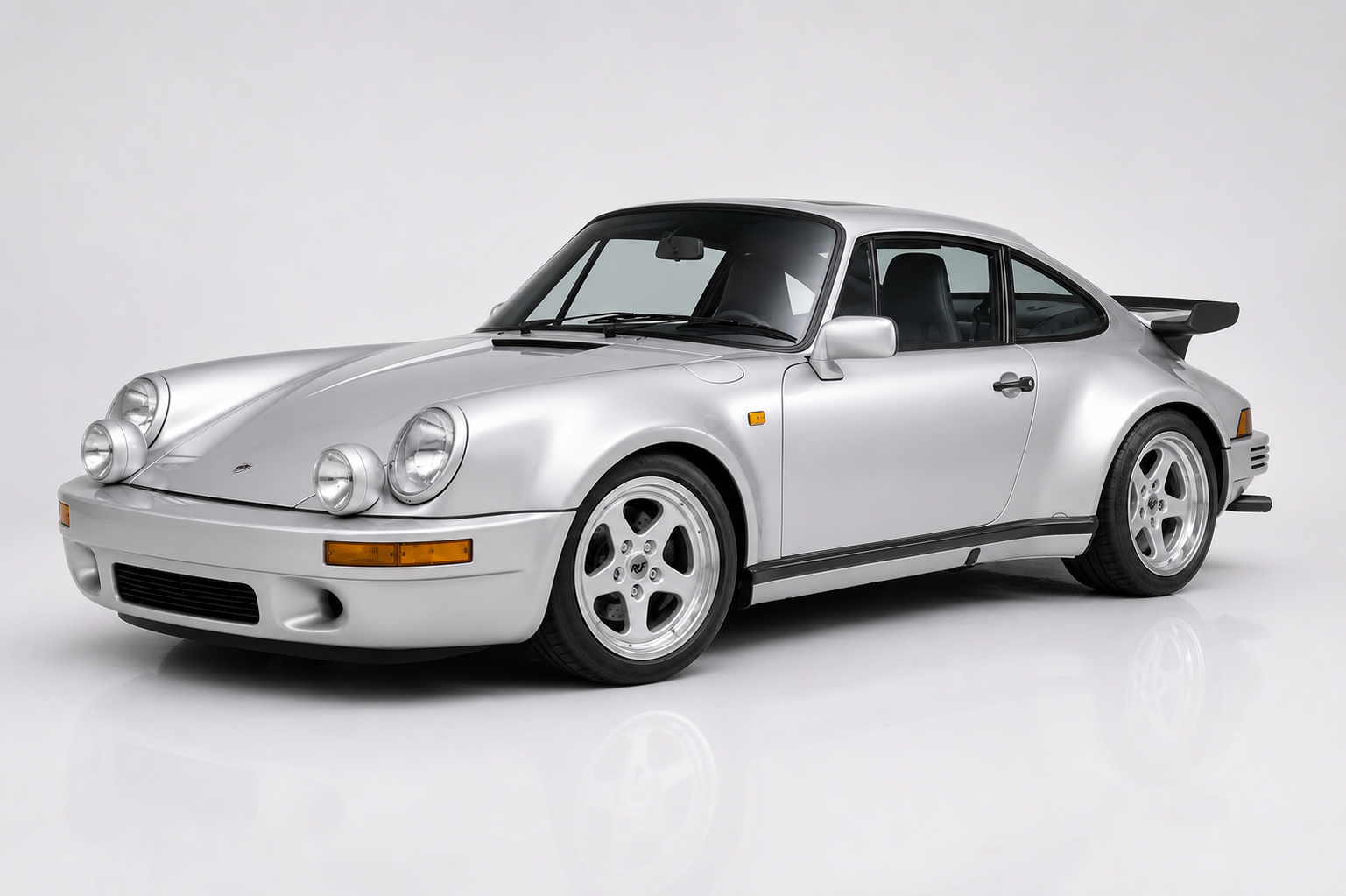
RUF BTR
The car that made RUF's name — the narrow-body 930-based turbo that Road & Track called the world's fastest in 1984.
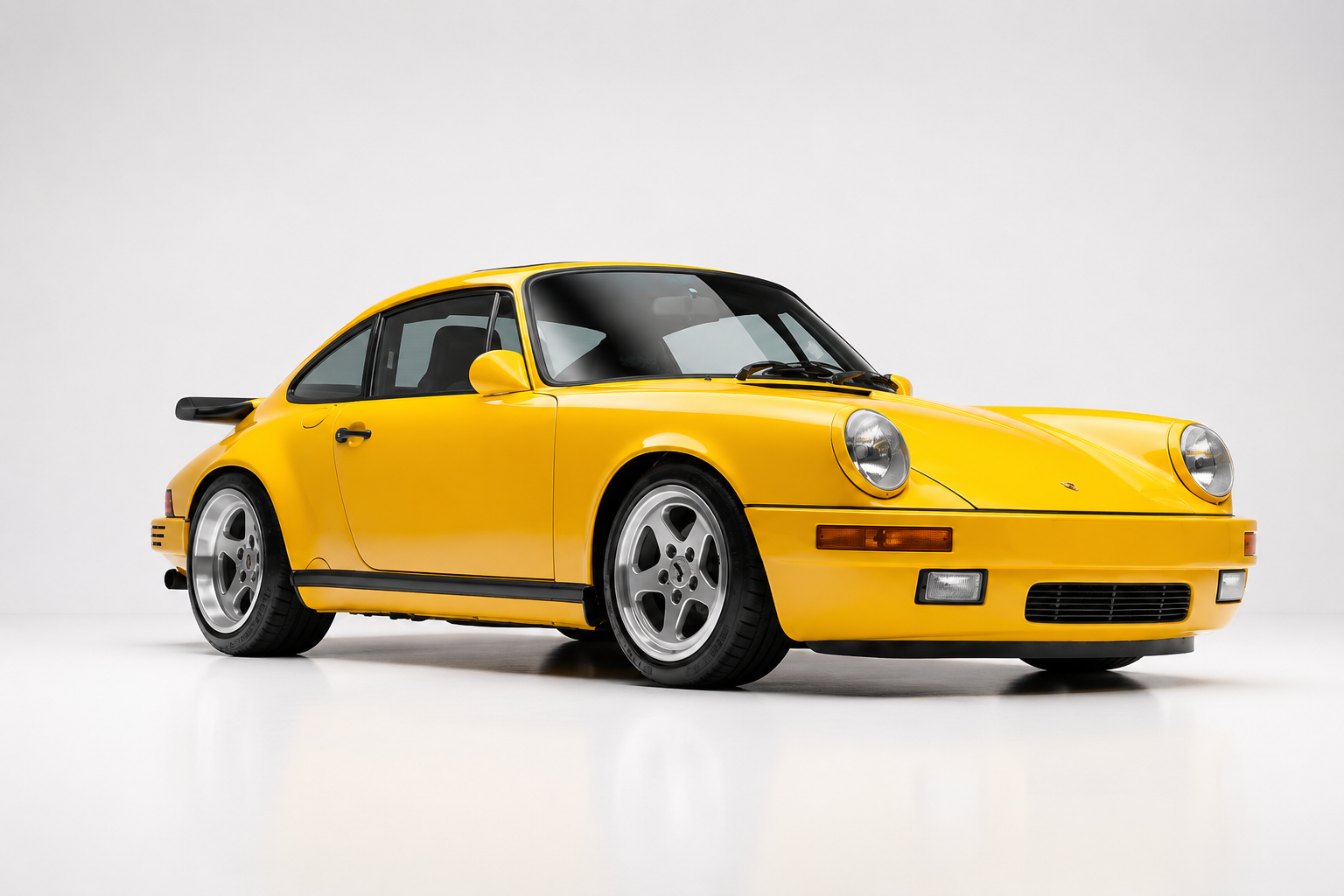
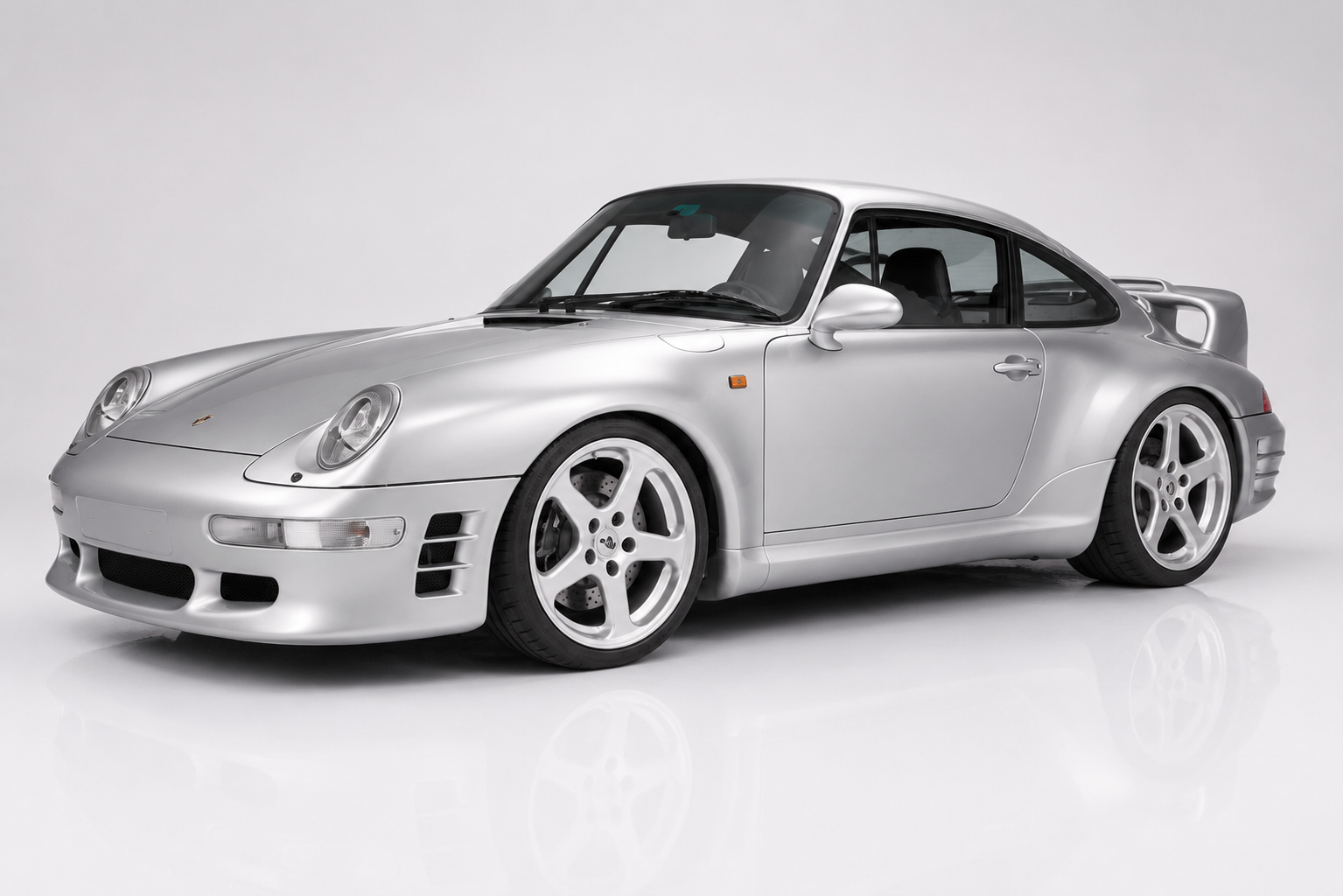
RUF CTR
The Yellowbird — RUF's narrow-body 911 that took the world's-fastest crown at 211 mph (339.8 km/h) in 1987.
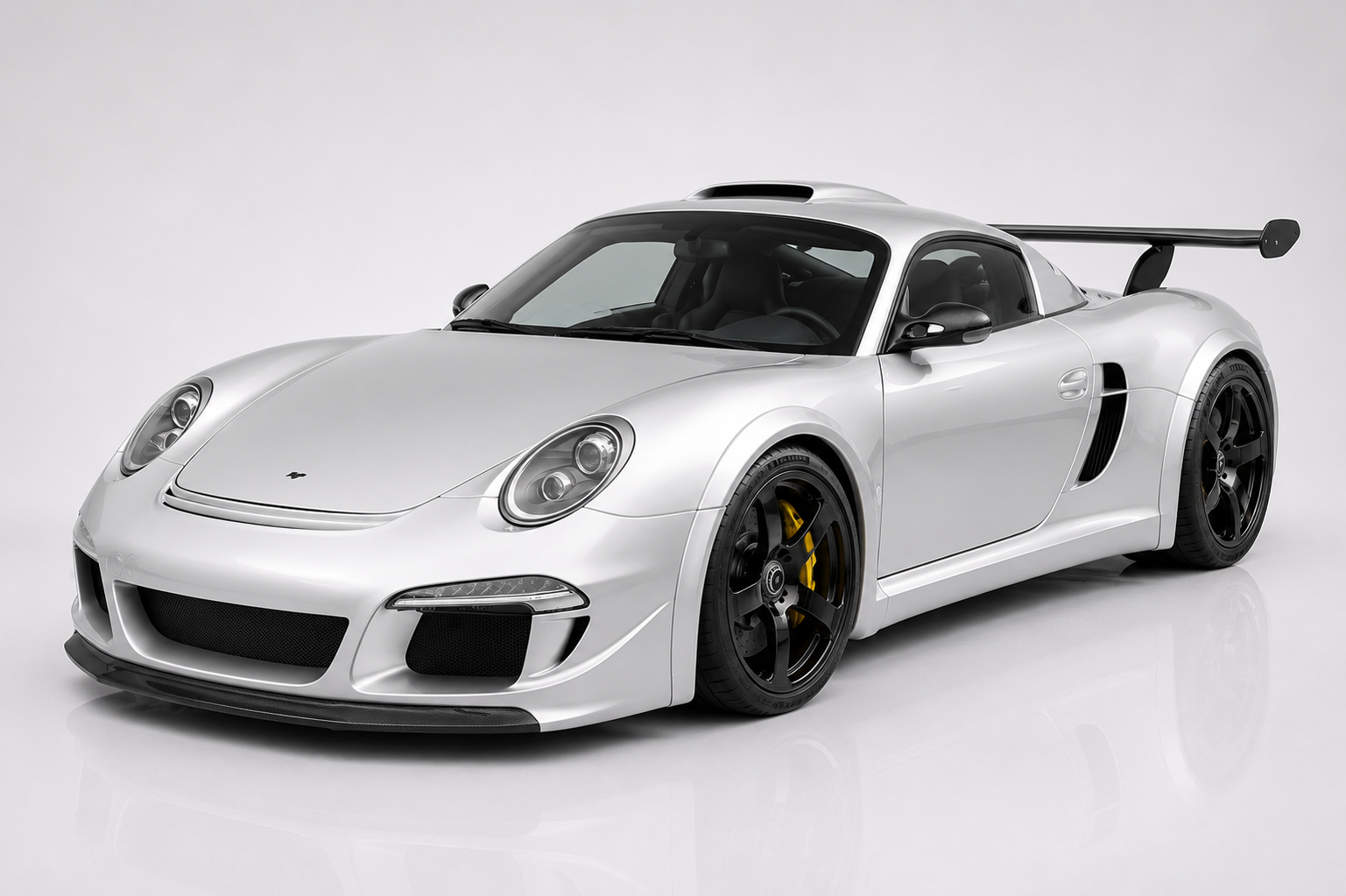
RUF CTR2
The 993-generation Yellowbird successor — twin-turbo, up to 702 hp, and a Pikes Peak podium car.
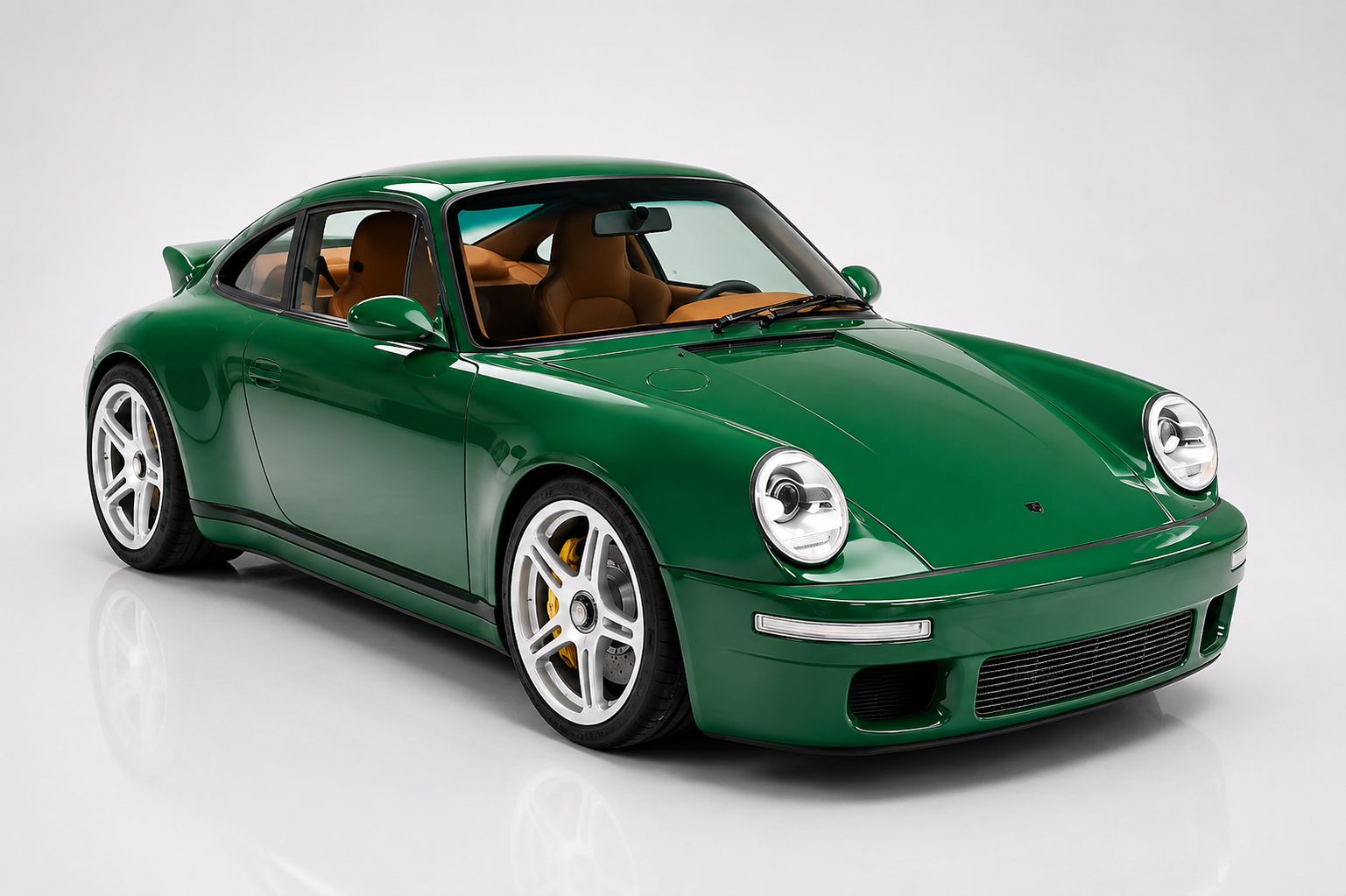
RUF CTR3
RUF unbound — the wildest, first ground-up bespoke RUF supercar.
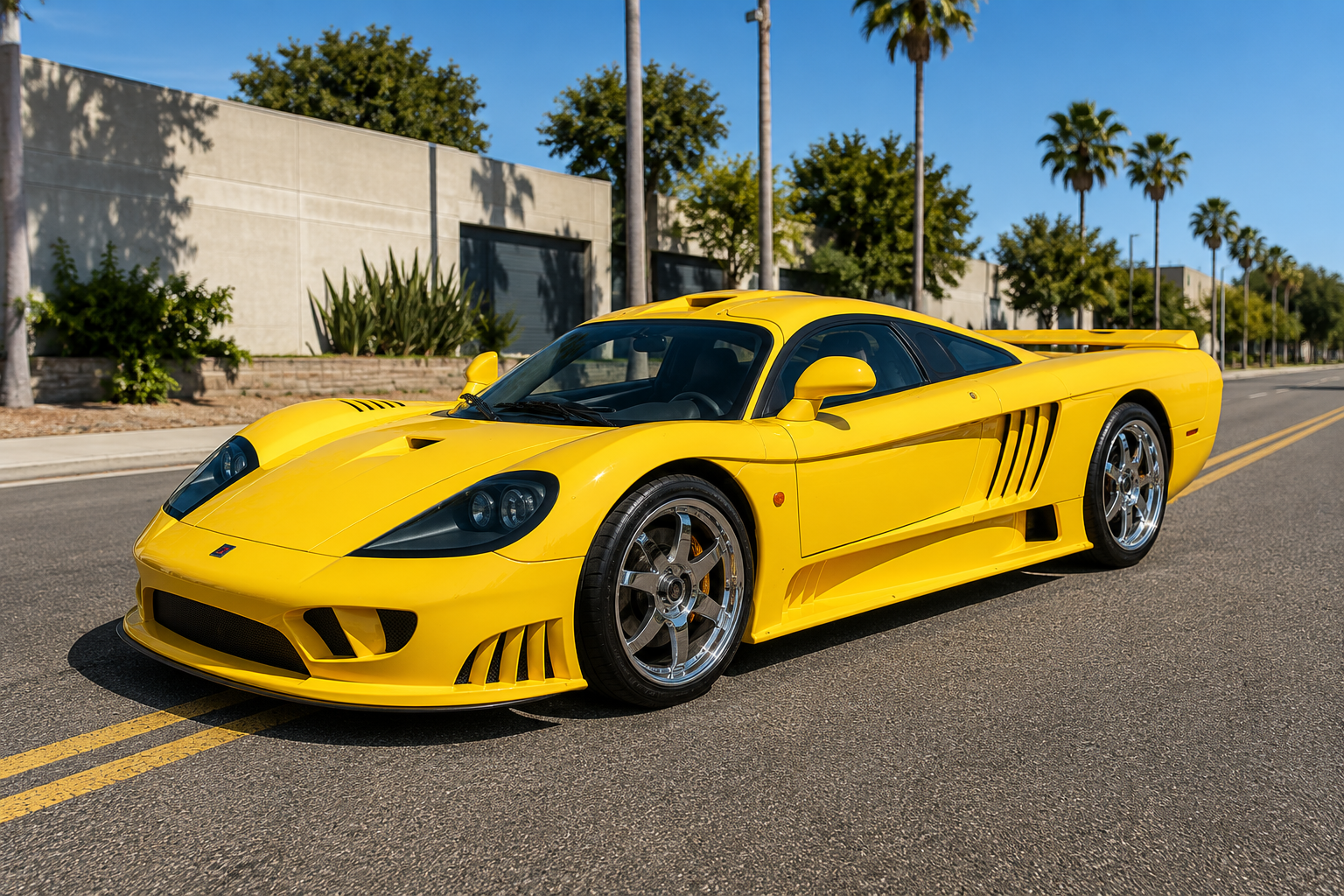
RUF SCR
The NA analog answer to the turbo CTR — a bespoke, manual, 500 bhp RUF on its own carbon tub.
Shelby
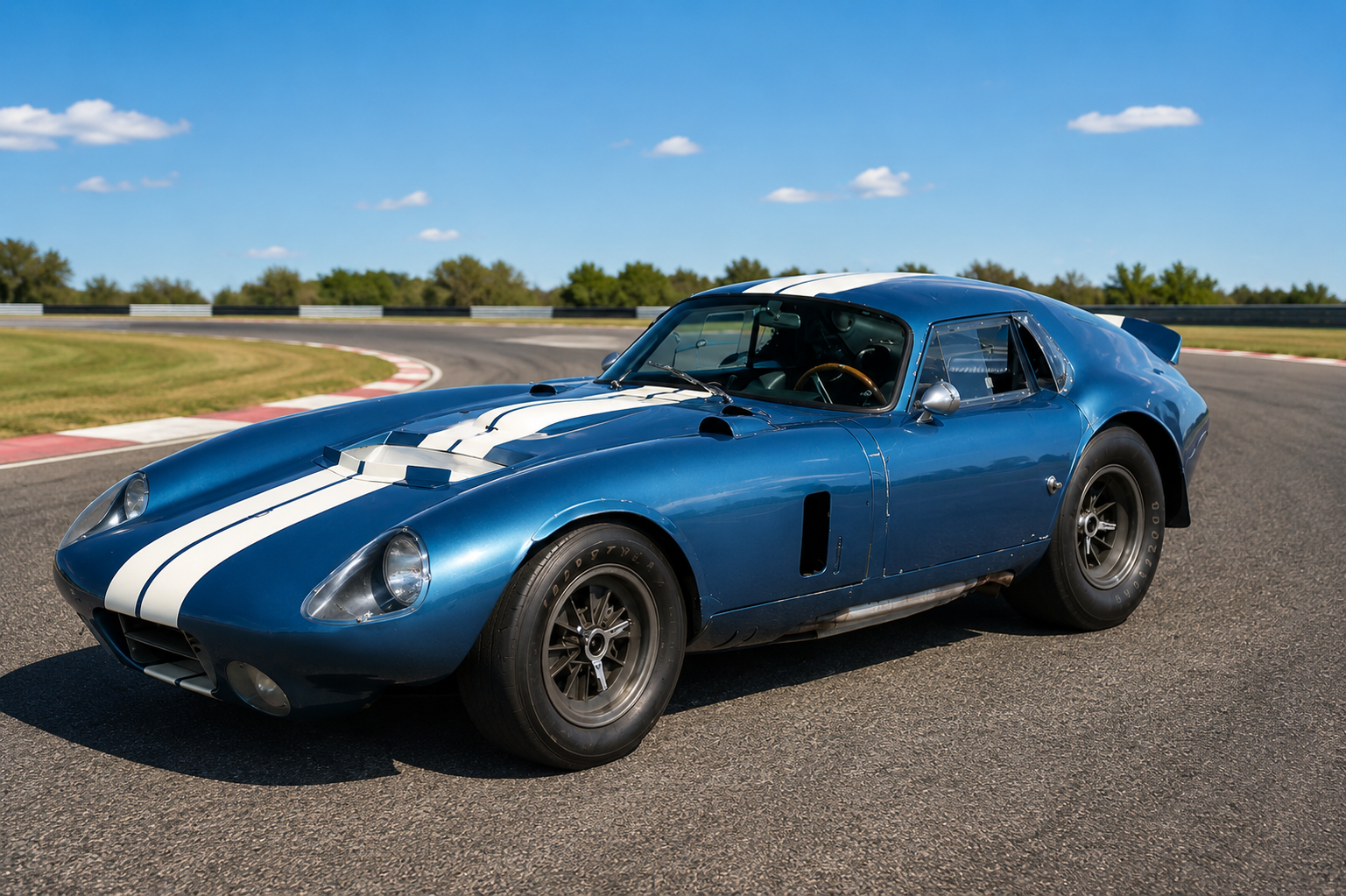
Shelby Daytona Coupe
Six cars, one Peter Brock silhouette, and the first FIA World Sportscar Championship GT class ever won by an American manufacturer.
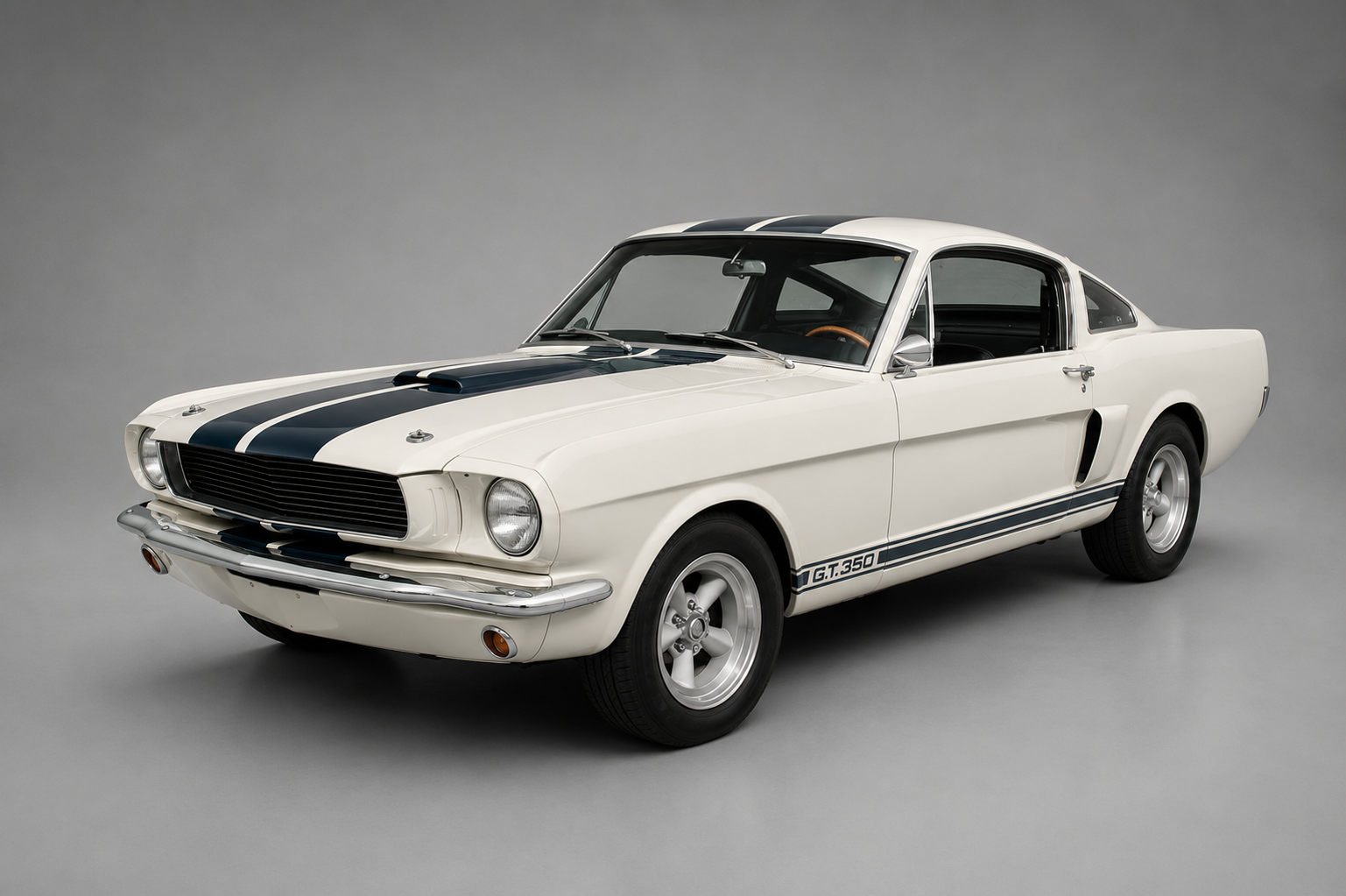
Shelby GT350
The canonical Shelby Mustang — from the 1965 SCCA B-Production R-model to the Ford-built cars of 1969–70.
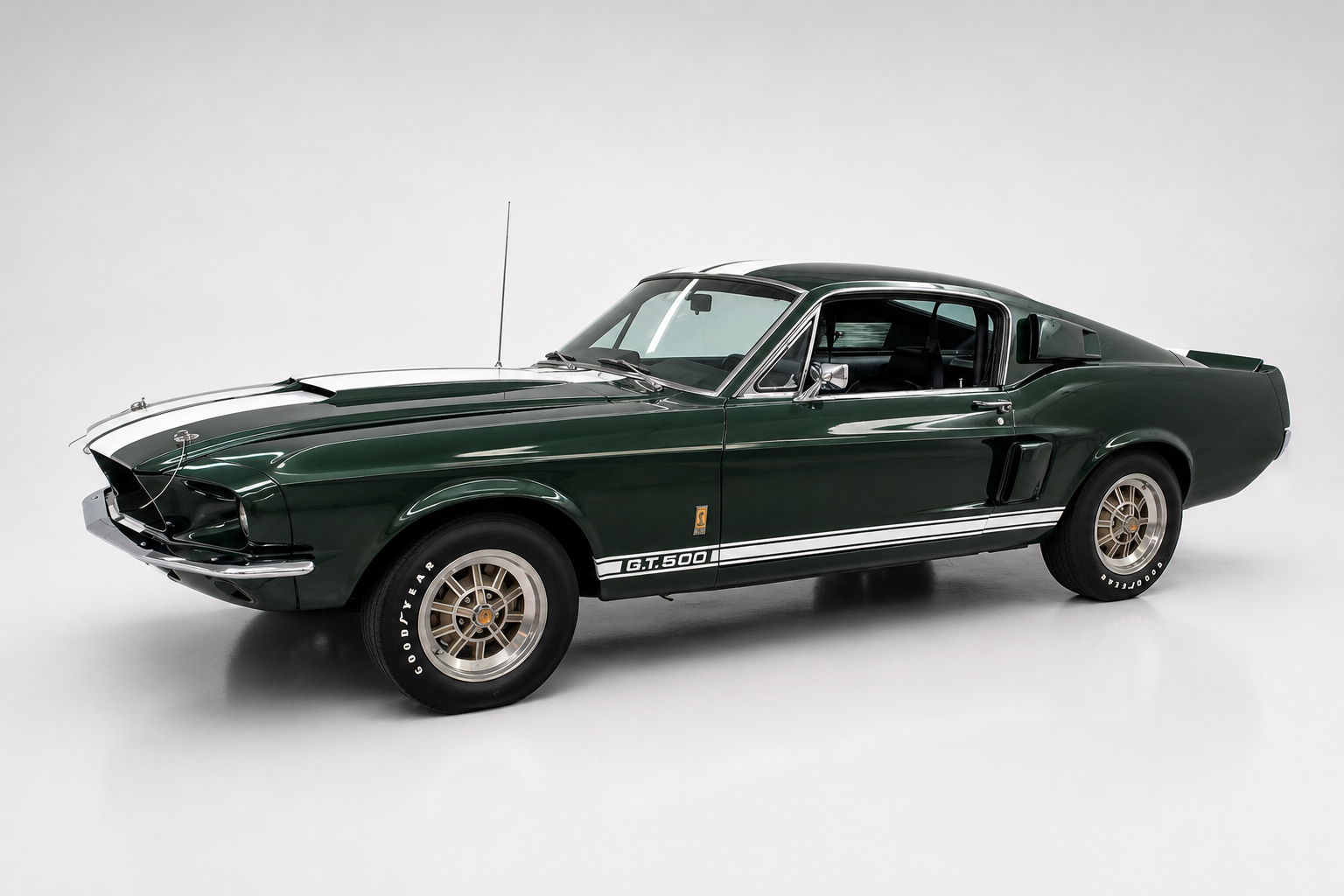
Shelby GT500
Carroll Shelby's big-block Mustang across its full 1967–1970 run — from the launch 428 Police Interceptor cars to the 428 Cobra Jet KR and the restyled 1969–70 SportsRoof.
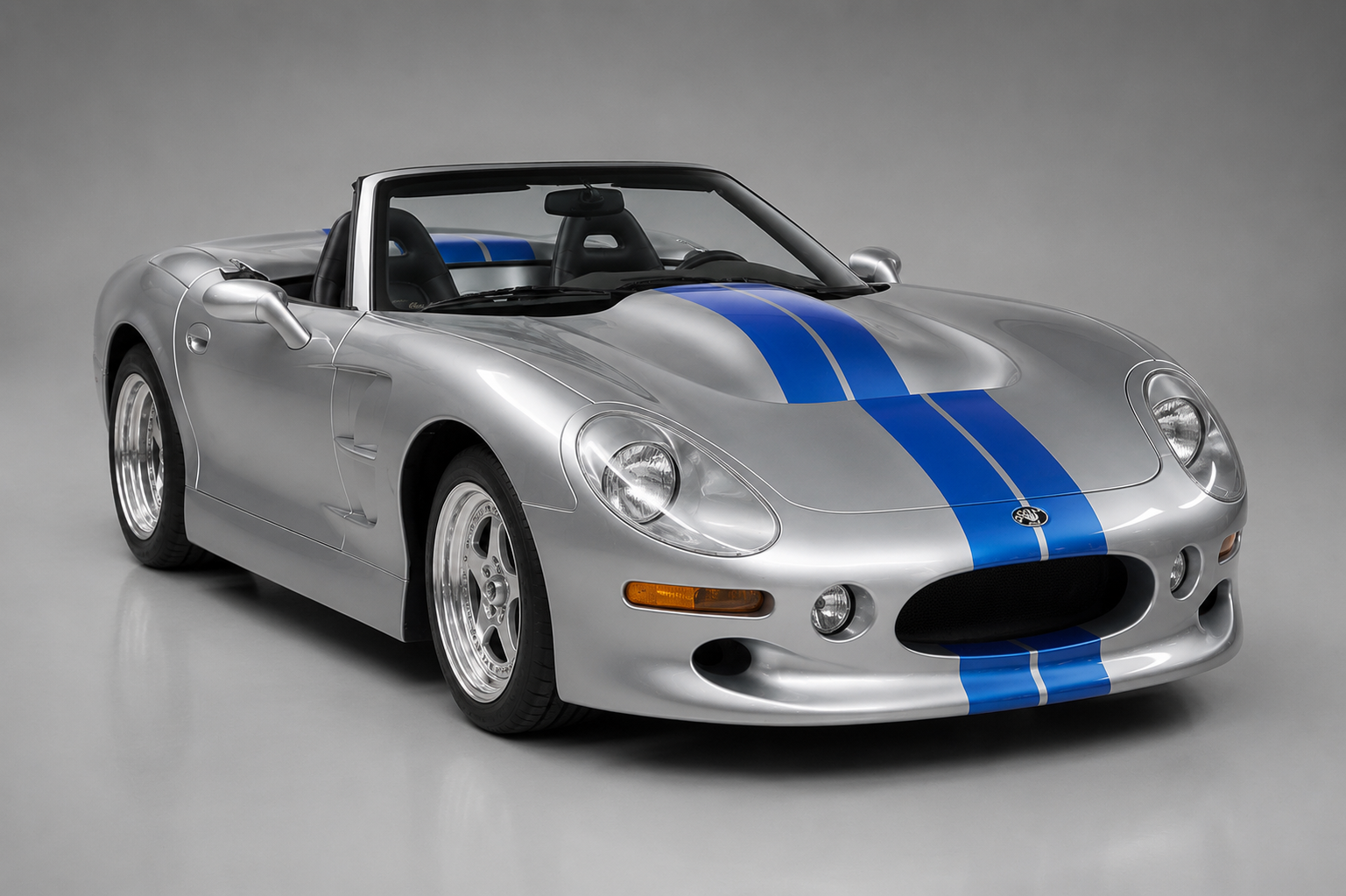
Shelby Series 1
The only car Carroll Shelby designed from the ground up — 249 cars, an Oldsmobile Aurora V8, and a build story more contentious than the car itself.
Singer
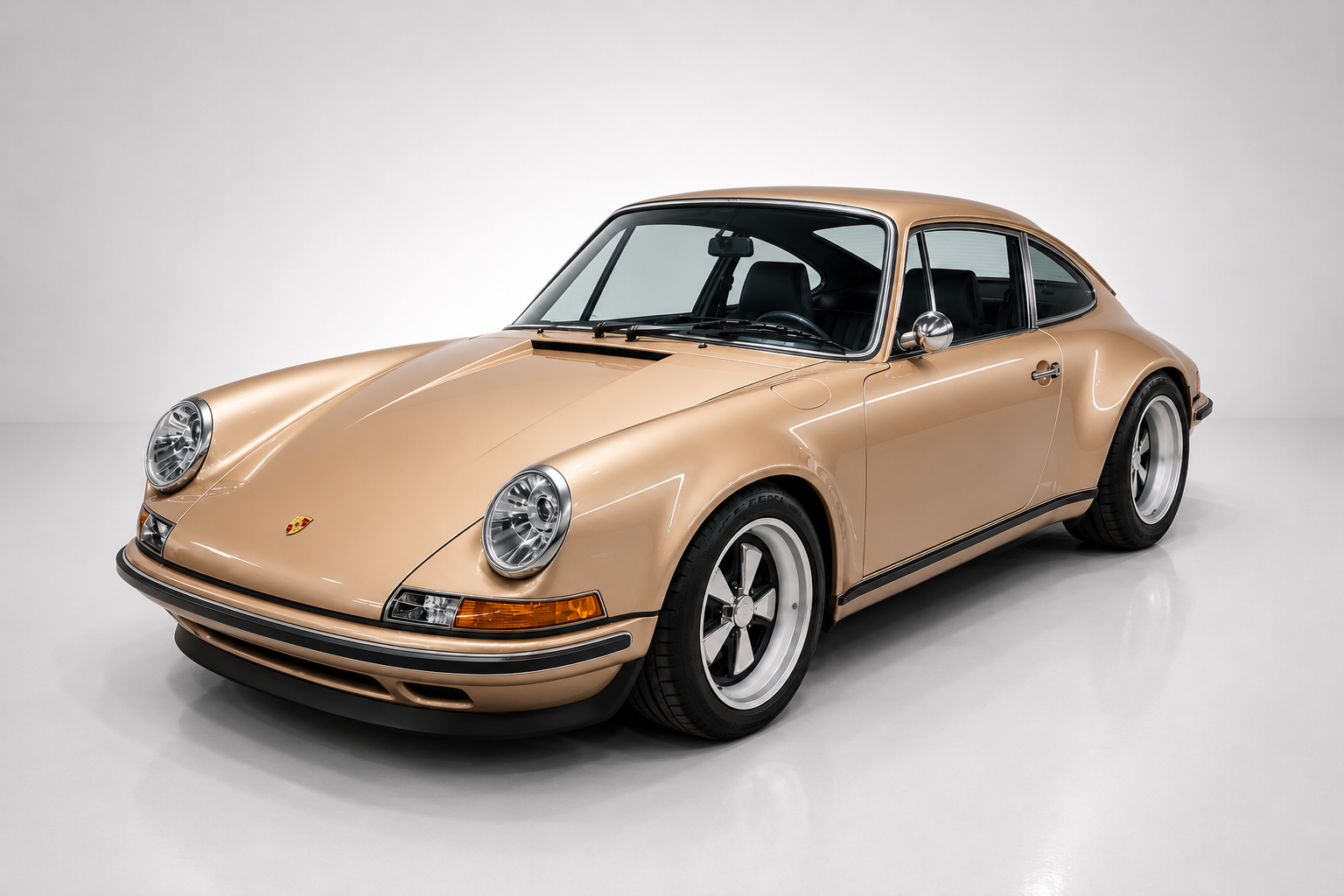
Singer Classic Study
Singer's foundational programme — a 964-based 911 'reimagined' to bespoke client specification.
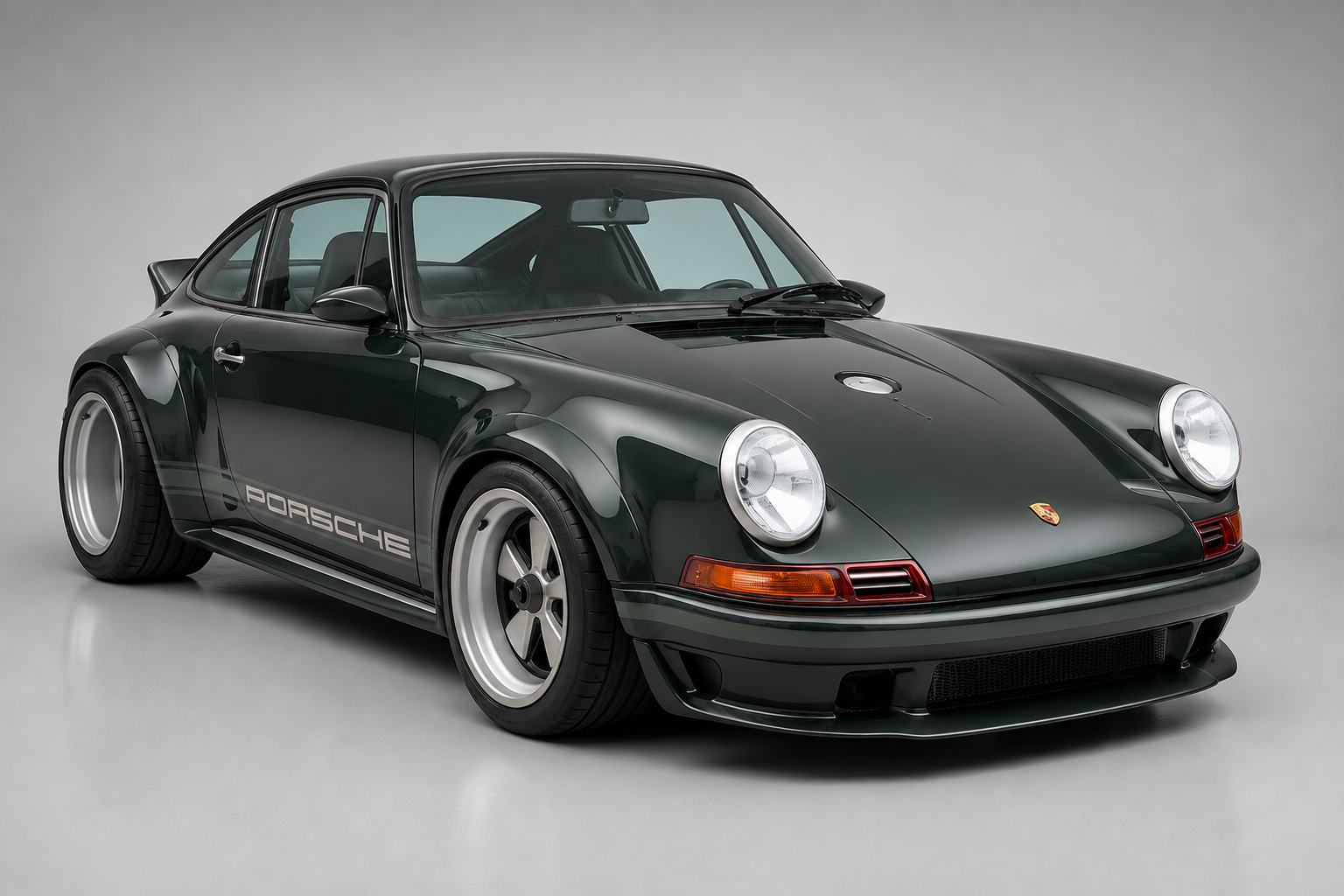
Singer DLS (Dynamics and Lightweighting Study)
The apex air-cooled 911 reimagining — F1 engineering meets the 964.
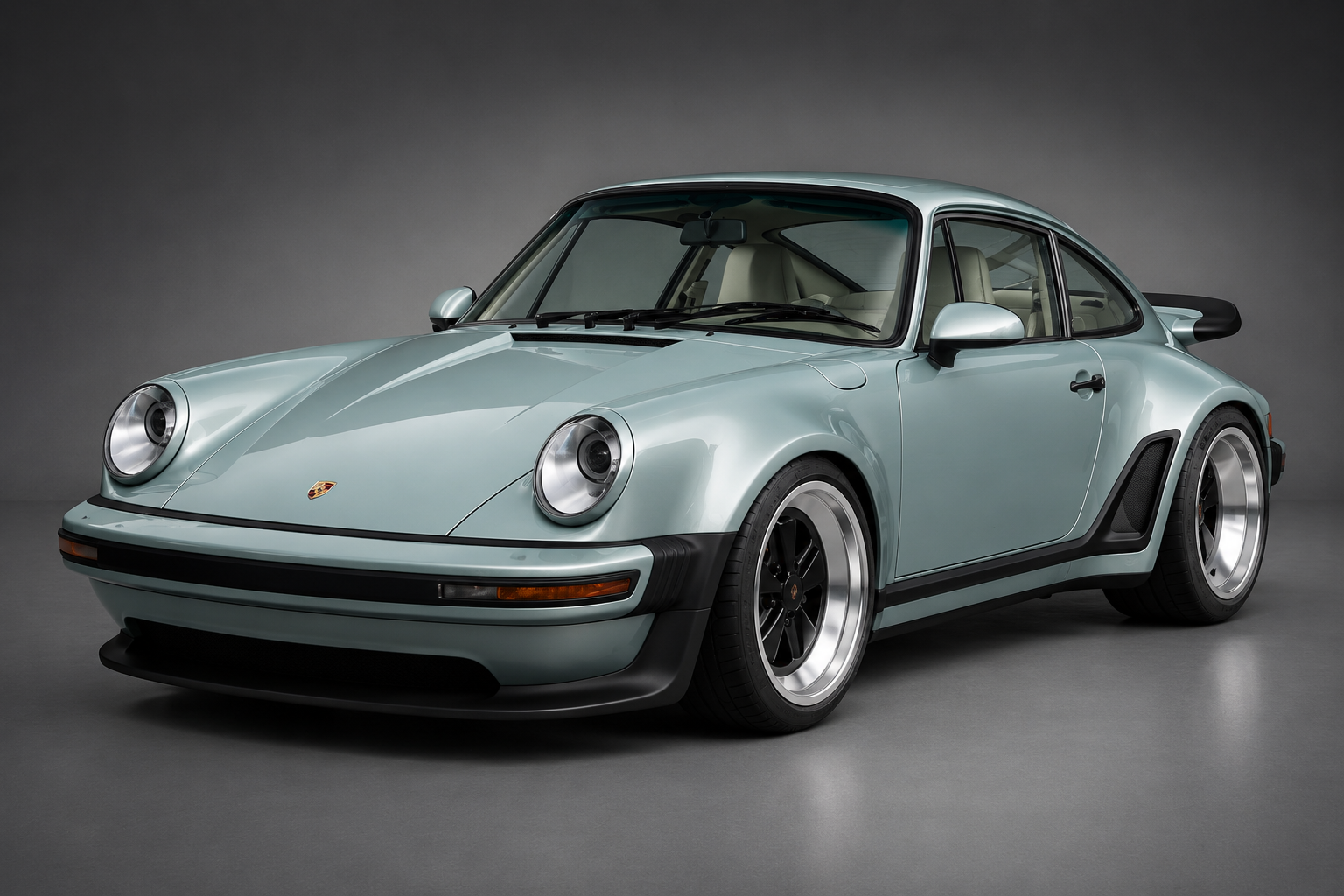
Singer Turbo Study
Singer's tribute to the 1970s 930 Turbo — a 964-based, twin-turbocharged 'reimagined' Porsche.
Stutz
Talbot-Lago
TVR
Zenvo
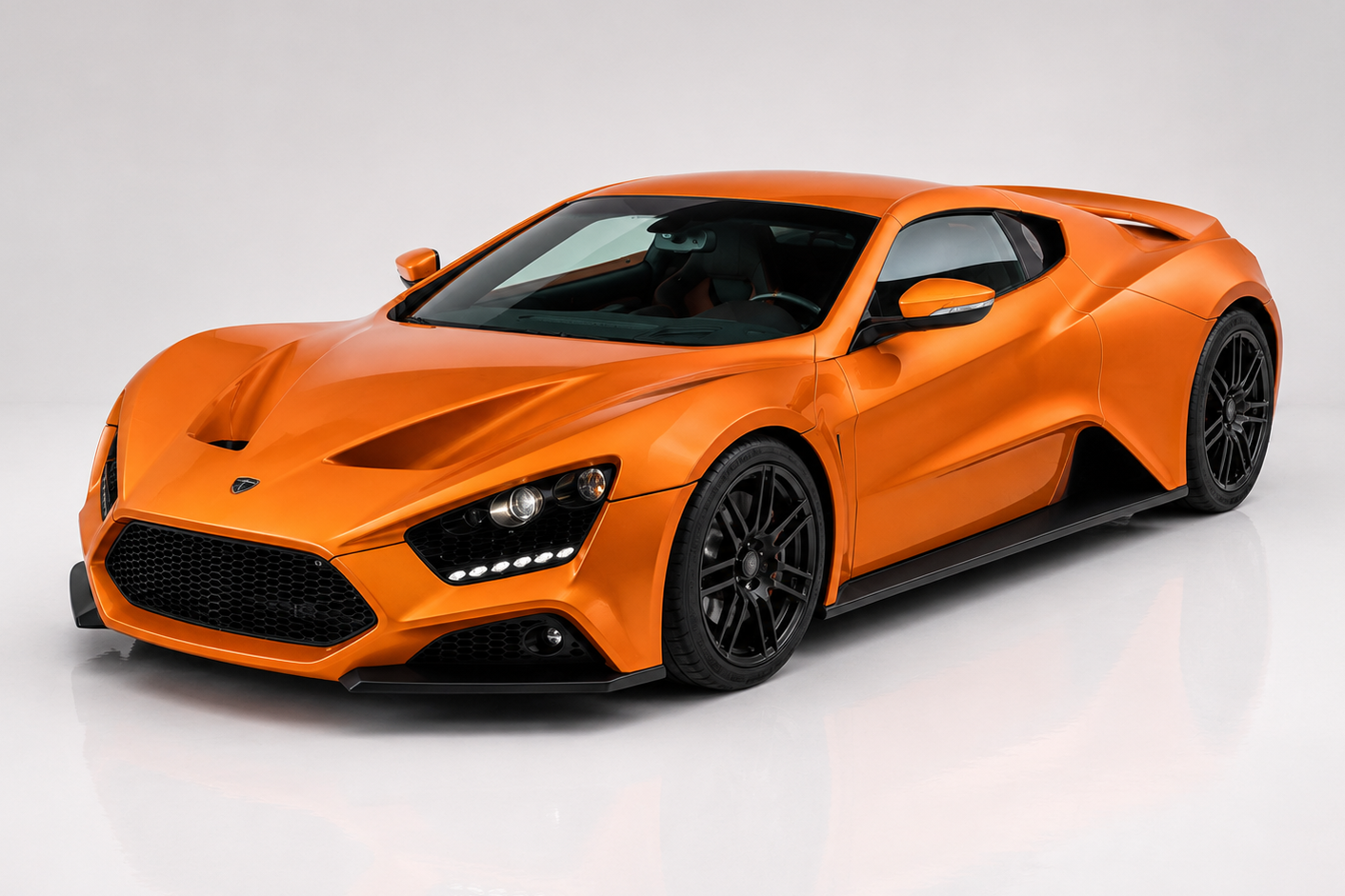
Zenvo ST1
Denmark's first hand-built hypercar — Zenvo Automotive's ST1, produced in a factory-declared total of 15 cars from 2009 to 2016 with a twin-charged 6.8-litre V8, GM-derived architecture extensively developed by Zenvo, and the three-unit ST1 50S North American special edition at ~1,250 PS / ~1,233 bhp with ~1,500 Nm.
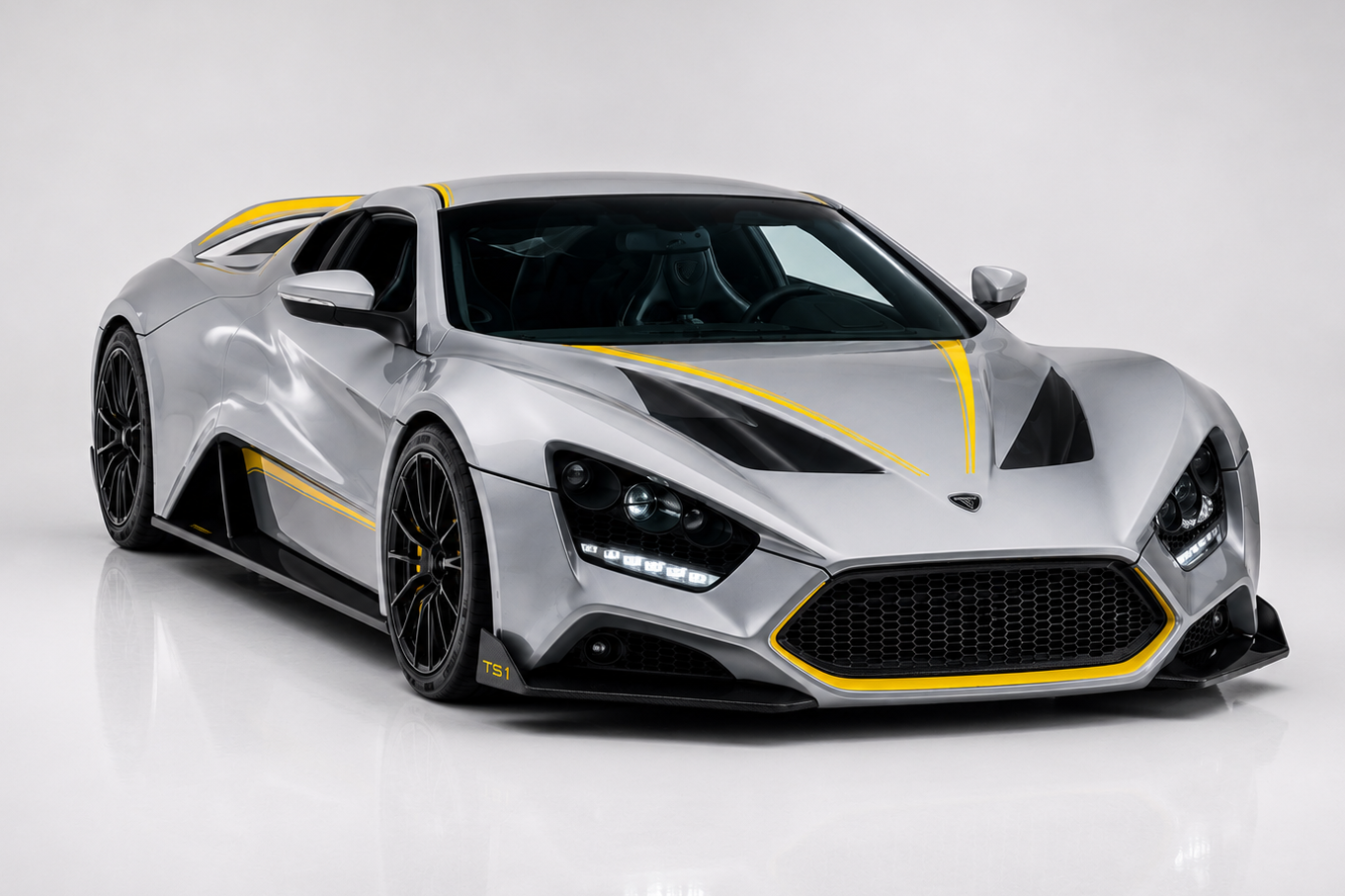
Zenvo TS1 GT
Zenvo Automotive's second-generation Danish hypercar — a road-going grand tourer with a twin-supercharged 5.8-litre V8 developed in-house from a GM architecture base, planned production of just 15 cars from 2016 to 2019.
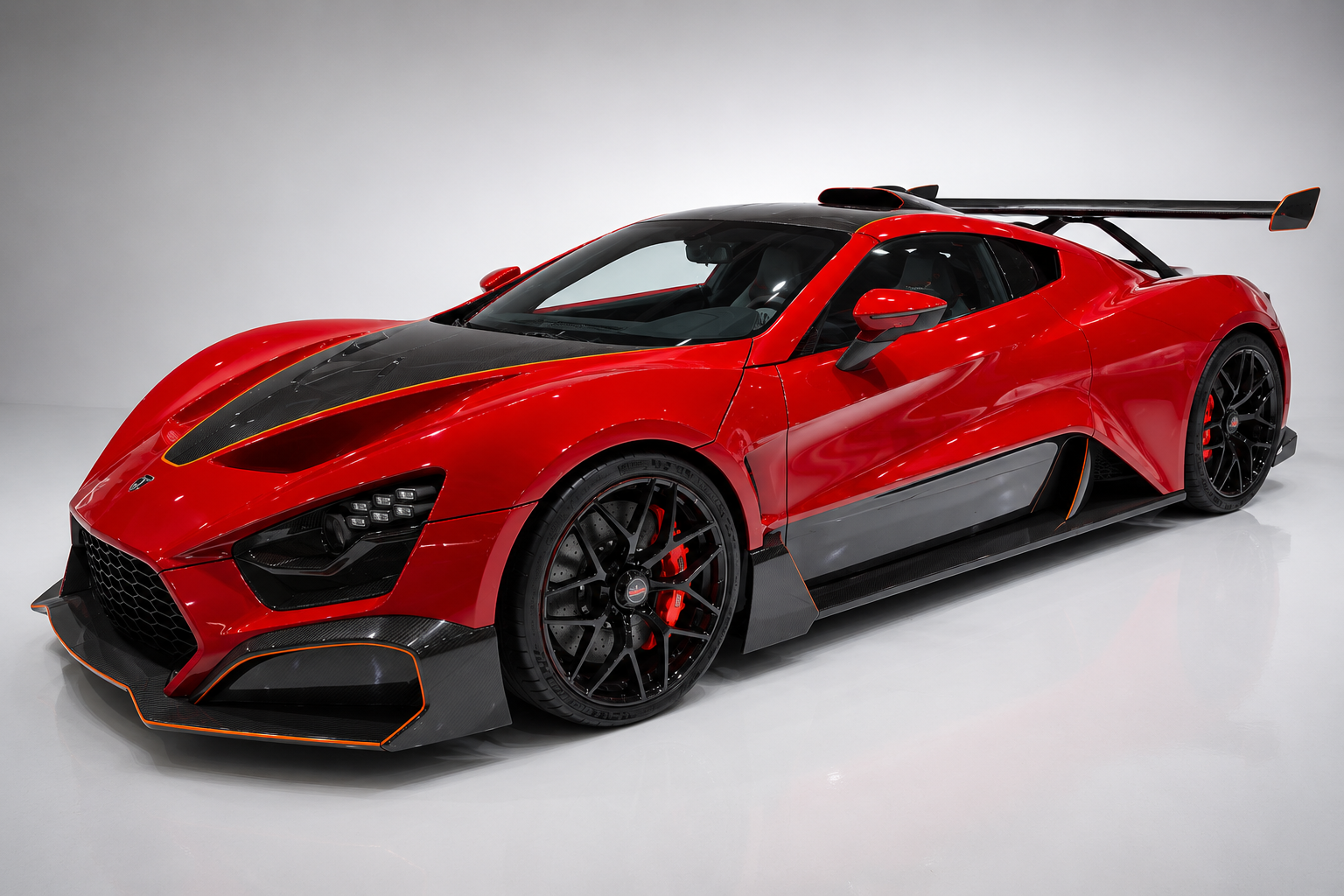
Zenvo TSR
Danish twin-supercharged V8 hypercar — TSR-S Centripetal Wing is the signature.
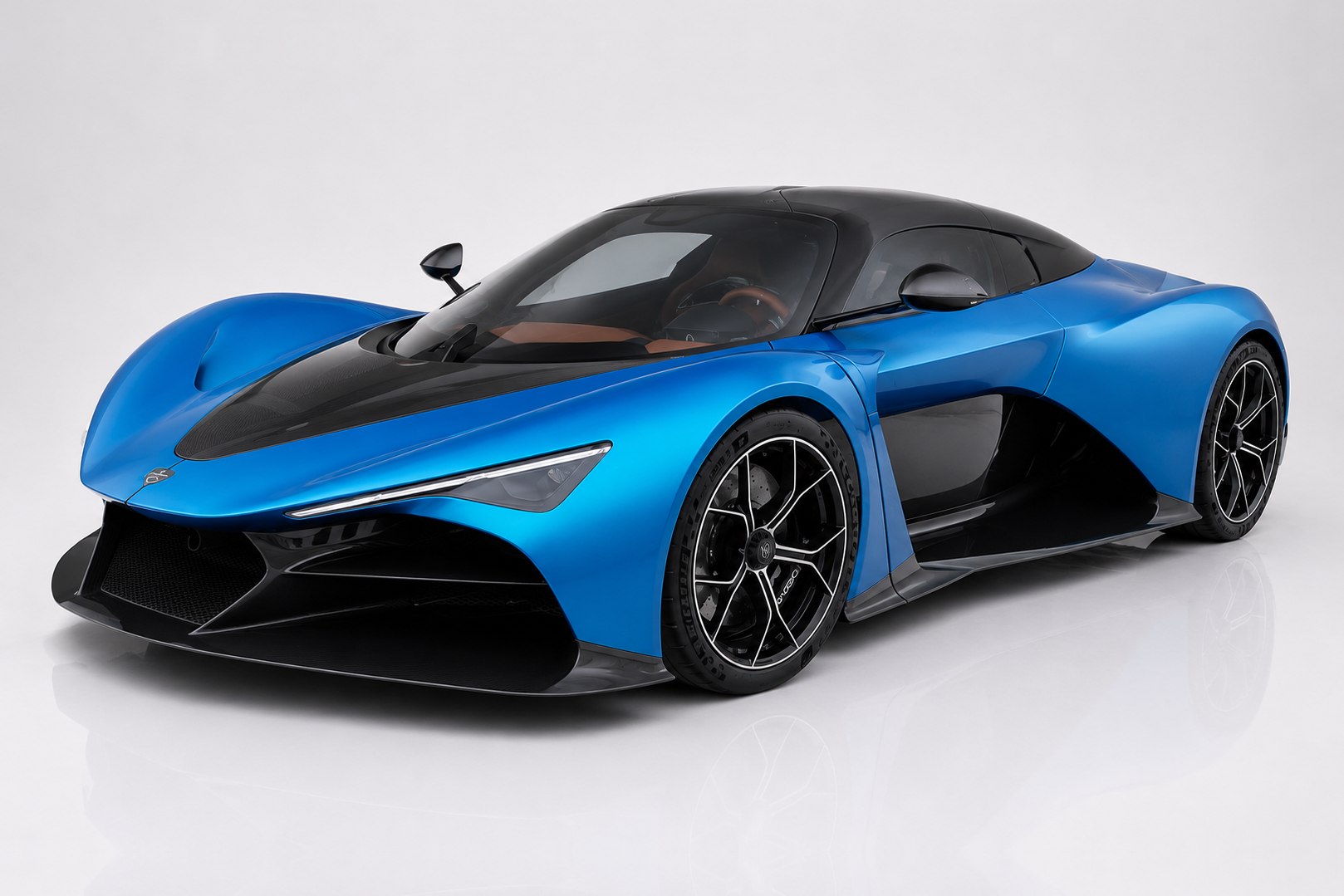
Zenvo Aurora
A tiny Danish firm's screaming hybrid V12 — old-school heart, hypercar numbers.
More buyer's guides on the way
Air-cooled Porsche, classic Ferrari, modern Lamborghini, Aston Martin, Mercedes-Benz SL, JDM icons and analogue supercars. Each guide is researched and edited individually — we'll publish new models as they're ready rather than promise a number.